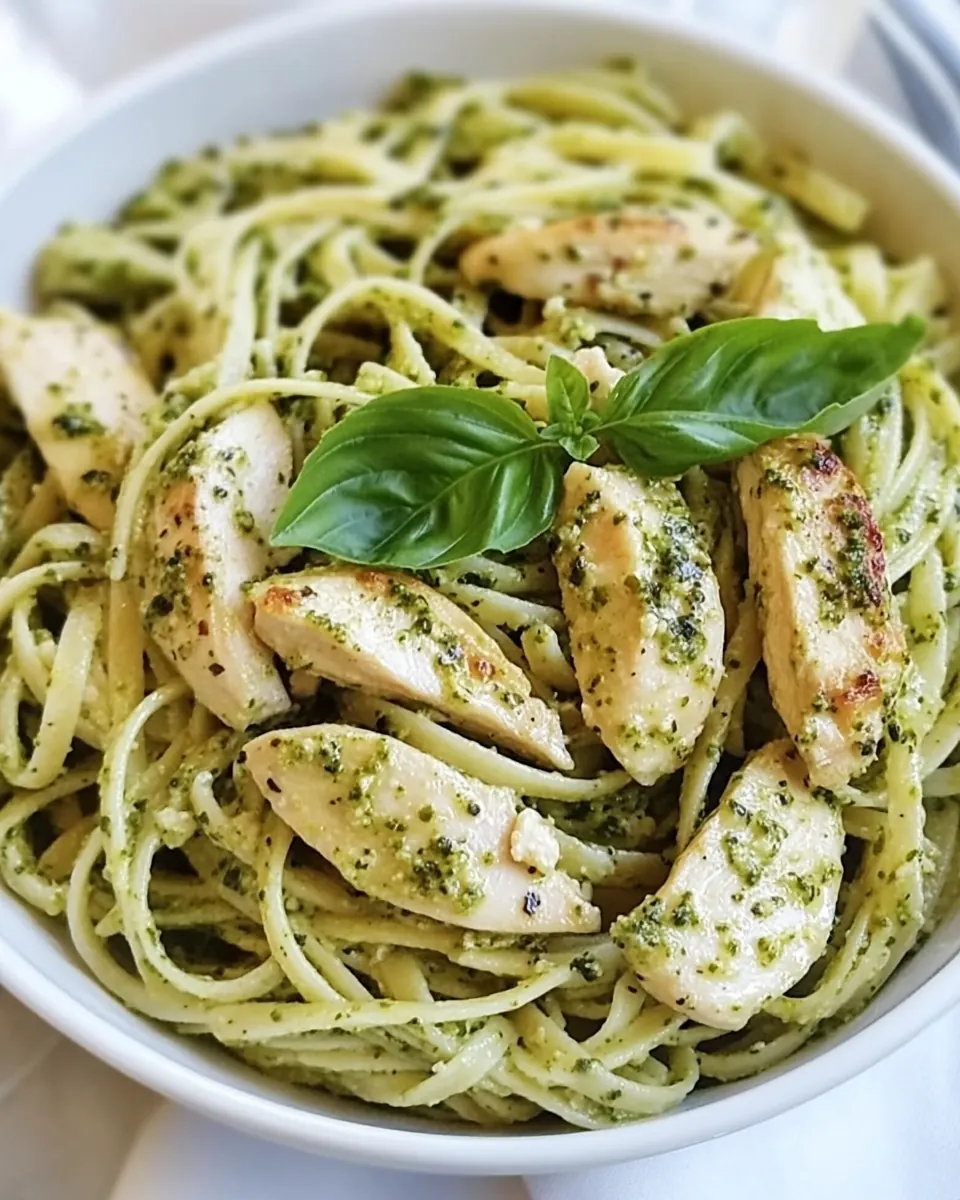
Pesto Pasta with Chicken
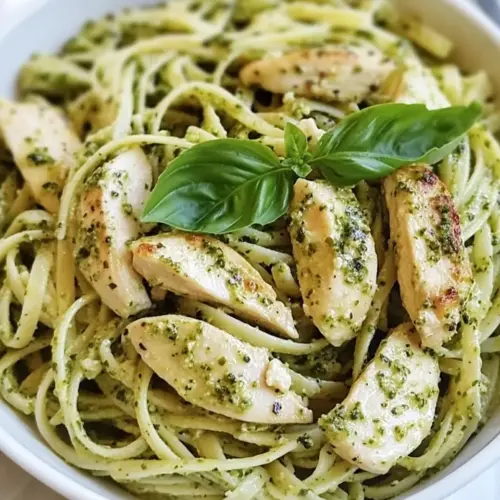
Pesto Pasta with Chicken is one of those meals I reach for when I want something bright, creamy, and satisfying without fuss.
Years ago I first made this dish on a sunlit Tuesday after a farmers market run, carrying a bunch of basil that smelled like summer itself. I remember standing at my counter, fingers still stained green, thinking about how a handful of simple ingredients could turn into an elegant dinner. The contrast between the cool, herbaceous basil blended into a silky sauce and the warm, seasoned chicken sliced on top felt like a little culinary celebration for two.
What I love about Pesto Pasta with Chicken is how forgiving it is. I often cook the spaghetti a touch firmer than package directions, because the residual heat helps the sauce cling without going limp. Once, when I forgot to buy pine nuts, I improvised and the dish still tasted fresh and lively, though I do prefer the original texture they add. Serving it with lemon wedges became my habit after I discovered a quick squeeze brightens every bite.
Recipe Snapshot
30 mins
10 mins
20 mins
Easy
550 kcal
Italian
Keto, Gluten-Free
Dinner
Pot, Colander, Food processor, Skillet, Tongs
The Best Thing About This Pesto Pasta with Chicken
Freshness that sings
I adore how the basil provides a vibrant, green backbone to the dish. When you pulse fresh leaves with a few aromatics, the smell that fills your kitchen is immediate proof this recipe is worth doing right now. That herbal top note makes each forkful feel light even though the dish is comforting.
Texture contrast
The combination of silky spaghetti, creamy yogurt enriched pesto, and tender slices of pan seared chicken creates an appealing mouthfeel. I like how the little toasted pine nuts add a gentle crunch, so the dish never feels one dimensional.
Speed without compromise
I often need dinner on the table fast, and this recipe delivers in about the time it takes to cook the spaghetti. The sauce comes together in minutes, and searing chicken yields golden flavor quickly, so you get a dinner that tastes like you labored over it, without the actual time investment.
Customizable richness
Using plain Greek yogurt keeps the pesto creamy while cutting some of the oil heaviness you might find elsewhere. You can balance tang with a splash of lemon juice or stretch the sauce with reserved pasta water to achieve just the mouth coating you prefer.
Everyday elegance
This is a dish I’ll serve to friends on a casual weeknight or bring to a potluck and not be embarrassed about. It looks beautiful on the plate, tastes balanced, and feels like a home cooked meal elevated by a few thoughtful touches.
Ingredients for Pesto Pasta with Chicken
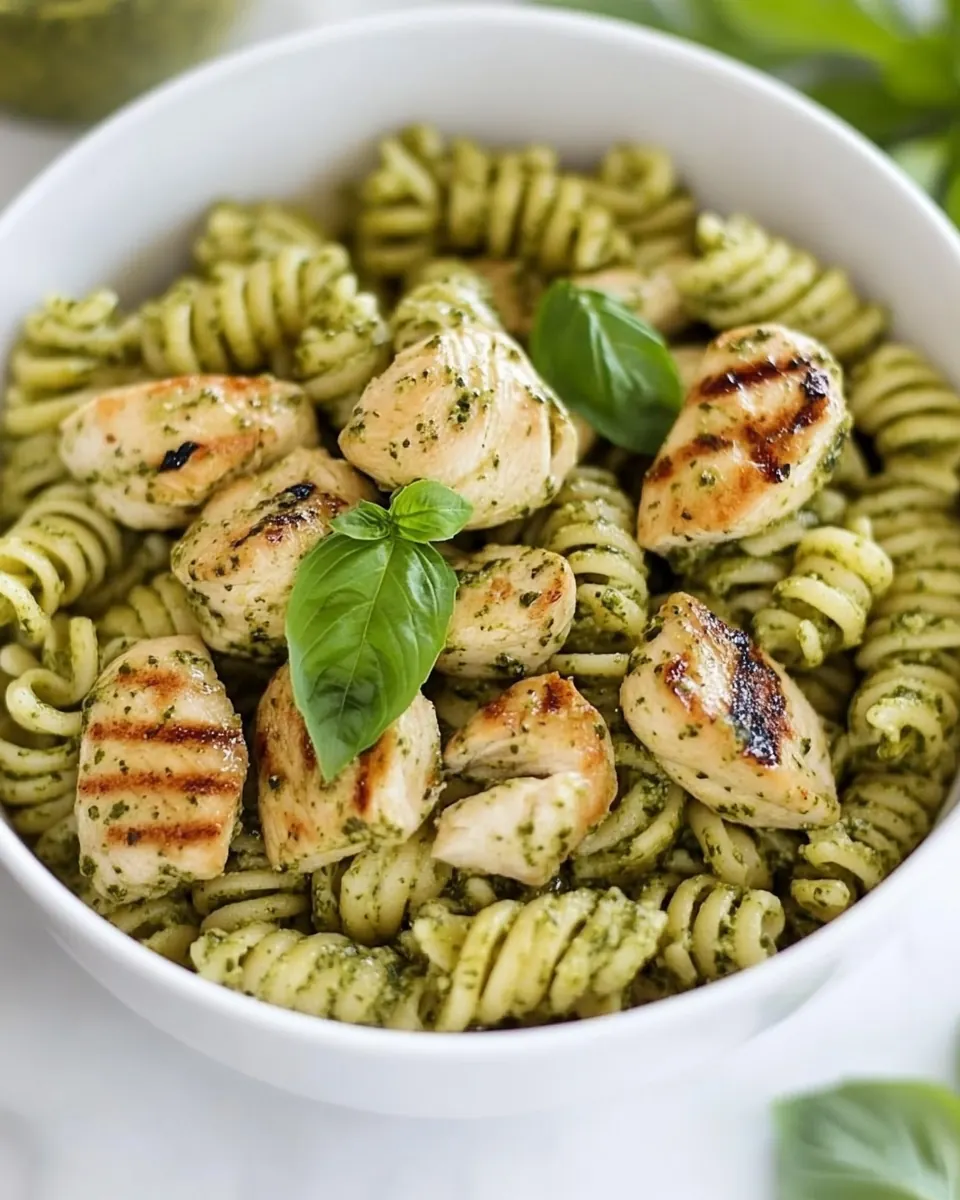
The ingredient list here is built around a few key players that all pull in the same direction. Basil is the aromatic hero, while Parmesan cheese and plain Greek yogurt give the sauce its creamy, savory body. The chicken brings protein and a meaty, smoky note when seared, and lemon juice lifts the whole dish with acidity. I think of the pasta as the canvas that holds everything together, and the little extras like toasted pine nuts add texture and nuance.
- 12 oz (350 g) spaghetti: Cook until al dente following package instructions, then toss with sauce and reserve a small amount of pasta water to loosen the pesto if needed. Serves as the primary carbohydrate and base for the dish, absorbing flavors from the sauce and chicken. Cut into servings and plate immediately to maintain texture.
- 3 cups fresh basil: Provide a bright herbal backbone when blanched or used fresh, offering aromatic, slightly sweet notes that define a classic pesto flavor profile. Blend tightly with oil, nuts, garlic, and cheese to create a vivid green sauce that coats the pasta evenly. Fresh leaves also add color and a fragrant finish when stirred into warm pasta.
- 2 tablespoons toasted pine nuts: Add a rich, buttery crunch when toasted, contributing depth and traditional pine nut flavor to the pesto’s texture and mouthfeel. Pulse gently with basil and garlic to distribute small nutty pieces throughout the sauce without overpowering the herbs. Sprinkle a few on top for garnish to emphasize texture contrasts.
- 1 clove garlic: Deliver a pungent, savory kick when crushed or minced, helping to lift and balance the richness of oil and cheese in the pesto. Incorporate into the blender with basil and pine nuts to release its aroma while avoiding raw harshness by mincing finely. Use sparingly to prevent overpowering other delicate herb notes.
- 1/2 cup plain Greek yogurt: Contribute a creamy, tangy base that lightens the pesto while reducing the amount of oil and cheese needed for a smoother, lower-fat sauce. Whisk or blend into the basil mixture to create a silkier consistency that adheres well to pasta strands. Chill before use if making ahead to maintain freshness.
- 2 tablespoons grated Parmesan cheese: Provide nutty, salty umami when finely grated and incorporated into the pesto, helping to bind the sauce and add savory depth. Sprinkle into the blender gradually to achieve the desired cheesiness without making the mixture grainy. Reserve a little for finishing the plated dish as a flavorful garnish.
- 2 tablespoons olive oil: Create a silky emulsion with basil and yogurt, helping to carry flavors and provide gloss on the pasta for a cohesive sauce. Drizzle while blending to achieve smooth consistency and help preserve the bright green color of the basil. Use extra for finishing if the pesto seems too thick.
- 1 tablespoon lemon juice: Brighten the pesto and balance richness with a touch of acidity, cutting through oil and cheese for a fresher overall flavor. Squeeze in gradually while tasting to maintain brightness without dominating the herbaceous notes. Add right before serving to preserve its fresh citrus aroma.
- Salt, to taste: Season to taste during and after mixing to enhance and balance all flavors without overpowering the pesto or chicken. Start with a conservative amount and adjust as the sauce comes together, since cheese and nuts contribute saltiness. Use sparingly and taste frequently to achieve proper seasoning.
- 8 oz (230 g) boneless, skinless chicken breasts: Cook thoroughly and slice or cube after resting to serve alongside pasta, providing lean protein and a satisfying textural contrast. Marinate or season before cooking to impart additional flavor and ensure juicy meat, then slice thinly against the grain for tenderness. Combine with the pesto-coated pasta for a complete meal.
- Salt: Season during cooking to ensure the chicken and finished dish have adequate salt, helping to elevate the other flavors present. Apply at multiple stages—both to the chicken while cooking and to the sauce sparingly—to avoid over-salting. Taste the final dish and adjust lightly if needed.
- Ground black pepper: Season with freshly ground black pepper to add mild heat and aromatic complexity that complements the basil and garlic. Grind directly over the chicken or into the sauce to release volatile oils for maximum flavor impact. Use moderately to prevent overwhelming the pesto’s delicate herbal notes.
- 3 dashes cayenne pepper: Season with a few dashes to introduce a warm, spicy kick that complements the herbaceous pesto and adds depth to the chicken. Sprinkle carefully and taste, as cayenne can quickly become dominant; it pairs well with black pepper for layered heat. Use sparingly to maintain balance.
- 1 tablespoon olive oil: Sear the chicken in hot oil to develop a golden crust and flavorful fond, which can be deglazed or scraped into the sauce if desired. Add at the start of cooking to ensure proper browning and even cooking, then finish in the oven or on lower heat to maintain juiciness. Use a tablespoon to control oil quantity and prevent splatter.
- Lemon wedges: Serve alongside the plated pasta to add a bright, tart finishing touch that guests can squeeze over chicken or pasta to taste. Offer wedges for immediate garnish and to allow diners to adjust acidity to preference, enhancing overall balance. Keep chilled until serving to preserve freshness.
Instructions for Pesto Pasta with Chicken
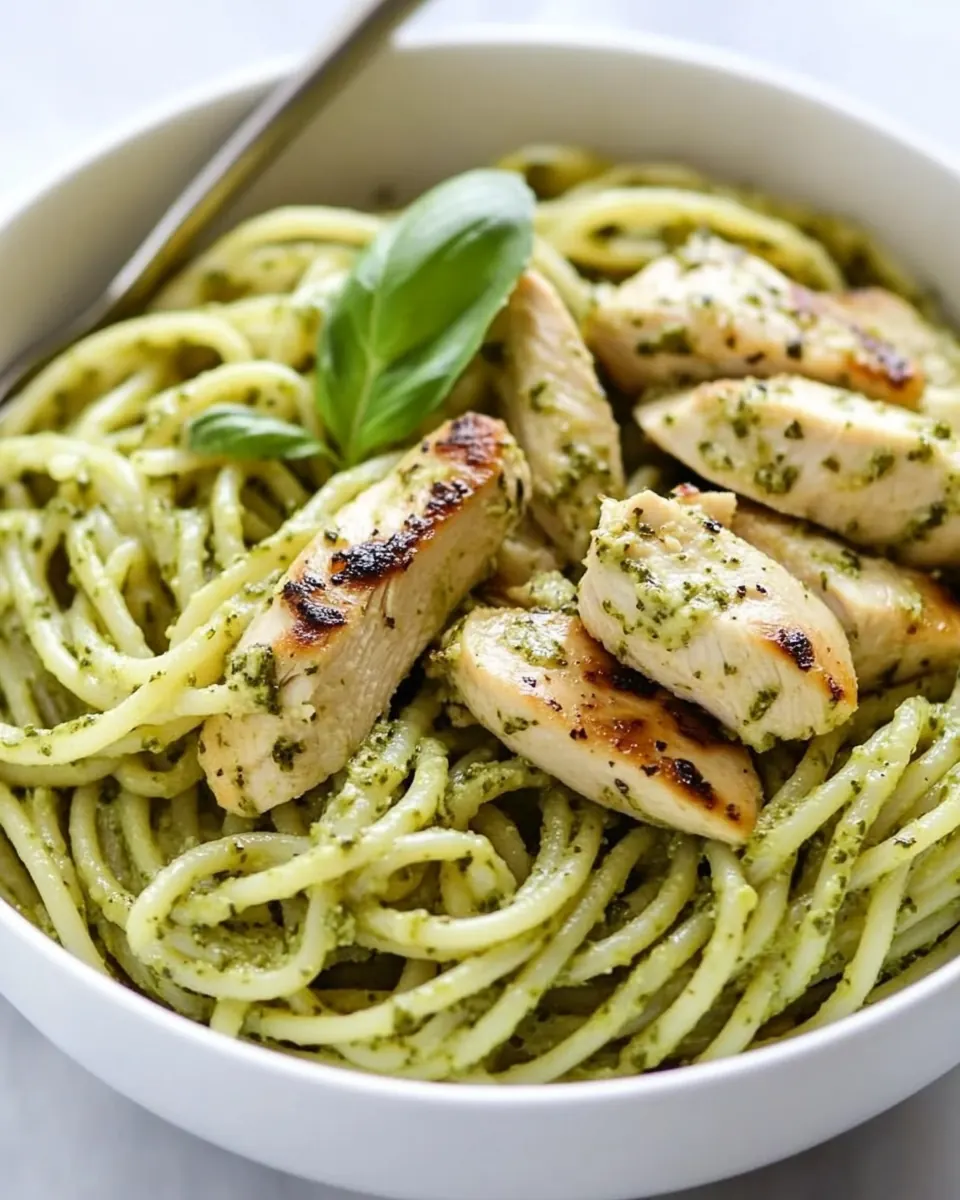
I like to approach the cooking in overlapping steps so nothing sits and cools while another component finishes. The sauce comes together quickly, so I often start the spaghetti first, then move to the chicken, and finish by tossing everything with the pesto and reserved pasta water.
- Cook the spaghetti according to the package instructions. Drain the pasta, reserving some of the pasta water, and set it aside.: The moment the pasta water starts to smell faintly wheaty and steam rises, you want to time the spaghetti to reach al dente, which means a slight resistance at the center. When draining, scoop out a cup of the starchy water; it acts like glue for the sauce. Sensory cue to watch for is the way the strands cling slightly together but still separate. A common mistake is overcooking, which makes the spaghetti too soft and unable to hold the pesto; avoid that by tasting a strand a minute or two before the package time ends.
- Pulse the basil, pine nuts, and garlic in a food processor. Add the yogurt, Parmesan cheese, olive oil, lemon juice, and salt. If the pesto is too thick, add some pasta water to dilute it. Adjust the lemon juice and salt to taste.: Right after pulsing, the aroma should be intensely green and garlicky, a fragrant lift that fills the kitchen. When you add the Greek yogurt and Parmesan cheese , the texture becomes creamy and glossy. If the mixture feels pasty, gradually stir in reserved pasta water until the sauce coats the back of a spoon. The reason for this water is to emulsify the fats and proteins so the pesto clings to the spaghetti . Watch out for overblending which can warm the basil and dull its fresh flavor; pulse briefly to keep the color bright.
- Season both sides of the chicken with salt, pepper, and cayenne pepper. Heat a cast-iron grill pan or skillet and add the olive oil. Cook the chicken until nicely browned and cooked through. Slice the chicken into strips.: Listen for the satisfying sizzle when the chicken hits the hot pan, that sound signals flavor building via the Maillard reaction. A properly seared surface will be deeply golden and slightly crisp, while the interior should read 165 F on a thermometer for safety. Let the meat rest a few minutes before slicing to retain juices, you will notice the juices redistribute and the texture become more tender. A typical mistake is flipping too frequently, which prevents a proper crust from forming.
- Toss the spaghetti with the pesto and stir to combine well. Top the pasta with the chicken and serve immediately with lemon wedges.: When you fold the warm spaghetti into the pesto, the sauce should coat each strand so every bite is balanced. If the sauce looks thick, add small amounts of reserved pasta water and stir until it mellows into a silky coating. Pile the sliced chicken on top so the heat from the pasta warms it slightly, releasing savory aromas. Finish with a squeeze from the lemon wedges to brighten the plate. Avoid letting the pasta sit too long uncovered, as the sauce will tighten and lose that fresh, silky texture.
Variations to Try
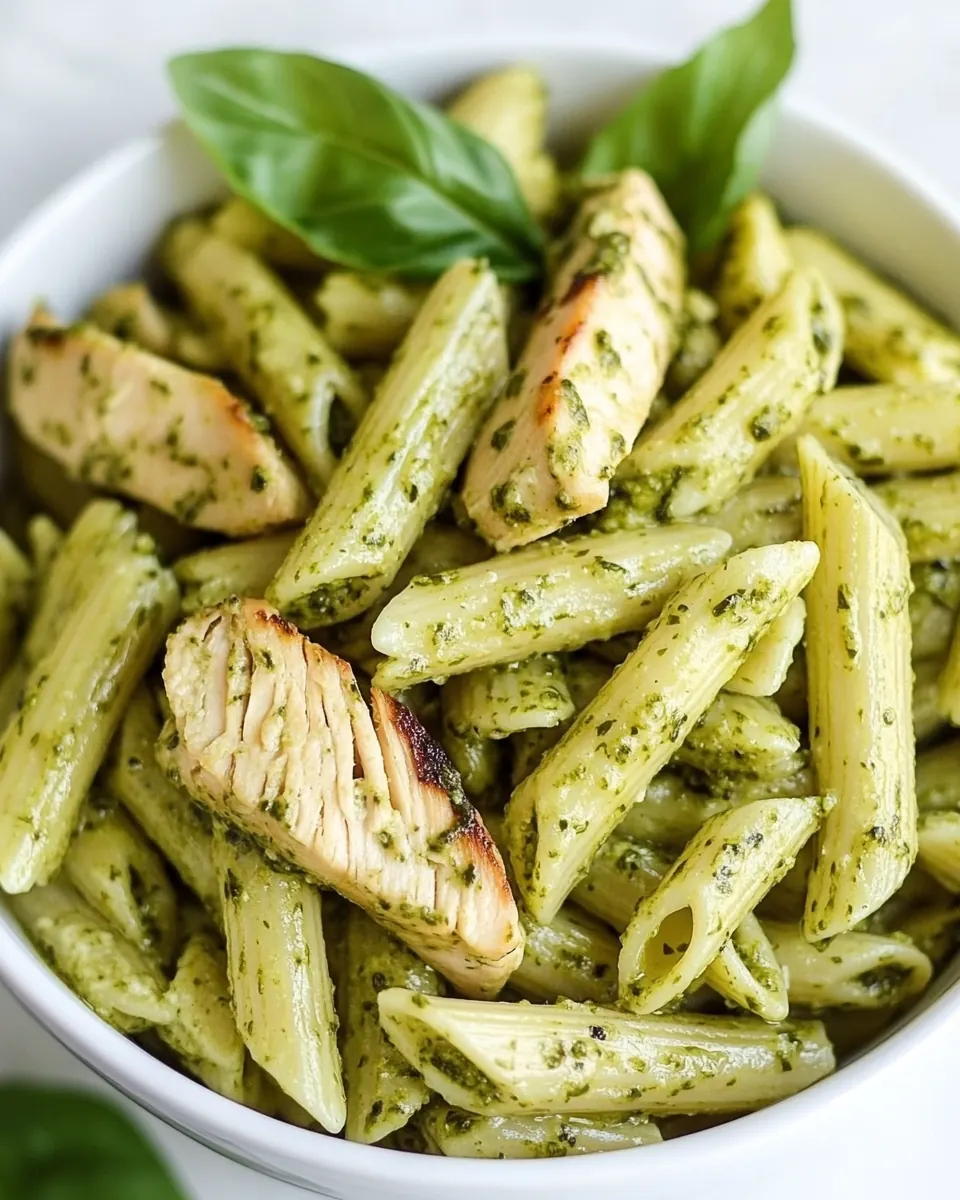
This recipe is a perfect template for tweaks. Below are ideas to personalize texture, heat, and brightness while keeping the spirit of the dish intact.
- Swap nuts for seeds Try using toasted walnuts or sunflower seeds if you want a different crunch and a slightly earthier flavor profile.
- Yogurt richness Use full fat Greek yogurt for a creamier mouthfeel, or thin it with a little reserved pasta water if the sauce feels dense.
- Adjust the heat Increase or decrease the cayenne on the chicken to suit your preference; the amount listed gives a gentle warmth that complements the herbs.
- Brighten with citrus Add extra lemon juice or finish plates with lemon zest for an immediate lift that cuts through any richness.
- Make it ahead Prepare the pesto a day early and store it airtight in the fridge, pressing plastic directly on the surface to minimize browning; bring it to room temperature before tossing with warm pasta.
Accompaniments for Pesto Pasta with Chicken
This dish pairs beautifully with light sides and seasonal accents that complement the herby pesto and savory chicken. Below I outline several serving suggestions and storage notes that help you plan a full meal.
- Simple green salad A crisp salad with mixed greens and a lemon vinaigrette adds refreshing contrast that keeps the meal balanced and bright.
- Roasted vegetables Oven roasted seasonal vegetables like zucchini or cherry tomatoes make a warm side that echoes the herb notes in the pesto.
- Crusty bread Serve with slices of crusty bread to mop up any leftover pesto sheen on the plate, adding a satisfying textural element.
- Occasions This recipe works well for casual weeknight dinners, relaxed weekend lunches, or small gatherings where you want a dish that looks composed but is easy to scale.
- Storage Store leftover pasta and pesto in separate airtight containers for best texture, keeping the pesto refrigerated for up to three days and recombining before reheating gently.
- Seasonal pairing In summer serve with ripe tomatoes and a glass of chilled non alcoholic beverage to echo the bright flavors of the dish.
FAQ
Conclusion
This recipe stands out because it brings together bright fresh basil, creamy yogurt enriched pesto, and simply seasoned seared chicken for a balanced and satisfying meal. Give it a try the next time you want an easy weeknight dinner that still feels special, and don’t be afraid to tweak the heat or citrus to suit your taste. I hope this becomes one of your go to meals when you want something fast, flavorful, and a little bit celebratory.
Pesto Pasta with Chicken
Equipment
- Pot
- Colander
- Food Processor
- Skillet
- Tongs
Ingredients
- 12 oz (350 g) spaghetti Cook until al dente following package instructions, then toss with sauce and reserve a small amount of pasta water to loosen the pesto if needed. Serves as the primary carbohydrate and base for the dish, absorbing flavors from the sauce and chicken. Cut into servings and plate immediately to maintain texture.
- 3 cups fresh basil Provide a bright herbal backbone when blanched or used fresh, offering aromatic, slightly sweet notes that define a classic pesto flavor profile. Blend tightly with oil, nuts, garlic, and cheese to create a vivid green sauce that coats the pasta evenly. Fresh leaves also add color and a fragrant finish when stirred into warm pasta.
- 2 tablespoons toasted pine nuts Add a rich, buttery crunch when toasted, contributing depth and traditional pine nut flavor to the pesto’s texture and mouthfeel. Pulse gently with basil and garlic to distribute small nutty pieces throughout the sauce without overpowering the herbs. Sprinkle a few on top for garnish to emphasize texture contrasts.
- 1 clove garlic Deliver a pungent, savory kick when crushed or minced, helping to lift and balance the richness of oil and cheese in the pesto. Incorporate into the blender with basil and pine nuts to release its aroma while avoiding raw harshness by mincing finely. Use sparingly to prevent overpowering other delicate herb notes.
- 1/2 cup plain Greek yogurt Contribute a creamy, tangy base that lightens the pesto while reducing the amount of oil and cheese needed for a smoother, lower-fat sauce. Whisk or blend into the basil mixture to create a silkier consistency that adheres well to pasta strands. Chill before use if making ahead to maintain freshness.
- 2 tablespoons grated Parmesan cheese Provide nutty, salty umami when finely grated and incorporated into the pesto, helping to bind the sauce and add savory depth. Sprinkle into the blender gradually to achieve the desired cheesiness without making the mixture grainy. Reserve a little for finishing the plated dish as a flavorful garnish.
- 2 tablespoons olive oil Create a silky emulsion with basil and yogurt, helping to carry flavors and provide gloss on the pasta for a cohesive sauce. Drizzle while blending to achieve smooth consistency and help preserve the bright green color of the basil. Use extra for finishing if the pesto seems too thick.
- 1 tablespoon lemon juice Brighten the pesto and balance richness with a touch of acidity, cutting through oil and cheese for a fresher overall flavor. Squeeze in gradually while tasting to maintain brightness without dominating the herbaceous notes. Add right before serving to preserve its fresh citrus aroma.
- Salt, to taste Season to taste during and after mixing to enhance and balance all flavors without overpowering the pesto or chicken. Start with a conservative amount and adjust as the sauce comes together, since cheese and nuts contribute saltiness. Use sparingly and taste frequently to achieve proper seasoning.
- 8 oz (230 g) boneless, skinless chicken breasts Cook thoroughly and slice or cube after resting to serve alongside pasta, providing lean protein and a satisfying textural contrast. Marinate or season before cooking to impart additional flavor and ensure juicy meat, then slice thinly against the grain for tenderness. Combine with the pesto-coated pasta for a complete meal.
- Salt Season during cooking to ensure the chicken and finished dish have adequate salt, helping to elevate the other flavors present. Apply at multiple stages—both to the chicken while cooking and to the sauce sparingly—to avoid over-salting. Taste the final dish and adjust lightly if needed.
- Ground black pepper Season with freshly ground black pepper to add mild heat and aromatic complexity that complements the basil and garlic. Grind directly over the chicken or into the sauce to release volatile oils for maximum flavor impact. Use moderately to prevent overwhelming the pesto’s delicate herbal notes.
- 3 dashes cayenne pepper Season with a few dashes to introduce a warm, spicy kick that complements the herbaceous pesto and adds depth to the chicken. Sprinkle carefully and taste, as cayenne can quickly become dominant; it pairs well with black pepper for layered heat. Use sparingly to maintain balance.
- 1 tablespoon olive oil Sear the chicken in hot oil to develop a golden crust and flavorful fond, which can be deglazed or scraped into the sauce if desired. Add at the start of cooking to ensure proper browning and even cooking, then finish in the oven or on lower heat to maintain juiciness. Use a tablespoon to control oil quantity and prevent splatter.
- Lemon wedges Serve alongside the plated pasta to add a bright, tart finishing touch that guests can squeeze over chicken or pasta to taste. Offer wedges for immediate garnish and to allow diners to adjust acidity to preference, enhancing overall balance. Keep chilled until serving to preserve freshness.
Instructions
- Cook the spaghetti according to the package instructions. Drain the pasta, reserving some of the pasta water, and set it aside.: The moment the pasta water starts to smell faintly wheaty and steam rises, you want to time the spaghetti to reach al dente, which means a slight resistance at the center. When draining, scoop out a cup of the starchy water; it acts like glue for the sauce. Sensory cue to watch for is the way the strands cling slightly together but still separate. A common mistake is overcooking, which makes the spaghetti too soft and unable to hold the pesto; avoid that by tasting a strand a minute or two before the package time ends.
- Pulse the basil, pine nuts, and garlic in a food processor. Add the yogurt, Parmesan cheese, olive oil, lemon juice, and salt. If the pesto is too thick, add some pasta water to dilute it. Adjust the lemon juice and salt to taste.: Right after pulsing, the aroma should be intensely green and garlicky, a fragrant lift that fills the kitchen. When you add the Greek yogurt and Parmesan cheese , the texture becomes creamy and glossy. If the mixture feels pasty, gradually stir in reserved pasta water until the sauce coats the back of a spoon. The reason for this water is to emulsify the fats and proteins so the pesto clings to the spaghetti . Watch out for overblending which can warm the basil and dull its fresh flavor; pulse briefly to keep the color bright.
- Season both sides of the chicken with salt, pepper, and cayenne pepper. Heat a cast-iron grill pan or skillet and add the olive oil. Cook the chicken until nicely browned and cooked through. Slice the chicken into strips.: Listen for the satisfying sizzle when the chicken hits the hot pan, that sound signals flavor building via the Maillard reaction. A properly seared surface will be deeply golden and slightly crisp, while the interior should read 165 F on a thermometer for safety. Let the meat rest a few minutes before slicing to retain juices, you will notice the juices redistribute and the texture become more tender. A typical mistake is flipping too frequently, which prevents a proper crust from forming.
- Toss the spaghetti with the pesto and stir to combine well. Top the pasta with the chicken and serve immediately with lemon wedges.: When you fold the warm spaghetti into the pesto, the sauce should coat each strand so every bite is balanced. If the sauce looks thick, add small amounts of reserved pasta water and stir until it mellows into a silky coating. Pile the sliced chicken on top so the heat from the pasta warms it slightly, releasing savory aromas. Finish with a squeeze from the lemon wedges to brighten the plate. Avoid letting the pasta sit too long uncovered, as the sauce will tighten and lose that fresh, silky texture.
Notes
- Swap nuts for seeds Try using toasted walnuts or sunflower seeds if you want a different crunch and a slightly earthier flavor profile.
- Yogurt richness Use full fat Greek yogurt for a creamier mouthfeel, or thin it with a little reserved pasta water if the sauce feels dense.
- Adjust the heat Increase or decrease the cayenne on the chicken to suit your preference; the amount listed gives a gentle warmth that complements the herbs.
- Brighten with citrus Add extra lemon juice or finish plates with lemon zest for an immediate lift that cuts through any richness.
- Make it ahead Prepare the pesto a day early and store it airtight in the fridge, pressing plastic directly on the surface to minimize browning; bring it to room temperature before tossing with warm pasta.