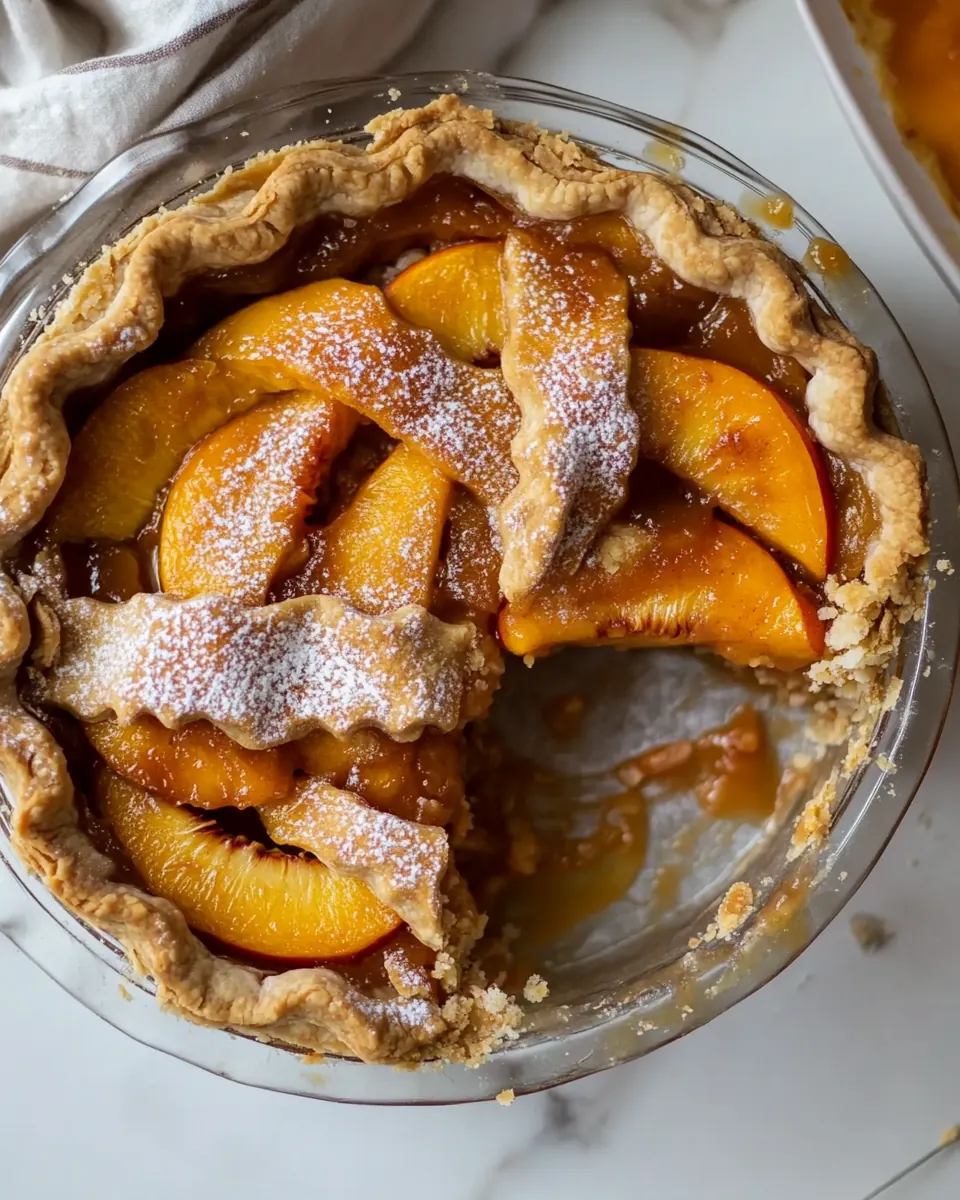
Perfect Vegan Peach Pie
Perfect Vegan Peach Pie has been my go to summer dessert on backyard porches and late night porch swings, a recipe I reached for the first time when my neighbor handed me a bag of sun warmed peaches from her tree.
I still remember the sticky sweetness on my fingers as I sliced through those ripe peaches, and how the kitchen filled with a warm, spicy perfume while the filling simmered gently on the stove. I loved how the flaky crust, flecked with tiny cubes of plant butter, contrasted with the jammy, tender peach slices. That first bite convinced me this was more than a pie, it was a memory wrapped in pastry. Over the years I tuned the sugar balance, learned to coax the best texture from the filling, and practiced my lattice until it looked rustic but intentional.
When friends come by now I always reach for this recipe because it travels well, slices cleanly when cooled, and pairs beautifully with a scoop of vegan vanilla ice cream. I’ve baked it for potlucks, slow Sunday dinners, and as a celebratory dessert for small victories. Each time I bake Perfect Vegan Peach Pie I tinker a little, but the soul of the recipe stays the same: ripe peach flavor, warm spices, and a comforting, buttery crust made without dairy. If you love fruit pies, this one will feel like an old friend you want to visit again and again.
Recipe Snapshot
1 hr 20 mins
30 mins
50 mins
Hard
250 kcal
American
Vegan, Gluten-Free
Desserts
Mixing bowl, Pastry blender, Wooden spoon, Saucepan, Oven, Saucepan for blanching
The Appeal of This Perfect Vegan Peach Pie
Bright, true fruit flavor
I adore how the peach slices remain the star. The recipe preserves the fruits natural sweetness and brightness while the gentle stove top thickening brings everything together. I often taste the filling at the simmer stage and adjust sugar so the fruit sings without being cloying.
Vegan, without compromise
We keep the richness by using plant butter and a small finish of non dairy milk for an egg wash. The texture of the crust is flaky and tender, not gummy. I promise you wont miss dairy here, because the techniques replicate that layered, buttery structure.
Textural contrast
The tender, syrupy filling set against a crisp, golden crust is what I chase in pies. I love the slight chew of the cooked peach slices and the whisper of spices. The lattice or top crust keeps things rustic and practical, so each slice holds its shape.
Approachable techniques
Everything here is doable, even if youre nervous about pastry. Chilling the dough and using ice cold water are simple steps that make a world of difference. I always share small troubleshooting tips so you dont overwork the dough and lose flakiness.
Seasonal celebration
This is the kind of dessert that turns summer fruit into a centerpiece. I make it when my local market has the sweetest yellow peach variety, and serving it feels celebratory without fuss. Its a recipe that showcases a single fruit while offering warm spice notes and a cozy finish.
Shopping List for Perfect Vegan Peach Pie
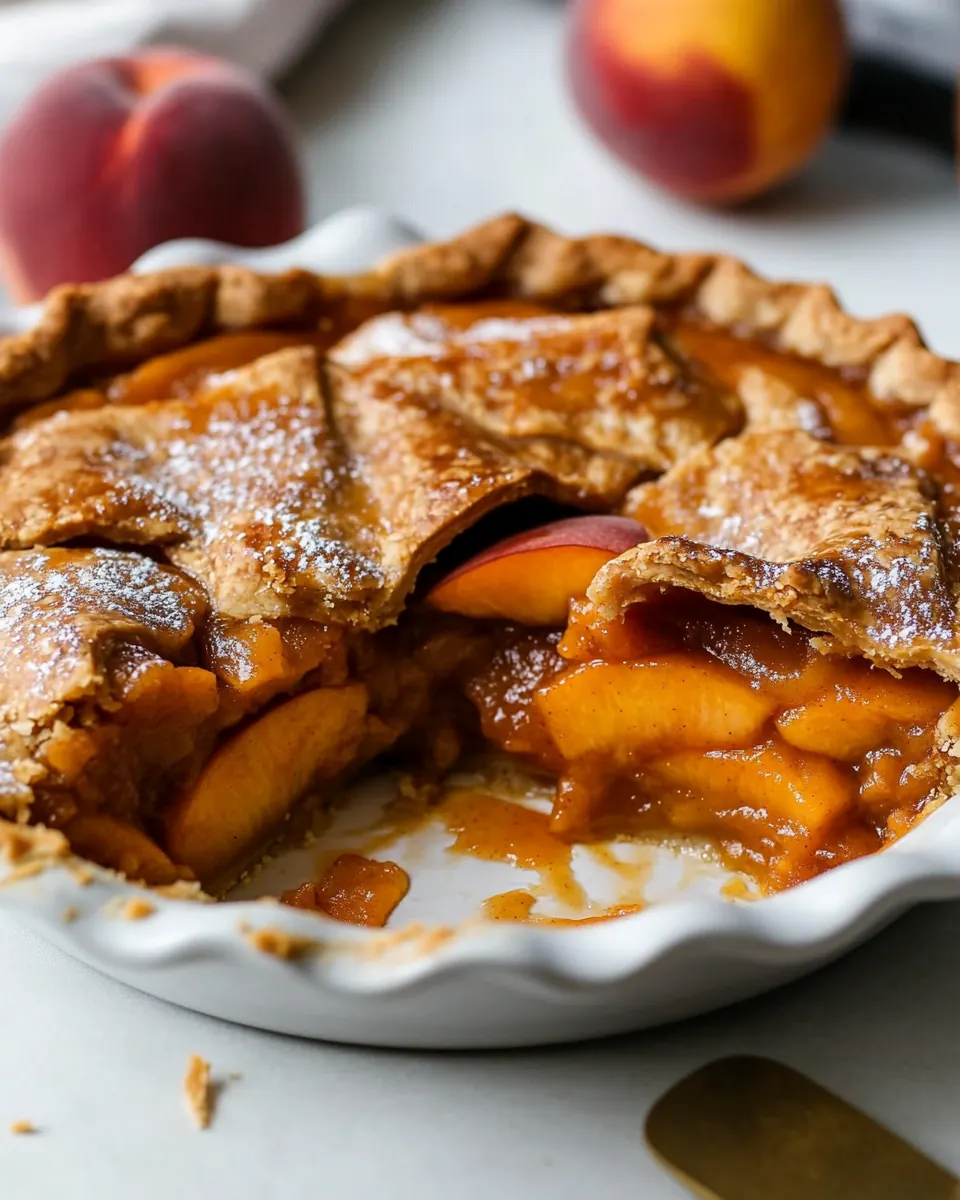
These ingredients are deliberately straightforward, built around ripe peach flavor and a flaky plant butter crust. The key players are the flour and plant butter for structure, the peaches for flavor and moisture, and the cornstarch as a thickener that keeps the filling jewel like rather than runny. Small amounts of sugar and warm spices round out the profile so the pie tastes balanced and aromatic.
- 2 cups white flour: Provide structure and bulk to the crust and filling; creates the gluten network that binds the pastry together when mixed and rolled, giving a tender but workable dough when handled properly.
- 1 tablespoon white cane sugar: Add subtle sweetness to the dough and filling; helps balance flavors and aids in browning of the crust for a lightly caramelized finish.
- 1 teaspoon salt: Enhance overall flavor balance and strengthen the dough; a small amount of salt highlights sweetness and controls yeast or dough behavior during mixing.
- 1/2 cup + 2 tbsp Country Crock Plant Butter, cut into little cubes: Contribute richness and flakiness to the pastry; cold plant butter cut into cubes creates pockets of fat that melt during baking to produce a tender, layered crust.
- 1/2 cup ice cold water: Bind the dough together and hydrate the flour; ice cold water minimizes butter melting and helps form a cohesive, workable pastry without toughness.
- 8 ripe yellow peaches, about 4 1/2 cups, peeled and sliced (see tip below for peeling peaches): Provide the main fruit component and primary flavor of the pie; peeled and sliced ripe yellow peaches add natural sweetness, juiciness, and a fragrant stone fruit character.
- 1/4 cup + 2 tbsp white cane sugar: Sweeten the peach filling and help macerate the fruit; additional cane sugar draws out juices and balances tartness for a saucy interior.
- 1/4 cup packed brown sugar, dark or light will work. Darker makes for a more robust flavor: Introduce deep, molasses-like sweetness and complexity; packed brown sugar enhances caramel notes and adds moisture to the fruit filling.
- 3 tablespoons cornstarch: Thicken the fruit juices into a glossy filling; cornstarch creates a stable, slightly translucent gel that prevents a runny pie.
- 1/4 teaspoon ground nutmeg: Add warm, aromatic depth with a slightly sweet, nutmeg-forward note; ground nutmeg complements peaches and rounds the spice profile in the filling.
- 1/4 teaspoon ground cinnamon: Provide classic warm spice and enhance sweetness perception; ground cinnamon pairs with nutmeg to give the pie a cozy, baked aroma.
- 1/4 teaspoon ground cardamom: Introduce bright, floral spice with citrusy undertones; ground cardamom adds complexity and a slightly exotic lift to the peach filling.
- 1/8 teaspoon salt: Strengthen overall flavor and balance sweetness; a pinch of salt in the filling intensifies fruit flavors and prevents cloying sweetness.
- 2 teaspoons freshly squeezed lemon juice: Brighten and preserve the fresh peach flavor; freshly squeezed lemon juice adds acidity to balance sweetness and helps prevent browning.
- 1 tablespoon Country Crock Plant Butter: Finish the pie with added buttery flavor and richness; a small amount of plant butter melted into the filling enhances mouthfeel and taste.
- 2 tablespoons non-dairy milk for “egg” wash (optional): Create a golden, slightly glossy finish on the crust if used; non-dairy milk applied as an optional wash promotes even browning and sheen.
Recipe Directions for Perfect Vegan Peach Pie
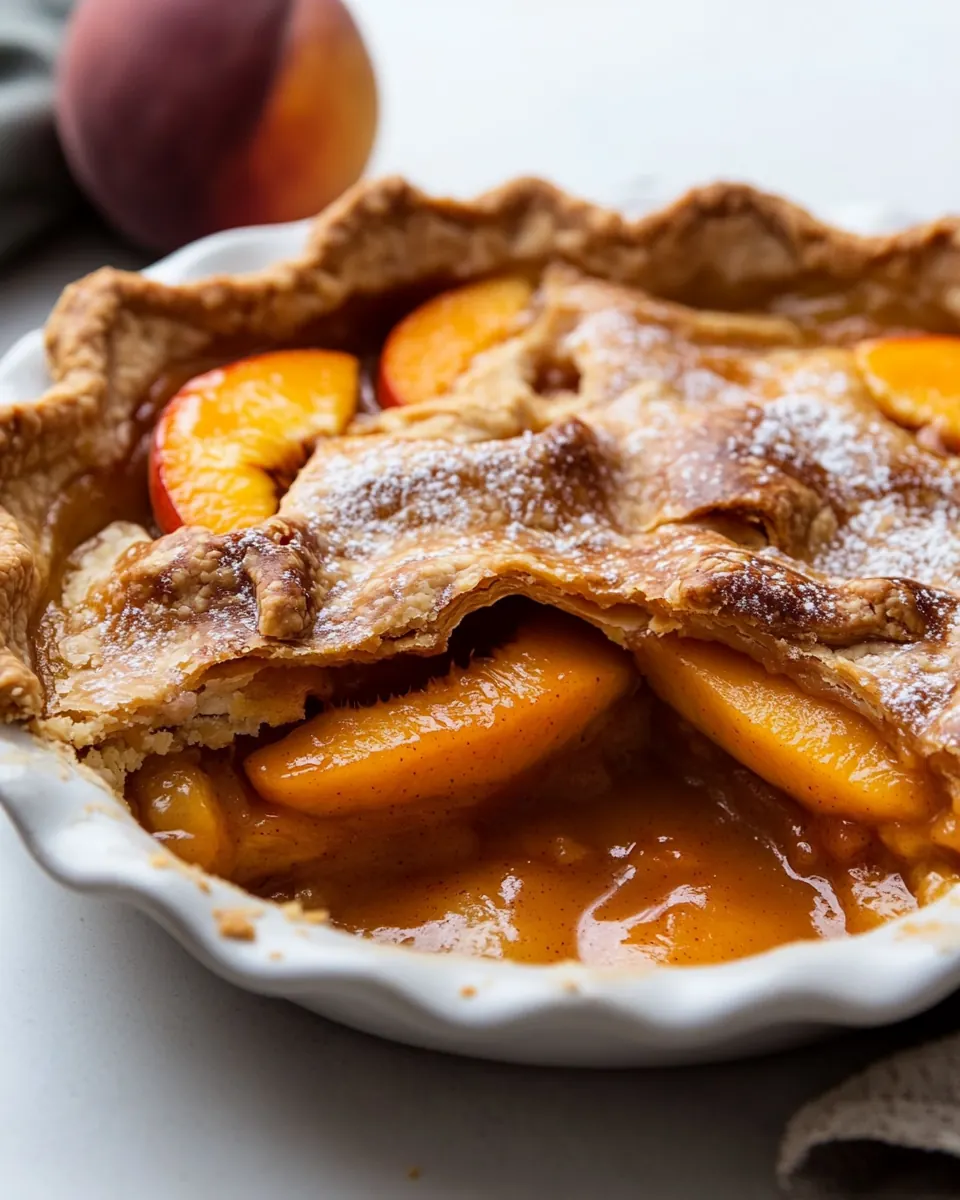
I love how this method walks you through building flavor deliberately, step by step. The directions below are conversational and full of sensory cues so you know what to look, smell, and feel for at each stage. Take your time, especially when handling the dough and thickening the filling, because those moments determine texture.
- In a mixing bowl, whisk together the flour, sugar, and salt.: You should notice the dry mix smelling faintly of sweetness and the tiny salt crystals sparkling against the flour, a blank canvas for the butter to work upon. Whisking aerates the flour slightly, which helps a lighter crust form; you will feel the mixture shift under the whisk and see a uniform pale color with tiny sugar flecks. The key here is even distribution so every bite has balanced salt and sweetness, avoiding pockets of one flavor. A common problem is insufficient whisking, which leaves uneven seasoning or lumps, so take a few steady strokes to achieve a consistent look.
- Add the Plant Butter and cut it into the flour using a pastry blender. The result should be pea sized pieces blended with the flour. NOTE: If you don’t have one you can try pulsing together the flour and Plant Butter in a food processor, being careful not to over mix and heat the butter. Or cut it together using 2 knives.: As you work the little cubes of cold plant butter into the dry mixture, you will hear faint rubbing sounds and see pea sized bits coated in flour. Those buttery nuggets are crucial, they are what create flakiness when baked because they steam and create layers. Keep the butter cold, and if it starts feeling soft, pop the bowl in the fridge for a few minutes. A typical mistake is overworking so the butter melts into the flour, producing a dense dough, so aim for that coarse, crumbly texture rather than a homogeneous mass.
- Add the ice cold water 2 tablespoons at a time and use a wooden spoon to stir. After adding 1/2 cup of the water, the dough should stick together when tested with your hands. If it seems too dry, add 2 more tablespoons of ice cold water.: The ice cold water brings the dough together without activating too much gluten, producing a tender crust. You will see the mixture start to clump and hear the spoon scrape slightly as the dough comes together; the moment it sticks when you press a fingertip is the cue to stop. If it seems too dry after 1/2 cup, add the extra 2 tablespoons and test again. The trouble people run into is adding warm water or too much water, both of which make sticky dough that becomes tough when rolled, so keep the water icy and add gradually.
- Form the dough into 2 equal balls, and wrap with parchment paper or plastic wrap, and set in the refrigerator to set for at least one hour.: You will feel the dough firm as it chills and notice it becoming less tacky when pressed. This resting period relaxes gluten and solidifies the butter, which leads to a flakier crust. I find chilling also makes rolling calmer because the dough is less likely to tear. Avoid skipping the chill, it s often the culprit behind tough, flat pastry.
- In a mixing bowl toss the peach slices with the white and brown sugar. Stir well and set aside for an hour.: As you fold the sugars into the sliced peach , juices will begin to appear, glossy and fragrant, carrying the first hints of caramel from the brown sugar. Tossing helps the slices macerate evenly so every piece absorbs sweetness. Letting them sit for an hour draws out liquid that feeds the thickening step later. A common oversight is under tossing which yields unevenly sweet pieces and inconsistent texture in the finished filling.
- Drain the peaches from their liquid. Set the peaches aside, you’ll use the liquid next.: The liquid will be syrupy and fragrant at this point, and keeping it is important because it becomes the base you thicken. You want the peaches to be juicy but not swimming in excess syrup once in the crust, so drain carefully and reserve the juices. People sometimes discard this liquid, which results in a less flavorful filling, so hold on to it for the next stage.
- Preheat oven to 400°.: You will notice the kitchen warming as the oven approaches temperature, which is important so the crust starts to set quickly when it goes in. A properly preheated oven helps the bottom crust bake through while the top crisps, preventing a soggy base. Failing to preheat can lead to underbaked dough or overly runny filling, so always let the oven fully reach temperature before baking.
- Combine the cornstarch, nutmeg, cinnamon, and cardamom in a saucepan over medium heat, then slowly pour the liquid into the pan. Whisk as you pour to break up any clumps.: When you whisk the reserved juices into the spices and cornstarch, you will see the mixture become smooth and fragrant, the spices blooming as they meet warmth. Whisking as you pour prevents clumps and ensures a clear, glossy sauce. If lumps appear, brisk whisking or a quick strain fixes it. The mistake I often see is adding the liquid too fast which creates lumps that are hard to break up later.
- Bring to a simmer and continue whisking until it has thickened. If it thickens too much, add 2-4 tbsp of water.: Listen for a gentle bubbling and watch the liquid turn from translucent to glossy and slightly opaque, coating the whisk. This thickness tells you the cornstarch has activated, which is what keeps the filling sliceable. If it gets too thick, a tablespoon or two of water will loosen it; do this gradually so you don t thin it too much. Overcooking can break down the cornstarch and thin the sauce, while undercooking will leave the filling runny once baked.
- Remove from the heat and stir in the lemon juice and Plant Butter.: Off the heat you will whisk in bright lemon and the finishing butter, which melts into a silky sheen and rounds the flavor. The aroma shifts from pure fruit to warm, balanced sweetness with a glossy mouthfeel. Stir promptly so the butter disperses evenly. A frequent error is adding the butter on high heat, which can separate it, so temper the sauce by removing it from direct heat first.
- Fold in the sliced peaches, then pour them into the pie crust.: The peaches will gleam as they meet the glossy sauce and the mixture will feel thick but still scoopable. When you fill the crust, layer gently to avoid crushing slices, and leave any stray juices that pool at the bottom to ensure even distribution. Pressing down too hard will release more juice and make the filling denser, so handle the slices with care to maintain texture.
- Cover with the second pie crust in a lattice pattern, or another pattern, and seal the edges.: As you arrange the top crust the kitchen fills with a toasty aroma, and sealing the edges traps steam so the filling sets properly. A lattice allows steam to escape while showing off the fruit beneath, while a full top creates a more enclosed, steaming pocket. Common mistakes include sealing poorly, which allows filling to bubble out, or cutting vents too small, which can cause bursting.
- Brush the top pie crust and edges with non-dairy milk, then cover the edges with aluminum foil.: Brushing gives the crust a warm, golden sheen as it bakes, and shielding the edges with foil prevents over browning. You will visually confirm the crust is evenly coated and that the edges are protected. Be mindful to remove the foil later if you want the whole crust uniformly brown. A typical error is leaving foil on for the entire bake which results in pale edges while the center overcooks.
- Bake for 50 minutes.: The oven will fill with a caramelized fruit fragrance and the crust will turn a deep golden brown in spots. You want to see bubbling filling through vents or lattice as a sign the inside reached proper temperature. After about 50 minutes check the crust color and bubbling; if the top browns too quickly, tent with foil. Underbaking leaves a raw-tasting dough and a loose filling, so ensure the center has bubbled and the crust is set.
- Allow it to cool for an hour or so before serving. Allow it to cool completely or chill for a less messy filling. All are delicious, especially when topped with vegan vanilla ice cream.: Cooling lets the filling set so slices hold cleanly and the flavors meld. You will notice the steam subside and the filling thicken further as it cools. For a firmer slice chill completely, or serve warm for a saucier experience, both are delightful. Cutting too soon is the most common error, resulting in a runny, messy slice, so be patient for best results.
- Bring 3 quarts of water to a boil in a saucepan.: This step prepares for blanching if you need to peel peaches, and when the water roils it creates the quick heat needed to loosen skins. Using enough water ensures peaches move freely and cook evenly for the brief poach. Too little water can cause uneven blanching, so use the full amount for safety.
- Cut an x at the bottom of each peach.: The shallow cut gives the skin an exit point after blanching, allowing you to peel with minimal force. You will see the incision as a guide when the skins begin to slip. Cutting too deeply will damage the flesh, which can make the fruit mushy after boiling, so keep it shallow and precise.
- Blanch/boil peaches (as many as can fit in the pan) for 30-60 seconds.: The skin will start to wrinkle and peel away at the incision point, and the fruit will remain firm while the skin separates. Timing is critical here; overcooking will soften the flesh excessively. Use a timer, because a few extra seconds changes texture noticeably.
- Transfer to an ice bath immediately upon removal from the boiling water.: The cold shock stops the cooking instantly and firms the fruit so you can peel with ease. You will feel the heat leave the peaches as they settle into the ice water, and the skin will slacken, ready to slip off. Skipping the ice bath will allow residual heat to soften the fruit further, making it harder to peel gently.
- Allow to cool completely then gently peel skins off from the x cut.: Once cooled, the skins will slide away with little resistance, revealing smooth, fragrant flesh for slicing. Work gently so you keep nice slices for the filling. Tugging too aggressively can tear the flesh and create uneven pieces, so peel with patience.
Variations to Try
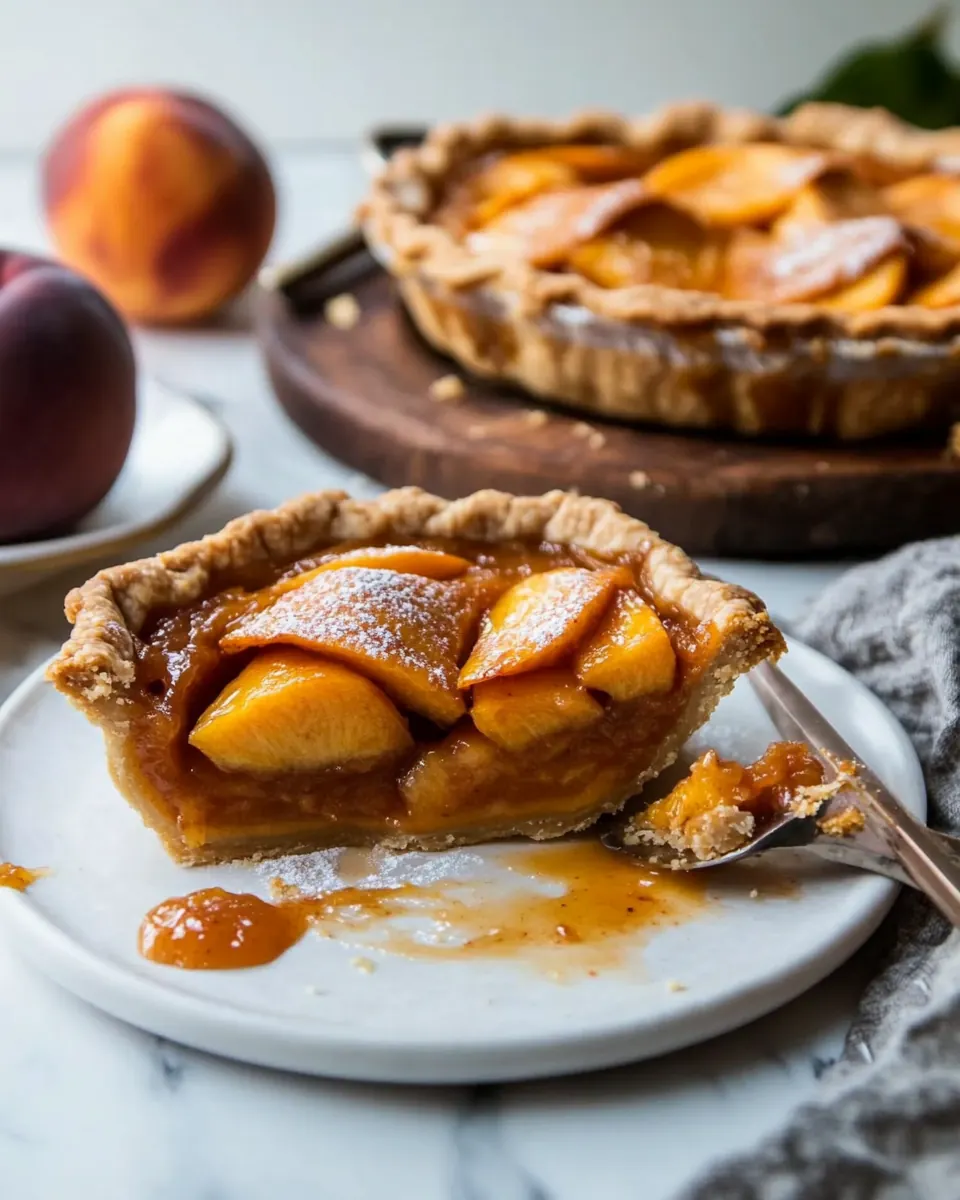
If you want to experiment, small swaps can change the profile while keeping the recipes soul intact. Below are thoughtful variations to tweak sweetness, texture, or spice without derailing the technique. Each tip focuses on a single idea to help you customize confidently.
- Use darker brown sugar for deeper flavor. Swap in dark brown sugar to introduce a more robust, caramel like note to the filling; it pairs wonderfully with the warm spices and gives the syrup a richer color that feels almost toasty.
- Make a full top crust for a juicier interior. If you prefer a steamier filling, cover the pie fully and cut vents, which traps moisture for a softer result and slightly different mouthfeel than a lattice.
- Brush with non dairy milk for glossy color. A light brush of non dairy milk before baking gives the crust an even golden sheen without adding dairy, and it helps the crust take on an inviting browned finish.
- Chill slices for cleaner serving. After baking, refrigerate the pie for a firmer slice thats perfect for gatherings where neat portions matter, because chilling allows the filling to set more firmly.
- Adjust spice levels to taste. Scale the cinnamon, nutmeg, and cardamom up or down to suit your preference; cardamom is quite potent so add it gradually if youre unsure.
- Use the reserved peach liquid for a glaze. Reduce a bit of the reserved liquid until syrupy and brush lightly over cooled slices for an extra glossy finish and amplified fruit flavor.
Serve This Perfect Vegan Peach Pie With
This pie feels right at casual dinners, celebratory lunches, and warm summer evenings. Below are detailed serving suggestions, storage notes, and occasions that match the pies sunny profile. Each list item focuses on a specific serving idea or practical tip to help you present and store the pie beautifully.
- Vegan vanilla ice cream. A scoop of cold vegan vanilla melts slowly atop a warm slice, creating a creamy contrast to the tender, spiced peach filling and adding a comforting, indulgent mouthfeel.
- Whipped coconut cream. Lightly whipped coconut cream offers a fluffy, subtly sweet companion that complements the spices and brightens each bite without overpowering the fruit.
- Casual summer gatherings. This pie is perfect for backyard barbecues, potlucks, or picnics, where slices serve well at room temperature and pair with iced tea or lemonade for a laid back spread.
- Holiday or brunch centerpiece. Serve warm or at room temperature for brunches or festive afternoons; its approachable yet special enough for small celebrations and family gatherings.
- Storage and make ahead. Store covered at room temperature for one day, then refrigerate up to four days for firmer slices. For longer storage freeze wrapped slices for up to two months and thaw refrigerated before serving.
- Seasonal pairing. This pie shines in summer when local peaches are at their peak, and its also lovely at late summer to early fall gatherings when fruit sweetness matures; consider timing your baking for peak fruit flavor.
FAQ
Conclusion
This recipe is special because it turns sun warmed peaches into a glossy, warmly spiced pie with a tender, flaky vegan crust. The combination of simple techniques and thoughtful touches, like reserving peach juices and chilling the dough, leads to reliably great texture and flavor. I encourage you to give it a try when peaches are at their peak, and enjoy the ritual of peeling, slicing, and filling; the slow, fragrant work is part of what makes the end result so satisfying. Whether you serve it warm with vegan ice cream or chilled for cleaner slices, this pie rewards a little patience with bright, comforting bites that celebrate summer.
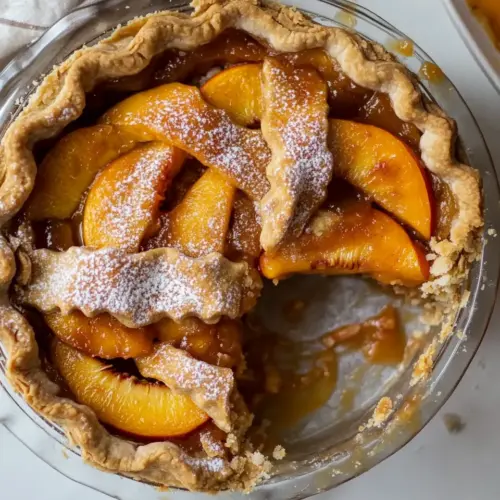
Perfect Vegan Peach Pie
Equipment
- Mixing Bowl
- Pastry blender
- Wooden Spoon
- Saucepan
- Oven
- Saucepan for blanching
Ingredients
- 2 cups white flour Provide structure and bulk to the crust and filling; creates the gluten network that binds the pastry together when mixed and rolled, giving a tender but workable dough when handled properly.
- 1 tablespoon white cane sugar Add subtle sweetness to the dough and filling; helps balance flavors and aids in browning of the crust for a lightly caramelized finish.
- 1 teaspoon salt Enhance overall flavor balance and strengthen the dough; a small amount of salt highlights sweetness and controls yeast or dough behavior during mixing.
- 1/2 cup + 2 tbsp Country Crock Plant Butter, cut into little cubes Contribute richness and flakiness to the pastry; cold plant butter cut into cubes creates pockets of fat that melt during baking to produce a tender, layered crust.
- 1/2 cup ice cold water Bind the dough together and hydrate the flour; ice cold water minimizes butter melting and helps form a cohesive, workable pastry without toughness.
- 8 ripe yellow peaches, about 4 1/2 cups, peeled and sliced (see tip below for peeling peaches) Provide the main fruit component and primary flavor of the pie; peeled and sliced ripe yellow peaches add natural sweetness, juiciness, and a fragrant stone fruit character.
- 1/4 cup + 2 tbsp white cane sugar Sweeten the peach filling and help macerate the fruit; additional cane sugar draws out juices and balances tartness for a saucy interior.
- 1/4 cup packed brown sugar, dark or light will work. Darker makes for a more robust flavor Introduce deep, molasses-like sweetness and complexity; packed brown sugar enhances caramel notes and adds moisture to the fruit filling.
- 3 tablespoons cornstarch Thicken the fruit juices into a glossy filling; cornstarch creates a stable, slightly translucent gel that prevents a runny pie.
- 1/4 teaspoon ground nutmeg Add warm, aromatic depth with a slightly sweet, nutmeg-forward note; ground nutmeg complements peaches and rounds the spice profile in the filling.
- 1/4 teaspoon ground cinnamon Provide classic warm spice and enhance sweetness perception; ground cinnamon pairs with nutmeg to give the pie a cozy, baked aroma.
- 1/4 teaspoon ground cardamom Introduce bright, floral spice with citrusy undertones; ground cardamom adds complexity and a slightly exotic lift to the peach filling.
- 1/8 teaspoon salt Strengthen overall flavor and balance sweetness; a pinch of salt in the filling intensifies fruit flavors and prevents cloying sweetness.
- 2 teaspoons freshly squeezed lemon juice Brighten and preserve the fresh peach flavor; freshly squeezed lemon juice adds acidity to balance sweetness and helps prevent browning.
- 1 tablespoon Country Crock Plant Butter Finish the pie with added buttery flavor and richness; a small amount of plant butter melted into the filling enhances mouthfeel and taste.
- 2 tablespoons non-dairy milk for “egg” wash, optional Create a golden, slightly glossy finish on the crust if used; non-dairy milk applied as an optional wash promotes even browning and sheen.
Instructions
- In a mixing bowl, whisk together the flour, sugar, and salt.: You should notice the dry mix smelling faintly of sweetness and the tiny salt crystals sparkling against the flour, a blank canvas for the butter to work upon. Whisking aerates the flour slightly, which helps a lighter crust form; you will feel the mixture shift under the whisk and see a uniform pale color with tiny sugar flecks. The key here is even distribution so every bite has balanced salt and sweetness, avoiding pockets of one flavor. A common problem is insufficient whisking, which leaves uneven seasoning or lumps, so take a few steady strokes to achieve a consistent look.
- Add the Plant Butter and cut it into the flour using a pastry blender. The result should be pea sized pieces blended with the flour. NOTE: If you don’t have one you can try pulsing together the flour and Plant Butter in a food processor, being careful not to over mix and heat the butter. Or cut it together using 2 knives.: As you work the little cubes of cold plant butter into the dry mixture, you will hear faint rubbing sounds and see pea sized bits coated in flour. Those buttery nuggets are crucial, they are what create flakiness when baked because they steam and create layers. Keep the butter cold, and if it starts feeling soft, pop the bowl in the fridge for a few minutes. A typical mistake is overworking so the butter melts into the flour, producing a dense dough, so aim for that coarse, crumbly texture rather than a homogeneous mass.
- Add the ice cold water 2 tablespoons at a time and use a wooden spoon to stir. After adding 1/2 cup of the water, the dough should stick together when tested with your hands. If it seems too dry, add 2 more tablespoons of ice cold water.: The ice cold water brings the dough together without activating too much gluten, producing a tender crust. You will see the mixture start to clump and hear the spoon scrape slightly as the dough comes together; the moment it sticks when you press a fingertip is the cue to stop. If it seems too dry after 1/2 cup, add the extra 2 tablespoons and test again. The trouble people run into is adding warm water or too much water, both of which make sticky dough that becomes tough when rolled, so keep the water icy and add gradually.
- Form the dough into 2 equal balls, and wrap with parchment paper or plastic wrap, and set in the refrigerator to set for at least one hour.: You will feel the dough firm as it chills and notice it becoming less tacky when pressed. This resting period relaxes gluten and solidifies the butter, which leads to a flakier crust. I find chilling also makes rolling calmer because the dough is less likely to tear. Avoid skipping the chill, it s often the culprit behind tough, flat pastry.
- In a mixing bowl toss the peach slices with the white and brown sugar. Stir well and set aside for an hour.: As you fold the sugars into the sliced peach , juices will begin to appear, glossy and fragrant, carrying the first hints of caramel from the brown sugar. Tossing helps the slices macerate evenly so every piece absorbs sweetness. Letting them sit for an hour draws out liquid that feeds the thickening step later. A common oversight is under tossing which yields unevenly sweet pieces and inconsistent texture in the finished filling.
- Drain the peaches from their liquid. Set the peaches aside, you’ll use the liquid next.: The liquid will be syrupy and fragrant at this point, and keeping it is important because it becomes the base you thicken. You want the peaches to be juicy but not swimming in excess syrup once in the crust, so drain carefully and reserve the juices. People sometimes discard this liquid, which results in a less flavorful filling, so hold on to it for the next stage.
- Preheat oven to 400°.: You will notice the kitchen warming as the oven approaches temperature, which is important so the crust starts to set quickly when it goes in. A properly preheated oven helps the bottom crust bake through while the top crisps, preventing a soggy base. Failing to preheat can lead to underbaked dough or overly runny filling, so always let the oven fully reach temperature before baking.
- Combine the cornstarch, nutmeg, cinnamon, and cardamom in a saucepan over medium heat, then slowly pour the liquid into the pan. Whisk as you pour to break up any clumps.: When you whisk the reserved juices into the spices and cornstarch, you will see the mixture become smooth and fragrant, the spices blooming as they meet warmth. Whisking as you pour prevents clumps and ensures a clear, glossy sauce. If lumps appear, brisk whisking or a quick strain fixes it. The mistake I often see is adding the liquid too fast which creates lumps that are hard to break up later.
- Bring to a simmer and continue whisking until it has thickened. If it thickens too much, add 2-4 tbsp of water.: Listen for a gentle bubbling and watch the liquid turn from translucent to glossy and slightly opaque, coating the whisk. This thickness tells you the cornstarch has activated, which is what keeps the filling sliceable. If it gets too thick, a tablespoon or two of water will loosen it; do this gradually so you don t thin it too much. Overcooking can break down the cornstarch and thin the sauce, while undercooking will leave the filling runny once baked.
- Remove from the heat and stir in the lemon juice and Plant Butter.: Off the heat you will whisk in bright lemon and the finishing butter, which melts into a silky sheen and rounds the flavor. The aroma shifts from pure fruit to warm, balanced sweetness with a glossy mouthfeel. Stir promptly so the butter disperses evenly. A frequent error is adding the butter on high heat, which can separate it, so temper the sauce by removing it from direct heat first.
- Fold in the sliced peaches, then pour them into the pie crust.: The peaches will gleam as they meet the glossy sauce and the mixture will feel thick but still scoopable. When you fill the crust, layer gently to avoid crushing slices, and leave any stray juices that pool at the bottom to ensure even distribution. Pressing down too hard will release more juice and make the filling denser, so handle the slices with care to maintain texture.
- Cover with the second pie crust in a lattice pattern, or another pattern, and seal the edges.: As you arrange the top crust the kitchen fills with a toasty aroma, and sealing the edges traps steam so the filling sets properly. A lattice allows steam to escape while showing off the fruit beneath, while a full top creates a more enclosed, steaming pocket. Common mistakes include sealing poorly, which allows filling to bubble out, or cutting vents too small, which can cause bursting.
- Brush the top pie crust and edges with non-dairy milk, then cover the edges with aluminum foil.: Brushing gives the crust a warm, golden sheen as it bakes, and shielding the edges with foil prevents over browning. You will visually confirm the crust is evenly coated and that the edges are protected. Be mindful to remove the foil later if you want the whole crust uniformly brown. A typical error is leaving foil on for the entire bake which results in pale edges while the center overcooks.
- Bake for 50 minutes.: The oven will fill with a caramelized fruit fragrance and the crust will turn a deep golden brown in spots. You want to see bubbling filling through vents or lattice as a sign the inside reached proper temperature. After about 50 minutes check the crust color and bubbling; if the top browns too quickly, tent with foil. Underbaking leaves a raw-tasting dough and a loose filling, so ensure the center has bubbled and the crust is set.
- Allow it to cool for an hour or so before serving. Allow it to cool completely or chill for a less messy filling. All are delicious, especially when topped with vegan vanilla ice cream.: Cooling lets the filling set so slices hold cleanly and the flavors meld. You will notice the steam subside and the filling thicken further as it cools. For a firmer slice chill completely, or serve warm for a saucier experience, both are delightful. Cutting too soon is the most common error, resulting in a runny, messy slice, so be patient for best results.
- Bring 3 quarts of water to a boil in a saucepan.: This step prepares for blanching if you need to peel peaches, and when the water roils it creates the quick heat needed to loosen skins. Using enough water ensures peaches move freely and cook evenly for the brief poach. Too little water can cause uneven blanching, so use the full amount for safety.
- Cut an x at the bottom of each peach.: The shallow cut gives the skin an exit point after blanching, allowing you to peel with minimal force. You will see the incision as a guide when the skins begin to slip. Cutting too deeply will damage the flesh, which can make the fruit mushy after boiling, so keep it shallow and precise.
- Blanch/boil peaches (as many as can fit in the pan) for 30-60 seconds.: The skin will start to wrinkle and peel away at the incision point, and the fruit will remain firm while the skin separates. Timing is critical here; overcooking will soften the flesh excessively. Use a timer, because a few extra seconds changes texture noticeably.
- Transfer to an ice bath immediately upon removal from the boiling water.: The cold shock stops the cooking instantly and firms the fruit so you can peel with ease. You will feel the heat leave the peaches as they settle into the ice water, and the skin will slacken, ready to slip off. Skipping the ice bath will allow residual heat to soften the fruit further, making it harder to peel gently.
- Allow to cool completely then gently peel skins off from the x cut.: Once cooled, the skins will slide away with little resistance, revealing smooth, fragrant flesh for slicing. Work gently so you keep nice slices for the filling. Tugging too aggressively can tear the flesh and create uneven pieces, so peel with patience.
Notes
- Use darker brown sugar for deeper flavor. Swap in dark brown sugar to introduce a more robust, caramel like note to the filling; it pairs wonderfully with the warm spices and gives the syrup a richer color that feels almost toasty.
- Make a full top crust for a juicier interior. If you prefer a steamier filling, cover the pie fully and cut vents, which traps moisture for a softer result and slightly different mouthfeel than a lattice.
- Brush with non dairy milk for glossy color. A light brush of non dairy milk before baking gives the crust an even golden sheen without adding dairy, and it helps the crust take on an inviting browned finish.
- Chill slices for cleaner serving. After baking, refrigerate the pie for a firmer slice thats perfect for gatherings where neat portions matter, because chilling allows the filling to set more firmly.
- Adjust spice levels to taste. Scale the cinnamon, nutmeg, and cardamom up or down to suit your preference; cardamom is quite potent so add it gradually if youre unsure.
- Use the reserved peach liquid for a glaze. Reduce a bit of the reserved liquid until syrupy and brush lightly over cooled slices for an extra glossy finish and amplified fruit flavor.
