Mississippi Pot Roast
Mississippi Pot Roast has been my go to for cold evening dinners when I want something soulful that practically makes itself. The first time I made Mississippi Pot Roast I was juggling work emails and a stack of laundry, and the ease of tucking a seasoned chuck roast into a slow cooker felt almost like magic. The house filled with a warm, savory aroma that made everyone drift to the kitchen before I even finished a sentence.
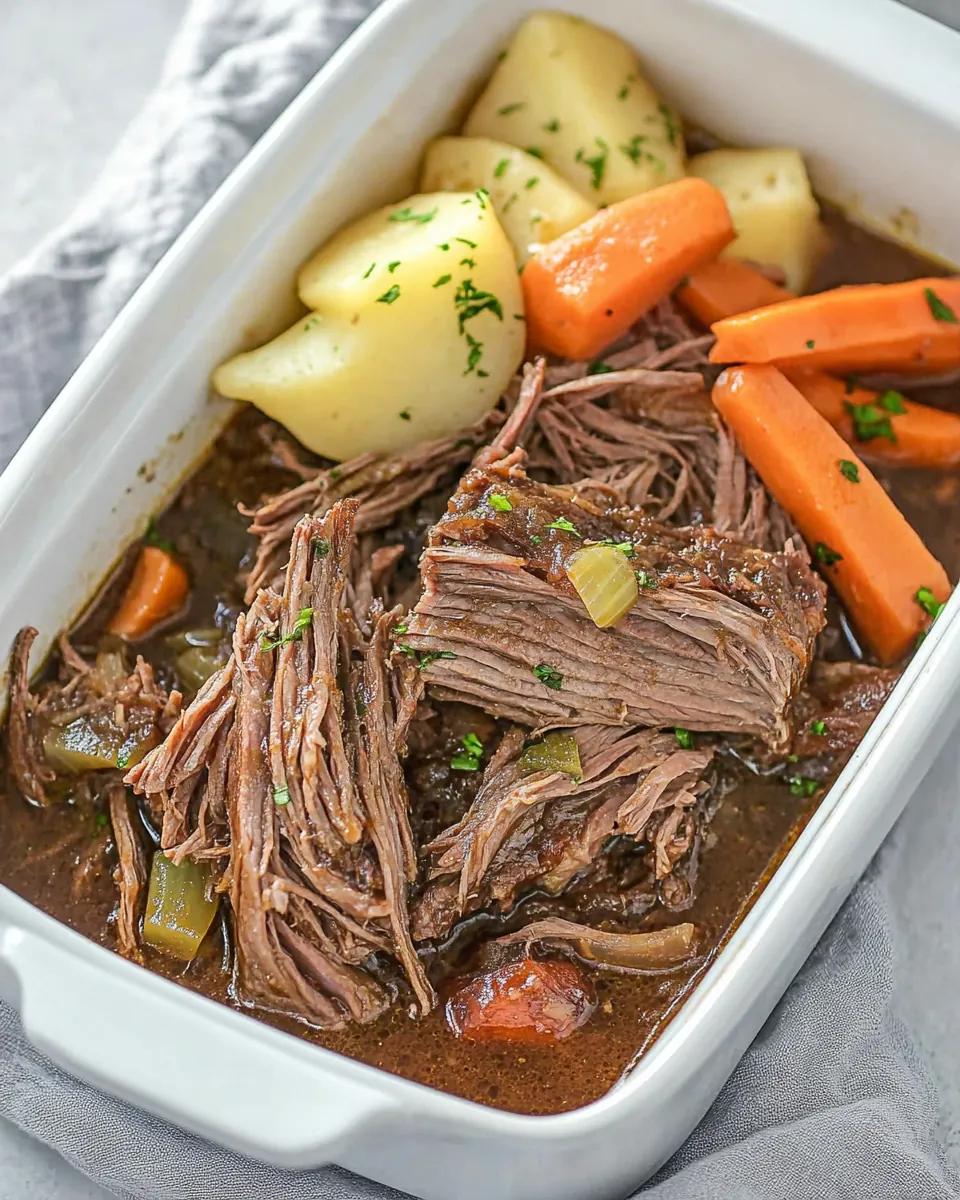
That early dinner taught me a lesson about practical comfort food: great dinners do not always need complicated steps, they need the right ingredients and a little patience. Over time I’ve tuned the seasoning balance and learned to watch the roast for the visual cues that spell success. When the meat is fork tender and the gravy glistens, you know you have a winner. I often think of this recipe as a template I return to when I want to feel cared for without spending hours in the kitchen.
Recipe Snapshot
8 hr 15 mins
15 mins
480 mins
Hard
400 kcal
American
Keto, Gluten-Free
Dinner
Large skillet, Slow cooker, Tongs, Forks for shredding
What You’ll Enjoy About This Mississippi Pot Roast
A perfect slow cooked weeknight hero
I love how Mississippi Pot Roast turns an ordinary chuck roast into a meal that feels lifted, with almost no hands on time. The slow cooker works quietly in the background, and I get to focus on life while the flavors deepen. That hands off convenience makes it ideal for busy weeks.
Bold but simple seasoning
The blend of ranch seasoning, au jus mix, and pepperoncini creates an impressive flavor profile with minimal effort. I appreciate how each ingredient pulls its weight, giving tang, richness, and a subtle zip without complicated prep. For those who value simplicity, this combination is a revelation.
Textural contrast and richness
The generous use of butter and the natural gelatin from the chuck roast produce a velvety gravy that clings to shredded meat. I love serving it spooned over mashed vegetables or bread to soak up every drop, because that silky mouthfeel elevates the whole dish.
Flexible and forgiving
I’ve messed up timings and still ended up with a delicious dinner. The recipe tolerates thicker or thinner cuts, and you can adjust pepperoncini to taste for heat and acidity. That forgiving nature makes me reach for it whenever I want a reliable crowd pleaser.
Great for leftovers
Leftovers develop even more depth as the flavors marry, and reheating gently in the slow cooker brings the dish back to life. I often pack extra for lunches because it reheats so well, and it freezes beautifully if I want to save time later.
What to Buy for Mississippi Pot Roast
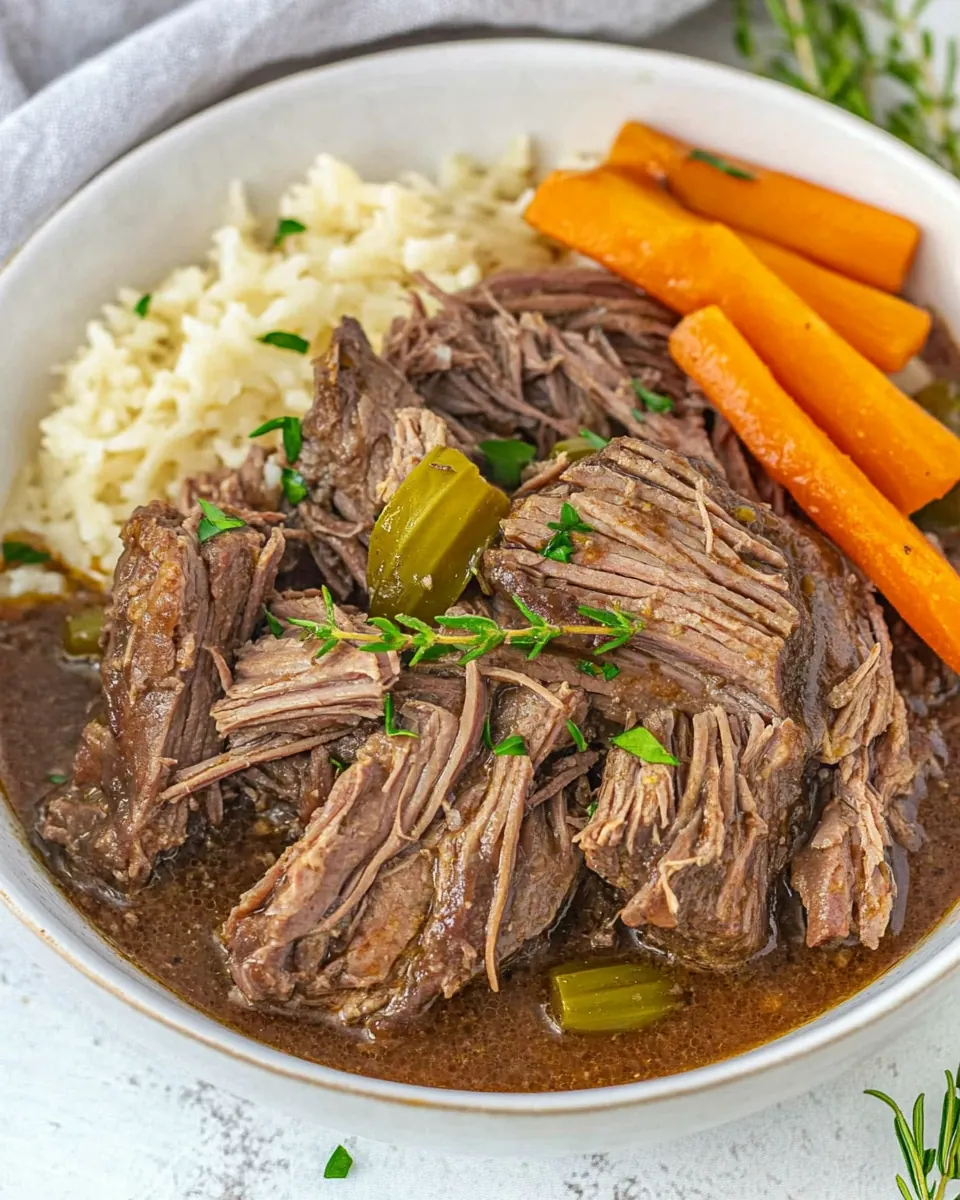
These ingredients form a team: the fatty connective tissue in the chuck roast melts into the liquid base, the ranch dressing mix and au jus mix supply concentrated savory and umami notes, while the pepperoncini peppers add bright acidity. The butter and olive oil build a glossy mouthfeel, and a small amount of beef broth keeps the roast moist during the long cook. Together they make a deeply satisfying, set and forget meal.
- 3 4 lbs chuck roast: Slow-cook to become fork-tender and provide the rich, meaty base and primary protein of the dish; browning beforehand develops deep savory flavors that permeate the sauce.
- 1/2 tsp ground black pepper, or to taste: Season to add mild heat and aromatic depth, balancing the richness of the roast while enhancing overall savory flavor throughout the cooking process.
- 1/4 cup beef broth, low-sodium: Deglaze to lift browned bits from the pan and add a concentrated beefy liquid that keeps the roast moist and contributes to the sauce body.
- 2 tbsp olive oil: Sear to create a flavorful crust on the meat and provide fat for sautéing aromatics, helping build a richer overall flavor profile.
- 1 packet ranch dressing mix, (1 oz or 3 Tbsp) *see notes for GF: Season mix to infuse a tangy, herby, savory seasoning blend that complements the beef and builds the signature Mississippi flavor profile.
- 4 tbsp unsalted butter: Melt to add creamy richness and a silky mouthfeel to the sauce while carrying flavor and helping the butter meld with pan juices.
- 6 pepperoncini peppers, or added to taste: Pickled peppers to contribute briny acidity and gentle heat that cuts through the richness and adds the characteristic tang of the recipe.
- 1 packet au jus mix, or substitute with brown gravy mix *see notes for GF: Flavor packet to bolster savory umami notes and deepen the braising liquid with concentrated beefy seasoning or a brown gravy substitute.
- 2 garlic cloves, minced: Aromatics to be sautéed or added raw for a fresh pungent garlic flavor that brightens the braise and enhances the savory components.
Recipe Steps for Mississippi Pot Roast
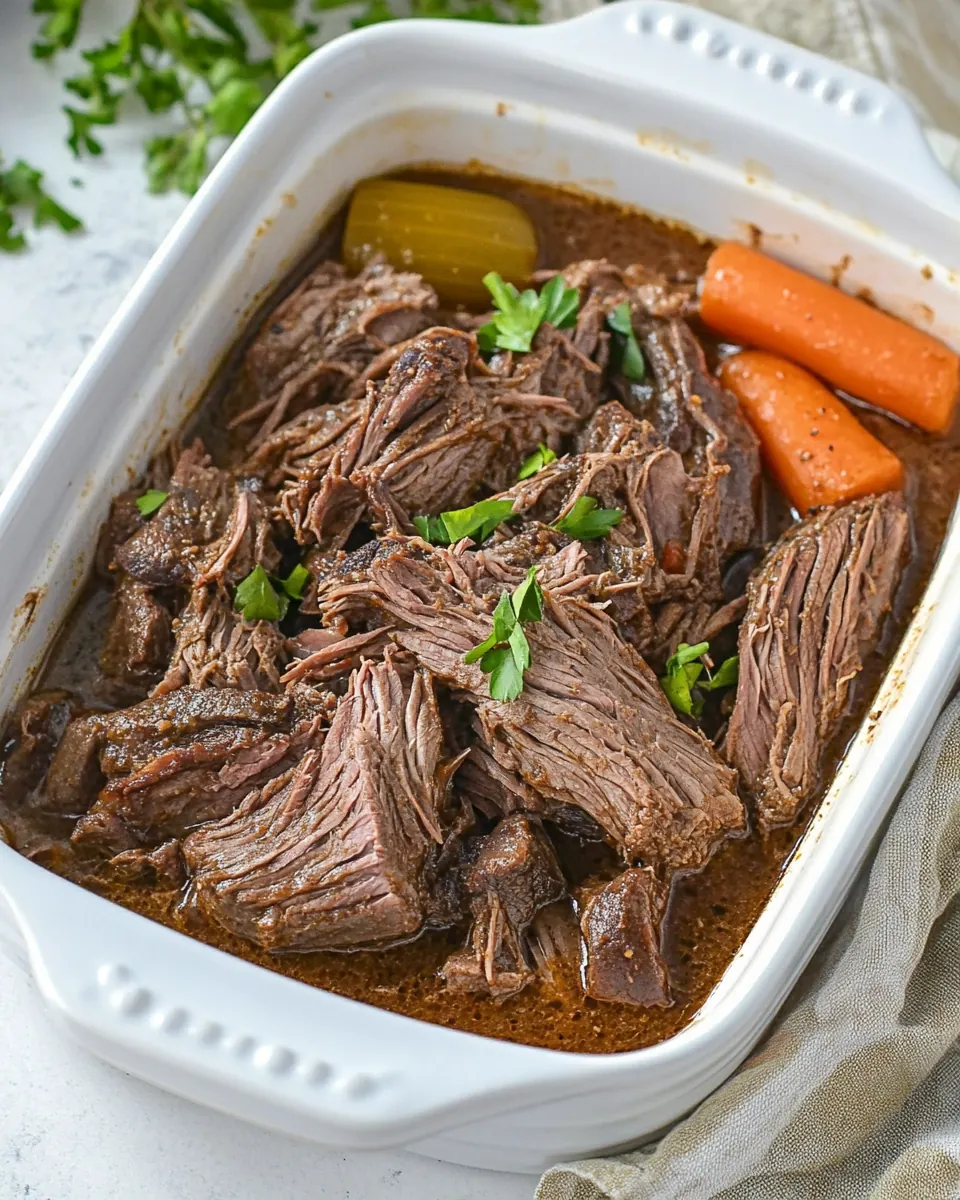
This recipe is wonderfully straightforward but benefits from careful attention during the initial steps. Below I expand each direction into a long form step with sensory cues and troubleshooting to help you get perfect results and understand why each action matters.
- Season the chuck roast with pepper on both sides.: The nose will notice a faint peppery scent as you pat the chuck roast dry and sprinkle the ground black pepper . This step primes the surface so that when you sear it, the crust forms with more complexity. Why it matters, the pepper binds to the roast surface enhancing the Maillard reactions during searing, producing deeper flavor. A tell tale visual cue is a uniformly seasoned surface with no wet streaks. Trouble to watch for is over seasoning at this stage if your seasoning packets are already salty; it is easy to mask delicate flavors. If the meat is damp, the pepper may not adhere well so pat it completely dry first. Gently press the seasoning into the meat to help it stick. The sound at this phase is quiet, but you can feel the texture change under your fingers as the rub sets. Make sure the pepper is distributed evenly to avoid peppery spots in the finished dish.
- In a large skillet, heat 2 Tbsp oil. Once hot, sear and brown the beef for 2-3 minutes per side.: When the olive oil shimmers you will notice a faint aroma of fruitiness from the oil, and the pan surface will ripple slightly. Heat to medium high so the pan is hot but not smoking, because that temperature range ensures rapid crust formation without burning the fat. The sound you want is a sharp sizzle when the meat hits the pan, which tells you the surface is hot enough. This step matters because searing locks in flavor and creates savory browned bits that enrich the gravy. A common error is using a pan that is not fully heated, yielding a pale roast that lacks caramelization. To test, flick a drop of water into the pan; if it dances and evaporates quickly, you are ready. Keep some distance between the meat pieces so they sear rather than steam. If smoke becomes heavy, lower the heat and wipe excess oil to prevent smoky bitterness.
- In a slow cooker bowl, add the beef broth. Then, add the seared beef, and top with ranch mix, au jus powder, minced garlic, pepperoncini, and sliced butter.: As the chuck roast meets the hot pan you will hear a consistent sizzle and see the edges color first, then the whole surface will turn a deep chestnut brown. This caramelized crust carries roasted, savory aromas that foreshadow the finished dish. The reason we sear is to create those Maillard compounds which will dissolve into the cooking liquid and deepen the overall flavor. Watch for an even caramelization, turning the roast with tongs to brown each side for roughly 2 to 3 minutes, but do not leave it so long that the exterior burns. A frequent mistake is constant flipping which prevents a good crust from forming. After searing, a few dark brown bits will cling to the pan these should be scraped into the slow cooker later to enrich the gravy. If the roast sticks terribly, the pan was not hot enough or the meat was wet.
- Cook on low heat for about 7-9 hours, or on high heat for 4-6 hours or until fork-tender (a thinner piece of meat will cook faster and a thicker cut will take longer).: Pour the beef broth into the bottom of the slow cooker and listen as it settles, a quiet pooling that will become the cooking medium. This shallow bath prevents scorching and helps dissolve the powdered mixes. It matters because the broth acts as a conduit for the flavors to distribute around the roast and keeps the environment moist for gentle collagen breakdown. Be careful not to overfill the slow cooker, you want enough liquid to come up partway on the roast but not submerge it entirely, or you lose concentration in the gravy. If your broth is too salty, dilute slightly with water because the seasoning packets can add additional sodium.
- Shred the beef and add back into the slow cooker, gently mix until combined with the buttery gravy.: As you place the seared chuck roast into the cooker, you will hear a soft thud and then the mingled aroma of browned meat and olive oil. Sprinkle the ranch dressing mix and au jus mix evenly so they dissolve into the cooking liquid, and scatter the minced garlic and pepperoncini peppers for aromatic and acidic layers. Lay the unsalted butter slices across the top so they slowly melt and blend into a glossy gravy. This assembly matters because it sets the flavor profile that will slowly infuse the meat; the pepperoncini brine brightens and the powders amplify umami. Watch that the packets do not clump; stir the liquid gently if needed. A common misstep is piling too many pepperoncini in one spot leading to uneven acid concentration; distribute them evenly. The visual cue as cooking begins is butter melting into a sheen and spices softening into the liquid.
- Cook on low heat for about 7 to 9 hours, or on high heat for 4 to 6 hours or until fork tender: Over the long cook you will notice the kitchen fill with rich, meaty, slightly tangy aromas, and the slow cooker will emit a steady low hum. The collagen in the chuck roast will dissolve gradually turning the meat fork tender and the gravy glossy. This low and slow approach matters because gentle heat gives the connective tissue time to break down without drying the meat, resulting in succulent shreds. A common mistake is lifting the lid frequently which causes heat loss and extends cooking time, so try to resist peeking. If your roast is thinner it will finish sooner, if thicker it will need the longer end of the range. Visual cues include juices bubbling slowly at the edges and the meat pulling away from itself when probed. If the meat is still tough at the end of the listed time, continue cooking and check every 30 to 60 minutes.
- Shred the beef and add back into the slow cooker, gently mix until combined with the buttery gravy: When the roast reaches fork tenderness, shredding it releases steam and a comforting, savory aroma. Use two forks to pull the meat into long ribbons, and you will notice the texture become silky as fat and collagen have rendered. Mixing the shredded meat back into the cooking liquid lets every strand soak in the buttery gravy, which enhances mouthfeel and flavor cohesion. This step matters because it creates an evenly sauced final dish where each bite is flavored. Avoid shredding when the meat is too hot to handle; let it rest briefly so you do not lose juice. A common hiccup is over shredding into mush; aim for tender ribbons rather than pulverized bits. After mixing, taste and adjust pepper as needed, remembering the seasoning packets can be salty.
Ways to Customize
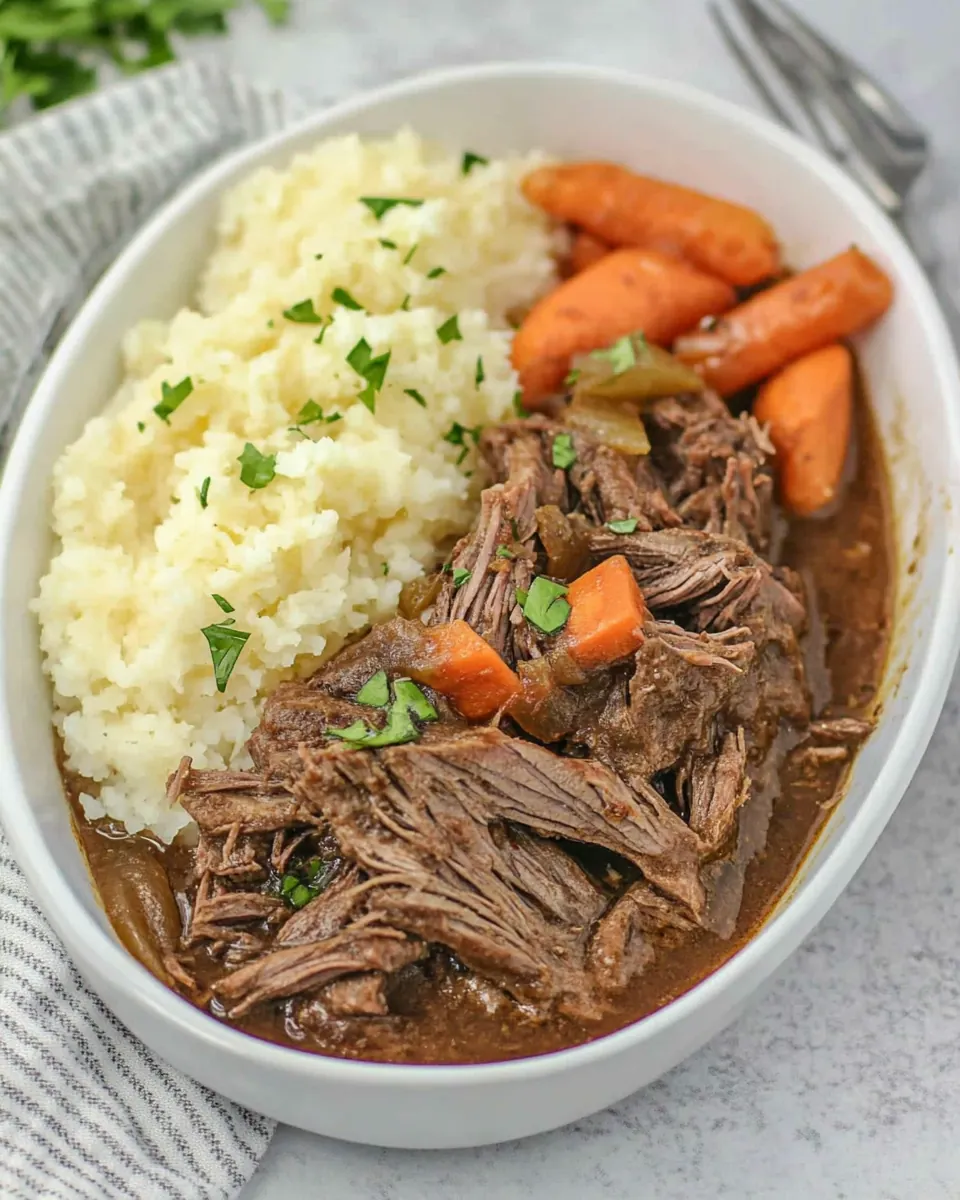
This recipe is forgiving, and there are subtle ways to shape it to your taste. Below I outline practical customizations that keep the spirit of the dish while letting you make it your own.
- Swap seasoning brands carefully Use labeled gluten free mixes if needed, and remember brand differences mean you should taste before adding extra salt.
- Adjust pepperoncini volume Add fewer peppers for milder acidity, or include more for a pronounced tang and slight heat.
- Control butter richness Reduce the butter if you prefer a lighter sauce, but expect a small drop in silky mouthfeel.
- Choose roast size for cooking time Thicker roasts need the longer end of the time range, thinner ones will finish sooner.
- Low sodium broth option Use low sodium beef broth to manage final salt, particularly when using salty seasoning packets.
- Make ahead and freeze Cool completely, portion into airtight containers and freeze for up to three months for quick future meals.
Accompaniments for Mississippi Pot Roast
This roast shines with classic sides and versatile serving styles. Below are ideas to match the mood of the meal, whether a cozy family dinner or a casual gathering. I list serving suggestions, storage ideas, and seasonal pairings so you can plan the whole experience.
- Mashed potatoes Creamy mashed potatoes act as the perfect sponge for the buttery gravy, and they pair especially well for a hearty winter dinner where the roast becomes the centerpiece.
- Creamy polenta A smooth polenta provides a slightly different texture than potatoes and carries the gravy gracefully for an elegant twist on comfort food.
- Crusty bread Use thick slices or rolls to mop up the juices, making every bite satisfying and minimizing leftover sauce waste.
- Roasted root vegetables Carrots and parsnips roasted until caramelized add natural sweetness that balances the savory richness of the roast, ideal for holiday style meals.
- Simple green salad A crisp salad with a light vinaigrette brightens the plate and cuts through the dish’s richness, suitable for weeknight dinners when you want some freshness.
- Serving for gatherings Keep the slow cooker on warm and offer the roast buffet style with buns or sides for guests to assemble sandwiches, great for casual entertaining.
- Storage tips Refrigerate in airtight containers for up to four days, or freeze for up to three months; reheat gently in the slow cooker to preserve texture.
- Seasonal pairing This dish is particularly comforting in winter when hearty textures and warm flavors are welcomed, but it works well year round for gatherings.
- Occasion ideas Serve this for family dinners, potlucks, or any relaxed holiday meal where you want a comforting main that scales easily.
- Presentation suggestion Shred the roast at serving time and spoon the glossy gravy over the top, garnish with a few whole pepperoncini for color and visual cue of flavor.
FAQ
Conclusion
What makes this recipe special is its ability to transform a humble chuck roast into a tender, richly flavored meal with very little hands on time. Give Mississippi Pot Roast a try when you want a comforting, crowd pleasing dinner that practically cooks itself. You will enjoy the way the buttery gravy, tangy pepperoncini, and concentrated packet seasonings come together, and I hope it becomes one of your dependable weeknight favorites.
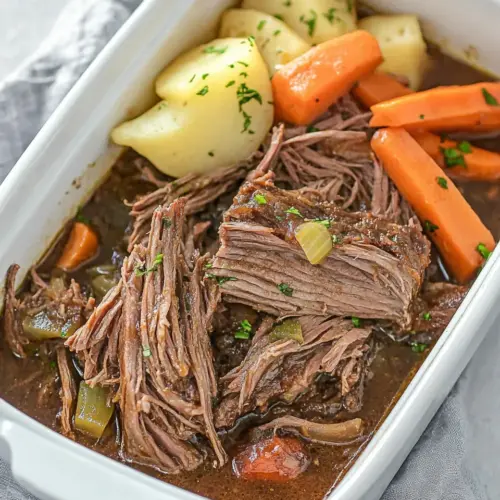
Mississippi Pot Roast
Equipment
- Large Skillet
- Slow Cooker
- Tongs
- Forks for shredding
Ingredients
- 3 -4 lbs chuck roast Slow-cook to become fork-tender and provide the rich, meaty base and primary protein of the dish; browning beforehand develops deep savory flavors that permeate the sauce.
- 1/2 tsp ground black pepper, or to taste Season to add mild heat and aromatic depth, balancing the richness of the roast while enhancing overall savory flavor throughout the cooking process.
- 1/4 cup beef broth, low-sodium Deglaze to lift browned bits from the pan and add a concentrated beefy liquid that keeps the roast moist and contributes to the sauce body.
- 2 tbsp olive oil Sear to create a flavorful crust on the meat and provide fat for sautéing aromatics, helping build a richer overall flavor profile.
- 1 packet ranch dressing mix, (1 oz or 3 Tbsp) *see notes for GF Season mix to infuse a tangy, herby, savory seasoning blend that complements the beef and builds the signature Mississippi flavor profile.
- 4 tbsp unsalted butter Melt to add creamy richness and a silky mouthfeel to the sauce while carrying flavor and helping the butter meld with pan juices.
- 6 pepperoncini peppers, or added to taste Pickled peppers to contribute briny acidity and gentle heat that cuts through the richness and adds the characteristic tang of the recipe.
- 1 packet au jus mix, or substitute with brown gravy mix *see notes for GF Flavor packet to bolster savory umami notes and deepen the braising liquid with concentrated beefy seasoning or a brown gravy substitute.
- 2 garlic cloves, minced Aromatics to be sautéed or added raw for a fresh pungent garlic flavor that brightens the braise and enhances the savory components.
Instructions
- Season the chuck roast with pepper on both sides.: The nose will notice a faint peppery scent as you pat the chuck roast dry and sprinkle the ground black pepper . This step primes the surface so that when you sear it, the crust forms with more complexity. Why it matters, the pepper binds to the roast surface enhancing the Maillard reactions during searing, producing deeper flavor. A tell tale visual cue is a uniformly seasoned surface with no wet streaks. Trouble to watch for is over seasoning at this stage if your seasoning packets are already salty; it is easy to mask delicate flavors. If the meat is damp, the pepper may not adhere well so pat it completely dry first. Gently press the seasoning into the meat to help it stick. The sound at this phase is quiet, but you can feel the texture change under your fingers as the rub sets. Make sure the pepper is distributed evenly to avoid peppery spots in the finished dish.
- In a large skillet, heat 2 Tbsp oil. Once hot, sear and brown the beef for 2-3 minutes per side.: When the olive oil shimmers you will notice a faint aroma of fruitiness from the oil, and the pan surface will ripple slightly. Heat to medium high so the pan is hot but not smoking, because that temperature range ensures rapid crust formation without burning the fat. The sound you want is a sharp sizzle when the meat hits the pan, which tells you the surface is hot enough. This step matters because searing locks in flavor and creates savory browned bits that enrich the gravy. A common error is using a pan that is not fully heated, yielding a pale roast that lacks caramelization. To test, flick a drop of water into the pan; if it dances and evaporates quickly, you are ready. Keep some distance between the meat pieces so they sear rather than steam. If smoke becomes heavy, lower the heat and wipe excess oil to prevent smoky bitterness.
- In a slow cooker bowl, add the beef broth. Then, add the seared beef, and top with ranch mix, au jus powder, minced garlic, pepperoncini, and sliced butter.: As the chuck roast meets the hot pan you will hear a consistent sizzle and see the edges color first, then the whole surface will turn a deep chestnut brown. This caramelized crust carries roasted, savory aromas that foreshadow the finished dish. The reason we sear is to create those Maillard compounds which will dissolve into the cooking liquid and deepen the overall flavor. Watch for an even caramelization, turning the roast with tongs to brown each side for roughly 2 to 3 minutes, but do not leave it so long that the exterior burns. A frequent mistake is constant flipping which prevents a good crust from forming. After searing, a few dark brown bits will cling to the pan these should be scraped into the slow cooker later to enrich the gravy. If the roast sticks terribly, the pan was not hot enough or the meat was wet.
- Cook on low heat for about 7-9 hours, or on high heat for 4-6 hours or until fork-tender (a thinner piece of meat will cook faster and a thicker cut will take longer).: Pour the beef broth into the bottom of the slow cooker and listen as it settles, a quiet pooling that will become the cooking medium. This shallow bath prevents scorching and helps dissolve the powdered mixes. It matters because the broth acts as a conduit for the flavors to distribute around the roast and keeps the environment moist for gentle collagen breakdown. Be careful not to overfill the slow cooker, you want enough liquid to come up partway on the roast but not submerge it entirely, or you lose concentration in the gravy. If your broth is too salty, dilute slightly with water because the seasoning packets can add additional sodium.
- Shred the beef and add back into the slow cooker, gently mix until combined with the buttery gravy.: As you place the seared chuck roast into the cooker, you will hear a soft thud and then the mingled aroma of browned meat and olive oil. Sprinkle the ranch dressing mix and au jus mix evenly so they dissolve into the cooking liquid, and scatter the minced garlic and pepperoncini peppers for aromatic and acidic layers. Lay the unsalted butter slices across the top so they slowly melt and blend into a glossy gravy. This assembly matters because it sets the flavor profile that will slowly infuse the meat; the pepperoncini brine brightens and the powders amplify umami. Watch that the packets do not clump; stir the liquid gently if needed. A common misstep is piling too many pepperoncini in one spot leading to uneven acid concentration; distribute them evenly. The visual cue as cooking begins is butter melting into a sheen and spices softening into the liquid.
- Cook on low heat for about 7 to 9 hours, or on high heat for 4 to 6 hours or until fork tender: Over the long cook you will notice the kitchen fill with rich, meaty, slightly tangy aromas, and the slow cooker will emit a steady low hum. The collagen in the chuck roast will dissolve gradually turning the meat fork tender and the gravy glossy. This low and slow approach matters because gentle heat gives the connective tissue time to break down without drying the meat, resulting in succulent shreds. A common mistake is lifting the lid frequently which causes heat loss and extends cooking time, so try to resist peeking. If your roast is thinner it will finish sooner, if thicker it will need the longer end of the range. Visual cues include juices bubbling slowly at the edges and the meat pulling away from itself when probed. If the meat is still tough at the end of the listed time, continue cooking and check every 30 to 60 minutes.
- Shred the beef and add back into the slow cooker, gently mix until combined with the buttery gravy: When the roast reaches fork tenderness, shredding it releases steam and a comforting, savory aroma. Use two forks to pull the meat into long ribbons, and you will notice the texture become silky as fat and collagen have rendered. Mixing the shredded meat back into the cooking liquid lets every strand soak in the buttery gravy, which enhances mouthfeel and flavor cohesion. This step matters because it creates an evenly sauced final dish where each bite is flavored. Avoid shredding when the meat is too hot to handle; let it rest briefly so you do not lose juice. A common hiccup is over shredding into mush; aim for tender ribbons rather than pulverized bits. After mixing, taste and adjust pepper as needed, remembering the seasoning packets can be salty.
Notes
- Swap seasoning brands carefully Use labeled gluten free mixes if needed, and remember brand differences mean you should taste before adding extra salt.
- Adjust pepperoncini volume Add fewer peppers for milder acidity, or include more for a pronounced tang and slight heat.
- Control butter richness Reduce the butter if you prefer a lighter sauce, but expect a small drop in silky mouthfeel.
- Choose roast size for cooking time Thicker roasts need the longer end of the time range, thinner ones will finish sooner.
- Low sodium broth option Use low sodium beef broth to manage final salt, particularly when using salty seasoning packets.
- Make ahead and freeze Cool completely, portion into airtight containers and freeze for up to three months for quick future meals.