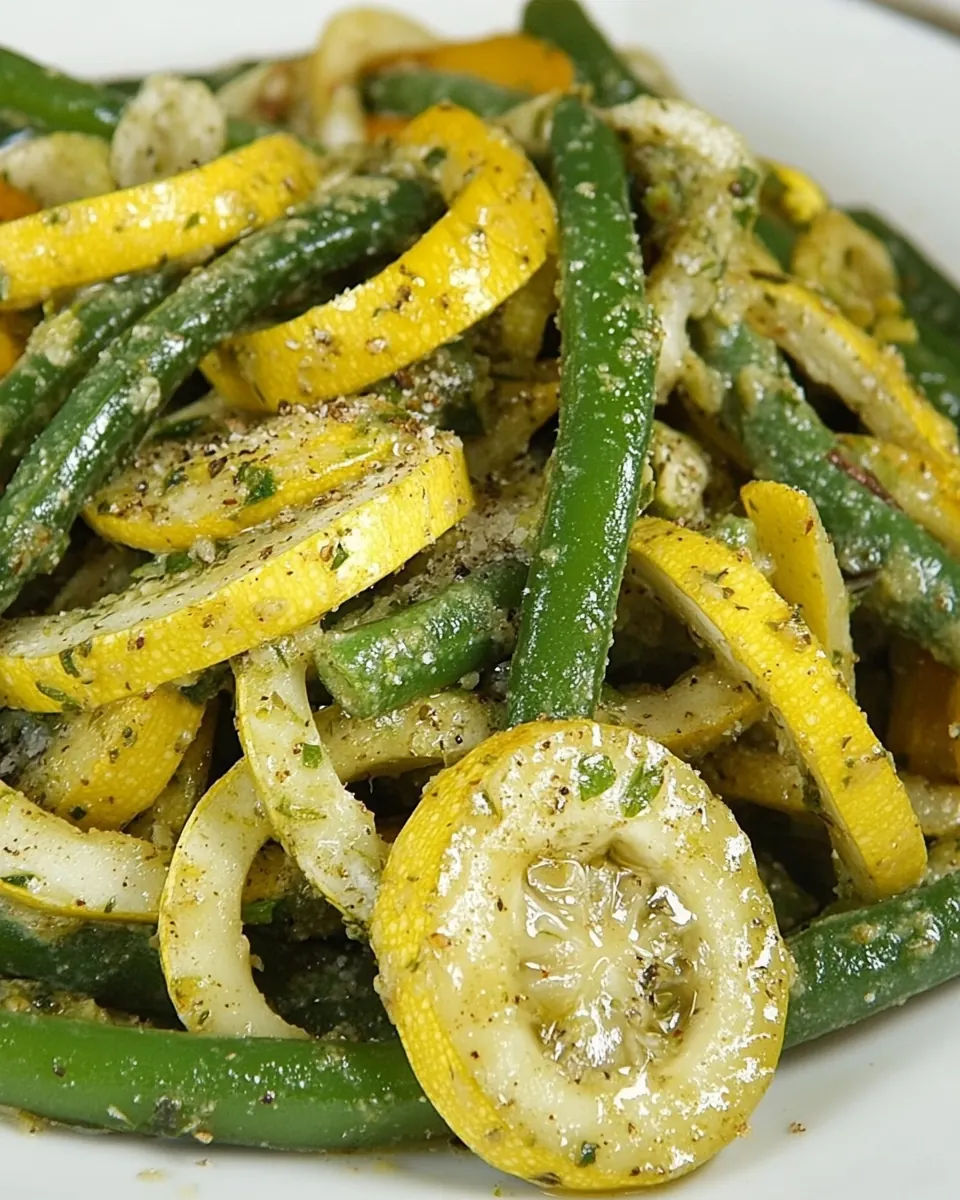
Green Bean and Zucchini Salad
Green Bean and Zucchini Salad came into my weeknight rotation the summer I was determined to eat lighter without sacrificing flavor. I remember standing at my farmer’s market stall with a basket of bright green beans and a couple of glossy zucchini, thinking how simple produce can sing when treated with a little heat and a splash of citrus. That first evening I tossed everything quickly in a skillet and the tiny pop of the almonds and the hum of garlic made me smile, and I knew I had a keeper.
Since then, this Green Bean and Zucchini Salad has been the dish I bring to casual dinners when I want to impress without fuss. I like that it works both warm and at room temperature, so I can make it ahead and still have it taste fresh. I often find myself tweaking the lime juice or nudging the pepper just a bit to suit the guests, and every time it gets compliments for being both bright and satisfying. It is one of those recipes that feels crafted yet effortless.
Recipe Snapshot
5 mins
0 mins
5 mins
Easy
150 kcal
American
Vegan, Gluten-Free
Side Dishes
Medium skillet, Wooden spoon
Why This Green Bean and Zucchini Salad Hits Different
Freshness that actually lasts
I love how the combination of green beans and zucchini keeps its texture even after a quick sauté. The contrast between the tender but still crisp vegetables and the crunchy almonds gives each bite a lively quality. I notice guests often mention how the salad does not get soggy, which is a huge win when you need something that travels well to picnics or potlucks.
Citrus brightens every forkful
The squeeze of lime or lemon juice wakes up the other flavors without overpowering them. I use just enough to lift the dish, and that acidity pairs beautifully with the earthy bite of the garlic and the gentle herbiness of the dried oregano. For me, that balance is what transforms simple vegetables into a memorable plate.
Versatile as a side or light main
This Green Bean and Zucchini Salad adapts to your needs. I serve it as a refreshing side for casual dinners, and sometimes I spoon it over warm quinoa when I want a light, protein-forward meal. The recipe scales easily so you can make a little for two or a large batch for a small gathering.
Minimal equipment, maximum flavor
I adore recipes that come together without a pile of dishes. Most of the flavor here comes from one skillet and a quick toss, so you spend time enjoying the company rather than cleaning up. The technique emphasizes quick, high heat to preserve texture, which is something I rely on when cooking for friends who want food fast but not rushed.
Healthy without being boring
We often reach for heavy sides, but this salad proves healthy can be exciting. With the crunch of almonds and the freshness of sprouts and citrus, I never feel like I am missing out. It is a recipe I turn to when I want something nourishing that still feels festive and satisfying.
Ingredient List for Green Bean and Zucchini Salad
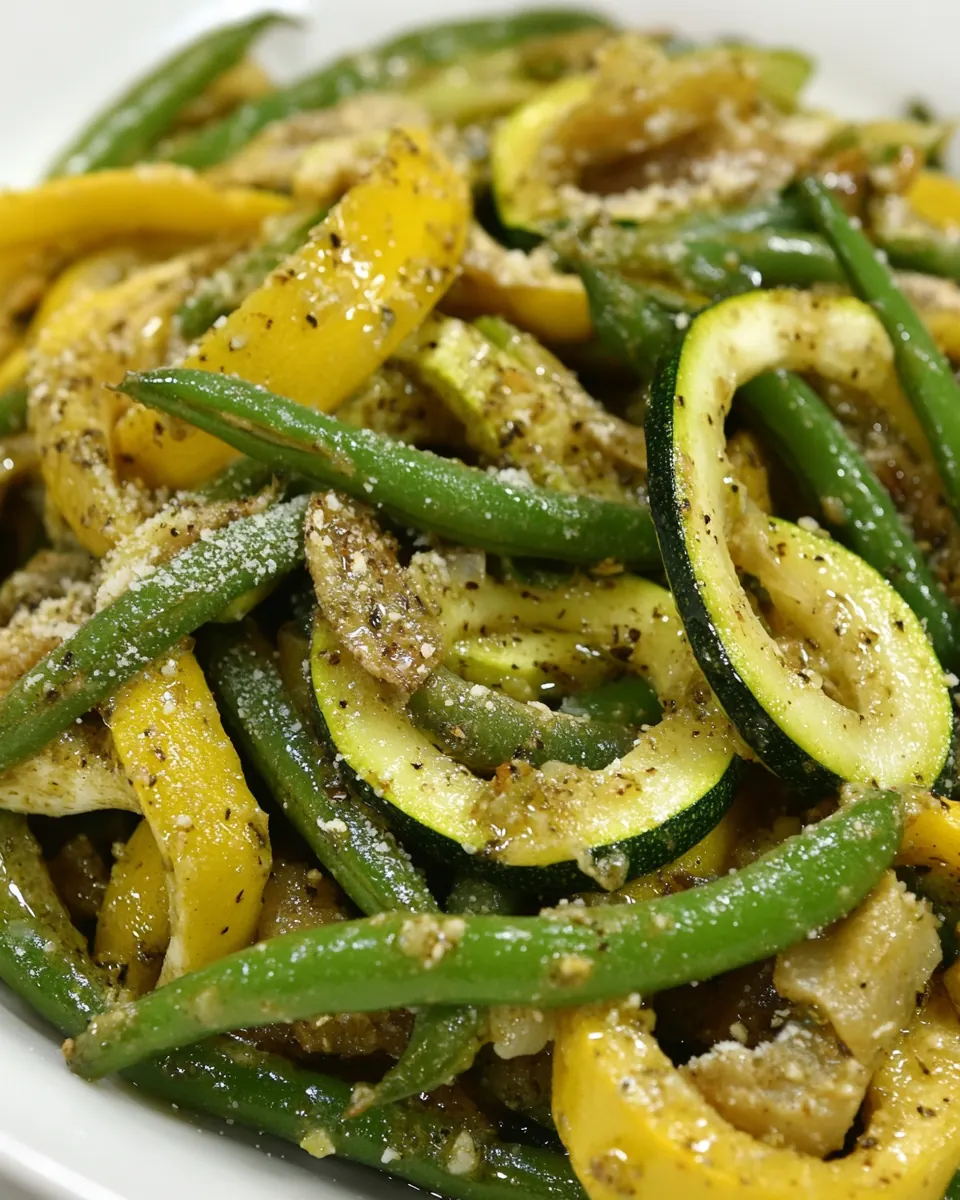
These ingredients are small in number but big in effect. I pick components that each play a clear role: the vegetables provide texture and bulk, the citrus brightens, the almonds add crunch, and the extra virgin olive oil helps flavors meld. Together they create a balanced, light salad that celebrates summer produce.
- 2 teaspoons extra virgin olive oil: Adds healthy monounsaturated fats and a glossy finish to the salad; helps carry flavors and lightly sautés the zucchini if desired. Use sparingly to keep the salad light while enhancing mouthfeel and aroma.
- 1 cup green beans, broken, remove strings: Provides a crisp, slightly sweet snap and fresh vegetal flavor when lightly blanched or raw; breaking and removing strings improves texture and eating quality. Retains vibrant color and adds fiber and nutrients to the salad.
- 1 zucchini, sliced: Contributes tender, mild squash flavor and a pleasant bite when sliced thin; quickly cooks or can be served raw for freshness. Balances the salad with moisture and a delicate texture that pairs well with herbs and citrus.
- 1/2 cup bean sprouts: Offers crunchy, slightly nutty freshness and a delicate sprout texture that complements cooked vegetables; adds lightness and contrast. Boosts nutritional value with vitamins and enzymes, enhancing the salad's crisp profile.
- 8 almonds, sliced: Delivers crunchy texture and a toasty, slightly sweet nutty flavor when sliced; scattered over the top adds visual appeal. Provides healthy fats and protein, contributing satisfying bite and contrast to softer vegetables.
- 2 garlic cloves, minced: Imparts a pungent, savory depth when minced; lightly sauté or toss raw for fragrant intensity. Enhances overall flavor complexity and pairs well with citrus, oregano, and olive oil.
- 1/2 lime or lemon, juiced: Adds bright acidity and fresh citrus aroma when juiced; balances richness and lifts flavors throughout the salad. Use to season and brighten the mix, adjusting quantity to desired tanginess.
- 1/2 teaspoon dried oregano: Introduces warm, earthy Mediterranean herb notes that complement vegetables and citrus; sprinkle evenly for consistent flavor. Works well with garlic and olive oil to create a cohesive herbaceous profile.
- 1/2 teaspoon black pepper: Provides mild heat and a sharp aromatic edge when freshly ground; seasons the salad without overpowering other ingredients. Adjust amount to taste to enhance complexity and slight warmth.
- sea salt to taste: Seasons and enhances all other flavors, allowing individual ingredients to shine; add gradually and taste as you go. Can be adjusted to personal preference to achieve balanced seasoning.
How to Assemble Green Bean and Zucchini Salad
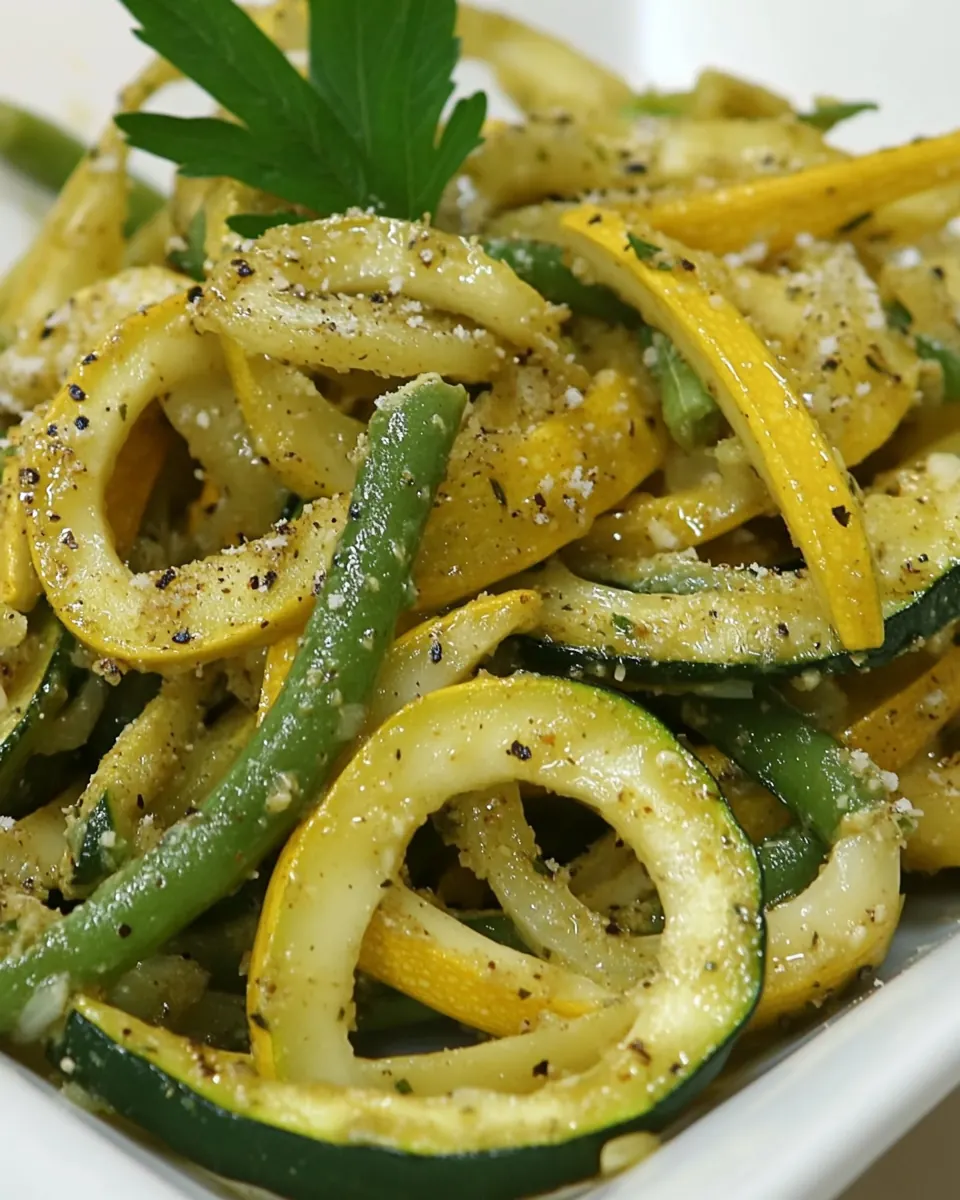
I like to keep the assembly straightforward and focused on timing, because quick heat preserves texture and flavor. Read through the steps so you know the sensory cues to watch for, and have your garlic and almonds ready before the skillet heats up. The goal is a lightly caramelized surface with crisp interiors.
- Combine all ingredients in a medium skillet, saute over medium heat just until heated thru, about 5 minutes. This side salad also makes a yummy afternoon snack, either hot or cold. Drizzle with additional lime juice and serve. For added protein serve over a bed of quinoa.: You will hear a gentle sizzle as the extra virgin olive oil warms and the vegetables meet the pan, releasing an herbal, toasty aroma. The sight of vibrant green from the green beans and paler ribbons of zucchini hitting the hot surface is reassuring, signaling that moisture will be drawn out and flavors will concentrate. As the pan heats, the minced garlic begins to perfume the air, and the sliced almonds toast slightly, adding a faint nutty scent that complements the citrus to come. Stir with a wooden spoon so each piece gets a light coating of oil, which promotes even browning. If the pan seems crowded, work in batches to avoid steaming the vegetables, which would make them limp. A common mistake here is overheating the oil and burning the aromatics, so keep the temperature moderate and stay attentive.
- Saute over medium heat just until heated thru: As you cook, listen for a sustained, quiet sizzle rather than aggressive popping; that indicates the right medium heat for gentle caramelization. Visually, the green beans will deepen in color and the edges of sliced zucchini will show tiny golden flecks, offering attractive contrast. The texture should shift to tender yet still resilient, and the aroma will shift from raw vegetal to roasted sweetness. Use small, deliberate tosses to ensure even contact with the skillet, and avoid constant crowding which prevents browning. Overcooking is the primary pitfall at this stage, leading to mushy vegetables, so err on the side of slightly underdone as they continue to rest off heat.
- about 5 minutes: This timeframe gives you a guide to aim for a quick finish where the interior cooks through while the exterior keeps its integrity. During these minutes, watch for visual cues such as a glossy sheen from the extra virgin olive oil and the appearance of tiny toasted bits on the vegetables. Smell will shift toward a warm, slightly nutty bouquet and the sweetness of softened zucchini . If you notice excessive liquid pooling, raise the heat briefly to evaporate it and restore texture, but be careful not to burn the sensitive garlic . One error people make is assuming longer equals better; in this recipe, restraint leads to the best balance of texture and flavor.
- This side salad also makes a yummy afternoon snack: Served hot or cooled to room temperature, the salad retains character and becomes portable for a snack or light plate. When warm, the aroma is more pronounced and the almonds offer a pleasant contrast to the tender vegetables; when cooled, the flavors meld and the citrus becomes a bright note that lifts every forkful. If storing, let the salad cool slightly before covering to avoid trapping steam, which can make it soggy. A common oversight is refrigerating while still steaming, which leads to limp texture, so give it a few minutes to settle first.
- Drizzle with additional lime juice and serve: A final squeeze of lime or lemon before serving sharpens the overall profile and revives the palate. Visually, the glossy droplets add appeal, and the citrus aroma will be the last thing to hit your nose as you bring a fork to mouth. Taste and finish with a pinch of sea salt or black pepper if needed to elevate the flavors. Avoid adding too much acid earlier in cooking, since heat can dull bright citrus notes; save a little for this finishing touch to keep the salad lively.
- For added protein serve over a bed of quinoa: Placing the salad atop warm quinoa turns it into a satisfying main, the nutty grains soaking up the citrus and oil for a cohesive bite. You will notice the textures play nicely together, quinoa offering a subtle chew against the tender vegetables and crunchy almonds . If reheating later, gently warm the quinoa and add the salad cold to preserve texture, or briefly toss together in a warm pan. A mistake to avoid is overmixing the quinoa and salad too far in advance, which can make the mixture mushy; assemble close to serving time when possible.
Making Adjustments
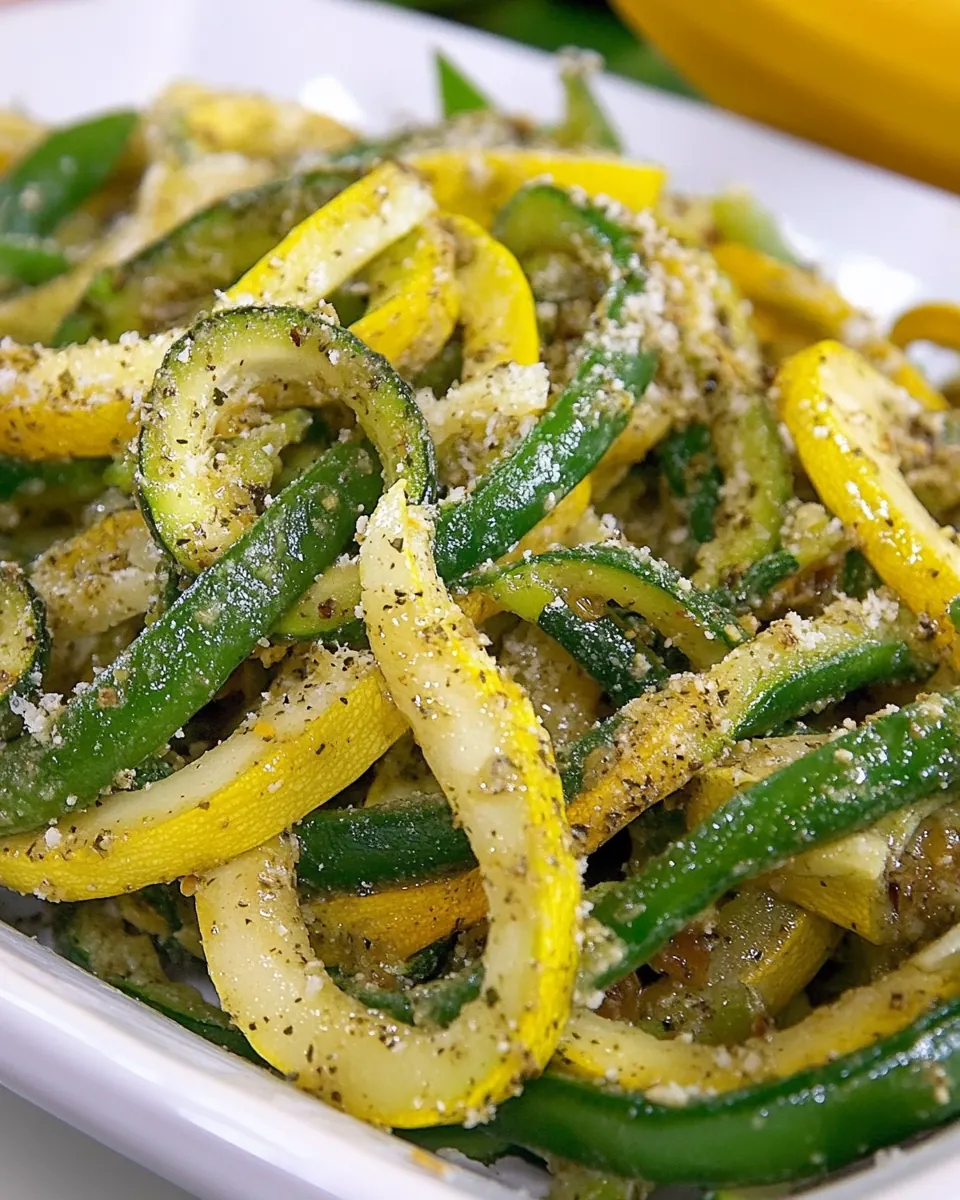
I keep adjustments simple so you can adapt the salad to what you have on hand. Below are practical tips to tweak texture, flavor, and portion, each expanded into a helpful, standalone suggestion.
- Swap citrus types: If you prefer a slightly sweeter note, use lemon instead of lime, which softens the acidity and gives a rounded finish without changing the overall balance.
- Adjust oil level: Use a little more or less extra virgin olive oil to control richness, remembering that the oil carries flavor and a small increase will make the salad silkier while a reduction keeps it lighter.
- Toast nuts for depth: Lightly toasting the almonds intensifies their aroma and offers a warm, roasted counterpoint to the fresh vegetables, but watch closely because nuts can burn in seconds.
- Bring out herbs: If you want more herbal character, add a pinch more dried oregano, but do it sparingly as dried herbs can become dusty if overused.
- Make it a meal: Serve the salad over warm quinoa to add protein and heft, turning this side into a satisfying main without complicating the preparation.
Best Served With
This salad partners well with many occasions because it is fresh, flexible, and easy to scale. Below are specific serving ideas and pairings that highlight the salad in different settings, with practical storage and seasonal notes.
- Light lunch: Serve the Green Bean and Zucchini Salad atop a bowl of warm quinoa for a nourishing midday meal that is balanced and portable.
- Summer picnic: Pack the salad at room temperature in a shallow dish along with crusty bread for a relaxed outdoor meal where bright flavors shine.
- Casual dinner side: Offer the salad alongside grilled vegetables or a simple protein for a balanced plate that keeps the meal feeling fresh and not heavy.
- Ramadan iftar: The gentle textures and citrus lift make the salad a refreshing option to break a fast, pairing well with soups or rice dishes during evenings of sharing.
- Storage tips: Refrigerate in an airtight container for up to two days, but cool completely first to avoid excess moisture. Re-toss with a fresh squeeze of lime before serving to revive flavors.
- Seasonal pairing: This is a summer standout because both green beans and zucchini are at their peak, but you can stretch it into late summer when produce is still crisp and flavorful.
FAQ
Conclusion
What makes this Green Bean and Zucchini Salad special is how simple techniques highlight summer produce, turning everyday ingredients into a lively, textural dish. Give it a try the next time you want a light, crowd friendly plate that is quick to make yet feels thoughtful. I hope this recipe becomes one of those reliable favorites you reach for when you want fresh flavor without fuss.
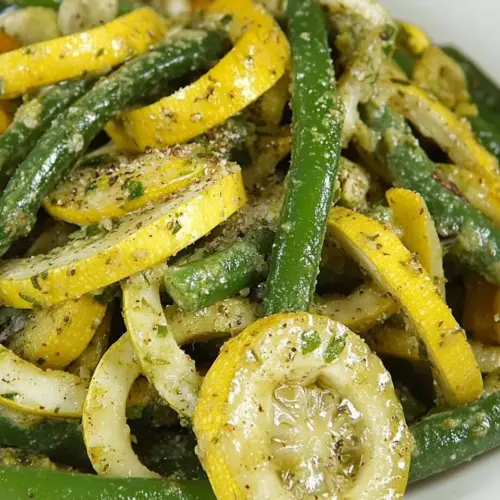
Green Bean and Zucchini Salad
Equipment
- Medium skillet
- Wooden Spoon
Ingredients
- 2 teaspoons extra virgin olive oil Adds healthy monounsaturated fats and a glossy finish to the salad; helps carry flavors and lightly sautés the zucchini if desired. Use sparingly to keep the salad light while enhancing mouthfeel and aroma.
- 1 cup green beans, broken, remove strings Provides a crisp, slightly sweet snap and fresh vegetal flavor when lightly blanched or raw; breaking and removing strings improves texture and eating quality. Retains vibrant color and adds fiber and nutrients to the salad.
- 1 zucchini, sliced Contributes tender, mild squash flavor and a pleasant bite when sliced thin; quickly cooks or can be served raw for freshness. Balances the salad with moisture and a delicate texture that pairs well with herbs and citrus.
- 1/2 cup bean sprouts Offers crunchy, slightly nutty freshness and a delicate sprout texture that complements cooked vegetables; adds lightness and contrast. Boosts nutritional value with vitamins and enzymes, enhancing the salad's crisp profile.
- 8 almonds, sliced Delivers crunchy texture and a toasty, slightly sweet nutty flavor when sliced; scattered over the top adds visual appeal. Provides healthy fats and protein, contributing satisfying bite and contrast to softer vegetables.
- 2 garlic cloves, minced Imparts a pungent, savory depth when minced; lightly sauté or toss raw for fragrant intensity. Enhances overall flavor complexity and pairs well with citrus, oregano, and olive oil.
- 1/2 lime or lemon, juiced Adds bright acidity and fresh citrus aroma when juiced; balances richness and lifts flavors throughout the salad. Use to season and brighten the mix, adjusting quantity to desired tanginess.
- 1/2 teaspoon dried oregano Introduces warm, earthy Mediterranean herb notes that complement vegetables and citrus; sprinkle evenly for consistent flavor. Works well with garlic and olive oil to create a cohesive herbaceous profile.
- 1/2 teaspoon black pepper Provides mild heat and a sharp aromatic edge when freshly ground; seasons the salad without overpowering other ingredients. Adjust amount to taste to enhance complexity and slight warmth.
- sea salt to taste Seasons and enhances all other flavors, allowing individual ingredients to shine; add gradually and taste as you go. Can be adjusted to personal preference to achieve balanced seasoning.
Instructions
- Combine all ingredients in a medium skillet, saute over medium heat just until heated thru, about 5 minutes. This side salad also makes a yummy afternoon snack, either hot or cold. Drizzle with additional lime juice and serve. For added protein serve over a bed of quinoa.: You will hear a gentle sizzle as the extra virgin olive oil warms and the vegetables meet the pan, releasing an herbal, toasty aroma. The sight of vibrant green from the green beans and paler ribbons of zucchini hitting the hot surface is reassuring, signaling that moisture will be drawn out and flavors will concentrate. As the pan heats, the minced garlic begins to perfume the air, and the sliced almonds toast slightly, adding a faint nutty scent that complements the citrus to come. Stir with a wooden spoon so each piece gets a light coating of oil, which promotes even browning. If the pan seems crowded, work in batches to avoid steaming the vegetables, which would make them limp. A common mistake here is overheating the oil and burning the aromatics, so keep the temperature moderate and stay attentive.
- Saute over medium heat just until heated thru: As you cook, listen for a sustained, quiet sizzle rather than aggressive popping; that indicates the right medium heat for gentle caramelization. Visually, the green beans will deepen in color and the edges of sliced zucchini will show tiny golden flecks, offering attractive contrast. The texture should shift to tender yet still resilient, and the aroma will shift from raw vegetal to roasted sweetness. Use small, deliberate tosses to ensure even contact with the skillet, and avoid constant crowding which prevents browning. Overcooking is the primary pitfall at this stage, leading to mushy vegetables, so err on the side of slightly underdone as they continue to rest off heat.
- about 5 minutes: This timeframe gives you a guide to aim for a quick finish where the interior cooks through while the exterior keeps its integrity. During these minutes, watch for visual cues such as a glossy sheen from the extra virgin olive oil and the appearance of tiny toasted bits on the vegetables. Smell will shift toward a warm, slightly nutty bouquet and the sweetness of softened zucchini . If you notice excessive liquid pooling, raise the heat briefly to evaporate it and restore texture, but be careful not to burn the sensitive garlic . One error people make is assuming longer equals better; in this recipe, restraint leads to the best balance of texture and flavor.
- This side salad also makes a yummy afternoon snack: Served hot or cooled to room temperature, the salad retains character and becomes portable for a snack or light plate. When warm, the aroma is more pronounced and the almonds offer a pleasant contrast to the tender vegetables; when cooled, the flavors meld and the citrus becomes a bright note that lifts every forkful. If storing, let the salad cool slightly before covering to avoid trapping steam, which can make it soggy. A common oversight is refrigerating while still steaming, which leads to limp texture, so give it a few minutes to settle first.
- Drizzle with additional lime juice and serve: A final squeeze of lime or lemon before serving sharpens the overall profile and revives the palate. Visually, the glossy droplets add appeal, and the citrus aroma will be the last thing to hit your nose as you bring a fork to mouth. Taste and finish with a pinch of sea salt or black pepper if needed to elevate the flavors. Avoid adding too much acid earlier in cooking, since heat can dull bright citrus notes; save a little for this finishing touch to keep the salad lively.
- For added protein serve over a bed of quinoa: Placing the salad atop warm quinoa turns it into a satisfying main, the nutty grains soaking up the citrus and oil for a cohesive bite. You will notice the textures play nicely together, quinoa offering a subtle chew against the tender vegetables and crunchy almonds . If reheating later, gently warm the quinoa and add the salad cold to preserve texture, or briefly toss together in a warm pan. A mistake to avoid is overmixing the quinoa and salad too far in advance, which can make the mixture mushy; assemble close to serving time when possible.
Notes
- Swap citrus types: If you prefer a slightly sweeter note, use lemon instead of lime, which softens the acidity and gives a rounded finish without changing the overall balance.
- Adjust oil level: Use a little more or less extra virgin olive oil to control richness, remembering that the oil carries flavor and a small increase will make the salad silkier while a reduction keeps it lighter.
- Toast nuts for depth: Lightly toasting the almonds intensifies their aroma and offers a warm, roasted counterpoint to the fresh vegetables, but watch closely because nuts can burn in seconds.
- Bring out herbs: If you want more herbal character, add a pinch more dried oregano, but do it sparingly as dried herbs can become dusty if overused.
- Make it a meal: Serve the salad over warm quinoa to add protein and heft, turning this side into a satisfying main without complicating the preparation.
