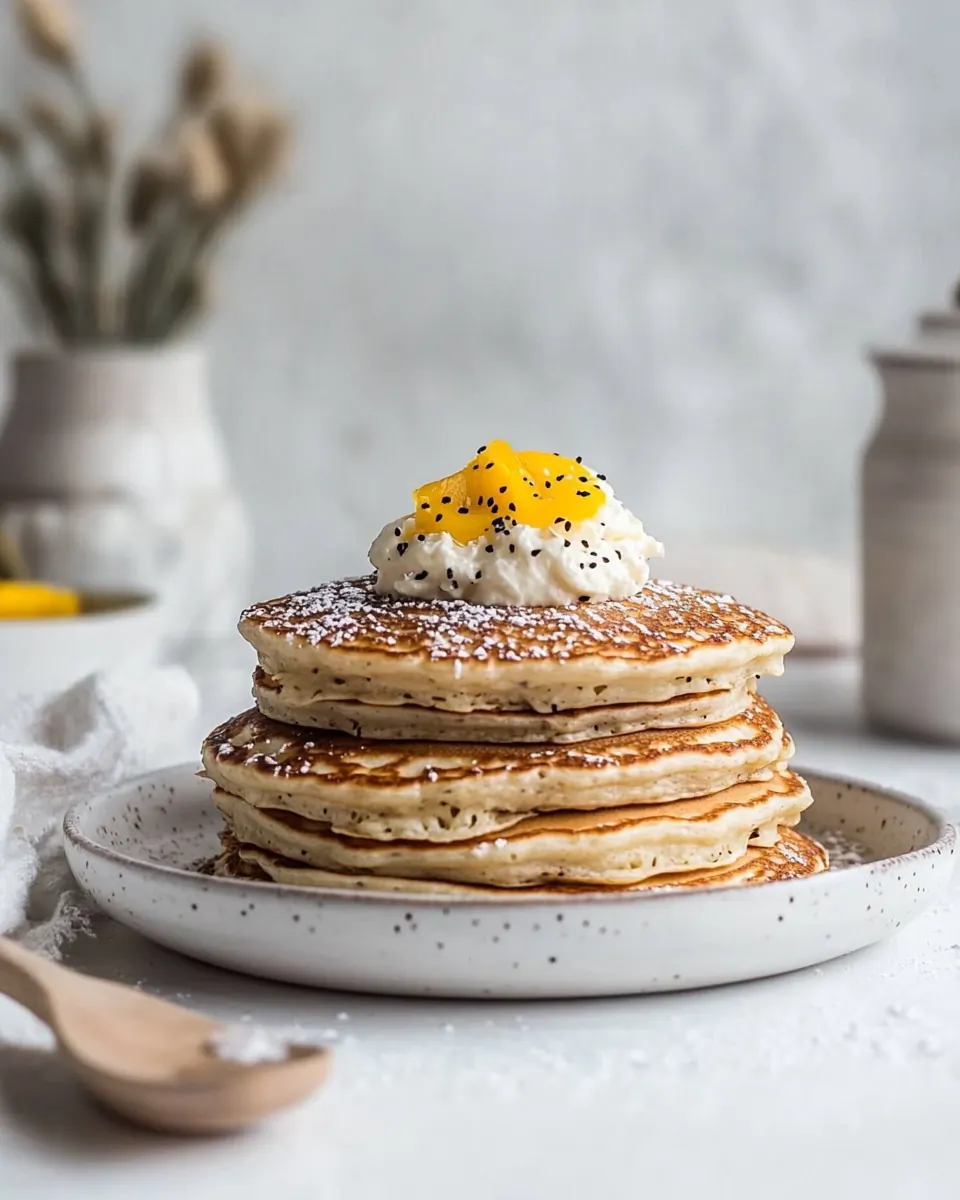
Pancakes For Two
Pancakes For Two have always been my go to comfort breakfast when the world feels a touch too busy and I need a small, gentle celebration at the table.
Some mornings start slow, with the kettle humming and sunlight pooling on the counter, and those are the moments I reach for the simple staples that make these pancakes sing. I remember a chilly weekend when I scaled the recipe down just for two of us, and the result was warm, tender rounds that tasted like a hug. Every flip felt like a little victory, and by the time we sat to eat, the house smelled like toasted grain and sweet maple.
I like how modest the ingredient list is, yet how satisfying the finished plate becomes. Making Pancakes For Two is a small ritual that feels deliberate and kind. There is no rush, only steady rhythm as I whisk the dry ingredients, fold the wet ones, and let the batter rest while I preheat the skillet. That pause is important, and I often use it to set the table, brew coffee, or just breathe.
When I serve these, I enjoy letting people add their own final touch. A drizzle of maple syrup, a pat of butter, or a scattering of fruit transforms the plate, but the base remains the star. Over time I learned subtle tricks that keep the pancakes tender and prevent them from becoming rubbery, and I love sharing those small insights when friends ask for the recipe. Simple, honest, and reliably good, Pancakes For Two is my little reminder that good food does not have to be complicated to feel special.
Recipe Snapshot
25 mins
10 mins
15 mins
Medium
300 kcal
American
Gluten-Free, Low FODMAP
Breakfast
Mixing bowl, Whisk, Nonstick skillet or griddle, 1 4 cup measure, Spatula
Why This Pancakes For Two Stands Out
Small Batch Comfort
I love that Pancakes For Two are designed for a cozy serving size. You do not end up with leftovers that go stale, and the batter stays fresh, which means every pancake is fluffy and vibrant. Serving fewer at a time makes breakfast feel intentional, and I often find that the flavors are more pronounced when you are not feeding a crowd.
Whole Grain Balance
Using whole wheat flour gives these pancakes a warm, nutty backbone, while the rest of the batter keeps them tender. I appreciate the balance between hearty texture and soft crumb, it makes the pancakes feel a touch healthier without sacrificing that classic pancake mouthfeel. I find this combination satisfying and longer lasting than an all white flour version.
Buttermilk Magic
The inclusion of low fat buttermilk is a reveal for me, it brightens the batter and reacts with the leaveners so the pancakes rise with gentle lift. The tang also cuts through the sweetness of the syrup, giving each bite a rounded, complex flavor that keeps you reaching for another.
Speed and Simplicity
This recipe moves quickly, from whisk to skillet in minutes, which is why I reach for it on rushed mornings or lazy weekends. The equipment is minimal, and the technique is forgiving, so even if you are new to cooking you can produce consistent results. I like that it still feels like an accomplishment without demanding a lot of prep time.
Customizable Finish
Finally, I adore how the pancakes act as a canvas. A little maple syrup or a hint of olive oil for greasing keeps things simple, but you can personalize the plate with toppings you love. Because the base is balanced and not overly sweet, it pairs beautifully with fruit, nuts, or a dollop of yogurt if you prefer.
What You Need for Pancakes For Two
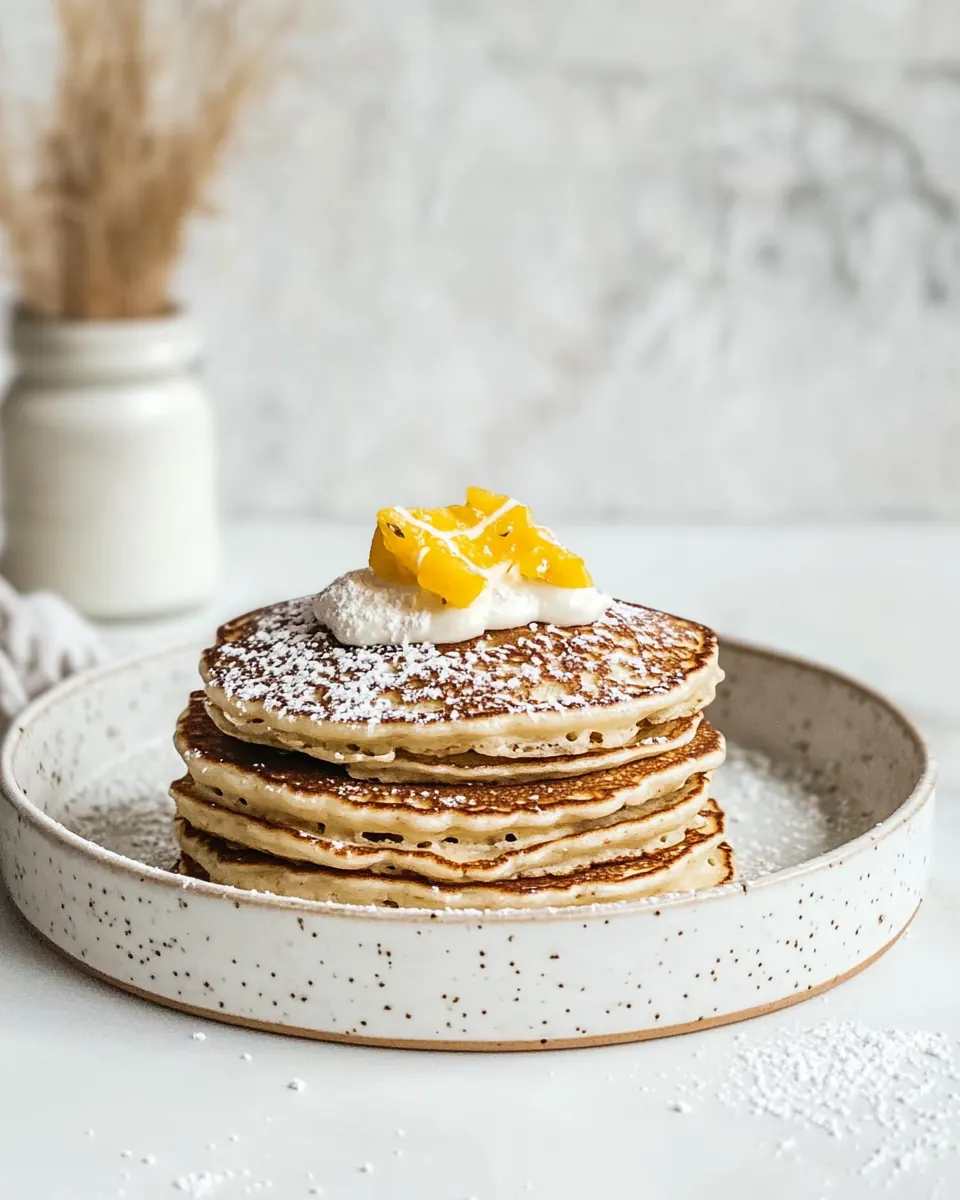
These ingredients are intentionally modest and work together to build structure, lift, and flavor. The whole wheat flour contributes nuttiness and body, while the baking powder and baking soda provide the lift that creates light pockets. The egg and buttermilk bring richness and tang, and the olive oil keeps the crumb tender and prevents sticking. A touch of maple syrup adds natural sweetness and aroma for serving.
- 3/4 cup whole-wheat flour: Provide a hearty, nutty base that adds fiber and structure to the batter; whole–wheat flour yields denser, more flavorful pancakes and browns nicely while cooking. Adjust batter consistency with additional liquid if needed, and whisk gently to avoid overworking gluten for tender results.
- 1 teaspoon baking powder: Act as a primary leavening agent that helps batter rise and become light and fluffy when exposed to heat. Measure precisely and sift or mix thoroughly into dry ingredients to ensure even distribution and consistent lift.
- 1/4 teaspoon baking soda: Contribute additional leavening power and react with acidic components in the batter to produce carbon dioxide, enhancing volume and tenderness. Use sparingly to avoid a soapy or metallic aftertaste and combine well with other dry ingredients.
- 1/4 teaspoon salt: Provide essential seasoning to balance flavors and enhance sweetness while also strengthening gluten slightly for improved batter cohesion. Dissolve evenly into wet ingredients for uniform taste throughout the pancakes.
- 1 large egg preferably organic: Bind the ingredients together while adding moisture, richness, and structure; the yolk contributes fat and emulsifiers, and the white adds protein for setting during cooking. Beat gently before incorporating for even distribution and optimal texture.
- 3/4 cup low-fat buttermilk: Supply acidity and tang that reacts with leavening agents to create lift, while contributing moisture and a tender crumb; low-fat buttermilk keeps pancakes light without excess fat. Mix into wet ingredients at room temperature for best integration and consistent batter thickness.
- 2 tablespoons olive oil plus more, for greasing the pan: Add moistness and a subtle savory fruitiness while increasing tenderness and preventing sticking; olive oil yields a softer crumb and can be used to grease the pan to aid flipping. Incorporate into wet ingredients and use additional oil sparingly to lightly coat the cooking surface.
- 1 tablespoon maple syrup plus more, for serving: Introduce gentle sweetness and a rich, caramel-like flavor that complements the grainy, savory pancake base; maple syrup can be folded into batter for sweetness or reserved for serving. Offer extra at the table for drizzling to taste and enhance overall flavor.
How to Make Pancakes For Two
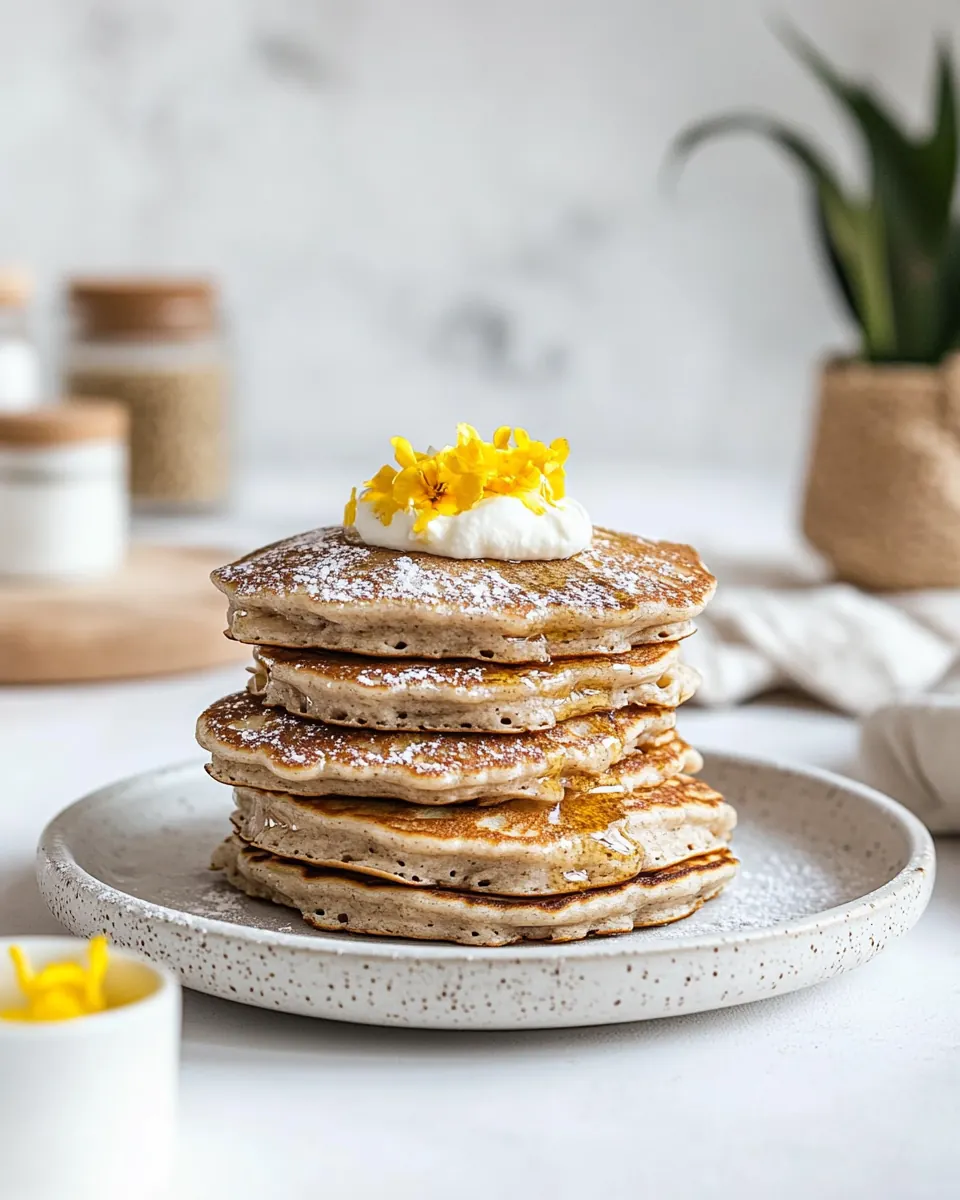
These instructions are deliberately conversational and forgiving. I like to move with a calm rhythm, from mixing the dry ingredients to resting the batter and cooking on a well heated skillet. Follow the sensory cues and you will get consistent results every time.
- In a medium mixing bowl, whisk together the whole-wheat flour, baking powder, baking soda, and salt.: You will hear a soft swish as the dry flour and leaveners mingle, and the mixture should look uniform, with no clumps of baking powder or soda. This step matters because even distribution of the baking powder and baking soda ensures the pancakes rise evenly, otherwise you can get spots that puff more than others. A common pitfall is skipping this whisk, which can leave pockets of leavening that produce uneven texture and occasional metallic tasting bits.
- In a separate bowl, beat the egg lightly, then stir in the low-fat buttermilk, olive oil, and maple syrup until well combined.: Start by cracking the egg into the bowl and breaking the yolk, you should see the mixture become glossy as the olive oil and maple syrup blend with the buttermilk . The aroma of the maple syrup will lift the wet mix, and the liquid should look smooth and slightly glossy. This combination matters for both flavor and texture, the oil helps coat flour proteins so pancakes stay tender. A frequent mistake is overbeating the egg, which can introduce too much air and give a coarse crumb.
- Pour the wet ingredients into the dry, and gently fold the mixture until just combined, being careful not to overmix. It's okay if the batter is a bit lumpy.: As you fold, listen for the gentle slap as the batter falls back into the bowl and watch for streaks of dry flour to disappear. The batter should have a slightly thick, pourable texture with small lumps that will relax during the rest period. This gentle handling preserves tenderness; overmixing activates gluten which yields rubbery pancakes. If you stir too vigorously, you may notice the batter become elastic and the finished pancakes dense.
- Allow the batter to rest for about 10 minutes. This step is crucial as it lets the baking powder activate (the secret to fluffy pancakes!).: During this pause you may notice tiny bubbles forming and the batter settling, a reassuring sign that the leaveners are doing their work. Resting lets the whole wheat flour hydrate, which softens the texture and makes flipping easier. If you skip the rest, pancakes often come out tighter and less tender, so resist the urge to cook immediately.
- Preheat a nonstick skillet or griddle over medium heat. Lightly grease it with a small amount of olive oil or cooking spray. Use a 1/4-cup measure to pour the batter onto the skillet.: Heat is crucial here, you want the surface warm enough that a bead of batter sizzles gently without scorching. When greasing, spread a whisper thin film of olive oil so pancakes brown evenly rather than fry. The 1/4 cup measure helps make uniformly sized cakes that cook at the same rate. A common error is cooking on too high heat, which browns the exterior while the center remains raw.
- Cook the pancakes until you see bubbles forming on the surface and the edges look set, about 2-3 minutes. Flip the pancakes carefully, and cook for another 2 minutes. It should be golden-brown and cooked through.: Watch for steady bubbling across the surface and slightly drier edges as your cue, you should smell a warm, toasty note as proteins and sugars caramelize. After flipping, the second side should take less time and develop a uniform golden brown color. The why is straightforward, the initial cook forms structure so the flip does not collapse the cake. A frequent mistake is flipping too early, which yields a gummy center and uneven texture.
- Serve hot, with your favorite toppings.: When plated, you will notice steam rising and a tender interior that yields easily to a fork, paired with a toasted edge. Serving straight from the skillet preserves the ideal temperature and texture. People often let pancakes sit, which dulls the warmth and softens the edges, so serve promptly for the best experience.
Helpful Notes about Pancakes For Two
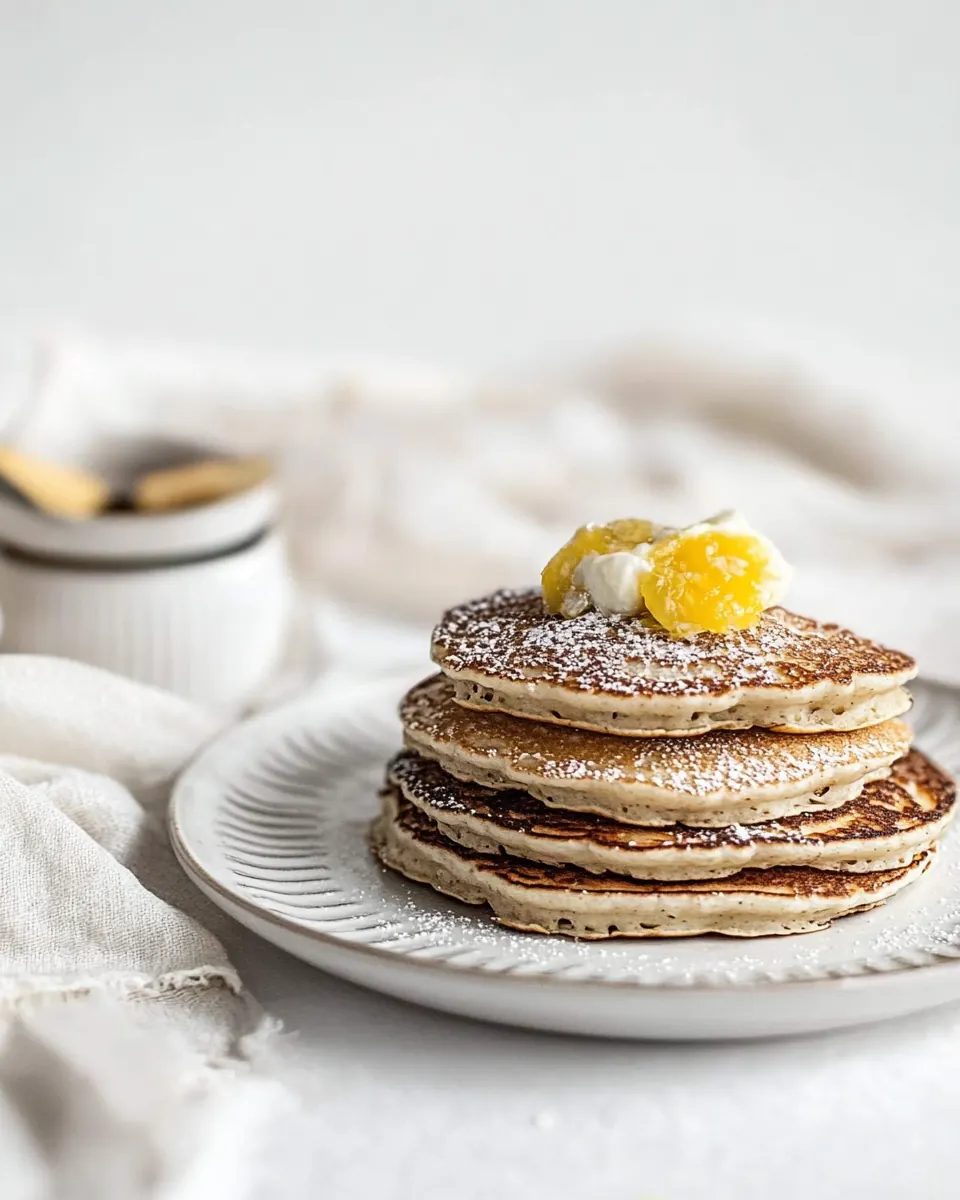
These notes are practical points I turn to when I want reliable results. They are focused on technique, timing, and small adjustments that elevate the final plate.
- Start with room temperature wet ingredients, they combine more evenly and yield a smoother batter which cooks more predictably on the skillet.
- Do not overmix the batter, a few lumps are fine and will disappear while the batter rests, overmixing creates gluten and makes pancakes tough.
- Use a medium heat setting so the pancakes develop a golden exterior while cooking through, high heat burns the outside before the center sets.
- Fresh leaveners matter, if your baking powder or baking soda is old the pancakes will not rise properly, replace every six months for best results.
- Serve immediately to preserve warmth and texture, if you must hold them briefly use a low oven to keep them from becoming soggy.
Serving Options for Pancakes For Two
These serving ideas cover casual breakfasts, special mornings, and small gatherings. I include storage notes and pairing suggestions so you can adapt the plate to the occasion.
- Classic breakfast plate, serve the pancakes warm with extra maple syrup drizzled on top and a pat of butter for a breakfast that feels familiar and satisfying.
- Light brunch, add a side of fresh fruit or a small bowl of yogurt, the tang from the fruit complements the nutty whole wheat flour flavor and makes the meal feel balanced.
- Cozy weekend, set a small stack on the table with separate bowls of toppings so each person can customize, this makes a leisurely morning feel special without fuss.
- Meal prep and storage, leftover pancakes can be cooled, layered with parchment, and refrigerated for up to two days or frozen for longer storage, reheat gently in a toaster or oven to revive texture.
- Seasonal pairings, in cooler months I serve with warm fruit compote, and in warmer months I prefer fresh berries, both bring brightness to the nutty base.
- Occasions, this scaled recipe is ideal for quiet breakfasts for two, romantic mornings, or a simple treat during a holiday morning when you want something uncomplicated yet comforting.
FAQ
Conclusion
Pancakes For Two shine because they are simple, flavorful, and intentionally scaled so every pancake feels fresh and special. The combination of whole wheat flour and buttermilk gives a satisfying texture and gentle tang, while the quick technique keeps the process approachable. If you are looking for a small, meaningful breakfast that comes together without fuss, give this recipe a try; it is forgiving, comforting, and a lovely way to start a morning with someone you care about.
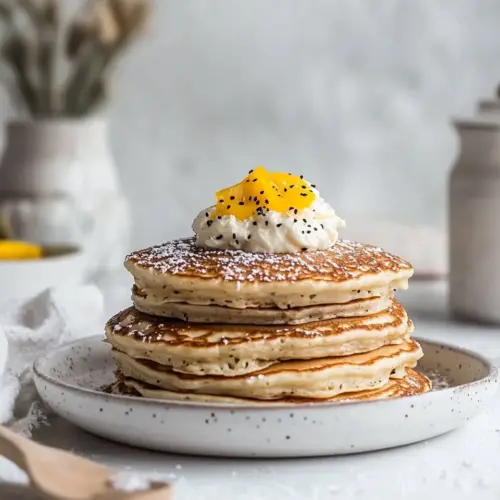
Pancakes For Two
Equipment
- Mixing Bowl
- Whisk
- Nonstick skillet or griddle
- 1 4 cup measure
- Spatula
Ingredients
- 3/4 cup whole-wheat flour Provide a hearty, nutty base that adds fiber and structure to the batter; whole-wheat flour yields denser, more flavorful pancakes and browns nicely while cooking. Adjust batter consistency with additional liquid if needed, and whisk gently to avoid overworking gluten for tender results.
- 1 teaspoon baking powder Act as a primary leavening agent that helps batter rise and become light and fluffy when exposed to heat. Measure precisely and sift or mix thoroughly into dry ingredients to ensure even distribution and consistent lift.
- 1/4 teaspoon baking soda Contribute additional leavening power and react with acidic components in the batter to produce carbon dioxide, enhancing volume and tenderness. Use sparingly to avoid a soapy or metallic aftertaste and combine well with other dry ingredients.
- 1/4 teaspoon salt Provide essential seasoning to balance flavors and enhance sweetness while also strengthening gluten slightly for improved batter cohesion. Dissolve evenly into wet ingredients for uniform taste throughout the pancakes.
- 1 large egg preferably organic Bind the ingredients together while adding moisture, richness, and structure; the yolk contributes fat and emulsifiers, and the white adds protein for setting during cooking. Beat gently before incorporating for even distribution and optimal texture.
- 3/4 cup low-fat buttermilk Supply acidity and tang that reacts with leavening agents to create lift, while contributing moisture and a tender crumb; low-fat buttermilk keeps pancakes light without excess fat. Mix into wet ingredients at room temperature for best integration and consistent batter thickness.
- 2 tablespoons olive oil plus more, for greasing the pan Add moistness and a subtle savory fruitiness while increasing tenderness and preventing sticking; olive oil yields a softer crumb and can be used to grease the pan to aid flipping. Incorporate into wet ingredients and use additional oil sparingly to lightly coat the cooking surface.
- 1 tablespoon maple syrup plus more, for serving Introduce gentle sweetness and a rich, caramel-like flavor that complements the grainy, savory pancake base; maple syrup can be folded into batter for sweetness or reserved for serving. Offer extra at the table for drizzling to taste and enhance overall flavor.
Instructions
- In a medium mixing bowl, whisk together the whole-wheat flour, baking powder, baking soda, and salt.: You will hear a soft swish as the dry flour and leaveners mingle, and the mixture should look uniform, with no clumps of baking powder or soda. This step matters because even distribution of the baking powder and baking soda ensures the pancakes rise evenly, otherwise you can get spots that puff more than others. A common pitfall is skipping this whisk, which can leave pockets of leavening that produce uneven texture and occasional metallic tasting bits.
- In a separate bowl, beat the egg lightly, then stir in the low-fat buttermilk, olive oil, and maple syrup until well combined.: Start by cracking the egg into the bowl and breaking the yolk, you should see the mixture become glossy as the olive oil and maple syrup blend with the buttermilk . The aroma of the maple syrup will lift the wet mix, and the liquid should look smooth and slightly glossy. This combination matters for both flavor and texture, the oil helps coat flour proteins so pancakes stay tender. A frequent mistake is overbeating the egg, which can introduce too much air and give a coarse crumb.
- Pour the wet ingredients into the dry, and gently fold the mixture until just combined, being careful not to overmix. It's okay if the batter is a bit lumpy.: As you fold, listen for the gentle slap as the batter falls back into the bowl and watch for streaks of dry flour to disappear. The batter should have a slightly thick, pourable texture with small lumps that will relax during the rest period. This gentle handling preserves tenderness; overmixing activates gluten which yields rubbery pancakes. If you stir too vigorously, you may notice the batter become elastic and the finished pancakes dense.
- Allow the batter to rest for about 10 minutes. This step is crucial as it lets the baking powder activate (the secret to fluffy pancakes!).: During this pause you may notice tiny bubbles forming and the batter settling, a reassuring sign that the leaveners are doing their work. Resting lets the whole wheat flour hydrate, which softens the texture and makes flipping easier. If you skip the rest, pancakes often come out tighter and less tender, so resist the urge to cook immediately.
- Preheat a nonstick skillet or griddle over medium heat. Lightly grease it with a small amount of olive oil or cooking spray. Use a 1/4-cup measure to pour the batter onto the skillet.: Heat is crucial here, you want the surface warm enough that a bead of batter sizzles gently without scorching. When greasing, spread a whisper thin film of olive oil so pancakes brown evenly rather than fry. The 1/4 cup measure helps make uniformly sized cakes that cook at the same rate. A common error is cooking on too high heat, which browns the exterior while the center remains raw.
- Cook the pancakes until you see bubbles forming on the surface and the edges look set, about 2-3 minutes. Flip the pancakes carefully, and cook for another 2 minutes. It should be golden-brown and cooked through.: Watch for steady bubbling across the surface and slightly drier edges as your cue, you should smell a warm, toasty note as proteins and sugars caramelize. After flipping, the second side should take less time and develop a uniform golden brown color. The why is straightforward, the initial cook forms structure so the flip does not collapse the cake. A frequent mistake is flipping too early, which yields a gummy center and uneven texture.
- Serve hot, with your favorite toppings.: When plated, you will notice steam rising and a tender interior that yields easily to a fork, paired with a toasted edge. Serving straight from the skillet preserves the ideal temperature and texture. People often let pancakes sit, which dulls the warmth and softens the edges, so serve promptly for the best experience.
Notes
- Start with room temperature wet ingredients, they combine more evenly and yield a smoother batter which cooks more predictably on the skillet.
- Do not overmix the batter, a few lumps are fine and will disappear while the batter rests, overmixing creates gluten and makes pancakes tough.
- Use a medium heat setting so the pancakes develop a golden exterior while cooking through, high heat burns the outside before the center sets.
- Fresh leaveners matter, if your baking powder or baking soda is old the pancakes will not rise properly, replace every six months for best results.
- Serve immediately to preserve warmth and texture, if you must hold them briefly use a low oven to keep them from becoming soggy.