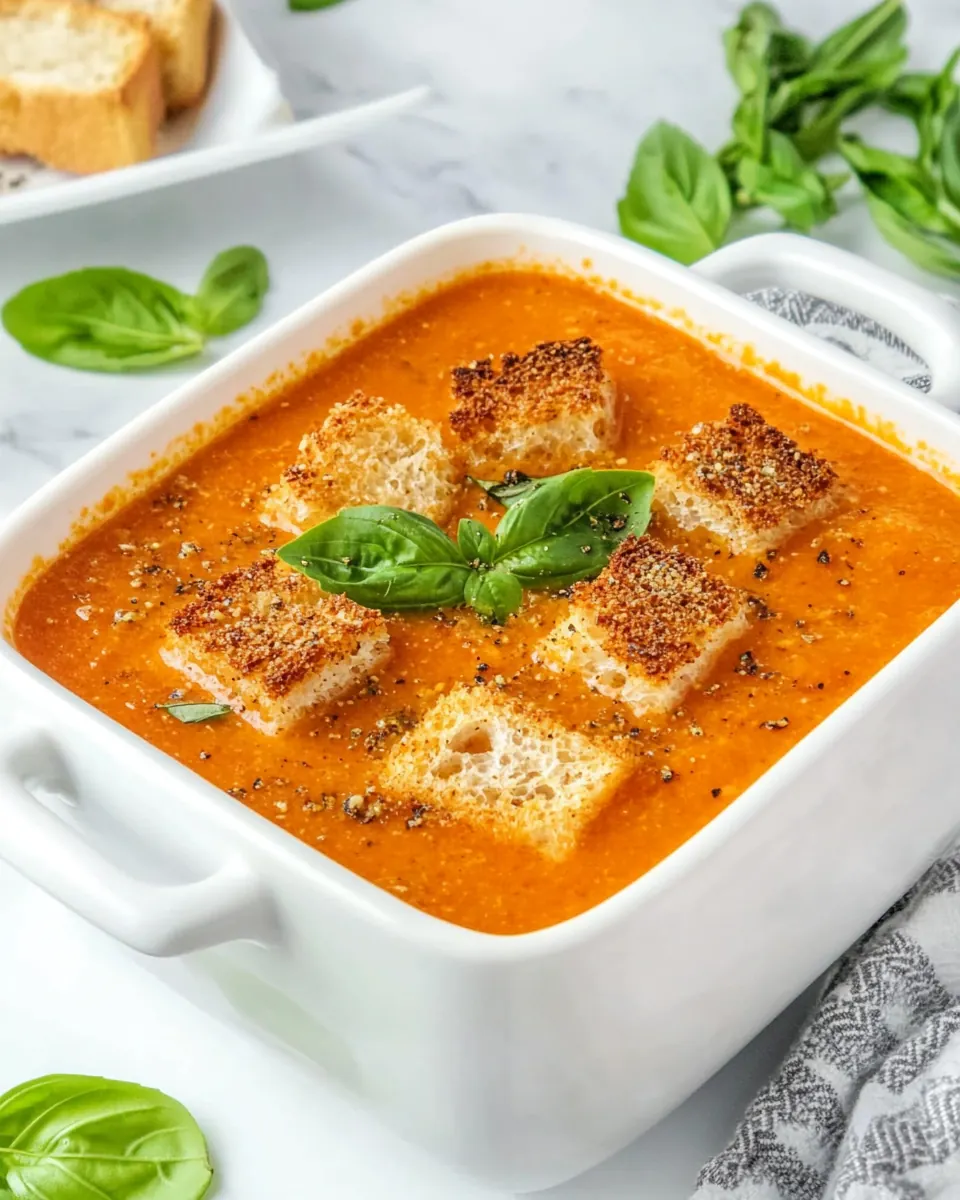
Panera Tomato Soup
Panera Tomato Soup is the bowl of warmth I reach for when the sky is low and my kitchen needs a hug. I remember the first time I tried to recreate this version at home, scribbling notes on a paper towel while the aroma of simmering tomatoes curled through the apartment. That first attempt was imperfect, but the memory of the creamy finish and the way the soup sat comfortingly in my hands kept me tinkering until it felt right.
The ritual I follow now feels almost meditative. I begin with olive oil warming in the pot, then let the onions melt and the garlic bloom, each step tightening the flavor like a well tuned string. The long simmer with crushed tomatoes and a touch of sugar balances the acidity, and the swirl of heavy cream at the end softens everything into something smooth and soulful. Friends often tell me it tastes like a cozy café bowl, and I always smile because it started from simple pantry ingredients and a stubborn streak to make it better.
Recipe Snapshot
40 mins
10 mins
30 mins
Easy
250 kcal
American
Keto, Gluten-Free
Soups
Large pot, Wooden spoon, Immersion blender
Why This Panera Tomato Soup Hits Different
Comfort in a Bowl
I love Panera Tomato Soup because it feels like an edible blanket, wrapping you up on a cold afternoon. The texture is creamy without being heavy, and it hits that nostalgic spot many of us carry from childhood lunches and cafe visits.
Simplicity That Shines
There is real elegance in the minimal ingredient list. With quantities that are easy to scale, this soup is both approachable and forgiving. I appreciate recipes that let technique elevate basic staples, and that is exactly what happens here.
Speed Without Sacrifice
We get deep tomato flavor without hours of hands on time. The simmer concentrates taste, while a quick puree delivers silkiness. For busy weeknights, this recipe is a rare treat that does not demand a day in the kitchen.
Flavor Balance and Depth
The little additions like a pinch of sugar and dried herbs tune the acidity and add layers. I always find that these small adjustments transform canned tomatoes into something rich, bright, and nuanced. The finish of heavy cream brings a glossy, rounded mouthfeel that makes each spoonful linger.
Versatility
This soup pairs beautifully with grilled cheese, croutons, or a salad, so it works for lunches, dinners, and simple gatherings. I love offering it to guests because it feels special, yet it is easy to prepare on short notice.
What You Need for Panera Tomato Soup
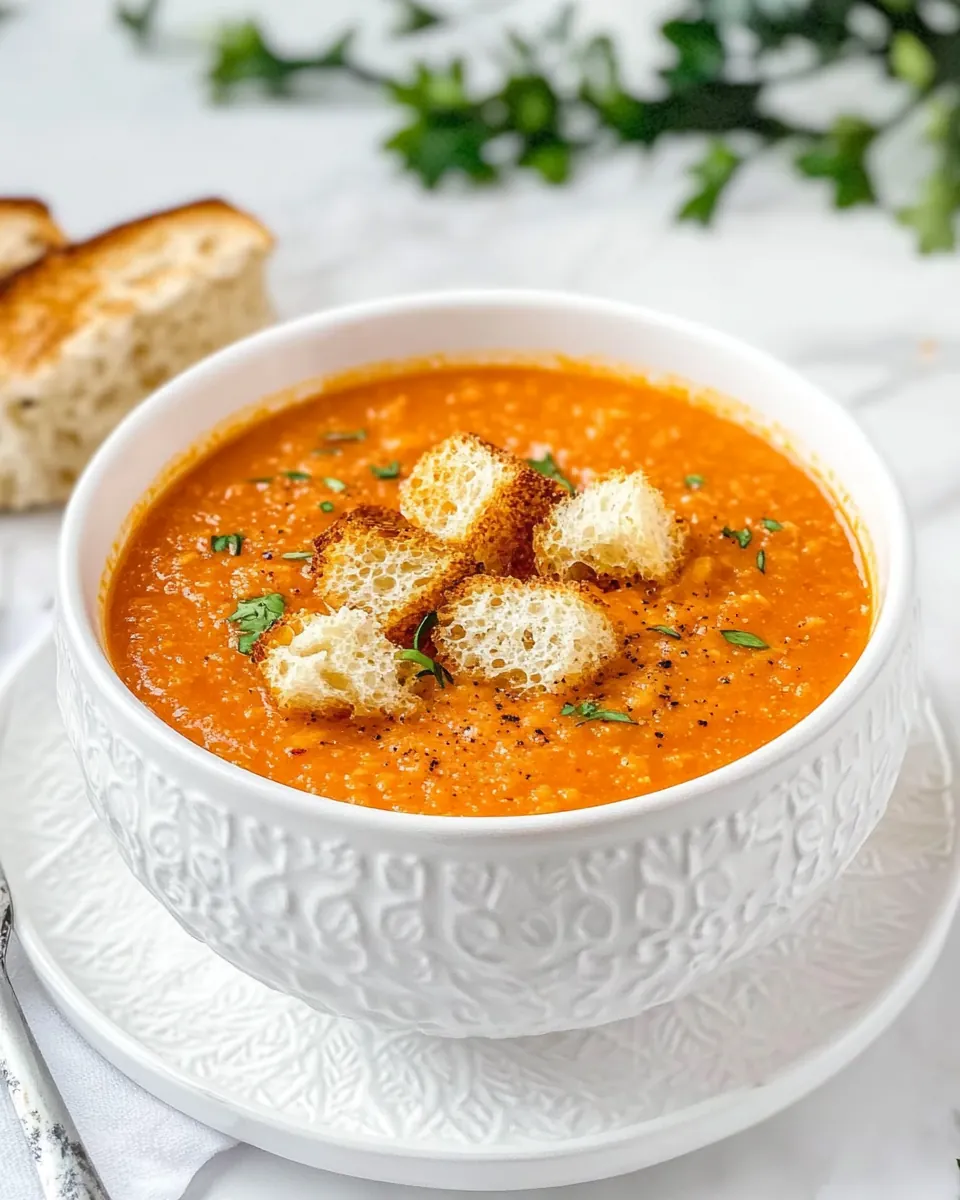
The ingredient list for Panera Tomato Soup is focused and intentional. Each component plays a clear role: aromatics build the backbone, tomatoes bring bright acidity and body, and the final touch of cream smooths the texture. Together these ingredients create a soup that feels layered and cohesive rather than muddled.
- 2 tablespoons olive oil: Sauté to provide a savory, fragrant base and help soften aromatics; olive oil carries flavors and aids in gentle browning of the onion and garlic for the soup.
- 1 medium, yellow onion diced: Dice finely to add sweetness and body; yellow onion mellows when cooked and builds savory depth in the soup's flavor profile.
- 3 cloves garlic minced: Mince finely to release pungent, aromatic oils; garlic brightens and layers savory notes, contributing to the soup's overall complexity.
- 128 ounce can crushed tomatoes: Simmer as the primary tomato component to supply rich, concentrated tomato flavor and a thick, hearty texture for the soup.
- 1 cup low-sodium vegetable broth: Deglaze and adjust consistency by adding savory liquid; low-sodium vegetable broth balances flavor without making the soup overly salty.
- 1 teaspoon sugar: Sweeten subtly to balance tomato acidity; sugar helps round the flavor and create a smoother, more palatable tomato profile.
- 1 teaspoon dried basil: Season with aromatic herb flavor; dried basil adds sweet, slightly peppery notes that complement the tomato base.
- 1/2 teaspoon dried oregano: Season with earthy, slightly bitter herb notes; dried oregano contributes Mediterranean depth and enhances savory complexity.
- Salt and freshly ground black pepper to taste: Season to taste and complete the flavor profile; salt and freshly ground black pepper elevate and balance the soup's seasoning.
- 1/2 cup heavy cream: Enrich and mellow the soup with a creamy finish; heavy cream adds silkiness, rounds acidity, and creates a luxurious mouthfeel.
How to Make Panera Tomato Soup
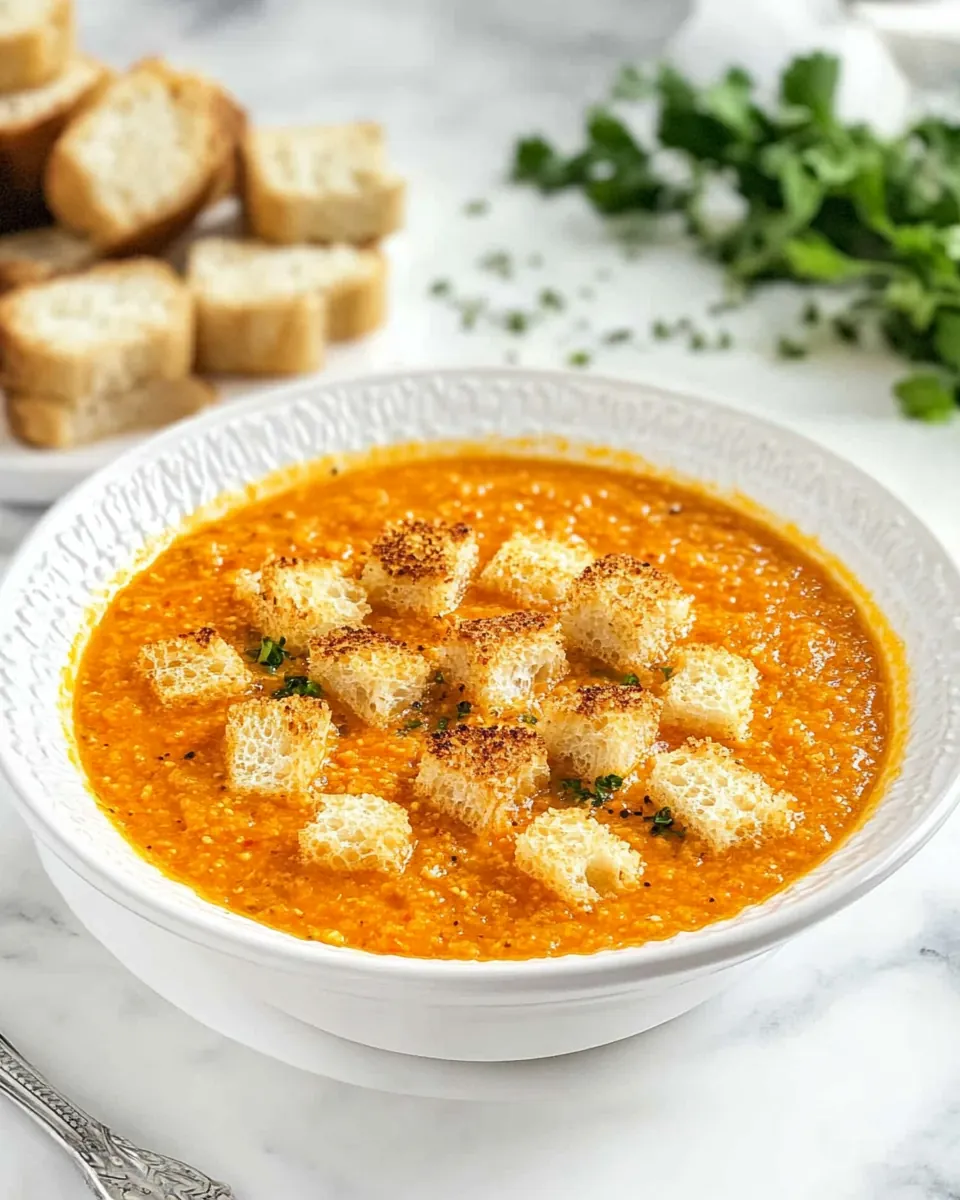
Making this version of Panera Tomato Soup is straightforward, yet it rewards attention to timing and sensory cues. The steps are designed to coax the deepest flavors from canned tomatoes while keeping the process accessible for weeknights and company alike.
- Heat the olive oil in a large pot over medium heat. Add the diced onions and cook until translucent, about 5 minutes.: Warmth should be gentle and even, you will see the oil shimmer slightly when it is ready and it should smell faintly fruity. This stage primes the pan so the onion softens without sticking. If the oil smokes, the pan is too hot, drop the heat and let it cool briefly to avoid bitter, burnt notes. A common mistake is rushing with high heat, which results in browned edges instead of translucent, sweet onions.
- Add the minced garlic to the pot and sauté until fragrant, about 1 minute.: Listen for a soft sizzle and watch as the onion pieces turn glossy and lose their raw edge. Their aroma will shift from sharp to sweet, signaling they are ready. Stir occasionally to ensure even cooking and prevent caramelization. Avoid letting the onions brown, as that will change the flavor profile away from the intended gentle base.
- Stir in the crushed tomatoes, vegetable broth, sugar, basil, and oregano. Season with salt and pepper. Bring to a simmer and cook for 20 minutes, stirring occasionally.: Garlic releases a warm, savory perfume almost immediately, and small bubbles around the pieces indicate it is cooking. Keep the heat moderate, because garlic becomes bitter when scorched. If a bitter smell appears, quickly add a splash of broth to cool the pan, since burnt garlic cannot be rescued.
- Reduce the heat to low and stir in the heavy cream until well combined. Cook for an additional 5 minutes.: As you pour the crushed tomatoes and vegetable broth the pot will steam and the mixture will look vibrant and slightly loose. The sugar helps balance acidity while the dried herbs begin to rehydrate and release aroma. Stir thoroughly so the flavors marry. A mistake here is adding too much liquid, which dilutes tomato intensity, so keep the proportions steady.
- Use an immersion blender to purée the soup until smooth. Adjust the seasoning if necessary and serve hot.: At this point the soup will still taste a bit sharp, but the seasoning anchors the profile. Add salt sparingly, taste, and adjust. Freshly ground black pepper brings a bright counterpoint. Over salting is the typical pitfall, so season incrementally and sample after a brief simmer.
- Bring to a simmer and cook for 20 minutes, stirring occasionally: You will notice a gentle bubble rising to the surface and a deepening of color as the flavors concentrate. The aroma turns richer and thicker, a key indicator that the tomatoes are mellowing. Stir to prevent a film from forming on the bottom. If the simmer becomes a boil, reduce heat, because vigorous boiling can separate textures and mute the subtleties.
- Reduce the heat to low and stir in the heavy cream until well combined: The soup will hiss softly as the cream blends, and the surface adopts a glossy, uniform sheen. This step softens acidity and yields a luxurious mouthfeel. Pour slowly while stirring to prevent curdling. A common error is adding cold cream straight from the fridge; temper it briefly by mixing with a small ladle of hot soup first.
- Cook for an additional 5 minutes: During these minutes the soup integrates and thickens gently, giving you time to refine the seasoning. You will see small, slow bubbles and the aroma will be rounder, with less sharpness. Keep the heat low and stir intermittently to maintain a smooth texture. Overcooking at this stage can thin the cream or alter the intended finish.
- Use an immersion blender to purée the soup until smooth: As you blend, the sound changes to a steady whirr and the texture visibly transforms into silky consistency. Move the blender slowly to avoid splatter, and pause to release steam. If you prefer chunkier texture, pulse gently instead of continuous blending. Be careful with hot liquids during blending, as splashes can cause burns, so always keep a hand on the pot for stability.
- Adjust the seasoning if necessary and serve hot: After blending, taste for balance and add more salt or black pepper if needed. The final bowl should be warm, smooth, and aromatic, with a gentle sweetness beneath the tomato brightness. Serve immediately to enjoy the ideal mouthfeel, since sitting too long may thicken the soup and slightly mute flavors.
Substitutions and Tips
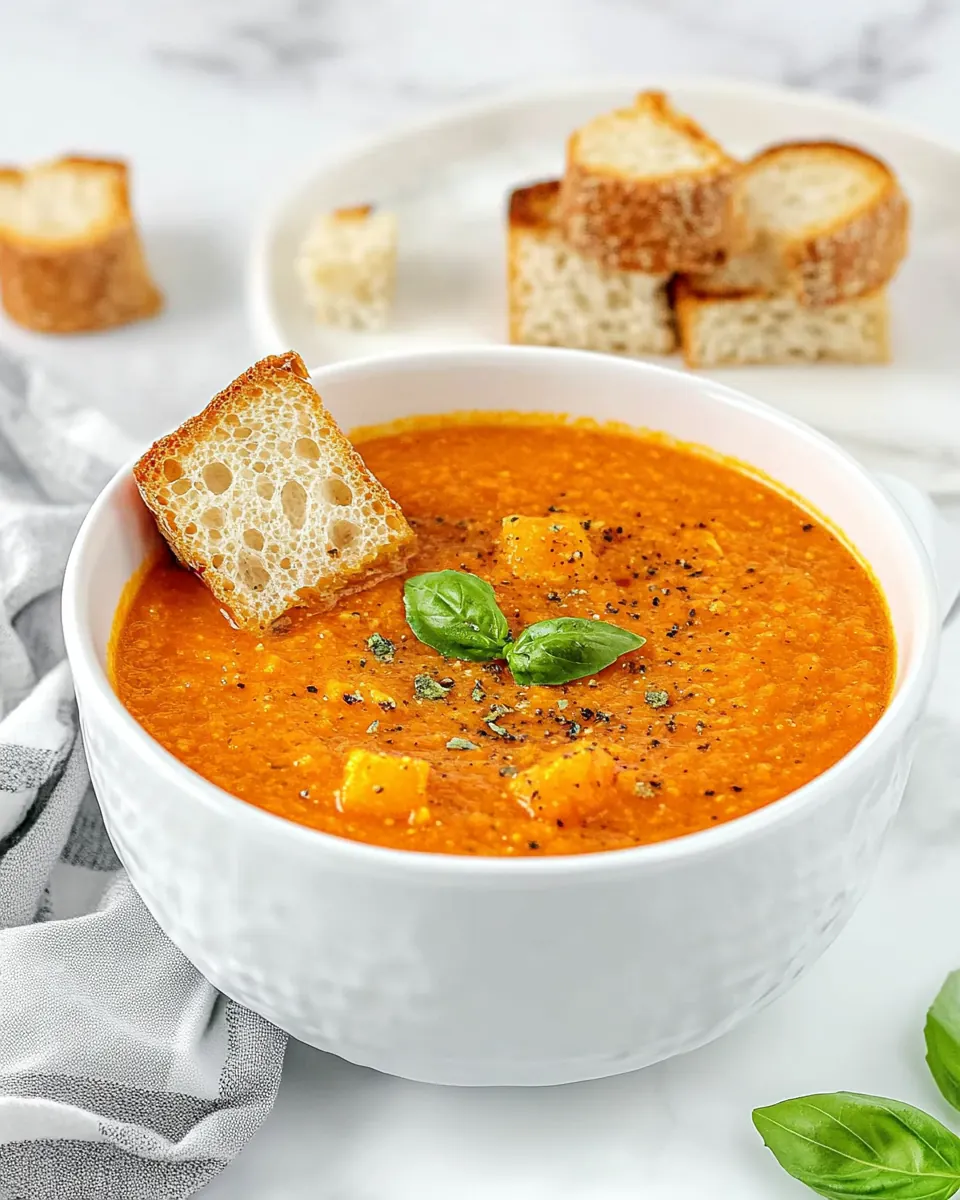
This section highlights practical swaps and thoughtful tips for making Panera Tomato Soup reliably delicious. I expand on each point so you can adapt the recipe with confidence, while keeping the character of the soup intact.
- Oil substitute: If you prefer a milder fat, use light olive oil or a neutral oil, keeping the same quantity to ensure the onion softens properly and carries flavor into the soup.
- Broth choice: Use low sodium vegetable broth to control salt levels, especially since canned tomatoes can vary in salt content. Adjust seasoning at the end.
- Herb variations: If dried basil or oregano is unavailable, a small pinch of dried thyme can fill the herbal role, but use sparingly to avoid shifting the flavor profile.
- Cream adjustments: For a lighter finish, substitute half and half for the heavy cream, though the soup will be slightly less velvety. Add it warmed to minimize any risk of separation.
- Blending tip: Blend until silky but not paper thin; leaving a touch of texture enhances mouthfeel. Use an immersion blender and pulse to achieve your preferred consistency.
Serving Options for Panera Tomato Soup
Panera Tomato Soup is a flexible dish that can be dressed up or kept simple. Below are practical serving ideas and pairing suggestions to help you match the soup to different occasions and meals.
- Classic pairing: Serve with a grilled cheese sandwich for a nostalgic combo. The crisp, buttery bread contrasts the soup’s creamy texture and makes for a comforting lunch or casual dinner.
- Simple garnish: Finish bowls with a drizzle of heavy cream or a few croutons to add visual appeal and a pleasant bite. A sprinkling of freshly ground black pepper brightens each spoonful.
- Occasions: This soup works well for weeknight dinners, light lunches, and cozy gatherings during colder months. Its warming nature makes it particularly suited to winter meals and relaxed family nights.
- Storage tips: Cool the soup to room temperature then refrigerate in a sealed container for up to four days. Reheat gently over low heat to preserve the texture, stirring occasionally to reincorporate the cream.
- Make ahead: You can prepare the base up to the simmer step and chill, then warm and finish with cream before serving. This saves time while still delivering a freshly finished bowl.
- Portion guidance: The recipe serves about four, so scale up for guests. Keep the same ingredient ratios to maintain balance, and taste before serving to fine tune seasoning.
FAQ
Conclusion
This version of Panera Tomato Soup stands out because it turns pantry staples into a creamy, balanced bowl that feels both familiar and elevated. The combination of sautéed aromatics, simmered crushed tomatoes, and a finishing touch of cream creates a soup that is warming, texturally pleasing, and simple to prepare. Give it a try on a chilly evening or when you want a quick comfort meal; you may find it becomes a regular in your rotation, offering reliable flavor with minimal fuss.

Panera Tomato Soup
Equipment
- Large Pot
- Wooden Spoon
- Immersion Blender
Ingredients
- 2 tablespoons olive oil Sauté to provide a savory, fragrant base and help soften aromatics; olive oil carries flavors and aids in gentle browning of the onion and garlic for the soup.
- 1 medium, yellow onion diced Dice finely to add sweetness and body; yellow onion mellows when cooked and builds savory depth in the soup's flavor profile.
- 3 cloves garlic minced Mince finely to release pungent, aromatic oils; garlic brightens and layers savory notes, contributing to the soup's overall complexity.
- 128 -ounce can crushed tomatoes Simmer as the primary tomato component to supply rich, concentrated tomato flavor and a thick, hearty texture for the soup.
- 1 cup low-sodium vegetable broth Deglaze and adjust consistency by adding savory liquid; low-sodium vegetable broth balances flavor without making the soup overly salty.
- 1 teaspoon sugar Sweeten subtly to balance tomato acidity; sugar helps round the flavor and create a smoother, more palatable tomato profile.
- 1 teaspoon dried basil Season with aromatic herb flavor; dried basil adds sweet, slightly peppery notes that complement the tomato base.
- 1/2 teaspoon dried oregano Season with earthy, slightly bitter herb notes; dried oregano contributes Mediterranean depth and enhances savory complexity.
- Salt and freshly ground black pepper to taste Season to taste and complete the flavor profile; salt and freshly ground black pepper elevate and balance the soup's seasoning.
- 1/2 cup heavy cream Enrich and mellow the soup with a creamy finish; heavy cream adds silkiness, rounds acidity, and creates a luxurious mouthfeel.
Instructions
- Heat the olive oil in a large pot over medium heat. Add the diced onions and cook until translucent, about 5 minutes.: Warmth should be gentle and even, you will see the oil shimmer slightly when it is ready and it should smell faintly fruity. This stage primes the pan so the onion softens without sticking. If the oil smokes, the pan is too hot, drop the heat and let it cool briefly to avoid bitter, burnt notes. A common mistake is rushing with high heat, which results in browned edges instead of translucent, sweet onions.
- Add the minced garlic to the pot and sauté until fragrant, about 1 minute.: Listen for a soft sizzle and watch as the onion pieces turn glossy and lose their raw edge. Their aroma will shift from sharp to sweet, signaling they are ready. Stir occasionally to ensure even cooking and prevent caramelization. Avoid letting the onions brown, as that will change the flavor profile away from the intended gentle base.
- Stir in the crushed tomatoes, vegetable broth, sugar, basil, and oregano. Season with salt and pepper. Bring to a simmer and cook for 20 minutes, stirring occasionally.: Garlic releases a warm, savory perfume almost immediately, and small bubbles around the pieces indicate it is cooking. Keep the heat moderate, because garlic becomes bitter when scorched. If a bitter smell appears, quickly add a splash of broth to cool the pan, since burnt garlic cannot be rescued.
- Reduce the heat to low and stir in the heavy cream until well combined. Cook for an additional 5 minutes.: As you pour the crushed tomatoes and vegetable broth the pot will steam and the mixture will look vibrant and slightly loose. The sugar helps balance acidity while the dried herbs begin to rehydrate and release aroma. Stir thoroughly so the flavors marry. A mistake here is adding too much liquid, which dilutes tomato intensity, so keep the proportions steady.
- Use an immersion blender to purée the soup until smooth. Adjust the seasoning if necessary and serve hot.: At this point the soup will still taste a bit sharp, but the seasoning anchors the profile. Add salt sparingly, taste, and adjust. Freshly ground black pepper brings a bright counterpoint. Over salting is the typical pitfall, so season incrementally and sample after a brief simmer.
- Bring to a simmer and cook for 20 minutes, stirring occasionally: You will notice a gentle bubble rising to the surface and a deepening of color as the flavors concentrate. The aroma turns richer and thicker, a key indicator that the tomatoes are mellowing. Stir to prevent a film from forming on the bottom. If the simmer becomes a boil, reduce heat, because vigorous boiling can separate textures and mute the subtleties.
- Reduce the heat to low and stir in the heavy cream until well combined: The soup will hiss softly as the cream blends, and the surface adopts a glossy, uniform sheen. This step softens acidity and yields a luxurious mouthfeel. Pour slowly while stirring to prevent curdling. A common error is adding cold cream straight from the fridge; temper it briefly by mixing with a small ladle of hot soup first.
- Cook for an additional 5 minutes: During these minutes the soup integrates and thickens gently, giving you time to refine the seasoning. You will see small, slow bubbles and the aroma will be rounder, with less sharpness. Keep the heat low and stir intermittently to maintain a smooth texture. Overcooking at this stage can thin the cream or alter the intended finish.
- Use an immersion blender to purée the soup until smooth: As you blend, the sound changes to a steady whirr and the texture visibly transforms into silky consistency. Move the blender slowly to avoid splatter, and pause to release steam. If you prefer chunkier texture, pulse gently instead of continuous blending. Be careful with hot liquids during blending, as splashes can cause burns, so always keep a hand on the pot for stability.
- Adjust the seasoning if necessary and serve hot: After blending, taste for balance and add more salt or black pepper if needed. The final bowl should be warm, smooth, and aromatic, with a gentle sweetness beneath the tomato brightness. Serve immediately to enjoy the ideal mouthfeel, since sitting too long may thicken the soup and slightly mute flavors.
Notes
- Oil substitute: If you prefer a milder fat, use light olive oil or a neutral oil, keeping the same quantity to ensure the onion softens properly and carries flavor into the soup.
- Broth choice: Use low sodium vegetable broth to control salt levels, especially since canned tomatoes can vary in salt content. Adjust seasoning at the end.
- Herb variations: If dried basil or oregano is unavailable, a small pinch of dried thyme can fill the herbal role, but use sparingly to avoid shifting the flavor profile.
- Cream adjustments: For a lighter finish, substitute half and half for the heavy cream, though the soup will be slightly less velvety. Add it warmed to minimize any risk of separation.
- Blending tip: Blend until silky but not paper thin; leaving a touch of texture enhances mouthfeel. Use an immersion blender and pulse to achieve your preferred consistency.
