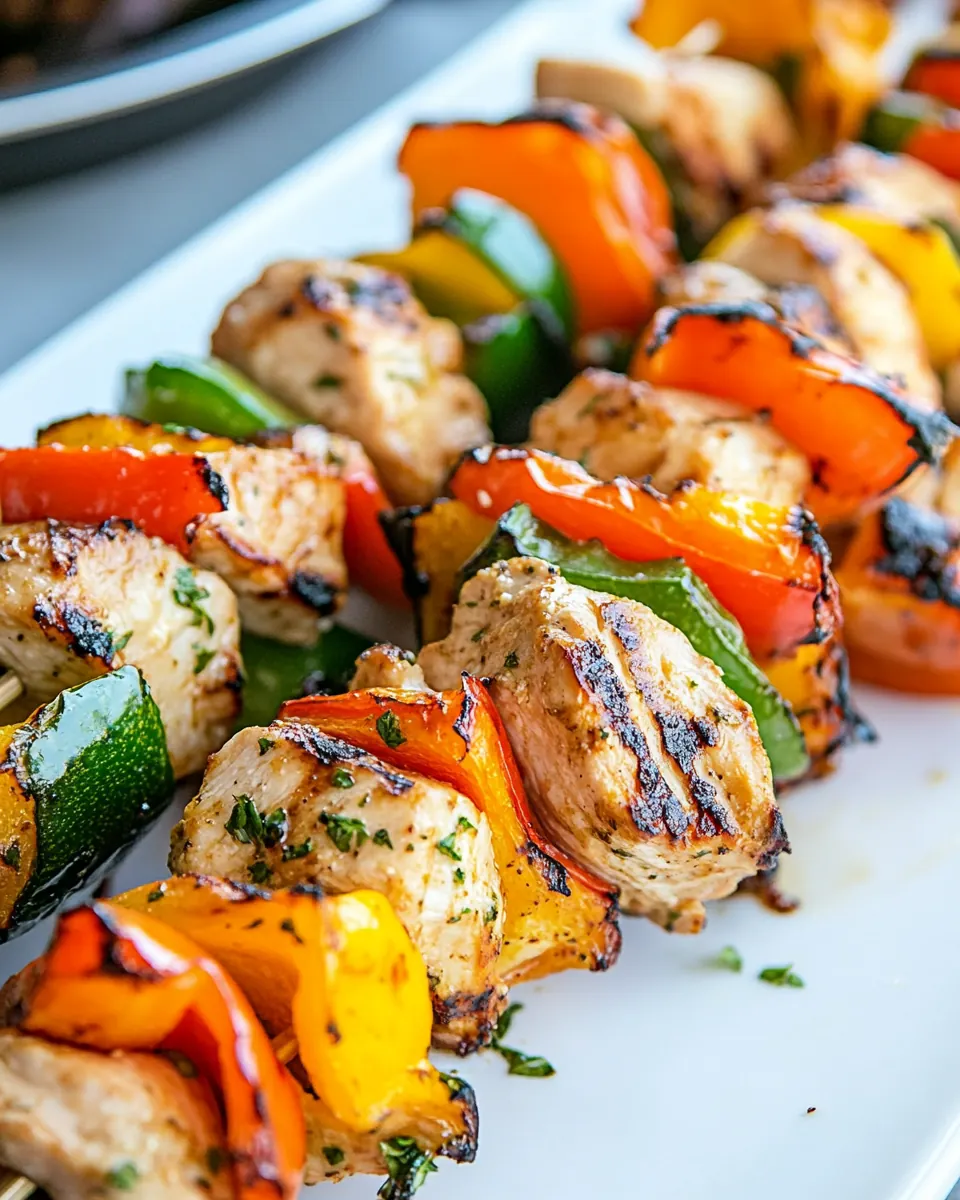
Grilled Chicken Kabobs
Grilled Chicken Kabobs are one of those recipes I reach for when I want food that feels like summer, yet comes together without drama. The first time I grilled these I was racing the light at a backyard gathering, juggling skewers and a chaotic playlist, and those smoky, slightly charred bites became the evening’s highlight. I still remember the hit of warm garlic and oregano as the skewers came off the grill, everyone gathering around the platter like it was a magnet.
Over the years I’ve tuned the balance of acid, oil, and seasoning so the chicken stays juicy while the vegetables get crisp tender edges. I love how the colors pop on the skewers, the zucchini offering a mild, tender bite, the red bell pepper adding sweetness, and the red onion bringing a little bite when caramelized. This is a recipe that invites improvisation, but it also rewards care, and that balance is exactly why it shows up at my weeknight table and at weekend gatherings.
Recipe Snapshot
25 mins
15 mins
10 mins
Medium
350 kcal
American
Keto, Paleo
Dinner
Grill, Skewers, Mixing bowl, Measuring spoons
Why This Grilled Chicken Kabobs Hits Different
Easy, fast, and crowd friendly
I love that Grilled Chicken Kabobs transform simple pantry staples into a meal that satisfies a crowd without stress. You can marinate the chicken ahead, thread the skewers quickly, and grill while you finish a salad or warm a side. For busy evenings, that convenience is everything, and I often find myself smiling at how little fuss creates big flavor.
Perfect texture contrast
The interplay between juicy, seasoned chicken and crisp tender vegetables is a big reason I return to this recipe. When the zucchini softens but still holds shape and the red bell pepper edges caramelize, every bite gives you a satisfying mouthfeel. I pay attention to timing because texture makes the difference between a good skewer and a memorable one.
Great for customization
I like that the base marinade is forgiving. The combination of oil, savory liquid aminos, and aromatics carries well whether I want a simple weeknight meal or to scale up for friends. I often tweak quantities, but the core idea stays the same, so you can make this yours without risking the outcome.
Healthy and balanced
These kabobs are a straightforward way to serve lean chicken with vegetables, keeping the meal light yet filling. The marinade adds flavor without excessive calories, and grilling lets excess fat drip away. I appreciate that it fits many meal plans while still feeling indulgent when served hot off the grill.
Reliable results every time
When you follow a few simple cues, like grill heat and visual browning, Grilled Chicken Kabobs turn out consistently well. I rely on this recipe when hosting because it frees me to mingle, and the skewers hold heat and presentation value long enough for everyone to enjoy a warm plate.
What’s In This Grilled Chicken Kabobs
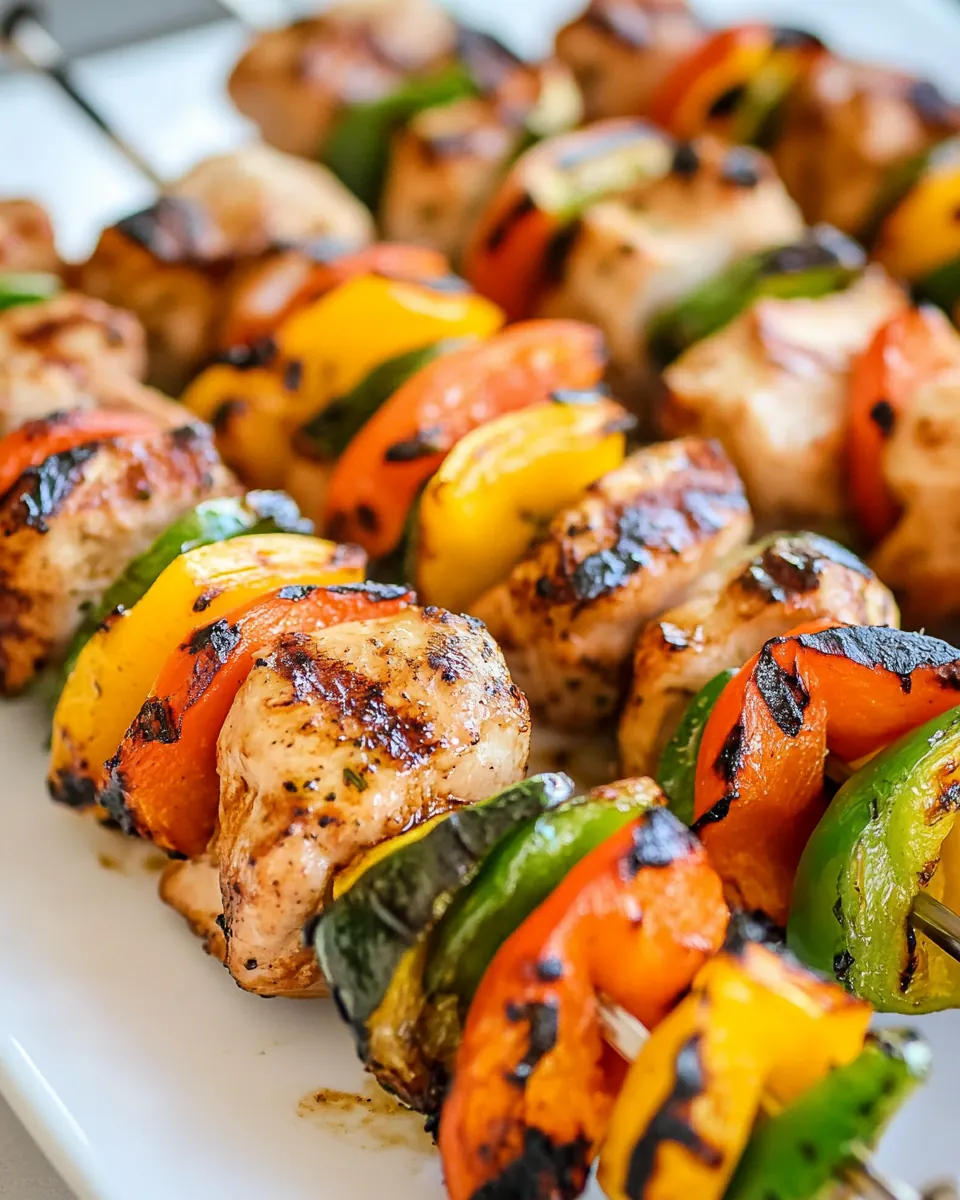
These ingredients are chosen to keep things bright, savory, and reliably juicy on the grill. The marinade provides seasoning and moisture for the chicken, while the oil and salt on the vegetables coax out caramelization without sticking. Each component plays a clear role, so the skewers come off hot, flavorful, and appealing to the eye.
- 2 large boneless chicken breasts (1 to 1.5 lbs), chopped into 2-inch cubes: Chop into 2-inch cubes to ensure even cooking and tender bites; provides lean protein and substance to the kabobs. Marinating time allows flavors to penetrate the chicken for juicier results.
- 3 tbsp avocado oil: Use to coat the chicken and vegetables, promoting even heat transfer and preventing sticking on the grill. Adds a neutral, high-heat-stable fat that enhances browning and mouthfeel.
- 2 tbsp liquid aminos or coconut aminos or soy sauce: Use to season and umami-enhance the marinade, balancing savory notes and improving overall depth of flavor. Choose based on desired sodium level and dietary preference.
- 1 large clove garlic, minced: Mince finely to release pungent, aromatic oils that penetrate the meat and vegetables; contributes bright, garlicky flavor. Adds complexity and pairs well with herbs and acids in the marinade.
- 1 tsp dried oregano: Sprinkle into the marinade to impart earthy, slightly bitter Mediterranean notes that complement chicken and vegetables. Helps create a savory herbal backbone for the kabobs.
- 1/2 tsp paprika: Add for a mild smoky warmth that deepens the overall flavor profile; enhances the grilled character of the dish. Use sparingly to avoid overpowering the other seasonings.
- 1/2 tsp sea salt: Season to bring out natural flavors and balance the marinade; helps with moisture retention in the chicken during grilling. Adjust to taste, keeping in mind other salty components.
- 2 medium zucchini squash, chopped into 1/2-inch rounds: Chop into 1/2-inch rounds so they grill evenly and hold their shape on skewers; adds tender-crisp texture and mild, slightly sweet flavor. Acts as a low-carb vegetable that soaks up marinade.
- 1 red bell pepper, chopped into large chunks: Cut into large chunks to retain crunch and vibrant color when grilled; contributes juicy, sweet flavor and visual appeal to the kabobs. Pairs well with savory chicken and herbs.
- 1/2 red onion, chopped: Chop to create bite-sized pieces that caramelize slightly on the grill, offering sweet-sharp contrast to the other ingredients. Adds layers of savory-sweet flavor and attractive color.
- 1.5 tbsp avocado oil: Use to lightly coat the vegetables before grilling to prevent sticking and promote browning; complements the initial oil used for the chicken. Provides continuity of flavor between protein and vegetables.
- 1/2 tsp sea salt: Season the vegetables to enhance natural sweetness and balance the marinade; ensures the vegetable pieces are flavorful when grilled. Adjust amount to coordinate with prior salty ingredients.
How to Cook Grilled Chicken Kabobs
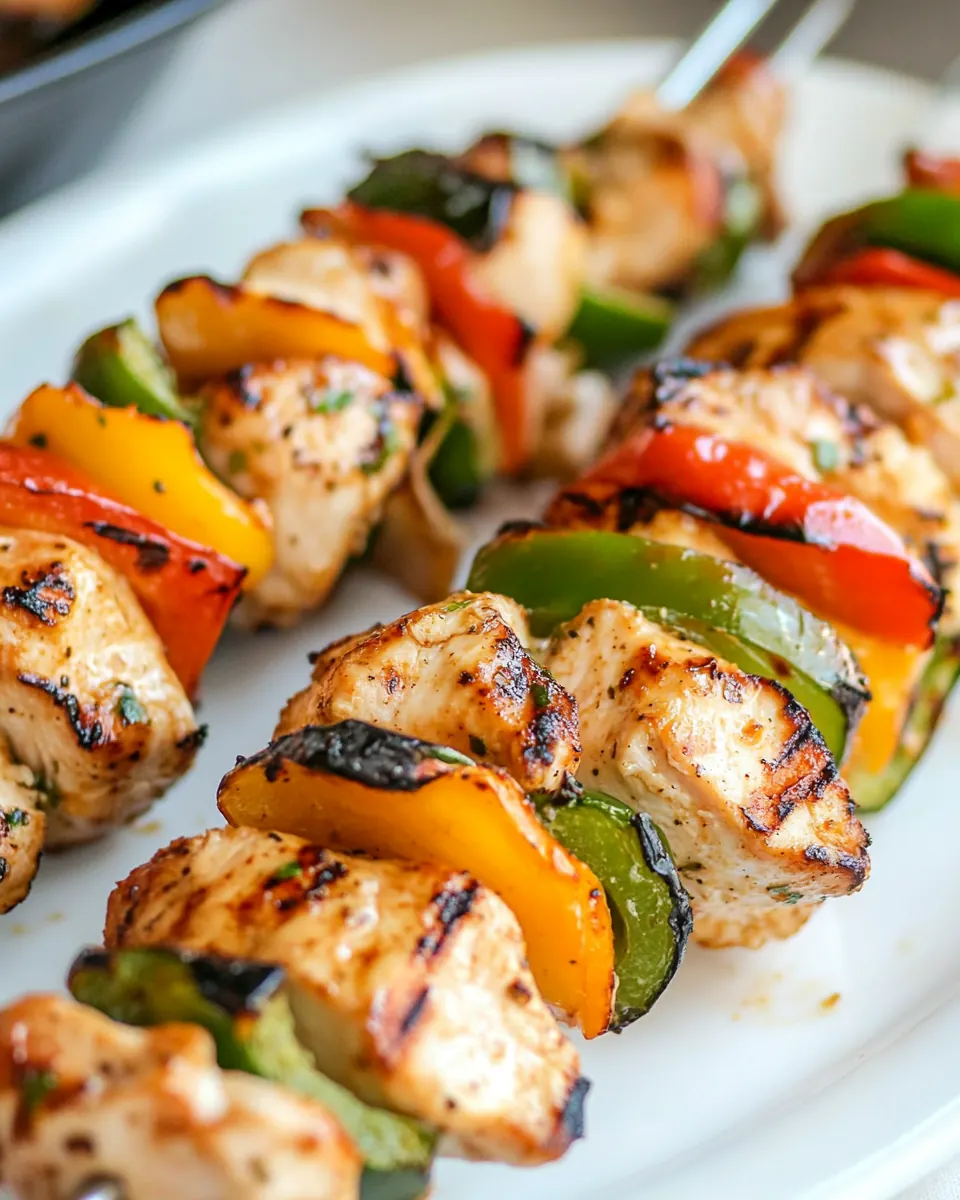
These directions walk you from chopped ingredients to sizzling skewers on the grill, with sensory cues and troubleshooting so you know when each element is done. I like to prep everything ahead, so grilling becomes a focused, enjoyable task rather than a scramble.
- Chop the chicken into 1.5 to 2-inch chunks and place in a sealable container or a zip lock bag.: The smell of fresh chicken is neutral and slightly metallic at first, but when you cut it into uniform pieces you immediately create a rhythm that makes the rest of prep easier. Evenly sized cubes ensure the chicken will cook at the same rate, avoiding chewy edges or raw centers. Use a clean cutting board and a sharp knife so the cuts are smooth, not ragged which helps the marinade cling better. A common error here is inconsistent sizing, which leads to uneven doneness, so take a moment to match pieces by eye.
- Stir together the ingredients for the marinade in a bowl or measuring cup and pour into the container with the chicken.: When you mix the avocado oil , liquid aminos, minced garlic , dried oregano , paprika, and sea salt, you should smell a bright, savory aroma with a mild herbal note. Pouring this mixture over the chicken immediately starts to coat each piece, the oil carrying flavors into the meat. The why here is that the oil distributes heat and the aminos add depth, improving browning on the grill. Avoid overdoing the salt if your aminos are salty, as that can make the meat taste too salty after grilling.
- Seal it up and move it around so that all of the chicken is well-coated in marinade. Refrigerate at least 1 hour, up to 12.: You will notice the marinade cling better after a few turns, and the chicken should start to look glossier, signaling absorption. Refrigeration lets the flavors penetrate while keeping the meat safe. I prefer at least one hour to let the aromatics mellow and do their work, but up to 12 hours is fine for deeper flavor. A common mistake is marinating too long with a highly acidic mix, but this recipe is balanced so extended time softens rather than mushes the meat.
- When you’re ready to grill, chop the vegetables and place them in a mixing bowl. Drizzle with avocado oil and sprinkle with sea salt. Toss the vegetables using your hands until everything is well-coated in oil and sea salt.: The touch of your hands warms the vegetables slightly and helps the oil and salt adhere, so you should feel a light, slick coating on the zucchini , red bell pepper , and red onion . As you toss, you may smell the vegetal sweetness of the pepper rising, and the onions will start to release a faint scent. This step primes the vegetables for even browning and protects them from sticking to the grill. Avoid over-oiling which can cause flare ups and greasy spots on the grill.
- Preheat the grill to high – 450 to 500 degrees F.: A properly preheated grill gives you immediate searing energy. You should feel radiant heat and see the grates glow slightly, and when you place a drop of water it should sizzle and evaporate on contact. This high heat creates those desirable grill marks and seals juices in the chicken . If the grill is not hot enough, the meat will dry as it cooks slowly, while too hot and the exterior may burn before the center cooks, so aim for that 450 to 500 degrees F range.
- Thread the marinated chicken and vegetables onto skewers (I use metal skewers) and place the skewers on a plate until your grill is preheated.: As you assemble the skewers alternate pieces of chicken and vegetables so each bite is balanced. Metal skewers conduct heat, which helps the interior cook, and the skewers should feel sturdy in your hand. Lay them on a plate and keep them chilled until the grill is ready to prevent premature warming. A common misstep is packing pieces too tightly, which prevents even browning and airflow between items.
- Place the chicken kabobs on the preheated grill and replace the cover. Cook 2 minutes, or until grill marks appear. Flip and cook another 2 to 3 minutes covered. Continue grilling and flipping (keeping the grill covered between flips) until chicken is cooked through, turns golden-brown, and everything has a nice char, about 10 to 15 minutes total.: When the skewers hit the grates you will hear an immediate sizzle and begin to smell that toasted, savory aroma. After about 2 minutes you should see crisp grill marks; these visual cues tell you the Maillard reaction is happening, which creates the deep flavor. Flipping helps promote even color while the covered grill traps heat for internal cooking. Listen for steady sizzling rather than aggressive popping, a sign of too much fat or flare ups. Use a thermometer if uncertain, aiming for an internal temperature that results in juicy, safe-to-eat chicken . Avoid constant flipping which interrupts browning and can prevent a good crust from forming.
- Remove the chicken from the grill and place on a clean plate. Allow kabobs to cool enough to handle, then serve with choice of side dishes.: As you lift the skewers off the heat, the aroma will deepen and you will see the vegetables glisten with charred edges. Letting them rest briefly allows juices to redistribute in the chicken , keeping it moist as you serve. Present the kabobs on a warm platter and slice or pull pieces as needed for presentation. A common error is serving immediately off the grill when the meat is too hot and juices run out, so a short rest improves both texture and flavor.
Helpful Hints
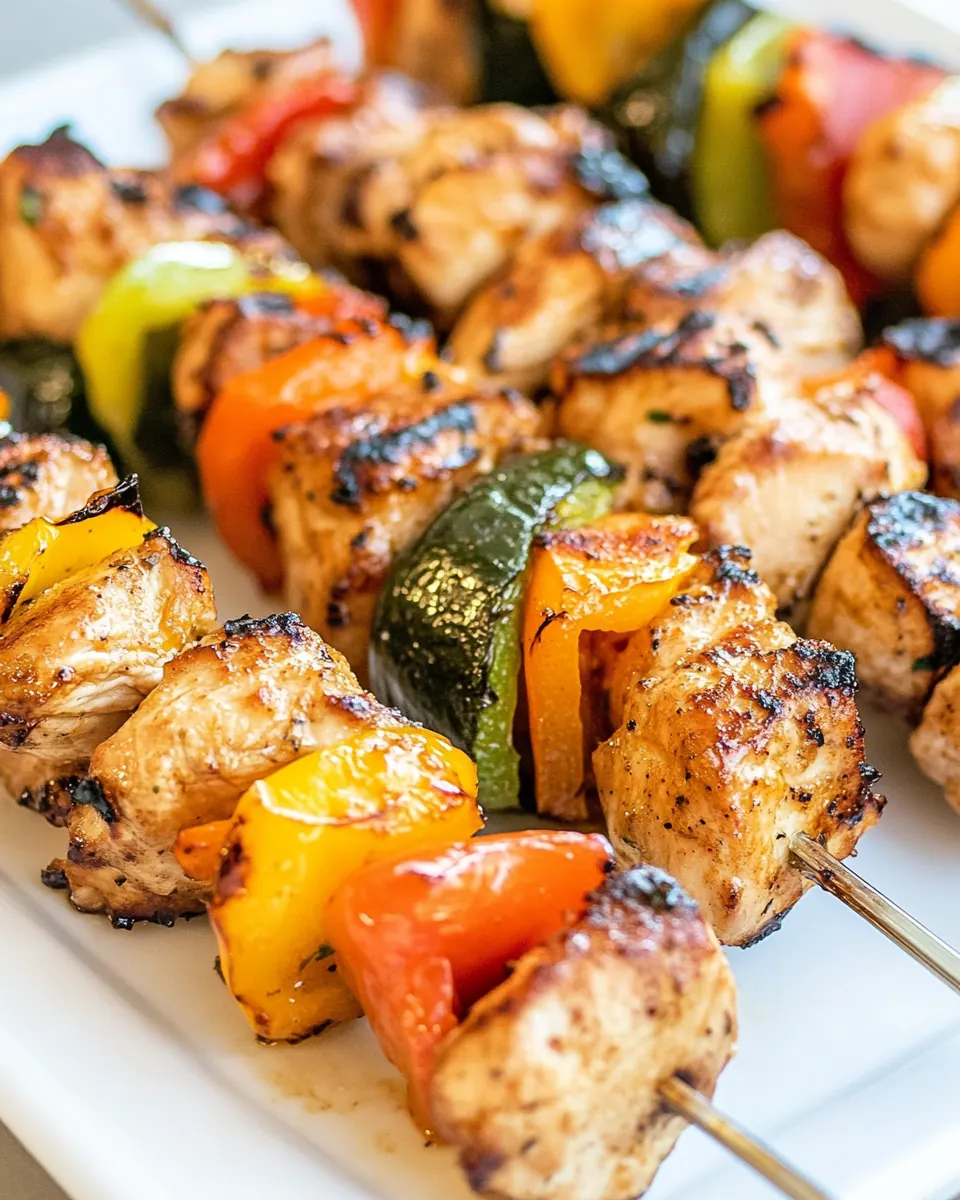
I share tips I use every time I make Grilled Chicken Kabobs so you get consistent, flavorful results. These notes cover prep rhythm, grilling tricks, and presentation ideas that save time and boost taste.
- Prep ahead: Chop the vegetables and cube the chicken the night before to streamline assembly and let the flavors relax in the fridge.
- Marinate timing: Marinate at least one hour for good flavor absorption, but up to 12 hours is fine for a deeper infusion without compromising texture.
- Skewer order: Alternate chicken and vegetables to balance cooking and create a mix of textures in every bite.
- Grill care: Clean and oil the grates before cooking to prevent sticking, and watch for flare ups when oil drips from the skewers.
- Temperature check: Use an instant read thermometer to ensure the chicken reaches a safe, juicy internal temperature without overcooking.
What to Serve Alongside Grilled Chicken Kabobs
These kabobs pair well with light, bright sides and are versatile enough for casual family dinners or outdoor entertaining. Below I outline serving ideas, occasions, storage notes, and seasonal pairings so your meal feels complete.
- Simple grain bowls: Serve the kabobs over rice or quinoa to soak up juices and make the meal heartier for dinner or a weekend lunch.
- Fresh salads: A crisp green salad or a tomato cucumber salad adds contrast and brightness, ideal for a summer spread or Ramadan iftar that balances protein and veggies.
- Flatbreads and wraps: Warm flatbreads let you slice the kabobs and make casual wraps, perfect for buffets and relaxed gatherings.
- School friendly sides: For family meals, pair with simple steamed vegetables and a cooling yogurt dip to appeal to kids and adults alike.
- Storage tips: Refrigerate leftover kabobs in an airtight container for up to three days, and reheat gently to avoid drying the chicken.
- Occasions: These work well for weeknight dinners, backyard barbecues, weekend grilling, and summer picnics where portable, finger friendly food is welcome.
- Seasonal pairing: In summer, lean into light sides and fresh herbs, while in cooler months, pair with roasted root vegetables for a heartier plate.
FAQ
Conclusion
What makes these kabobs special is the straightforward marinade and careful grilling that yield juicy, flavorful pieces of chicken paired with perfectly charred vegetables. Give the recipe a try the next time you want an easy, satisfying meal that doubles as a crowd pleaser. I hope you enjoy the bright aromas and simple joy of skewers fresh off the grill, and that this becomes one of your go to grilling recipes for warm evenings and friendly gatherings.
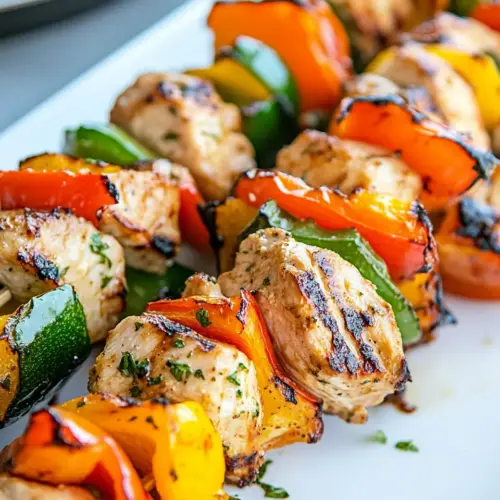
Grilled Chicken Kabobs
Equipment
- Grill
- Skewers
- Mixing Bowl
- Measuring Spoons
Ingredients
- 2 large boneless chicken breasts (1 to 1.5 lbs), chopped into 2-inch cubes Chop into 2-inch cubes to ensure even cooking and tender bites; provides lean protein and substance to the kabobs. Marinating time allows flavors to penetrate the chicken for juicier results.
- 3 tbsp avocado oil Use to coat the chicken and vegetables, promoting even heat transfer and preventing sticking on the grill. Adds a neutral, high-heat-stable fat that enhances browning and mouthfeel.
- 2 tbsp liquid aminos or coconut aminos or soy sauce Use to season and umami-enhance the marinade, balancing savory notes and improving overall depth of flavor. Choose based on desired sodium level and dietary preference.
- 1 large clove garlic, minced Mince finely to release pungent, aromatic oils that penetrate the meat and vegetables; contributes bright, garlicky flavor. Adds complexity and pairs well with herbs and acids in the marinade.
- 1 tsp dried oregano Sprinkle into the marinade to impart earthy, slightly bitter Mediterranean notes that complement chicken and vegetables. Helps create a savory herbal backbone for the kabobs.
- 1/2 tsp paprika Add for a mild smoky warmth that deepens the overall flavor profile; enhances the grilled character of the dish. Use sparingly to avoid overpowering the other seasonings.
- 1/2 tsp sea salt Season to bring out natural flavors and balance the marinade; helps with moisture retention in the chicken during grilling. Adjust to taste, keeping in mind other salty components.
- 2 medium zucchini squash, chopped into 1/2-inch rounds Chop into 1/2-inch rounds so they grill evenly and hold their shape on skewers; adds tender-crisp texture and mild, slightly sweet flavor. Acts as a low-carb vegetable that soaks up marinade.
- 1 red bell pepper, chopped into large chunks Cut into large chunks to retain crunch and vibrant color when grilled; contributes juicy, sweet flavor and visual appeal to the kabobs. Pairs well with savory chicken and herbs.
- 1/2 red onion, chopped Chop to create bite-sized pieces that caramelize slightly on the grill, offering sweet-sharp contrast to the other ingredients. Adds layers of savory-sweet flavor and attractive color.
- 1.5 tbsp avocado oil Use to lightly coat the vegetables before grilling to prevent sticking and promote browning; complements the initial oil used for the chicken. Provides continuity of flavor between protein and vegetables.
- 1/2 tsp sea salt Season the vegetables to enhance natural sweetness and balance the marinade; ensures the vegetable pieces are flavorful when grilled. Adjust amount to coordinate with prior salty ingredients.
Instructions
- Chop the chicken into 1.5 to 2-inch chunks and place in a sealable container or a zip lock bag.: The smell of fresh chicken is neutral and slightly metallic at first, but when you cut it into uniform pieces you immediately create a rhythm that makes the rest of prep easier. Evenly sized cubes ensure the chicken will cook at the same rate, avoiding chewy edges or raw centers. Use a clean cutting board and a sharp knife so the cuts are smooth, not ragged which helps the marinade cling better. A common error here is inconsistent sizing, which leads to uneven doneness, so take a moment to match pieces by eye.
- Stir together the ingredients for the marinade in a bowl or measuring cup and pour into the container with the chicken.: When you mix the avocado oil , liquid aminos, minced garlic , dried oregano , paprika, and sea salt, you should smell a bright, savory aroma with a mild herbal note. Pouring this mixture over the chicken immediately starts to coat each piece, the oil carrying flavors into the meat. The why here is that the oil distributes heat and the aminos add depth, improving browning on the grill. Avoid overdoing the salt if your aminos are salty, as that can make the meat taste too salty after grilling.
- Seal it up and move it around so that all of the chicken is well-coated in marinade. Refrigerate at least 1 hour, up to 12.: You will notice the marinade cling better after a few turns, and the chicken should start to look glossier, signaling absorption. Refrigeration lets the flavors penetrate while keeping the meat safe. I prefer at least one hour to let the aromatics mellow and do their work, but up to 12 hours is fine for deeper flavor. A common mistake is marinating too long with a highly acidic mix, but this recipe is balanced so extended time softens rather than mushes the meat.
- When you’re ready to grill, chop the vegetables and place them in a mixing bowl. Drizzle with avocado oil and sprinkle with sea salt. Toss the vegetables using your hands until everything is well-coated in oil and sea salt.: The touch of your hands warms the vegetables slightly and helps the oil and salt adhere, so you should feel a light, slick coating on the zucchini , red bell pepper , and red onion . As you toss, you may smell the vegetal sweetness of the pepper rising, and the onions will start to release a faint scent. This step primes the vegetables for even browning and protects them from sticking to the grill. Avoid over-oiling which can cause flare ups and greasy spots on the grill.
- Preheat the grill to high – 450 to 500 degrees F.: A properly preheated grill gives you immediate searing energy. You should feel radiant heat and see the grates glow slightly, and when you place a drop of water it should sizzle and evaporate on contact. This high heat creates those desirable grill marks and seals juices in the chicken . If the grill is not hot enough, the meat will dry as it cooks slowly, while too hot and the exterior may burn before the center cooks, so aim for that 450 to 500 degrees F range.
- Thread the marinated chicken and vegetables onto skewers (I use metal skewers) and place the skewers on a plate until your grill is preheated.: As you assemble the skewers alternate pieces of chicken and vegetables so each bite is balanced. Metal skewers conduct heat, which helps the interior cook, and the skewers should feel sturdy in your hand. Lay them on a plate and keep them chilled until the grill is ready to prevent premature warming. A common misstep is packing pieces too tightly, which prevents even browning and airflow between items.
- Place the chicken kabobs on the preheated grill and replace the cover. Cook 2 minutes, or until grill marks appear. Flip and cook another 2 to 3 minutes covered. Continue grilling and flipping (keeping the grill covered between flips) until chicken is cooked through, turns golden-brown, and everything has a nice char, about 10 to 15 minutes total.: When the skewers hit the grates you will hear an immediate sizzle and begin to smell that toasted, savory aroma. After about 2 minutes you should see crisp grill marks; these visual cues tell you the Maillard reaction is happening, which creates the deep flavor. Flipping helps promote even color while the covered grill traps heat for internal cooking. Listen for steady sizzling rather than aggressive popping, a sign of too much fat or flare ups. Use a thermometer if uncertain, aiming for an internal temperature that results in juicy, safe-to-eat chicken . Avoid constant flipping which interrupts browning and can prevent a good crust from forming.
- Remove the chicken from the grill and place on a clean plate. Allow kabobs to cool enough to handle, then serve with choice of side dishes.: As you lift the skewers off the heat, the aroma will deepen and you will see the vegetables glisten with charred edges. Letting them rest briefly allows juices to redistribute in the chicken , keeping it moist as you serve. Present the kabobs on a warm platter and slice or pull pieces as needed for presentation. A common error is serving immediately off the grill when the meat is too hot and juices run out, so a short rest improves both texture and flavor.
Notes
- Prep ahead: Chop the vegetables and cube the chicken the night before to streamline assembly and let the flavors relax in the fridge.
- Marinate timing: Marinate at least one hour for good flavor absorption, but up to 12 hours is fine for a deeper infusion without compromising texture.
- Skewer order: Alternate chicken and vegetables to balance cooking and create a mix of textures in every bite.
- Grill care: Clean and oil the grates before cooking to prevent sticking, and watch for flare ups when oil drips from the skewers.
- Temperature check: Use an instant read thermometer to ensure the chicken reaches a safe, juicy internal temperature without overcooking.
