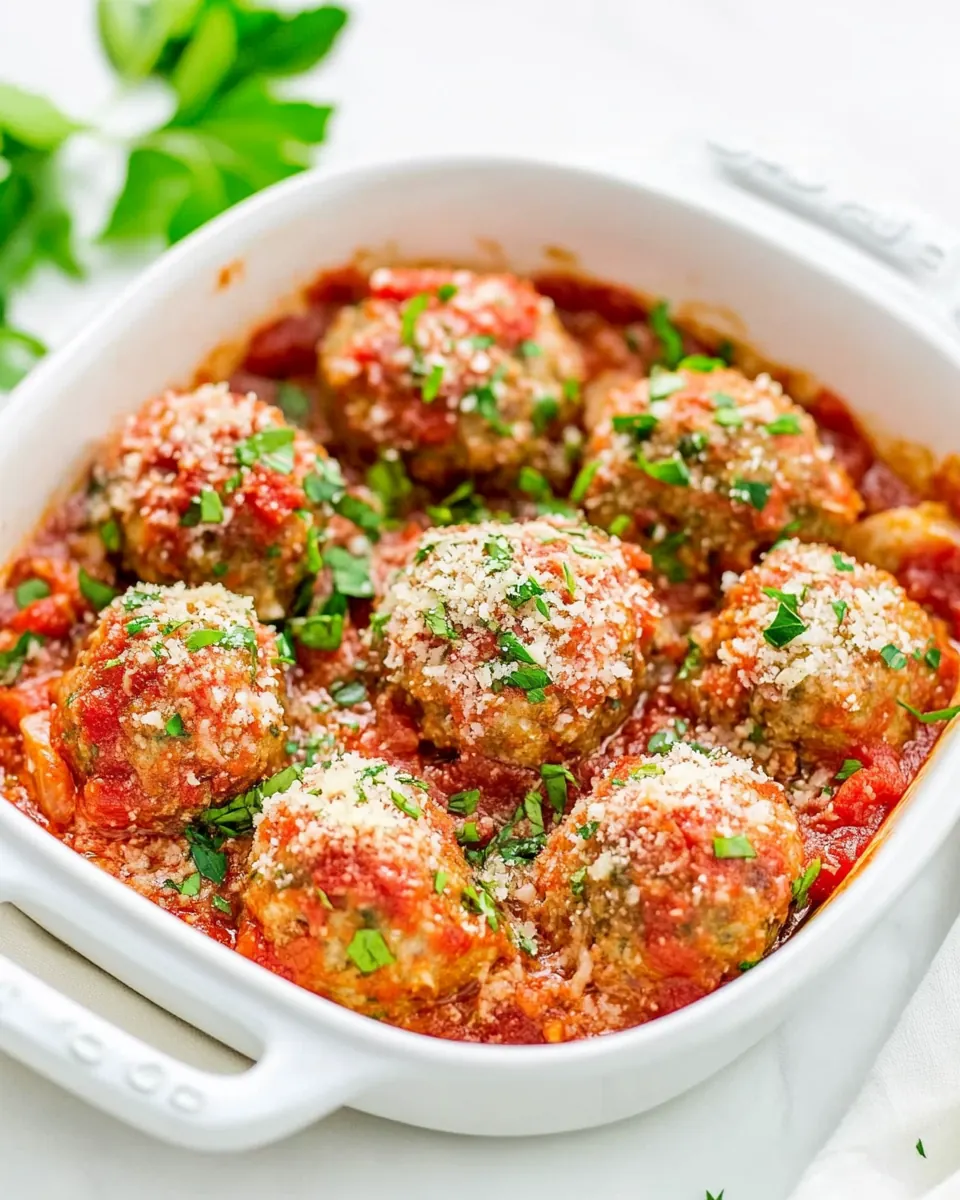
Olive Garden Meatballs Parmigiana
Olive Garden Meatballs Parmigiana is one of those comforting, slightly nostalgic recipes that I reach for when I want dinner to feel like a warm hug. The first time I tried to replicate this dish at home I was chasing texture, the kind that makes you pause between bites to decide whether to savor or go back for more. Growing up I loved restaurants that topped bubbling cheese over well seasoned meat, and this version brings that same cozy satisfaction right to my own table.
While making Olive Garden Meatballs Parmigiana I often think about weekend afternoons in the kitchen, the house filling with tomato steam and the scent of garlic warmed in oil. I like to take my time with the sauce so the acidity softens and the flavors knit together, and I cherish the small ritual of toasting breadcrumbs until they release a toasty aroma. That little crunchy finish gives each cheesy bite texture contrast and it always impresses guests without any extra fuss.
Recipe Snapshot
1 hr 25 mins
30 mins
55 mins
Medium
350 kcal
Italian
Gluten-Free, Low FODMAP
Dinner
Rimmed baking sheet, Large mixing bowl, Saucepan, Skillet, Ovenproof dish, Instant read thermometer
Why You’ll Love This Olive Garden Meatballs Parmigiana
Classic Comfort with Restaurant Flair
I love how Olive Garden Meatballs Parmigiana delivers that restaurant style experience at home. The combination of tender, well seasoned ground chuck meatballs and a slow simmered tomato sauce gives you layers of flavor that feel both familiar and luxurious. When I serve this, people always remark that it tastes like it came from a trattoria, and that makes me beam.
Texture That Keeps You Coming Back
The contrast between the soft, juicy meatballs, the melted, slightly browned Italian cheese blend, and the crunchy toasted Italian breadcrumbs is irresistible. I take care with the meatball mixing and the final brief baking step so each bite has moisture inside and a light crust outside. That interplay of textures is a primary reason I keep making this recipe.
Flavor Built in Layers
I value techniques that layer flavor. Starting the sauce by gently frying garlic in extra-virgin olive oil releases an aromatic base, then a slow simmer of the tomato puree and diced tomatoes lets acidic edges round out. A touch of sugar can balance tomatoes when needed, and the Italian seasoning and dried basil knit everything together. I always taste and adjust, because a small tweak can transform the whole dish.
Simple Steps, Big Impact
There is no need for fancy gear to succeed here. A bowl, a baking sheet, a saucepan, and a skillet for toasting breadcrumbs are all you need. The recipe is forgiving, and I appreciate that it allows home cooks to focus on technique rather than complicated multitasking. Even on busy nights, you can pull this off and still end up with a meal that feels special.
Party Friendly and Versatile
I often make Olive Garden Meatballs Parmigiana for gatherings because it holds well and reheats gracefully. Assemble it in an ovenproof dish and pop it back into the oven to reheat until bubbling. It’s equally at home on weeknight family tables and weekend dinner parties, which is why it has become a regular crowd pleaser in my rotation.
Ingredients to Make Olive Garden Meatballs Parmigiana
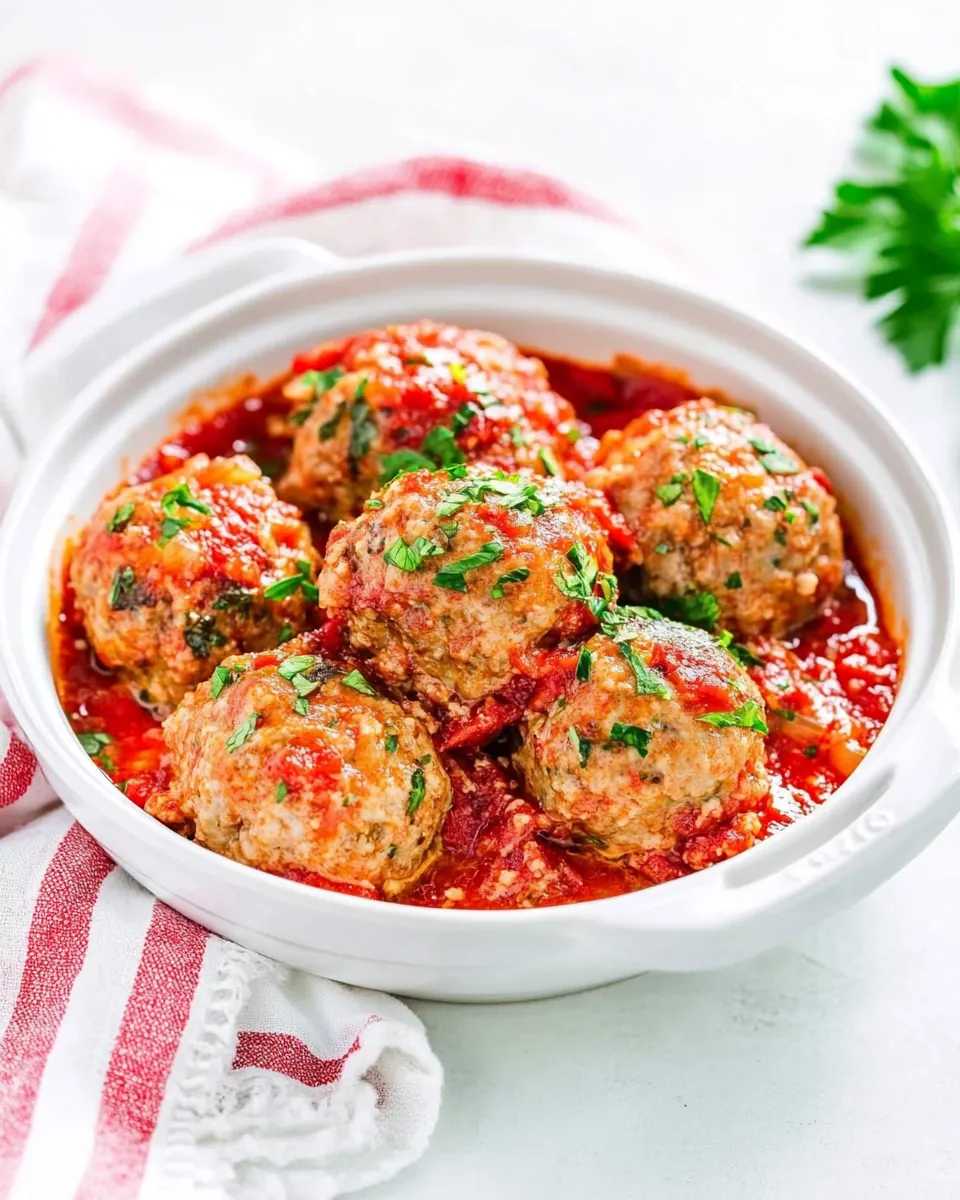
These ingredients are chosen to create a balance of savory meat, aromatic herbs, and bright tomato. The meatball mix needs moisture and binding, the sauce needs aromatics and time, and the finishing touches bring texture and visual appeal. The key players are the ground chuck for richness, the tomato puree for body in the sauce, and the Italian cheese blend for that gooey, melty topping.
- 1/4 cup whole milk: Moisten and tenderize the meat mixture by adding fat and liquid, promoting a soft, cohesive texture that keeps meatballs juicy during cooking. Provide subtle dairy richness that helps bind breadcrumbs and egg for a consistent crumb and mouthfeel. Contribute a neutral flavor that allows other aromatics and seasonings to shine without overpowering the dish.
- 1/4 teaspoon granulated garlic: Season and add a mild garlicky note without introducing moisture, supplying a concentrated savory punch to complement fresh garlic and tomato flavors. Enhance overall profile with a gentle umami-like quality that blends into the meat mixture. Allow precise control of garlic intensity, especially helpful when fresh garlic would be too assertive.
- 1/2 teaspoon onion powder: Provide a savory onion flavor in a dry, shelf-stable form that disperses evenly through the meat and sauce for consistent taste. Add depth and a slightly sweet background note that enhances the perception of richness. Enable simple seasoning without needing fresh onion prep, keeping texture uniform.
- 1 pound ground chuck 80/20 blend is ideal for flavor and texture, but up to 70/30 works for juicier results: Form the base of the meatballs, offering structure, fat for flavor and juiciness, and a rich beef character that defines the dish. Supply natural binders and fat that render during cooking to keep interiors moist while browning develops savory crusts. Influence final texture and mouthfeel depending on lean-to-fat ratio, with 80/20 delivering balance and 70/30 increasing juiciness.
- 1/2 cup plain breadcrumbs: Absorb moisture from milk and egg to create a tender, cohesive meatball interior while contributing a light, bready texture. Provide structure without toughness, helping meatballs hold shape and remain succulent. Offer a neutral base that carries herbs and spices throughout the mixture.
- 1 large egg beaten: Bind proteins and breadcrumbs together to stabilize the meatballs, creating elasticity that helps them hold shape while cooking. Add richness and slight silkiness to the mixture, improving texture and mouthfeel. Ensure even incorporation of seasonings and moisture for uniform results.
- 1 teaspoon Italian seasoning: Impart a classic Italian herb blend that layers oregano, basil, and other Mediterranean herbs into the meat and sauce for authentic flavor. Enhance savory and aromatic qualities, bridging meat and tomato components for a cohesive profile. Offer a balanced herbal backbone that supports other seasonings without dominating.
- 1/2 teaspoon dried parsley: Add a mild, dried herbaceous brightness that complements Italian seasoning and lifts overall flavor with a subtle green note. Contribute flecks of color and a familiar parsley aroma associated with Italian-American cooking. Help brighten the palate and balance richer, fattier elements in the meatballs.
- 1/4 teaspoon red pepper flakes: Introduce controlled heat and a touch of smoky spice to enliven the meat mixture and sauce without overpowering other flavors. Allow small amounts to offer warmth that enhances savory notes and rounds out the profile. Provide optional kick that can be adjusted for preferred spiciness.
- 1 teaspoon salt: Season the meat and sauce for balanced savory flavor, helping all components taste complete and cohesive. Promote proper seasoning of the interior so meatballs aren't bland after cooking. Ensure salt highlights natural flavors and harmonizes herbs and tomatoes.
- 1/2 teaspoon ground black pepper: Add mild heat and pungent depth to the seasoning, balancing salt and herbs while sharpening overall taste. Support browning flavors and contribute to a more rounded savory profile. Offer straightforward seasoning control for the meat mixture.
- 1 tablespoon extra-virgin olive oil: Sauté and brown meatballs or aromatics with a small amount of fat that promotes even cooking and enhances flavor through gentle caramelization. Provide a fruity, peppery olive oil character that complements Italian seasonings and tomatoes. Serve as a medium for toasting garlic slices to infuse sauce with subtle richness.
- 2 cloves garlic cut into thick slices: Infuse the sauce with fresh garlic aroma and flavor by releasing volatile oils during sautéing, offering a pronounced but pleasant garlic presence. Add texture and visual interest if left in slices, while also creating a base savory note that marries well with tomatoes and herbs. Allow controlled flavor extraction without overpowering delicate ingredients.
- 14 ounce can tomato puree: Form the tomato base for the sauce with a smooth, concentrated texture that creates body and depth, anchoring the dish’s savory-tangy profile. Provide a consistent canvas for herbs, sugar, and aromatics to meld, yielding a luscious sauce that clings to meatballs. Offer rich lycopene-driven color and gentle acidity to balance fatty components.
- 14 ounce can diced tomatoes (use crushed if you prefer a smoother sauce): Contribute tomato chunks or a softer crushed texture to the sauce, creating brightness, body, and variation in mouthfeel while complementing puree for complexity. Add natural acidity and fresh tomato flavor that enhances the overall sauce character. Allow the option to use crushed tomatoes for a smoother finish depending on preference.
- 3/4 teaspoon Italian seasoning: Layer additional Italian herb flavor into the sauce, reinforcing oregano and related Mediterranean notes for a harmonized seasonings profile. Balance savory and aromatic elements while supporting the tomato base for a classic Italian-American sauce taste. Ensure continuity between meatball herbs and sauce seasoning.
- 1/4 teaspoon dried basil: Introduce a sweet, aromatic basil note that enhances tomato flavor and contributes an herbaceous lift to the sauce. Add fragrant green character that pairs naturally with oregano and parsley for a rounded Italian herb ensemble. Provide a recognizable Mediterranean accent without overpowering other components.
- 1/8 teaspoon red pepper flakes: Supply a subtle heat element to the sauce, complementing other spices and helping to round out flavors with mild warmth. Offer a nuanced layer of spice that balances sweetness and acidity without dominating the palate. Allow control over spiciness when combined with the meatball’s red pepper flakes.
- 1 teaspoon salt: Season the sauce to bring out tomato sweetness and savory depth, creating a balanced foundation that makes other ingredients sing. Ensure the finished sauce tastes well-rounded rather than flat, harmonizing herbs, acidity, and fat. Help the meatballs absorb and interact with properly seasoned sauce during simmering.
- 1/4 teaspoon ground black pepper: Provide gentle peppery warmth that complements salt and herbs in the sauce, enhancing aromatic complexity and depth. Add subtle bite that lifts the tomato base and ties together savory components. Allow for seasoning symmetry when paired with the meat mixture’s black pepper.
- 1/2 tablespoon sugar , to balance the natural acidity of tomatoes; may be skipped if using San Marzano tomatoes (optional): Balance tomato acidity and brighten flavor with a touch of sweetness, smoothing the sauce and creating a more rounded, palatable profile. Offer an optional adjustment depending on tomato variety and personal taste, particularly helpful if using higher-acidity canned tomatoes. Keep sweetness minimal to avoid overtly sugary sauce.
- 1 1/2 cups shredded Italian cheese blend: Melt into a golden, cheesy topping that binds and gratinates when baked, delivering a creamy, savory finish to the dish. Provide a blend of cheeses that offers stretch, flavor, and a slightly tangy richness that complements meat and tomato sauce. Enhance mouthfeel and presentation through melted, slightly browned cheese.
- 1/4 cup Italian breadcrumbs: Add a light crispy breadcrumb topping that contributes texture contrast and absorbs surface moisture, helping cheese brown attractively. Provide a crunchy element that complements the soft meatballs and sauce for a pleasing bite variety. Offer a hint of bready flavor that melds with melted cheese and butter during finishing.
- 1 tablespoon butter: Enrich the breadcrumb topping and sauce with a small amount of fat that encourages golden browning and adds a silky mouthfeel. Melt into breadcrumbs and cheese to create a cohesive, toasted finish with a pleasant richness. Help carry herb and garlic flavors for a more luxurious final layer.
- 1 tablespoon freshly chopped parsley: Finish with fresh herb brightness and color that lifts the dish and adds a clean, aromatic note to each bite. Sprinkle over the assembled meatballs and sauce to provide contrast to rich, savory flavors and enhance visual appeal. Offer a subtle grassy freshness that complements Italian seasonings.
Step by Step Instructions for Olive Garden Meatballs Parmigiana
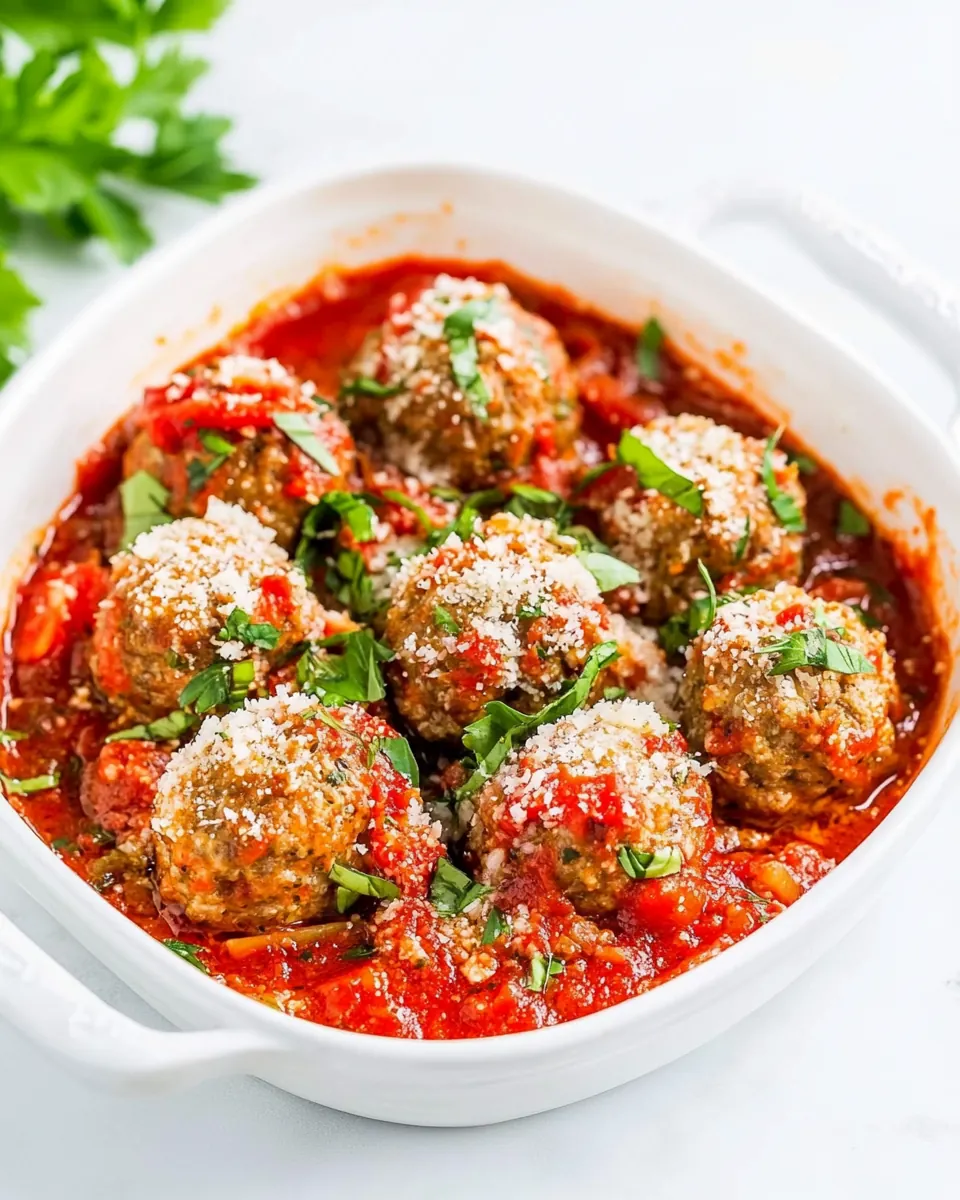
This recipe unfolds in clear phases: mixing and chilling the meatball base, baking the meatballs, simmering the marinara, assembling the dish, and finishing with a toast and garnish. I like to work methodically so each element gets attention, which leads to a cohesive final plate with great flavor and texture.
- In a large mixing bowl, combine the milk, granulated garlic, and onion powder. Let this mixture sit for 5 minutes to allow the flavors to bloom before adding the rest of the ingredients for the meatballs. Gently mix until just combined; do not overmix or overwork the meat, as this can result in tough, dry meatballs.: The first scent you notice will be the mild garlic and onion aromatics softening into the milk, creating a seasoning-infused liquid that helps the breadcrumbs hydrate. This step is important because allowing the milk to sit with the spices draws out and distributes flavor evenly, which translates into uniformly seasoned meatballs . If you skip the resting, you risk pockets of seasoning and a less cohesive texture. A common mistake here is adding the rest of the ingredients immediately and overworking the mixture, which can toughen the meat.
- Cover the meat mixture with plastic wrap and refrigerate for at least 30 minutes to allow the flavors to meld and the breadcrumbs to soak up moisture.: After chilling, the mixture should feel slightly firmer and easier to form into balls, and the aromas will have calmed and integrated. This rest time is what helps prevent the meatballs from drying out while baking because the breadcrumbs have absorbed moisture, creating a tender interior. Rushing this step can lead to crumbly or dry meatballs that do not hold together well when baked.
- Preheat the oven to 425°F (220°C). Line a rimmed baking sheet with foil and spray it with nonstick spray, or line the baking sheet with parchment paper.: As the oven warms, you get that dry heat ready to crisp exterior surfaces of the meatballs . Using foil and a rimmed sheet makes cleanup simple, and spraying prevents sticking. An error I see often is using a too low oven temperature, which prevents a light crust from forming, leading to meatballs that steam rather than brown.
- Wet your hands with water or a little olive oil to prevent sticking and form the meat mixture into 1 1/2-inch meatballs. Don’t compact them too tightly.: The texture as you roll should be slightly tacky but not sticky, and the balls should hold their shape without being compacted. Gentle handling yields tender results, while packing too tightly squeezes out juices and makes them dense. Trapping air pockets by rolling too aggressively is another common issue, which can cause uneven cooking.
- Place the meatballs on the prepared baking sheet and bake in the preheated oven until they reach an internal temperature of at least 165°F (74°C), about 10 to 15 minutes. Turn the meatballs midway through cooking for even browning.: During baking you will hear a faint sizzle as the fat renders and the surface starts to firm; the exterior should show even browning. Use an instant read thermometer to check doneness to avoid overcooking. A frequent mistake is relying on time alone rather than internal temperature, which can lead to dried out meatballs if your oven runs hot.
- While the meatballs are baking, prepare the marinara sauce: Place a large saucepan (do not use cast iron, as tomato acidity may cause a metallic taste) over medium heat and allow it to warm up. Pour in the extra-virgin olive oil. When the oil is hot, add the garlic. Reduce the heat to medium-low, allowing the garlic to color slightly and become fragrant. Stir occasionally to prevent burning. Remove the sliced garlic from the oil with a slotted spoon and discard it.: Heating the extra–virgin olive oil until it shimmers then adding the sliced garlic will perfume the oil and set the foundation for the sauce. The garlic should color lightly and release a warm, savory aroma; remove it before it browns to prevent bitterness. If the oil gets too hot too fast, the garlic will burn and the sauce will inherit that off flavor.
- Carefully add the tomato puree and diced tomatoes to the pot. Be cautious as the pot can splatter if it’s too hot. Add the Italian seasoning, dried basil, red pepper flakes, salt, and ground black pepper and stir to combine. Bring the sauce to a slow simmer. Cover the pot and cook for at least 25 to 30 minutes, adjusting the heat if necessary to maintain a slow simmer. Simmering allows the flavors to develop, and longer simmering is even better.: When the tomatoes hit the warm oil they will spit initially, releasing a bright tomato fragrance. Stir in the herbs and spices, and bring the sauce to a slow simmer so flavors knit together. Simmering concentrates the tomatoes and smooths out acidity, creating a rich body that clings to the meatballs . A common trouble is boiling too hard which can make the sauce too thin and evaporate the brighter notes you want to keep.
- Taste the sauce. If it tastes too acidic, you can add some or all of the sugar to balance the natural acidity of the tomatoes.: After simmering, let the sauce sit a moment and then taste for balance, adding the optional sugar if the tomatoes taste overly acidic. This tasting step is crucial because canned tomatoes vary widely; a small addition can round out edges without making the sauce sweet. The mistake many cooks make is assuming canned tomatoes are consistent and skipping the taste test, which can leave an unbalanced final dish.
- When the meatballs are done, remove them from the oven and reduce the oven temperature to 350°F (175°C).: The aroma from baked meatballs should be savory and slightly caramelized at the edges. Lowering the oven allows for a gentle finish once assembled with cheese, preventing excessive browning while melting. If you leave the oven at the higher temperature, the cheese may brown too quickly before everything is harmonized.
- Spread a layer of the prepared marinara sauce in the base of an ovenproof dish. Distribute the baked meatballs over the sauce and spoon some additional marinara sauce over each meatball. Sprinkle the shredded Italian cheese blend evenly over the top.: The sauce should be simmering and glossy, a deep red color that promises body and acidity control. Arrange the baked meatballs over the sauce and spoon extra sauce atop each so every bite is saucy. This layering ensures that each meatball absorbs sauce flavors during the final bake. A pitfall is skimping on sauce, which can leave the finished dish dry in spots.
- Bake for another 5 to 10 minutes, until the cheese is thoroughly melted and bubbly.: As the cheese melts you will see it loosen, go glossy, and then start to bubble and gain faint golden spots. That is your signal the dish is ready for the final step. Uneven cheese distribution will cause hot spots where some bites are cheesier than others, so spread it carefully for consistent coverage.
- While the cheese is melting, toast the Italian breadcrumbs in a pan with the butter until they smell nutty and begin to brown, stirring frequently so they do not burn. Remove the breadcrumbs from the pan.: The kitchen will fill with a mouthwatering, toasted cheese aroma and you will notice the sauce bubbling gently at the edges. This brief bake finishes melding flavors and ensures the cheese has a pleasing texture. Overbaking risks drying the surface or burning the cheese, so watch it closely.
- Remove the meatballs from the oven and sprinkle with the toasted breadcrumbs and chopped parsley.: Stirring constantly produces an evenly golden, fragrant crumb topping that adds a contrasting crunch. The butter enhances color and aroma, and the toasted crumbs should be removed from heat as soon as they show color because they can transition from perfect to burnt very quickly. Leaving them in the pan even a moment too long is the most common error here.
- Remove the meatballs from the oven and sprinkle with the toasted breadcrumbs and chopped parsley: The final plate will glisten with sauce, the cheese will be bubbling, and the golden breadcrumbs will add that toasty note and pleasing crunch. Fresh chopped parsley brightens the dish visually and flavorwise. Serve promptly; letting it sit too long will soften the toasted crumbs and diminish the contrast that makes each bite special.
Making Adjustments
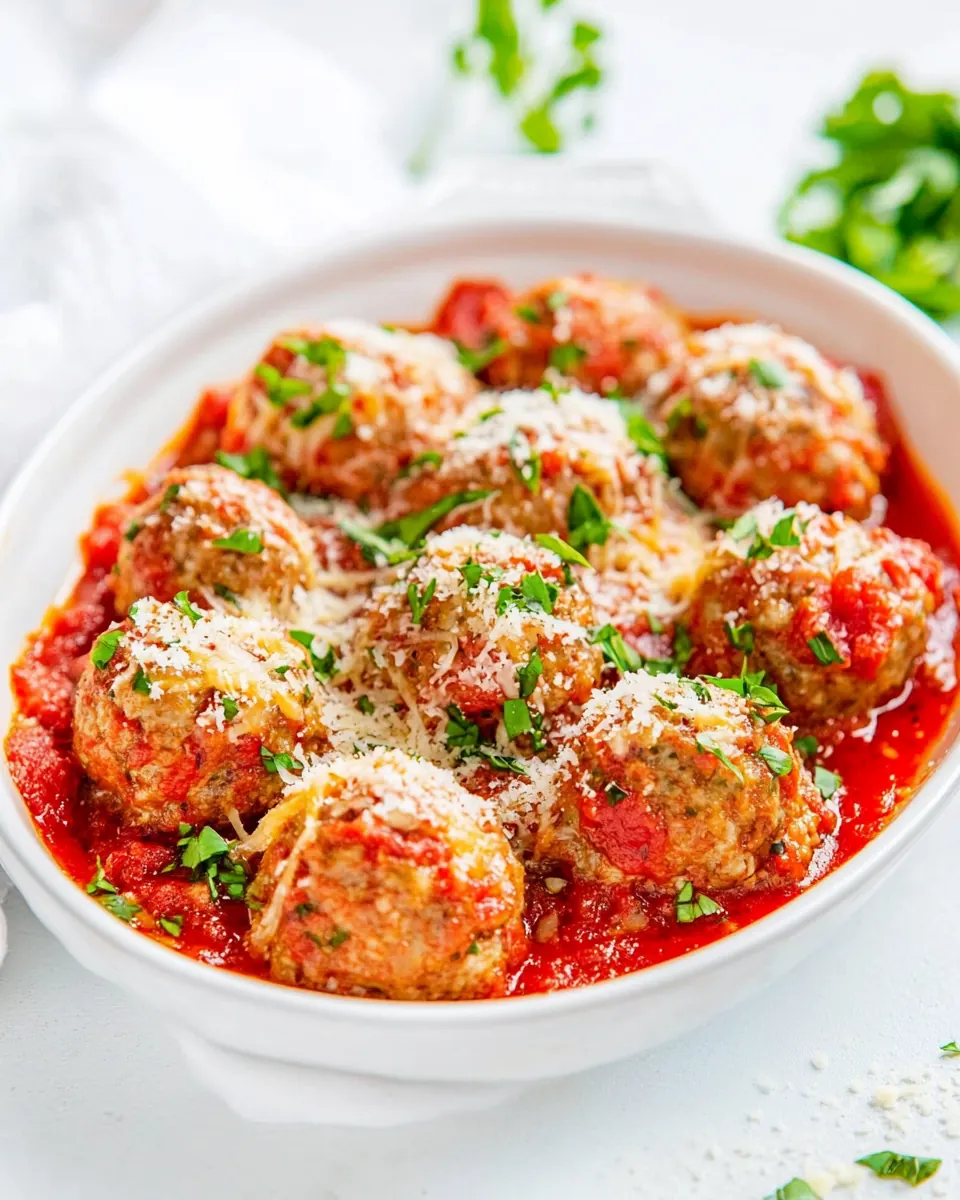
I like to offer tweaks so you can match the recipe to your kitchen and taste. These tips expand on small changes that have big impacts, from texture to seasoning balance. Use them selectively to keep the recipe faithful yet adaptable.
- Reduce oven temperature if your oven runs hot, lowering by 15 to 25°F can prevent the cheese from browning too quickly while allowing the interior to heat through.
- Skip the sugar if using sweet canned tomatoes like San Marzano, taste before adding any sugar to avoid making the sauce too sweet.
- Use a meat thermometer to ensure accuracy, checking internal temperature prevents overcooking and guarantees safety.
- Swap breadcrumb textures by using panko for a lighter crumb in the meatballs, but keep quantities the same to maintain moisture balance.
- Make ahead and reheat by assembling and refrigerating, then reheat in a 350°F oven until warmed through and bubbling; this helps for entertaining or meal prep.
What Goes Well With This Olive Garden Meatballs Parmigiana
This dish pairs well with simple sides that complement its richness, and it is versatile enough for family dinners and casual gatherings. Choose fresh or toasted breads, light salads, or cooked grains to round out the plate. Below are serving ideas, storage tips, and occasion suggestions to help you plan the perfect meal.
- Classic serving Serve with a simple green salad dressed with a light vinaigrette to cut through richness and add a crisp contrast to the warm, cheesy meatballs.
- Bread options Offer crusty bread or garlic bread for dipping into the sauce; the bread soaks up sauce and provides a tactile pleasure that many guests appreciate.
- Pasta pairing Plate the meatballs over plain spaghetti or a short pasta for a traditional composition where the sauce and meat become the star.
- Occasions This recipe works well for weeknight family dinners and also for gatherings where you want easy make ahead options, because the assembled dish reheats well and can be kept warm in a low oven.
- Storage tips Store leftovers in an airtight container for up to four days in the refrigerator and reheat gently in a 350°F oven until bubbling to restore texture and warmth.
- Seasonal pairings In colder months, serve with heartier sides like roasted vegetables; in milder weather keep sides light with a crisp salad and steamed greens.
FAQ
Conclusion
This Olive Garden Meatballs Parmigiana stands out because it combines tender, well seasoned meatballs, a slowly simmered tomato sauce, and a bubbling cheese finish with a toasty breadcrumb crunch. I encourage you to try it for a satisfying dinner that feels both homey and special, whether you are feeding family or hosting friends. Make it your own by paying attention to small techniques like gentle mixing and low simmering, and you will be rewarded with a dish that is reliably comforting and impressively flavorful.
Olive Garden Meatballs Parmigiana
Equipment
- Rimmed Baking Sheet
- Large Mixing Bowl
- Saucepan
- Skillet
- Ovenproof dish
- Instant read thermometer
Ingredients
- 1/4 cup whole milk Moisten and tenderize the meat mixture by adding fat and liquid, promoting a soft, cohesive texture that keeps meatballs juicy during cooking. Provide subtle dairy richness that helps bind breadcrumbs and egg for a consistent crumb and mouthfeel. Contribute a neutral flavor that allows other aromatics and seasonings to shine without overpowering the dish.
- 1/4 teaspoon granulated garlic Season and add a mild garlicky note without introducing moisture, supplying a concentrated savory punch to complement fresh garlic and tomato flavors. Enhance overall profile with a gentle umami-like quality that blends into the meat mixture. Allow precise control of garlic intensity, especially helpful when fresh garlic would be too assertive.
- 1/2 teaspoon onion powder Provide a savory onion flavor in a dry, shelf-stable form that disperses evenly through the meat and sauce for consistent taste. Add depth and a slightly sweet background note that enhances the perception of richness. Enable simple seasoning without needing fresh onion prep, keeping texture uniform.
- 1 pound ground chuck 80/20 blend is ideal for flavor and texture, but up to 70/30 works for juicier results Form the base of the meatballs, offering structure, fat for flavor and juiciness, and a rich beef character that defines the dish. Supply natural binders and fat that render during cooking to keep interiors moist while browning develops savory crusts. Influence final texture and mouthfeel depending on lean-to-fat ratio, with 80/20 delivering balance and 70/30 increasing juiciness.
- 1/2 cup plain breadcrumbs Absorb moisture from milk and egg to create a tender, cohesive meatball interior while contributing a light, bready texture. Provide structure without toughness, helping meatballs hold shape and remain succulent. Offer a neutral base that carries herbs and spices throughout the mixture.
- 1 large egg beaten Bind proteins and breadcrumbs together to stabilize the meatballs, creating elasticity that helps them hold shape while cooking. Add richness and slight silkiness to the mixture, improving texture and mouthfeel. Ensure even incorporation of seasonings and moisture for uniform results.
- 1 teaspoon Italian seasoning Impart a classic Italian herb blend that layers oregano, basil, and other Mediterranean herbs into the meat and sauce for authentic flavor. Enhance savory and aromatic qualities, bridging meat and tomato components for a cohesive profile. Offer a balanced herbal backbone that supports other seasonings without dominating.
- 1/2 teaspoon dried parsley Add a mild, dried herbaceous brightness that complements Italian seasoning and lifts overall flavor with a subtle green note. Contribute flecks of color and a familiar parsley aroma associated with Italian-American cooking. Help brighten the palate and balance richer, fattier elements in the meatballs.
- 1/4 teaspoon red pepper flakes Introduce controlled heat and a touch of smoky spice to enliven the meat mixture and sauce without overpowering other flavors. Allow small amounts to offer warmth that enhances savory notes and rounds out the profile. Provide optional kick that can be adjusted for preferred spiciness.
- 1 teaspoon salt Season the meat and sauce for balanced savory flavor, helping all components taste complete and cohesive. Promote proper seasoning of the interior so meatballs aren't bland after cooking. Ensure salt highlights natural flavors and harmonizes herbs and tomatoes.
- 1/2 teaspoon ground black pepper Add mild heat and pungent depth to the seasoning, balancing salt and herbs while sharpening overall taste. Support browning flavors and contribute to a more rounded savory profile. Offer straightforward seasoning control for the meat mixture.
- 1 tablespoon extra-virgin olive oil Sauté and brown meatballs or aromatics with a small amount of fat that promotes even cooking and enhances flavor through gentle caramelization. Provide a fruity, peppery olive oil character that complements Italian seasonings and tomatoes. Serve as a medium for toasting garlic slices to infuse sauce with subtle richness.
- 2 cloves garlic cut into thick slices Infuse the sauce with fresh garlic aroma and flavor by releasing volatile oils during sautéing, offering a pronounced but pleasant garlic presence. Add texture and visual interest if left in slices, while also creating a base savory note that marries well with tomatoes and herbs. Allow controlled flavor extraction without overpowering delicate ingredients.
- 14 -ounce can tomato puree Form the tomato base for the sauce with a smooth, concentrated texture that creates body and depth, anchoring the dish’s savory-tangy profile. Provide a consistent canvas for herbs, sugar, and aromatics to meld, yielding a luscious sauce that clings to meatballs. Offer rich lycopene-driven color and gentle acidity to balance fatty components.
- 14 -ounce can diced tomatoes (use crushed if you prefer a smoother sauce) Contribute tomato chunks or a softer crushed texture to the sauce, creating brightness, body, and variation in mouthfeel while complementing puree for complexity. Add natural acidity and fresh tomato flavor that enhances the overall sauce character. Allow the option to use crushed tomatoes for a smoother finish depending on preference.
- 3/4 teaspoon Italian seasoning Layer additional Italian herb flavor into the sauce, reinforcing oregano and related Mediterranean notes for a harmonized seasonings profile. Balance savory and aromatic elements while supporting the tomato base for a classic Italian-American sauce taste. Ensure continuity between meatball herbs and sauce seasoning.
- 1/4 teaspoon dried basil Introduce a sweet, aromatic basil note that enhances tomato flavor and contributes an herbaceous lift to the sauce. Add fragrant green character that pairs naturally with oregano and parsley for a rounded Italian herb ensemble. Provide a recognizable Mediterranean accent without overpowering other components.
- 1/8 teaspoon red pepper flakes Supply a subtle heat element to the sauce, complementing other spices and helping to round out flavors with mild warmth. Offer a nuanced layer of spice that balances sweetness and acidity without dominating the palate. Allow control over spiciness when combined with the meatball’s red pepper flakes.
- 1 teaspoon salt Season the sauce to bring out tomato sweetness and savory depth, creating a balanced foundation that makes other ingredients sing. Ensure the finished sauce tastes well-rounded rather than flat, harmonizing herbs, acidity, and fat. Help the meatballs absorb and interact with properly seasoned sauce during simmering.
- 1/4 teaspoon ground black pepper Provide gentle peppery warmth that complements salt and herbs in the sauce, enhancing aromatic complexity and depth. Add subtle bite that lifts the tomato base and ties together savory components. Allow for seasoning symmetry when paired with the meat mixture’s black pepper.
- 1/2 tablespoon sugar optional, to balance the natural acidity of tomatoes; may be skipped if using San Marzano tomatoes Balance tomato acidity and brighten flavor with a touch of sweetness, smoothing the sauce and creating a more rounded, palatable profile. Offer an optional adjustment depending on tomato variety and personal taste, particularly helpful if using higher-acidity canned tomatoes. Keep sweetness minimal to avoid overtly sugary sauce.
- 1 1/2 cups shredded Italian cheese blend Melt into a golden, cheesy topping that binds and gratinates when baked, delivering a creamy, savory finish to the dish. Provide a blend of cheeses that offers stretch, flavor, and a slightly tangy richness that complements meat and tomato sauce. Enhance mouthfeel and presentation through melted, slightly browned cheese.
- 1/4 cup Italian breadcrumbs Add a light crispy breadcrumb topping that contributes texture contrast and absorbs surface moisture, helping cheese brown attractively. Provide a crunchy element that complements the soft meatballs and sauce for a pleasing bite variety. Offer a hint of bready flavor that melds with melted cheese and butter during finishing.
- 1 tablespoon butter Enrich the breadcrumb topping and sauce with a small amount of fat that encourages golden browning and adds a silky mouthfeel. Melt into breadcrumbs and cheese to create a cohesive, toasted finish with a pleasant richness. Help carry herb and garlic flavors for a more luxurious final layer.
- 1 tablespoon freshly chopped parsley Finish with fresh herb brightness and color that lifts the dish and adds a clean, aromatic note to each bite. Sprinkle over the assembled meatballs and sauce to provide contrast to rich, savory flavors and enhance visual appeal. Offer a subtle grassy freshness that complements Italian seasonings.
Instructions
- In a large mixing bowl, combine the milk, granulated garlic, and onion powder. Let this mixture sit for 5 minutes to allow the flavors to bloom before adding the rest of the ingredients for the meatballs. Gently mix until just combined; do not overmix or overwork the meat, as this can result in tough, dry meatballs.: The first scent you notice will be the mild garlic and onion aromatics softening into the milk, creating a seasoning-infused liquid that helps the breadcrumbs hydrate. This step is important because allowing the milk to sit with the spices draws out and distributes flavor evenly, which translates into uniformly seasoned meatballs . If you skip the resting, you risk pockets of seasoning and a less cohesive texture. A common mistake here is adding the rest of the ingredients immediately and overworking the mixture, which can toughen the meat.
- Cover the meat mixture with plastic wrap and refrigerate for at least 30 minutes to allow the flavors to meld and the breadcrumbs to soak up moisture.: After chilling, the mixture should feel slightly firmer and easier to form into balls, and the aromas will have calmed and integrated. This rest time is what helps prevent the meatballs from drying out while baking because the breadcrumbs have absorbed moisture, creating a tender interior. Rushing this step can lead to crumbly or dry meatballs that do not hold together well when baked.
- Preheat the oven to 425°F (220°C). Line a rimmed baking sheet with foil and spray it with nonstick spray, or line the baking sheet with parchment paper.: As the oven warms, you get that dry heat ready to crisp exterior surfaces of the meatballs . Using foil and a rimmed sheet makes cleanup simple, and spraying prevents sticking. An error I see often is using a too low oven temperature, which prevents a light crust from forming, leading to meatballs that steam rather than brown.
- Wet your hands with water or a little olive oil to prevent sticking and form the meat mixture into 1 1/2-inch meatballs. Don’t compact them too tightly.: The texture as you roll should be slightly tacky but not sticky, and the balls should hold their shape without being compacted. Gentle handling yields tender results, while packing too tightly squeezes out juices and makes them dense. Trapping air pockets by rolling too aggressively is another common issue, which can cause uneven cooking.
- Place the meatballs on the prepared baking sheet and bake in the preheated oven until they reach an internal temperature of at least 165°F (74°C), about 10 to 15 minutes. Turn the meatballs midway through cooking for even browning.: During baking you will hear a faint sizzle as the fat renders and the surface starts to firm; the exterior should show even browning. Use an instant read thermometer to check doneness to avoid overcooking. A frequent mistake is relying on time alone rather than internal temperature, which can lead to dried out meatballs if your oven runs hot.
- While the meatballs are baking, prepare the marinara sauce: Place a large saucepan (do not use cast iron, as tomato acidity may cause a metallic taste) over medium heat and allow it to warm up. Pour in the extra-virgin olive oil. When the oil is hot, add the garlic. Reduce the heat to medium-low, allowing the garlic to color slightly and become fragrant. Stir occasionally to prevent burning. Remove the sliced garlic from the oil with a slotted spoon and discard it.: Heating the extra-virgin olive oil until it shimmers then adding the sliced garlic will perfume the oil and set the foundation for the sauce. The garlic should color lightly and release a warm, savory aroma; remove it before it browns to prevent bitterness. If the oil gets too hot too fast, the garlic will burn and the sauce will inherit that off flavor.
- Carefully add the tomato puree and diced tomatoes to the pot. Be cautious as the pot can splatter if it’s too hot. Add the Italian seasoning, dried basil, red pepper flakes, salt, and ground black pepper and stir to combine. Bring the sauce to a slow simmer. Cover the pot and cook for at least 25 to 30 minutes, adjusting the heat if necessary to maintain a slow simmer. Simmering allows the flavors to develop, and longer simmering is even better.: When the tomatoes hit the warm oil they will spit initially, releasing a bright tomato fragrance. Stir in the herbs and spices, and bring the sauce to a slow simmer so flavors knit together. Simmering concentrates the tomatoes and smooths out acidity, creating a rich body that clings to the meatballs . A common trouble is boiling too hard which can make the sauce too thin and evaporate the brighter notes you want to keep.
- Taste the sauce. If it tastes too acidic, you can add some or all of the sugar to balance the natural acidity of the tomatoes.: After simmering, let the sauce sit a moment and then taste for balance, adding the optional sugar if the tomatoes taste overly acidic. This tasting step is crucial because canned tomatoes vary widely; a small addition can round out edges without making the sauce sweet. The mistake many cooks make is assuming canned tomatoes are consistent and skipping the taste test, which can leave an unbalanced final dish.
- When the meatballs are done, remove them from the oven and reduce the oven temperature to 350°F (175°C).: The aroma from baked meatballs should be savory and slightly caramelized at the edges. Lowering the oven allows for a gentle finish once assembled with cheese, preventing excessive browning while melting. If you leave the oven at the higher temperature, the cheese may brown too quickly before everything is harmonized.
- Spread a layer of the prepared marinara sauce in the base of an ovenproof dish. Distribute the baked meatballs over the sauce and spoon some additional marinara sauce over each meatball. Sprinkle the shredded Italian cheese blend evenly over the top.: The sauce should be simmering and glossy, a deep red color that promises body and acidity control. Arrange the baked meatballs over the sauce and spoon extra sauce atop each so every bite is saucy. This layering ensures that each meatball absorbs sauce flavors during the final bake. A pitfall is skimping on sauce, which can leave the finished dish dry in spots.
- Bake for another 5 to 10 minutes, until the cheese is thoroughly melted and bubbly.: As the cheese melts you will see it loosen, go glossy, and then start to bubble and gain faint golden spots. That is your signal the dish is ready for the final step. Uneven cheese distribution will cause hot spots where some bites are cheesier than others, so spread it carefully for consistent coverage.
- While the cheese is melting, toast the Italian breadcrumbs in a pan with the butter until they smell nutty and begin to brown, stirring frequently so they do not burn. Remove the breadcrumbs from the pan.: The kitchen will fill with a mouthwatering, toasted cheese aroma and you will notice the sauce bubbling gently at the edges. This brief bake finishes melding flavors and ensures the cheese has a pleasing texture. Overbaking risks drying the surface or burning the cheese, so watch it closely.
- Remove the meatballs from the oven and sprinkle with the toasted breadcrumbs and chopped parsley.: Stirring constantly produces an evenly golden, fragrant crumb topping that adds a contrasting crunch. The butter enhances color and aroma, and the toasted crumbs should be removed from heat as soon as they show color because they can transition from perfect to burnt very quickly. Leaving them in the pan even a moment too long is the most common error here.
- Remove the meatballs from the oven and sprinkle with the toasted breadcrumbs and chopped parsley: The final plate will glisten with sauce, the cheese will be bubbling, and the golden breadcrumbs will add that toasty note and pleasing crunch. Fresh chopped parsley brightens the dish visually and flavorwise. Serve promptly; letting it sit too long will soften the toasted crumbs and diminish the contrast that makes each bite special.
Notes
- Reduce oven temperature if your oven runs hot, lowering by 15 to 25°F can prevent the cheese from browning too quickly while allowing the interior to heat through.
- Skip the sugar if using sweet canned tomatoes like San Marzano, taste before adding any sugar to avoid making the sauce too sweet.
- Use a meat thermometer to ensure accuracy, checking internal temperature prevents overcooking and guarantees safety.
- Swap breadcrumb textures by using panko for a lighter crumb in the meatballs, but keep quantities the same to maintain moisture balance.
- Make ahead and reheat by assembling and refrigerating, then reheat in a 350°F oven until warmed through and bubbling; this helps for entertaining or meal prep.