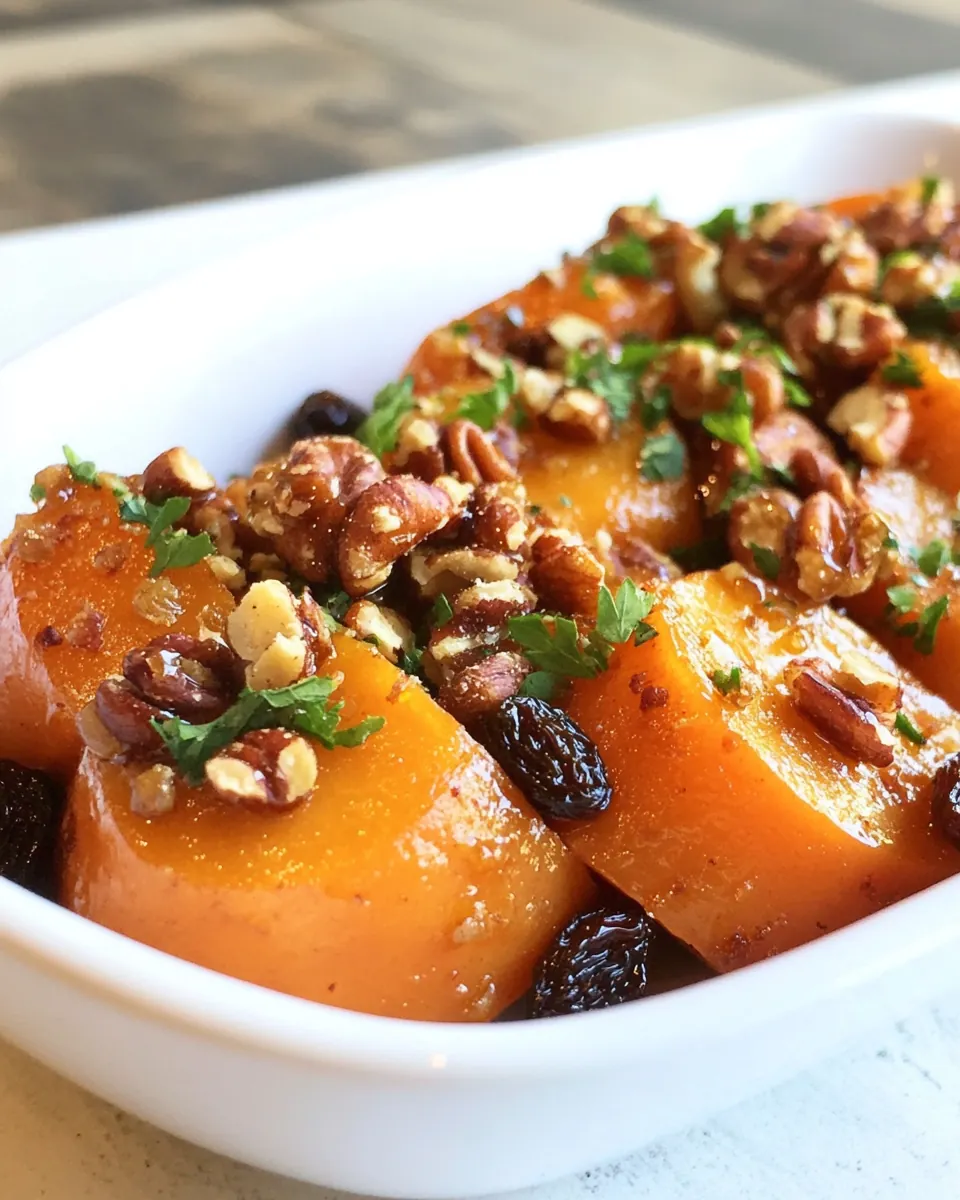
Roasted Yams with Honey Walnuts Raisins
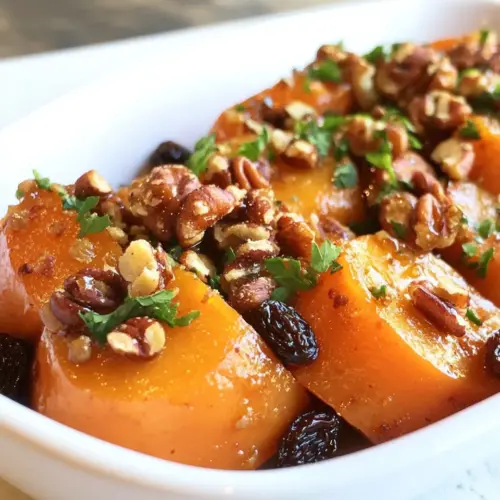
Roasted Yams with Honey Walnuts Raisins became one of those dishes I reach for when I want something warm, honest, and a little bit nostalgic. The first time I made it I was short on time but wanted to bring something comforting to a small family gathering, and these yams delivered a caramelized sweetness that felt like a hug on a plate.
That evening I remember the kitchen filling with the smell of toasted nuts and warm spices, and how everyone lingered at the table longer than usual. I swapped stories with an aunt while turning the skillet, and we both kept stealing spoonfuls from the pan. Over the years I loosened the recipe up, learned which textures sing together, and now I keep it in rotation for chilly nights or holiday tables where I want a side that reads both homey and a little bit special.
What I love most about Roasted Yams with Honey Walnuts Raisins is how simple ingredients transform with a quick bit of heat. The sticky, fragrant topping glues everything together, and the baked yams act as the gentle canvas. This is not a fussy showpiece, it is a cozy companion that fits weeknight dinners and celebratory spreads alike.
Recipe Snapshot
1 hr 5 mins
5 mins
60 mins
Medium
220 kcal
American
Gluten-Free, Paleo
Side Dishes
Oven, Aluminum foil, Medium sized skillet, Wooden spoon
The Charm of This Roasted Yams with Honey Walnuts Raisins
Comfort with a touch of elegance
I love how Roasted Yams with Honey Walnuts Raisins reads homey but tastes elevated. The soft, roasted yams are humble, yet when paired with glossy, toasted walnuts and plumped raisins they feel festive. I make this when I want to serve something that comforts without being predictable.
Fast to assemble, big on flavor
Roasting does the heavy lifting, so the hands on time is minimal. While the yams roast, the topping comes together in minutes. I appreciate recipes that reward patience in the oven with minimal babysitting, and this one always pays off.
Textural contrast that delights
The interplay between the silky baked yams and crunchy, honey glazed walnuts is what keeps people coming back. I aim for that moment when a fork breaks into tender flesh and meets a toasted bite, it’s an addictive combination.
Flexible and forgiving
Over time I’ve learned you can scale the topping, use more or less spice, and still land in a great place. I often tweak the sweetness and salt balance to match the rest of the meal, and it always plays nice on the table.
Perfect for gatherings
This dish travels well to potlucks and holiday tables because it can be made mostly ahead and finished right before serving. I’ve brought it to slow dinners and busy celebrations, and it’s almost always one of the first dishes that disappears.
What to Buy for Roasted Yams with Honey Walnuts Raisins
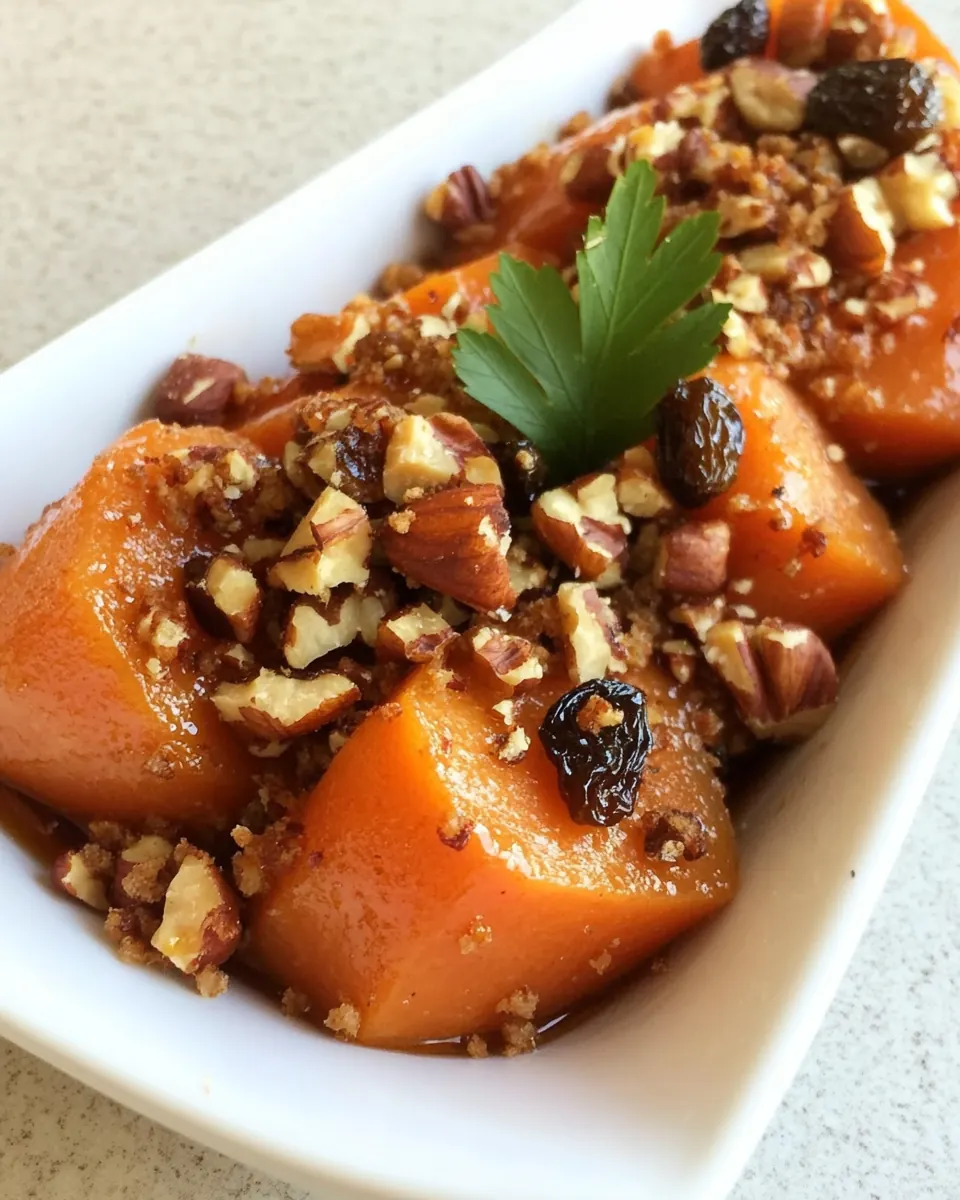
These ingredients are chosen to let each player shine while working together harmoniously. The backbone is the baked yams, tender and naturally sweet, while the topping layers in texture and warm spice. I think of the walnuts and raisins as the lively contrast that keeps every bite interesting, and the maple or honey as the glue that brings it all together.
- 2 large yams poked with holes and roasted: Poked and roasted to develop natural sweetness and a tender texture; provides the starchy base and main body of the dish. Offers caramelized edges and a creamy interior that pairs well with crunchy and sweet toppings. Serves as the vehicle for the walnut-honey-raisin mixture, balancing flavors and adding visual appeal.
- 1 1/2 cups walnuts coarsely chopped: Coarsely chopped to deliver crunchy contrast and toasty, nutty flavor; adds both texture and richness. Toasting can deepen the buttery notes and intensify aroma, making them more pronounced against the sweet yams. Provides protein and hearty bite that complements the soft roasted flesh.
- 1/2 cup golden raisins: Added to contribute bursts of concentrated sweetness and chewy texture, enhancing the overall complexity. Golden variety offers a lighter, honeyed flavor and softer chew than darker raisins, blending well with maple or honey. Distributes pockets of fruitiness throughout the dish for contrast.
- 2 tablespoons unsalted butter: Melted to create a glossy, rich binder for the walnut and raisin mixture and to add mellow, creamy flavor. Helps the syrup adhere to the nuts and fruit while contributing a subtle savory balance to the sweet components. Enhances mouthfeel and helps brown the topping slightly when warmed.
- 1/3 cup pure maple syrup or honey: Poured in to sweeten and glaze the topping, contributing viscosity and a deep, rounded sweetness. Pure maple syrup or honey adds distinct flavor notes—maple brings caramel and woody tones while honey provides floral notes. Helps create a cohesive syrup that coats walnuts and raisins.
- 1/2 teaspoon ground cinnamon: Sprinkled to introduce warm, aromatic spice and to accentuate the sweetness of the yams and syrup. Ground cinnamon offers familiarity and depth, rounding out the overall flavor profile without overpowering other spices. Enhances aroma and complements the roasted qualities of the dish.
- 1/8 teaspoon cardamom: Measured to add a subtle, citrusy warmth and complex floral-menthol notes that lift the flavor profile. Cardamom should be used sparingly to avoid dominating the mixture, providing an exotic accent to the cinnamon and ginger. Contributes nuance and brightness to the glaze.
- 1/4 teaspoon ground ginger: Ground to contribute a warm, slightly peppery undertone with a hint of citrus, rounding out the spice blend. Ginger adds depth and a mild heat that balances sweetness while enhancing overall warmth. Works in concert with cinnamon and cardamom to create a well-rounded spice character.
- 1/8 teaspoons salt to taste: Included sparingly to enhance and balance the sweetness while intensifying other flavors; adjust to personal taste. A small pinch can heighten complexity and prevent the dish from tasting flat by emphasizing savory notes. Ensures the final dish is well-seasoned and harmonious.
How to Make Roasted Yams with Honey Walnuts Raisins
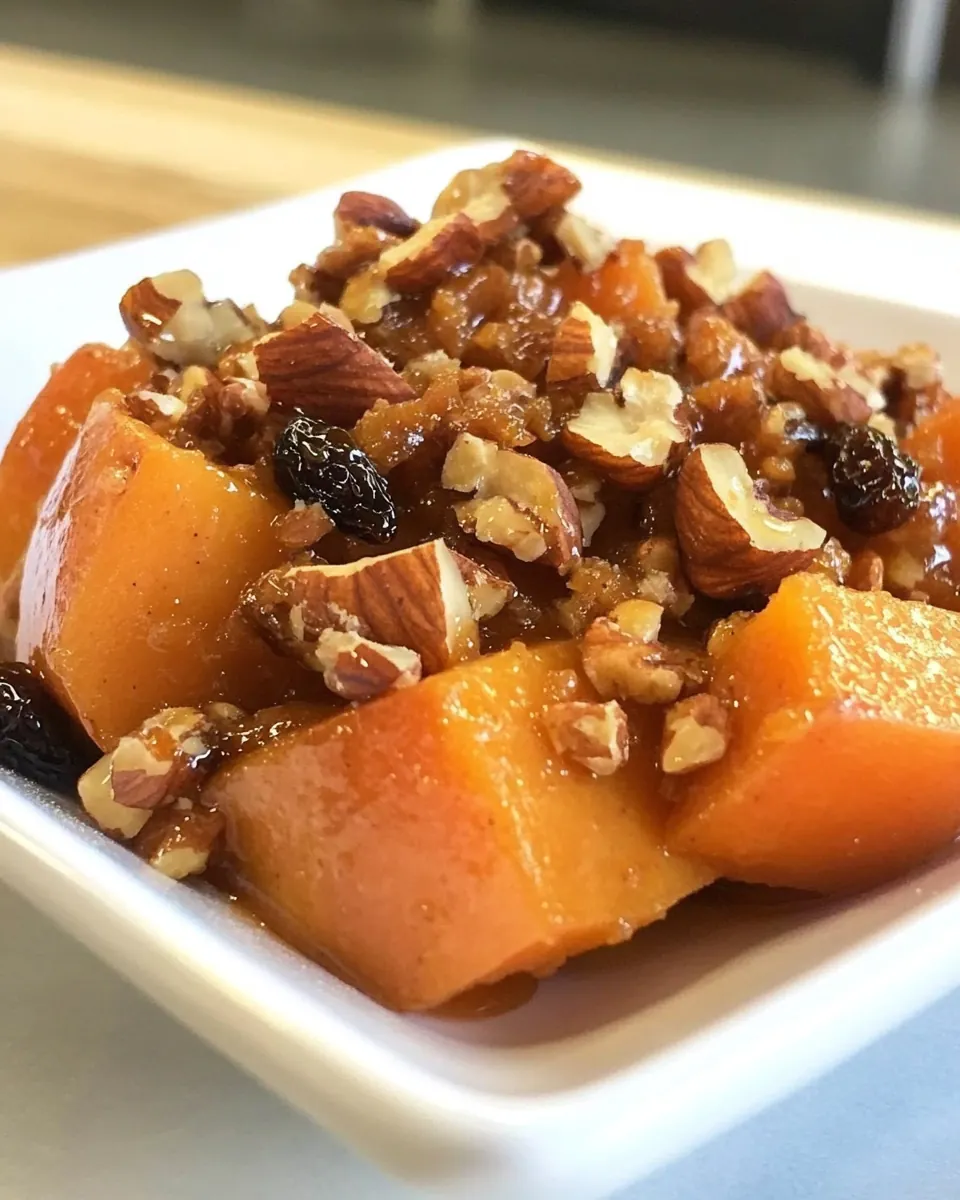
I like to think of this method as a two part performance, the first act is patient oven work and the second act is a quick, fragrant stovetop finish. Pay attention to smells and textures, they are your best cues. Below I expand each direction into detailed guidance so you can confidently time and execute the recipe.
- Preheat the oven to 425 degrees.: The air in the oven should feel noticeably hot and dry when you slide the rack in, creating an environment that encourages caramelization on the yams . Hot oven heat seals the exterior and concentrates sugars inside, which is why this temperature is chosen. A common error is not letting the oven fully reach temperature, which can lengthen cooking time and yield uneven doneness. If your oven runs cool, allow an extra 10 minutes for the yams to roast to tender perfection.
- Wash the yams and pat them dry.: Running your hands over the skin as you rinse removes dirt and any loose bits, and patting them dry prevents excess steam in the foil wrapping. The dry surface helps the skins to roast instead of steaming, which contributes to that concentrated sweet flavor. Rushing this step can leave grit on the skin, and moisture can delay browning in the oven.
- Poke yams a few times with a fork, wrap them in aluminum foil and bake them in the oven for 45 to 60 minutes (depending on size. Mine took a full hour). The yams are done when thick juice is seeping out of them and they’re soft when poked.: As the yams roast you'll notice their skins blister slightly and a syrupy aroma will begin to escape. The fork punctures allow steam to vent, helping the interior cook evenly without bursting. When thick juice is seeping out and the flesh yields easily to a fork, they are ready. Avoid skipping the foil entirely if you prefer softer skins, but leave them uncovered for crisper skins. Underbaking is the most frequent issue resulting in firm, starchy centers instead of soft, sweet flesh.
- Remove yams from the oven and set aside.: When you pull the yams out, the oven will smell nutty and sweet, and the skins will be taut. Setting them aside to cool slightly makes them easier to handle and helps the interior finish steaming gently. Resting also prevents hot steam from escaping too quickly when you cut them, which preserves moisture. A mistake here is cutting too soon and losing juices, which can dry the flesh.
- Add remaining ingredients medium-sized skillet and heat to medium or medium high. Stir with a wooden spoon until the pure maple syrup (or honey) is coating everything, walnuts become fragrant and raisins plump up, about 2 to 5 minutes, careful not to burn. Taste mixture for flavor and add more sea salt to taste.: When you heat the skillet you'll first catch the scent of melted butter and then the sweet lift of maple syrup or honey . The walnuts will sizzle and release aromatic oils, turning glossy as the syrup coats them, and the raisins will swell and become juicy. Stirring with a wooden spoon helps distribute heat evenly and prevents hotspots. The why here is simple, brief, hot contact blooms flavors and creates a cohesive topping. Burnt sugar is the chief pitfall, so lower the heat if you smell anything bitter and keep stirring.
- Once yams are cool enough to handle, quarter them and top with desired amount of topping.: The texture shift when you cut into a perfectly roasted yam is a soft yield with faintly caramelized edges. Quartering exposes more surface for the topping to cling to, and the hot, glossy mixture will drape over the tender flesh. The sensation when eating should alternate between soft silk and crunchy, syrupy bites. Cutting while too hot can make the topping slide off, so let them cool until warm but manageable.
- Serve hot!: Serving warm ensures the glaze stays glossy and the raisins remain plump. The sound of forks on plates and the aroma of toasted walnuts will invite conversation. Serving cold can dull the flavors and make the topping firmer, so reheat gently if needed. Overheating on high can harden the syrup, so rewarm at low temperature if you must.
- A fabulous idea: give them a squirt of whipped cream or a drizzle of melted butter.: A little extra butter or a light dollop of whipped cream adds a creamy counterpoint to the textured topping, enhancing mouthfeel and bringing a cool contrast to warm yams . It’s a nice finishing touch for festive servings. The mistake to avoid is adding so much that the delicate spice balance is lost, keep it minimal to complement, not mask, the dish.
Helpful Notes about Roasted Yams with Honey Walnuts Raisins
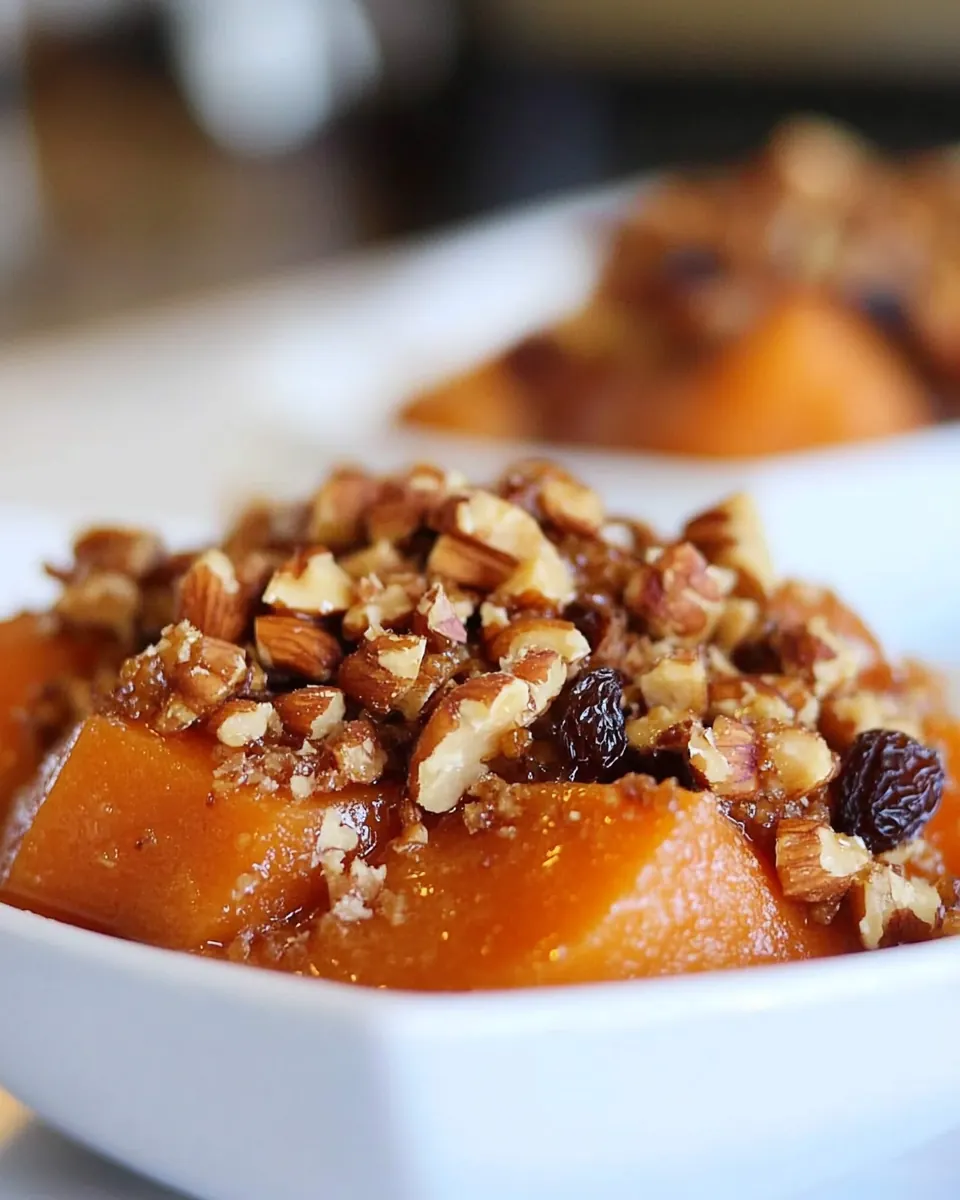
This recipe has a few easy adjustments that can make your life simpler without changing what you love about the dish. Below are practical notes and tips I use every time I cook this, expanded into actionable points so you can pick and choose what fits your kitchen rhythm.
- Choose firm yams for roasting so they hold shape and become luxuriously tender inside rather than watery; avoid ones with soft spots.
- Preheat thoroughly because consistent oven temperature makes roasting predictable and helps sugars caramelize properly.
- Skillet attention when glazing the nuts matters, keep the heat moderate and stir constantly to prevent the syrup from scorching.
- Make ahead you can roast the yams a day ahead and reheat gently, then prepare the topping just before serving for best texture.
- Adjust spice levels small tweaks to the cinnamon, cardamom, or ginger will shift the profile from cozy to bright, so taste and tune as you go.
Perfect Matches for Roasted Yams with Honey Walnuts Raisins
These serving ideas will help you decide when and how to present this dish whether you want a casual weeknight plate or a festive side. The suggestions include pairings and occasions, plus practical storage and reheating notes to keep the dish tasting its best.
- Serve as a warm side for holiday feasts it complements roasted mains and brings a sweet element to the table that balances savory dishes.
- Offer it at dinner parties for a comforting vegetable course that feels elevated thanks to the glazed walnuts and warm spices.
- Pack it for potlucks by keeping the topping in a separate container and assembling close to serving time to maintain crunch.
- Weeknight dinners this is an easy way to add a seasonal, nutritious component to a quick meal when you want something satisfying without fuss.
- Storage tips refrigerate leftovers in an airtight container for up to three days and rewarm gently in a low oven to preserve texture.
- Seasonal pairing this shines in fall and winter when yams are in their sweet peak, pairing well with warm spices and cozy meals.
FAQ
Conclusion
What makes this dish special is the way simple, seasonal ingredients combine to create layers of flavor and texture that feel both comforting and celebratory. The soft, roasted yams provide a mellow, sweet base while the honey glazed walnuts and plump raisins add crunch and brightness. Give this a try next time you want a side that is easy to pull together but impressive in flavor. It’s forgiving to make, versatile to serve, and reliably one of the dishes guests comment on the most.
Roasted Yams with Honey Walnuts Raisins
Equipment
- Oven
- Aluminum Foil
- Medium sized skillet
- Wooden Spoon
Ingredients
- 2 large yams poked with holes and roasted Poked and roasted to develop natural sweetness and a tender texture; provides the starchy base and main body of the dish. Offers caramelized edges and a creamy interior that pairs well with crunchy and sweet toppings. Serves as the vehicle for the walnut-honey-raisin mixture, balancing flavors and adding visual appeal.
- 1 -1/2 cups walnuts coarsely chopped Coarsely chopped to deliver crunchy contrast and toasty, nutty flavor; adds both texture and richness. Toasting can deepen the buttery notes and intensify aroma, making them more pronounced against the sweet yams. Provides protein and hearty bite that complements the soft roasted flesh.
- 1/2 cup golden raisins Added to contribute bursts of concentrated sweetness and chewy texture, enhancing the overall complexity. Golden variety offers a lighter, honeyed flavor and softer chew than darker raisins, blending well with maple or honey. Distributes pockets of fruitiness throughout the dish for contrast.
- 2 tablespoons unsalted butter Melted to create a glossy, rich binder for the walnut and raisin mixture and to add mellow, creamy flavor. Helps the syrup adhere to the nuts and fruit while contributing a subtle savory balance to the sweet components. Enhances mouthfeel and helps brown the topping slightly when warmed.
- 1/3 cup pure maple syrup or honey Poured in to sweeten and glaze the topping, contributing viscosity and a deep, rounded sweetness. Pure maple syrup or honey adds distinct flavor notes—maple brings caramel and woody tones while honey provides floral notes. Helps create a cohesive syrup that coats walnuts and raisins.
- 1/2 teaspoon ground cinnamon Sprinkled to introduce warm, aromatic spice and to accentuate the sweetness of the yams and syrup. Ground cinnamon offers familiarity and depth, rounding out the overall flavor profile without overpowering other spices. Enhances aroma and complements the roasted qualities of the dish.
- 1/8 teaspoon cardamom Measured to add a subtle, citrusy warmth and complex floral-menthol notes that lift the flavor profile. Cardamom should be used sparingly to avoid dominating the mixture, providing an exotic accent to the cinnamon and ginger. Contributes nuance and brightness to the glaze.
- 1/4 teaspoon ground ginger Ground to contribute a warm, slightly peppery undertone with a hint of citrus, rounding out the spice blend. Ginger adds depth and a mild heat that balances sweetness while enhancing overall warmth. Works in concert with cinnamon and cardamom to create a well-rounded spice character.
- 1/8 teaspoons salt to taste Included sparingly to enhance and balance the sweetness while intensifying other flavors; adjust to personal taste. A small pinch can heighten complexity and prevent the dish from tasting flat by emphasizing savory notes. Ensures the final dish is well-seasoned and harmonious.
Instructions
- Preheat the oven to 425 degrees.: The air in the oven should feel noticeably hot and dry when you slide the rack in, creating an environment that encourages caramelization on the yams . Hot oven heat seals the exterior and concentrates sugars inside, which is why this temperature is chosen. A common error is not letting the oven fully reach temperature, which can lengthen cooking time and yield uneven doneness. If your oven runs cool, allow an extra 10 minutes for the yams to roast to tender perfection.
- Wash the yams and pat them dry.: Running your hands over the skin as you rinse removes dirt and any loose bits, and patting them dry prevents excess steam in the foil wrapping. The dry surface helps the skins to roast instead of steaming, which contributes to that concentrated sweet flavor. Rushing this step can leave grit on the skin, and moisture can delay browning in the oven.
- Poke yams a few times with a fork, wrap them in aluminum foil and bake them in the oven for 45 to 60 minutes (depending on size. Mine took a full hour). The yams are done when thick juice is seeping out of them and they’re soft when poked.: As the yams roast you'll notice their skins blister slightly and a syrupy aroma will begin to escape. The fork punctures allow steam to vent, helping the interior cook evenly without bursting. When thick juice is seeping out and the flesh yields easily to a fork, they are ready. Avoid skipping the foil entirely if you prefer softer skins, but leave them uncovered for crisper skins. Underbaking is the most frequent issue resulting in firm, starchy centers instead of soft, sweet flesh.
- Remove yams from the oven and set aside.: When you pull the yams out, the oven will smell nutty and sweet, and the skins will be taut. Setting them aside to cool slightly makes them easier to handle and helps the interior finish steaming gently. Resting also prevents hot steam from escaping too quickly when you cut them, which preserves moisture. A mistake here is cutting too soon and losing juices, which can dry the flesh.
- Add remaining ingredients medium-sized skillet and heat to medium or medium high. Stir with a wooden spoon until the pure maple syrup (or honey) is coating everything, walnuts become fragrant and raisins plump up, about 2 to 5 minutes, careful not to burn. Taste mixture for flavor and add more sea salt to taste.: When you heat the skillet you'll first catch the scent of melted butter and then the sweet lift of maple syrup or honey . The walnuts will sizzle and release aromatic oils, turning glossy as the syrup coats them, and the raisins will swell and become juicy. Stirring with a wooden spoon helps distribute heat evenly and prevents hotspots. The why here is simple, brief, hot contact blooms flavors and creates a cohesive topping. Burnt sugar is the chief pitfall, so lower the heat if you smell anything bitter and keep stirring.
- Once yams are cool enough to handle, quarter them and top with desired amount of topping.: The texture shift when you cut into a perfectly roasted yam is a soft yield with faintly caramelized edges. Quartering exposes more surface for the topping to cling to, and the hot, glossy mixture will drape over the tender flesh. The sensation when eating should alternate between soft silk and crunchy, syrupy bites. Cutting while too hot can make the topping slide off, so let them cool until warm but manageable.
- Serve hot!: Serving warm ensures the glaze stays glossy and the raisins remain plump. The sound of forks on plates and the aroma of toasted walnuts will invite conversation. Serving cold can dull the flavors and make the topping firmer, so reheat gently if needed. Overheating on high can harden the syrup, so rewarm at low temperature if you must.
- A fabulous idea: give them a squirt of whipped cream or a drizzle of melted butter.: A little extra butter or a light dollop of whipped cream adds a creamy counterpoint to the textured topping, enhancing mouthfeel and bringing a cool contrast to warm yams . It’s a nice finishing touch for festive servings. The mistake to avoid is adding so much that the delicate spice balance is lost, keep it minimal to complement, not mask, the dish.
Notes
- Choose firm yams for roasting so they hold shape and become luxuriously tender inside rather than watery; avoid ones with soft spots.
- Preheat thoroughly because consistent oven temperature makes roasting predictable and helps sugars caramelize properly.
- Skillet attention when glazing the nuts matters, keep the heat moderate and stir constantly to prevent the syrup from scorching.
- Make ahead you can roast the yams a day ahead and reheat gently, then prepare the topping just before serving for best texture.
- Adjust spice levels small tweaks to the cinnamon, cardamom, or ginger will shift the profile from cozy to bright, so taste and tune as you go.
