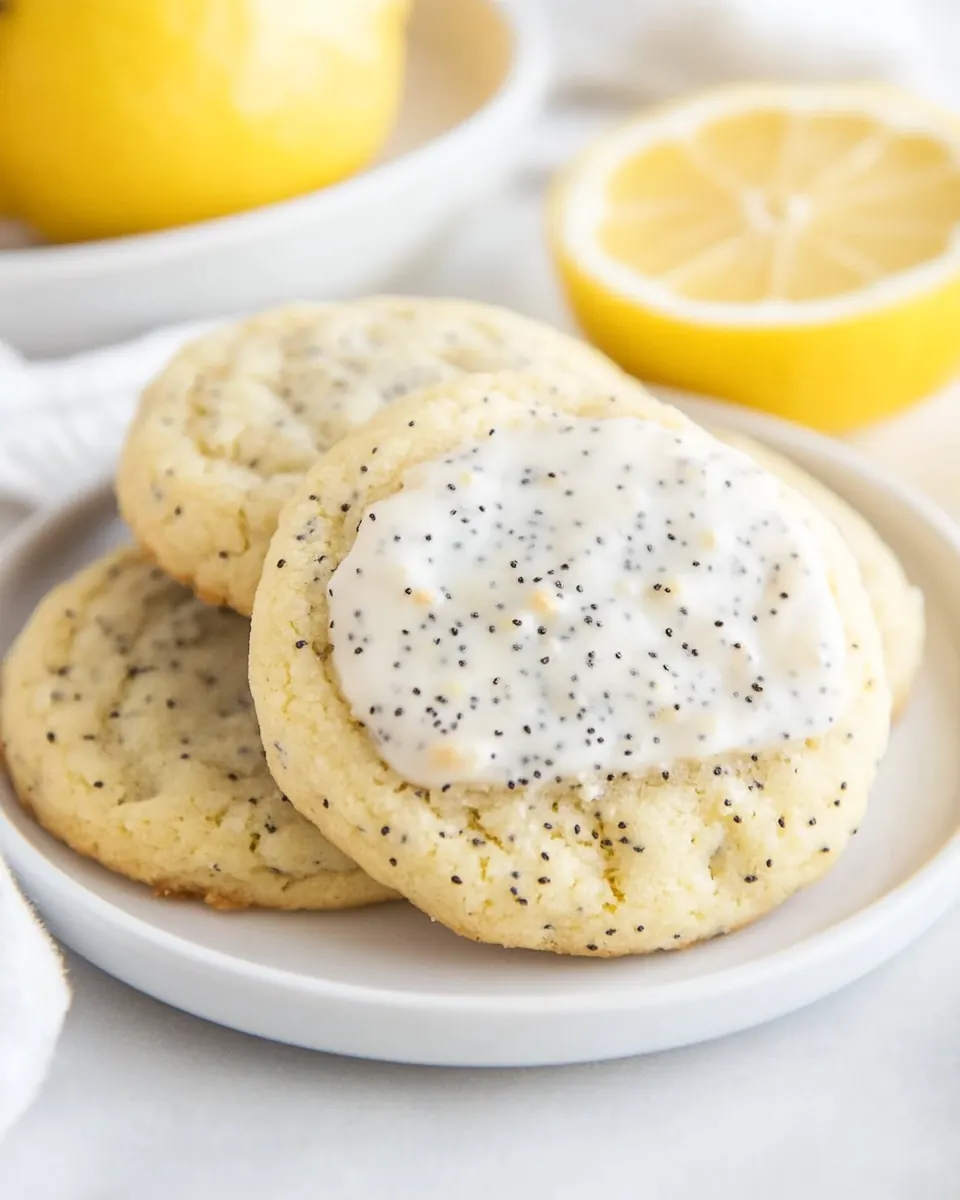
Lemon Poppy Seed Cookies
Lemon Poppy Seed Cookies came into my baking rotation on a rainy spring afternoon when I needed something bright and reassuring to bring to a neighbor’s tea. I remember pulling out a worn recipe card, dusting off my zester, and feeling oddly optimistic as the tiny flecks of yellow filled the bowl with citrus perfume. There was something comforting about stirring together simple pantry staples and watching dough coalesce into something that promised light, crisp edges and tender centers.
Over the years, I’ve tweaked the formula by feel, learning how much lemon zest makes the flavor sing and how a whisper of vanilla rounds the tartness. I love that these cookies are an easy way to show up for people without fuss, and they travel well when stacked in a tin. Each bite has a little crunch from the poppy seeds, and the glaze gives a glossy finish that catches the light.
Recipe Snapshot
26 mins
15 mins
11 mins
Medium
150 kcal
American
Gluten-Free, Low FODMAP
Desserts
cookie sheet, cookie scoop, zester, lemon squeezer, sifter
Why This Lemon Poppy Seed Cookies Stands Out
Bright citrus flavor that stands out
I adore how Lemon Poppy Seed Cookies deliver immediate lemon brightness, thanks to both zest and juice. When I take the first bite, the citrus aroma hits me first, then the glaze softens into a tender crumb. This dual approach to lemon makes the flavor clear and layered, not flat.
Textural contrast with a tiny surprise
The sprinkle of poppy seeds offers a subtle crunch against a soft cookie interior. I always notice how those tiny seeds create a nice mouthfeel contrast, and guests comment on it every time. That little detail elevates a simple cookie into something more memorable.
Easy techniques for home bakers
I love recipes that rely on straightforward steps and familiar tools like a cookie scoop and cookie sheet. These cookies are forgiving, so even if you are not a precision baker, you still get excellent results. I often encourage friends to focus on sensory cues rather than exact times.
Versatile for occasions and gifting
I’ve taken these cookies to spring picnics, afternoon teas, and potlucks. Their cheerful lemon glaze and delicate look make them ideal for gifting in a tin or plate. I find they pair well with a cup of tea or a light dessert spread, and they store nicely without losing texture.
Satisfying but not heavy
Because the dough balances butter and flour thoughtfully, these cookies are rich enough to be satisfying but not so heavy you need a nap afterward. I appreciate that balance, it’s the reason I keep this recipe handy when I want something classic yet bright.
Ingredients for Lemon Poppy Seed Cookies
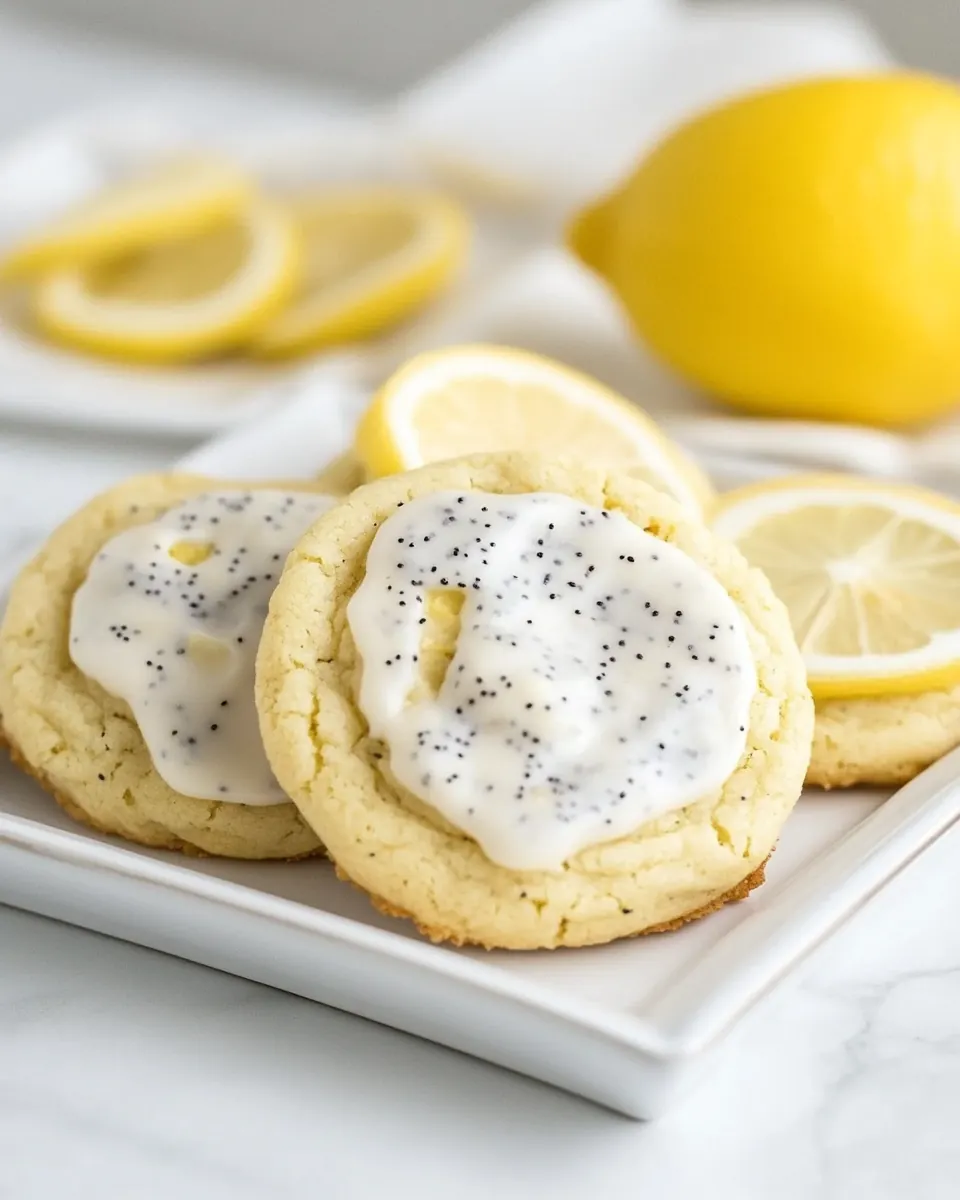
These ingredients are chosen to create harmony between flavor and texture. The key players are the butter for richness, the lemon components for brightness, and the poppy seeds for a delicate crunch. Each component pulls its weight so the cookie is tender, aromatic, and visually appealing.
- 1 cup unsalted butter, softened: Soften and cream to provide a rich, tender base for the cookie dough; contributes fat for flavor, moisture, and structure during baking. Ensure butter is at room temperature so it incorporates evenly with sugar, creating a light, aerated texture in the finished cookies.
- 1 1/4 cups white sugar: Sweeten and help aerate when creamed with butter, providing sweetness balance and contributing to cookie spread and texture. Measure accurately to avoid overly sweet or dense cookies; granulated sugar also aids in creating subtle crisp edges.
- 1 teaspoon vanilla extract: Add aromatic depth and a warm vanilla background that enhances other flavors without overpowering them. Stir in during creaming to distribute flavor evenly throughout the dough and complement the lemon notes.
- 2 tablespoons lemon juice: Provide bright citrus acidity that balances sweetness and activates leavening for a tender crumb and subtle tang. Combine with other wet ingredients to infuse the dough with fresh lemon flavor.
- 1 tablespoon lemon zest: Deliver concentrated citrus oils and intense brightness from the peel to amplify lemon flavor without extra liquid. Finely grate only the yellow portion to avoid bitterness and mix into the dough for even distribution.
- 1 large egg, room temperature: Bind ingredients together while adding richness and richness and slight lift from the protein content when baked. Use at room temperature so it emulsifies smoothly with butter and sugar, improving dough consistency.
- 3 cups all-purpose flour: Supply the primary dry structure via gluten and starch, forming the body of the cookies and providing chew and crumb once hydrated. Whisk or sift before measuring to avoid compacting and to ensure accurate volume for consistent results.
- 1 teaspoon baking powder: Offer gentle lift and help the cookies rise modestly for a light texture; works with baking soda and acids for balanced leavening. Dissolve or mix evenly into the dry ingredients to distribute its leavening power.
- 1/2 teaspoon baking soda: React with acids to assist leavening and contribute to browning and texture by altering pH slightly. Use as directed to control spread and encourage a tender crumb without metallic taste when balanced.
- 1/2 teaspoon salt: Enhance overall flavor by balancing sweetness and strengthening dough proteins; also helps control yeast or chemical leavening reactions. Incorporate with dry ingredients to ensure even seasoning and flavor enhancement.
- 2 tablespoons poppy seeds: Provide subtle nutty texture and a distinctive tiny crunch while dispensing concentrated visual and flavor contrast to the lemon. Stir into the dough so the seeds are evenly distributed and avoid grinding to preserve their texture.
- 3 cups powdered sugar, sifted: Form a smooth, sweet glaze base that adds a glossy, sweet coating and tender bite when combined with lemon and milk. Sift for lump-free texture and gradually whisk with liquids to achieve desired glazing consistency.
- 1/4 cup lemon juice: Add concentrated citrus tang to the glaze, balancing powdered sugar sweetness and reinforcing the cookie's lemon profile. Whisk thoroughly into the sugar mixture to ensure bright, even flavor in the finished icing.
- 2 tablespoons milk: Thin the glaze to a spreadable consistency while adding a touch of creaminess and mouthfeel to the icing. Stir in small amounts until desired consistency is reached to avoid an overly runny glaze.
- 2 teaspoons lemon zest: Amplify the glaze's lemon aroma with small, fragrant flecks that intensify the citrus presentation and appearance. Finely grate into the glaze and stir to distribute the bright zest flavor evenly across the cookies.
- 1/2 teaspoon vanilla extract: Round out the glaze with a hint of warm vanilla to complement the lemon and deepen overall flavor complexity. Add sparingly and mix thoroughly so the vanilla melds with the citrus notes without dominating them.
- lemon garnish: Provide a fresh visual finish and a burst of citrus scent when used as a garnish, enhancing presentation and reinforcing lemon flavor at serving. Thinly slice or twist and place atop cookies or alongside the plate for an attractive, aromatic accent.
The Method for Lemon Poppy Seed Cookies
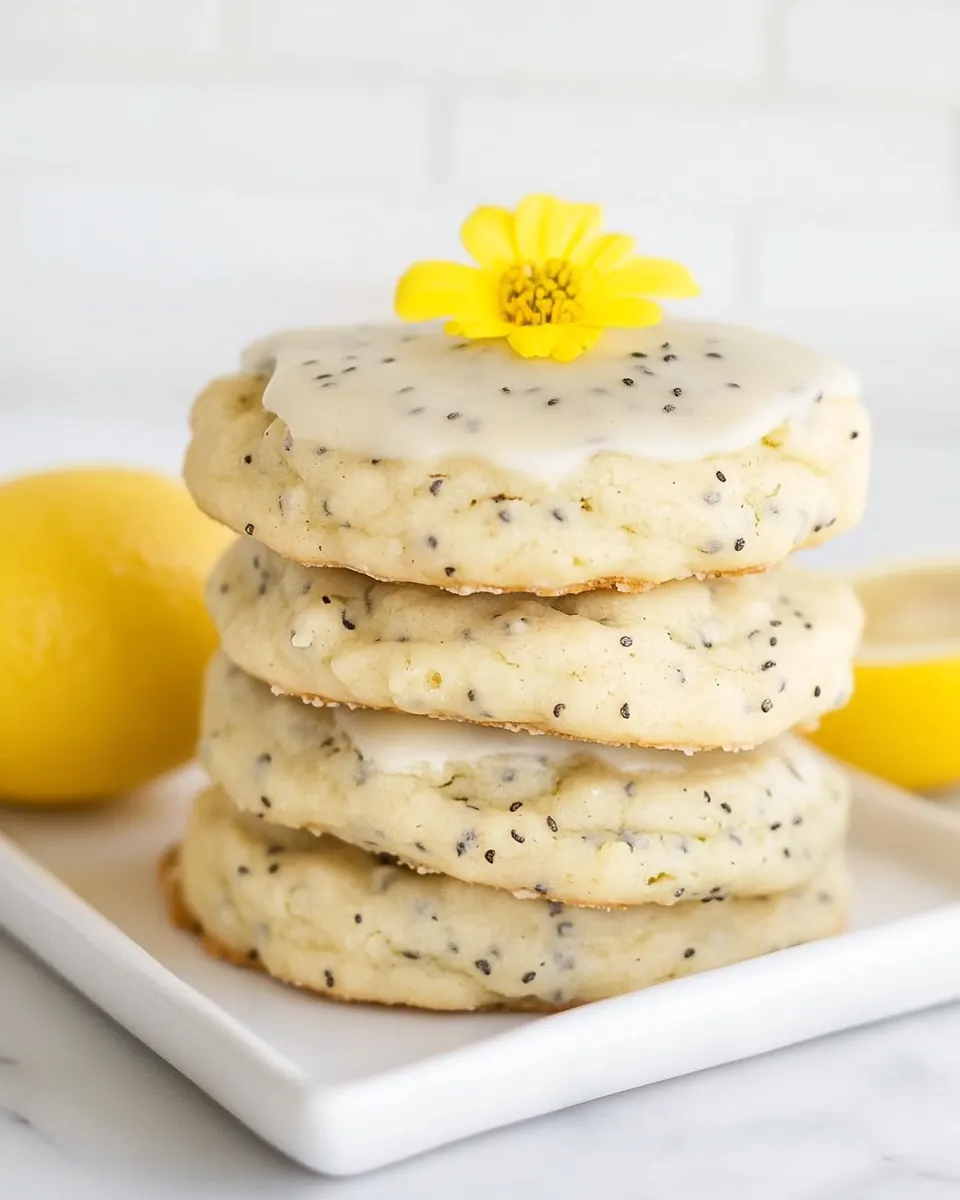
I like to keep the method conversational and clear because the small sensory cues make a huge difference when baking. Follow each step and pay attention to how the dough looks, smells, and feels. That will guide you to consistent results even if your oven runs slightly hot or your kitchen is humid.
- Preheat oven to 375°F and lightly grease two baking sheets. Set aside.: When the oven reaches 375°F , you will notice a faint warmth and a dry heated scent filling the kitchen, signaling it is ready to transform the dough. Proper preheating ensures cookies spread and bake evenly, creating edges that turn lightly golden while the centers stay tender. A common mistake is placing the tray in too early, which can yield uneven rise and texture. If your oven has hot spots, rotate the trays halfway through baking to keep color uniform.
- In a large bowl, cream butter and sugar until combined well. Add vanilla, lemon juice, lemon zest, and egg. Beat until light and fluffy.: You should hear a gentle whipping sound as the butter and sugar aerate, and the mixture will look paler and slightly fluffy, releasing a bright citrus aroma from the lemon zest . This step builds the cookie's structure and tenderness. Doing it too briefly gives dense cookies, while overbeating can incorporate too much air, causing cracks. Scrape the bowl down once so everything blends uniformly.
- In another bowl, whisk flour, baking powder, baking soda, salt, and poppy seeds.: Whisking combines the dry flour and leaveners evenly, while the poppy seeds disperse so every bite has a little crunch. You want a light, even color in the dry mix with no lumps, and the faint nutty scent from the poppy seeds will be noticeable. A common error is adding wet ingredients directly to unmixed flour, which can cause pockets of leavener and uneven rise.
- Add dry ingredients to wet ingredients and mix on low until just combined.: At low speed, the batter will come together without overworking the gluten in the flour , producing a tender crumb. Visually, you want no streaks of dry flour, but stop as soon as it looks homogeneous. Overmixing creates tough cookies that lose their delicate texture, so err on the side of undermixed, and fold by hand if needed to finish.
- Scoop dough into 1 1/2 inch balls using a medium cookie scoop and place on prepared baking sheets.: The dough should feel slightly tacky but hold its shape when scooped. Using a scoop ensures uniform size so cookies bake at the same rate. Place them with enough space to allow gentle spreading. If the dough is too soft to hold a ball, chill briefly; too firm and the cookies will be dense. A common pitfall is crowding the pan, which prevents proper air circulation and even browning.
- Bake for 9-11 minutes, or until the edges look lightly browned.: As they bake, you'll smell warm butter and citrus; the edges will take on a light golden hue while the centers remain pale and slightly soft. The difference in color is your visual cue to remove them. Overbaking dries the interior, so pull them when edges are set but centers still give slightly when pressed. If your oven runs hot, start checking at the earlier end of the time window.
- Make icing by mixing powdered sugar, lemon juice, milk, zest, and vanilla until combined. Ice cookies with a spatula once cookies have cooled.: The glaze should be glossy and smooth, easily spreadable but not runny, giving a delicate sheen and a burst of lemon on each bite. Apply when cookies are fully cooled so the icing sets instead of melting into the cookie. If the glaze is too thin, it will soak in and make the texture soggy; if too thick, it will crack. Adjust consistency with small amounts of milk or powdered sugar until it spreads and dries to a pleasant finish.
How to Switch It Up
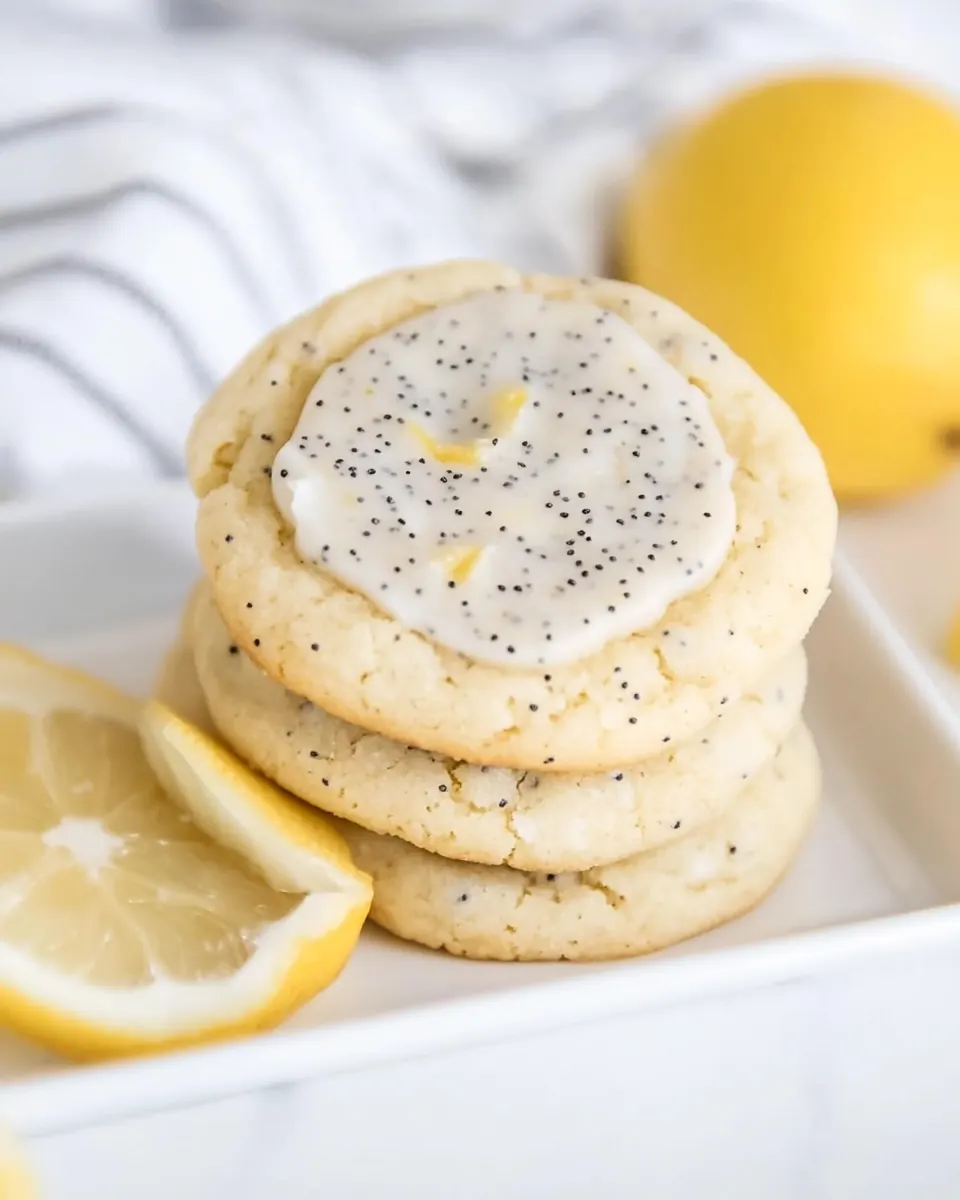
If you want to vary these cookies, small adjustments can change texture and flavor without breaking the recipe. Below are practical ideas to adapt the recipe for different preferences and presentations.
- Swap citrus intensity Increase or decrease the amount of lemon zest in the dough and glaze to make the citrus more or less pronounced.
- Adjust sweetness For a less sweet finish, reduce the powdered sugar in the glaze slightly, watching consistency so it still sets properly.
- Change texture Chill the dough longer for thicker cookies with a soft center, or scoop and bake immediately for thinner, crisper edges.
- Presentation tweak Pipe the glaze for a decorative look, or use a small brush to paint thin ribbons of glaze across each cookie.
- Make-ahead option Store the baked, unglazed cookies in an airtight container, then glaze just before serving to maintain crisp edges.
- Batch scaling Multiply the dough evenly and chill in logs to slice and bake fresh cookies over several days for consistent results.
Perfect Matches for Lemon Poppy Seed Cookies
These cookies pair wonderfully with mild beverages and light accompaniments. Consider how you present them for gatherings or small, thoughtful gifts.
- Tea time pairing Serve with delicate herbal or green teas to complement the lemon brightness without overpowering it.
- Brunch spread Place on a pastry plate alongside fresh fruit and simple scones for a spring brunch offering.
- Gift presentation Stack in a tin with parchment paper layers and tie with a ribbon for a charming homemade gift.
- Occasion ideas These are ideal for spring gatherings, baby showers, and light dessert trays at afternoon events.
- Storage tips Keep unglazed cookies in an airtight container at room temperature for up to three days, then glaze before serving for a fresher finish.
- Seasonal pairing The citrus notes make these especially suitable for warmer months when lighter flavors are preferred.
FAQ
Conclusion
These Lemon Poppy Seed Cookies shine because they balance bright citrus with a tender, buttery crumb and a whisper of crunch. I encourage you to give them a try, whether for a spring gathering, a thoughtful gift, or a simple afternoon treat. They bake quickly, store well, and bring a sunny note to any moment. Share a batch with friends, and you might find this recipe becoming a repeat favorite in your rotation.
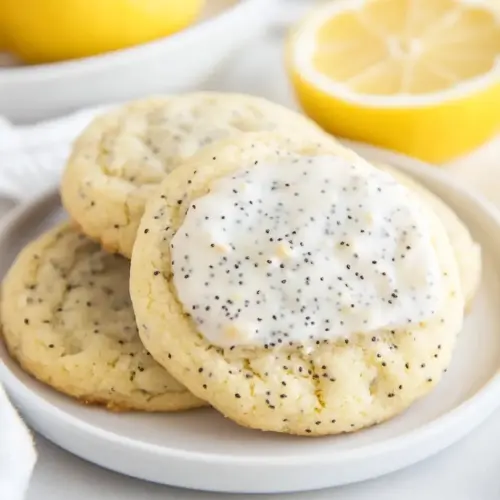
Lemon Poppy Seed Cookies
Equipment
- Cookie Sheet
- Cookie Scoop
- Zester
- lemon squeezer
- Sifter
Ingredients
- 1 cup unsalted butter, softened Soften and cream to provide a rich, tender base for the cookie dough; contributes fat for flavor, moisture, and structure during baking. Ensure butter is at room temperature so it incorporates evenly with sugar, creating a light, aerated texture in the finished cookies.
- 1 1/4 cups white sugar Sweeten and help aerate when creamed with butter, providing sweetness balance and contributing to cookie spread and texture. Measure accurately to avoid overly sweet or dense cookies; granulated sugar also aids in creating subtle crisp edges.
- 1 teaspoon vanilla extract Add aromatic depth and a warm vanilla background that enhances other flavors without overpowering them. Stir in during creaming to distribute flavor evenly throughout the dough and complement the lemon notes.
- 2 tablespoons lemon juice Provide bright citrus acidity that balances sweetness and activates leavening for a tender crumb and subtle tang. Combine with other wet ingredients to infuse the dough with fresh lemon flavor.
- 1 tablespoon lemon zest Deliver concentrated citrus oils and intense brightness from the peel to amplify lemon flavor without extra liquid. Finely grate only the yellow portion to avoid bitterness and mix into the dough for even distribution.
- 1 large egg, room temperature Bind ingredients together while adding richness and richness and slight lift from the protein content when baked. Use at room temperature so it emulsifies smoothly with butter and sugar, improving dough consistency.
- 3 cups all-purpose flour Supply the primary dry structure via gluten and starch, forming the body of the cookies and providing chew and crumb once hydrated. Whisk or sift before measuring to avoid compacting and to ensure accurate volume for consistent results.
- 1 teaspoon baking powder Offer gentle lift and help the cookies rise modestly for a light texture; works with baking soda and acids for balanced leavening. Dissolve or mix evenly into the dry ingredients to distribute its leavening power.
- 1/2 teaspoon baking soda React with acids to assist leavening and contribute to browning and texture by altering pH slightly. Use as directed to control spread and encourage a tender crumb without metallic taste when balanced.
- 1/2 teaspoon salt Enhance overall flavor by balancing sweetness and strengthening dough proteins; also helps control yeast or chemical leavening reactions. Incorporate with dry ingredients to ensure even seasoning and flavor enhancement.
- 2 tablespoons poppy seeds Provide subtle nutty texture and a distinctive tiny crunch while dispensing concentrated visual and flavor contrast to the lemon. Stir into the dough so the seeds are evenly distributed and avoid grinding to preserve their texture.
- 3 cups powdered sugar, sifted Form a smooth, sweet glaze base that adds a glossy, sweet coating and tender bite when combined with lemon and milk. Sift for lump-free texture and gradually whisk with liquids to achieve desired glazing consistency.
- 1/4 cup lemon juice Add concentrated citrus tang to the glaze, balancing powdered sugar sweetness and reinforcing the cookie's lemon profile. Whisk thoroughly into the sugar mixture to ensure bright, even flavor in the finished icing.
- 2 tablespoons milk Thin the glaze to a spreadable consistency while adding a touch of creaminess and mouthfeel to the icing. Stir in small amounts until desired consistency is reached to avoid an overly runny glaze.
- 2 teaspoons lemon zest Amplify the glaze's lemon aroma with small, fragrant flecks that intensify the citrus presentation and appearance. Finely grate into the glaze and stir to distribute the bright zest flavor evenly across the cookies.
- 1/2 teaspoon vanilla extract Round out the glaze with a hint of warm vanilla to complement the lemon and deepen overall flavor complexity. Add sparingly and mix thoroughly so the vanilla melds with the citrus notes without dominating them.
- lemon garnish Provide a fresh visual finish and a burst of citrus scent when used as a garnish, enhancing presentation and reinforcing lemon flavor at serving. Thinly slice or twist and place atop cookies or alongside the plate for an attractive, aromatic accent.
Instructions
- Preheat oven to 375°F and lightly grease two baking sheets. Set aside.: When the oven reaches 375°F , you will notice a faint warmth and a dry heated scent filling the kitchen, signaling it is ready to transform the dough. Proper preheating ensures cookies spread and bake evenly, creating edges that turn lightly golden while the centers stay tender. A common mistake is placing the tray in too early, which can yield uneven rise and texture. If your oven has hot spots, rotate the trays halfway through baking to keep color uniform.
- In a large bowl, cream butter and sugar until combined well. Add vanilla, lemon juice, lemon zest, and egg. Beat until light and fluffy.: You should hear a gentle whipping sound as the butter and sugar aerate, and the mixture will look paler and slightly fluffy, releasing a bright citrus aroma from the lemon zest . This step builds the cookie's structure and tenderness. Doing it too briefly gives dense cookies, while overbeating can incorporate too much air, causing cracks. Scrape the bowl down once so everything blends uniformly.
- In another bowl, whisk flour, baking powder, baking soda, salt, and poppy seeds.: Whisking combines the dry flour and leaveners evenly, while the poppy seeds disperse so every bite has a little crunch. You want a light, even color in the dry mix with no lumps, and the faint nutty scent from the poppy seeds will be noticeable. A common error is adding wet ingredients directly to unmixed flour, which can cause pockets of leavener and uneven rise.
- Add dry ingredients to wet ingredients and mix on low until just combined.: At low speed, the batter will come together without overworking the gluten in the flour , producing a tender crumb. Visually, you want no streaks of dry flour, but stop as soon as it looks homogeneous. Overmixing creates tough cookies that lose their delicate texture, so err on the side of undermixed, and fold by hand if needed to finish.
- Scoop dough into 1 1/2 inch balls using a medium cookie scoop and place on prepared baking sheets.: The dough should feel slightly tacky but hold its shape when scooped. Using a scoop ensures uniform size so cookies bake at the same rate. Place them with enough space to allow gentle spreading. If the dough is too soft to hold a ball, chill briefly; too firm and the cookies will be dense. A common pitfall is crowding the pan, which prevents proper air circulation and even browning.
- Bake for 9-11 minutes, or until the edges look lightly browned.: As they bake, you'll smell warm butter and citrus; the edges will take on a light golden hue while the centers remain pale and slightly soft. The difference in color is your visual cue to remove them. Overbaking dries the interior, so pull them when edges are set but centers still give slightly when pressed. If your oven runs hot, start checking at the earlier end of the time window.
- Make icing by mixing powdered sugar, lemon juice, milk, zest, and vanilla until combined. Ice cookies with a spatula once cookies have cooled.: The glaze should be glossy and smooth, easily spreadable but not runny, giving a delicate sheen and a burst of lemon on each bite. Apply when cookies are fully cooled so the icing sets instead of melting into the cookie. If the glaze is too thin, it will soak in and make the texture soggy; if too thick, it will crack. Adjust consistency with small amounts of milk or powdered sugar until it spreads and dries to a pleasant finish.
Notes
- Swap citrus intensity Increase or decrease the amount of lemon zest in the dough and glaze to make the citrus more or less pronounced.
- Adjust sweetness For a less sweet finish, reduce the powdered sugar in the glaze slightly, watching consistency so it still sets properly.
- Change texture Chill the dough longer for thicker cookies with a soft center, or scoop and bake immediately for thinner, crisper edges.
- Presentation tweak Pipe the glaze for a decorative look, or use a small brush to paint thin ribbons of glaze across each cookie.
- Make-ahead option Store the baked, unglazed cookies in an airtight container, then glaze just before serving to maintain crisp edges.
- Batch scaling Multiply the dough evenly and chill in logs to slice and bake fresh cookies over several days for consistent results.
