Muffin Tin Potatoes
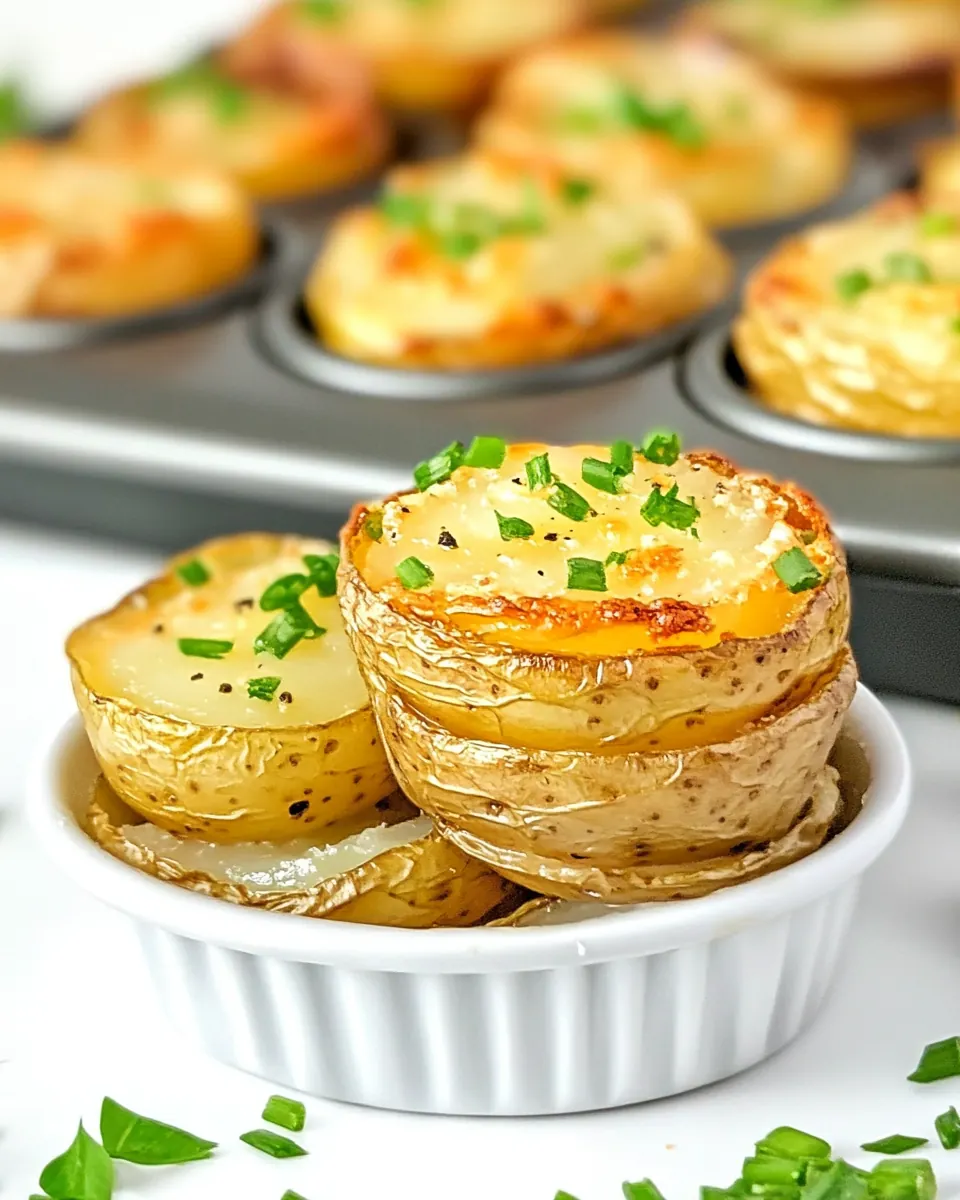
Muffin Tin Potatoes is one of those cozy, hands on recipes I turn to when I want something comforting yet a little playful on the plate. The first time I made these I was after a way to serve potatoes that felt special without a lot of fuss, and the neat little stacks coming out of a muffin pan felt like a small victory worth celebrating. I remember the thin potato edges curling and crisping as the oven worked, and the aroma of roasted potato and herbs drifting through the kitchen made everyone lean in to ask what was baking.
Over the years I have tweaked the technique to get reliably tender centers and golden, lacy edges. I like how the recipe reveals tiny differences in texture with each layer, and how a simple pour of cream before baking turns the stacks into rich, almost gratin like bites. When friends come over I often serve these alongside a bigger main, but on a slow afternoon they can be the centerpiece of a cozy meal. You will notice how each stack holds together when slightly cooled, making them great to plate neatly or to pass around family style.
Recipe Snapshot
50 mins
15 mins
35 mins
Medium
250 kcal
American
Gluten-Free, Low FODMAP
Side Dishes
Vegetable Peeler, Hand-Held Mandoline Slicer, Muffin Pan
Why This Muffin Tin Potatoes Stands Out
Why these feel special
I adore Muffin Tin Potatoes because they transform humble potatoes into elegant, single serve portions with minimal effort. Layering thin slices yields contrasting textures where the edges crisp while the inner layers stay tender and buttery.
Consistent results every time
When I use a mandoline to slice the potatoes, the uniform thickness means even cooking and no guessing. That precision makes this recipe forgiving, so you get predictable, golden stacks rather than unevenly cooked pieces.
Customizable and crowd friendly
These stacks scale easily for company, and they pair with many mains because the base is simply seasoned. I like that they can be dressed up with other toppings if I want to impress later, yet they are perfectly satisfying as written.
Comfort without heaviness
The touch of heavy cream adds silkiness without making them soggy, giving a gratin like richness in a smaller package. You get creamy interiors and crisp exteriors, which is a lovely contrast on the fork.
Effort meets presentation
There is something joyful about lifting neat stacks from a muffin pan and arranging them on a platter. For small gatherings, guests appreciate the individual portions, and I enjoy the visual payoff of simple technique producing impressive results.
Essential Ingredients for Muffin Tin Potatoes

These ingredients are intentionally few, because the goal is to highlight the potato with gentle seasoning and a bit of cream for richness. The key players are the potatoes, which provide texture and body, the dried rosemary and seasoning to build savory flavor, and the heavy cream to bind and enrich the stacks while they bake. Together they create a simple flavor profile that lets technique shine.
- 4 medium russet potatoes, about 3/4 pound each: Peel and dice into uniform cubes to ensure even roasting throughout the muffin tin; provides the starchy base and bulk of the dish with a fluffy interior and crisp exterior when baked. Choose firm, dry russets for best texture and to absorb seasoning and cream without falling apart. Cut pieces to fit muffin wells for consistent cooking time and attractive presentation.
- 1 tbsp dried rosemary, or to taste: Infuse a fragrant, piney note by sprinkling in dried form; acts as the primary herbaceous flavor that complements the potatoes and cream. Crush lightly between fingers before adding to release essential oils and distribute evenly across the muffin cups. Adjust amount to taste since dried rosemary is concentrated and can become overpowering if overused.
- garlic salt, to taste: Season generously to introduce savory, garlicky saltiness that enhances overall flavor and brings brightness to the creamy potatoes. Use to taste and distribute evenly over the potato pieces so each bite is well-seasoned. Combine with pepper and rosemary for a balanced savory profile.
- black pepper, to taste: Add freshly ground black pepper to provide mild heat and aromatic warmth that cuts through the richness of the cream. Grind over the potatoes before baking so the pepper's volatile oils release and infuse the dish. Use to taste to achieve a gentle piquant finish without overwhelming the other seasonings.
- 3/4 cup heavy cream: Pour over the assembled potatoes to create a rich, luscious coating that helps bind seasonings and yields tender interiors during baking. Use heavy cream for its high fat content, which promotes browning and a silky mouthfeel while preventing dryness. Measure accurately to avoid sogginess in the muffin wells.
Step by Step Instructions for Muffin Tin Potatoes
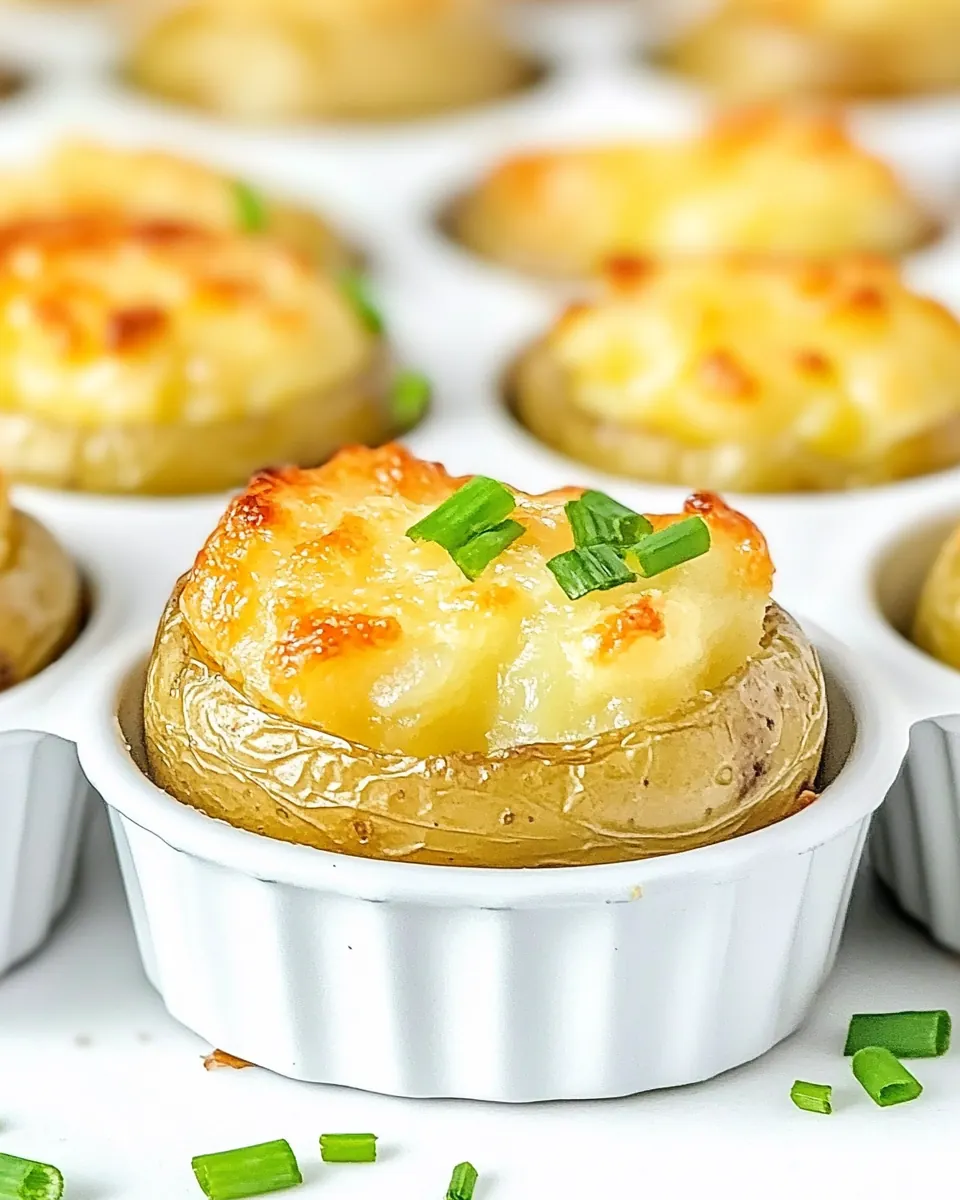
These directions are straightforward, but they reward patience and attention to sensory cues. Read through the steps first so you know how the stacks should look and feel as they bake, then follow along for steady results.
- Preheat oven to 400ºF. Spray standard muffin cups with cooking spray.: As the oven warms the air will carry a faint metal warm scent and the interior light will glow, signaling it is ready. Preheating ensures the stacks start cooking immediately, promoting crisp edges. Spraying the muffin cups prevents sticking and helps you lift the portions out cleanly after baking. A frequent misstep is skipping preheat, which can lead to longer bake times and less even browning; always wait until the oven reaches the correct temperature before inserting the pan.
- Clean and peel the potatoes with a vegetable peeler. Thinly slice potatoes with a mandoline slicer.: When you peel the potatoes the skin comes away in smooth ribbons, and the exposed flesh looks pale and matte. Using a mandoline produces paper thin slices that fan when lifted, which is crucial for even cooking. You should hear a soft whispering sound as slices separate and feel cool, moist surfaces. One trap is pressing too hard on the mandoline, which can produce jagged edges or uneven thickness; use steady, gentle pressure and a guard for safety.
- Place 2 slices in each muffin cup and season with garlic salt, ground pepper, and dried rosemary. Continue adding potatoes, seasoning every two slices, until cups are filled.: As you build each stack, the layers compress and create a subtle fragrance of raw potatoes and herbs. Seasoning every couple slices ensures the flavor penetrates each layer instead of sitting only on the surface. You will notice small gaps close as the stack gets higher, and the topmost edge begins to show the sliced ridges. A common error is over seasoning the bottom only, which gives uneven taste; distribute the seasonings evenly for balanced bites.
- Pour 1 tablespoon heavy cream over each potato stack.: As the cream hits the top of a stack it will bead and then slowly sink between slices, carrying herbs with it. That initial glossy sheen is a good visual cue that you used the right amount. The cream helps steam the inner layers while also contributing to browning at the surface. Avoid pouring too much at once, as excess liquid can pool and prevent crisp edges from forming.
- Bake until potatoes are golden brown and tender when pierced with a knife, 30-35 minutes.: During baking you will hear occasional gentle bubbling and see steam escaping from the pan, and the tops will develop a warm, toasty brown. A knife should slide through with little resistance, indicating tender centers. The aroma will deepen into roasted, herb scented notes. If the edges brown too quickly, move the pan to a lower rack; rushing this step with higher heat risks burnt edges and raw centers.
- Run a thin knife around each gratin and gently lift the potato stacks from the muffin pan.: After resting briefly the stacks become firmer and easier to release. Running a thin knife around the edge loosens any caramelized bits, and you should feel a slight give as the stack releases from the cup. Lift gently and the bottom will show a golden lace where the edges crisped. Forcing them out too soon can break the stack, so be patient and loosen fully before lifting.
Tips and Tricks about Muffin Tin Potatoes
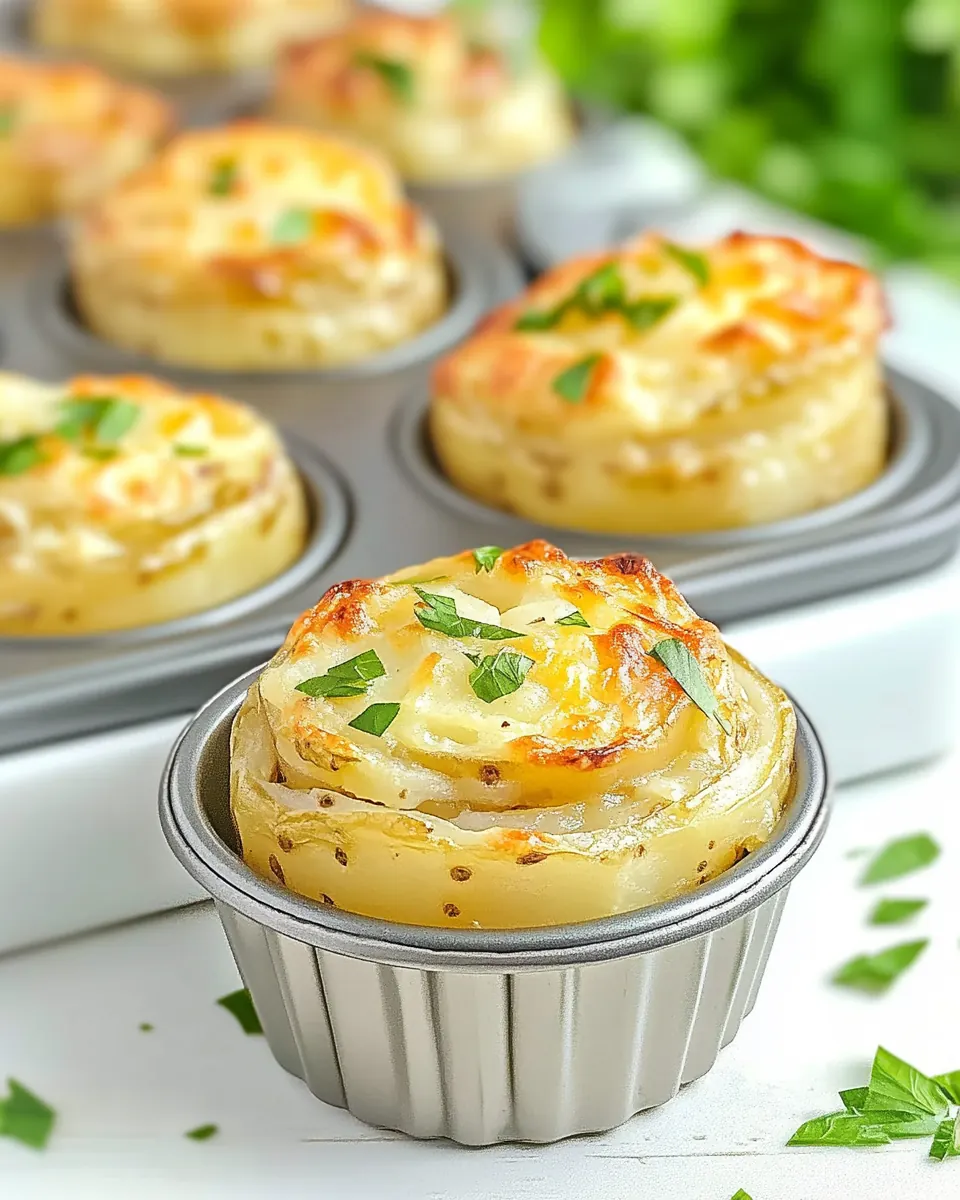
These tips will help you get consistent, impressive results and adapt the recipe to different occasions. Small technique choices make a big visual and textural difference, so I share what I have learned the hard way in the kitchen.
- Slice thin and steady, using a mandoline set to a thin setting gives even layers that cook uniformly and crisp at the edges while staying tender inside.
- Choose starchy or all purpose potatoes, such as russet, because they develop a fluffy interior and brown edges, which is what makes the stacks so appealing.
- Season as you stack, sprinkling garlic salt, black pepper, and rosemary every two slices ensures built in flavor throughout the bite rather than only on the surface.
- Measure the cream, about one tablespoon of heavy cream per cup is enough to enrich without soaking the layers, keeping the exterior crisp.
- Use cooking spray liberally, a well greased muffin cup helps the stack release cleanly and showcases the golden sides without tearing.
- Rest before unmolding, allowing the stacks to cool for a few minutes firms them up and reduces the chance of them falling apart when lifted.
How to Serve Muffin Tin Potatoes
These little stacks are versatile and work for casual and slightly dressier meals. Think about temperature, accompaniments, and presentation when planning how to serve them. They travel well from oven to table, and their single serve size makes plating a breeze.
- As a side for weeknight dinner, serve warm alongside roasted vegetables or a simple protein for a cozy, balanced plate.
- For holiday or entertaining, arrange on a platter garnished with additional dried rosemary or a dusting of freshly cracked black pepper to add visual contrast.
- Storage, keep leftovers in an airtight container in the refrigerator for up to three days to preserve texture and flavor.
- Reheating, warm gently in the microwave or in a hot oven to restore some crispness to the edges without drying out the interior.
- Occasions, these are great for brunch, lunch, Ramadan if serving a savory side, or anytime you want a hand held, comforting accompaniment.
- Portioning, one or two stacks per person makes a perfect side depending on appetite, and they work well on buffet spreads where guests can help themselves.
FAQ
Conclusion
Muffin Tin Potatoes shine because they make a simple ingredient feel celebratory, with crisp edges and creamy interiors from thoughtful layering and a touch of cream. Give them a try when you want an approachable side that looks special without complicated steps. The rewarding texture contrast and ease of portioning make these stacks a go to for weekday dinners and small gatherings alike, and once you master the slicing and seasoning rhythm you will find yourself returning to this method again and again.
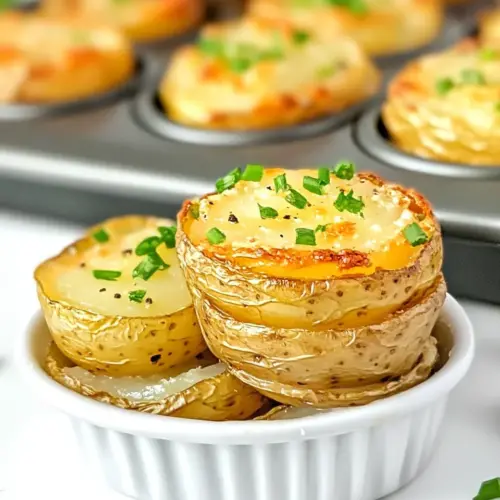
Muffin Tin Potatoes
Equipment
- Vegetable Peeler
- Hand-Held Mandoline Slicer
- Muffin Pan
Ingredients
- 4 medium russet potatoes, about 3/4 pound each Peel and dice into uniform cubes to ensure even roasting throughout the muffin tin; provides the starchy base and bulk of the dish with a fluffy interior and crisp exterior when baked. Choose firm, dry russets for best texture and to absorb seasoning and cream without falling apart. Cut pieces to fit muffin wells for consistent cooking time and attractive presentation.
- 1 tbsp dried rosemary, or to taste Infuse a fragrant, piney note by sprinkling in dried form; acts as the primary herbaceous flavor that complements the potatoes and cream. Crush lightly between fingers before adding to release essential oils and distribute evenly across the muffin cups. Adjust amount to taste since dried rosemary is concentrated and can become overpowering if overused.
- garlic salt, to taste Season generously to introduce savory, garlicky saltiness that enhances overall flavor and brings brightness to the creamy potatoes. Use to taste and distribute evenly over the potato pieces so each bite is well-seasoned. Combine with pepper and rosemary for a balanced savory profile.
- black pepper, to taste Add freshly ground black pepper to provide mild heat and aromatic warmth that cuts through the richness of the cream. Grind over the potatoes before baking so the pepper's volatile oils release and infuse the dish. Use to taste to achieve a gentle piquant finish without overwhelming the other seasonings.
- 3/4 cup heavy cream Pour over the assembled potatoes to create a rich, luscious coating that helps bind seasonings and yields tender interiors during baking. Use heavy cream for its high fat content, which promotes browning and a silky mouthfeel while preventing dryness. Measure accurately to avoid sogginess in the muffin wells.
Instructions
- Preheat oven to 400ºF. Spray standard muffin cups with cooking spray.: As the oven warms the air will carry a faint metal warm scent and the interior light will glow, signaling it is ready. Preheating ensures the stacks start cooking immediately, promoting crisp edges. Spraying the muffin cups prevents sticking and helps you lift the portions out cleanly after baking. A frequent misstep is skipping preheat, which can lead to longer bake times and less even browning; always wait until the oven reaches the correct temperature before inserting the pan.
- Clean and peel the potatoes with a vegetable peeler. Thinly slice potatoes with a mandoline slicer.: When you peel the potatoes the skin comes away in smooth ribbons, and the exposed flesh looks pale and matte. Using a mandoline produces paper thin slices that fan when lifted, which is crucial for even cooking. You should hear a soft whispering sound as slices separate and feel cool, moist surfaces. One trap is pressing too hard on the mandoline, which can produce jagged edges or uneven thickness; use steady, gentle pressure and a guard for safety.
- Place 2 slices in each muffin cup and season with garlic salt, ground pepper, and dried rosemary. Continue adding potatoes, seasoning every two slices, until cups are filled.: As you build each stack, the layers compress and create a subtle fragrance of raw potatoes and herbs. Seasoning every couple slices ensures the flavor penetrates each layer instead of sitting only on the surface. You will notice small gaps close as the stack gets higher, and the topmost edge begins to show the sliced ridges. A common error is over seasoning the bottom only, which gives uneven taste; distribute the seasonings evenly for balanced bites.
- Pour 1 tablespoon heavy cream over each potato stack.: As the cream hits the top of a stack it will bead and then slowly sink between slices, carrying herbs with it. That initial glossy sheen is a good visual cue that you used the right amount. The cream helps steam the inner layers while also contributing to browning at the surface. Avoid pouring too much at once, as excess liquid can pool and prevent crisp edges from forming.
- Bake until potatoes are golden brown and tender when pierced with a knife, 30-35 minutes.: During baking you will hear occasional gentle bubbling and see steam escaping from the pan, and the tops will develop a warm, toasty brown. A knife should slide through with little resistance, indicating tender centers. The aroma will deepen into roasted, herb scented notes. If the edges brown too quickly, move the pan to a lower rack; rushing this step with higher heat risks burnt edges and raw centers.
- Run a thin knife around each gratin and gently lift the potato stacks from the muffin pan.: After resting briefly the stacks become firmer and easier to release. Running a thin knife around the edge loosens any caramelized bits, and you should feel a slight give as the stack releases from the cup. Lift gently and the bottom will show a golden lace where the edges crisped. Forcing them out too soon can break the stack, so be patient and loosen fully before lifting.
Notes
- Slice thin and steady, using a mandoline set to a thin setting gives even layers that cook uniformly and crisp at the edges while staying tender inside.
- Choose starchy or all purpose potatoes, such as russet, because they develop a fluffy interior and brown edges, which is what makes the stacks so appealing.
- Season as you stack, sprinkling garlic salt, black pepper, and rosemary every two slices ensures built in flavor throughout the bite rather than only on the surface.
- Measure the cream, about one tablespoon of heavy cream per cup is enough to enrich without soaking the layers, keeping the exterior crisp.
- Use cooking spray liberally, a well greased muffin cup helps the stack release cleanly and showcases the golden sides without tearing.
- Rest before unmolding, allowing the stacks to cool for a few minutes firms them up and reduces the chance of them falling apart when lifted.