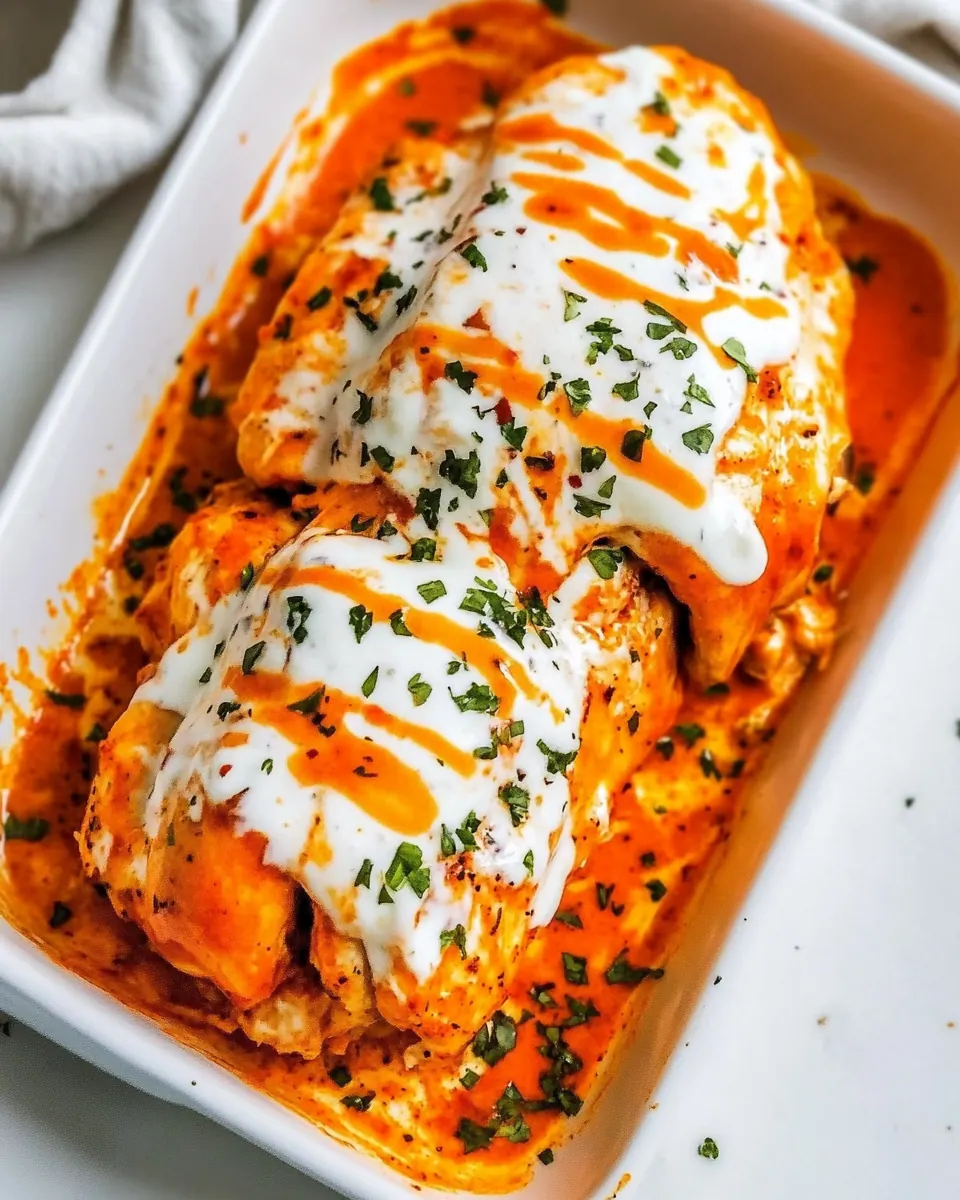
Stuffed Buffalo Chicken
Stuffed Buffalo Chicken is one of those recipes I reach for when I want bold flavor without a lot of fuss.
I first made this dish on a rainy weekday evening when I had leftover cream cheese and a bottle of Buffalo sauce in the fridge. I decided to turn them into something comforting, and the result was a plate of tender chicken pockets oozing tangy, creamy filling. That first bite was so satisfying I remember pausing the movie and savoring the combination of warm, spicy sauce and the cooling ranch notes.
Since then I’ve served Stuffed Buffalo Chicken to friends on game night and to family for a casual dinner, and it never fails to disappear fast. This recipe feels approachable, yet special enough to bring out when you want to impress without stress. The textures play together beautifully, with the soft, rich filling contrasting the seared exterior of the chicken.
Recipe Snapshot
40 mins
15 mins
25 mins
Medium
450 kcal
American
Keto, Gluten-Free
Dinner
Cast Iron Skillet
What Makes This Stuffed Buffalo Chicken Special
1. Bold but Balanced Flavor
I love how Stuffed Buffalo Chicken delivers a real punch from the Buffalo sauce while the cream cheese and ranch dressing mellow the heat, creating layers of taste. The spicy, tangy sauce brightens every bite, while the dairy adds silkiness, so you get heat and comfort in one forkful.
2. Crowd Friendly and Shareable
When I bring this dish to gatherings, it vanishes quickly. Each stuffed breast is a portable portion, and you can easily scale the recipe up. The composition makes it ideal for game day or a casual dinner, because everyone gets a generous, well seasoned serving without complicated plating.
3. Simple Technique, Impressive Results
The method is straightforward, yet it yields a restaurant worthy presentation. You only need a few reliable techniques like searing and gentle covered cooking to ensure the chicken cooks through while keeping the filling creamy. I find that mastering these few steps gives you big payoff every time.
4. Flexible to Taste and Occasion
We can easily tune the heat level by adjusting the amount of Buffalo sauce, or offer extra ranch for milder palates. I often add extra chopped green onion on top for brightness. The recipe works equally well for a weeknight dinner or a casual celebration, which makes it a dependable go to in my rotation.
5. Textural Contrast That Satisfies
The creamy filling, the seared outer layer of the chicken, and the crunchy pop of optional crumbled blue cheese create a nice interplay of textures. That contrast is what keeps each bite interesting and makes people come back for more.
What’s In This Stuffed Buffalo Chicken
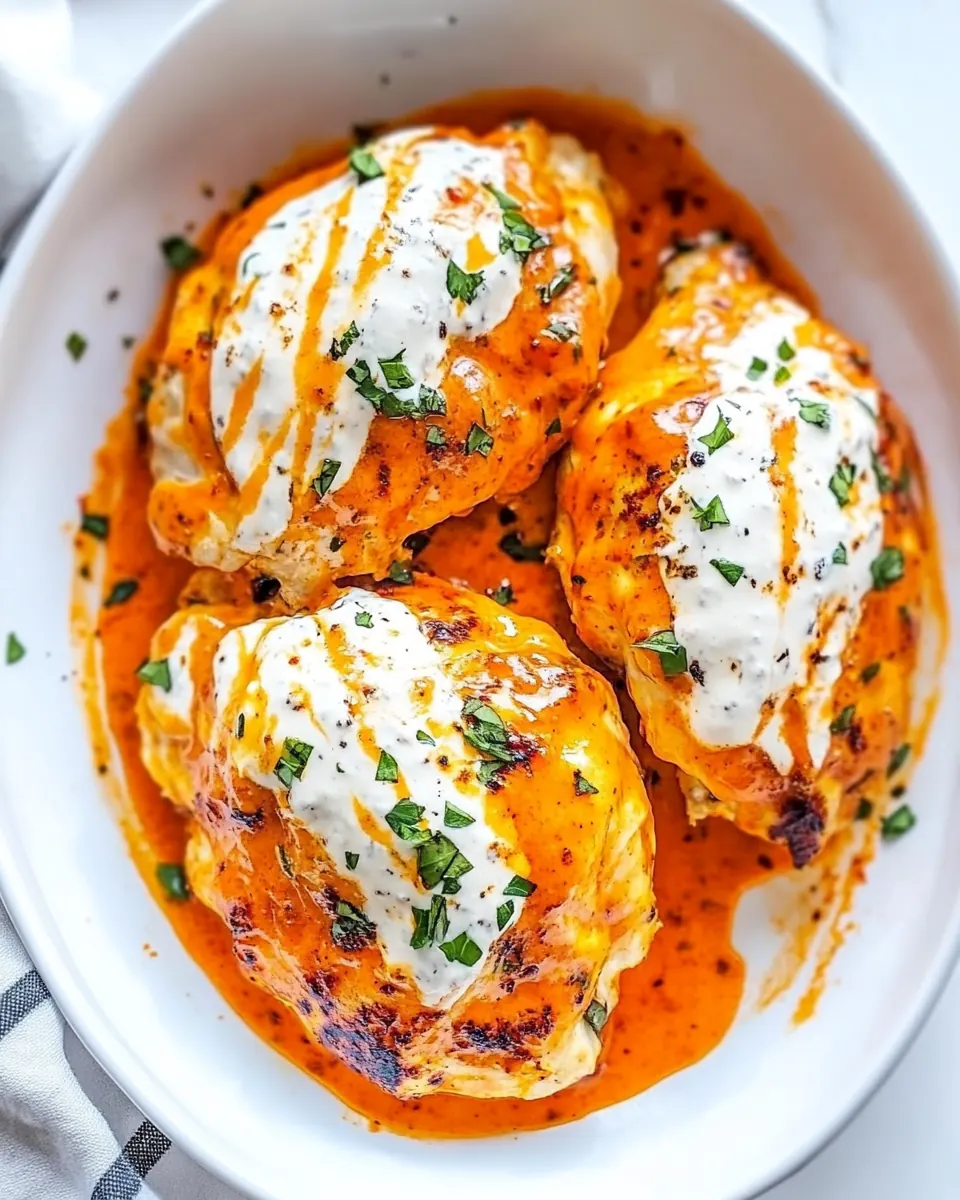
These ingredients are chosen to create a harmonious balance of spice, creaminess, and savory depth. The core players are the filling components which soothe the heat, the chicken which provides a meaty canvas, and the finishing elements that boost flavor and texture. Together they make a cohesive dish that tastes richer than the sum of its parts.
- 8 ounces cream cheese (1 brick): Soften to room temperature and blend smoothly into the filling to create a rich, creamy base that binds other ingredients and adds tangy, smooth texture when stuffed into the chicken breasts.
- 1/2 cup shredded cheddar cheese: Melt and fold into the cream cheese mixture to introduce a sharp, savory flavor and provide a gooey, cheesy contrast that browns slightly when baked or seared.
- 1/4 cup ranch dressing (plus more for topping *): Add creaminess and a tangy, herby note to balance the heat while thinning the filling slightly; reserve a small amount for drizzling on top if desired.
- 1/4 cup chopped green onion (plus more for topping): Chop finely and stir into the filling to deliver a mild oniony bite and fresh green color; reserve extra for sprinkling over the finished dish for brightness.
- 4 boneless, skinless chicken breasts: Pound or butterfly and stuff with the cheese mixture, serving as the main protein and vessel for the filling; cook until juicy and fully cooked through to pair with the spicy sauce.
- 4 tablespoons olive oil (divided): Divide between cooking the chicken and sautéing if needed; use part to sear or roast the breasts and the rest to coat or finish the dish, adding a subtle fruitiness.
- 1/2 teaspoon kosher salt: Season the chicken and filling evenly to enhance overall flavor without overpowering; help bring out other ingredients while ensuring balanced seasoning throughout.
- 1/4 teaspoon ground black pepper: Crack freshly and add to the filling or use to season the exterior for a mild heat and aromatic lift that complements the buffalo sauce.
- 1 cup Buffalo sauce: Toss with the cooked chicken or fold into the filling to provide the primary spicy, vinegary component that defines the buffalo profile and ties the dish together.
- crumbled blue cheese (, for serving) (optional): Crumble lightly over the plated chicken as an optional finishing garnish to contribute a pungent, tangy contrast that complements the buffalo heat and creamy filling.
How to Cook Stuffed Buffalo Chicken
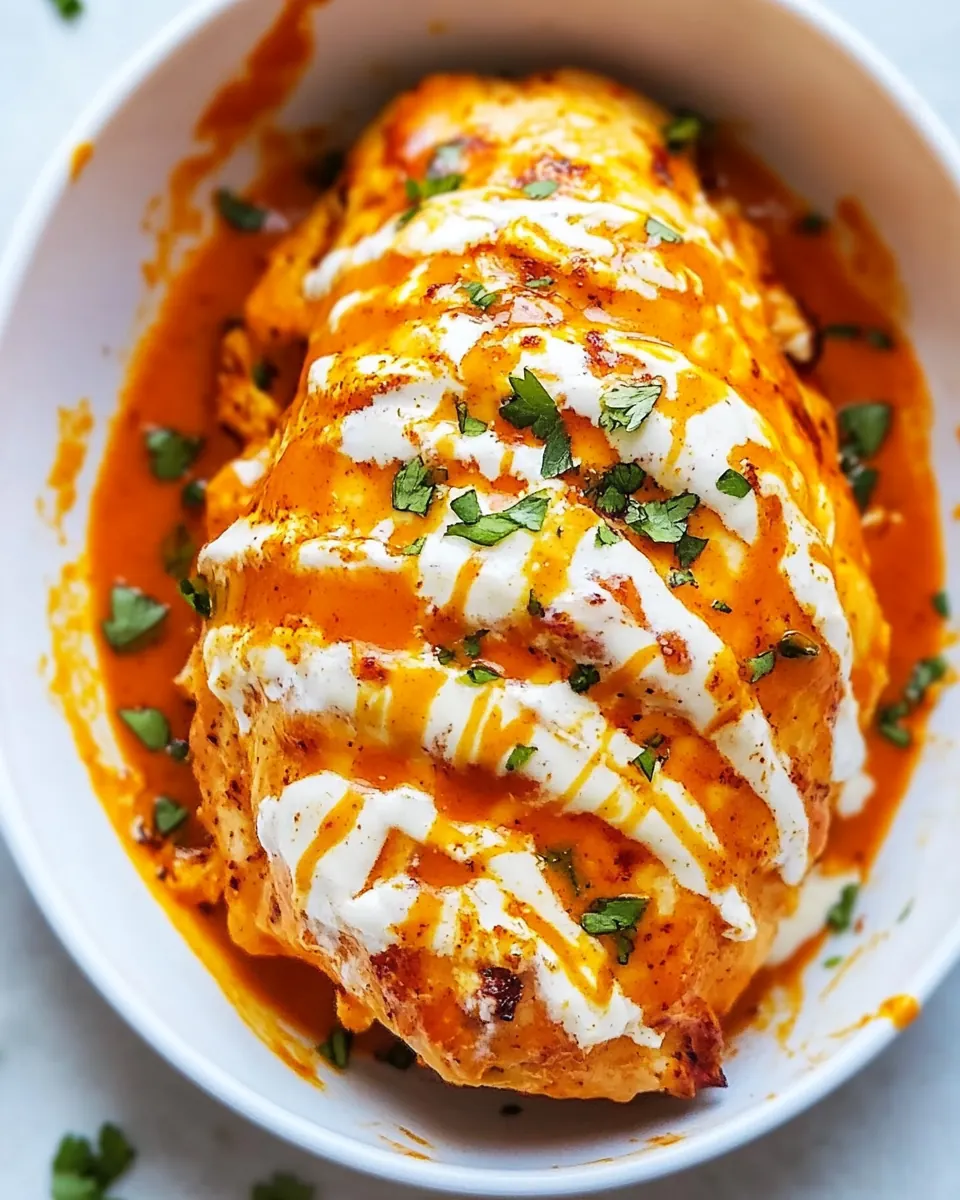
This recipe moves from simple prep to searing and gentle covered cooking. Follow the technique to get a browned exterior and creamy interior, and rely on sensory cues as you go. Keep your pan hot for a good sear, then lower the temperature to finish cooking through without drying out the meat.
- In a bowl, combine the cream cheese, shredded cheese, ranch dressing, and green onion. Set aside.: Soft, whipped texture is what you want to start with. You should feel the filling loosen under your spoon, and the aroma of the green onion will lift the creamy base. Mixing these components until smooth helps them meld and ensures even distribution inside each chicken pocket. If the mixture feels too stiff, warm it briefly in a microwave for a few seconds, but avoid overheating, which can make it greasy. A common mistake is under mixing, which leads to pockets of unmixed flavors; stir until homogenous for consistent bites.
- Rub the chicken breasts with 2 tablespoons olive oil, salt, and pepper.: When you rub the surface, the olive oil should gloss the meat and help the salt and pepper adhere, creating a seasoned exterior that browns well. You should notice a slight tacky feel from the oil and a fresh peppery scent. This step matters because well seasoned exterior layers deepen the overall flavor profile after searing. Avoid adding too much salt at once, which can draw moisture out prematurely and dry the meat.
- Cut out a wide pocket in each chicken breast, being careful not to cut all the way through.: The pocket should be roomy enough to hold the filling but leave an intact outer layer so the juices stay in. Use a sharp paring knife and feel with your hand as you create the cavity. If you penetrate the other side, the filling will escape during cooking. One common error is rushing this step and making the pocket too small or puncturing through; take your time and check thickness frequently.
- Stuff each chicken breast with an equal amount of filling.: The feeling of the filling settling into the pocket should be soft and slightly firm, not overflowing. Distribute filling evenly so each portion cooks consistently. Press gently to compact slightly, but don’t overstuff, because that can prevent even cooking and cause the filling to remain cold in the center. If the breasts look uneven after stuffing, fold or tuck the edges for a neater seal.
- Heat 2 tablespoons of olive oil in a large skillet set over medium-high heat.: The oil should shimmer but not smoke; that visual cue means the pan is ready. A hot pan gives you a satisfying sizzle when the chicken hits the surface, which helps form a golden crust. If the oil smokes, lower the heat to avoid burning and bitter flavors. Avoid using a crowded pan, which will cause steaming rather than searing.
- Once heated, sear the stuffed chicken breasts on each side until browned on the outside, but not cooked through. You may need to do this in two batches depending on the size of your pan.: Listen for a steady sizzling sound and watch for a rich golden color to develop across the surface. Searing adds a layer of caramelized flavor and texture that contrasts beautifully with the creamy interior. The goal is color, not full doneness. A frequent mistake is leaving them too long, which can dry the exterior and speed up overcooking; monitor color closely and flip when you see a deep golden hue.
- Place all 4 breasts in the skillet and pour the buffalo sauce over the chicken breasts.: As the Buffalo sauce hits the hot pan you should smell its tangy, spicy perfume. The sauce will start bubbling slightly, coating the seared surfaces and infusing the meat. This simmering step helps the sauce penetrate the exterior and flavor the filling edges. Avoid pouring cold sauce into a pan that is excessively hot, which can cause splattering; reduce the heat slightly if needed.
- Cover the pan and let the chicken cook on low for about 15 minutes until the chicken is cooked through.: With the lid on, the skillet becomes an oven like environment, steaming the interior to a juicy finish while keeping the filling creamy. You should see gentle bubbling in the sauce and feel the breasts yielding slightly when pressed. This lower gentle heat prevents the filling from breaking and allows the chicken to reach a safe temperature. A common pitfall is leaving the lid off, which can dry the meat and thicken the sauce too much; keep it covered until done.
- Spoon the pan juices/sauce over the chicken.: After cooking, use a spoon to baste each breast, coating them in glossy sauce. This step heightens the flavor on the exterior and keeps the surface moist. The juices will carry concentrated seasoning and a touch of rendered oil that tastes wonderful on the finished plate. Neglecting to baste can leave the outer layer less vibrant and slightly drier.
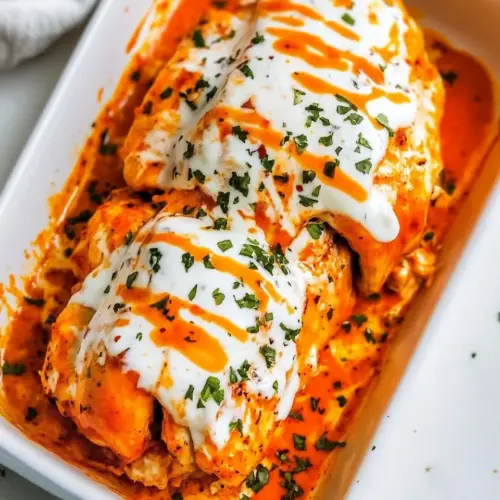
- Drizzle the chicken with ranch dressing and buffalo sauce, and sprinkle with blue cheese and additional chopped green onions.: The final garnishes bring contrast in temperature, texture, and flavor. The coolness of the extra ranch dressing softens the heat, while the optional crumbled blue cheese gives sharp, salty pops. Visually, the bright green onion adds freshness. One mistake I see is over saucing at the end which can overpower the balance; add garnishes incrementally and taste as you go.
Pro Tips and Tweaks
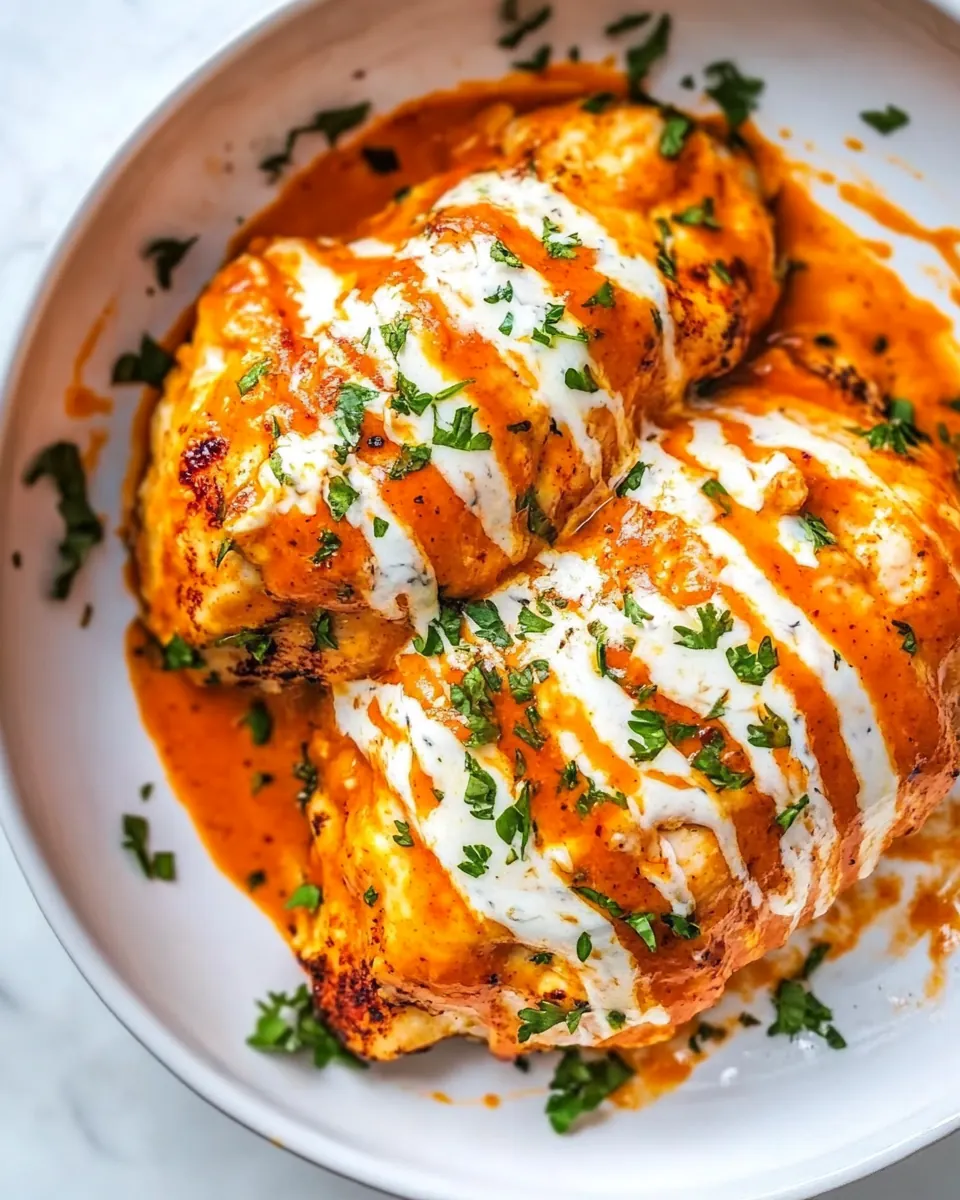
I like to keep a few straightforward tricks in mind when making Stuffed Buffalo Chicken. These help with timing, texture, and flavor balance so the final result is consistently excellent. Small adjustments go a long way toward a juicy, flavorful dish.
- Tip 1 Start with room temperature cream cheese so it whips smoothly into the filling and prevents cold pockets inside the breasts.
- Tip 2 If your breasts are uneven in thickness, gently pound them for uniformity, which ensures even cooking without overdoing any one piece.
- Tip 3 Taste your ranch dressing first since different brands vary; that will help you balance the filling seasonings before stuffing.
- Tip 4 Use a cast iron skillet for better heat retention and a superior sear, which enhances the crust and overall depth of flavor.
- Tip 5 Reserve a splash of Buffalo sauce to finish at the end for a glossy, fresh spicy hit rather than relying solely on the sauce reduced in the pan.
Serve This Stuffed Buffalo Chicken With
This recipe shines in casual settings and game day spreads, but it is versatile enough for weeknight dinners as well. Choose complementary sides that tame or echo the spicy notes, and present the dish with practical garnishes for both flavor and texture. Think about balance when selecting accompaniments to keep the plate harmonious.
- Serve with cooling sides such as a simple green salad dressed lightly to offset the heat while adding a crisp counterpoint to the creamy filling.
- Offer extra ranch and Buffalo sauce on the side so guests can adjust the spice level to their liking, which keeps everyone happy at the table.
- Pair with starches like roasted potatoes or rice to soak up the sauce, making the meal more filling for a family dinner.
- Make it for occasions such as casual gatherings, game day, or a hearty weeknight meal when you want something flavorful yet not complicated.
- Store leftovers properly in an airtight container refrigerated for up to three days, and reheat gently to avoid drying the chicken.
FAQ
Conclusion
Stuffed Buffalo Chicken stands out for its bold Buffalo flavor paired with a creamy, comforting filling that stays tender and satisfying. Give it a try the next time you want a flavorful yet approachable main that serves well for family dinners or casual gatherings. The sear, the sauce, and the creamy interior come together into a dish that feels both homey and exciting, and once you make it you may find it becomes a regular in your rotation.
Stuffed Buffalo Chicken
Equipment
- Cast-Iron Skillet
Ingredients
- 8 ounces cream cheese (1 brick) Soften to room temperature and blend smoothly into the filling to create a rich, creamy base that binds other ingredients and adds tangy, smooth texture when stuffed into the chicken breasts.
- 1/2 cup shredded cheddar cheese Melt and fold into the cream cheese mixture to introduce a sharp, savory flavor and provide a gooey, cheesy contrast that browns slightly when baked or seared.
- 1/4 cup ranch dressing (plus more for topping *) Add creaminess and a tangy, herby note to balance the heat while thinning the filling slightly; reserve a small amount for drizzling on top if desired.
- 1/4 cup chopped green onion (plus more for topping) Chop finely and stir into the filling to deliver a mild oniony bite and fresh green color; reserve extra for sprinkling over the finished dish for brightness.
- 4 boneless, skinless chicken breasts Pound or butterfly and stuff with the cheese mixture, serving as the main protein and vessel for the filling; cook until juicy and fully cooked through to pair with the spicy sauce.
- 4 tablespoons olive oil (divided) Divide between cooking the chicken and sautéing if needed; use part to sear or roast the breasts and the rest to coat or finish the dish, adding a subtle fruitiness.
- 1/2 teaspoon kosher salt Season the chicken and filling evenly to enhance overall flavor without overpowering; help bring out other ingredients while ensuring balanced seasoning throughout.
- 1/4 teaspoon ground black pepper Crack freshly and add to the filling or use to season the exterior for a mild heat and aromatic lift that complements the buffalo sauce.
- 1 cup Buffalo sauce Toss with the cooked chicken or fold into the filling to provide the primary spicy, vinegary component that defines the buffalo profile and ties the dish together.
- crumbled blue cheese (optional, for serving) Crumble lightly over the plated chicken as an optional finishing garnish to contribute a pungent, tangy contrast that complements the buffalo heat and creamy filling.
Instructions
- In a bowl, combine the cream cheese, shredded cheese, ranch dressing, and green onion. Set aside.: Soft, whipped texture is what you want to start with. You should feel the filling loosen under your spoon, and the aroma of the green onion will lift the creamy base. Mixing these components until smooth helps them meld and ensures even distribution inside each chicken pocket. If the mixture feels too stiff, warm it briefly in a microwave for a few seconds, but avoid overheating, which can make it greasy. A common mistake is under mixing, which leads to pockets of unmixed flavors; stir until homogenous for consistent bites.
- Rub the chicken breasts with 2 tablespoons olive oil, salt, and pepper.: When you rub the surface, the olive oil should gloss the meat and help the salt and pepper adhere, creating a seasoned exterior that browns well. You should notice a slight tacky feel from the oil and a fresh peppery scent. This step matters because well seasoned exterior layers deepen the overall flavor profile after searing. Avoid adding too much salt at once, which can draw moisture out prematurely and dry the meat.
- Cut out a wide pocket in each chicken breast, being careful not to cut all the way through.: The pocket should be roomy enough to hold the filling but leave an intact outer layer so the juices stay in. Use a sharp paring knife and feel with your hand as you create the cavity. If you penetrate the other side, the filling will escape during cooking. One common error is rushing this step and making the pocket too small or puncturing through; take your time and check thickness frequently.
- Stuff each chicken breast with an equal amount of filling.: The feeling of the filling settling into the pocket should be soft and slightly firm, not overflowing. Distribute filling evenly so each portion cooks consistently. Press gently to compact slightly, but don’t overstuff, because that can prevent even cooking and cause the filling to remain cold in the center. If the breasts look uneven after stuffing, fold or tuck the edges for a neater seal.
- Heat 2 tablespoons of olive oil in a large skillet set over medium-high heat.: The oil should shimmer but not smoke; that visual cue means the pan is ready. A hot pan gives you a satisfying sizzle when the chicken hits the surface, which helps form a golden crust. If the oil smokes, lower the heat to avoid burning and bitter flavors. Avoid using a crowded pan, which will cause steaming rather than searing.
- Once heated, sear the stuffed chicken breasts on each side until browned on the outside, but not cooked through. You may need to do this in two batches depending on the size of your pan.: Listen for a steady sizzling sound and watch for a rich golden color to develop across the surface. Searing adds a layer of caramelized flavor and texture that contrasts beautifully with the creamy interior. The goal is color, not full doneness. A frequent mistake is leaving them too long, which can dry the exterior and speed up overcooking; monitor color closely and flip when you see a deep golden hue.
- Place all 4 breasts in the skillet and pour the buffalo sauce over the chicken breasts.: As the Buffalo sauce hits the hot pan you should smell its tangy, spicy perfume. The sauce will start bubbling slightly, coating the seared surfaces and infusing the meat. This simmering step helps the sauce penetrate the exterior and flavor the filling edges. Avoid pouring cold sauce into a pan that is excessively hot, which can cause splattering; reduce the heat slightly if needed.
- Cover the pan and let the chicken cook on low for about 15 minutes until the chicken is cooked through.: With the lid on, the skillet becomes an oven like environment, steaming the interior to a juicy finish while keeping the filling creamy. You should see gentle bubbling in the sauce and feel the breasts yielding slightly when pressed. This lower gentle heat prevents the filling from breaking and allows the chicken to reach a safe temperature. A common pitfall is leaving the lid off, which can dry the meat and thicken the sauce too much; keep it covered until done.
- Spoon the pan juices/sauce over the chicken.: After cooking, use a spoon to baste each breast, coating them in glossy sauce. This step heightens the flavor on the exterior and keeps the surface moist. The juices will carry concentrated seasoning and a touch of rendered oil that tastes wonderful on the finished plate. Neglecting to baste can leave the outer layer less vibrant and slightly drier.
- Drizzle the chicken with ranch dressing and buffalo sauce, and sprinkle with blue cheese and additional chopped green onions.: The final garnishes bring contrast in temperature, texture, and flavor. The coolness of the extra ranch dressing softens the heat, while the optional crumbled blue cheese gives sharp, salty pops. Visually, the bright green onion adds freshness. One mistake I see is over saucing at the end which can overpower the balance; add garnishes incrementally and taste as you go.
Notes
- Tip 1 Start with room temperature cream cheese so it whips smoothly into the filling and prevents cold pockets inside the breasts.
- Tip 2 If your breasts are uneven in thickness, gently pound them for uniformity, which ensures even cooking without overdoing any one piece.
- Tip 3 Taste your ranch dressing first since different brands vary; that will help you balance the filling seasonings before stuffing.
- Tip 4 Use a cast iron skillet for better heat retention and a superior sear, which enhances the crust and overall depth of flavor.
- Tip 5 Reserve a splash of Buffalo sauce to finish at the end for a glossy, fresh spicy hit rather than relying solely on the sauce reduced in the pan.
