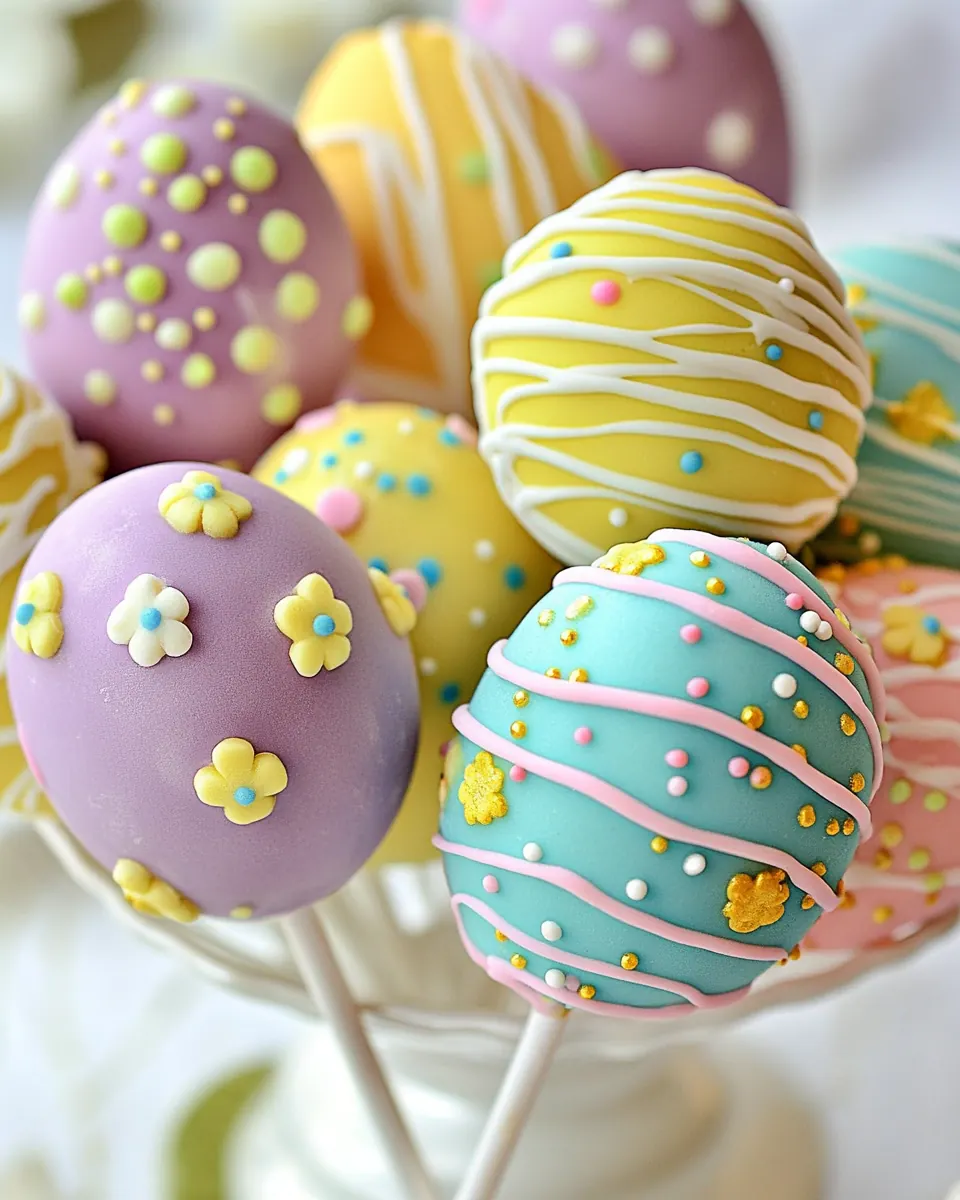
Easter Egg Cake Pops
Easter Egg Cake Pops have been my go to when I want a playful, nostalgic dessert that doubles as edible decor for spring gatherings.
I remember the first time I made these, humming through a sunny kitchen while my niece carefully chose sprinkles for each little egg. The process felt equal parts craft project and baking therapy, and the result was a platter of tiny, colorful treats that vanished before the coffee cooled. I loved how the soft crumb of the cake paired with a crisp candy shell, and how each bite reminded me of childhood egg hunts.
Over the years I adjusted the mix, learned the right chilling time, and discovered that a pastry bag makes piping into the pan far less messy. These changes made the process smoother, and I now enjoy sharing the finished pops at family brunches, holiday tables, and bake sales. I also like gifting them in boxes tied with twine, because they look impossibly charming when arranged like a bouquet.
Recipe Snapshot
2 hr
100 mins
20 mins
Medium
150 kcal
American
Keto, Gluten-Free
Desserts
2 Cake Pop Pan
The Charm of This Easter Egg Cake Pops
Playful presentation
I adore how Easter Egg Cake Pops turn baking into a visual celebration. The candy coating and sprinkles let you create tiny edible statements, and the finished pops are instantly festive. When I bring a tray to a gathering people are drawn to the colors first, and then the flavor, so presentation plays a big role in their appeal.
Simple, pantry friendly ingredients
We use straightforward items like cake mix and Greek yogurt, which makes this recipe approachable even when life is busy. I often keep these staples on hand, so spontaneous baking is possible. The few components work together to produce a moist, easily formed crumb that holds up well under a candy shell.
Perfect for groups
These pops scale beautifully, which is why I rely on them for parties. The yield is generous, and you can vary colors and decorations to suit different themes. I like that one batch can serve a crowd, and leftovers store well in an airtight container for a couple of days.
Kid friendly and interactive
I love involving kids in the dipping and decorating stage, because it is tactile and satisfying. They can pick colors and sprinkles, which makes them more excited to taste the results. Supervision during the melting step keeps things safe, and the creative payoff is always worth it.
Reliable technique
Once you learn the key steps, the process becomes predictable. Chilling the cake balls, using a skewer trick to secure sticks, and coating with proper tempering technique are small habits that greatly improve success rates. I find this reassuring, because consistency means I can make these for special occasions without anxiety.
Ingredients You’ll Need for Easter Egg Cake Pops
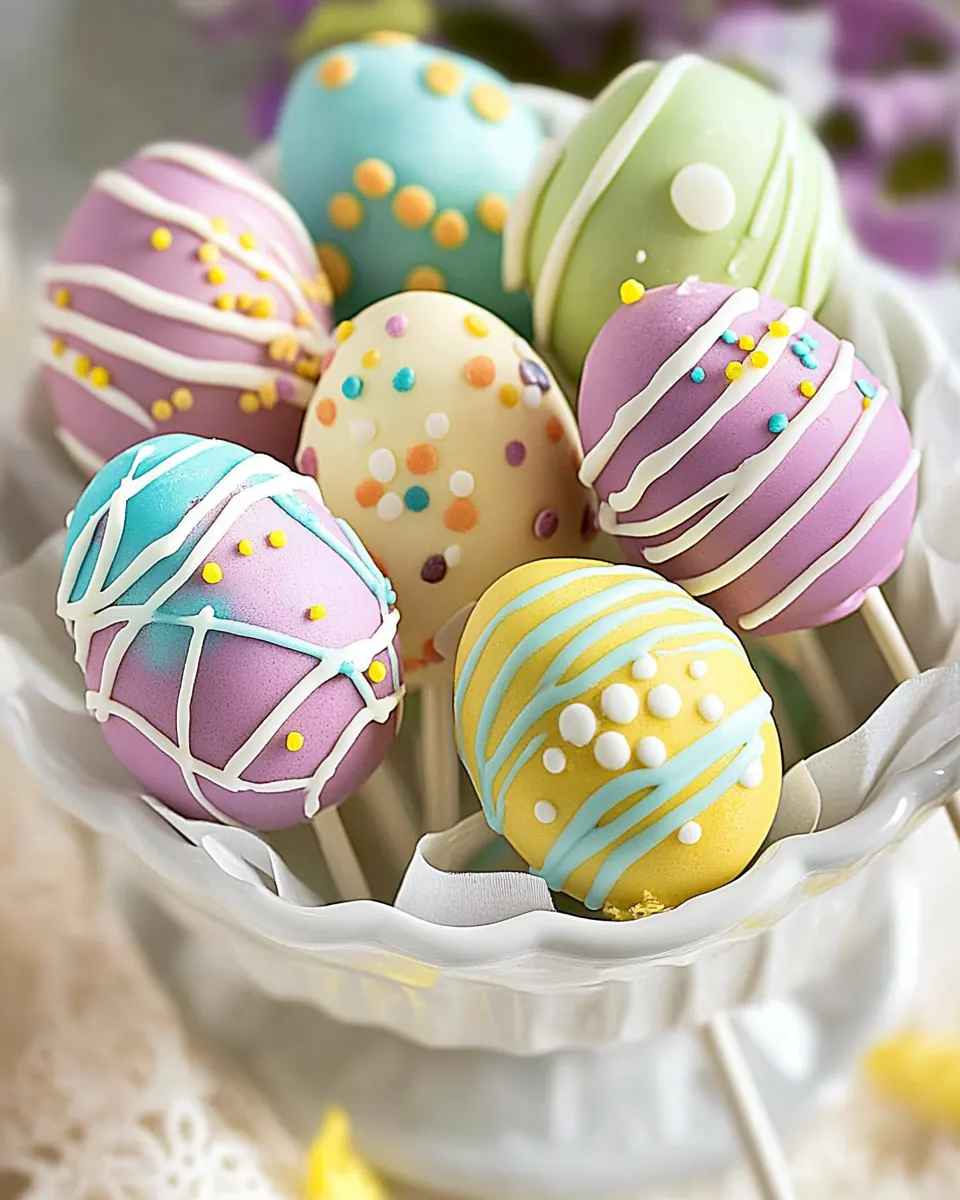
These ingredients are chosen to create a moist, cohesive cake center and a sturdy candy coating. The cake mix forms the base crumb, while Greek yogurt adds moisture and tenderness without excess oil. The white of eggs and measured water help achieve the right batter consistency for piping into the pan, and the candy melts provide a shiny, firm shell that holds sprinkles beautifully. Each item plays a specific role in texture, structure, or finish.
- 15.5 oz package yellow cake mix, or flavor of your choice: Provide structure and sweetness to the cake base; use as the main dry mix to create a tender, moist crumb that holds up when formed into cake pops. Choose a flavor to complement coatings and decorations, and follow package proportions when combining with wet ingredients for consistent texture.
- 5.5 oz plain fat-free Greek yogurt: Add moisture and a slight tang while reducing fat; stir into the cake batter to keep it lighter and provide a pleasant flavor contrast. Opt for plain fat-free Greek yogurt to maintain structure without adding excess oil, helping the cake remain firm enough to shape into eggs.
- 3/4 cup plus 2 tablespoons water: Hydrate the dry mix and control batter consistency; measure precisely to avoid overly wet or dry cake that would be difficult to form. Warm or room-temperature water blends evenly into the batter, ensuring proper chemical reactions with leavening agents for even rise.
- 2 large egg whites: Provide lift and stability while keeping fat content low; beat the egg whites and fold into the batter to incorporate air for a lighter crumb. Use large whites at room temperature for best volume, which helps the cake pop pieces remain airy yet cohesive.
- 1 teaspoon vanilla extract: Enhance flavor and balance sweetness with a concentrated aromatic; add vanilla extract to the batter for depth and a familiar bakery note. Incorporate during mixing so the flavor disperses evenly throughout the cake, complementing coatings and decorations.
- baking spray: Prevent sticking and aid in easy removal from pans or molds; lightly coat baking surfaces with baking spray to ensure baked pieces release cleanly. Use a thin, even application to avoid excess oil that could affect batter texture or browning.
- 48 ounces Wilton colored candy melts, 20 oz used total, calculated in n.i: Provide a smooth, colorful coating for dipping and decorating cake pops; melt Wilton colored candy melts according to package directions for a glossy finish. Reserve the specified amount for final coating and decorating while allowing extra supply for reheating or color changes as needed.
- sprinkles: Add texture, color, and festive detail to finished cake pops; sprinkle over fresh coatings so they adhere before the coating sets. Choose appropriate sizes and shapes to match the design, applying immediately after dipping for best adhesion and appearance.
Making This Easter Egg Cake Pops
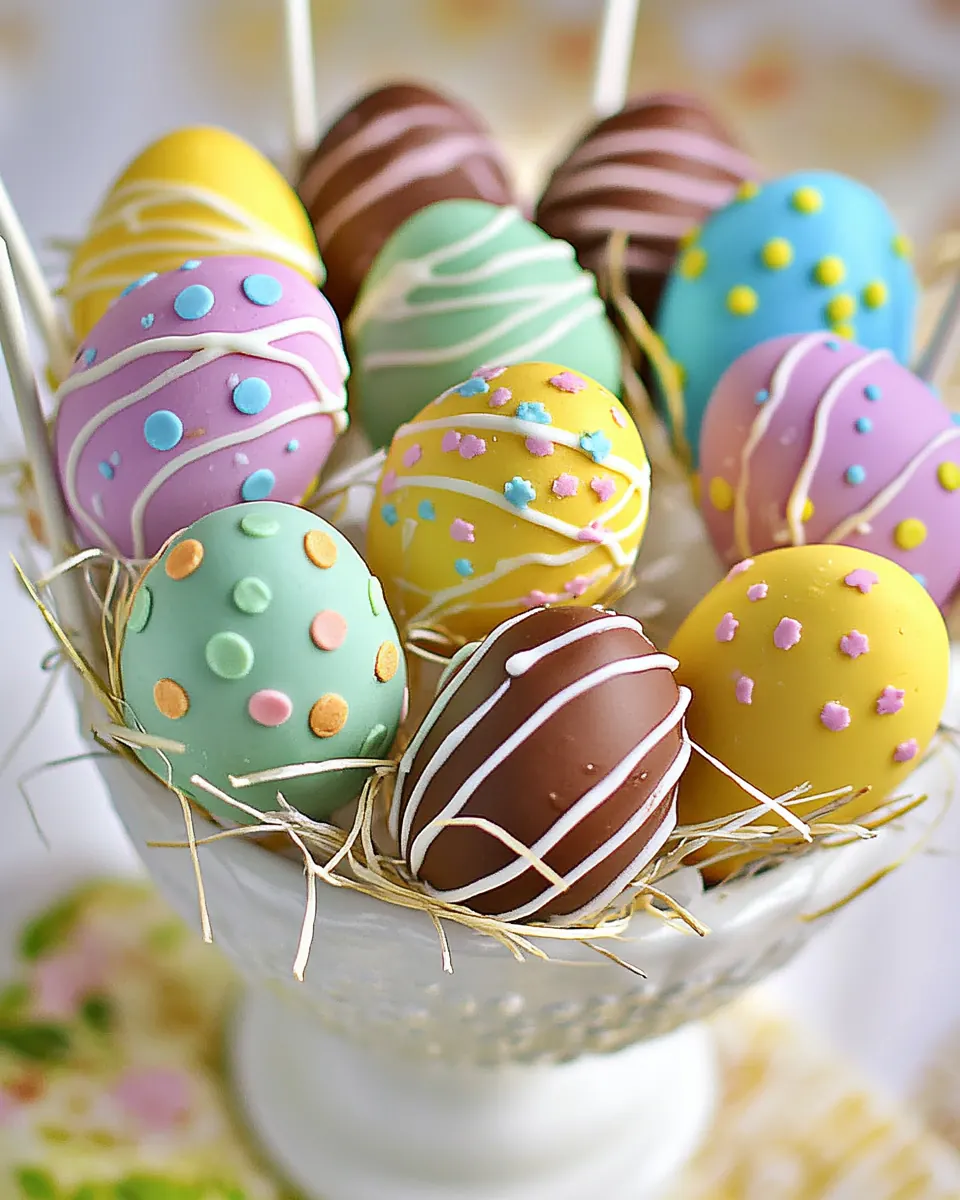
We will walk through the process from warming the oven to decorating the finished pops. I like to stay organized, arranging ingredients and equipment before starting so the rhythmic steps feel more like a craft than a chore. Keep a chilled tray and wax paper ready, because timing is important during the coating stage.
- Preheat oven to 350°F. Lightly spray the cake pop pan with baking spray.: The scent of warming air signals the start, and preheating ensures even structure development in the batter. When a pan is at the correct temperature, the batter springs and sets properly, creating a uniform crumb. Mist the pan evenly with baking spray , making sure crevices are coated to prevent sticking. One reason this matters is that uneven greasing leads to half formed balls, which tear when removed. A common mistake is skipping preheating, which results in underbaked or collapsed centers, so always confirm the oven is up to temperature before piping batter.
- Combine all the cake ingredients in a large mixing bowl and beat until combined.: As you mix, you will notice the batter becoming smooth and glossy, with faint air bubbles appearing on the surface. This aeration helps the crumb bake light. Use a spatula to scrape the bowl, ensuring there are no dry pockets of cake mix . Overbeating can tighten the gluten and make the texture dense, so stop once components are homogenous. If the batter seems lumpy, gentle bursts of mixing will finish the job without overworking it. Be careful not to add extra liquid here, since that will affect the ability to pipe neat portions into the pan.
- Place the batter into a pastry bag or large ziplock bag with the tip cut off.: Feeling the weight of the filled bag in your hands, you can control flow and portion more accurately. A pastry bag gives you a steady stream that fills pan cavities cleanly, reducing drips and wasted batter. If using a ziplock, snip a small corner so the opening matches the pan hole size, or the batter may gush out too quickly. A common pitfall is cutting too large an opening, which causes overfilling and messy edges, so start small and trim more if needed.
- Pipe the batter into the prepared cake pop pan and bake about 18 minutes (I rotated the pan after 10 minutes to be sure they baked evenly). Let it rest 5 minutes before opening the pan.: As the pan bakes, a faint aroma of vanilla and baked cake will fill the kitchen, and the tops will appear set and lightly golden. Rotating promotes uniform browning, especially if your oven has hot spots. Allowing the pan to rest for 5 minutes stabilizes the structure so the balls release without crumbling. Removing the balls too soon often causes them to fall apart, so patience at this stage protects shape and texture.
- Place cake balls on a wire rack and repeat with remaining batter.: Transferring to a wire rack lets steam escape and prevents soggy bottoms, preserving a slightly crisp surface that helps the candy coating adhere. The balls will still be warm, but moving them prevents condensation. A mistake people make is stacking warm balls, which traps moisture and softens the exterior, so space them out as they cool.
- Using a scissor, cut the seam off the balls.: You will notice a seam where the pan halves met; trimming it produces a smoother, more egg like appearance. The action produces small crumbs, so do it over the rack or a cutting board that can be cleaned easily. Leaving the seam can create an uneven coating and visible lines under the candy shell, so a quick trim improves final presentation. Be cautious with pressure, because squeezing can distort the ball shape.
- Refrigerate the cake balls for about 45 minutes, this helps the chocolate stick to the cake.: Cooling firms the interior, which is essential for keeping the pops intact during dipping. The chilled crumb contracts slightly, creating a tight surface that the melted candy clings to more effectively. If the balls are not chilled sufficiently, the coating can slide off or soak in, so allow the full resting time. A common oversight is under chilling, leading to fragile pops that fall apart when handled.
- Melt some of the white chocolate melts in the microwave according to package directions, careful not to burn the chocolate.: As the white candy melts soften, they will shine and become viscous, releasing a sweet aroma. Use short microwave bursts and stir between sessions, because overheating causes separation and a grainy texture. Keeping control of temperature ensures a smooth, glossy finish. Avoid heating too quickly, which is the main cause of scorched, unusable chocolate.
- Insert the tip of a bamboo skewer into the melted chocolate, then into the cake ball (this helps hold the stick in place) and dip each ball into the chocolate, then onto a sheet of wax paper.: Dipping transfers a satisfying snap and gloss to each pop, and the smell of warm candy is irresistible. The skewer technique creates a small anchor of chocolate that secures the stick, making decorating easier. As you dip, let excess coating drip back so the surface is even before placing on wax paper. A frequent issue is overloading the ball with coating, which creates heavy drips and uneven sets, so tap lightly to remove surplus.
- To cover the little hole you get from the skewer, dip the stick in the melted chocolate, then onto the hole.: This quick seal leaves a seamless finish and hides the insertion point, improving aesthetics and preventing crumbs from escaping. It also reinsures the stick is firmly bonded to the cake interior, reducing wobble when serving. If you skip this step, the stick hole may remain visible and fragile, so a small dab of chocolate makes a big difference. Be mindful that too much coating here forms a blob rather than a neat patch.
- Repeat with the remaining balls and chocolate topping with sprinkles as you dip before the chocolate hardens, or drizzle with chocolate if desired.: Work steadily, because the coating sets quickly and you want to add sprinkles while it is still tacky so they adhere well. Drizzling cooled chocolate back and forth creates elegant lines if you prefer a more refined look. Pace yourself, arranging finished pops so they do not touch and ruin their shells. A common mistake is waiting too long to decorate, which leads to sprinkles failing to stick and a less polished result.
Ways to Customize
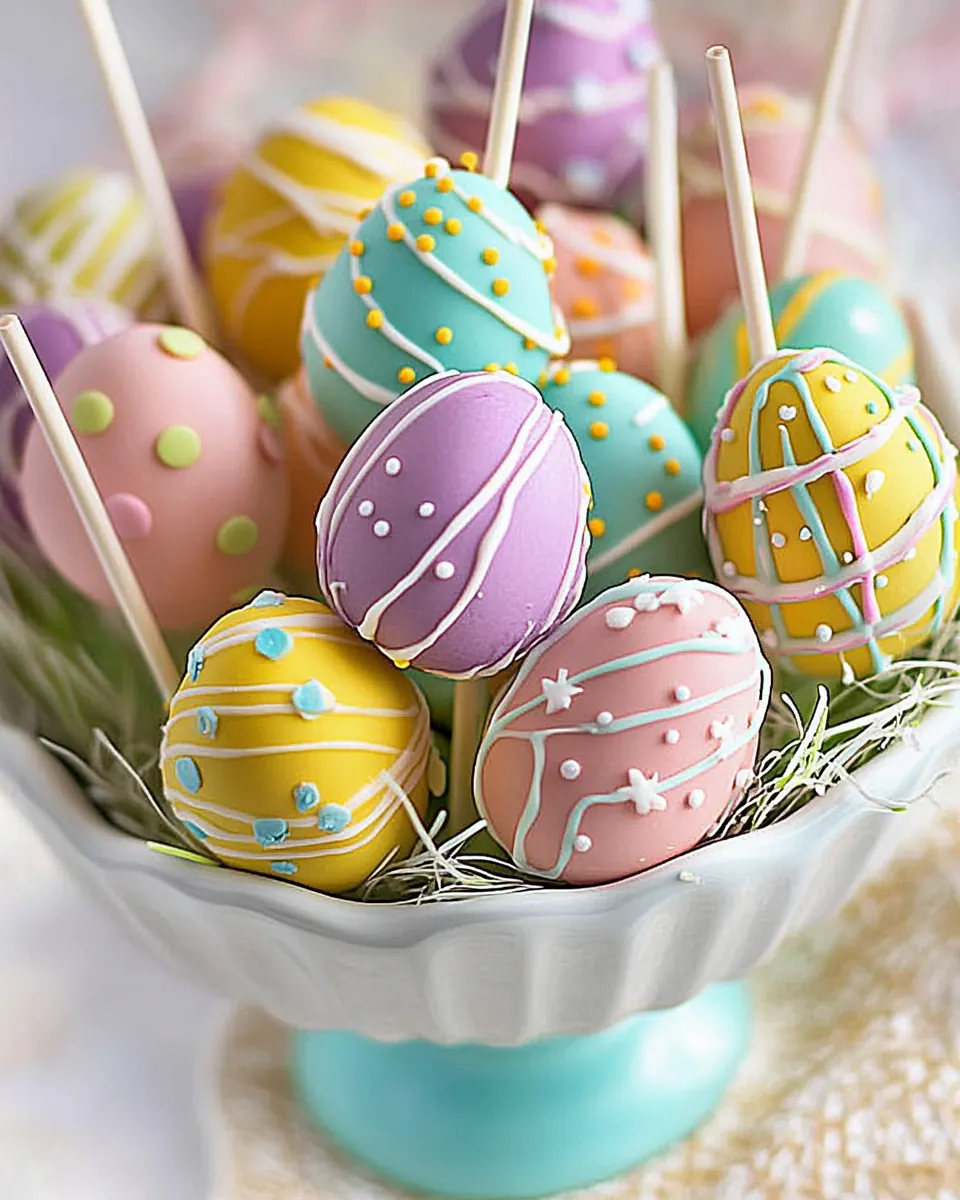
There are several ways to personalize Easter Egg Cake Pops to match your color palette and occasion. Below I offer practical, tested ideas that work reliably for home bakers. Start with these options and adapt as you gain confidence with the coating and decorating stages.
- Vary the cake mix flavor: Swap in a strawberry or lemon cake mix to change the interior flavor profile while keeping the same technique and texture.
- Adjust candy melt colors: Use different colored candy melts to coordinate with party themes, creating visually cohesive platters.
- Mix sprinkle styles: Combine fine nonpareils and larger shapes for layered texture that looks intentional and playful.
- Try drizzle effects: After coating, thin some melts and drizzle over set shells to add contrast and a professional look.
- Gift packaging: Arrange pops upright in decorative boxes with tissue paper to present them as charming edible gifts.
What to Serve With Easter Egg Cake Pops
These little treats are versatile enough for many occasions, and choosing complementary accompaniments can elevate how they are presented. Below I outline serving ideas, pairing suggestions, and storage tips to ensure your pops look and taste their best.
- Brunch table displays: Arrange the pops upright in floral foam covered with decorative paper to create a centerpiece for a spring brunch, making them both dessert and decor.
- Party favor boxes: Box a few pops with tissue paper and a ribbon for guests to take home, a sweet and portable option for showers or holiday gatherings.
- Pair with light beverages: Offer small cups of coffee or unsweetened tea so the candy shell and cake interior are balanced by a slightly bitter drink, enhancing the tasting experience.
- Seasonal placement: Use pastel or vibrant colors to match seasonal themes like spring, Easter, or garden parties, helping the platter fit the overall decor.
- Storage guidance: Keep finished pops in a single layer in an airtight container in a cool place for up to two days, or refrigerate for longer storage but be aware condensation can dull the candy shine.
- Occasion suggestions: These are ideal for baby showers, classroom parties, holiday buffets, and bake sales, because they are handheld and visually appealing.
- Serving quantity: Plan for one to two pops per person for dessert portions, and more if they are the main sweet offering at a gathering.
- Display tips: Use tiered stands or clear jars with foam bases to offer variety and height on a dessert table, drawing the eye and making sampling easy for guests.
FAQ
Conclusion
These Easter Egg Cake Pops stand out for their playful appearance and reliably tasty combination of soft cake and crisp candy shell. I encourage you to try them as a festive centerpiece for spring gatherings or as thoughtful edible gifts, because they are satisfying to make and delightful to share. Have fun with colors and decorations, and remember that a little patience during chilling and dipping makes a big difference in the final presentation. Enjoy the process, and celebrate the small wins when each pop comes out perfectly coated and ready to dazzle guests.

Easter Egg Cake Pops
Equipment
- 2 Cake Pop Pan
Ingredients
- 15.5 oz package yellow cake mix, or flavor of your choice Provide structure and sweetness to the cake base; use as the main dry mix to create a tender, moist crumb that holds up when formed into cake pops. Choose a flavor to complement coatings and decorations, and follow package proportions when combining with wet ingredients for consistent texture.
- 5.5 oz plain fat-free Greek yogurt Add moisture and a slight tang while reducing fat; stir into the cake batter to keep it lighter and provide a pleasant flavor contrast. Opt for plain fat-free Greek yogurt to maintain structure without adding excess oil, helping the cake remain firm enough to shape into eggs.
- 3/4 cup plus 2 tablespoons water Hydrate the dry mix and control batter consistency; measure precisely to avoid overly wet or dry cake that would be difficult to form. Warm or room-temperature water blends evenly into the batter, ensuring proper chemical reactions with leavening agents for even rise.
- 2 large egg whites Provide lift and stability while keeping fat content low; beat the egg whites and fold into the batter to incorporate air for a lighter crumb. Use large whites at room temperature for best volume, which helps the cake pop pieces remain airy yet cohesive.
- 1 teaspoon vanilla extract Enhance flavor and balance sweetness with a concentrated aromatic; add vanilla extract to the batter for depth and a familiar bakery note. Incorporate during mixing so the flavor disperses evenly throughout the cake, complementing coatings and decorations.
- baking spray Prevent sticking and aid in easy removal from pans or molds; lightly coat baking surfaces with baking spray to ensure baked pieces release cleanly. Use a thin, even application to avoid excess oil that could affect batter texture or browning.
- 48 ounces Wilton colored candy melts, 20 oz used total, calculated in n.i Provide a smooth, colorful coating for dipping and decorating cake pops; melt Wilton colored candy melts according to package directions for a glossy finish. Reserve the specified amount for final coating and decorating while allowing extra supply for reheating or color changes as needed.
- sprinkles Add texture, color, and festive detail to finished cake pops; sprinkle over fresh coatings so they adhere before the coating sets. Choose appropriate sizes and shapes to match the design, applying immediately after dipping for best adhesion and appearance.
Instructions
- Preheat oven to 350°F. Lightly spray the cake pop pan with baking spray.: The scent of warming air signals the start, and preheating ensures even structure development in the batter. When a pan is at the correct temperature, the batter springs and sets properly, creating a uniform crumb. Mist the pan evenly with baking spray , making sure crevices are coated to prevent sticking. One reason this matters is that uneven greasing leads to half formed balls, which tear when removed. A common mistake is skipping preheating, which results in underbaked or collapsed centers, so always confirm the oven is up to temperature before piping batter.
- Combine all the cake ingredients in a large mixing bowl and beat until combined.: As you mix, you will notice the batter becoming smooth and glossy, with faint air bubbles appearing on the surface. This aeration helps the crumb bake light. Use a spatula to scrape the bowl, ensuring there are no dry pockets of cake mix . Overbeating can tighten the gluten and make the texture dense, so stop once components are homogenous. If the batter seems lumpy, gentle bursts of mixing will finish the job without overworking it. Be careful not to add extra liquid here, since that will affect the ability to pipe neat portions into the pan.
- Place the batter into a pastry bag or large ziplock bag with the tip cut off.: Feeling the weight of the filled bag in your hands, you can control flow and portion more accurately. A pastry bag gives you a steady stream that fills pan cavities cleanly, reducing drips and wasted batter. If using a ziplock, snip a small corner so the opening matches the pan hole size, or the batter may gush out too quickly. A common pitfall is cutting too large an opening, which causes overfilling and messy edges, so start small and trim more if needed.
- Pipe the batter into the prepared cake pop pan and bake about 18 minutes (I rotated the pan after 10 minutes to be sure they baked evenly). Let it rest 5 minutes before opening the pan.: As the pan bakes, a faint aroma of vanilla and baked cake will fill the kitchen, and the tops will appear set and lightly golden. Rotating promotes uniform browning, especially if your oven has hot spots. Allowing the pan to rest for 5 minutes stabilizes the structure so the balls release without crumbling. Removing the balls too soon often causes them to fall apart, so patience at this stage protects shape and texture.
- Place cake balls on a wire rack and repeat with remaining batter.: Transferring to a wire rack lets steam escape and prevents soggy bottoms, preserving a slightly crisp surface that helps the candy coating adhere. The balls will still be warm, but moving them prevents condensation. A mistake people make is stacking warm balls, which traps moisture and softens the exterior, so space them out as they cool.
- Using a scissor, cut the seam off the balls.: You will notice a seam where the pan halves met; trimming it produces a smoother, more egg like appearance. The action produces small crumbs, so do it over the rack or a cutting board that can be cleaned easily. Leaving the seam can create an uneven coating and visible lines under the candy shell, so a quick trim improves final presentation. Be cautious with pressure, because squeezing can distort the ball shape.
- Refrigerate the cake balls for about 45 minutes, this helps the chocolate stick to the cake.: Cooling firms the interior, which is essential for keeping the pops intact during dipping. The chilled crumb contracts slightly, creating a tight surface that the melted candy clings to more effectively. If the balls are not chilled sufficiently, the coating can slide off or soak in, so allow the full resting time. A common oversight is under chilling, leading to fragile pops that fall apart when handled.
- Melt some of the white chocolate melts in the microwave according to package directions, careful not to burn the chocolate.: As the white candy melts soften, they will shine and become viscous, releasing a sweet aroma. Use short microwave bursts and stir between sessions, because overheating causes separation and a grainy texture. Keeping control of temperature ensures a smooth, glossy finish. Avoid heating too quickly, which is the main cause of scorched, unusable chocolate.
- Insert the tip of a bamboo skewer into the melted chocolate, then into the cake ball (this helps hold the stick in place) and dip each ball into the chocolate, then onto a sheet of wax paper.: Dipping transfers a satisfying snap and gloss to each pop, and the smell of warm candy is irresistible. The skewer technique creates a small anchor of chocolate that secures the stick, making decorating easier. As you dip, let excess coating drip back so the surface is even before placing on wax paper. A frequent issue is overloading the ball with coating, which creates heavy drips and uneven sets, so tap lightly to remove surplus.
- To cover the little hole you get from the skewer, dip the stick in the melted chocolate, then onto the hole.: This quick seal leaves a seamless finish and hides the insertion point, improving aesthetics and preventing crumbs from escaping. It also reinsures the stick is firmly bonded to the cake interior, reducing wobble when serving. If you skip this step, the stick hole may remain visible and fragile, so a small dab of chocolate makes a big difference. Be mindful that too much coating here forms a blob rather than a neat patch.
- Repeat with the remaining balls and chocolate topping with sprinkles as you dip before the chocolate hardens, or drizzle with chocolate if desired.: Work steadily, because the coating sets quickly and you want to add sprinkles while it is still tacky so they adhere well. Drizzling cooled chocolate back and forth creates elegant lines if you prefer a more refined look. Pace yourself, arranging finished pops so they do not touch and ruin their shells. A common mistake is waiting too long to decorate, which leads to sprinkles failing to stick and a less polished result.
Notes
- Vary the cake mix flavor: Swap in a strawberry or lemon cake mix to change the interior flavor profile while keeping the same technique and texture.
- Adjust candy melt colors: Use different colored candy melts to coordinate with party themes, creating visually cohesive platters.
- Mix sprinkle styles: Combine fine nonpareils and larger shapes for layered texture that looks intentional and playful.
- Try drizzle effects: After coating, thin some melts and drizzle over set shells to add contrast and a professional look.
- Gift packaging: Arrange pops upright in decorative boxes with tissue paper to present them as charming edible gifts.
