Bok Choy Soup
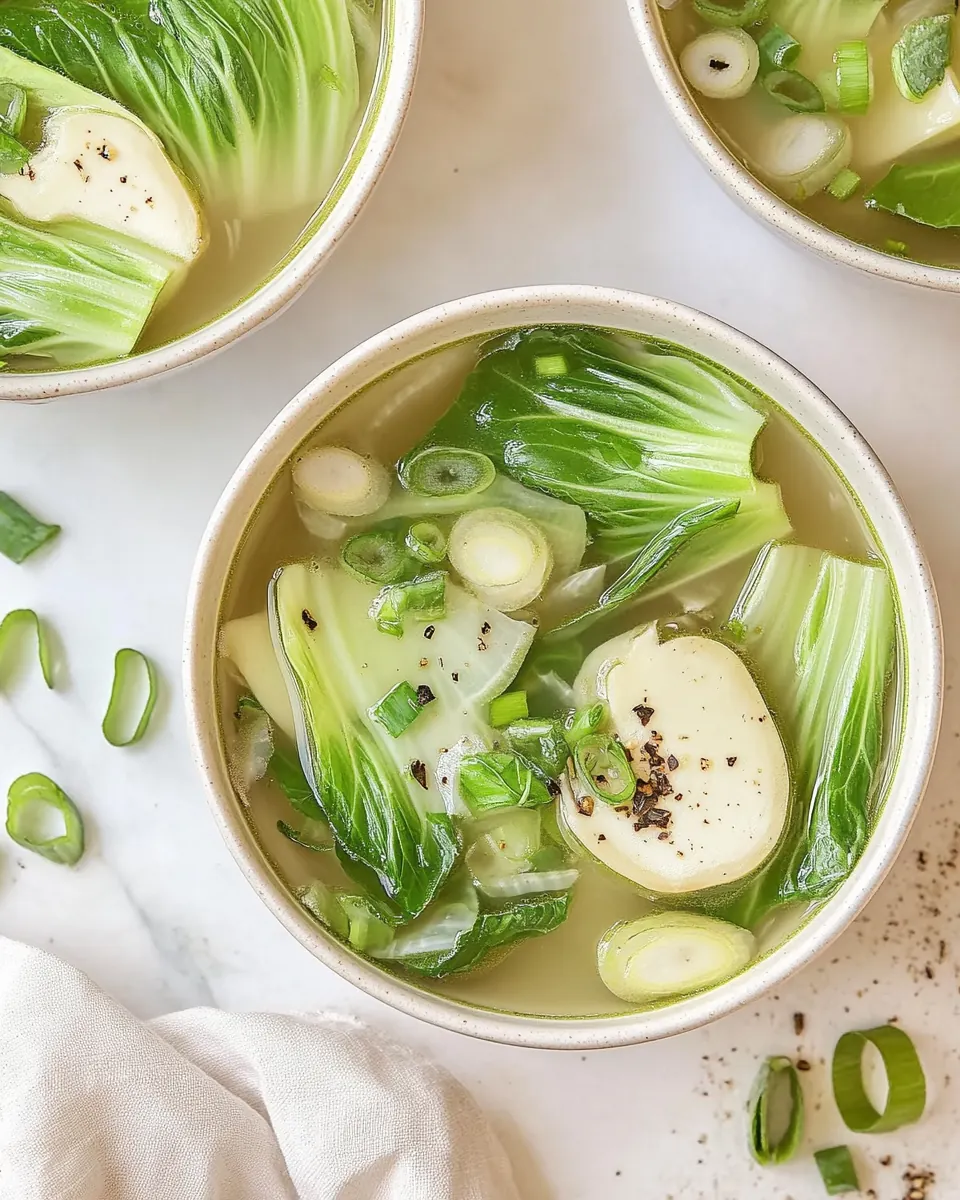
Bok Choy Soup has been one of those comforting, quick meals I turn to when I need warmth without fuss. The first time I made it, I was coming in from a rainy afternoon and wanted something that felt nourishing but still light, and the combination of broth, tender bok choy, and earthy shiitake mushrooms hit that exact note. I remember standing over the stove, heady steam curling up and the kitchen filling with the bright scent of garlic and ginger, thinking that simple food often says the most.
Over the years I’ve adapted this version to be reliably fast on weeknights, yet elegant enough for a casual dinner with friends. I like how the leafy bok choy keeps a pleasant crunch if you do not overcook it, and how a splash of soy sauce deepens the broth without overpowering the fresh aromatics. Each spoonful is a balance of savory, slightly sweet, and gently aromatic notes that feel grounding.
What keeps me coming back, beyond the flavor, is how forgiving the recipe is. You can scale it up when guests arrive, swap mushrooms if needed, and still get a satisfying bowl. When I’m tired, this Bok Choy Soup is the kind of dish that restores me without demanding too much attention.
Recipe Snapshot
25 mins
10 mins
15 mins
Medium
120 kcal
Asian
Vegan, Keto
Soups
Large pot, Knife, Cutting board, Ladle
What We Adore About This Bok Choy Soup
Pure comfort in a bowl
I love that Bok Choy Soup feels like a hug for the day, yet it stays light. The broth is the star, providing warmth and a silkiness that cleanses the palate. For me, a bowl of this is perfect when I want something restorative but not heavy, it soothes without weighing you down.
Speedy and weeknight friendly
One of the biggest reasons I reach for this recipe is how quickly it comes together. From chopping to the first spoonful, it is short enough for busy evenings, which means you can have a nourishing meal even on packed days. I genuinely appreciate recipes that respect both time and taste.
Ingredient-driven flavor
Every element contributes meaningfully, so simple ingredients yield big impact. The sesame oil adds a toasty note, while the garlic and ginger create aromatic depth. Using low sodium vegetable broth lets the natural flavors shine while giving you control over seasoning.
Textural pleasures
The contrast between tender stems and crinkly leaves in the bok choy is delightful. The mushrooms add meaty texture without heaviness, and the chopped green onions bring a fresh, crisp finish. I enjoy how each spoonful offers a little variety.
Customizable and forgiving
I often tweak this soup slightly depending on what I have on hand, and it rarely fails. You can make it heartier with extra mushrooms, or cleaner by increasing the greens, and it still delivers. That adaptability is a major reason this recipe lives in my regular rotation.
What to Gather for Bok Choy Soup
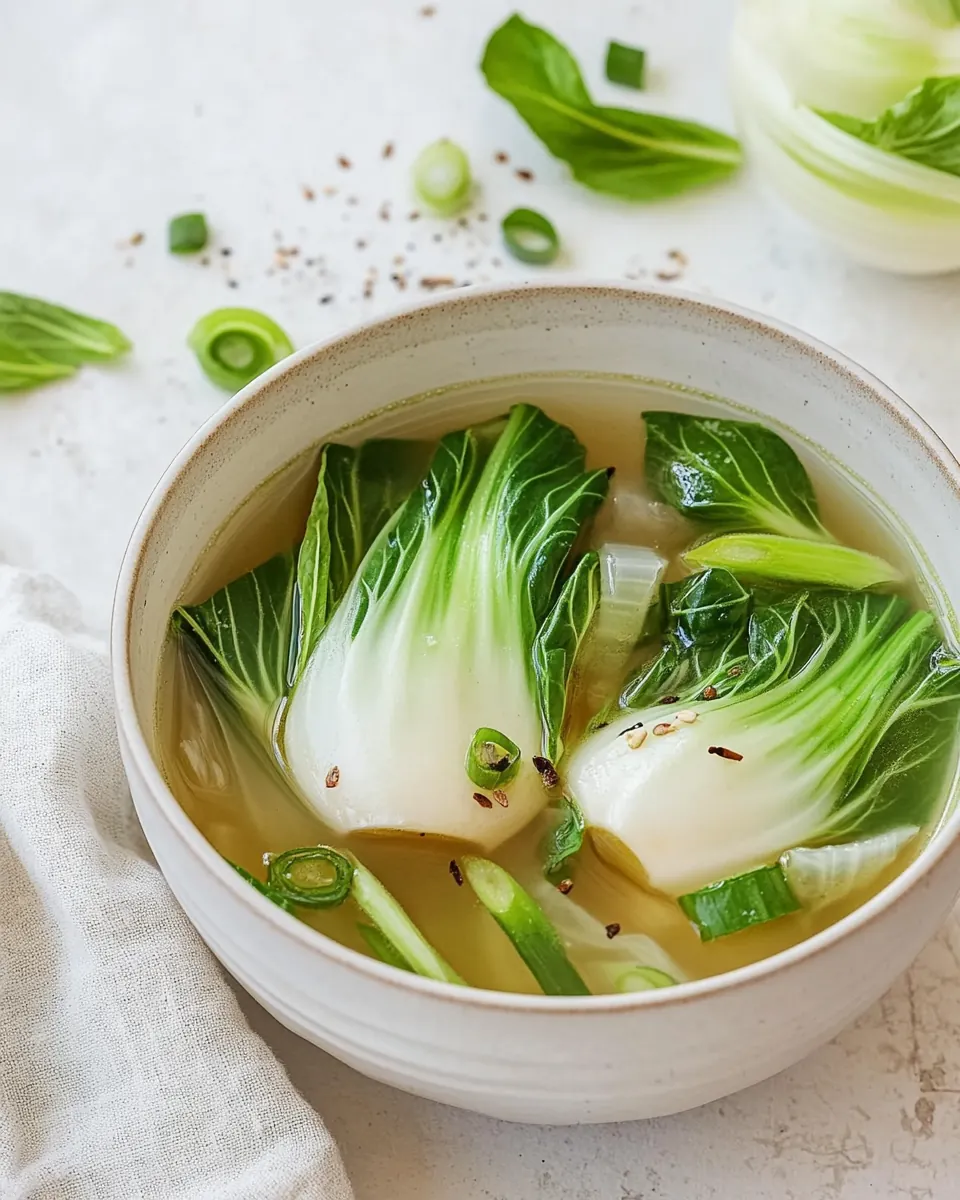
These ingredients are straightforward and work together to create a light yet flavorful broth. The key players are the aromatic trio, the savory broth and soy sauce, and the produce that provides texture and freshness. I choose a low sodium broth so the balance of salt, ginger, and sesame comes through.
- 1 tablespoon sesame oil: Adds a toasty, nutty base flavor and helps sauté aromatics; warms the pan for shallot, garlic, and ginger to release their aromas. Use sparingly to avoid overpowering the delicate bok choy while contributing a subtle richness to the broth.
- 1 shallot, diced: Provides a sweet, mild onion flavor and soft texture when sautéed; mirrors and balances the garlic and ginger aromatics in the soup. Dice finely so it melts into the broth, building depth without large raw bites.
- 3 garlic cloves, minced: Lends pungent, savory depth and aromatic sharpness when minced and softened in oil; helps create the savory backbone of the soup. Cook briefly to remove raw harshness while preserving its fragrant character.
- 2 teaspoons fresh ginger, minced: Contributes bright, peppery warmth and a citrusy note; amplifies umami from mushrooms and soy sauce when minced and sautéed with garlic. Add early with the aromatics to infuse the oil and broth with its lively zing.
- 5 cups low-sodium vegetable broth: Provides the liquid foundation and a mild savory base for the soup; low-sodium option allows better control of final seasoning. Simmer with aromatics and vegetables to meld flavors without making the soup overly salty.
- 1 1/2 tablespoons soy sauce: Adds salty, umami complexity and enhances savory flavors; quantity is modest to keep the broth balanced. Stir in gradually and taste to prevent over-salting, complementing mushrooms and bok choy.
- 4 ounces shiitake mushrooms or cremini, sliced: Offers earthy, meaty texture and deep umami when sliced and simmered; complements the vegetal bok choy while enriching the broth. Sauté or simmer until tender so their flavor releases into the soup for a fuller mouthfeel.
- 3 baby bok choy, halved: Provides tender-crisp leafy greens and mild cabbage-like flavor; halving allows even cooking and attractive presentation. Add to the simmering broth to wilt the leaves while keeping stems slightly firm for textural contrast.
- Salt and pepper to taste: Allows final adjustment of seasoning to taste; balances and rounds out flavors at the end of cooking. Season gradually, tasting as you go, to maintain delicate proportions between broth, soy, and aromatics.
- 2 green onions, chopped (divided): Adds fresh, sharp oniony brightness and a mild crunch; divide to use some in cooking and some as garnish for color and texture. Chop finely for even distribution, reserving some to sprinkle on top just before serving.
Directions for Bok Choy Soup
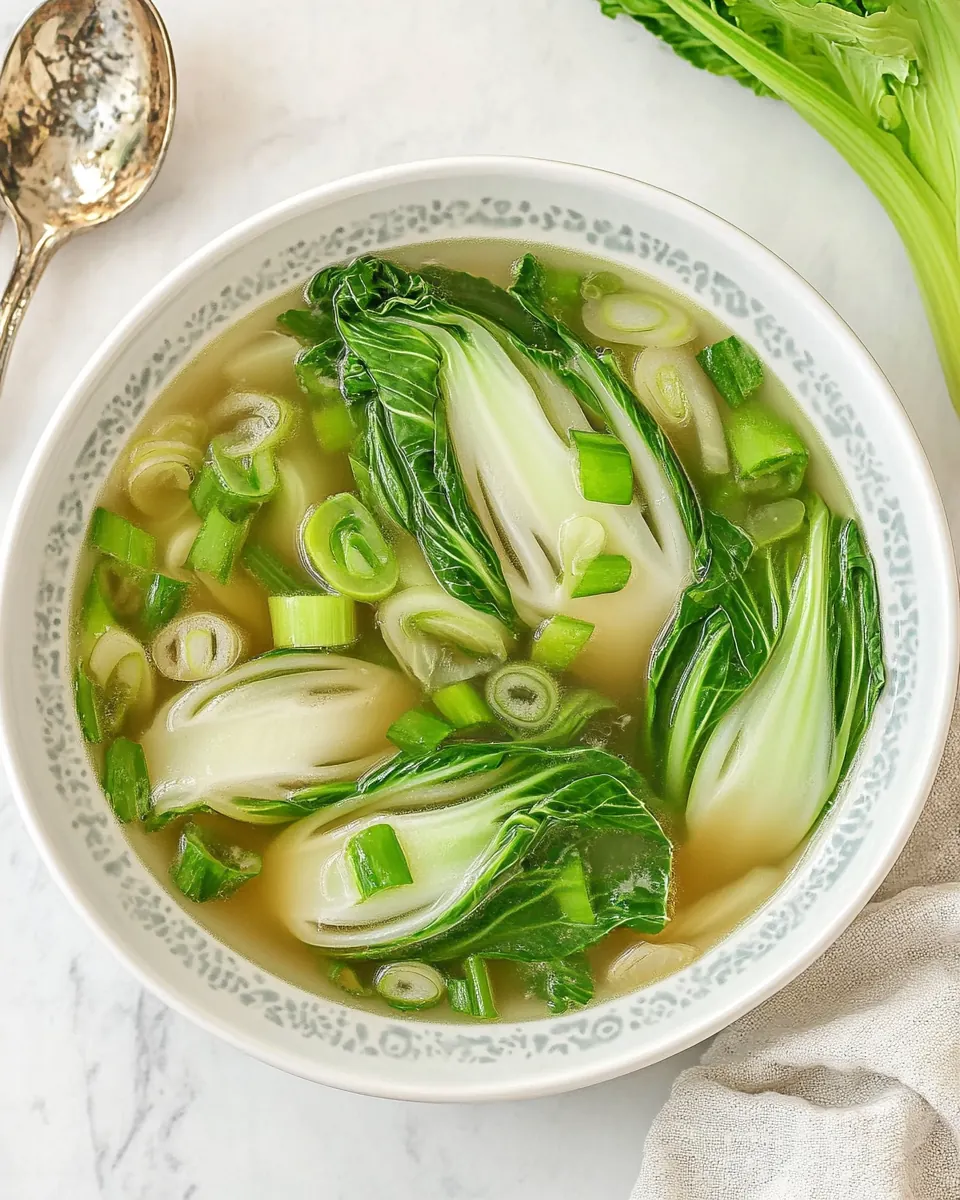
I like to cook this soup in a methodical, relaxed way so each ingredient has a moment to shine. These steps guide you through building layered flavors while keeping the process approachable. Keep an eye on aromas and textures to know you are on track.
- Heat the sesame oil in a large pot over medium heat. Add the diced shallot and cook until soft, about 3 minutes.: As the sesame oil warms, you will notice a gentle, toasty perfume rising from the pan, which signals the right moment to proceed. A warm oil helps the shallot soften evenly rather than sticking, producing a faint sizzle that tells you the pan is ready. If the oil starts smoking, lower the heat immediately because burnt oil gives a bitter note; maintain medium heat for a controlled, fragrant start. Use a large pot so steam circulates freely, avoiding crowding which can steam rather than sauté your aromatics.
- Add the minced garlic and ginger, cooking for an additional minute until fragrant.: The cooking shallot will go from opaque to translucent, releasing a subtle sweetness that forms the aromatic backbone. You should hear a gentle whisper of sizzling and see the edges soften without browning; that is the cue to move on. If the shallot browns quickly, reduce the heat, because caramelization will change the intended delicate profile. Stir frequently to ensure even softening and avoid hot spots in the pan.
- Pour in the vegetable broth, then stir in the soy sauce. Bring the mixture to a simmer.: When you add the garlic and ginger , the scent should brighten almost instantly, a warm, spicy lift that complements the cooked shallot. You will notice the kitchen filling with fresh, sharp notes within seconds. Keep the heat moderate, and stir constantly because these ingredients can scorch fast; burnt garlic or ginger will impart an unpleasant bitterness that is hard to mask.
- Add the sliced mushrooms and allow them to simmer for approximately 5 minutes.: As the vegetable broth hits the pot, you will see steam rise and tiny bubbles form at the edges as it warms. Stirring in the soy sauce immediately helps distribute its umami evenly, darkening the broth slightly and deepening the color. Allow the mixture to come up to a gentle simmer, as vigorous boiling can break down more delicate components; simmering helps meld flavors slowly and keeps the final mouthfeel silky.
- Place the bok choy into the pot and simmer for 3-4 minutes until tender yet still crisp.: You will see soft, steady bubbles and a fragrant steam, which indicates the broth is marrying with the aromatics. This gentle movement draws flavor out of the ingredients without aggressive agitation, preserving the clarity of the broth. If the pot is boiling hard, lower to a simmer because high heat can toughen the bok choy later and make the mushrooms rubbery.
- Season the soup with salt and pepper. Stir in half of the chopped green onions, saving the rest for garnish.: The mushrooms will release their liquid and deepen the broth, lending an earthy richness; watch as they change color and soften to tender but intact slices. You should hear a softer bubbling as the mushrooms exude flavor, creating a layered, savory base. Overcooking mushrooms can make them mushy and cause the texture to be lost, so time them carefully for best bite.
- Ladle the soup into bowls, garnish with the remaining green onions, and serve hot.: When the bok choy hits the simmering broth, the stems will quickly take on translucence while the leaves wilt to a bright, glossy green, offering a pleasing contrast of textures. The stems should be tender when pierced with a spoon but still have a slight snap; this balance keeps the soup lively. If you leave them in too long, the leaves will become limp and the stems overly soft, losing the fresh character that makes the dish special.
- Season the soup with salt and pepper: At this stage, taste the broth carefully and add a pinch of salt and a grind of pepper to bring out the flavors without overwhelming them. Because the soy sauce contributes saltiness, add sparingly and taste between adjustments; oversalting is a common pitfall. Stir gently to distribute seasoning evenly and allow a minute for the flavors to settle before the final garnish.
- Stir in half of the chopped green onions, saving the rest for garnish: Mixing some chopped green onions into the pot adds a soft, sweet onion note that blends into the broth, while reserving the rest for a crisp, fresh garnish gives each bowl a bright finish. The immediate aroma will freshen the soup, and the contrast between cooked and raw green onion heightens the eating experience. If you chop the green onions too early, they can lose their lively texture, so add most at the end.
- Ladle the soup into bowls, garnish with the remaining green onions, and serve hot: As you ladle, steam will rise and the bowl will glisten with broth, showcasing the tender bok choy and mushrooms. Garnishing with the reserved chopped green onions adds a pop of color and crispness, making each bite more exciting. Serve immediately for best texture; letting it sit will gradually soften the greens and flatten the fresh flavors.
Tips and Variations
I love offering small tweaks that keep the spirit of the recipe while letting you personalize it. These tips will help you refine texture, boost flavor, and adapt the soup for different occasions.
- Toast the sesame oil lightly to amplify its nutty aroma, but keep the heat moderate to avoid burning which turns it bitter.
- Use fresh ginger over powdered whenever possible for a brighter, cleaner bite; powdered ginger can feel muted compared to fresh.
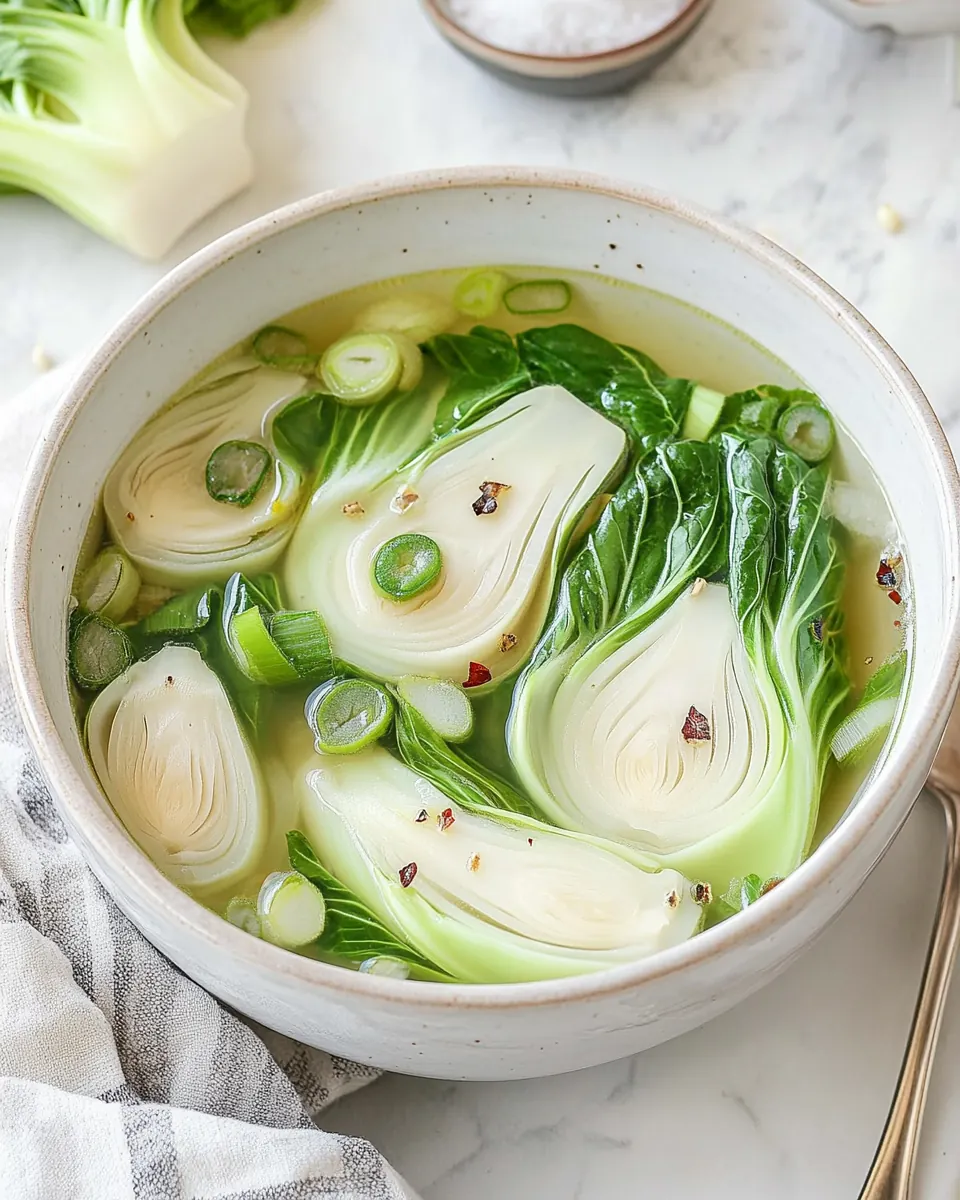
- Keep the bok choy stems intact by halving rather than chopping, this preserves visual appeal and gives you a pleasant textural contrast.
- Slice mushrooms uniformly so they cook at the same rate, preventing some pieces from becoming too soft while others stay underdone.
- Taste before salting since the soy sauce contributes sodium, adjusting with small increments to avoid over-salting.
- Garnish last with remaining green onions to maintain color and crisp freshness in every bowl.
What Goes Well With This Bok Choy Soup
This soup pairs beautifully with simple sides and fits many occasions, from a relaxed weeknight meal to a light starter for dinner guests. Think about complementary textures and mild flavors that let the soup remain the focus while adding satisfying contrasts.
- Steamed rice offers a neutral, filling base, making the soup more substantial for lunch or a light dinner.
- Crusty bread is great for soaking up the fragrant broth, providing a satisfying chew alongside the tender greens.
- Light protein such as pan-seared tofu works well if you want a heartier meal while keeping flavors balanced.
- Serve for lunch or dinner when you need something restorative that does not dominate the rest of the meal.
- Seasonal pairing with crisp salads in spring or gentle roasted vegetables in cooler months complements the soup e2 80 99s freshness.
- Storage tips include refrigerating in an airtight container for up to three days, adding fresh green onions when reheating to revive brightness.
FAQ
Conclusion
This Bok Choy Soup shines because of its simple, balanced flavors and quick, forgiving method. It offers a comforting broth, tender greens, and a depth of umami that feels both nourishing and light. I encourage you to give it a try on a busy evening or when you need a gentle, restorative meal. It e2 80 99s easy to make, adaptable to what you have on hand, and reliably satisfying without demanding too much time.

Bok Choy Soup
Equipment
- Large Pot
- Knife
- Cutting Board
- Ladle
Ingredients
- 1 tablespoon sesame oil Adds a toasty, nutty base flavor and helps sauté aromatics; warms the pan for shallot, garlic, and ginger to release their aromas. Use sparingly to avoid overpowering the delicate bok choy while contributing a subtle richness to the broth.
- 1 shallot, diced Provides a sweet, mild onion flavor and soft texture when sautéed; mirrors and balances the garlic and ginger aromatics in the soup. Dice finely so it melts into the broth, building depth without large raw bites.
- 3 garlic cloves, minced Lends pungent, savory depth and aromatic sharpness when minced and softened in oil; helps create the savory backbone of the soup. Cook briefly to remove raw harshness while preserving its fragrant character.
- 2 teaspoons fresh ginger, minced Contributes bright, peppery warmth and a citrusy note; amplifies umami from mushrooms and soy sauce when minced and sautéed with garlic. Add early with the aromatics to infuse the oil and broth with its lively zing.
- 5 cups low-sodium vegetable broth Provides the liquid foundation and a mild savory base for the soup; low-sodium option allows better control of final seasoning. Simmer with aromatics and vegetables to meld flavors without making the soup overly salty.
- 1 1/2 tablespoons soy sauce Adds salty, umami complexity and enhances savory flavors; quantity is modest to keep the broth balanced. Stir in gradually and taste to prevent over-salting, complementing mushrooms and bok choy.
- 4 ounces shiitake mushrooms or cremini, sliced Offers earthy, meaty texture and deep umami when sliced and simmered; complements the vegetal bok choy while enriching the broth. Sauté or simmer until tender so their flavor releases into the soup for a fuller mouthfeel.
- 3 baby bok choy, halved Provides tender-crisp leafy greens and mild cabbage-like flavor; halving allows even cooking and attractive presentation. Add to the simmering broth to wilt the leaves while keeping stems slightly firm for textural contrast.
- Salt and pepper to taste Allows final adjustment of seasoning to taste; balances and rounds out flavors at the end of cooking. Season gradually, tasting as you go, to maintain delicate proportions between broth, soy, and aromatics.
- 2 green onions, chopped (divided) Adds fresh, sharp oniony brightness and a mild crunch; divide to use some in cooking and some as garnish for color and texture. Chop finely for even distribution, reserving some to sprinkle on top just before serving.
Instructions
- Heat the sesame oil in a large pot over medium heat. Add the diced shallot and cook until soft, about 3 minutes.: As the sesame oil warms, you will notice a gentle, toasty perfume rising from the pan, which signals the right moment to proceed. A warm oil helps the shallot soften evenly rather than sticking, producing a faint sizzle that tells you the pan is ready. If the oil starts smoking, lower the heat immediately because burnt oil gives a bitter note; maintain medium heat for a controlled, fragrant start. Use a large pot so steam circulates freely, avoiding crowding which can steam rather than sauté your aromatics.
- Add the minced garlic and ginger, cooking for an additional minute until fragrant.: The cooking shallot will go from opaque to translucent, releasing a subtle sweetness that forms the aromatic backbone. You should hear a gentle whisper of sizzling and see the edges soften without browning; that is the cue to move on. If the shallot browns quickly, reduce the heat, because caramelization will change the intended delicate profile. Stir frequently to ensure even softening and avoid hot spots in the pan.
- Pour in the vegetable broth, then stir in the soy sauce. Bring the mixture to a simmer.: When you add the garlic and ginger , the scent should brighten almost instantly, a warm, spicy lift that complements the cooked shallot. You will notice the kitchen filling with fresh, sharp notes within seconds. Keep the heat moderate, and stir constantly because these ingredients can scorch fast; burnt garlic or ginger will impart an unpleasant bitterness that is hard to mask.
- Add the sliced mushrooms and allow them to simmer for approximately 5 minutes.: As the vegetable broth hits the pot, you will see steam rise and tiny bubbles form at the edges as it warms. Stirring in the soy sauce immediately helps distribute its umami evenly, darkening the broth slightly and deepening the color. Allow the mixture to come up to a gentle simmer, as vigorous boiling can break down more delicate components; simmering helps meld flavors slowly and keeps the final mouthfeel silky.
- Place the bok choy into the pot and simmer for 3-4 minutes until tender yet still crisp.: You will see soft, steady bubbles and a fragrant steam, which indicates the broth is marrying with the aromatics. This gentle movement draws flavor out of the ingredients without aggressive agitation, preserving the clarity of the broth. If the pot is boiling hard, lower to a simmer because high heat can toughen the bok choy later and make the mushrooms rubbery.
- Season the soup with salt and pepper. Stir in half of the chopped green onions, saving the rest for garnish.: The mushrooms will release their liquid and deepen the broth, lending an earthy richness; watch as they change color and soften to tender but intact slices. You should hear a softer bubbling as the mushrooms exude flavor, creating a layered, savory base. Overcooking mushrooms can make them mushy and cause the texture to be lost, so time them carefully for best bite.
- Ladle the soup into bowls, garnish with the remaining green onions, and serve hot.: When the bok choy hits the simmering broth, the stems will quickly take on translucence while the leaves wilt to a bright, glossy green, offering a pleasing contrast of textures. The stems should be tender when pierced with a spoon but still have a slight snap; this balance keeps the soup lively. If you leave them in too long, the leaves will become limp and the stems overly soft, losing the fresh character that makes the dish special.
- Season the soup with salt and pepper: At this stage, taste the broth carefully and add a pinch of salt and a grind of pepper to bring out the flavors without overwhelming them. Because the soy sauce contributes saltiness, add sparingly and taste between adjustments; oversalting is a common pitfall. Stir gently to distribute seasoning evenly and allow a minute for the flavors to settle before the final garnish.
- Stir in half of the chopped green onions, saving the rest for garnish: Mixing some chopped green onions into the pot adds a soft, sweet onion note that blends into the broth, while reserving the rest for a crisp, fresh garnish gives each bowl a bright finish. The immediate aroma will freshen the soup, and the contrast between cooked and raw green onion heightens the eating experience. If you chop the green onions too early, they can lose their lively texture, so add most at the end.
- Ladle the soup into bowls, garnish with the remaining green onions, and serve hot: As you ladle, steam will rise and the bowl will glisten with broth, showcasing the tender bok choy and mushrooms. Garnishing with the reserved chopped green onions adds a pop of color and crispness, making each bite more exciting. Serve immediately for best texture; letting it sit will gradually soften the greens and flatten the fresh flavors.
Notes
- Toast the sesame oil lightly to amplify its nutty aroma, but keep the heat moderate to avoid burning which turns it bitter.
- Use fresh ginger over powdered whenever possible for a brighter, cleaner bite; powdered ginger can feel muted compared to fresh.
- Keep the bok choy stems intact by halving rather than chopping, this preserves visual appeal and gives you a pleasant textural contrast.
- Slice mushrooms uniformly so they cook at the same rate, preventing some pieces from becoming too soft while others stay underdone.
- Taste before salting since the soy sauce contributes sodium, adjusting with small increments to avoid over-salting.
- Garnish last with remaining green onions to maintain color and crisp freshness in every bowl.