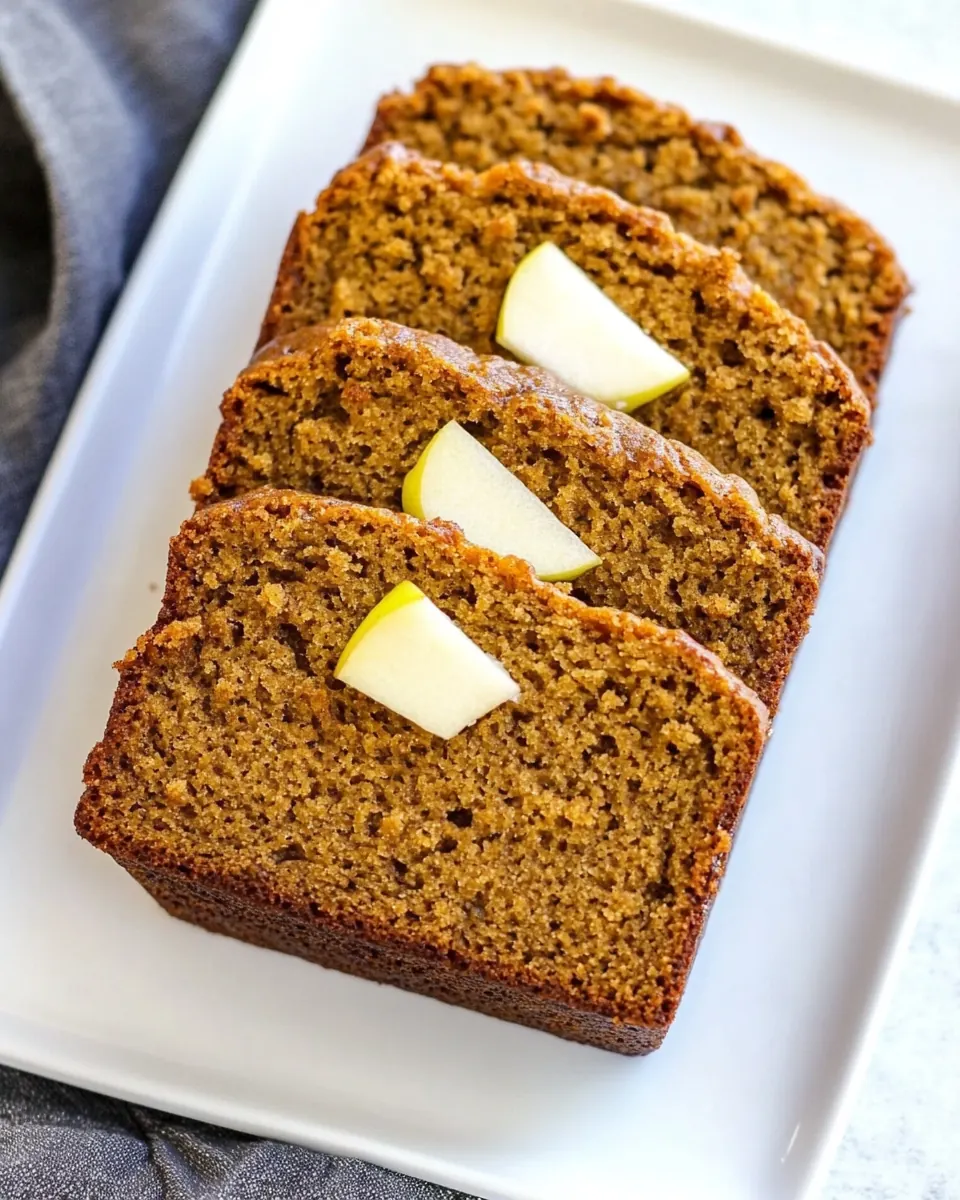
Pumpkin Bread with Apples
Pumpkin Bread with Apples is one of those cozy treats I reach for when the air turns crisp and the calendar fills up with gatherings. The first time I made this loaf, I was testing textures, curiosity driving me to add a tart apple to a familiar pumpkin batter, and the result surprised everyone at the table. The crumb was tender, the crust caramelized just enough, and the apple pieces gave bright pops of freshness that kept each slice interesting.
That day I remembered why simple recipes win hearts: they let small, quality choices shine. I used a trusty can of pumpkin puree and a sharp Granny Smith apple, and the combination felt like a warm sweater for the mouth. I love serving this for late morning visits, wrapping slices for lunchboxes, or bringing a couple of loaves to a potluck so friends can snack while the conversation flows.
Recipe Snapshot
1 hr 20 mins
20 mins
60 mins
Medium
250 kcal
American
Gluten-Free, Vegan
Desserts
Loaf pan, Wire rack, Mixing bowl, Whisk
The Charm of This Pumpkin Bread with Apples
Comfort in Every Slice
I adore how Pumpkin Bread with Apples reads like an autumn hug. The dense, moist crumb infused with pumpkin puree is comforting, and the apple pieces give an unexpected lift so it never feels too heavy. When I serve this, people comment on the familiar flavors, which makes it a dependable choice for family gatherings.
Textural Contrast That Works
One reason I reach for this loaf is the contrast between the soft pumpkin batter and the tender apple cubes. The way the apple keeps some structure when baked gives a pleasant bite, which balances the cake like softness. I intentionally dice the apple small so each forkful includes fruit without overwhelming the slice.
Simple Pantry Staples
Most ingredients for Pumpkin Bread with Apples are pantry-friendly, which is why I can pull this together on short notice. From flour to sugar, nothing exotic is needed, so it is a great choice when friends drop by unexpectedly. I like recipes that feel accessible, and this one absolutely fits that bill.
Adaptable for Different Occasions
I find this loaf equally suited to a relaxed breakfast or an autumn dessert after dinner. It travels well, so take a loaf to a potluck or slice it up for a holiday brunch. The balance of spices like cinnamon, allspice, and cloves gives it seasonal appeal without being too assertive.
Make-Ahead Friendly
I often bake this a day ahead because the flavors settle beautifully overnight. The texture remains moist, and the aroma when it is reheated briefly in a low oven is irresistible. For busy weekends, having loaves ready to slice makes mornings feel calmer and more generous.
What’s In This Pumpkin Bread with Apples
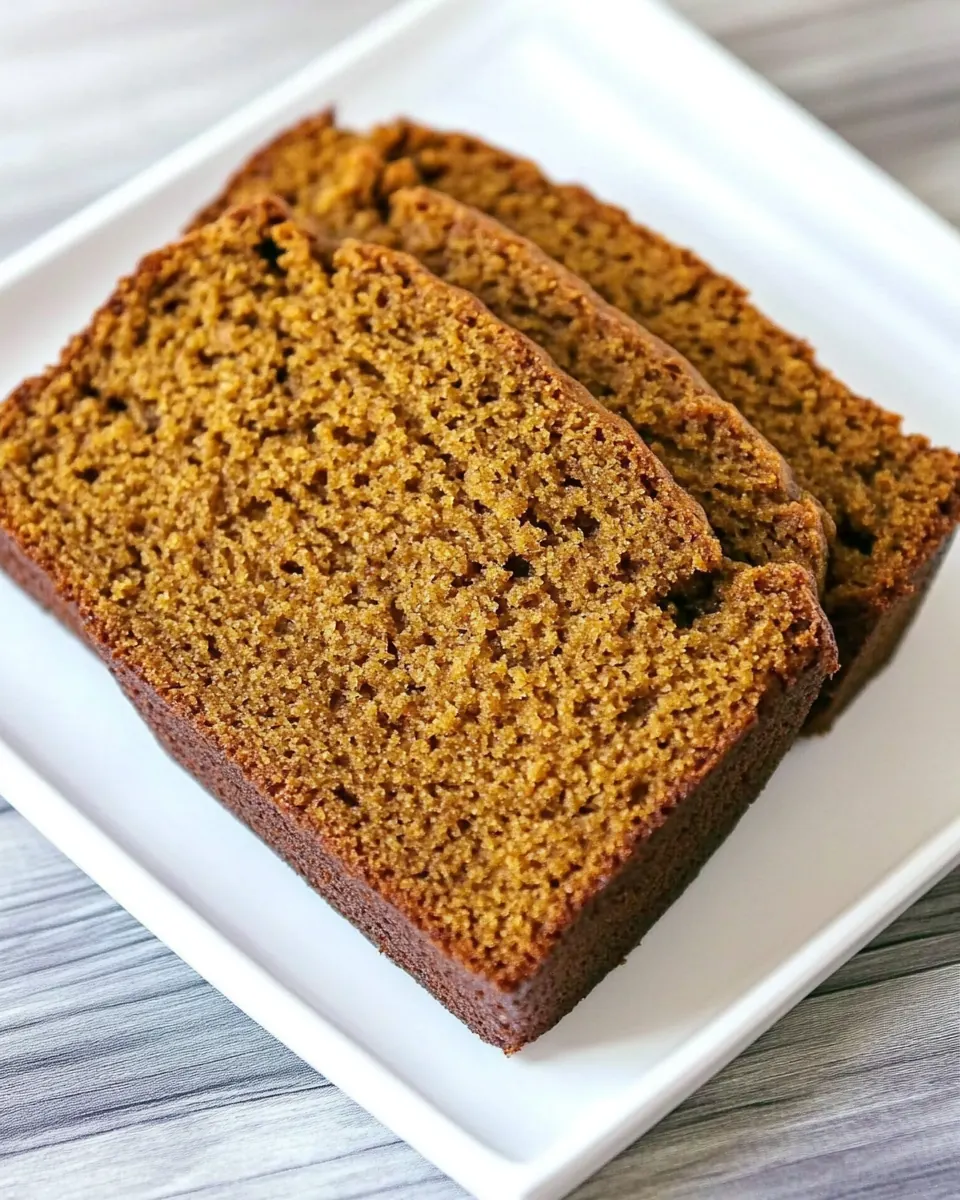
I believe the best baked goods rely on a handful of purposeful ingredients. For Pumpkin Bread with Apples, the cast includes a sturdy base of flour, warming spices to frame the pumpkin, and just enough sugar and oil to keep the crumb tender. The star is the combination of pumpkin puree and a crisp apple, which bring moisture and bright fruit flavor. Each player supports the others so the loaf feels rounded and autumnal without being cloying.
- 3 cups flour: Provide structure and bulk to the batter, forming the framework that holds the bread together. Combine with liquids and leaveners to create the crumb and determine texture. Sift or whisk to ensure even distribution before mixing into wet ingredients.
- 2 teaspoons ground cinnamon: Add warm, aromatic spice that complements pumpkin and apples, enhancing overall flavor depth. Balance sweetness and impart a classic fall character to the bread. Measure carefully to avoid overpowering the other spices.
- 1/2 teaspoon allspice: Offer a sweet, slightly peppery warmth that layers with cinnamon for complexity. Act as a supporting spice to round out the spice blend without dominating. Use sparingly to maintain subtlety in the flavor profile.
- 1/2 teaspoon cloves: Provide a pungent, warm note that enhances the autumnal spice mix and contrasts sweet elements. Help create aromatic complexity and a lingering finish in each bite. Crushed or ground form disperses evenly through the batter.
- 2 teaspoons baking soda: Produce carbon dioxide when reacting with acidic components, helping the bread rise and become tender. Coordinate with beating and mixing techniques to trap air for a lighter crumb. Distribute evenly through the dry ingredients for consistent lift.
- 3/4 teaspoons salt: Control seasoning balance, enhancing other flavors and moderating sweetness while strengthening gluten development slightly. Help accentuate the aroma of spices and pumpkin without being perceptible on its own. Dissolve fully to avoid pockets of salt.
- 2 1/4 cups sugar: Provide primary sweetness and contribute to moistness and browning during baking through caramelization. Affect texture and shelf life by drawing and retaining moisture in the crumb. Adjust quantity cautiously if preferring less sweetness.
- 1 can (15-ounce) pumpkin puree (not pumpkin pie filling): Supply moisture, rich pumpkin flavor, and dense, fibrous texture that defines the loaf. Add natural color and pair with spices to create characteristic seasonal taste. Ensure puree is not substituted with pie filling to avoid extra sugar and spices.
- 4 large eggs, lightly beaten: Bind ingredients, add richness, and help with leavening by trapping air when beaten. Contribute to structure and tender crumb while improving moisture and mouthfeel. Beat lightly to incorporate but avoid overmixing to preserve loft.
- 3/4 cup vegetable oil: Introduce fat that tenderizes the crumb, increases moistness, and aids in browning for a pleasant crust. Carry and amplify flavor while contributing to a soft loaf texture. Mix with eggs and sugar to form a smooth emulsion before adding dry ingredients.
- A large Granny Smith apple, peeled, cored and diced into small cubes: Provide crisp, tart bites and fresh texture contrast to the soft, spiced bread. Add natural sweetness and moisture as small cubes release juices during baking while contributing occasional texture variation. Peel, core, and dice uniformly for even distribution throughout the loaf.
Making This Pumpkin Bread with Apples
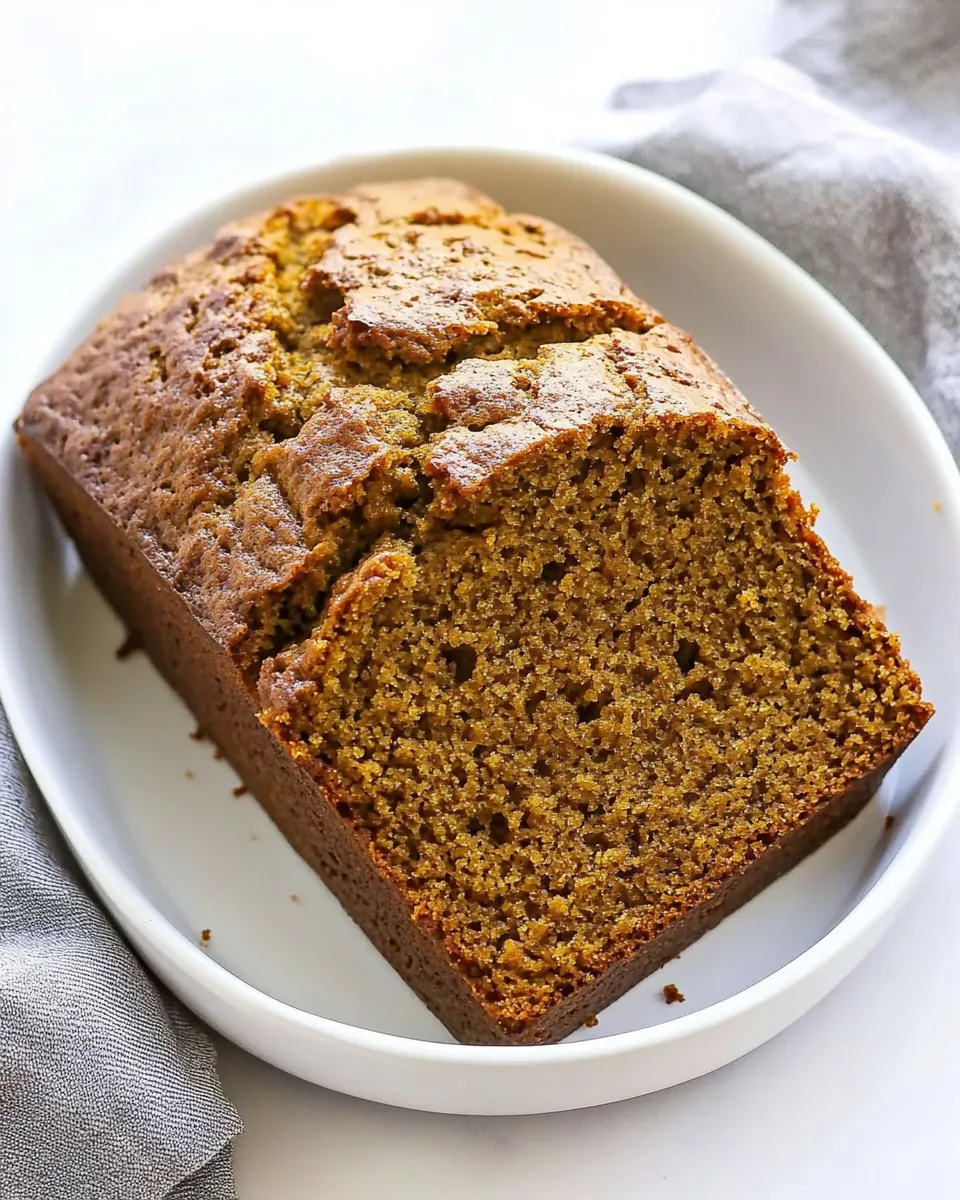
I always like a quick pep talk before mixing batter, because attention at the start saves time and fixes later. Follow a steady prep rhythm, and take a moment to set ingredients at room temperature so they combine smoothly. Below I expand each direction with sensory cues, reasons, and troubleshooting tips to help you bake confidently.
- Preheat oven to 350°.: You will notice the oven warming and the air in the kitchen becoming cozy, a small signal that baking is under way. Proper preheating ensures the loaf begins to rise immediately, creating an even crumb and a well formed crust. If you skip preheating, the batter can sit too long and the structure may collapse, so wait until the oven registers the full heat. I set my rack in the center so heat circulates evenly, and I listen for the oven fan or click as a cue that it is ready.
- Grease and flour two 9 x 5-inch loaf pans.: The pans should feel slick after greasing, and a light dusting of flour prevents sticking while promoting a thin, golden crust. This step matters because it helps you remove intact loaves for nice presentation. A common mistake is to miss the corners, which can cause one end to cling, so be thorough and tap out excess flour . I prefer to rub the oil in with a paper towel to reach all edges before flouring.
- Combine flour, cinnamon, allspice, cloves, baking soda, and salt in a large bowl.: When you sift or whisk these dry ingredients, there is a light, spicy aroma that hints at the final loaf. Combining thoroughly distributes the leavening and spices so every bite tastes consistent. If you do not mix well, the loaf can have pockets of baking soda or uneven spice, creating off flavors. I use a whisk and sweep the bottom to ensure no clumps of flour remain, and I inhale the spice mix for a reassuring scent before moving on.
- Combine sugar, pumpkin, eggs, and vegetable oil in a large bowl and whisk or beat until just blended.: As you whisk, the mixture darkens and becomes glossy, with the pumpkin giving a thick, silky texture. Blending just until combined prevents overmixing, which can toughen the crumb. A common error is to whisk excessively; stop when you see an even color and no streaks of egg . I scrape the bowl sides to incorporate any trapped ingredients so the batter is uniform.
- Add pumpkin mixture to flour mixture; stir just until moistened.: At this stage you will see the batter come together with ribbons of spice and pumpkin folding through. Stirring until just moistened keeps the crumb tender and avoids developing gluten. Overmixing will result in a denser loaf, so I use a rubber spatula and fold gently until no dry flour streaks remain. If the batter seems too stiff, check that measurements were accurate, because excess flour tightens texture.
- Fold in apples.: The small cubes of apple will disappear into the batter, leaving little pockets of juice and crispness. Folding gently prevents breaking the pieces down, which preserves texture and visual interest. If you stir too vigorously, the apple can turn mushy and change the moisture balance, so be delicate. I fold with a few deliberate strokes until the fruit is evenly dispersed.
- Divide the batter equally into the prepared loaf pans.: Filling the pans evenly means both loaves bake at the same rate and finish together, giving uniform crust color. You should see batter levels that look balanced; if one pan is much fuller it will take longer to bake. Use a scale or a large scoop to portion evenly, and tap the pans gently on the counter to release air bubbles and settle the batter.
- Mix the streusel topping in a separate bowl with a fork, and sprinkle evenly over the batter.: When the streusel is applied, you will notice a crumbly texture that creates a crisp, sweet finish as it bakes. The contrast of crunchy topping and soft loaf adds depth to each slice. Be careful not to press the streusel into the batter, which can cause it to sink; instead scatter it lightly so it bakes on top. If you skip this, the loaf will still be lovely, but it loses that textural flourish.
- Bake for one hour or until a toothpick inserted in the center comes out clean.: As the loaves bake, aroma will fill the kitchen and the tops will turn a warm golden brown. The one hour guideline is a target, but ovens vary, so use the toothpick test to confirm doneness. Stick a thin wooden pick into the center; if it emerges with moist crumbs but not wet batter, the loaf is ready. A common pitfall is removing the loaf too early, which yields a gummy center, so err on the side of giving a few extra minutes if needed.
- Cool in pans on wire racks for 10 minutes; then remove to wire racks to cool completely.: In the immediate cooling stage you may hear a faint settling sound as the crumb finishes setting. Letting the loaves rest in the pans prevents them from breaking when transferred, and the final cooling on racks stops residual heat so the crust holds. Removing too soon can cause the loaf to tear, and letting it cool completely improves slicing. I leave them ten minutes, run a knife around the edges, then invert carefully onto racks for full cooling.
Change It Up
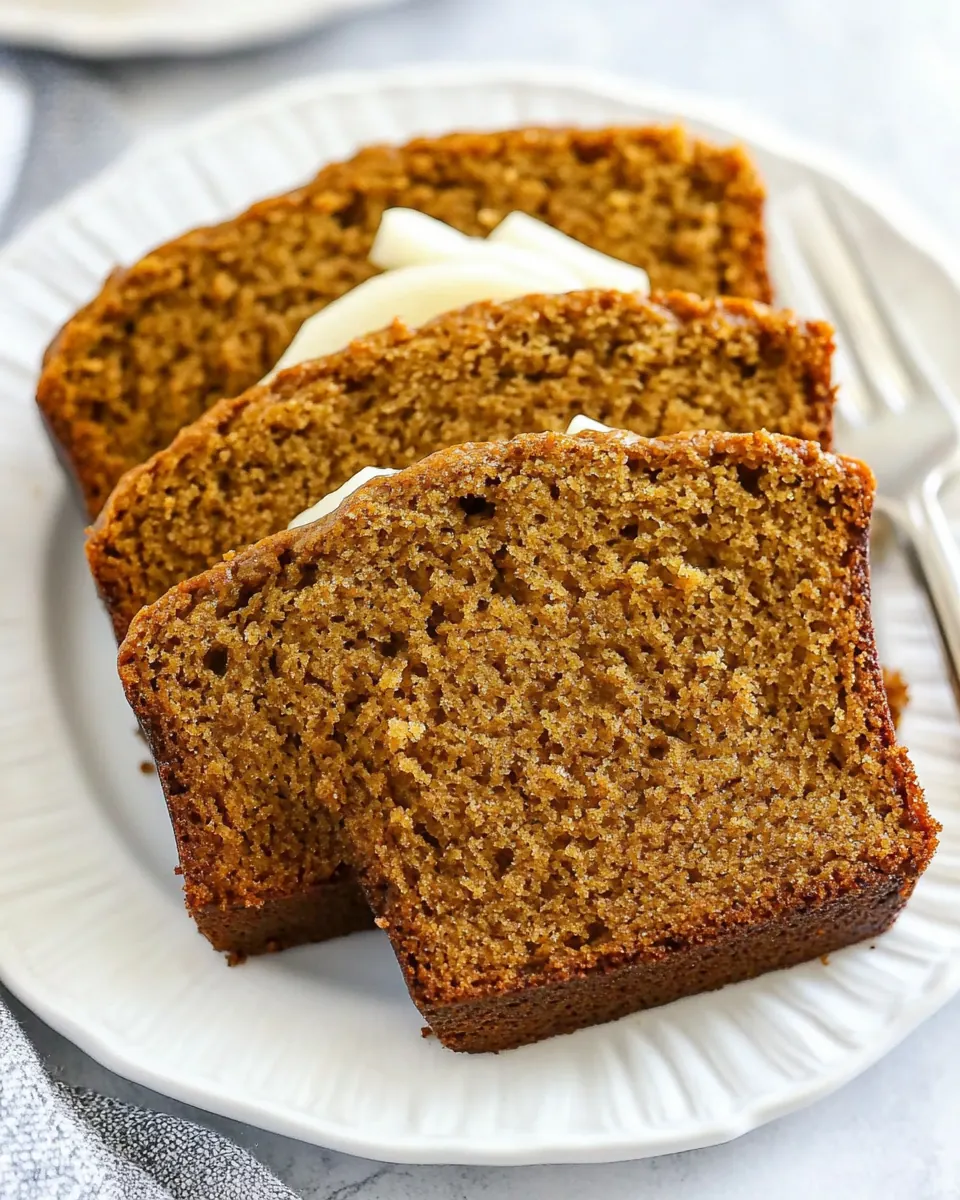
This section offers ideas to tweak texture and flavor while keeping the core of the loaf intact. Small changes can yield new seasonal twists or tailor the loaf to a crowd. Below are practical, kitchen tested tips to inspire you while baking Pumpkin Bread with Apples.
- Boost the spice: Add a touch more cinnamon or a pinch more allspice for deeper warmth, but increase spices gradually to avoid overpowering the pumpkin.
- Apple texture: Choose a tart Granny Smith apple for bright contrast, and dice it small so it stays tender but not mushy inside the loaf.
- Moisture control: If your batter seems dry, verify measurements and consider adding a tablespoon of oil, because small adjustments can rescue the crumb without changing flavor.
- Topping crunch: For extra texture, toss the streusel with a teaspoon of sugar before sprinkling so it caramelizes into a crisp crust as it bakes.
- Make ahead: Bake a day early and store loosely covered at room temperature to let flavors meld, which often improves the overall taste by the next day.
Accompaniments for Pumpkin Bread with Apples
This loaf pairs well with simple additions that highlight its autumn profile. Whether serving for breakfast, a holiday buffet, or an afternoon treat, consider warm beverages and light accompaniments to complement the spice and fruit. Below are thoughtful pairing ideas and practical storage notes to help you present the loaf beautifully.
- Morning spread: Serve slices with a smear of softened butter or a light cream cheese for richness that complements the pumpkin and apple flavors.
- Holiday brunch: Present the loaf alongside a fruit salad and hot beverages for a balanced buffet, making the bread a sweet anchor without overwhelming the table.
- Snack plate: Pair slices with a selection of cheeses and fresh fruit for an easy gathering plate where the loaf provides warmth and texture.
- Storage tips: Keep wrapped at room temperature for up to three days, or freeze slices in airtight bags for up to three months, reheating briefly to restore freshness.
- Seasonal occasions: This loaf is ideal for fall events like Thanksgiving mornings or casual autumn get togethers, where the spices and apple note feel especially at home.
FAQ
Conclusion
What makes this recipe special is the simple marriage of canned pumpkin and crisp apple that creates a loaf with both warm spice and fresh fruit brightness. It is approachable enough for a busy morning, yet festive enough for holiday mornings or potlucks, and it rewards small care at key steps like gentle mixing and accurate measuring. Give it a try and you will likely find it a dependable favorite for fall baking, a loaf that slices beautifully and brings comforting aromas to your kitchen.
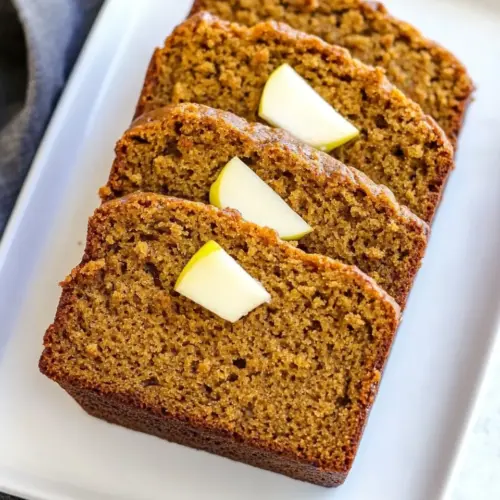
Pumpkin Bread with Apples
Equipment
- Loaf Pan
- Wire Rack
- Mixing Bowl
- Whisk
Ingredients
- 3 cups flour Provide structure and bulk to the batter, forming the framework that holds the bread together. Combine with liquids and leaveners to create the crumb and determine texture. Sift or whisk to ensure even distribution before mixing into wet ingredients.
- 2 teaspoons ground cinnamon Add warm, aromatic spice that complements pumpkin and apples, enhancing overall flavor depth. Balance sweetness and impart a classic fall character to the bread. Measure carefully to avoid overpowering the other spices.
- 1/2 teaspoon allspice Offer a sweet, slightly peppery warmth that layers with cinnamon for complexity. Act as a supporting spice to round out the spice blend without dominating. Use sparingly to maintain subtlety in the flavor profile.
- 1/2 teaspoon cloves Provide a pungent, warm note that enhances the autumnal spice mix and contrasts sweet elements. Help create aromatic complexity and a lingering finish in each bite. Crushed or ground form disperses evenly through the batter.
- 2 teaspoons baking soda Produce carbon dioxide when reacting with acidic components, helping the bread rise and become tender. Coordinate with beating and mixing techniques to trap air for a lighter crumb. Distribute evenly through the dry ingredients for consistent lift.
- 3/4 teaspoons salt Control seasoning balance, enhancing other flavors and moderating sweetness while strengthening gluten development slightly. Help accentuate the aroma of spices and pumpkin without being perceptible on its own. Dissolve fully to avoid pockets of salt.
- 2 1/4 cups sugar Provide primary sweetness and contribute to moistness and browning during baking through caramelization. Affect texture and shelf life by drawing and retaining moisture in the crumb. Adjust quantity cautiously if preferring less sweetness.
- 1 can (15-ounce) pumpkin puree (not pumpkin pie filling) Supply moisture, rich pumpkin flavor, and dense, fibrous texture that defines the loaf. Add natural color and pair with spices to create characteristic seasonal taste. Ensure puree is not substituted with pie filling to avoid extra sugar and spices.
- 4 large eggs, lightly beaten Bind ingredients, add richness, and help with leavening by trapping air when beaten. Contribute to structure and tender crumb while improving moisture and mouthfeel. Beat lightly to incorporate but avoid overmixing to preserve loft.
- 3/4 cup vegetable oil Introduce fat that tenderizes the crumb, increases moistness, and aids in browning for a pleasant crust. Carry and amplify flavor while contributing to a soft loaf texture. Mix with eggs and sugar to form a smooth emulsion before adding dry ingredients.
- A large Granny Smith apple, peeled, cored and diced into small cubes Provide crisp, tart bites and fresh texture contrast to the soft, spiced bread. Add natural sweetness and moisture as small cubes release juices during baking while contributing occasional texture variation. Peel, core, and dice uniformly for even distribution throughout the loaf.
Instructions
- Preheat oven to 350°.: You will notice the oven warming and the air in the kitchen becoming cozy, a small signal that baking is under way. Proper preheating ensures the loaf begins to rise immediately, creating an even crumb and a well formed crust. If you skip preheating, the batter can sit too long and the structure may collapse, so wait until the oven registers the full heat. I set my rack in the center so heat circulates evenly, and I listen for the oven fan or click as a cue that it is ready.
- Grease and flour two 9 x 5-inch loaf pans.: The pans should feel slick after greasing, and a light dusting of flour prevents sticking while promoting a thin, golden crust. This step matters because it helps you remove intact loaves for nice presentation. A common mistake is to miss the corners, which can cause one end to cling, so be thorough and tap out excess flour . I prefer to rub the oil in with a paper towel to reach all edges before flouring.
- Combine flour, cinnamon, allspice, cloves, baking soda, and salt in a large bowl.: When you sift or whisk these dry ingredients, there is a light, spicy aroma that hints at the final loaf. Combining thoroughly distributes the leavening and spices so every bite tastes consistent. If you do not mix well, the loaf can have pockets of baking soda or uneven spice, creating off flavors. I use a whisk and sweep the bottom to ensure no clumps of flour remain, and I inhale the spice mix for a reassuring scent before moving on.
- Combine sugar, pumpkin, eggs, and vegetable oil in a large bowl and whisk or beat until just blended.: As you whisk, the mixture darkens and becomes glossy, with the pumpkin giving a thick, silky texture. Blending just until combined prevents overmixing, which can toughen the crumb. A common error is to whisk excessively; stop when you see an even color and no streaks of egg . I scrape the bowl sides to incorporate any trapped ingredients so the batter is uniform.
- Add pumpkin mixture to flour mixture; stir just until moistened.: At this stage you will see the batter come together with ribbons of spice and pumpkin folding through. Stirring until just moistened keeps the crumb tender and avoids developing gluten. Overmixing will result in a denser loaf, so I use a rubber spatula and fold gently until no dry flour streaks remain. If the batter seems too stiff, check that measurements were accurate, because excess flour tightens texture.
- Fold in apples.: The small cubes of apple will disappear into the batter, leaving little pockets of juice and crispness. Folding gently prevents breaking the pieces down, which preserves texture and visual interest. If you stir too vigorously, the apple can turn mushy and change the moisture balance, so be delicate. I fold with a few deliberate strokes until the fruit is evenly dispersed.
- Divide the batter equally into the prepared loaf pans.: Filling the pans evenly means both loaves bake at the same rate and finish together, giving uniform crust color. You should see batter levels that look balanced; if one pan is much fuller it will take longer to bake. Use a scale or a large scoop to portion evenly, and tap the pans gently on the counter to release air bubbles and settle the batter.
- Mix the streusel topping in a separate bowl with a fork, and sprinkle evenly over the batter.: When the streusel is applied, you will notice a crumbly texture that creates a crisp, sweet finish as it bakes. The contrast of crunchy topping and soft loaf adds depth to each slice. Be careful not to press the streusel into the batter, which can cause it to sink; instead scatter it lightly so it bakes on top. If you skip this, the loaf will still be lovely, but it loses that textural flourish.
- Bake for one hour or until a toothpick inserted in the center comes out clean.: As the loaves bake, aroma will fill the kitchen and the tops will turn a warm golden brown. The one hour guideline is a target, but ovens vary, so use the toothpick test to confirm doneness. Stick a thin wooden pick into the center; if it emerges with moist crumbs but not wet batter, the loaf is ready. A common pitfall is removing the loaf too early, which yields a gummy center, so err on the side of giving a few extra minutes if needed.
- Cool in pans on wire racks for 10 minutes; then remove to wire racks to cool completely.: In the immediate cooling stage you may hear a faint settling sound as the crumb finishes setting. Letting the loaves rest in the pans prevents them from breaking when transferred, and the final cooling on racks stops residual heat so the crust holds. Removing too soon can cause the loaf to tear, and letting it cool completely improves slicing. I leave them ten minutes, run a knife around the edges, then invert carefully onto racks for full cooling.
Notes
- Boost the spice: Add a touch more cinnamon or a pinch more allspice for deeper warmth, but increase spices gradually to avoid overpowering the pumpkin.
- Apple texture: Choose a tart Granny Smith apple for bright contrast, and dice it small so it stays tender but not mushy inside the loaf.
- Moisture control: If your batter seems dry, verify measurements and consider adding a tablespoon of oil, because small adjustments can rescue the crumb without changing flavor.
- Topping crunch: For extra texture, toss the streusel with a teaspoon of sugar before sprinkling so it caramelizes into a crisp crust as it bakes.
- Make ahead: Bake a day early and store loosely covered at room temperature to let flavors meld, which often improves the overall taste by the next day.