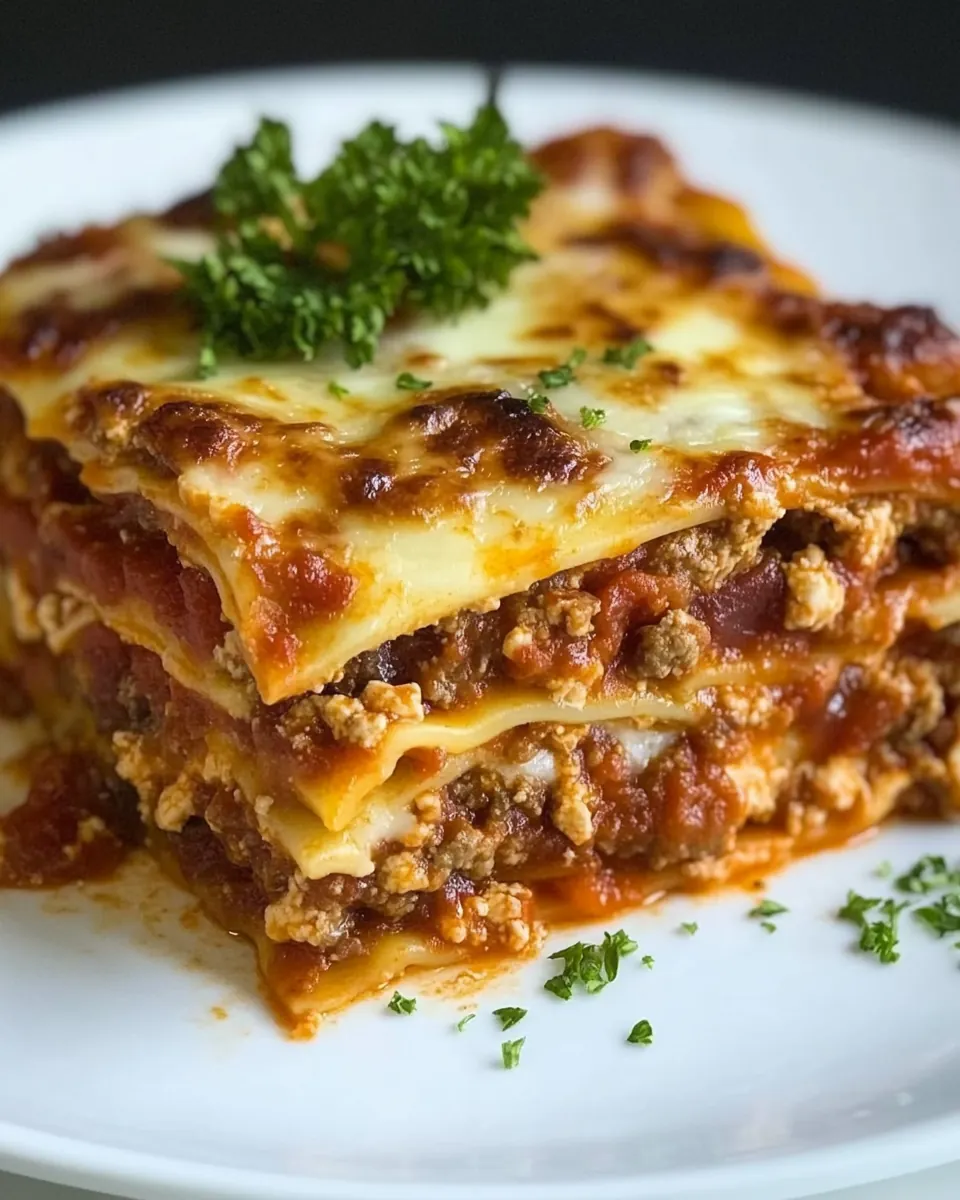
Make Ahead Lasagna
Make Ahead Lasagna is one of those recipes I turn to when I need a reliable, comforting meal that plays well with a busy schedule.
Years ago I started assembling pans of this lasagna before big family gatherings, and I learned the small rituals that make it sing. I remember the first time I refrigerated an unbaked pan overnight, worried the noodles would be gummy, and waking up to a sauce that had deepened in flavor overnight. The next day the house smelled like slow simmered tomato and toasted cheese, and everyone kept asking what I had done differently.
What I love most is how forgiving this dish is. I can mix and match proportions, let the sauce simmer a touch longer, or tuck the pan into the fridge to save time. There is a rhythm to layering the noodles, spreading the ricotta mixture, and sprinkling the mozzarella that feels almost meditative. Over the years I picked up little tricks on texture and timing that turn a simple lasagna into something reliably rich and satisfying.
Making it ahead also gives me freedom on the day of a party, because the oven time becomes the final flourish rather than the main event. Serve it with a bright salad, and you have a meal that tastes like effort and love without the last minute rush. It’s become a staple whenever I want a meal that feeds a crowd and keeps well for leftovers.
Recipe Snapshot
1 hr 30 mins
10 mins
80 mins
Medium
450 kcal
Italian
Gluten-Free, Keto
Dinner
Large saucepan, Dutch oven, 9-inch x 13-inch baking dish, Aluminum foil
The Beauty of This Make Ahead Lasagna
Comfort that Scales
I adore how Make Ahead Lasagna feeds a crowd with minimal stress. When I double the sauce and build two pans, the same method applies, and the results are consistent. The texture of the noodles soaked in a well made sauce feels indulgent, and the layers make each slice sturdy enough to serve in generous portions.
Time saving without compromise
Preparing this lasagna in advance won me back hours on event day. I can assemble the pan the night before, refrigerate, and the flavors deepen overnight. That extra rest time lets the sauce and cheese marry, producing a more cohesive bite. I value the way this method preserves the finished quality, not diminishes it.
Balanced flavors and textures
The pairing of a seasoned meat sauce with a creamy ricotta layer and gooey mozzarella offers contrast in every forkful. The slightly tangy Parmesan on top adds an umami lift that brightens the dense, savory layers below. I love that each element plays a distinct role, so no single component overwhelms the plate.
Flexible and forgiving
There is room to personalize without wrecking the dish. You can tweak the seasonings, swap proportions of meats, or adjust cheese ratios, and the structure remains intact. I often find small adjustments like adding a touch more garlic or a pinch of fennel seeds make a family favorite even better.
Great for leftovers and freezing
This lasagna reheats beautifully, making it a practical choice for meal prep. I freeze unbaked pans for quick future dinners, and they thaw into surprisingly fresh tasting meals. For me, that durability is a major reason to return to this recipe again and again.
Make Ahead Lasagna Ingredients
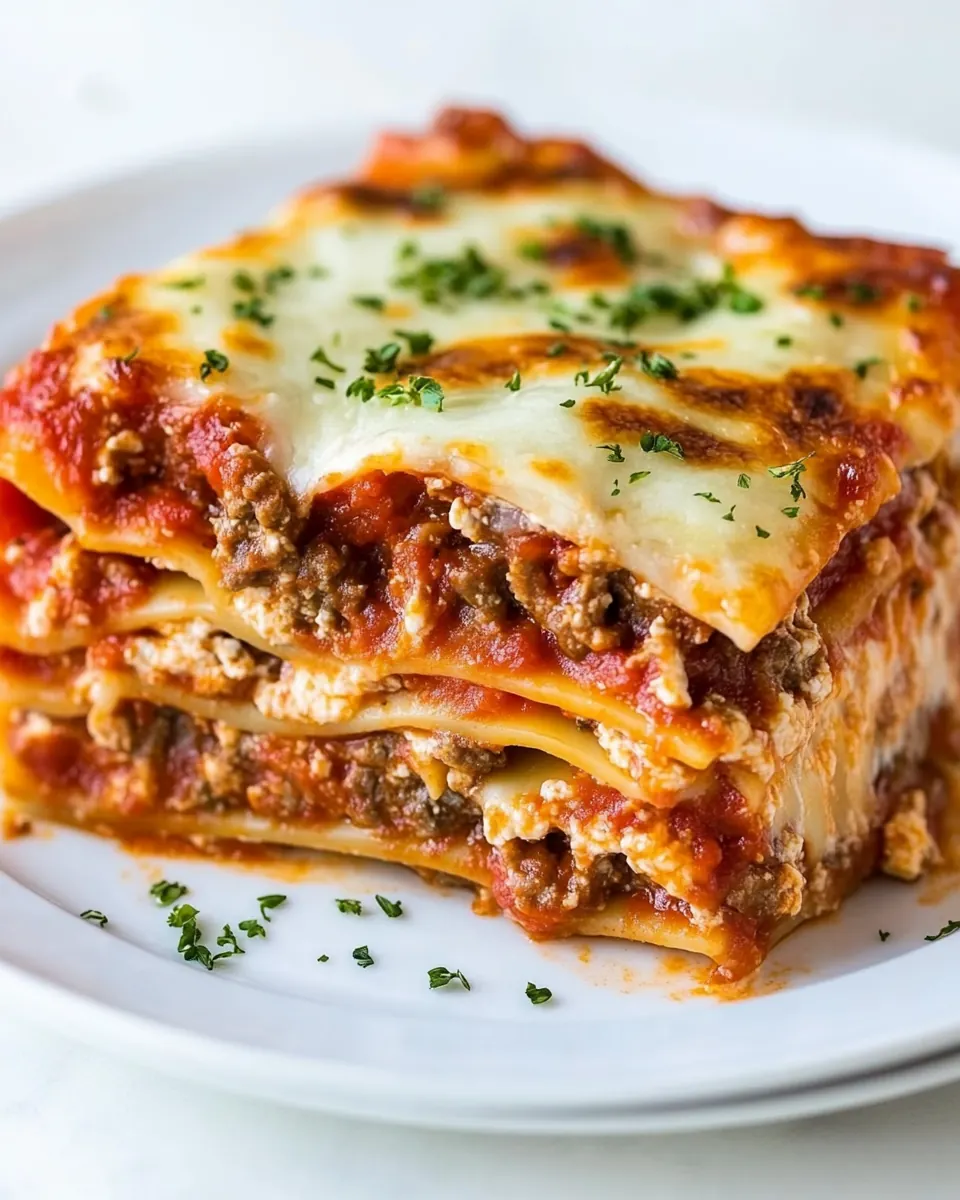
I choose ingredients that build a layered, coherent lasagna. The sauce provides moisture and deep tomato flavor, the ricotta mixture lends creaminess and structure, and the cheeses melt into that classic blanket of golden goodness. Each component is a key player that contributes texture and taste, and together they yield a satisfying, shareable casserole.
- 1 pound ground beef (see note 1): Brown thoroughly in a skillet to develop deep, savory flavor and a meaty base for the sauce; drain excess fat if desired and season while cooking to enhance overall dish complexity.
- 1 pound ground Italian sausage: Cook until fully browned to contribute robust, herby richness and fatty depth to the sauce; combine with ground beef for balanced texture and authentic Italian sausage flavor.
- 1 medium onion peeled and chopped (about 1 cup): Chop and sauté until translucent to add natural sweetness and aromatic underpinning; provides bulk and a tender bite that complements the meat and tomato components.
- 4 cloves garlic minced: Mince and cook briefly with the onions to release pungent, aromatic oils; adds bright, savory lift and rounds out the sauce’s flavor profile.
- 1 (28-ounce) can crushed tomatoes: Simmer into the meat mixture to provide body, texture, and bright tomato flavor; forms the chunky backbone of the marinara used between the pasta layers.
- 1 (15-ounce) can tomato sauce: Stir into the sauce for a smooth tomato base and consistent saucy coverage; helps adjust thickness and melds flavors for cohesive lasagna layers.
- 1 (6-ounce) can tomato paste: Incorporate to intensify tomato concentration and thicken the sauce; binds and stabilizes the mixture so it holds between noodle layers.
- 2 tablespoons granulated sugar or to taste (see note 2): Sprinkle and taste-adjust to cut acidity and bring out tomato sweetness; balances the sauce and can be modified to suit personal preference.
- 1 1/2 teaspoons dried basil: Add dried herbiness to the sauce for fragrant, slightly sweet Mediterranean notes; rehydrates while simmering and layers flavor into the tomato mix.
- 1 teaspoon Italian seasoning (see note 3): Include for a blend of oregano, thyme, and other herbs that add classic Italian seasoning; designed to complement basil and deepen overall herb profile.
- 1 teaspoon fennel seeds (see note 4): Toast lightly to release warm, anise-like oils and stir into the meat sauce for subtle licorice undertones; pairs well with sausage for authentic Italian character.
- Salt and freshly ground black pepper: Season generously during cooking to enhance all flavors and control seasoning balance; freshly ground pepper adds a bright, sharp contrast to rich ingredients.
- 1 (15-ounce) container ricotta cheese (see note 5): Combine with egg and seasonings to create a creamy, slightly tangy ricotta layer that adds moisture and tender richness to each lasagna slice.
- 1 egg: Whisk into the ricotta mixture to bind and enrich the filling, providing structure and a silkier texture when baked.
- 2 teaspoons dried parsley: Sprinkle into the cheese mixture for herbal brightness and visual flecks; dried parsley contributes gentle earthiness without overpowering the dish.
- 1/2 teaspoon salt: Add to the ricotta mixture to season and ensure even salt distribution throughout the filling; small amounts prevent blandness in the interior.
- 1 box lasagna noodles NOT no-boil (see note 6): Boil until al dente to form the sturdy pasta sheets that separate sauce and cheese layers; standard noodles hold up to baking and freezing better than no-boil varieties.
- 1 pounds shredded mozzarella cheese: Layer shredded throughout and on top to create the gooey, melty, and stringy cheese character essential to classic lasagna; browns attractively in the oven.
- 1 cup freshly grated Parmesan cheese: Grate into the cheese blend to impart umami, salty tang, and a granular texture that complements ricotta and mozzarella layers for depth of flavor.
- minced fresh parsley for garnish: Chop and sprinkle as a finishing touch to add bright herbal color and fresh parsley aroma, enhancing presentation and providing a light contrast to the rich casserole.
Instructions for Make Ahead Lasagna
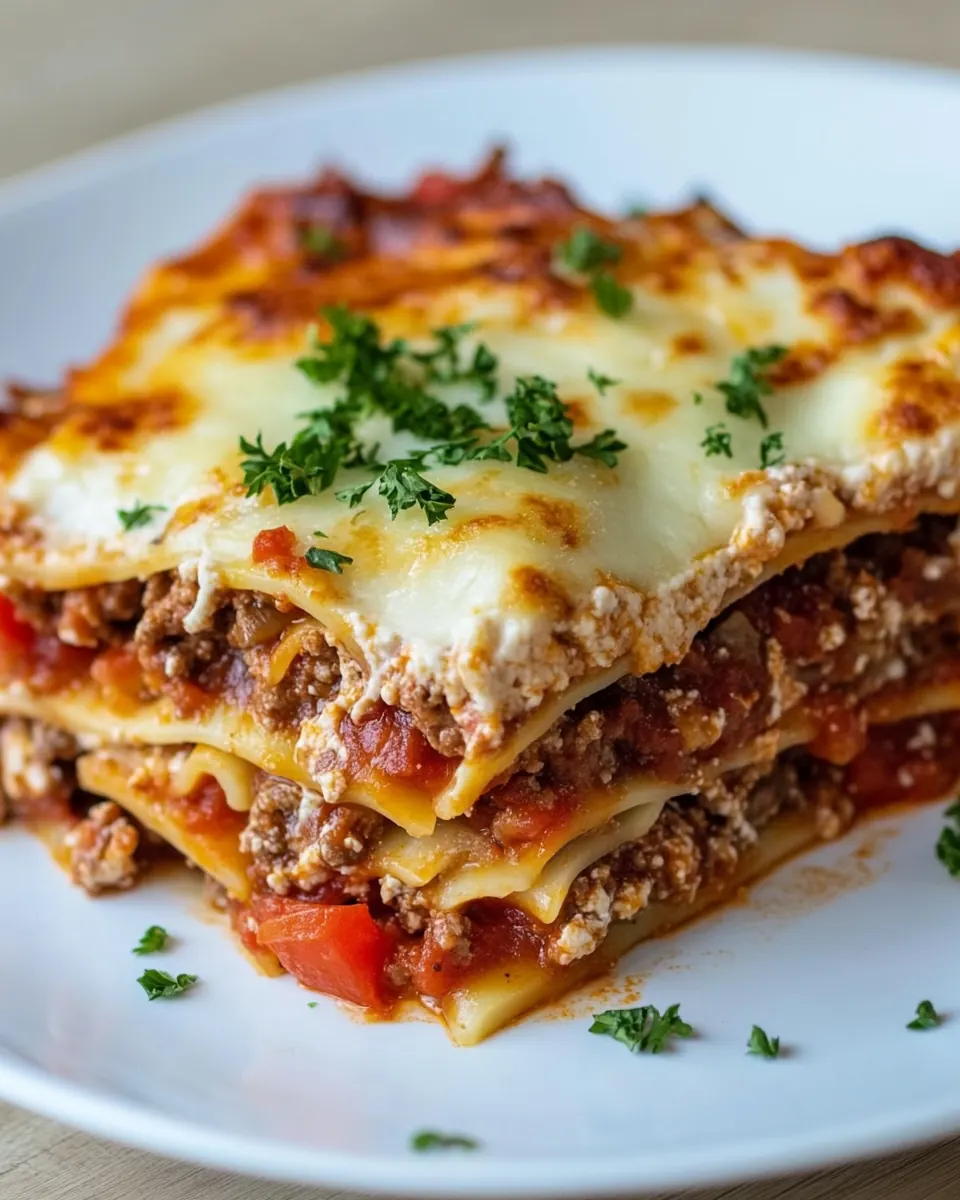
These directions guide you from simmering the sauce through assembling and refrigerating the unbaked pan, to the final oven bake. I walk you through sensory cues so you know when each stage is right, and I share troubleshooting notes to avoid common pitfalls.
- In a large saucepan or Dutch oven over medium-high heat, add beef (or sausage) and onion, and cook until mostly browned, about 5 minutes. Drain if desired. Stir in garlic until fragrant, about 30 seconds.: You will hear the meat begin to sizzle and smell savory, meaty aromas as the edges brown and the onion softens, signaling the development of flavor. The onions should turn translucent and slightly golden, offering a gentle sweet perfume that balances the savory meat. The garlic will bloom quickly, releasing a warm, aromatic note in the pan, but pay attention because garlic can turn bitter if it burns. If the mixture seems oily, draining excess fat will prevent a greasy sauce later. A common mistake here is crowding the pan which causes steaming rather than browning, reducing the depth of flavor.
- Stir in crushed tomatoes, tomato sauce, tomato paste, sugar, basil, Italian seasoning, and fennel seeds. Simmer uncovered for 15 minutes, stirring occasionally. Season to taste with salt and pepper (I like 1 teaspoon salt and 1/2 teaspoon pepper). You should have about 2 quarts of sauce.: As the sauce comes together, you will notice the aroma change from raw tomato to a deeper, more concentrated tomato scent; the surface will show gentle bubbles and steam. The paste thickens the body while the crushed tomatoes give texture, and sugar tames bright acidity for a rounder profile. The fennel seeds will perfume the sauce with a subtle anise whisper that complements the sausage. Stirring occasionally prevents the bottom from catching, and simmering uncovered concentrates flavors. Watch for the sauce sticking to the pan rim as a sign it needs a lower flame. Overreducing will dry the sauce and leave insufficient moisture for softening the noodles later.
- Meanwhile, in a large bowl, combine ricotta cheese with egg, parsley, and salt. Chill until the sauce is finished.: The ricotta mixture should feel cool and creamy, with the egg folded evenly to create a binding custard that will set during baking. The dried parsley disperses flecks of herb throughout, and the salt brightens the dairy. Chilling it keeps the mixture firm so it layers neatly and prevents it from loosening when assembled. One error people make is overwhipping the ricotta which can introduce air and alter texture, so fold gently for a smooth, slightly dense filling.
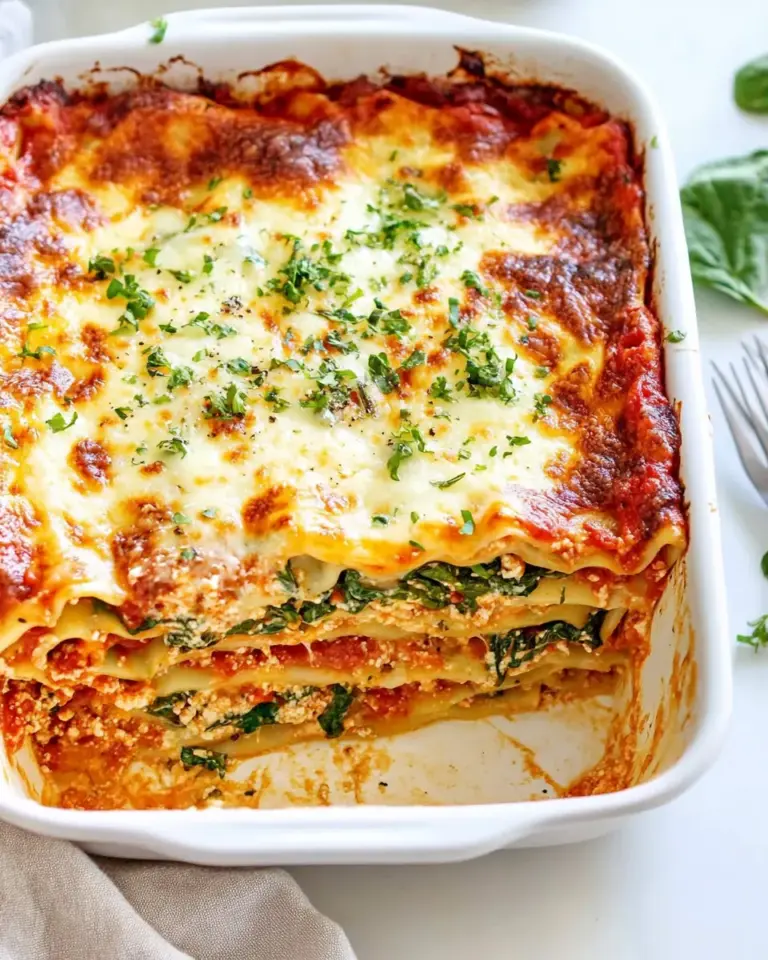
- In the bottom of a 9-inch x 13-inch baking dish, spread 2 cups meat sauce. Arrange a single layer of uncooked noodles over the meat sauce (I sometimes do 3 full-size noodles lengthwise and then a partial noodle crosswise). Spread with a heaping 2/3 cup of the ricotta mixture. Top with about 1 1/2 cups (5 ounces) of mozzarella. Sprinkle with 1/3 cup Parmesan cheese.: When you spread the initial sauce, it should look glossy and slightly loose; this moisture is crucial so the noodles can hydrate. Lay the noodles so they overlap minimally but cover the sauce, and the ricotta should sit like a creamy island that contrasts the red. The mozzarella should be scattered evenly so it melts uniformly, and the Parmesan creates a salty lift. A telltale sign of correct layering is the pan feeling balanced, not overly damp or dry. Avoid piling too much ricotta in one spot, which can lead to pockets that do not heat through evenly.
- Spoon 2 cups meat sauce over the cheese. Make another layer of noodles, ricotta mixture (heaping 2/3 cup), mozzarella (1 1/2 cups) and Parmesan (1/3 cup). Repeat layers 1 more time, for a total of 3 layers.: Each added layer should sit atop the previous one with a little give, and you should see distinct strata of red and white through the side of the pan. The smell will become richer as the assembled layers trap the sauce aromas, and the pan should feel substantial but not overloaded. Layering evenly ensures every slice has a balance of sauce, cheese, and noodle. A frequent mistake is uneven layering which causes some pieces to fall apart while others are dense, so take a moment to level each layer as you build.
- Spray a large piece of foil with nonstick spray and cover baking dish. Refrigerate at least 5 hours or overnight.: Chilling allows the sauce and cheese to meld, and you may notice the surface firms slightly as the fats cool, which helps slicing later. Refrigeration also gives the noodles time to hydrate in the sauce, so they finish perfectly when baked. When covering, ensure the foil is secure to prevent fridge drying or odor transfer. One pitfall is refrigerating shorter than recommended which can leave the noodles underhydrated and the texture less cohesive after baking.
- Preheat oven to 375 degrees. Bake, covered with foil, for 25 minutes. Remove foil and bake until hot and bubbly, about 25 minutes longer. Cool 5 minutes, then garnish with parsley before serving if desired.: When baking, the kitchen will fill with a warm tomato and toasted cheese aroma, and you should see steam escaping around the edges; bubbling indicates the sauce is fully heated. Removing the foil allows the top to brown and the cheeses to develop golden patches, while keeping it covered initially prevents the top from drying before the center heats. Use a thermometer to ensure the center reaches a safe temperature if needed. A common mistake is skipping the rest period, which results in runny slices; letting it cool for a few minutes helps the layers set for cleaner pieces.
Make It Your Own
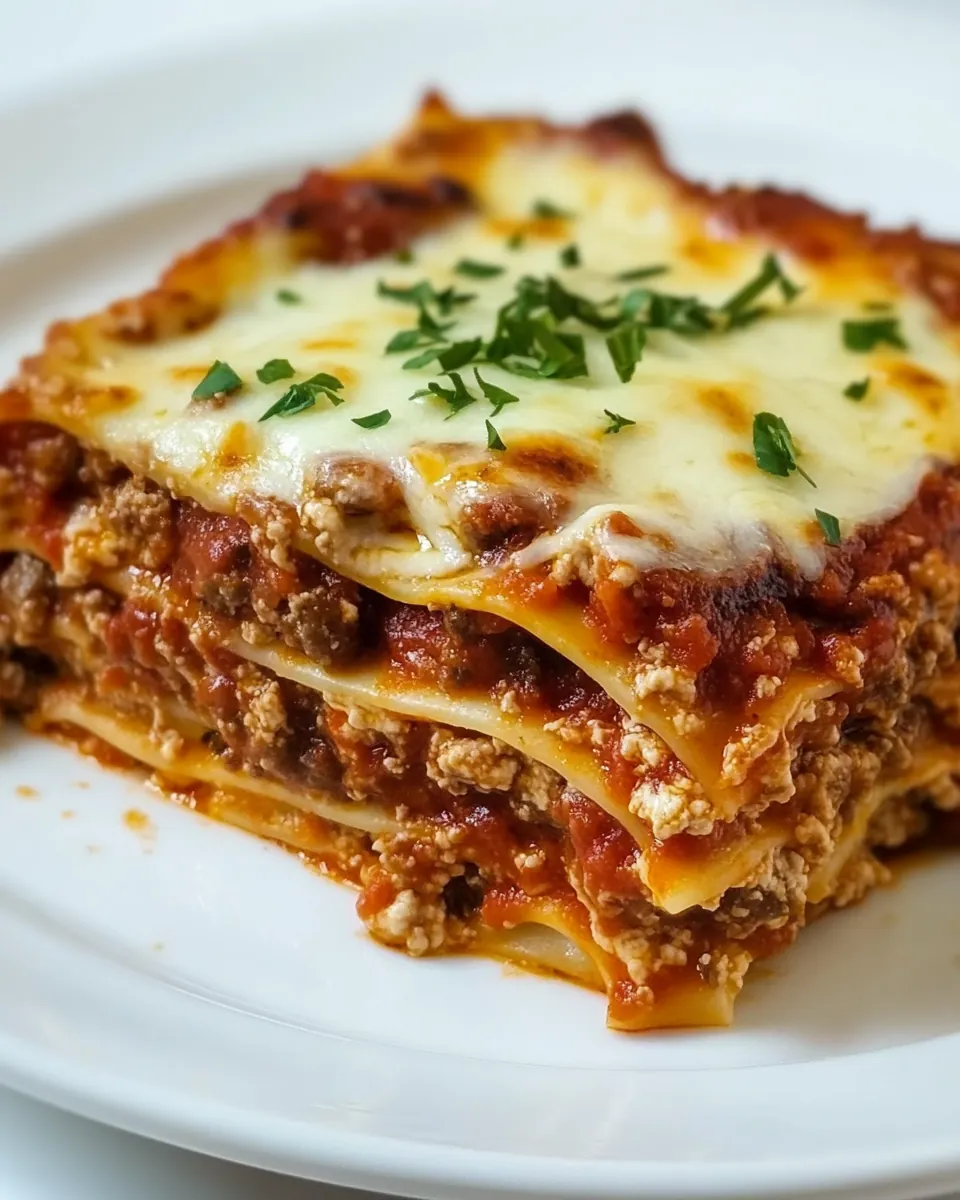
This section is full of ways to personalize Make Ahead Lasagna. I’ll expand the notes into practical tips that help you adapt the recipe, store it, and vary flavors while keeping the core method intact.
- Ground meat proportions Use one pound each of ground beef and Italian sausage for classic balance, or use just one type if you prefer a simpler profile. When changing meats, mind fat content because it affects sauce richness and potential draining.
- Sugar adjustments Start with less sugar and taste the simmered sauce, adding up to the suggested amount only if the acidity needs taming. Remember canned tomatoes vary in acidity, so adjust gradually.
- Make ahead timing You can assemble and refrigerate the unbaked lasagna up to three days in advance; this deepens flavor and saves time on the day you serve it. For longer storage, freeze an unbaked pan wrapped tightly, then thaw overnight before baking.
- Cheese layering Distribute the mozzarella and Parmesan evenly so the melt is uniform across slices. If you like a cheesier top, add a light extra sprinkle of mozzarella in the final five minutes of baking for a golden finish.
- Herb swaps If you want a fresher herb note, stir in a small handful of chopped fresh parsley into the ricotta just before assembly, rather than relying solely on dried parsley.
- Sauce shortcuts If using store bought sauce, supplement it with a bit of tomato paste and a pinch of fennel seeds to approximate the homemade depth, and add a splash of water if the sauce is too thick to hydrate the noodles during chilling.
Accompaniments for Make Ahead Lasagna
This lasagna pairs wonderfully with bright, textured sides that cut through its richness. Below are serving ideas, occasion suggestions, and storage notes to help you plan a full meal around the casserole.
- Fresh green salad A crisp salad with peppery greens and a tangy vinaigrette offers contrast to the hearty lasagna, providing palate-cleansing bites between rich forkfuls. Try to include crunchy vegetables for texture contrast.
- Garlic bread or crusty loaf Warm, toasty bread is wonderful for mopping up sauce and making the meal feel extra comforting; offer sliced bread warmed in the oven so it arrives to the table crisp and fragrant.
- Roasted vegetables Oven roasted vegetables like zucchini or bell peppers add color and a roasted sweetness that balances the savory layers of the lasagna, making the meal more vegetable forward.
- Occasion serving For family dinners or holiday gatherings, make the lasagna ahead so you can focus on guests; it also works well for potlucks since it travels and slices neatly when fully set.
- Storage tips Store leftovers covered in the refrigerator for up to four days, reheating gently in a low oven to avoid drying. For freezing, wrap the unbaked pan tightly and freeze up to two months; thaw thoroughly before baking for best texture.
- Seasonal pairings In winter, serve with heartier side dishes like roasted root vegetables; in spring and summer, lighten the plate with a citrusy salad or simple vinaigrette dressed greens.
FAQ
Conclusion
Make Ahead Lasagna stands out because it combines classic flavors with the convenience of preparing ahead, delivering a reliably satisfying meal that feeds a crowd. Try assembling a pan the night before and baking it when guests arrive, and you’ll appreciate how the flavors deepen and the day becomes less hectic. This dish rewards a little planning, and it makes weeknight dinners and special occasions feel both relaxed and thoughtful. When you plate a warm slice, you’ll see why it has become a favorite for gatherings and leftover lunches alike.
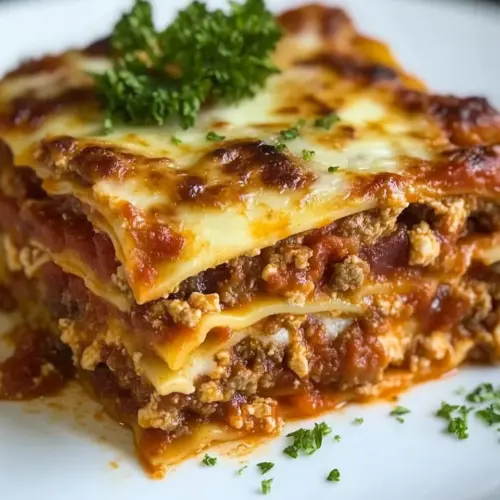
Make Ahead Lasagna
Equipment
- Large saucepan
- Dutch Oven
- 9-inch x 13-inch baking dish
- Aluminum Foil
Ingredients
- 1 pound ground beef (see note 1) Brown thoroughly in a skillet to develop deep, savory flavor and a meaty base for the sauce; drain excess fat if desired and season while cooking to enhance overall dish complexity.
- 1 pound ground Italian sausage Cook until fully browned to contribute robust, herby richness and fatty depth to the sauce; combine with ground beef for balanced texture and authentic Italian sausage flavor.
- 1 medium onion peeled and chopped (about 1 cup) Chop and sauté until translucent to add natural sweetness and aromatic underpinning; provides bulk and a tender bite that complements the meat and tomato components.
- 4 cloves garlic minced Mince and cook briefly with the onions to release pungent, aromatic oils; adds bright, savory lift and rounds out the sauce’s flavor profile.
- 1 (28-ounce) can crushed tomatoes Simmer into the meat mixture to provide body, texture, and bright tomato flavor; forms the chunky backbone of the marinara used between the pasta layers.
- 1 (15-ounce) can tomato sauce Stir into the sauce for a smooth tomato base and consistent saucy coverage; helps adjust thickness and melds flavors for cohesive lasagna layers.
- 1 (6-ounce) can tomato paste Incorporate to intensify tomato concentration and thicken the sauce; binds and stabilizes the mixture so it holds between noodle layers.
- 2 tablespoons granulated sugar or to taste (see note 2) Sprinkle and taste-adjust to cut acidity and bring out tomato sweetness; balances the sauce and can be modified to suit personal preference.
- 1 1/2 teaspoons dried basil Add dried herbiness to the sauce for fragrant, slightly sweet Mediterranean notes; rehydrates while simmering and layers flavor into the tomato mix.
- 1 teaspoon Italian seasoning (see note 3) Include for a blend of oregano, thyme, and other herbs that add classic Italian seasoning; designed to complement basil and deepen overall herb profile.
- 1 teaspoon fennel seeds (see note 4) Toast lightly to release warm, anise-like oils and stir into the meat sauce for subtle licorice undertones; pairs well with sausage for authentic Italian character.
- Salt and freshly ground black pepper Season generously during cooking to enhance all flavors and control seasoning balance; freshly ground pepper adds a bright, sharp contrast to rich ingredients.
- 1 (15-ounce) container ricotta cheese (see note 5) Combine with egg and seasonings to create a creamy, slightly tangy ricotta layer that adds moisture and tender richness to each lasagna slice.
- 1 egg Whisk into the ricotta mixture to bind and enrich the filling, providing structure and a silkier texture when baked.
- 2 teaspoons dried parsley Sprinkle into the cheese mixture for herbal brightness and visual flecks; dried parsley contributes gentle earthiness without overpowering the dish.
- 1/2 teaspoon salt Add to the ricotta mixture to season and ensure even salt distribution throughout the filling; small amounts prevent blandness in the interior.
- 1 box lasagna noodles NOT no-boil (see note 6) Boil until al dente to form the sturdy pasta sheets that separate sauce and cheese layers; standard noodles hold up to baking and freezing better than no-boil varieties.
- 1 pounds shredded mozzarella cheese Layer shredded throughout and on top to create the gooey, melty, and stringy cheese character essential to classic lasagna; browns attractively in the oven.
- 1 cup freshly grated Parmesan cheese Grate into the cheese blend to impart umami, salty tang, and a granular texture that complements ricotta and mozzarella layers for depth of flavor.
- minced fresh parsley for garnish Chop and sprinkle as a finishing touch to add bright herbal color and fresh parsley aroma, enhancing presentation and providing a light contrast to the rich casserole.
Instructions
- In a large saucepan or Dutch oven over medium-high heat, add beef (or sausage) and onion, and cook until mostly browned, about 5 minutes. Drain if desired. Stir in garlic until fragrant, about 30 seconds.: You will hear the meat begin to sizzle and smell savory, meaty aromas as the edges brown and the onion softens, signaling the development of flavor. The onions should turn translucent and slightly golden, offering a gentle sweet perfume that balances the savory meat. The garlic will bloom quickly, releasing a warm, aromatic note in the pan, but pay attention because garlic can turn bitter if it burns. If the mixture seems oily, draining excess fat will prevent a greasy sauce later. A common mistake here is crowding the pan which causes steaming rather than browning, reducing the depth of flavor.
- Stir in crushed tomatoes, tomato sauce, tomato paste, sugar, basil, Italian seasoning, and fennel seeds. Simmer uncovered for 15 minutes, stirring occasionally. Season to taste with salt and pepper (I like 1 teaspoon salt and 1/2 teaspoon pepper). You should have about 2 quarts of sauce.: As the sauce comes together, you will notice the aroma change from raw tomato to a deeper, more concentrated tomato scent; the surface will show gentle bubbles and steam. The paste thickens the body while the crushed tomatoes give texture, and sugar tames bright acidity for a rounder profile. The fennel seeds will perfume the sauce with a subtle anise whisper that complements the sausage. Stirring occasionally prevents the bottom from catching, and simmering uncovered concentrates flavors. Watch for the sauce sticking to the pan rim as a sign it needs a lower flame. Overreducing will dry the sauce and leave insufficient moisture for softening the noodles later.
- Meanwhile, in a large bowl, combine ricotta cheese with egg, parsley, and salt. Chill until the sauce is finished.: The ricotta mixture should feel cool and creamy, with the egg folded evenly to create a binding custard that will set during baking. The dried parsley disperses flecks of herb throughout, and the salt brightens the dairy. Chilling it keeps the mixture firm so it layers neatly and prevents it from loosening when assembled. One error people make is overwhipping the ricotta which can introduce air and alter texture, so fold gently for a smooth, slightly dense filling.
- In the bottom of a 9-inch x 13-inch baking dish, spread 2 cups meat sauce. Arrange a single layer of uncooked noodles over the meat sauce (I sometimes do 3 full-size noodles lengthwise and then a partial noodle crosswise). Spread with a heaping 2/3 cup of the ricotta mixture. Top with about 1 1/2 cups (5 ounces) of mozzarella. Sprinkle with 1/3 cup Parmesan cheese.: When you spread the initial sauce, it should look glossy and slightly loose; this moisture is crucial so the noodles can hydrate. Lay the noodles so they overlap minimally but cover the sauce, and the ricotta should sit like a creamy island that contrasts the red. The mozzarella should be scattered evenly so it melts uniformly, and the Parmesan creates a salty lift. A telltale sign of correct layering is the pan feeling balanced, not overly damp or dry. Avoid piling too much ricotta in one spot, which can lead to pockets that do not heat through evenly.
- Spoon 2 cups meat sauce over the cheese. Make another layer of noodles, ricotta mixture (heaping 2/3 cup), mozzarella (1 1/2 cups) and Parmesan (1/3 cup). Repeat layers 1 more time, for a total of 3 layers.: Each added layer should sit atop the previous one with a little give, and you should see distinct strata of red and white through the side of the pan. The smell will become richer as the assembled layers trap the sauce aromas, and the pan should feel substantial but not overloaded. Layering evenly ensures every slice has a balance of sauce, cheese, and noodle. A frequent mistake is uneven layering which causes some pieces to fall apart while others are dense, so take a moment to level each layer as you build.
- Spray a large piece of foil with nonstick spray and cover baking dish. Refrigerate at least 5 hours or overnight.: Chilling allows the sauce and cheese to meld, and you may notice the surface firms slightly as the fats cool, which helps slicing later. Refrigeration also gives the noodles time to hydrate in the sauce, so they finish perfectly when baked. When covering, ensure the foil is secure to prevent fridge drying or odor transfer. One pitfall is refrigerating shorter than recommended which can leave the noodles underhydrated and the texture less cohesive after baking.
- Preheat oven to 375 degrees. Bake, covered with foil, for 25 minutes. Remove foil and bake until hot and bubbly, about 25 minutes longer. Cool 5 minutes, then garnish with parsley before serving if desired.: When baking, the kitchen will fill with a warm tomato and toasted cheese aroma, and you should see steam escaping around the edges; bubbling indicates the sauce is fully heated. Removing the foil allows the top to brown and the cheeses to develop golden patches, while keeping it covered initially prevents the top from drying before the center heats. Use a thermometer to ensure the center reaches a safe temperature if needed. A common mistake is skipping the rest period, which results in runny slices; letting it cool for a few minutes helps the layers set for cleaner pieces.
Notes
- Ground meat proportions Use one pound each of ground beef and Italian sausage for classic balance, or use just one type if you prefer a simpler profile. When changing meats, mind fat content because it affects sauce richness and potential draining.
- Sugar adjustments Start with less sugar and taste the simmered sauce, adding up to the suggested amount only if the acidity needs taming. Remember canned tomatoes vary in acidity, so adjust gradually.
- Make ahead timing You can assemble and refrigerate the unbaked lasagna up to three days in advance; this deepens flavor and saves time on the day you serve it. For longer storage, freeze an unbaked pan wrapped tightly, then thaw overnight before baking.
- Cheese layering Distribute the mozzarella and Parmesan evenly so the melt is uniform across slices. If you like a cheesier top, add a light extra sprinkle of mozzarella in the final five minutes of baking for a golden finish.
- Herb swaps If you want a fresher herb note, stir in a small handful of chopped fresh parsley into the ricotta just before assembly, rather than relying solely on dried parsley.
- Sauce shortcuts If using store bought sauce, supplement it with a bit of tomato paste and a pinch of fennel seeds to approximate the homemade depth, and add a splash of water if the sauce is too thick to hydrate the noodles during chilling.