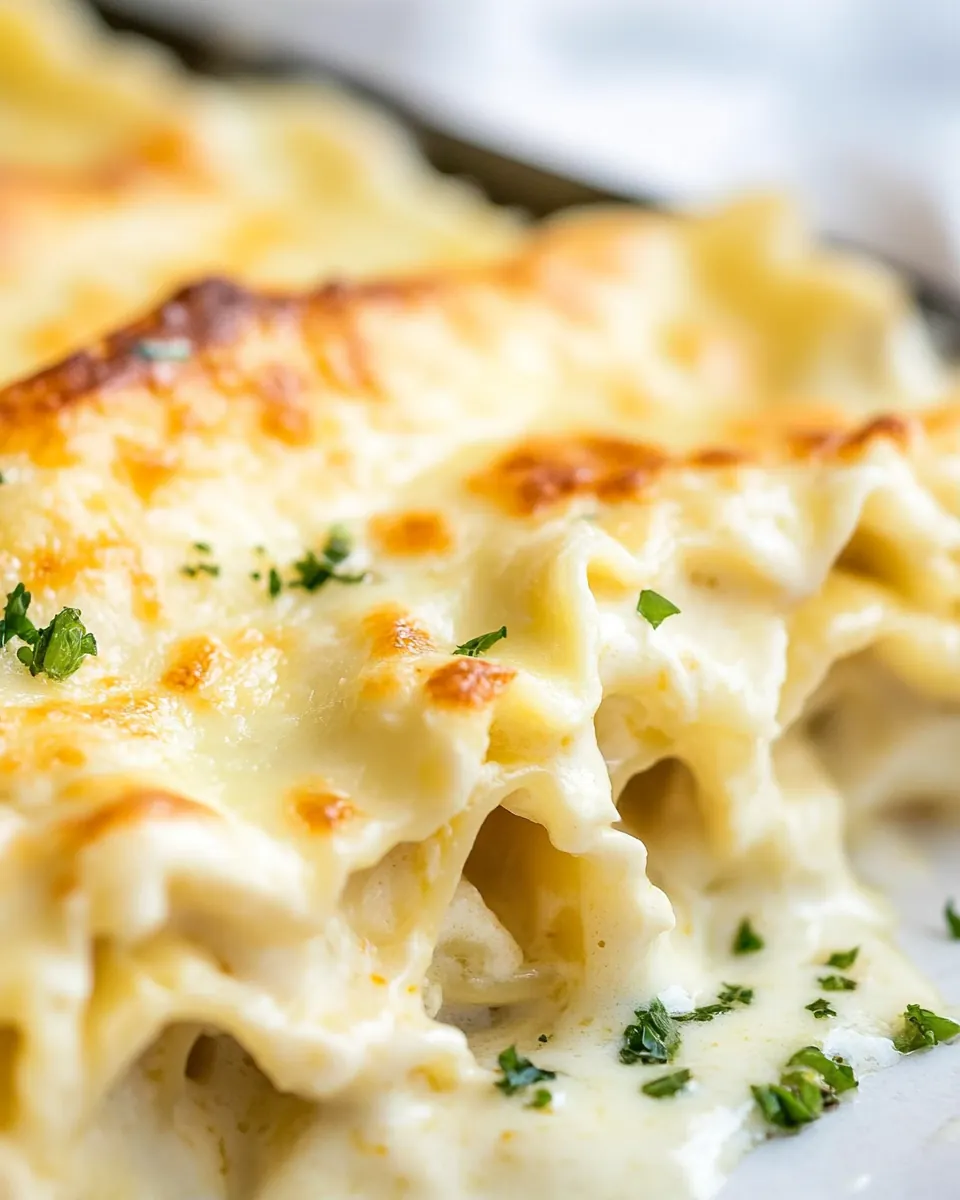
Alfredo Chicken Lasagna Roll Ups
Alfredo Chicken Lasagna Roll Ups is one of those recipes that became a family favorite the first time I rolled one up and tasted that creamy filling against tender pasta. I remember the afternoon I improvised this version after a busy week, using leftover chicken and a pantry of staples, and how the kitchen filled with a warm, cheesy aroma that felt like a comfort hug. That first bite, with a crisp top and silky sauce, convinced me this dish deserved a permanent spot in our rotation.
Over the years I’ve tweaked the method to make the process less fussy and more joyful. I like to set the table early so the baking dish can go straight from the oven to the table while everyone gathers. The texture balance here is what keeps me coming back, the gentle chew of the lasagna noodles wrapping a savory, saucy filling of shredded chicken and melted mozzarella. It’s the kind of recipe that works for weeknight dinners when time is short, and it also shines when you want to impress at a casual Sunday supper.
What I love most is how adaptable it is. I’ll sometimes grate cheese fresh for a brighter taste or make the sauce a touch thinner so it soaks into the noodles more. You can make the components ahead, and the final bake takes under an hour, which makes hosting kinder to your schedule. Sharing this meal has become a ritual: someone brings a salad, another pours wine for guests who enjoy it, and the rest sit down for a warm, homey plate that feels like a celebration of simple, well made food.
Recipe Snapshot
50 mins
15 mins
35 mins
Medium
450 kcal
Italian
Gluten-Free, Low FODMAP
Dinner
9×13 casserole dish, Baking sheet, Skillet
What Sets This Alfredo Chicken Lasagna Roll Ups Apart
I love the comforting creaminess
When I think of Alfredo Chicken Lasagna Roll Ups, the first thing I savor is the luscious alfredo sauce. It clings to the filling and noodles, creating a rich mouthfeel that turns an ordinary dinner into something indulgent. I make my sauce with real butter, warm milk, and freshly shredded parmesan, and that freshness makes a noticeable difference. The sauce is the glue that holds this dish together, literally and flavorfully.
The make ahead magic
I often prepare the filling and sauce a day in advance, because the flavors deepen overnight. You can roll up the noodles and refrigerate the assembled pan, then bake the next day. This saves time and reduces stress on the night you serve it. Personally, I appreciate how the resting time lets the components marry, giving a more cohesive taste.
Perfect for stretching leftovers
This recipe shines at turning leftover chicken into something exciting. The shredded chicken blends into the sauce and becomes tender and moist. Using cooked chicken is efficient, and if you’re like me and cook extra for another meal, this dish feels like resourceful cooking with a tasty payoff.
Kid friendly, but grown up enough for guests
Kids are usually won over by the cheesy center and soft pasta, while adults appreciate the nuanced seasoning like a touch of nutmeg in the alfredo sauce. I’ve served this at casual gatherings and received compliments for both comfort and presentation. The rolls look elegant when lined up in a baking dish, and that simple arrangement makes the meal feel special.
Customizable without losing soul
One reason I recommend this dish is its flexibility. You can tweak the seasonings, grate fresh cheese for brightness, or swap milk fats depending on what you have. Yet, even with small adjustments, it keeps the essential creamy, cheesy character that defines Alfredo Chicken Lasagna Roll Ups. That combination of reliability and adaptability makes it a repeat winner in my kitchen.
Ingredients to Make Alfredo Chicken Lasagna Roll Ups
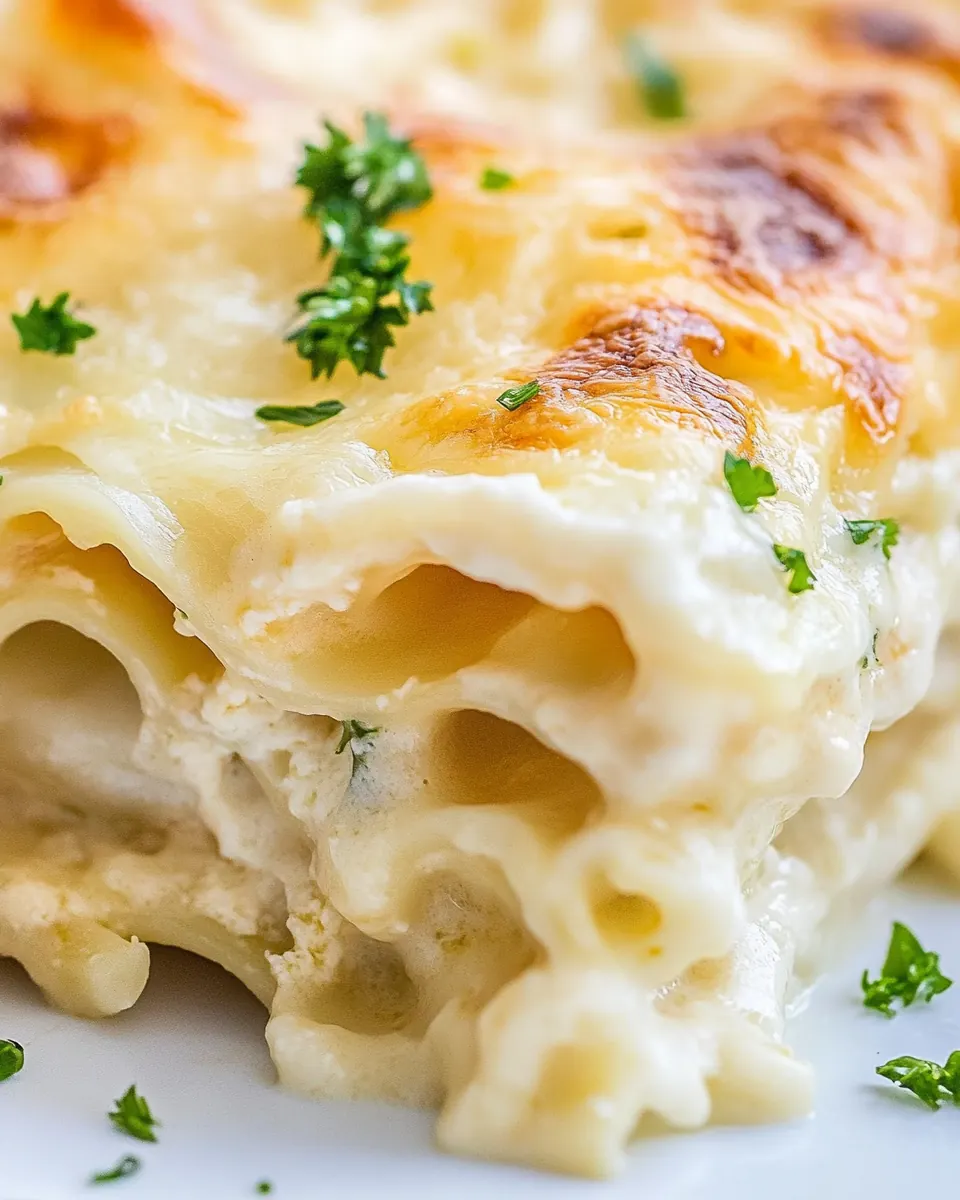
These ingredients come together to create a harmonious, comforting casserole. The philosophy is simple: sturdy starch from the lasagna noodles holds a creamy, savory filling, while cheeses and sauce provide richness and cohesion. The key players are the dairy elements and the shredded chicken, which give texture, protein, and comforting depth.
Below I list each ingredient exactly as in the original recipe, with a short note about its role and how to handle it.
- 12 uncooked lasagna noodles: Boil until al dente and use as the outer pasta sheets to create individual roll ups; break or trim if necessary to fit the baking dish and layer evenly for assembly.
- 1 teaspoon salt: Season to enhance the pasta water and overall dish flavor; dissolve into the boiling water early so the noodles absorb balanced seasoning while cooking.
- 3/4 cup butter: Melt slowly to form a rich base for the Alfredo sauce; cook gently to release butterfat and provide a silky mouthfeel that carries other flavors.
- 3 cloves garlic: Mince finely and sauté briefly to infuse the butter with aromatic depth; adjust quantity to control the garlic intensity in the creamy sauce.
- 1 tablespoon all-purpose flour: Whisk into melted butter to create a roux and thicken the sauce; cook briefly to remove raw flour taste before adding the milk and cream.
- 1 1/2 cups milk 2% or whole: Warm gradually and whisk into the roux to build body and a smooth, creamy béchamel-style Alfredo; choose dairy fat level based on desired richness.
- 1 cup heavy whipping cream: Combine with milk and whisk into the roux to increase creaminess and contribute a luxurious texture to the sauce; add warm to prevent separation.
- 3/4 cup parmesan: Grate finely and fold into the sauce to provide savory, nutty umami and help thicken the mixture; reserve a small amount for topping if desired.
- 1/2 teaspoon salt: Season the sauce or pasta further to balance overall taste; add cautiously since Parmesan already contributes saltiness to avoid over-salting.
- 1/4 teaspoon ground black pepper: Grind freshly and add to the sauce to provide a subtle peppery lift; adjust to taste to prevent overpowering the delicate cream flavors.
- 1 teaspoon ground nutmeg (optional): Sprinkle in sparingly to add warm, aromatic complexity; include only if desired to introduce a subtle, sweet-spicy note that complements dairy.
- 3 cups cooked shredded chicken: Shred and fold into the filling or layer inside the noodle rolls to add substantial protein and texture; use pre-cooked chicken for convenience and even distribution.
- 2 cups shredded mozzarella cheese: Scatter inside the rolls and over the assembled pan to create gooey, melty pockets of cheese; choose a full-melting mozzarella for ideal stringiness.
- 2 tablespoons chopped fresh parsley for garnish: Chop finely and sprinkle over the finished dish to add a bright, herbaceous contrast and fresh color that cuts through the richness of the Alfredo sauce.
Alfredo Chicken Lasagna Roll Ups Instructions
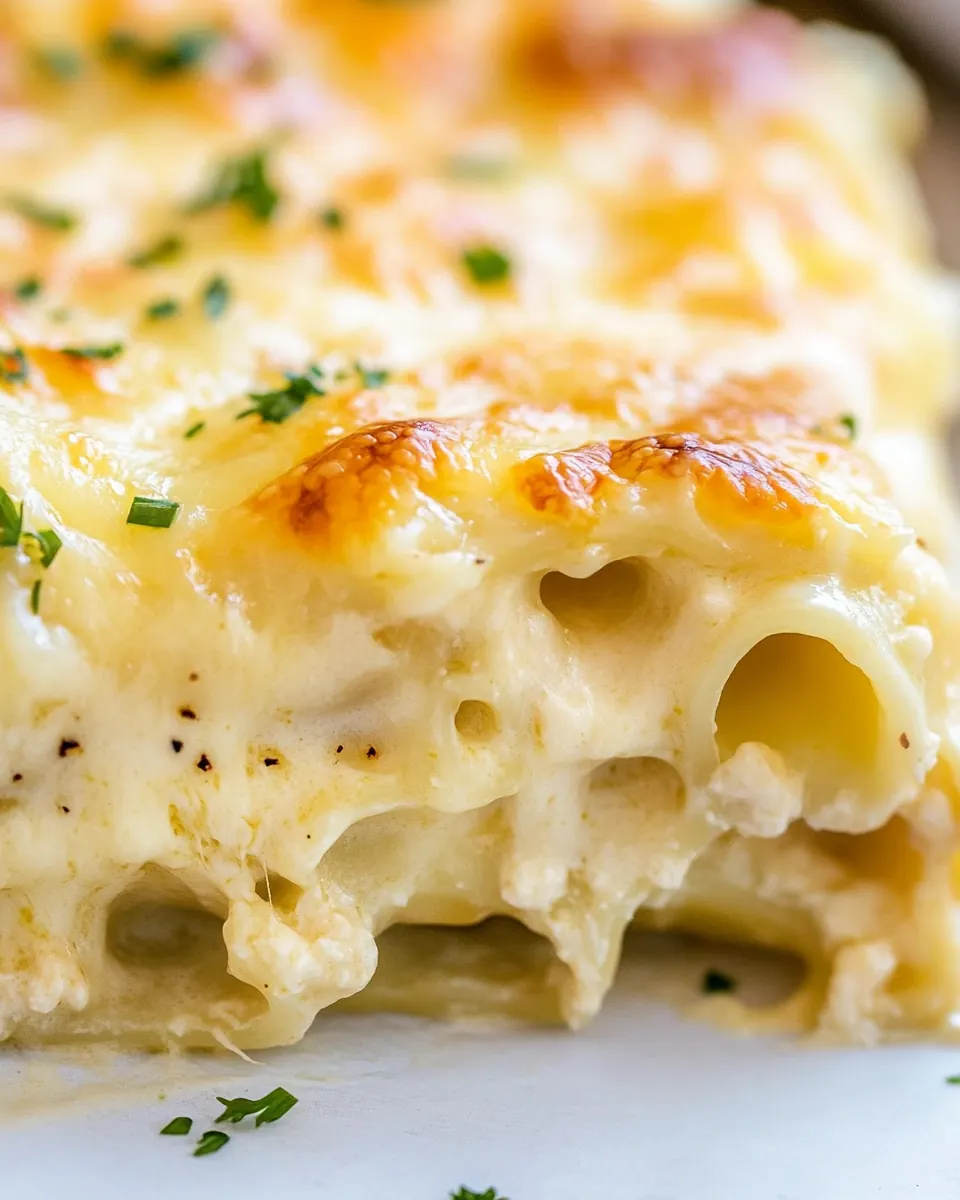
These step by step directions walk you through making the rolls with confidence and clarity. I’ll share sensory cues and common pitfalls so you can tell when each stage is just right. Keep a clean work area and a bowl of cool water nearby to ease handling of the cooked noodles.
- Cook the noodles according to the package instructions to al dente with 1 teaspoon of salt, drain and keep in a pot with room temp water. This will help the noodles not stick together.: You will notice the steam rising and the pasta becoming pliable but still with bite, which is the al dente stage. Drain them carefully and immediately transfer to a pot of room temperature water so they do not stick together, stirring gently if they start to cling. The sensory sign is that each noodle remains intact when lifted, not falling apart or overly soft. This technique matters because overcooked noodles will tear when you roll them, leading to leaking filling and a less tidy presentation. A common mistake is letting the noodles cool on a tray where they dry out, which makes rolling difficult. If this happens, briefly dip a noodle in warm water before assembling.
- Preheat the oven to 375°F/190°C, and spray a 9×13 inch pan with cooking spray and set aside.: As the oven warms you should feel a steady heat building in the air, and the preheated oven ensures the rolls bake evenly once assembled. Prepare the baking dish so it is ready to receive the rolls, and use a dish that matches the volume so the rolls fit snugly without overcrowding. This matters because a properly sized pan allows sauce circulation and even bubbling of the cheese. A common error is skipping the preheat, which can increase bake time and alter the texture; always wait until the oven reaches temperature before putting the dish in.
- Over medium heat, melt butter in a pan, then sauté the garlic until fragrant (about 1 minute). Add the flour, and cook it for 1 minute. Add the milk and heavy cream. Allow the mixture to simmer for 2 minutes, then add the parmesan cheese, salt, pepper, and nutmeg if using. Whisk and cook until the cheese is melted and the sauce is thickened. If the sauce thickens too much, add a little bit of milk to loosen it but this is unlikely to happen.: Right away you will smell the butter and garlic blooming, a warm, savory note that signals the sauce is on its way. When you add the flour, it should sizzle briefly and form a smooth paste, which when combined with the milk becomes the base of a silky alfredo . As the mixture simmers small bubbles will form around the edges and the sauce will visibly thicken, coating the back of a spoon. This step matters because a properly cooked roux removes the raw flour flavor and creates a stable sauce that clings to the filling. One common mistake is overheating so the milk scalds or the sauce becomes grainy; keep the heat moderate and whisk continually while the parmesan melts. If your sauce tightens too much, add a splash of milk to reintroduce silkiness.
- Spoon a thin layer of sauce onto the bottom of the baking dish (about 1/2 a cup).: You will spread a glossy, pale blanket that prevents the rolls from sticking and creates a moist base that will steam the bottoms as they bake. The sauce should be spread evenly so the rolls rest on a lubricated surface rather than a dry pan. This matters because it avoids sticking and helps the rolls heat through uniformly. A typical misstep is using too little sauce and having the bottoms dry out, so err on the side of a thin, generous smear rather than a bare pan.
- In a bowl, mix together 1 cup of alfredo sauce with the shredded chicken and 1 cup of mozzarella cheese. Season with salt and pepper.: You will feel the warmth of the sauce slightly soften the mozzarella and coat the shredded chicken , creating a cohesive, scoopable filling. Stir until everything is evenly combined so each roll receives the same balance of creamy sauce and tender chicken . This blending matters to ensure consistent flavor and texture across all rolls. A common mistake is under-seasoning the filling; taste and adjust with a pinch of salt and pepper before assembling.
- Arrange the noodles in a single layer over a baking sheet.: The noodles should lie flat and separated so you can easily add filling to each one. Laying them in a single layer also helps you inspect for any broken pieces and makes the rolling process faster. This matters because working with an orderly row of noodles reduces tearing and speeds assembly. Avoid stacking them, which causes sticking; if any noodle cools and firms up, briefly rewarm it in warm water to regain flexibility.
- Divide the alfredo chicken mixture between the cooked noodles.: Use a spoon or small scoop to place an even portion near one edge of each noodle so the roll will close neatly. The filling should be moist and slightly glossy, indicating good sauce distribution, but not so wet that it seeps out during rolling. This portioning matters for presentation and cooking uniformity, ensuring each roll bakes at the same rate. A frequent error is overfilling, which can cause the rolls to burst; leave a bit of noodle edge free for a tidy seam.
- Roll each noodle up, and arrange in the baking dish seam side down.: As you roll, you should feel gentle resistance from the filling and see the noodle wrap snugly. Placing them seam side down helps keep them intact and encourages a clean top for the final cheese layer. This orientation matters for maintaining shape and preventing the filling from spilling into the sauce. A common mistake is rolling too loosely, which creates gaps and uneven baking; aim for a snug, but not overly tight, roll.
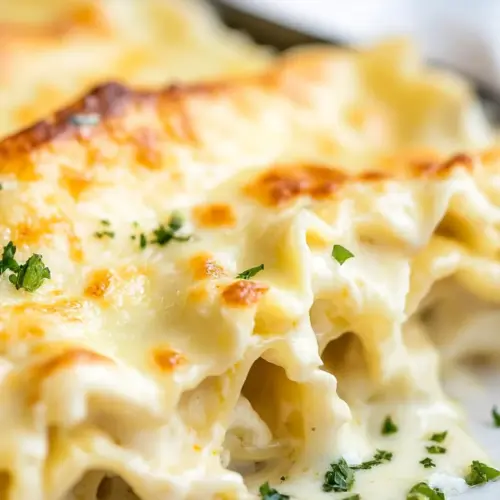
- Cover with the remaining alfredo sauce, remaining cheese, and bake until warmed through (about 20 minutes). Place under the broiler for a few minutes just to get some color on the cheese.: During baking you will notice the sauce bubbling gently at the edges and the cheese melting into a glossy blanket over the rolls. The oven heat finishes melding flavors and warms the interior thoroughly, while a short broil creates those golden, slightly blistered spots that add texture. This final bake matters to meld flavors and achieve an appealing top. Avoid leaving it too long under the broiler, which can char the cheese; watch closely and remove once you see even golden color.
Helpful Notes about Alfredo Chicken Lasagna Roll Ups
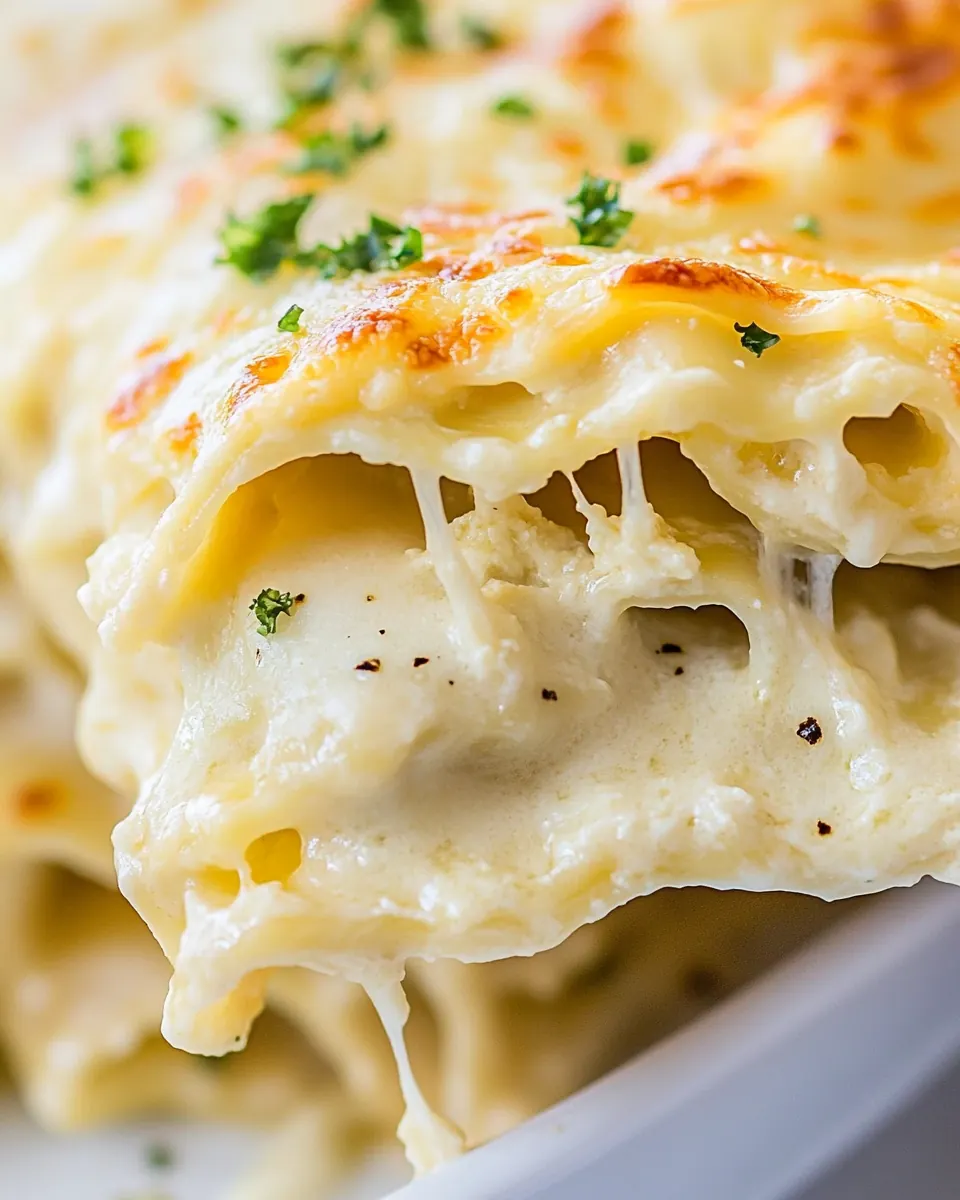
I keep these notes short and practical because small adjustments make a big difference in the final texture and flavor. Below you will find expanded tips based on what I do most often when I make this dish.
- Make ahead advantage Prepare the rolls up to the point of baking and refrigerate for up to 24 hours, this allows flavors to meld and saves time on serving day.
- Swap dairy with care If you choose lower fat milk, expect a slightly less decadent sauce. Using whole milk and real cream yields the classic silky texture.
- Cheese handling Freshly grated parmesan and mozzarella melt more smoothly, avoid pre-shredded for best texture and flavor.
- Texture control Cook the noodles to al dente so they hold up while rolling and baking without becoming mushy.
- Broiling caution Finish under the broiler very briefly for color only, then remove to prevent a burnt flavor that masks the sauce nuances.
What Goes Well With This Alfredo Chicken Lasagna Roll Ups
This dish pairs well with bright, textural sides that contrast the richness. Think crisp salads, acidic dressings, and lightly cooked vegetables to balance the creamy rolls. It works for cozy dinners and celebratory meals alike.
- Crisp green salad A simple mixed green salad with a tangy vinaigrette cuts through the richness of the rolls and refreshes the palate between bites.
- Garlic roasted vegetables Lightly roasted asparagus or broccoli add a touch of char and an earthy counterpoint to the creamy sauce.
- Simple tomato salad Fresh tomatoes with a drizzle of olive oil and a pinch of salt bring acidity that brightens each serving.
- Occasions Serve this for family dinners, weekend gatherings, or special occasions like a casual holiday meal when you want comfort with a presentable dish.
- Storage tips Refrigerate leftovers in an airtight container for up to three days, and reheat gently in the oven to preserve texture and avoid drying out.
- Seasonal pairing This recipe is cozy for cooler months, and the fresh parsley garnish adds a spring like lift if you make it in warmer seasons.
FAQ
Conclusion
Alfredo Chicken Lasagna Roll Ups deliver creamy, cheesy comfort with an elegant presentation and satisfying textures. The tender lasagna noodles wrapped around a saucy, shredded chicken filling yield a dish that feels both homey and special. I encourage you to give this recipe a try when you want a crowd pleasing meal that is forgiving to prep and impressive to serve. Once you experience the bubbly, golden top and the soft, savory interior, this one will likely become a go to for weeknights and small gatherings alike. Enjoy the process of assembling and sharing it with people you care about, and don’t be afraid to personalize small details to fit your taste.
Alfredo Chicken Lasagna Roll Ups
Equipment
- 9x13 casserole dish
- Baking Sheet
- Skillet
Ingredients
- 12 uncooked lasagna noodles Boil until al dente and use as the outer pasta sheets to create individual roll ups; break or trim if necessary to fit the baking dish and layer evenly for assembly.
- 1 teaspoon salt Season to enhance the pasta water and overall dish flavor; dissolve into the boiling water early so the noodles absorb balanced seasoning while cooking.
- 3/4 cup butter Melt slowly to form a rich base for the Alfredo sauce; cook gently to release butterfat and provide a silky mouthfeel that carries other flavors.
- 3 cloves garlic Mince finely and sauté briefly to infuse the butter with aromatic depth; adjust quantity to control the garlic intensity in the creamy sauce.
- 1 tablespoon all-purpose flour Whisk into melted butter to create a roux and thicken the sauce; cook briefly to remove raw flour taste before adding the milk and cream.
- 1 1/2 cups milk 2% or whole Warm gradually and whisk into the roux to build body and a smooth, creamy béchamel-style Alfredo; choose dairy fat level based on desired richness.
- 1 cup heavy whipping cream Combine with milk and whisk into the roux to increase creaminess and contribute a luxurious texture to the sauce; add warm to prevent separation.
- 3/4 cup parmesan Grate finely and fold into the sauce to provide savory, nutty umami and help thicken the mixture; reserve a small amount for topping if desired.
- 1/2 teaspoon salt Season the sauce or pasta further to balance overall taste; add cautiously since Parmesan already contributes saltiness to avoid over-salting.
- 1/4 teaspoon ground black pepper Grind freshly and add to the sauce to provide a subtle peppery lift; adjust to taste to prevent overpowering the delicate cream flavors.
- 1 teaspoon ground nutmeg optional Sprinkle in sparingly to add warm, aromatic complexity; include only if desired to introduce a subtle, sweet-spicy note that complements dairy.
- 3 cups cooked shredded chicken Shred and fold into the filling or layer inside the noodle rolls to add substantial protein and texture; use pre-cooked chicken for convenience and even distribution.
- 2 cups shredded mozzarella cheese Scatter inside the rolls and over the assembled pan to create gooey, melty pockets of cheese; choose a full-melting mozzarella for ideal stringiness.
- 2 tablespoons chopped fresh parsley for garnish Chop finely and sprinkle over the finished dish to add a bright, herbaceous contrast and fresh color that cuts through the richness of the Alfredo sauce.
Instructions
- Cook the noodles according to the package instructions to al dente with 1 teaspoon of salt, drain and keep in a pot with room temp water. This will help the noodles not stick together.: You will notice the steam rising and the pasta becoming pliable but still with bite, which is the al dente stage. Drain them carefully and immediately transfer to a pot of room temperature water so they do not stick together, stirring gently if they start to cling. The sensory sign is that each noodle remains intact when lifted, not falling apart or overly soft. This technique matters because overcooked noodles will tear when you roll them, leading to leaking filling and a less tidy presentation. A common mistake is letting the noodles cool on a tray where they dry out, which makes rolling difficult. If this happens, briefly dip a noodle in warm water before assembling.
- Preheat the oven to 375°F/190°C, and spray a 9×13 inch pan with cooking spray and set aside.: As the oven warms you should feel a steady heat building in the air, and the preheated oven ensures the rolls bake evenly once assembled. Prepare the baking dish so it is ready to receive the rolls, and use a dish that matches the volume so the rolls fit snugly without overcrowding. This matters because a properly sized pan allows sauce circulation and even bubbling of the cheese. A common error is skipping the preheat, which can increase bake time and alter the texture; always wait until the oven reaches temperature before putting the dish in.
- Over medium heat, melt butter in a pan, then sauté the garlic until fragrant (about 1 minute). Add the flour, and cook it for 1 minute. Add the milk and heavy cream. Allow the mixture to simmer for 2 minutes, then add the parmesan cheese, salt, pepper, and nutmeg if using. Whisk and cook until the cheese is melted and the sauce is thickened. If the sauce thickens too much, add a little bit of milk to loosen it but this is unlikely to happen.: Right away you will smell the butter and garlic blooming, a warm, savory note that signals the sauce is on its way. When you add the flour, it should sizzle briefly and form a smooth paste, which when combined with the milk becomes the base of a silky alfredo . As the mixture simmers small bubbles will form around the edges and the sauce will visibly thicken, coating the back of a spoon. This step matters because a properly cooked roux removes the raw flour flavor and creates a stable sauce that clings to the filling. One common mistake is overheating so the milk scalds or the sauce becomes grainy; keep the heat moderate and whisk continually while the parmesan melts. If your sauce tightens too much, add a splash of milk to reintroduce silkiness.
- Spoon a thin layer of sauce onto the bottom of the baking dish (about 1/2 a cup).: You will spread a glossy, pale blanket that prevents the rolls from sticking and creates a moist base that will steam the bottoms as they bake. The sauce should be spread evenly so the rolls rest on a lubricated surface rather than a dry pan. This matters because it avoids sticking and helps the rolls heat through uniformly. A typical misstep is using too little sauce and having the bottoms dry out, so err on the side of a thin, generous smear rather than a bare pan.
- In a bowl, mix together 1 cup of alfredo sauce with the shredded chicken and 1 cup of mozzarella cheese. Season with salt and pepper.: You will feel the warmth of the sauce slightly soften the mozzarella and coat the shredded chicken , creating a cohesive, scoopable filling. Stir until everything is evenly combined so each roll receives the same balance of creamy sauce and tender chicken . This blending matters to ensure consistent flavor and texture across all rolls. A common mistake is under-seasoning the filling; taste and adjust with a pinch of salt and pepper before assembling.
- Arrange the noodles in a single layer over a baking sheet.: The noodles should lie flat and separated so you can easily add filling to each one. Laying them in a single layer also helps you inspect for any broken pieces and makes the rolling process faster. This matters because working with an orderly row of noodles reduces tearing and speeds assembly. Avoid stacking them, which causes sticking; if any noodle cools and firms up, briefly rewarm it in warm water to regain flexibility.
- Divide the alfredo chicken mixture between the cooked noodles.: Use a spoon or small scoop to place an even portion near one edge of each noodle so the roll will close neatly. The filling should be moist and slightly glossy, indicating good sauce distribution, but not so wet that it seeps out during rolling. This portioning matters for presentation and cooking uniformity, ensuring each roll bakes at the same rate. A frequent error is overfilling, which can cause the rolls to burst; leave a bit of noodle edge free for a tidy seam.
- Roll each noodle up, and arrange in the baking dish seam side down.: As you roll, you should feel gentle resistance from the filling and see the noodle wrap snugly. Placing them seam side down helps keep them intact and encourages a clean top for the final cheese layer. This orientation matters for maintaining shape and preventing the filling from spilling into the sauce. A common mistake is rolling too loosely, which creates gaps and uneven baking; aim for a snug, but not overly tight, roll.
- Cover with the remaining alfredo sauce, remaining cheese, and bake until warmed through (about 20 minutes). Place under the broiler for a few minutes just to get some color on the cheese.: During baking you will notice the sauce bubbling gently at the edges and the cheese melting into a glossy blanket over the rolls. The oven heat finishes melding flavors and warms the interior thoroughly, while a short broil creates those golden, slightly blistered spots that add texture. This final bake matters to meld flavors and achieve an appealing top. Avoid leaving it too long under the broiler, which can char the cheese; watch closely and remove once you see even golden color.
Notes
- Make ahead advantage Prepare the rolls up to the point of baking and refrigerate for up to 24 hours, this allows flavors to meld and saves time on serving day.
- Swap dairy with care If you choose lower fat milk, expect a slightly less decadent sauce. Using whole milk and real cream yields the classic silky texture.
- Cheese handling Freshly grated parmesan and mozzarella melt more smoothly, avoid pre-shredded for best texture and flavor.
- Texture control Cook the noodles to al dente so they hold up while rolling and baking without becoming mushy.
- Broiling caution Finish under the broiler very briefly for color only, then remove to prevent a burnt flavor that masks the sauce nuances.
