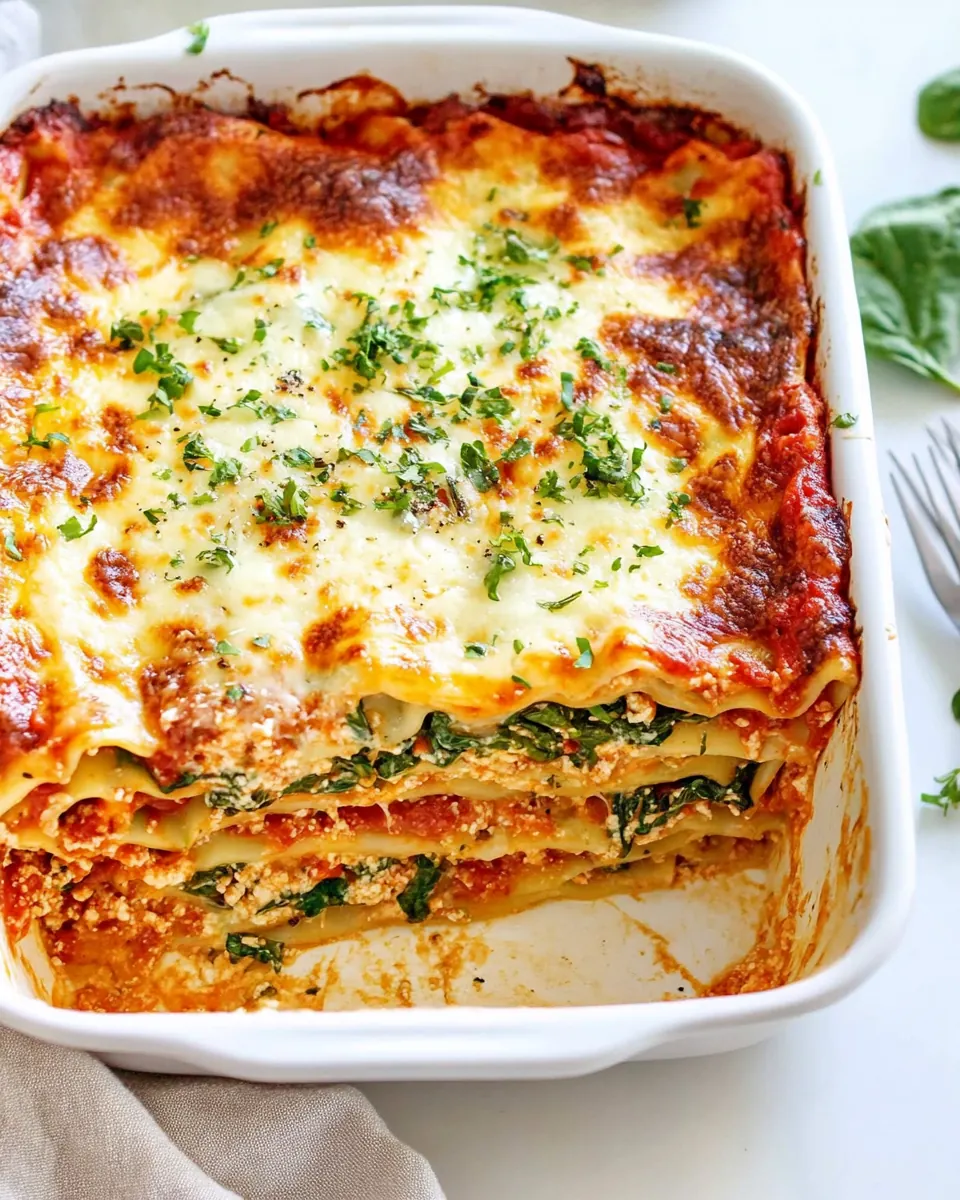
The Cheesiest Spinach and Cheese Lasagna
The Cheesiest Spinach and Cheese Lasagna is the kind of baking day I still remember from my childhood kitchen, when Sunday afternoons smelled of simmering sauce and bubbling cheese. I learned to love the ritual of layering, the calming rhythm of spreading, and the small triumph of a golden top coming out of the oven. Over the years I’ve tweaked this version until the balance of creamy fillings and melty cheese felt exactly right for our family table.
There was one rainy evening when I made this for friends who were recovering from a long week. We talked around the table while the oven did the heavy lifting, and when I lifted the foil to reveal the browned, bubbling layers everyone went quiet for a beat. It was one of those comforting, I-need-this kinds of meals, and since then I’ve kept the recipe in heavy rotation for potlucks and quiet dinners alike. I love how simple ingredients come together to create such a memorable centerpiece.
Recipe Snapshot
1 hr 25 mins
15 mins
70 mins
Medium
400 kcal
Italian
Keto, Gluten-Free
Dinner
9 x 13 inch baking pan, Aluminum foil, Mixing bowl, Spatula
Why This The Cheesiest Spinach and Cheese Lasagna Shines
Rich, right away comfort
I adore how The Cheesiest Spinach and Cheese Lasagna delivers immediate comfort with every forkful. The interplay of creamy cheeses and tender spinach makes each bite feel indulgent without being fussy, which is why this dish is my go to when I want something reliably satisfying.
Textural contrast that works
We get creamy, slightly grainy curd from the ricotta and cottage cheese, silky melted mozzarella and provolone, and a bit of chew from the no boil lasagna noodles. That contrast is exactly what keeps people reaching back for more, and I never skip the mix of cheeses for that reason.
Vegetable boost without fuss
Adding spinach feels like a smart upgrade, boosting nutrition and color while blending seamlessly into the cheesy filling. Because the spinach is squeezed dry, it does not water down the lasagna, which is a small technique that makes a huge difference in the final texture.
Make ahead and feed a crowd
I love recipes that play nice with busy schedules, and this lasagna is one. You can assemble it, cover it, and refrigerate for later baking. That convenience is why I often rely on it for gatherings. It scales well, and the leftovers reheat beautifully for a quick weeknight repeat.
Reliable, forgiving technique
Even if you are not a pro, this recipe forgives small mistakes. The no boil noodles remove a lot of stress, and the generous cheese layers hide minor imperfections in spreading. I find that following a few simple sensory cues gets you a consistent, crowd pleasing lasagna every time.
What You’ll Need for The Cheesiest Spinach and Cheese Lasagna
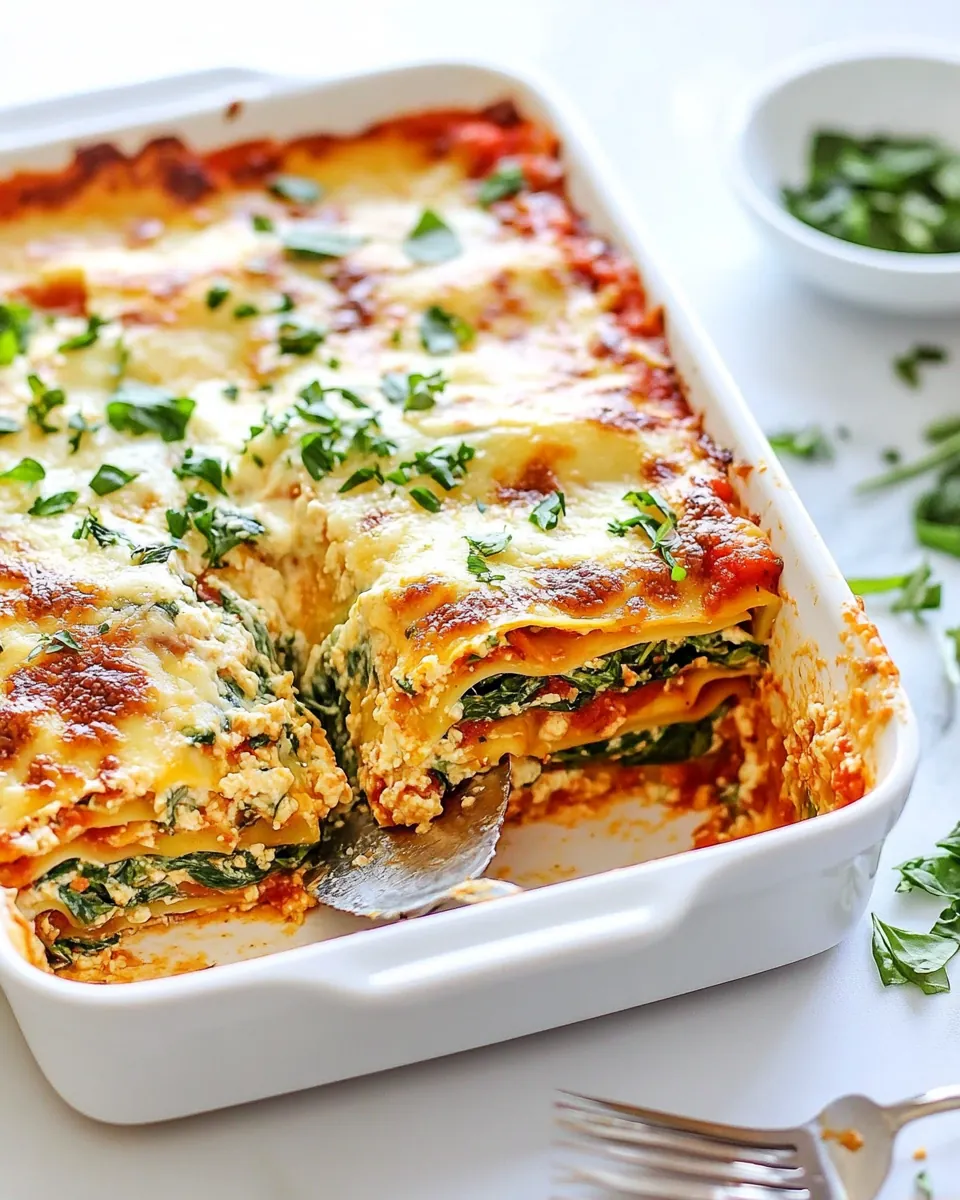
These ingredients form a straightforward, dependable lasagna. The cheeses provide richness and melt, the spinach brings color and a vegetal lift, and the marinara ties everything together with acidity and savory depth. The no boil lasagna noodles simplify assembly, while the provolone and shredded mozzarella create that coveted browned, bubbly top.
- 1 16-ounce container ricotta cheese: Provide creamy richness and a smooth texture to the filling; blend with eggs and cheeses to create a moist, custard-like layer that balances the acidity of the sauce. Use whole-milk ricotta for best flavor and spread evenly between noodle layers to ensure even baking.
- 1 8-ounce container small curd cottage cheese: Add a slightly tangy, cottage-like texture that lightens the ricotta mixture; small curds incorporate easily and contribute moisture control. Drain any excess whey before combining so the filling doesn't become watery during baking.
- 1 5-ounce container 3-cheese blend grated cheese: Contribute a sharp, savory flavor and granular texture that enhances overall cheesiness; the blend typically includes cheddar, asiago, and parmesan for complexity. Sprinkle into the cheese mixture for depth and meltability without overpowering other cheeses.
- 1 12-ounce bag frozen spinach, thawed and with all of the moisture squeezed dry: Introduce earthy, vegetal flavor and a tender bite while supplying nutrients and color; thoroughly squeezing out moisture prevents a soggy lasagna. Chop or roughly break apart the spinach before folding into the cheese to distribute it evenly.
- 2 eggs: Bind the cheese filling components and help set the layers as the lasagna bakes; eggs create structure and prevent the filling from becoming loose. Lightly beat before mixing so they incorporate uniformly without overworking the mixture.
- 1 teaspoon freshly ground black pepper: Season the filling and sauce with a bright, mildly pungent heat that enhances all other flavors; freshly ground pepper offers more aromatic complexity than pre-ground. Add to taste while mixing cheeses, remembering that heat intensifies slightly during baking.
- 1/2 teaspoon kosher salt: Enhance flavor balance and highlight the cheeses and sauce with a clean salty backbone; kosher salt dissolves easily and seasons uniformly. Sprinkle cautiously, tasting the combined mixture because cheeses and sauces already contain salt.
- 2 25-ounce jars marinara sauce: Provide the acidic, tomato-based backbone and moisture for the lasagna; marinara layers keep the pasta from drying and infuse herbs and garlic into each bite. Use a flavorful jarred sauce or homemade equivalent and spread in thin layers to avoid sogginess.
- 1 9-ounce package no-boil lasagna noodles: Form the pasta structure separating layers and absorbing sauce while becoming tender without pre-boiling; no-boil noodles streamline assembly and create firm sheet layers once baked. Arrange to overlap slightly to ensure full coverage and structural integrity.
- 12 slices provolone cheese: Offer melty, mild, slightly smoky slices that create a cohesive, gooey top or interlayer; provolone slices provide uniform coverage and attractive stretching quality. Place slices evenly so each portion includes a satisfying, cheesy pull.
- 1 1/2 cups mozzarella cheese, shredded: Add additional gooey, stretchy melted cheese that melds flavors and creates appealing stringiness; shredded mozzarella browns lightly and offers classic lasagna texture. Sprinkle between layers and on top for an even melt and golden finish.
- Basil leaves: Bring fresh herbal brightness and an aromatic finish when added after baking; basil leaves lift the richness and complement tomato and cheese flavors. Tear or chiffonade leaves just before serving to preserve delicate oils and color.
- Grated Parmesan cheese for garnish: Provide a salty, nutty finishing touch when grated over the top; Parmesan adds savory contrast and enhances umami. Grate finely and sprinkle sparingly to avoid overpowering, allowing its flavor to punctuate each bite.
The Process for Making The Cheesiest Spinach and Cheese Lasagna
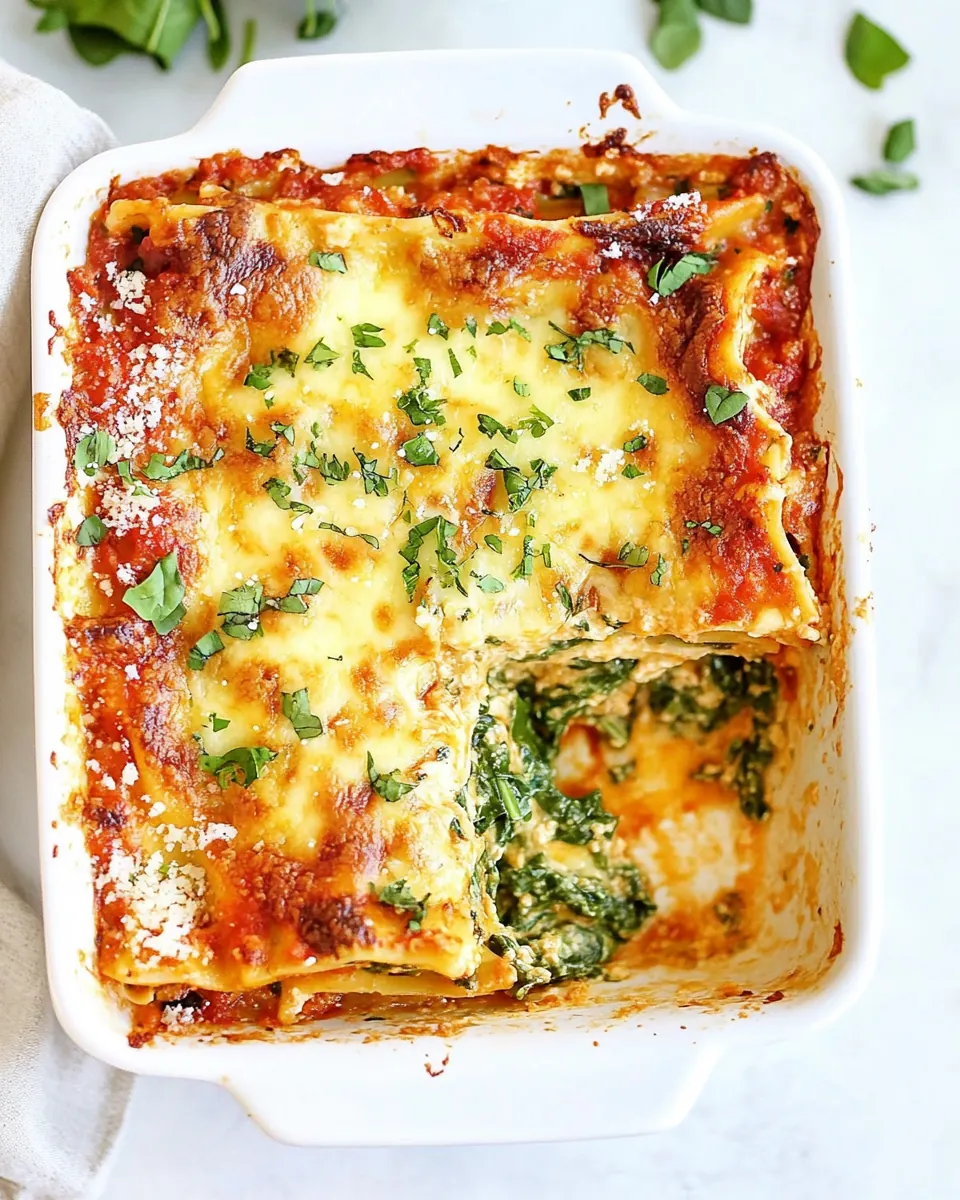
Making this lasagna is a comforting ritual, and the steps are forgiving so you can focus on the sensory cues as you go. Below I’ve expanded each direction with the smells, textures, and common pitfalls I pay attention to. Keep a towel or two handy for spills and a timer close by.
- Preheat the oven to 350°F.: The oven warming gives you a steady, even environment for baking, so you will notice a gentle, dry heat that ensures the lasagna cooks through without burning on the edges. Preheating also helps the cheese melt uniformly, producing a consistently bubbly top. A common mistake is placing the dish into a cold oven which can lead to an uneven bake, so always wait until the oven reaches the full temperature, and if your oven runs hot or cool, use an oven thermometer for accuracy.
- Combine the ricotta, cottage cheese, 3-cheese blend and spinach with the eggs, ground black pepper and kosher salt until well mixed.: When these ingredients come together you will see creamy whites and flecks of green, and smell a mild dairy aroma mingled with peppery notes. The eggs give structure, while the cheeses create a cohesive, spreadable filling. I always taste a small spoonful to adjust seasoning before assembly. Avoid over stirring which can make the mixture too loose, and if your spinach still feels wet, press it more firmly to prevent a watery filling that can make slices sloppy.
- Spread half of a jar of the marinara sauce over the bottom of a 9 X 13 inch baking pan. Layer 5 sheets of the lasagna sheet so they're slightly overlapping. Dollop half of the ricotta mixture onto the lasagna sheets and evenly spread on top. Layer 4 slices of provolone over the ricotta and sprinkle with 1/2 cup mozzarella cheese. Pour another half of the jar of marinara evenly over the cheese.: The sauce on the base should glisten and smell bright and herby; this foundation prevents the bottom noodles from drying and adds vibrant acidity. As you lay the first noodles, listen for the soft settling noise and watch the edges slightly sink into the sauce, an indicator they are hydrating. When spreading the filling, use gentle, even strokes so you do not tear the noodles. A frequent error is applying uneven sauce which causes dry patches, so smooth the sauce to cover every corner for uniform baking.
- Layer 5 more sheets of lasagna and repeat by dolloping the rest of the ricotta mixture over the lasagna sheets and spread evenly, top with 4 more slices of provolone cheese, 1/2 cup mozzarella cheese, and then pour half of the sauce from the remaining jar of sauce over the cheese. Top with 5 more layers of the lasagna sheets and pour the remaining half of the marinara sauce over the noodles and top with the remaining slices of provolone cheese and mozzarella cheese and sprinkle with more parmesan cheese.: Building the central layers is about rhythm; you will notice steam begin to rise slightly from the sauce as it warms on the layering pan, releasing fragrant tomato and herb notes. Spreading the second cheese layer creates inviting strata that will meld into a cohesive whole during baking. Keep edges neat and avoid overcrowding which can lead to uneven cooking. If the filling seems too thick to spread, press it gently with a spatula rather than dragging, which preserves noodle integrity.
- Cover with foil and bake for 60 minutes or until bubbly. Remove the foil and bake for an additional 10 minutes or until the cheese is lightly browned.: The final assembly should look balanced and moist, with sauce visible between the top noodle layers and cheese evenly distributed for a consistent golden finish. The aroma will begin to feel like the promise of the final dish, and the top cheese will melt into a unified blanket that browns attractively. A common misstep is piling too many cheeses in one spot; spread them out to encourage even browning and avoid large, greasy pools.
- Let the lasagna rest for at least 10 minutes before serving. Garnish with basil leaves and fresh grated parmesan.: Covered baking traps steam, allowing the interior to become creamy and hot while preventing the top from burning. You will hear gentle bubbling as the sauce comes to a simmer under the foil, and when you remove the cover, the surface should show bubbling edges. The uncovered final 10 minutes encourage Maillard browning on the cheeses, creating a pleasing crust. A potential issue is leaving foil touching the cheese, which can stick; tent it loosely and consider spraying foil with baking spray first to prevent adhesion.
- Let the lasagna rest for at least 10 minutes before serving. Garnish with basil leaves and fresh grated parmesan.: Resting allows the layers to set so slices hold together and you get clean, attractive portions. You will notice the steam subside and the lasagna firm slightly to the touch, indicating it is ready to plate. The final garnish of basil adds a fresh, aromatic lift, while grated Parmesan contributes a salty finish. Cutting too early is a common error that leads to a runny, falling apart dish, so be patient and enjoy the fragrant moment before serving.
Expert Tips about The Cheesiest Spinach and Cheese Lasagna
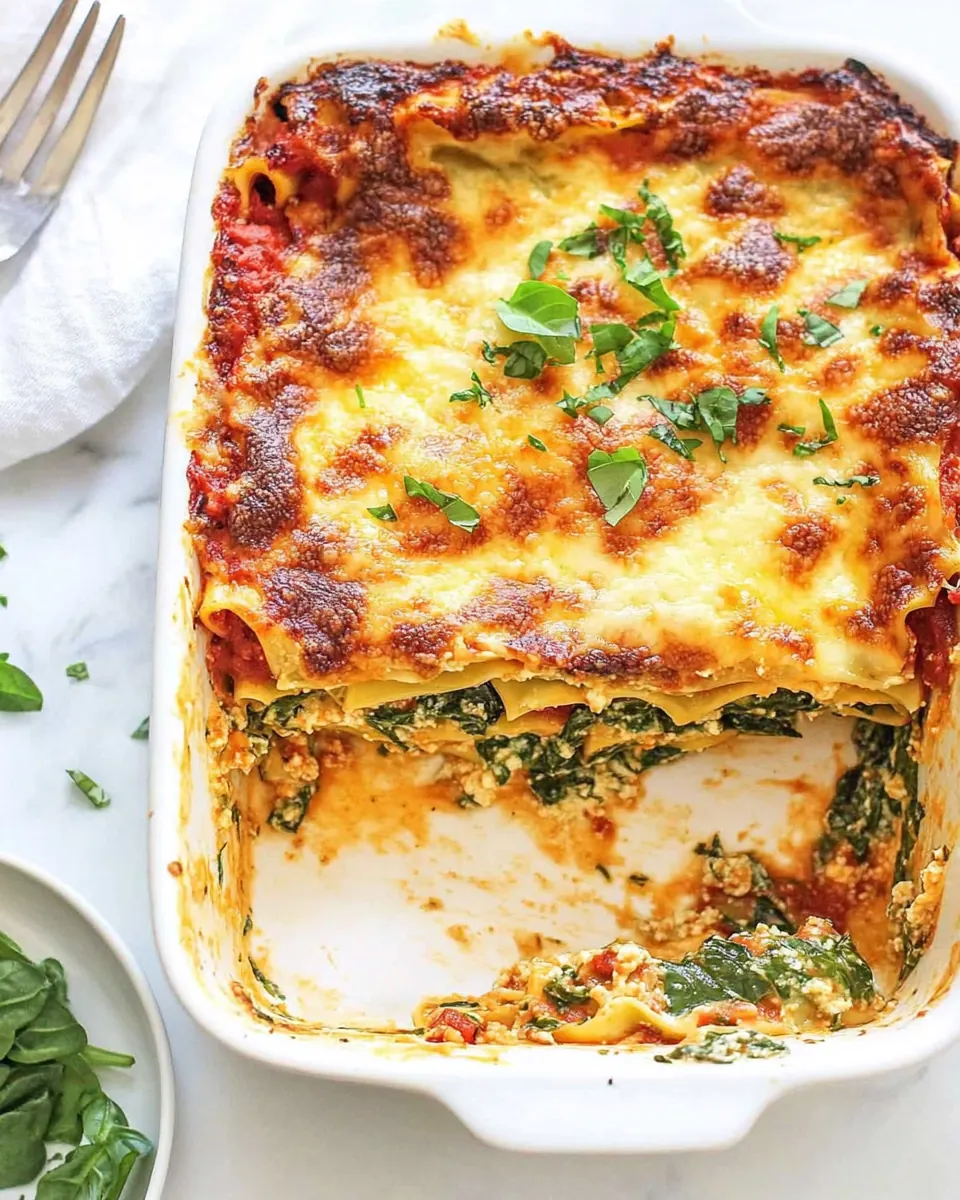
This recipe is forgiving, but a few professional touches make it shine. Below are detailed tips drawn from hands on experience to help you achieve a perfectly textured, flavorful lasagna every time.
- Squeeze spinach thoroughly, removing as much moisture as possible so the filling stays firm. I use a clean dish towel and press until no more liquid emerges, which prevents a soggy lasagna and concentrates the green flavor.
- Tent and spray foil to protect the cheesy top. Lightly spraying the underside of the foil and tenting prevents it from smothering the cheese while still trapping steam for even cooking.
- Room temperature cheeses mix more uniformly. If the ricotta and cottage cheese are very cold, let them sit briefly so they blend into a smoother filling without clumping.
- Even sauce distribution ensures every noodle hydrates consistently, preventing dry spots. Spoon sauce into corners and smooth gently so the noodles sit in a thin, even layer of sauce across the pan.
- Use an oven thermometer if you are unsure about your oven’s accuracy. That small tool helps avoid under or over baking, especially important during the covered and uncovered stages.
- Let it rest for at least 10 minutes before slicing so the layers set. Rushing this step will produce loose, messy slices rather than neat portions that hold their shape.
Serving Ideas for The Cheesiest Spinach and Cheese Lasagna
This lasagna makes a comforting centerpiece for many occasions, and pairing choices can elevate the experience. Below are serving suggestions, side ideas, and storage notes to help you plan meals from casual weeknights to special gatherings.
- Family dinner centerpiece, serve warm from the oven with a simple green salad dressed in a light vinaigrette to balance the richness.
- Potluck favorite, bake in the 9 X 13 pan and bring along extra grated Parmesan for guests to sprinkle.
- Weeknight leftovers, reheat single portions in the oven or a microwave and pair with a cup of warm soup for a cozy meal.
- Special occasion, present slices with fresh torn basil and a drizzle of extra virgin olive oil for an elevated look and aroma.
- Storage tips, refrigerate covered for up to four days, or freeze portions for up to three months, thawing overnight before reheating gently to preserve texture.
- Seasonal pairings, in winter serve with roasted vegetables or a hearty bean salad, and in spring add a citrusy side to lift the plate.
FAQ
Conclusion
This lasagna stands out because it layers creamy cheeses with tender spinach and a savory marinara to create a reliably comforting casserole. Try it when you want a make ahead dinner that feeds a crowd, or when you need a soothing, cheesy meal after a long day. Bake it with care, let it rest, and enjoy the warm, homey flavors with friends or family.
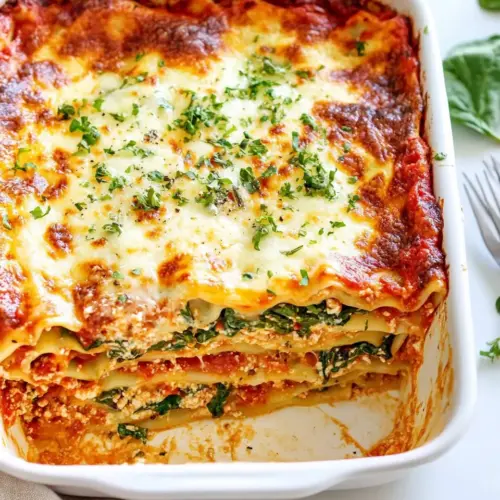
The Cheesiest Spinach and Cheese Lasagna
Equipment
- 9 x 13-inch baking pan
- Aluminum Foil
- Mixing Bowl
- Spatula
Ingredients
- 1 16-ounce container ricotta cheese Provide creamy richness and a smooth texture to the filling; blend with eggs and cheeses to create a moist, custard-like layer that balances the acidity of the sauce. Use whole-milk ricotta for best flavor and spread evenly between noodle layers to ensure even baking.
- 1 8-ounce container small curd cottage cheese Add a slightly tangy, cottage-like texture that lightens the ricotta mixture; small curds incorporate easily and contribute moisture control. Drain any excess whey before combining so the filling doesn't become watery during baking.
- 1 5-ounce container 3-cheese blend grated cheese Contribute a sharp, savory flavor and granular texture that enhances overall cheesiness; the blend typically includes cheddar, asiago, and parmesan for complexity. Sprinkle into the cheese mixture for depth and meltability without overpowering other cheeses.
- 1 12-ounce bag frozen spinach, thawed and with all of the moisture squeezed dry Introduce earthy, vegetal flavor and a tender bite while supplying nutrients and color; thoroughly squeezing out moisture prevents a soggy lasagna. Chop or roughly break apart the spinach before folding into the cheese to distribute it evenly.
- 2 eggs Bind the cheese filling components and help set the layers as the lasagna bakes; eggs create structure and prevent the filling from becoming loose. Lightly beat before mixing so they incorporate uniformly without overworking the mixture.
- 1 teaspoon freshly ground black pepper Season the filling and sauce with a bright, mildly pungent heat that enhances all other flavors; freshly ground pepper offers more aromatic complexity than pre-ground. Add to taste while mixing cheeses, remembering that heat intensifies slightly during baking.
- 1/2 teaspoon kosher salt Enhance flavor balance and highlight the cheeses and sauce with a clean salty backbone; kosher salt dissolves easily and seasons uniformly. Sprinkle cautiously, tasting the combined mixture because cheeses and sauces already contain salt.
- 2 25-ounce jars marinara sauce Provide the acidic, tomato-based backbone and moisture for the lasagna; marinara layers keep the pasta from drying and infuse herbs and garlic into each bite. Use a flavorful jarred sauce or homemade equivalent and spread in thin layers to avoid sogginess.
- 1 9-ounce package no-boil lasagna noodles Form the pasta structure separating layers and absorbing sauce while becoming tender without pre-boiling; no-boil noodles streamline assembly and create firm sheet layers once baked. Arrange to overlap slightly to ensure full coverage and structural integrity.
- 12 slices provolone cheese Offer melty, mild, slightly smoky slices that create a cohesive, gooey top or interlayer; provolone slices provide uniform coverage and attractive stretching quality. Place slices evenly so each portion includes a satisfying, cheesy pull.
- 1 1/2 cups mozzarella cheese, shredded Add additional gooey, stretchy melted cheese that melds flavors and creates appealing stringiness; shredded mozzarella browns lightly and offers classic lasagna texture. Sprinkle between layers and on top for an even melt and golden finish.
- Basil leaves Bring fresh herbal brightness and an aromatic finish when added after baking; basil leaves lift the richness and complement tomato and cheese flavors. Tear or chiffonade leaves just before serving to preserve delicate oils and color.
- Grated Parmesan cheese for garnish Provide a salty, nutty finishing touch when grated over the top; Parmesan adds savory contrast and enhances umami. Grate finely and sprinkle sparingly to avoid overpowering, allowing its flavor to punctuate each bite.
Instructions
- Preheat the oven to 350°F.: The oven warming gives you a steady, even environment for baking, so you will notice a gentle, dry heat that ensures the lasagna cooks through without burning on the edges. Preheating also helps the cheese melt uniformly, producing a consistently bubbly top. A common mistake is placing the dish into a cold oven which can lead to an uneven bake, so always wait until the oven reaches the full temperature, and if your oven runs hot or cool, use an oven thermometer for accuracy.
- Combine the ricotta, cottage cheese, 3-cheese blend and spinach with the eggs, ground black pepper and kosher salt until well mixed.: When these ingredients come together you will see creamy whites and flecks of green, and smell a mild dairy aroma mingled with peppery notes. The eggs give structure, while the cheeses create a cohesive, spreadable filling. I always taste a small spoonful to adjust seasoning before assembly. Avoid over stirring which can make the mixture too loose, and if your spinach still feels wet, press it more firmly to prevent a watery filling that can make slices sloppy.
- Spread half of a jar of the marinara sauce over the bottom of a 9 X 13 inch baking pan. Layer 5 sheets of the lasagna sheet so they're slightly overlapping. Dollop half of the ricotta mixture onto the lasagna sheets and evenly spread on top. Layer 4 slices of provolone over the ricotta and sprinkle with 1/2 cup mozzarella cheese. Pour another half of the jar of marinara evenly over the cheese.: The sauce on the base should glisten and smell bright and herby; this foundation prevents the bottom noodles from drying and adds vibrant acidity. As you lay the first noodles, listen for the soft settling noise and watch the edges slightly sink into the sauce, an indicator they are hydrating. When spreading the filling, use gentle, even strokes so you do not tear the noodles. A frequent error is applying uneven sauce which causes dry patches, so smooth the sauce to cover every corner for uniform baking.
- Layer 5 more sheets of lasagna and repeat by dolloping the rest of the ricotta mixture over the lasagna sheets and spread evenly, top with 4 more slices of provolone cheese, 1/2 cup mozzarella cheese, and then pour half of the sauce from the remaining jar of sauce over the cheese. Top with 5 more layers of the lasagna sheets and pour the remaining half of the marinara sauce over the noodles and top with the remaining slices of provolone cheese and mozzarella cheese and sprinkle with more parmesan cheese.: Building the central layers is about rhythm; you will notice steam begin to rise slightly from the sauce as it warms on the layering pan, releasing fragrant tomato and herb notes. Spreading the second cheese layer creates inviting strata that will meld into a cohesive whole during baking. Keep edges neat and avoid overcrowding which can lead to uneven cooking. If the filling seems too thick to spread, press it gently with a spatula rather than dragging, which preserves noodle integrity.
- Cover with foil and bake for 60 minutes or until bubbly. Remove the foil and bake for an additional 10 minutes or until the cheese is lightly browned.: The final assembly should look balanced and moist, with sauce visible between the top noodle layers and cheese evenly distributed for a consistent golden finish. The aroma will begin to feel like the promise of the final dish, and the top cheese will melt into a unified blanket that browns attractively. A common misstep is piling too many cheeses in one spot; spread them out to encourage even browning and avoid large, greasy pools.
- Let the lasagna rest for at least 10 minutes before serving. Garnish with basil leaves and fresh grated parmesan.: Covered baking traps steam, allowing the interior to become creamy and hot while preventing the top from burning. You will hear gentle bubbling as the sauce comes to a simmer under the foil, and when you remove the cover, the surface should show bubbling edges. The uncovered final 10 minutes encourage Maillard browning on the cheeses, creating a pleasing crust. A potential issue is leaving foil touching the cheese, which can stick; tent it loosely and consider spraying foil with baking spray first to prevent adhesion.
- Let the lasagna rest for at least 10 minutes before serving. Garnish with basil leaves and fresh grated parmesan.: Resting allows the layers to set so slices hold together and you get clean, attractive portions. You will notice the steam subside and the lasagna firm slightly to the touch, indicating it is ready to plate. The final garnish of basil adds a fresh, aromatic lift, while grated Parmesan contributes a salty finish. Cutting too early is a common error that leads to a runny, falling apart dish, so be patient and enjoy the fragrant moment before serving.
Notes
- Squeeze spinach thoroughly, removing as much moisture as possible so the filling stays firm. I use a clean dish towel and press until no more liquid emerges, which prevents a soggy lasagna and concentrates the green flavor.
- Tent and spray foil to protect the cheesy top. Lightly spraying the underside of the foil and tenting prevents it from smothering the cheese while still trapping steam for even cooking.
- Room temperature cheeses mix more uniformly. If the ricotta and cottage cheese are very cold, let them sit briefly so they blend into a smoother filling without clumping.
- Even sauce distribution ensures every noodle hydrates consistently, preventing dry spots. Spoon sauce into corners and smooth gently so the noodles sit in a thin, even layer of sauce across the pan.
- Use an oven thermometer if you are unsure about your oven's accuracy. That small tool helps avoid under or over baking, especially important during the covered and uncovered stages.
- Let it rest for at least 10 minutes before slicing so the layers set. Rushing this step will produce loose, messy slices rather than neat portions that hold their shape.