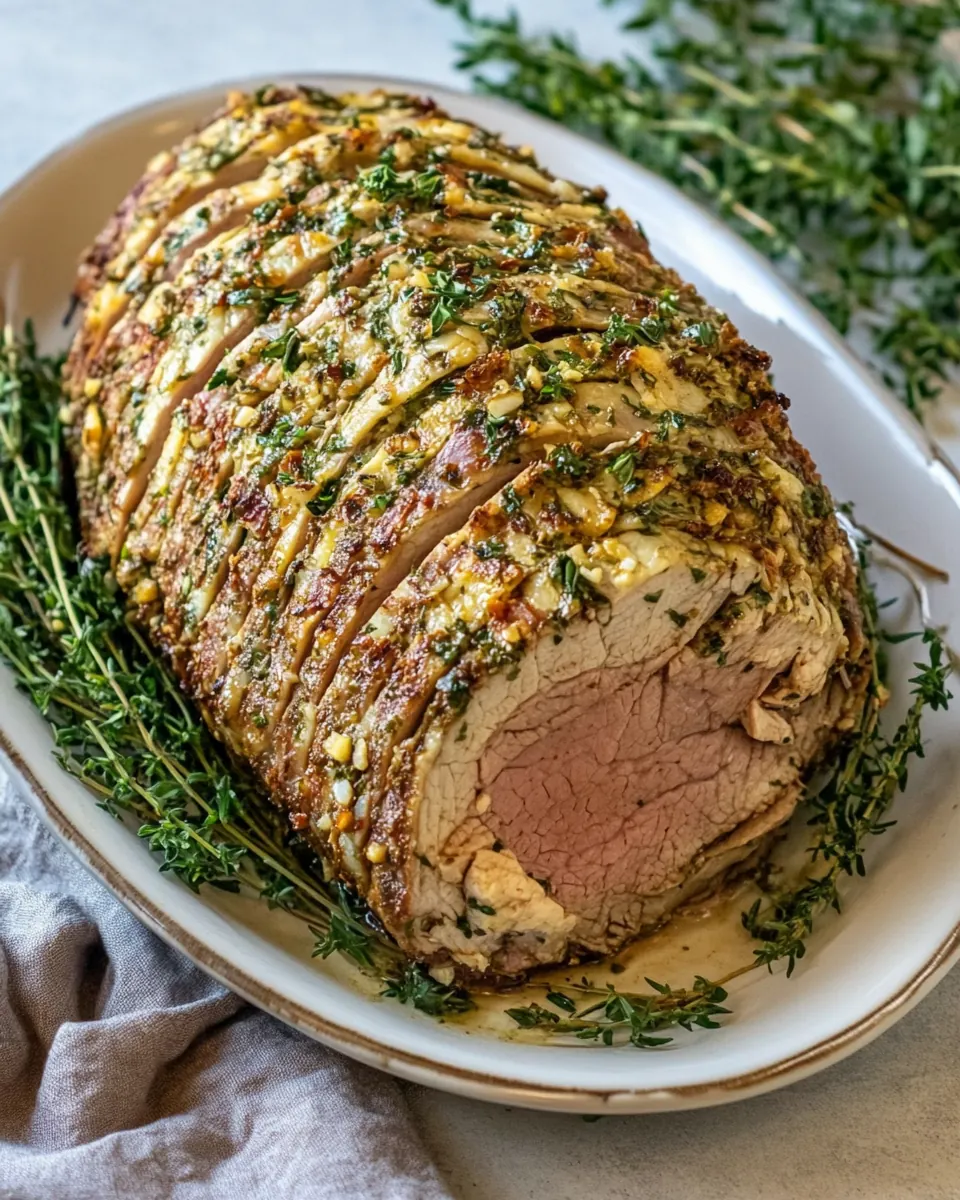
Smoked Eye of Round
Smoked Eye of Round began as one of those weekend experiments that turned into a family ritual for us. I first tried smoking an eye of round when I wanted a show stopping roast without fussy prep, and the results surprised everyone. The exterior forms a fragrant, herb studded crust while the interior stays tender and slightly pink when treated gently. Over time I tuned the paste and resting routine so slices stay juicy and not chewy.
The first time I served Smoked Eye of Round I remember the hush at the table as everyone waited for the first cut. The aroma from the smoker, a mix of rosemary, thyme, and roasted garlic, drew people to the kitchen. I learned that patience matters more than flashy techniques. Letting the meat rest under foil makes the difference between juice running out and a neat, flavorful slice. That simple habit turned this roast from good to reliably excellent.
Recipe Snapshot
3 hr 20 mins
20 mins
180 mins
Hard
350 kcal
American
Gluten-Free, Keto
Dinner
Smoker, Food processor or blender, Instant read thermometer, Wooden cutting board
The Best Thing About This Smoked Eye of Round
Memorable crust and aroma
I love how the paste built from rosemary, thyme, and whole peppercorns creates a savory crust that perfumes the smoke. As the roast cooks the oils in the paste mingle with the smoke and form an exterior you want to photograph before slicing. That crunchy aromatic rim gives you contrasts in texture and flavor that keep people coming back for another slice.
Reliable medium rare results
Because eye of round is lean, aiming for medium rare is essential. I rely on internal temperature over cook time, and when I hit 125°F then rest the meat, the juices redistribute and the final slice is tender. This predictability is why I make it when feeding a crowd, you can plan slicing windows with confidence.
Simple yet bold seasoning
The combination of olive oil, mayonnaise, horseradish, and herbs gives robust flavor without complicated steps. I appreciate recipes that let quality ingredients shine, and this paste method infuses the roast deeply. You do not need long marination times, the paste bonds quickly and smokes beautifully.
Flexible serving options
I enjoy how Smoked Eye of Round adapts to many meals. Slice it thin for sandwiches, carve thicker for dinner plates, or make a grazing board. The horseradish sauce that accompanies it offers bright, tangy contrast, and the roast is forgiving if you need to hold it briefly before service.
Great for gatherings
Once I realized how well the roast scaled, it became my go to for informal dinners. It feeds a crowd without standing over the stove, and the smoker does most of the work. That hands off cooking lets me focus on sides and company, which is what cooking is really about.
What You’ll Need for Smoked Eye of Round
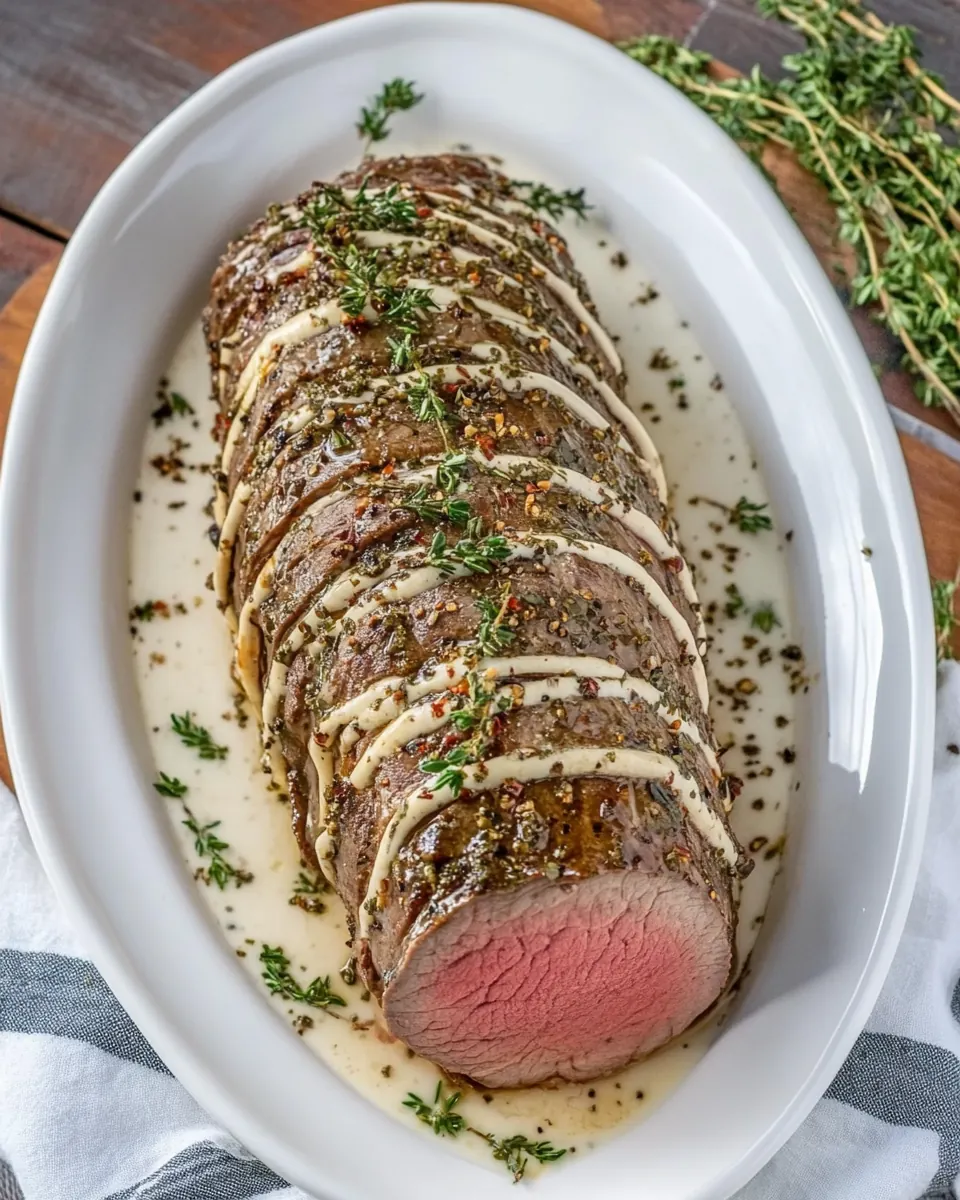
These ingredients form a focused roster that balances fat, aromatics, and acid to coax flavor into a lean cut. The key players are the eye of round itself, the paste that adheres and seasons the exterior, and the bright horseradish sauce that cuts through richness. Together they deliver a savory, slightly tangy profile while the herbs add an evergreen, fragrant note that complements smoke.
- 4 pound eye of round roast: Trim and tie as needed before smoking to ensure even cooking; primary protein providing hearty texture and beefy flavor for the dish. Marinate or rub to enhance smokiness, then slow-smoke until desired doneness and allow to rest for juicy slices.
- 2 tablespoons extra virgin olive oil: Coat the roast lightly to help herbs and spices adhere while adding a fruity, peppery fat that enhances mouthfeel and prevents drying during smoking. Use sparingly to promote crust formation and to carry other flavors into the meat.
- 2 tablespoons mayonnaise: Bind and add creaminess to sauces or dressings accompanying the smoked roast; contributes a tangy, rich texture that mellows sharp flavors. Use in both marinade mixtures and finishing spreads for a smooth, balanced accompaniment.
- 1 tablespoon horseradish: Add pungent heat and a sharp, sinus-clearing bite to rubs or sauces that complements the rich beef; works well mixed into creamy condiments for a zesty finish. Use sparingly to avoid overpowering the smoke and beef flavors.
- 5 garlic cloves: Crush or mince to release aromatic compounds that infuse the roast with savory depth; fresh cloves contribute warmth and umami to rubs and compound butters. Roast or include raw in marinades depending on desired intensity.
- 1 shallot: Mince finely to contribute mild oniony, sweet, and aromatic notes that brighten the overall flavor profile; blends well into rubs, marinades, or finishing sauces. Use raw in sauces for sharpness or cook slightly to soften its bite.
- 1/2 tablespoon peppercorns: Crush to release bright, floral, and slightly citrusy heat for inclusion in rubs or brines; peppercorns add a complex spiciness that complements smoky beef. Lightly cracked for noticeable texture or ground for uniform distribution.
- 1 teaspoon coarse sea salt: Dissolve and distribute savory seasoning to enhance the meat's natural flavors and help balance fat; salt draws moisture during resting and improves crust formation. Use with care to avoid oversalting during long smoking times.
- 1 tablespoon fresh rosemary leaves: Chop or mince to release woody, pine-like aromas that pair excellently with beef and smoke; rosemary adds an aromatic, savory quality to rubs or herb butter. Use fresh leaves to prevent bitterness and to provide bright herbal notes.
- 1 tablespoon fresh thyme leaves: Strip leaves to impart subtle lemony and floral notes that brighten the rich beef flavor; thyme adds delicate herbal complexity when used in rubs or compound butters. Combine with other herbs for layered aromatic profiles.
- 1 cup mayonnaise: Provide additional creaminess and a tangy base for sauce or condiment served with sliced smoked roast; mayonnaise helps carry horseradish and garlic flavors while smoothing spice. Use as a backing for dipping sauces or as a spread on sandwiches.
- 2 tablespoons horseradish: Boost heat and sharpness in condiments and sauces to cut through fat; doubling horseradish strengthens the pungent kick against smoky beef. Blend into mayonnaise-based sauces for a balanced piquant accompaniment.
- 1 teaspoon garlic paste or fresh minced garlic: Add concentrated garlic flavor in a convenient form to evenly distribute savory notes through sauces and rubs; paste or minced fresh works well depending on desired intensity. Use to layer umami and aromatic character without large pieces.
- 1/2 teaspoon ground black pepper: Season lightly to provide a subtle background heat and peppery aroma that enhances the smoked beef without overwhelming it. Use measured amounts in rubs or sauces to maintain balance with other seasonings.
- 1/2 teaspoon salt: Season gently to finish sauces and control overall saltiness in the final dish; small amounts are crucial for flavor balance, especially when combined with earlier salt in rubs. Taste and adjust at the end to avoid oversalting.
Instructions for Smoked Eye of Round
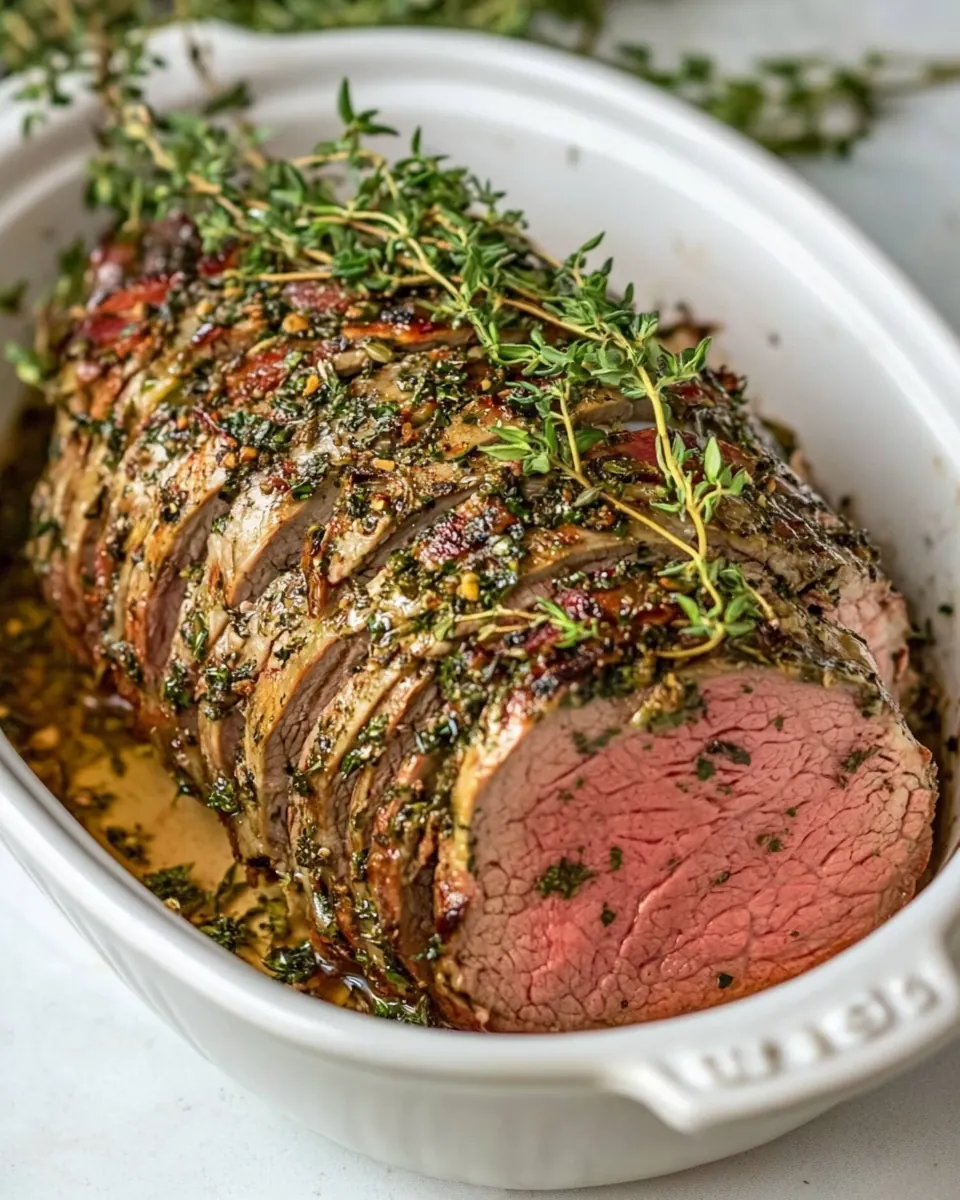
These directions walk you through the smoking process with practical cues to ensure success. I like to move deliberately during prep, then let the smoker do the slow work while I focus on timing and resting. Below I expand each original step with sensory details, useful reasoning, and troubleshooting tips so you can follow along confidently.
- Preheat the smoker to 225°F for 15 minutes with the lid closed.: You will notice the stainless steel warming and a faint haze of smoke filling the chamber, which sets a steady, gentle cooking environment. Preheating stabilizes the heat so the roast begins cooking evenly the moment it goes on the grates, preventing initial temperature shock that can toughen lean meat. If the smoker temperature bounces, keep the lid closed and wait until it stabilizes before adding the roast, as frequent door opening lets heat and smoke escape and will extend cooking time.
- Blot roast with a paper towel to dry. This will help the paste to adhere as it smokes.: The surface should feel dry to the touch, and removing excess moisture helps the paste adhere and form a proper crust. A damp roast can steam rather than smoke, producing a pale, less textured exterior. Be careful not to over handle the meat, and blot rather than rub to keep the muscle fibers intact.
- Add olive oil, mayonnaise, horseradish, garlic cloves, shallot, peppercorns, sea salt, rosemary, and thyme leaves to a food processor or blender and blend into a paste, about 30 seconds.: When blended the paste should be cohesive and aromatic, releasing herbal oils and garlic scent as you pulse. This emulsion helps carry flavor into the roast and promotes browning as fats hit the smoker heat. If the paste is too thin, it will run off the roast, so pulse until it clings; if it is too thick, add a teaspoon of olive oil at a time. A common error is under blending, which leaves large pieces that can burn rather than mellow with smoke.
- Coat the roast with the paste.: Rub the paste over every surface until the roast is evenly coated, pressing lightly so the mixture adheres. You should be able to see a glossy herb crust beginning to form even before the smoke hits. This coating locks in seasonings and creates the textural contrast we want. Avoid piling paste on one side, as uneven coating leads to uneven crust and patchy flavor.
- Place roast directly onto the smoker grates. Smoke until internal temperature reaches 125°F. Cooking times may vary, so it is important to go by the temperature rather than the time. For me, this took just under 4 hours.: As the roast smokes, listen for the light whisper of smoke and watch the exterior turn deeper and fragrant, with herbal oils seeping and caramelizing. Relying on the internal temperature ensures you hit the desired medium rare for a lean roast while avoiding dryness. Use a probe thermometer placed near the center, and resist guessing by time, because smoker airflow and meat size affect timing. A typical mistake is removing the roast strictly by clock; trust the temp instead.
- Remove the roast from the smoker and place it on a wooden cutting board. Drape a sheet of foil over the top and form into a tent over the roast. Allow the meat to rest for 30 minutes before slicing. The meats temperature will rise 7 to 10 degrees as it rests. Aim for medium-rare for this cut of meat as it can get tough if cooked too long.: The board will absorb a little surface heat and feel warm under the roast, and you will notice the crust has a richer color and a confident aroma. Drape a sheet of foil over the top and form into a tent over the roast to trap gentle heat without steaming. Resting for 30 minutes allows juices to redistribute, and the internal temperature will rise 7 to 10 degrees, finishing the cook. If you skip resting, juices will run out when slicing, leaving the meat drier than intended.
- Place the sauce ingredients in a bowl. Whisk until combined well.: Combine the second measure of mayonnaise , horseradish , garlic , ground black pepper , and salt and whisk until smooth. The sauce should be glossy and slightly tangy with a peppery aroma. It complements the smoky roast with bright contrast and creamy texture, aiding each bite. Avoid over thinning; a watery sauce will not cling to slices and will dilute the flavor balance.
- Thinly slice the roast and serve it with horseradish sauce on the side.: Use a sharp carving knife and slice against the grain into thin, almost translucent pieces to maximize tenderness, and you will see the rosy interior framed by the seasoned crust. The slices should yield easily and feel juicy on the plate, with the sauce offering a clean, spicy counterpoint. If slices tear or feel tough, the meat was likely overcooked or sliced with the grain, so adjust for next time.
Making Adjustments
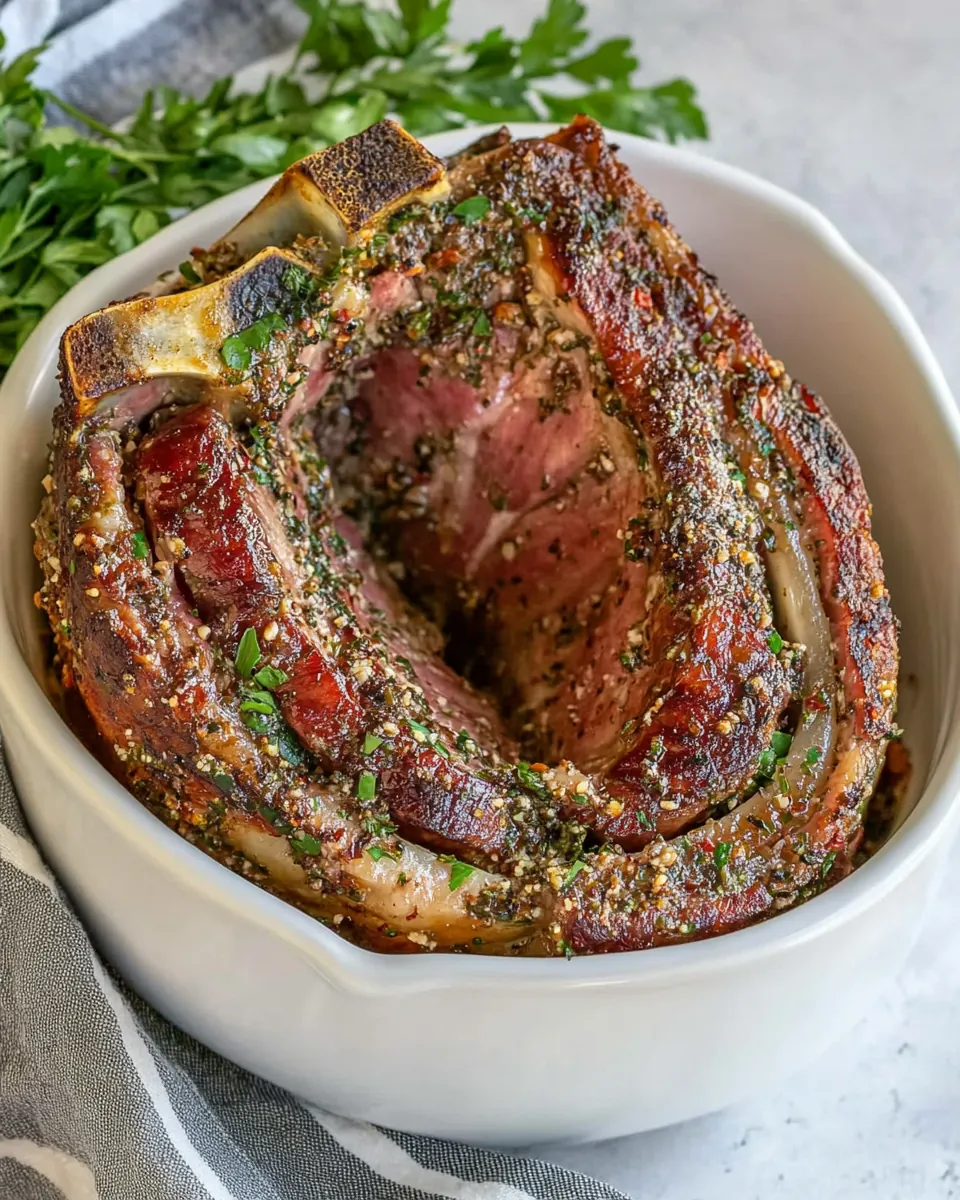
Small changes can make a big difference with a lean roast like this. Below are focused tips to adapt the method for equipment, flavor intensity, and timing. Each tip begins with a highlighted phrase to help you scan quickly.
- Adjust smoke level: If you prefer a milder smoke note, use a fruit wood or reduce the amount of wood chips; for stronger smoke, use hickory sparingly. Monitor the aroma during the first hour to find the balance you like.
- Temperature monitoring: Use a probe thermometer set to alert at 120°F then check every 5 minutes; this gives you control to catch the final few degrees without overshooting.
- Make the paste ahead: You can blend the paste a few hours in advance and refrigerate, which deepens flavors; bring it back to near room temperature before coating so it spreads easily.
- Holding strategy: If you need to hold the roast after resting, keep it loosely tented in a warm oven set to about 150°F so it stays comfortable for serving without cooking further.
- Slicing thickness: For sandwiches slice extra thin, for plated dinners slice slightly thicker; always cut against the grain to maintain tenderness and mouthfeel.
What Complements This Smoked Eye of Round
This roast pairs well with simple, sturdy sides and bright condiments that cut the smoke and richness. Below I outline serving styles and occasions that highlight the roast, with practical storage and reheating suggestions for leftovers. Use bolded phrases to spot practical serving notes.
- Classic plated dinner: Serve slices with roasted root vegetables and a spoonful of the horseradish sauce, offering balance between smoky meat and earthy sides.
- Sandwich service: Thinly slice the roast and pile on a crusty roll with horseradish sauce, ideal for casual lunches or buffet style gatherings.
- Family style buffet: Arrange slices on a board with the sauce in a bowl, letting guests help themselves, which is perfect for weekend gatherings.
- Occasion timing: This roast fits autumn or fall menus beautifully and works well for relaxed holiday meals where you want a centerpiece without fuss.
- Storage tips: Cool leftover slices quickly, store in an airtight container, and refrigerate for up to four days; the sauce keeps separately to maintain texture.
- Reheating guidance: Rewarm gently in a low oven wrapped in foil or use quick slices in a hot skillet to retain moisture without overcooking.
- Seasonal pairings: Pair with seasonal vegetables like roasted squash or braised greens to echo the warm aromatic profile of the roast.
FAQ
Conclusion
This Smoked Eye of Round stands out for its simple, bold paste and reliably tender medium rare results when you trust temperature over time. It is both approachable and impressive, delivering smoky aromatics and a bright horseradish sauce that lifts each bite. Give it a try next time you want a hands off centerpiece that feeds a crowd, and enjoy the relaxed rhythm of preparing something memorable. Share slices with friends and savor how a few intentional steps transform a lean roast into a flavorful main course.
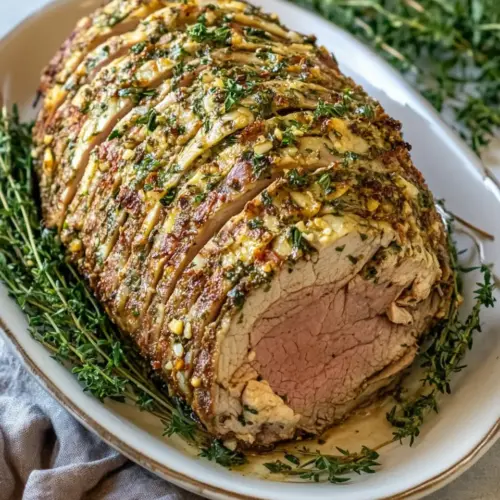
Smoked Eye of Round
Equipment
- Smoker
- Food processor or blender
- Instant read thermometer
- Wooden cutting board
Ingredients
- 4 pound eye of round roast Trim and tie as needed before smoking to ensure even cooking; primary protein providing hearty texture and beefy flavor for the dish. Marinate or rub to enhance smokiness, then slow-smoke until desired doneness and allow to rest for juicy slices.
- 2 tablespoons extra virgin olive oil Coat the roast lightly to help herbs and spices adhere while adding a fruity, peppery fat that enhances mouthfeel and prevents drying during smoking. Use sparingly to promote crust formation and to carry other flavors into the meat.
- 2 tablespoons mayonnaise Bind and add creaminess to sauces or dressings accompanying the smoked roast; contributes a tangy, rich texture that mellows sharp flavors. Use in both marinade mixtures and finishing spreads for a smooth, balanced accompaniment.
- 1 tablespoon horseradish Add pungent heat and a sharp, sinus-clearing bite to rubs or sauces that complements the rich beef; works well mixed into creamy condiments for a zesty finish. Use sparingly to avoid overpowering the smoke and beef flavors.
- 5 garlic cloves Crush or mince to release aromatic compounds that infuse the roast with savory depth; fresh cloves contribute warmth and umami to rubs and compound butters. Roast or include raw in marinades depending on desired intensity.
- 1 shallot Mince finely to contribute mild oniony, sweet, and aromatic notes that brighten the overall flavor profile; blends well into rubs, marinades, or finishing sauces. Use raw in sauces for sharpness or cook slightly to soften its bite.
- 1/2 tablespoon peppercorns Crush to release bright, floral, and slightly citrusy heat for inclusion in rubs or brines; peppercorns add a complex spiciness that complements smoky beef. Lightly cracked for noticeable texture or ground for uniform distribution.
- 1 teaspoon coarse sea salt Dissolve and distribute savory seasoning to enhance the meat's natural flavors and help balance fat; salt draws moisture during resting and improves crust formation. Use with care to avoid oversalting during long smoking times.
- 1 tablespoon fresh rosemary leaves Chop or mince to release woody, pine-like aromas that pair excellently with beef and smoke; rosemary adds an aromatic, savory quality to rubs or herb butter. Use fresh leaves to prevent bitterness and to provide bright herbal notes.
- 1 tablespoon fresh thyme leaves Strip leaves to impart subtle lemony and floral notes that brighten the rich beef flavor; thyme adds delicate herbal complexity when used in rubs or compound butters. Combine with other herbs for layered aromatic profiles.
- 1 cup mayonnaise Provide additional creaminess and a tangy base for sauce or condiment served with sliced smoked roast; mayonnaise helps carry horseradish and garlic flavors while smoothing spice. Use as a backing for dipping sauces or as a spread on sandwiches.
- 2 tablespoons horseradish Boost heat and sharpness in condiments and sauces to cut through fat; doubling horseradish strengthens the pungent kick against smoky beef. Blend into mayonnaise-based sauces for a balanced piquant accompaniment.
- 1 teaspoon garlic paste or fresh minced garlic Add concentrated garlic flavor in a convenient form to evenly distribute savory notes through sauces and rubs; paste or minced fresh works well depending on desired intensity. Use to layer umami and aromatic character without large pieces.
- 1/2 teaspoon ground black pepper Season lightly to provide a subtle background heat and peppery aroma that enhances the smoked beef without overwhelming it. Use measured amounts in rubs or sauces to maintain balance with other seasonings.
- 1/2 teaspoon salt Season gently to finish sauces and control overall saltiness in the final dish; small amounts are crucial for flavor balance, especially when combined with earlier salt in rubs. Taste and adjust at the end to avoid oversalting.
Instructions
- Preheat the smoker to 225°F for 15 minutes with the lid closed.: You will notice the stainless steel warming and a faint haze of smoke filling the chamber, which sets a steady, gentle cooking environment. Preheating stabilizes the heat so the roast begins cooking evenly the moment it goes on the grates, preventing initial temperature shock that can toughen lean meat. If the smoker temperature bounces, keep the lid closed and wait until it stabilizes before adding the roast, as frequent door opening lets heat and smoke escape and will extend cooking time.
- Blot roast with a paper towel to dry. This will help the paste to adhere as it smokes.: The surface should feel dry to the touch, and removing excess moisture helps the paste adhere and form a proper crust. A damp roast can steam rather than smoke, producing a pale, less textured exterior. Be careful not to over handle the meat, and blot rather than rub to keep the muscle fibers intact.
- Add olive oil, mayonnaise, horseradish, garlic cloves, shallot, peppercorns, sea salt, rosemary, and thyme leaves to a food processor or blender and blend into a paste, about 30 seconds.: When blended the paste should be cohesive and aromatic, releasing herbal oils and garlic scent as you pulse. This emulsion helps carry flavor into the roast and promotes browning as fats hit the smoker heat. If the paste is too thin, it will run off the roast, so pulse until it clings; if it is too thick, add a teaspoon of olive oil at a time. A common error is under blending, which leaves large pieces that can burn rather than mellow with smoke.
- Coat the roast with the paste.: Rub the paste over every surface until the roast is evenly coated, pressing lightly so the mixture adheres. You should be able to see a glossy herb crust beginning to form even before the smoke hits. This coating locks in seasonings and creates the textural contrast we want. Avoid piling paste on one side, as uneven coating leads to uneven crust and patchy flavor.
- Place roast directly onto the smoker grates. Smoke until internal temperature reaches 125°F. Cooking times may vary, so it is important to go by the temperature rather than the time. For me, this took just under 4 hours.: As the roast smokes, listen for the light whisper of smoke and watch the exterior turn deeper and fragrant, with herbal oils seeping and caramelizing. Relying on the internal temperature ensures you hit the desired medium rare for a lean roast while avoiding dryness. Use a probe thermometer placed near the center, and resist guessing by time, because smoker airflow and meat size affect timing. A typical mistake is removing the roast strictly by clock; trust the temp instead.
- Remove the roast from the smoker and place it on a wooden cutting board. Drape a sheet of foil over the top and form into a tent over the roast. Allow the meat to rest for 30 minutes before slicing. The meats temperature will rise 7 to 10 degrees as it rests. Aim for medium-rare for this cut of meat as it can get tough if cooked too long.: The board will absorb a little surface heat and feel warm under the roast, and you will notice the crust has a richer color and a confident aroma. Drape a sheet of foil over the top and form into a tent over the roast to trap gentle heat without steaming. Resting for 30 minutes allows juices to redistribute, and the internal temperature will rise 7 to 10 degrees, finishing the cook. If you skip resting, juices will run out when slicing, leaving the meat drier than intended.
- Place the sauce ingredients in a bowl. Whisk until combined well.: Combine the second measure of mayonnaise , horseradish , garlic , ground black pepper , and salt and whisk until smooth. The sauce should be glossy and slightly tangy with a peppery aroma. It complements the smoky roast with bright contrast and creamy texture, aiding each bite. Avoid over thinning; a watery sauce will not cling to slices and will dilute the flavor balance.
- Thinly slice the roast and serve it with horseradish sauce on the side.: Use a sharp carving knife and slice against the grain into thin, almost translucent pieces to maximize tenderness, and you will see the rosy interior framed by the seasoned crust. The slices should yield easily and feel juicy on the plate, with the sauce offering a clean, spicy counterpoint. If slices tear or feel tough, the meat was likely overcooked or sliced with the grain, so adjust for next time.
Notes
- Adjust smoke level: If you prefer a milder smoke note, use a fruit wood or reduce the amount of wood chips; for stronger smoke, use hickory sparingly. Monitor the aroma during the first hour to find the balance you like.
- Temperature monitoring: Use a probe thermometer set to alert at 120°F then check every 5 minutes; this gives you control to catch the final few degrees without overshooting.
- Make the paste ahead: You can blend the paste a few hours in advance and refrigerate, which deepens flavors; bring it back to near room temperature before coating so it spreads easily.
- Holding strategy: If you need to hold the roast after resting, keep it loosely tented in a warm oven set to about 150°F so it stays comfortable for serving without cooking further.
- Slicing thickness: For sandwiches slice extra thin, for plated dinners slice slightly thicker; always cut against the grain to maintain tenderness and mouthfeel.
