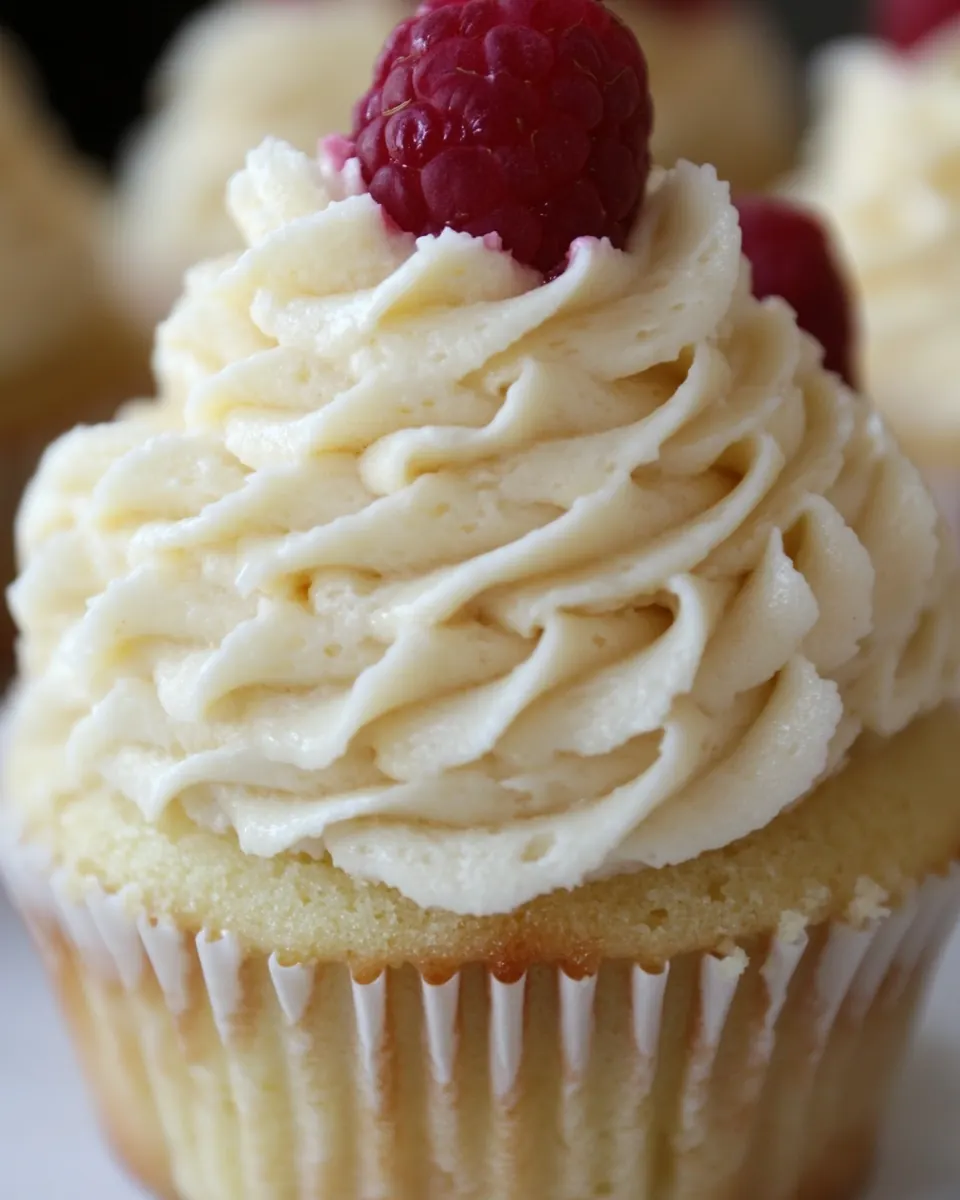
Lemon Raspberry Cupcakes with Vanilla Bean Buttercream
Lemon Raspberry Cupcakes with Vanilla Bean Buttercream came into my life on a bright spring morning when I needed something joyful to bring to a neighborhood bake sale. I remember standing at my counter, sunlight pooling on the flour-dusted surface, thinking how a balance of tart bright citrus and soft sweet raspberry would be the perfect conversation starter. I wanted cupcakes that felt like a little celebration in your hand, so I played with lemon zest and pomaceous jam until the flavors sang together.
That day I tested two batter textures and one trick that changed everything for me, and since then these cupcakes have become my go to for birthdays and informal brunches. I love how the crumb stays tender while holding a jammy center, and how the buttercream becomes pillowy with just the right vanilla bean speckle. Friends have asked for the recipe after one bite, and I always tell them there’s a technique that makes them special.
Making Lemon Raspberry Cupcakes with Vanilla Bean Buttercream is a small ritual I enjoy, the kind that fills the kitchen with warm citrus notes and the hum of the mixer. I used to shy away from cupcake fillings, but adding a teaser of jam in the center makes each mouthful more interesting, and the fresh raspberry on top gives a burst of bright texture. If you love tender cake with lively fruit and a classic buttercream, these are the cupcakes to keep in your repertoire.
Recipe Snapshot
55 mins
30 mins
25 mins
Hard
200 kcal
American
Gluten-Free, Low FODMAP
Desserts
Electric mixer, Stand mixer, Muffin tin, Paper liners, Measuring cups, Cupcake corer
The Appeal of This Lemon Raspberry Cupcakes with Vanilla Bean Buttercream
Bright but Balanced Flavor
I love how Lemon Raspberry Cupcakes with Vanilla Bean Buttercream pairs the tartness of lemon with the soft sweetness of raspberry. The lemon zest and juice cut through the sugar, keeping the cake lively, while the jam nestles into the center as a concentrated burst of fruit. This contrast keeps each bite from feeling too sugary, and it makes these cupcakes exciting to eat.
Cloudlike Buttercream with Real Vanilla Bean
The frosting uses real vanilla bean scraped from the pod, which gives those tiny black specks and a deep, floral aroma that you cannot replicate with imitation. I love the tactile pleasure of whipping the butter until it becomes billowy, then folding in the vanilla seeds and sugar until the texture is creamy and smooth. It looks elegant and tastes like a classic bakery finish.
Reliable Texture and Structure
These cupcakes have a tender crumb thanks to the combination of proper creaming and measured additions of buttermilk. The acidity in the buttermilk interacts with the baking powder to give a fine crumb and subtle lift. I appreciate that they keep well at room temperature for a few days, making them a practical choice for parties or gifting.
Flexible and Friendly to Home Bakers
I value recipes that work even on a busy weeknight, and this one fits the bill. The steps are straightforward, the tools are common, and the technique is forgiving if you watch for visual cues like pale, fluffy creamed butter and a cake tester that comes out clean. If you are new to piping frosting, this recipe’s buttercream is stable enough to practice with and still shine on the final cupcake.
Beautiful Presentation with Minimal Effort
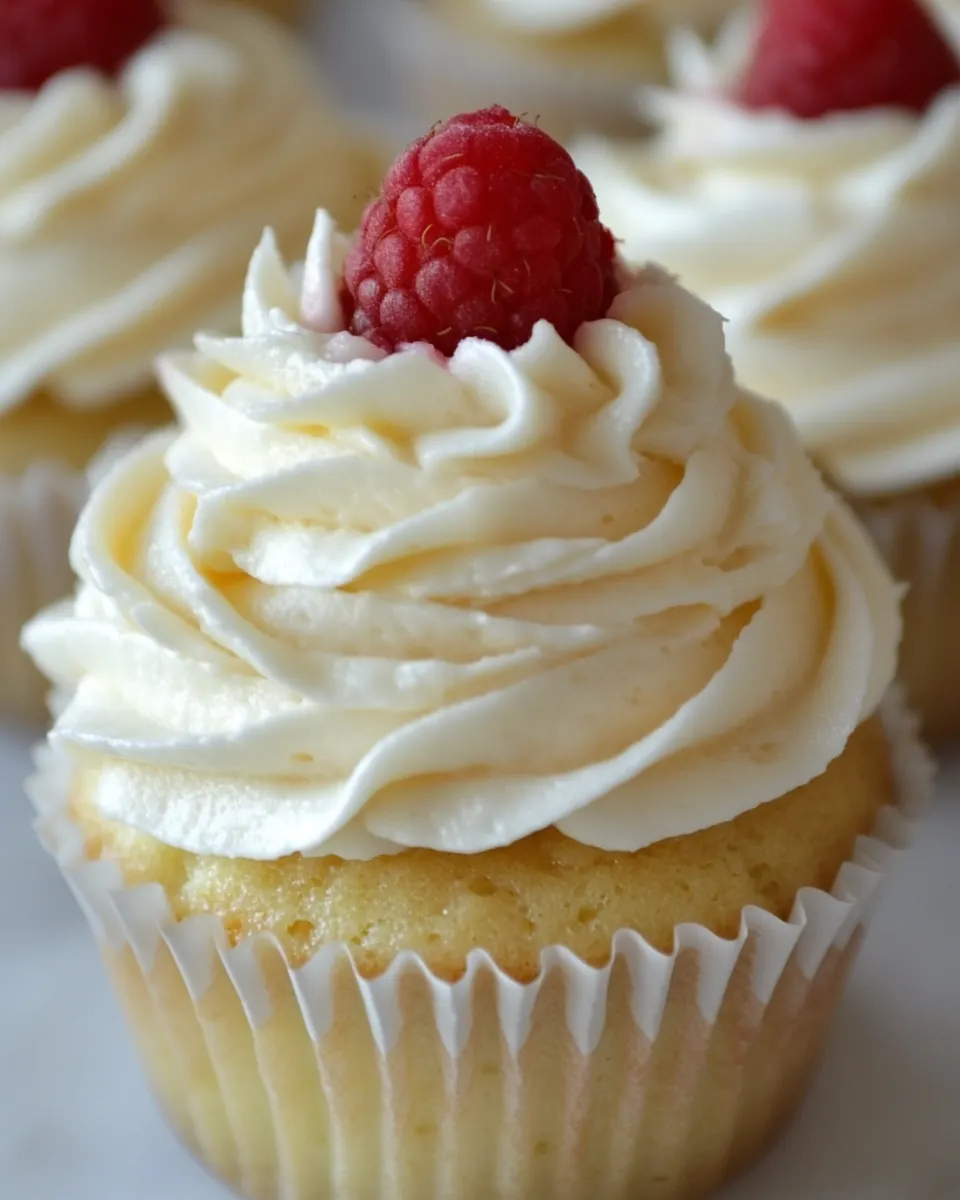
Placing one fresh raspberry on top of each frosted cupcake makes them look show stopping with almost no extra work. The jam inside creates an alluring surprise, and the vanilla speckles in the buttercream feel intentionally artisanal. I find that this balance of simple decorating and thoughtful filling elevates the whole treat.
Ingredients Overview for Lemon Raspberry Cupcakes with Vanilla Bean Buttercream
These ingredients form a cohesive team to deliver tender, bright cupcakes with a silky buttercream. The dry ingredients give structure, the fats and sugars provide tenderness and flavor, and the dairy components add moisture and tang. The jam and fresh berries contribute concentrated fruit notes that lift the whole experience.
- 3 cups all-purpose flour: Provide structure and bulk to the cupcakes by forming the crumb; sift or whisk before measuring to ensure even incorporation and a tender texture.
- 1 tablespoon baking powder: Leaven the batter and create rise during baking by producing carbon dioxide; ensure even distribution by whisking into the dry ingredients.
- 1/2 teaspoons salt: Enhance overall flavor balance and strengthen gluten slightly to improve texture; dissolve into dry ingredients so it is evenly dispersed.
- 1 cup 2 sticks unsalted butter: Contribute richness, moisture, and tender crumb while adding a subtle buttery flavor; soften to room temperature for easier creaming with sugar.
- 2 cups sugar: Sweeten and tenderize the cupcakes while helping to trap air when creamed with butter; beat thoroughly with butter for lightness.
- 4 large eggs: Provide structure, moisture, and emulsification, helping to bind ingredients and contribute to rise; add at room temperature for best incorporation.
- 2 tablespoons lemon zest (about one large lemon or three small lemons' worth): Impart bright citrus aroma and concentrated lemon flavor while contributing oils that enhance tenderness; finely grate zest and avoid the bitter pith.
- 2 tablespoons fresh lemon juice: Deliver fresh acidic tang that brightens the batter and reacts with leavening for lift; squeeze and strain if seeds are a concern.
- 1 teaspoon vanilla extract: Add warm aromatic notes and enhance overall flavor complexity; use pure extract and measure precisely to avoid overpowering.
- 1 cup buttermilk: Introduce acidity and tanginess that tenderize the crumb and react with leavening agents; bring to room temperature and whisk before adding.
- 2/3 cup raspberry jam: Provide concentrated raspberry flavor and moisture to pockets within the cupcakes; swirl gently into batter to avoid sinking.
- 24 fresh raspberries (for topping): Offer fresh, juicy garnish and vibrant appearance while adding a burst of tartness; choose ripe berries and place on top after frosting.
- 1 1/4 cups unsalted butter (2 1/2 sticks, room temperature): Create a rich, creamy base for the buttercream, supplying texture and mouthfeel; ensure it is at room temperature for smooth whipping.
- 1 vanilla bean: Deliver intense vanilla flavor from seeds and pod, adding gourmet aroma; split and scrape seeds to mix into the buttercream thoroughly.
- 2 1/2 cups powdered sugar (aka confectioner's sugar): Sweeten and stabilize the buttercream while contributing structure and smoothness; sift to remove lumps for a silky finish.
- Pinch salt: Enhance and balance sweetness while rounding flavors and reducing cloyingness; incorporate a small pinch to bring out the other ingredients.
- 2 tablespoons whipping cream: Adjust buttercream consistency and add creaminess for spreadable texture; add gradually until desired smoothness is reached.
- 1 teaspoon vanilla extract: Reinforce vanilla flavor and aromatic depth in the buttercream; measure carefully to complement, not overpower, the vanilla bean.
Directions for Lemon Raspberry Cupcakes with Vanilla Bean Buttercream
These directions are written to guide you step by step with sensory cues and practical troubleshooting to help you feel confident at each moment. Keep your ingredients at the suggested temperatures and trust the visual and textural signals described below rather than an obsessive stopwatch. Small adjustments now prevent bigger issues later, and this process encourages learning as you bake.
- Preheat the oven to 325 degrees Fahrenheit.: You will notice a gentle hum as the oven warms and a steady, even heat develops; preheating ensures even rise and consistent bake. The warmth helps the batter start to set uniformly the moment it goes in, preventing dense tunnels. A common mistake is not preheating, which can lead to uneven texture and longer bake times.
- Line 24 standard muffin tins with paper liners.: Placing liners creates a shield between the tin and the batter so the cupcakes lift out cleanly and have a neat presentation, and the liners also moderate the heat transfer slightly. You'll feel the slight resistance when pressing a liner into a cup, and the cups will sit ready to receive batter. Missing this step can lead to sticking, and using oversized liners will alter the baking time and shape.
- In a large bowl, mix together the flour, baking powder and salt.: When you whisk these dry ingredients, you will see a uniform pale powder without streaks, which signals even distribution of leavening. This matters because pockets of baking powder can cause uneven domes. A typical error is skipping this step, which leads to spotty rise and inconsistent texture.
- With an electric mixer with paddle attachment or stand mixer on medium speed, cream the butter and sugar together until pale and fluffy, about 3 or 4 minutes.: As you cream, the mixture will lighten in color and swell in volume; you'll hear a soft, steady whir from the mixer and see sugar crystals begin to dissolve into butter for a satiny texture. This step traps air that becomes lift for the cupcakes, so skimping or undercreaming will make the cake denser. Overcreaming can make the batter too soft, so stop when light and airy.
- Add the eggs one at a time, scraping the bowl down the sides as necessary.: After each egg goes in, the batter will momentarily look separated, then come back together into a coherent, glossy mix; that indicates a stable emulsion. Scraping the bowl prevents streaks of unmixed egg and ensures even distribution. Adding eggs too quickly can break the emulsion, creating a curdled texture that impacts bake quality.
- Beat in the lemon zest and the vanilla.: The moment you fold in the lemon zest and vanilla , the batter will release a bright citrus and floral aroma, a cue that flavor is integrating. Those oil droplets from the zest add bursts of lemony intensity across the cake. A common mistake is zesting too close to the white pith, which introduces bitterness, so be precise when using a microplane.
- Mix the lemon juice and the buttermilk together.: Combining lemon juice with buttermilk creates a slightly tangy liquid that will react subtly with the leavening and tenderize the crumb; you may notice a faint curdling effect, which is normal. This acidity is part of why the cupcakes stay moist and have a fine texture. Using cold buttermilk can chill the batter and slow mixing, so bringing it closer to room temperature helps integration.
- Add the buttermilk/lemon mixture and the flour mixture to the batter in thirds. Pour 1/3 the flour mixture, then 1/3 the buttermilk mixture, beating until just combined, then repeat.: Alternate additions help the batter remain smooth and well aerated, and you will see the batter thicken and thin in rhythm with each addition; that is the right texture. This method prevents overmixing gluten, preserving tenderness. A usual mistake is dumping everything at once, which can create a dense cake from excess gluten development.
- Divide batter evenly between muffin cups. It usually works out to right around 1/4 cup of filling per cup.: As you scoop, you will see identical domes of batter that bake uniformly; this consistency ensures matching bake times and presentation. I like using a measuring cup or scoop for reliability. Uneven filling causes some cupcakes to finish earlier while others remain underbaked.
- Bake for about 25 minutes, until cake tester comes out clean.: During baking you will smell warm lemon notes and notice the tops turning a light golden shade, with edges setting while centers spring back slightly. The cake tester coming out clean is the best cue that the interior is done without drying it out. Opening the oven too often can lower the temperature and cause uneven rise, so resist peeking frequently.
- Cool completely.: Letting the cupcakes cool on a rack allows steam to dissipate rather than reabsorb into the crumb, preserving texture and preventing the frosting from melting. You will feel the cakes lose warmth as they reach room temperature, and the tops will firm slightly. Frosting warm cupcakes is a common error that causes buttercream to melt and slide off.
- While cupcakes are cooling, make the frosting. With a stand mixer with whisk attachment or a hand mixer, beat the butter on medium-high speed until smooth, about 20 seconds.: When the butter is beaten, it becomes spreadable and begins to look glossy, a sign it is ready to accept sugar. The sound is a steady hum, and the texture transitions from lump to silky. Using butter that is too cold will prevent smooth whipping, while too warm butter creates a greasy frosting.
- With a paring knife, slice the vanilla bean length-wise, then scrape the seeds out with the tip of the knife. Add to the butter, and mix until incorporated.: Scraping the vanilla bean releases aromatic seeds that disperse like little confetti through the buttercream, giving both flavor and visual appeal. As you mix, the scent will deepen and become heady and warm. Rushing this step or using imitation vanilla loses that authentic speckled look and nuanced aroma.
- Add powdered sugar and salt, and beat on low until the powdered sugar is incorporated, about one minute. Increase the speed to medium and mix for another 30 seconds or so.: Adding powdered sugar gradually prevents a cloud of sugar and helps build structure, while the pinch of salt balances sweetness. You will notice the mixture thicken as sugar dissolves, moving from soft to more stable. Adding sugar too quickly can create a gritty frosting if not fully incorporated.
- Add the vanilla extract and heavy cream, and mix on medium for about 30 seconds until incorporated.: The heavy cream loosens the frosting to a pipeable consistency while the vanilla extract layers flavor; the mixture will look glossy and smooth after these additions. If the cream is cold, the frosting may firm up and require a short rewhip. Too much cream will make the buttercream runny.
- Increase the speed to medium high, and beat for about four minutes, scraping down as needed, until the frosting is light and fluffy.: As you whip, the buttercream will expand and become aerated, giving it a cloudlike texture and pale appearance; scraping down ensures even whipped texture. This aeration yields frosting that holds shape when piped and melts pleasantly on the tongue. Underwhipping produces a dense spread, while overwhipping risks a grainy, separated texture.
- Now add the raspberry to the cupcakes. Using a cupcake corer, melon baller or teaspoon, remove a bit out of the top of the cake.: Coring the top creates a small cavity that smells faintly of warm cake crumbs exposed to air; that hollow is perfect for the jam. Removing the center prevents overflow and centralizes the jam so every bite finds fruit. Commonly, people remove too much cake and weaken the structure, so take only a modest scoop.
- Add about a teaspoon and a half of raspberry jam.: The jam will glisten as you spoon it in, and that concentrated sweetness punctuates each bite with tartness and texture. A teaspoon and a half is enough to taste without leaking, and you will see the jam sit nestled in the cavity. Overfilling can cause the jam to seep out during storage or when frosting.
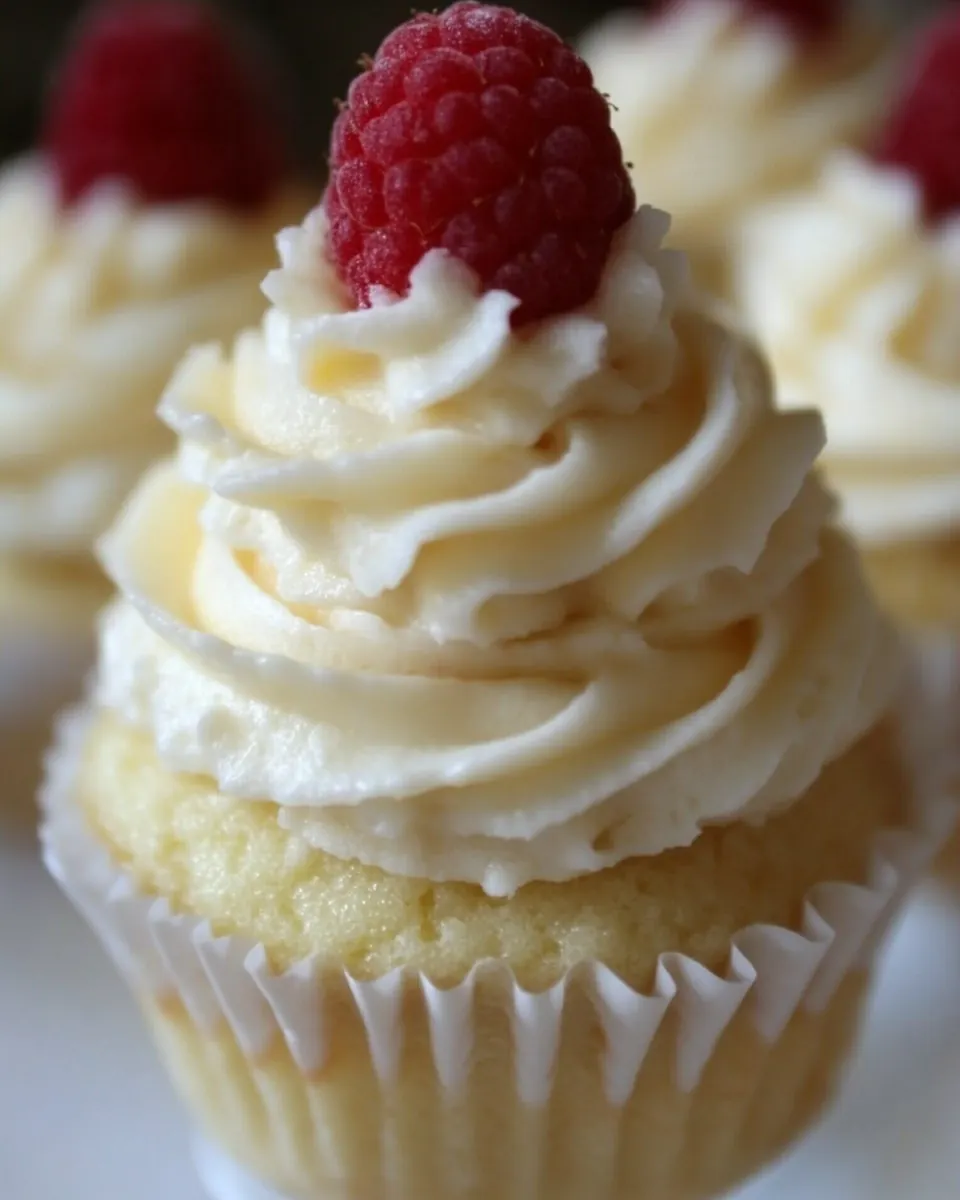
- Fill a pastry bag (or plastic zipper bag which is what I do in lieu of a pastry bag) with the buttercream and the tip of your choice, and frost!: When piping, the buttercream should feel light yet substantial, and you will see clean ridges hold their shape on the cupcake. The piping rhythm is a steady squeeze and release, and the finished swirls should look polished. Using runny frosting or an incorrect tip can flatten the design, so test on a plate first.
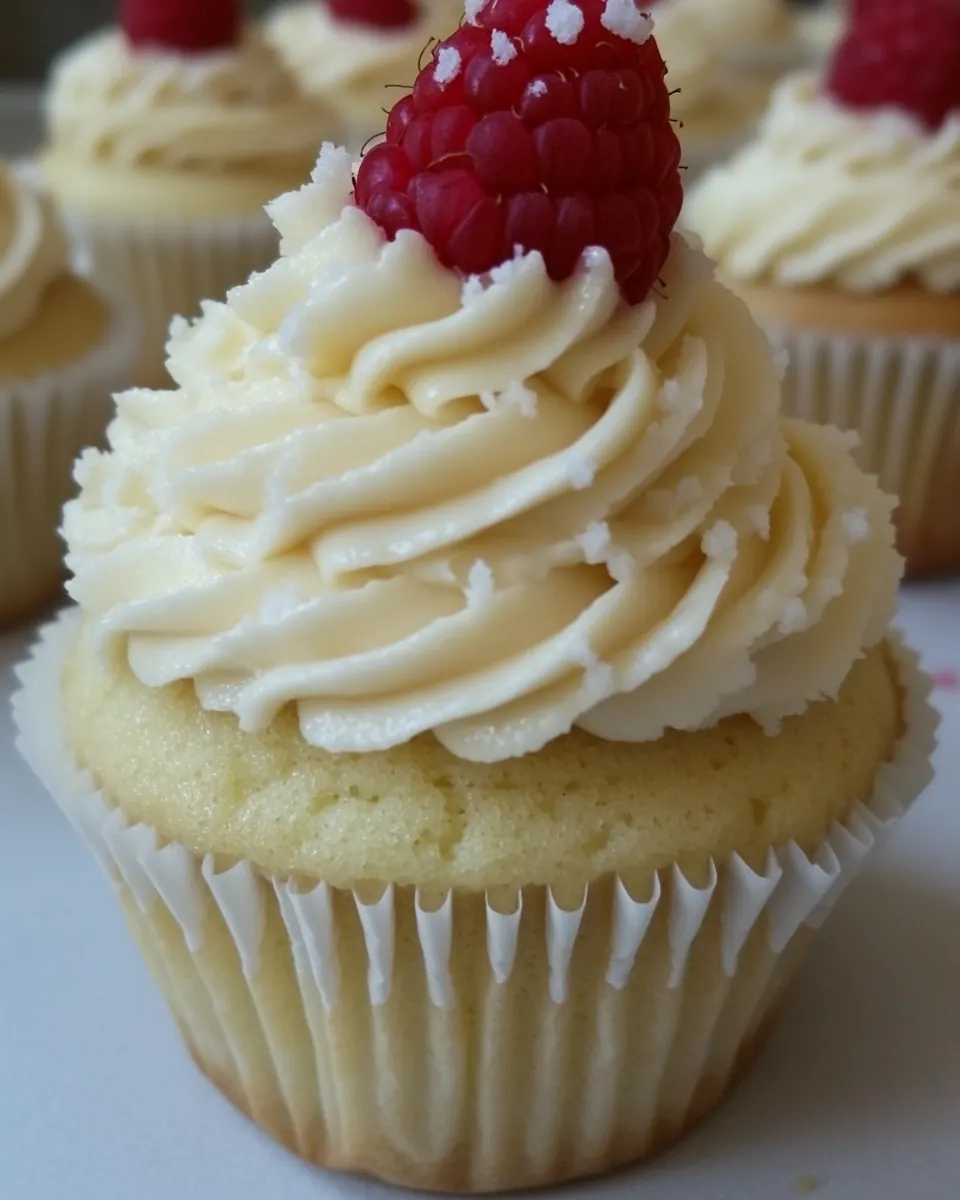
- Plop the top with one fresh raspberry. Enjoy!: The final touch of a fresh raspberry adds contrast in texture and a bright visual cue that these cupcakes are fruit forward, and you will feel a satisfying pop of fresh juice when bitten. Serve at room temperature for optimal cake and frosting texture. Storing frosted cupcakes in a warm place may soften the buttercream and cause raspberries to weep.
- They keep well at room temperature for a couple of days.: Stored lightly covered, the cupcakes will retain moistness and the buttercream will remain stable for two days, offering consistent flavor and texture. You will notice the cake remain tender and the frosting hold shape if not exposed to heat. Refrigeration can dry the cake out, so only chill if your environment is very warm, and bring to room temperature before serving.
Ways to Adapt This Recipe
This section offers practical adaptations and ideas to tweak the cupcakes to your needs, whether you want to change texture, flavor intensity, or the appearance. Each tip begins with a bolded phrase to make it easy to scan and try variations with confidence.
- Make dairy free: Swap the buttermilk for a plant based milk mixed with a splash of lemon juice, and use a dairy free butter alternative in both cake and buttercream; adjust whipping times as non dairy fats behave differently when aerated.
- Adjust sweetness: Reduce the sugar in the cake by up to one quarter if you prefer a less sweet base, but keep the jam amount minimal so the balance between tart and sweet remains intact.
- Enhance the raspberry flavor: Warm the raspberry jam slightly and strain it to remove seeds for a smoother, more refined filling that pipes neatly into the cored cavity.
- Create lemon forward cupcakes: Add an extra teaspoon of fresh lemon zest to the batter and a few drops of lemon juice to the buttercream for a more pronounced citrus kick.
- Decorating shortcut: Use a simple round piping tip for a modern look, then press a fresh raspberry gently into the center for a polished finish with minimal skill required.
- Make ahead plan: Bake and freeze unfrosted cupcakes, then thaw and fill with raspberry jam and frost on the day you need them for a fresher finish and less day of work.
Side Dish Ideas for Lemon Raspberry Cupcakes with Vanilla Bean Buttercream
These cupcakes pair beautifully with light beverages and seasonal sides. Below are ideas for occasions and serving styles, storage notes, and seasonal pairings presented as a list for easy reference.
- Brunch pairing: Serve the cupcakes with small bowls of fresh fruit salad and a jug of iced citrus water to complement the lemon notes and keep the spread light for a late morning gathering.
- Tea time: Present them alongside delicate tea sandwiches and a pot of green or white tea, which will accentuate the floral and citrus elements without overpowering the buttercream.
- Spring celebrations: Use these for spring showers or garden parties, arranging them on a tiered stand with fresh mint sprigs and extra berries for a festive table display.
- Storage tips: Keep unfrosted cupcakes in an airtight container at room temperature for up to two days, or freeze for up to one month; frost after thawing for peak texture and appearance.
- Gift idea: Pack a half dozen in a small box with tissue paper and a ribbon for a thoughtful hostess gift that travels well at room temperature for short periods.
- Occasion suggestions: These suit birthdays, baby showers, casual get togethers, and Ramadan if you are serving sweets during Iftar, offering a bright counterpoint after savory dishes.
- Seasonal pairing: In spring, pair with a simple lemon curd or a chilled elderflower drink; in summer, serve with chilled berry compotes or a scoop of light sorbet for contrast.
- Plating style: For a refined dessert course, plate one cupcake with a small smear of warmed raspberry jam and a few micro herbs or edible flowers to echo the spring theme.
- Serving temperature: Bring frosted cupcakes to room temperature before serving to ensure both cake crumb and buttercream are soft and flavorful.
- Scaling for events: Multiply the recipe while maintaining ingredient ratios and consider baking in batches to keep oven temperatures consistent and manageable.
FAQ
Conclusion
What makes these cupcakes special is the harmonious balance between zesty lemon, jammy raspberry, and a silky vanilla bean buttercream, creating a textured and flavorful bite. I encourage you to try making them because the techniques are straightforward and the results feel celebratory, perfect for brightening any gathering. Enjoy the process of creaming, filling, and piping; each small step brings a noticeable lift in aroma and texture, and sharing them always sparks compliments that make the effort worthwhile.
Lemon Raspberry Cupcakes with Vanilla Bean Buttercream
Equipment
- Electric Mixer
- Stand mixer
- Muffin Tin
- Paper liners
- Measuring Cups
- Cupcake corer
Ingredients
- 3 cups all-purpose flour Provide structure and bulk to the cupcakes by forming the crumb; sift or whisk before measuring to ensure even incorporation and a tender texture.
- 1 tablespoon baking powder Leaven the batter and create rise during baking by producing carbon dioxide; ensure even distribution by whisking into the dry ingredients.
- 1/2 teaspoons salt Enhance overall flavor balance and strengthen gluten slightly to improve texture; dissolve into dry ingredients so it is evenly dispersed.
- 1 cup 2 sticks unsalted butter Contribute richness, moisture, and tender crumb while adding a subtle buttery flavor; soften to room temperature for easier creaming with sugar.
- 2 cups sugar Sweeten and tenderize the cupcakes while helping to trap air when creamed with butter; beat thoroughly with butter for lightness.
- 4 large eggs Provide structure, moisture, and emulsification, helping to bind ingredients and contribute to rise; add at room temperature for best incorporation.
- 2 tablespoons lemon zest (about one large lemon or three small lemons' worth) Impart bright citrus aroma and concentrated lemon flavor while contributing oils that enhance tenderness; finely grate zest and avoid the bitter pith.
- 2 tablespoons fresh lemon juice Deliver fresh acidic tang that brightens the batter and reacts with leavening for lift; squeeze and strain if seeds are a concern.
- 1 teaspoon vanilla extract Add warm aromatic notes and enhance overall flavor complexity; use pure extract and measure precisely to avoid overpowering.
- 1 cup buttermilk Introduce acidity and tanginess that tenderize the crumb and react with leavening agents; bring to room temperature and whisk before adding.
- 2/3 cup raspberry jam Provide concentrated raspberry flavor and moisture to pockets within the cupcakes; swirl gently into batter to avoid sinking.
- 24 fresh raspberries (for topping) Offer fresh, juicy garnish and vibrant appearance while adding a burst of tartness; choose ripe berries and place on top after frosting.
- 1 1/4 cups unsalted butter (2 1/2 sticks, room temperature) Create a rich, creamy base for the buttercream, supplying texture and mouthfeel; ensure it is at room temperature for smooth whipping.
- 1 vanilla bean Deliver intense vanilla flavor from seeds and pod, adding gourmet aroma; split and scrape seeds to mix into the buttercream thoroughly.
- 2 1/2 cups powdered sugar (aka confectioner's sugar) Sweeten and stabilize the buttercream while contributing structure and smoothness; sift to remove lumps for a silky finish.
- Pinch salt Enhance and balance sweetness while rounding flavors and reducing cloyingness; incorporate a small pinch to bring out the other ingredients.
- 2 tablespoons whipping cream Adjust buttercream consistency and add creaminess for spreadable texture; add gradually until desired smoothness is reached.
- 1 teaspoon vanilla extract Reinforce vanilla flavor and aromatic depth in the buttercream; measure carefully to complement, not overpower, the vanilla bean.
Instructions
- Preheat the oven to 325 degrees Fahrenheit.: You will notice a gentle hum as the oven warms and a steady, even heat develops; preheating ensures even rise and consistent bake. The warmth helps the batter start to set uniformly the moment it goes in, preventing dense tunnels. A common mistake is not preheating, which can lead to uneven texture and longer bake times.
- Line 24 standard muffin tins with paper liners.: Placing liners creates a shield between the tin and the batter so the cupcakes lift out cleanly and have a neat presentation, and the liners also moderate the heat transfer slightly. You'll feel the slight resistance when pressing a liner into a cup, and the cups will sit ready to receive batter. Missing this step can lead to sticking, and using oversized liners will alter the baking time and shape.
- In a large bowl, mix together the flour, baking powder and salt.: When you whisk these dry ingredients, you will see a uniform pale powder without streaks, which signals even distribution of leavening. This matters because pockets of baking powder can cause uneven domes. A typical error is skipping this step, which leads to spotty rise and inconsistent texture.
- With an electric mixer with paddle attachment or stand mixer on medium speed, cream the butter and sugar together until pale and fluffy, about 3 or 4 minutes.: As you cream, the mixture will lighten in color and swell in volume; you'll hear a soft, steady whir from the mixer and see sugar crystals begin to dissolve into butter for a satiny texture. This step traps air that becomes lift for the cupcakes, so skimping or undercreaming will make the cake denser. Overcreaming can make the batter too soft, so stop when light and airy.
- Add the eggs one at a time, scraping the bowl down the sides as necessary.: After each egg goes in, the batter will momentarily look separated, then come back together into a coherent, glossy mix; that indicates a stable emulsion. Scraping the bowl prevents streaks of unmixed egg and ensures even distribution. Adding eggs too quickly can break the emulsion, creating a curdled texture that impacts bake quality.
- Beat in the lemon zest and the vanilla.: The moment you fold in the lemon zest and vanilla , the batter will release a bright citrus and floral aroma, a cue that flavor is integrating. Those oil droplets from the zest add bursts of lemony intensity across the cake. A common mistake is zesting too close to the white pith, which introduces bitterness, so be precise when using a microplane.
- Mix the lemon juice and the buttermilk together.: Combining lemon juice with buttermilk creates a slightly tangy liquid that will react subtly with the leavening and tenderize the crumb; you may notice a faint curdling effect, which is normal. This acidity is part of why the cupcakes stay moist and have a fine texture. Using cold buttermilk can chill the batter and slow mixing, so bringing it closer to room temperature helps integration.
- Add the buttermilk/lemon mixture and the flour mixture to the batter in thirds. Pour 1/3 the flour mixture, then 1/3 the buttermilk mixture, beating until just combined, then repeat.: Alternate additions help the batter remain smooth and well aerated, and you will see the batter thicken and thin in rhythm with each addition; that is the right texture. This method prevents overmixing gluten, preserving tenderness. A usual mistake is dumping everything at once, which can create a dense cake from excess gluten development.
- Divide batter evenly between muffin cups. It usually works out to right around 1/4 cup of filling per cup.: As you scoop, you will see identical domes of batter that bake uniformly; this consistency ensures matching bake times and presentation. I like using a measuring cup or scoop for reliability. Uneven filling causes some cupcakes to finish earlier while others remain underbaked.
- Bake for about 25 minutes, until cake tester comes out clean.: During baking you will smell warm lemon notes and notice the tops turning a light golden shade, with edges setting while centers spring back slightly. The cake tester coming out clean is the best cue that the interior is done without drying it out. Opening the oven too often can lower the temperature and cause uneven rise, so resist peeking frequently.
- Cool completely.: Letting the cupcakes cool on a rack allows steam to dissipate rather than reabsorb into the crumb, preserving texture and preventing the frosting from melting. You will feel the cakes lose warmth as they reach room temperature, and the tops will firm slightly. Frosting warm cupcakes is a common error that causes buttercream to melt and slide off.
- While cupcakes are cooling, make the frosting. With a stand mixer with whisk attachment or a hand mixer, beat the butter on medium-high speed until smooth, about 20 seconds.: When the butter is beaten, it becomes spreadable and begins to look glossy, a sign it is ready to accept sugar. The sound is a steady hum, and the texture transitions from lump to silky. Using butter that is too cold will prevent smooth whipping, while too warm butter creates a greasy frosting.
- With a paring knife, slice the vanilla bean length-wise, then scrape the seeds out with the tip of the knife. Add to the butter, and mix until incorporated.: Scraping the vanilla bean releases aromatic seeds that disperse like little confetti through the buttercream, giving both flavor and visual appeal. As you mix, the scent will deepen and become heady and warm. Rushing this step or using imitation vanilla loses that authentic speckled look and nuanced aroma.
- Add powdered sugar and salt, and beat on low until the powdered sugar is incorporated, about one minute. Increase the speed to medium and mix for another 30 seconds or so.: Adding powdered sugar gradually prevents a cloud of sugar and helps build structure, while the pinch of salt balances sweetness. You will notice the mixture thicken as sugar dissolves, moving from soft to more stable. Adding sugar too quickly can create a gritty frosting if not fully incorporated.
- Add the vanilla extract and heavy cream, and mix on medium for about 30 seconds until incorporated.: The heavy cream loosens the frosting to a pipeable consistency while the vanilla extract layers flavor; the mixture will look glossy and smooth after these additions. If the cream is cold, the frosting may firm up and require a short rewhip. Too much cream will make the buttercream runny.
- Increase the speed to medium high, and beat for about four minutes, scraping down as needed, until the frosting is light and fluffy.: As you whip, the buttercream will expand and become aerated, giving it a cloudlike texture and pale appearance; scraping down ensures even whipped texture. This aeration yields frosting that holds shape when piped and melts pleasantly on the tongue. Underwhipping produces a dense spread, while overwhipping risks a grainy, separated texture.
- Now add the raspberry to the cupcakes. Using a cupcake corer, melon baller or teaspoon, remove a bit out of the top of the cake.: Coring the top creates a small cavity that smells faintly of warm cake crumbs exposed to air; that hollow is perfect for the jam. Removing the center prevents overflow and centralizes the jam so every bite finds fruit. Commonly, people remove too much cake and weaken the structure, so take only a modest scoop.
- Add about a teaspoon and a half of raspberry jam.: The jam will glisten as you spoon it in, and that concentrated sweetness punctuates each bite with tartness and texture. A teaspoon and a half is enough to taste without leaking, and you will see the jam sit nestled in the cavity. Overfilling can cause the jam to seep out during storage or when frosting.
- Fill a pastry bag (or plastic zipper bag which is what I do in lieu of a pastry bag) with the buttercream and the tip of your choice, and frost!: When piping, the buttercream should feel light yet substantial, and you will see clean ridges hold their shape on the cupcake. The piping rhythm is a steady squeeze and release, and the finished swirls should look polished. Using runny frosting or an incorrect tip can flatten the design, so test on a plate first.
- Plop the top with one fresh raspberry. Enjoy!: The final touch of a fresh raspberry adds contrast in texture and a bright visual cue that these cupcakes are fruit forward, and you will feel a satisfying pop of fresh juice when bitten. Serve at room temperature for optimal cake and frosting texture. Storing frosted cupcakes in a warm place may soften the buttercream and cause raspberries to weep.
- They keep well at room temperature for a couple of days.: Stored lightly covered, the cupcakes will retain moistness and the buttercream will remain stable for two days, offering consistent flavor and texture. You will notice the cake remain tender and the frosting hold shape if not exposed to heat. Refrigeration can dry the cake out, so only chill if your environment is very warm, and bring to room temperature before serving.
Notes
- Make dairy free: Swap the buttermilk for a plant based milk mixed with a splash of lemon juice, and use a dairy free butter alternative in both cake and buttercream; adjust whipping times as non dairy fats behave differently when aerated.
- Adjust sweetness: Reduce the sugar in the cake by up to one quarter if you prefer a less sweet base, but keep the jam amount minimal so the balance between tart and sweet remains intact.
- Enhance the raspberry flavor: Warm the raspberry jam slightly and strain it to remove seeds for a smoother, more refined filling that pipes neatly into the cored cavity.
- Create lemon forward cupcakes: Add an extra teaspoon of fresh lemon zest to the batter and a few drops of lemon juice to the buttercream for a more pronounced citrus kick.
- Decorating shortcut: Use a simple round piping tip for a modern look, then press a fresh raspberry gently into the center for a polished finish with minimal skill required.
- Make ahead plan: Bake and freeze unfrosted cupcakes, then thaw and fill with raspberry jam and frost on the day you need them for a fresher finish and less day of work.