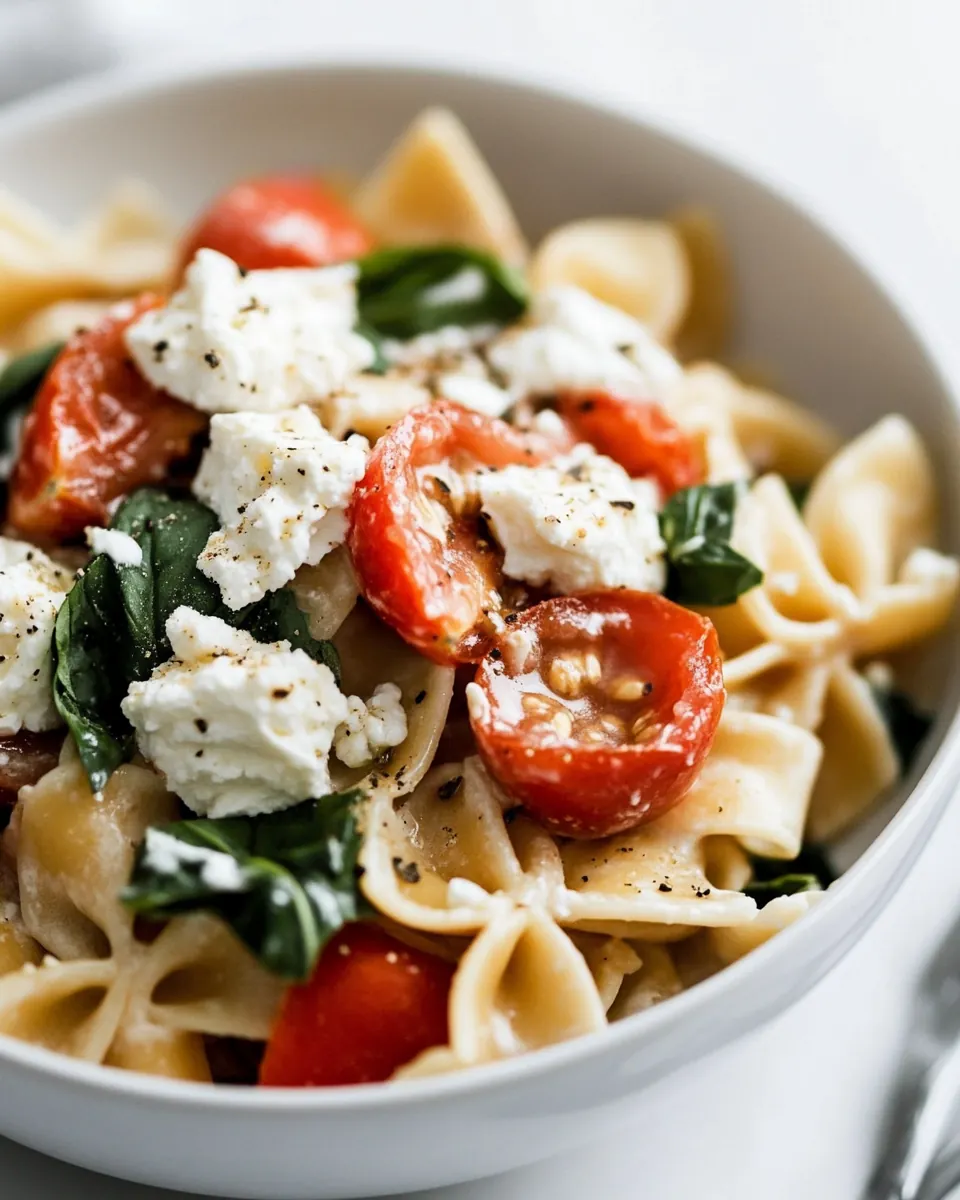
Pasta with Fresh Tomato Sauce and Ricotta Cheese
Pasta with Fresh Tomato Sauce and Ricotta Cheese is one of those meals I reach for when I want something bright, honest, and comforting at once. The first time I made it, I was racing home from a sunlit farmers market with tomatoes still warm in my bag, and I tossed together a pan of quickly softened tomatoes, fragrant garlic, and a handful of fresh herbs. That evening felt like a small celebration of summer produce, served on a plate that was ready in less time than a movie.
I remember how the kitchen filled with a garlicky olive oil aroma, and how the ricotta made every forkful feel almost indulgent without being heavy. There is a rhythm to this dish you can fall into, from the snap of quartered tomatoes hitting the hot oil, to the gentle wilt of spinach when it meets the steaming pasta. I love that it feels homey and a little elegant at the same time, so I often make it when friends drop by unexpectedly.
Over the years I tweaked tiny things, like reserving some pasta water to coax the sauce into silky cohesion, or swapping types of short pasta to change the bite. Each change taught me something about balance, and why simple ingredients deserve careful timing. This recipe has become my go to for easy weeknight dinners and light weekend lunches, because it delivers freshness and comfort with minimal fuss.
Recipe Snapshot
15 mins
5 mins
10 mins
Easy
450 kcal
Italian
Gluten-Free, Vegan
Dinner
Large sauté pan, Large pot, Colander, Measuring cup
Why This Pasta with Fresh Tomato Sauce and Ricotta Cheese Shines
Bright, seasonal flavors that sing
I love how Pasta with Fresh Tomato Sauce and Ricotta Cheese showcases ripe tomatoes. When tomatoes are at their peak, they bring a natural sweetness and acidity that carries the dish, so you do not need heavy sauces to get big flavor. I often find myself smiling at how a few simple steps unlock so much taste.
Speed without compromise
This recipe takes very little time, and I appreciate that you can create something impressive even on a busy evening. The method is straightforward, but the final plate feels thoughtful. I use short pasta for quick, even cooking, and the structure of the steps keeps everything moving smoothly.
Textural contrast that delights
The combination of tender whole wheat pasta, juicy cocktail size tomatoes, and creamy ricotta cheese gives a pleasing mouthfeel. I particularly enjoy the little pops of tomato juice against the soft, velvety ricotta, and the grated Parmesan cheese adds a slightly granular, savory lift.
Flexible and forgiving
I appreciate recipes that adapt, and this one bends to what you have on hand. Want more herbs, add more basil. Need more silkiness, stir in a splash of reserved pasta water. I often experiment, and this recipe welcomes small improvisations without falling apart.
Visually inviting and homey
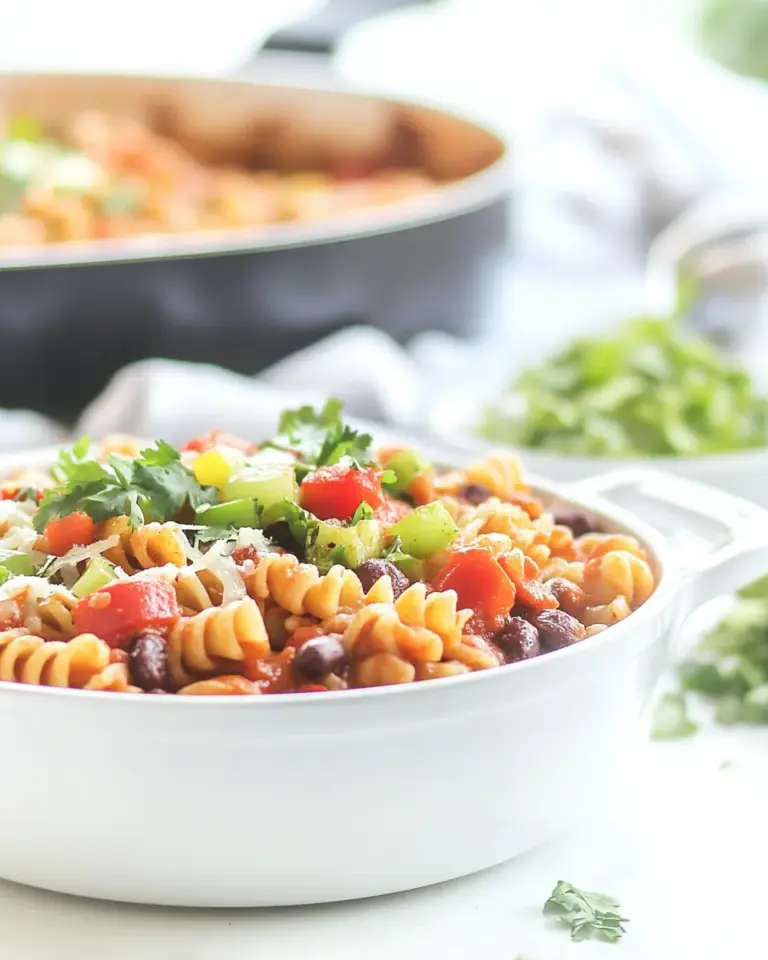
There is something satisfying about plating this dish. The contrast of red tomatoes, green basil and spinach, and white ricotta creates a pretty bowl that looks like summer. I find that a visually appealing dish invites people to linger at the table, and that makes any meal feel special.
Ingredients You’ll Need for Pasta with Fresh Tomato Sauce and Ricotta Cheese
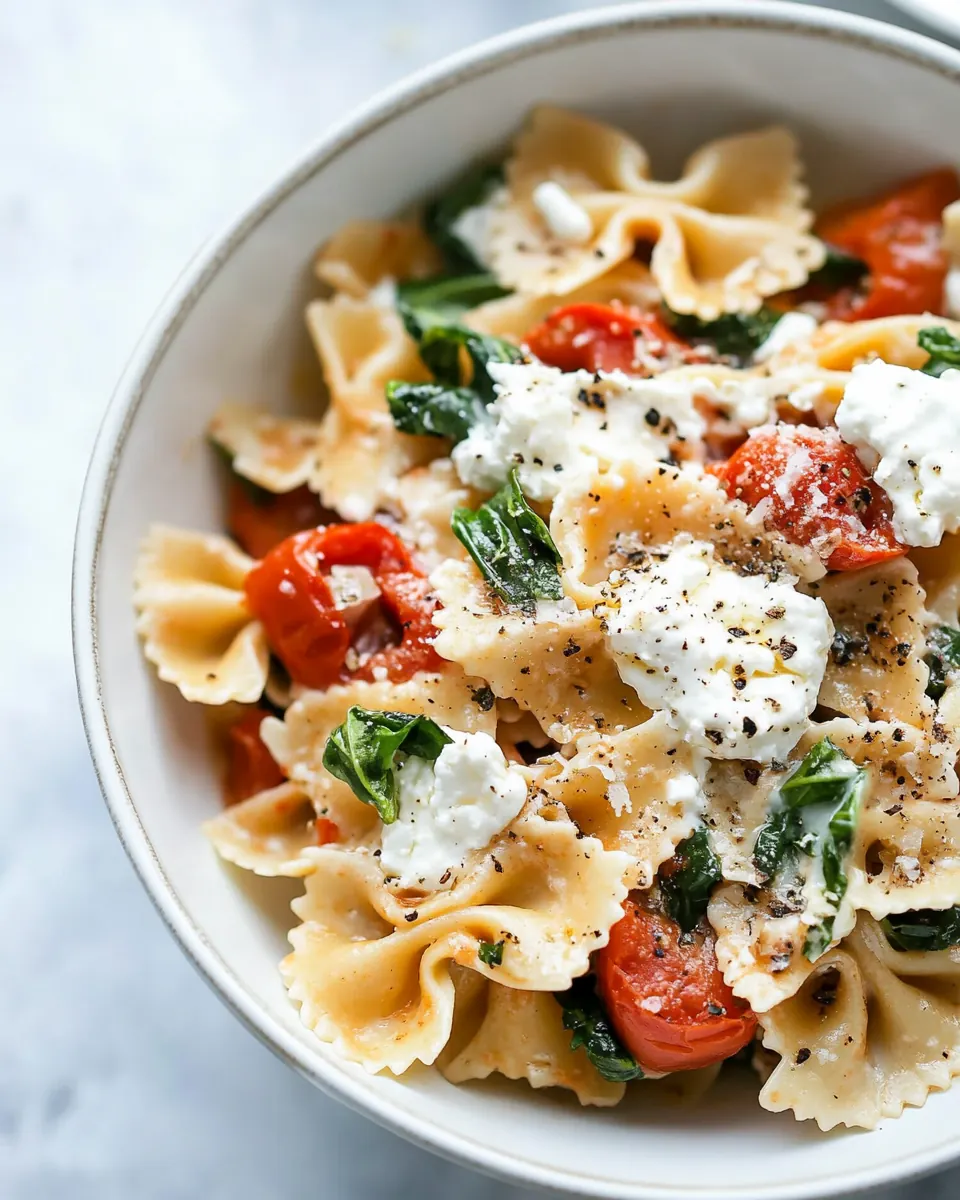
These ingredients are intentionally simple, and they work together because each one plays a clear role. The whole wheat pasta brings a nutty backbone and satisfying bite, while the extra virgin olive oil carries flavor and helps bloom the garlic. The cocktail size tomatoes provide freshness and juice, and the leafy spinach and fresh basil add bright green notes. Finally, the Parmesan cheese and ricotta cheese supply savory depth and creaminess.
- 8 ounces whole wheat pasta, (I use farfalle): Cooked to al dente as the hearty base of the dish; provides whole-grain texture and nutty flavor that pairs well with fresh tomato sauce. Tosses easily with olive oil and cheeses to create a balanced, fiber-rich meal. Holds sauces without becoming mushy when properly drained and rested.
- cup extra-virgin olive oil: Used to create a silky, flavorful dressing and to gently coat the pasta and vegetables; imparts fruity, peppery notes that elevate the sauce. Warmed briefly with garlic to bloom aromatics and help tomatoes release juices. Balances acidity and brings a glossy finish to the final plate.
- 3 cloves garlic, minced or pressed: Mincing or pressing releases intense aroma and sharp, savory flavor to build the sauce's foundation; cooks briefly to soften pungency and blend with olive oil. Adds depth and balance to fresh tomatoes, preventing the dish from tasting one-dimensional. Can be adjusted for milder or stronger heat depending on preference.
- 1 pound cocktail size tomatoes, (about 8-10 tomatoes), quartered: Quartered cocktail tomatoes provide bright, juicy sweetness and fresh acidity that form the core of the sauce; their small size makes for tender, evenly textured pieces. Light cooking allows them to break down slightly and mingle with oil, garlic, and herbs while keeping vibrant color. Freshness here is key for bright tomato flavor.
- kosher salt and freshly ground black pepper: Used sparingly to enhance and balance flavors; salt brightens the tomatoes and draws out juices while black pepper contributes warm, piquant undertones. Seasoning is added gradually and adjusted to taste to avoid over-salting delicate ricotta and cheese. Proper seasoning ties all elements together without overwhelming freshness.
- 2 cups fresh spinach leaves: Added as tender leafy greens that wilt slightly into warm pasta, contributing mild earthy flavor and extra nutrients. Provides contrast in texture and a pop of color while absorbing some sauce for cohesion. Fresh leaves should be stirred in at the end to preserve delicate structure and flavor.
- cup fresh basil, slivered: Slivered to release fragrant, sweet herb notes and scattered through the dish to lift the overall flavor profile with basil's aromatic character. Fresh preparation preserves essential oils that complement tomatoes and ricotta, adding brightness and herbal clarity. Fold in gently near the end to maintain color and aroma.
- 1/2 cup Parmesan cheese, grated: Grated to add nutty, salty umami that enhances the savory profile and helps bind the sauce to the pasta. Sprinkled into the finished dish or mixed into warm pasta for immediate melting and flavor integration. A little goes a long way to provide complexity and savory balance.
- 1 cup fresh ricotta cheese: Spoonable fresh ricotta lends creamy, mild richness that soothes acidity and creates luscious pockets of dairy throughout the pasta. Dolloped on top or folded in off heat for a light, airy texture that contrasts with al dente pasta and juicy tomatoes. Adds protein and a delicate tang without overpowering the fresh ingredients.
Instructions for Pasta with Fresh Tomato Sauce and Ricotta Cheese
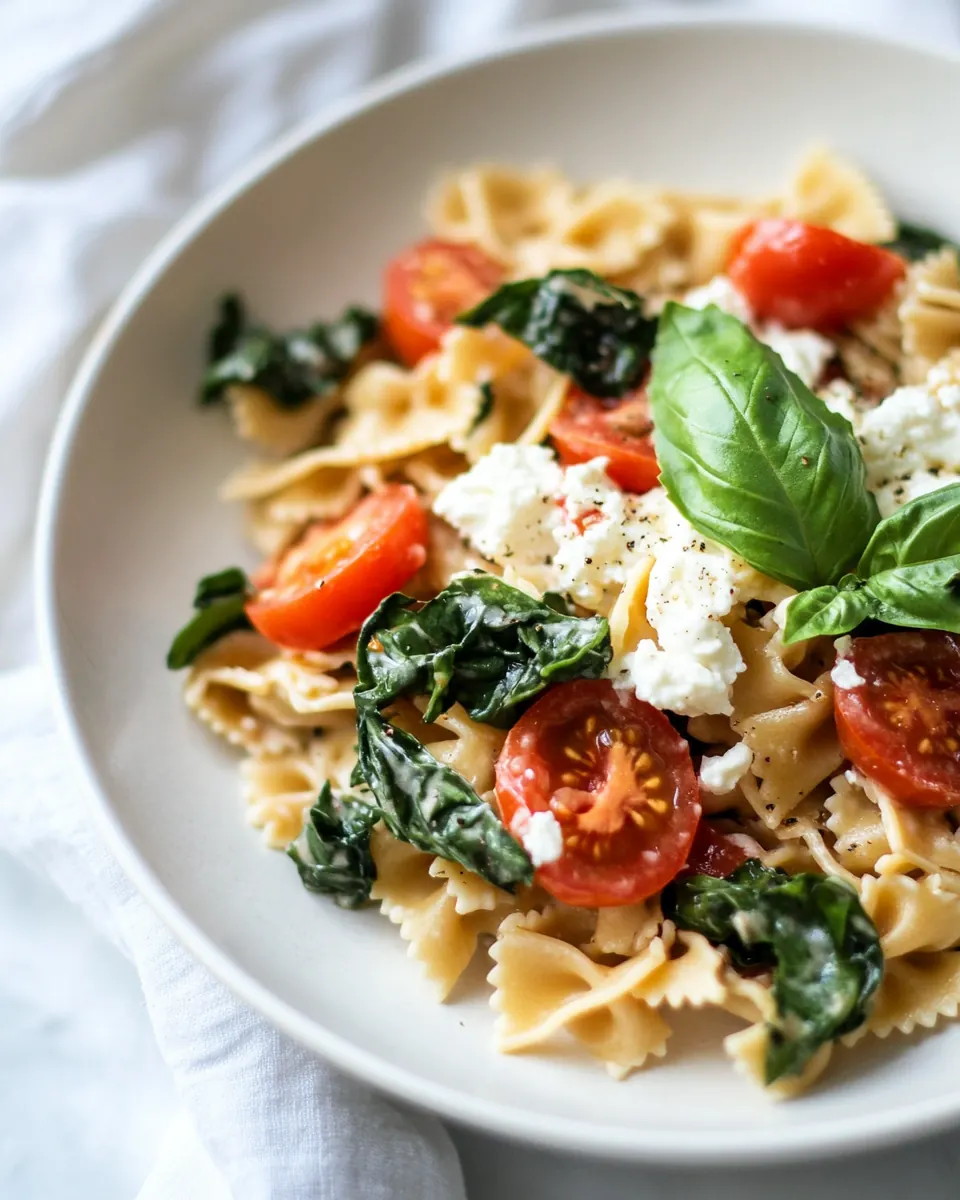
I like to move through this recipe with gentle, deliberate motions, letting the heat and timing do most of the work. Keep your mise en place ready, because the flavors come together quickly once the pasta meets the tomatoes. Below I expand each step so you can sense what to expect and avoid common missteps.
- Cook the whole wheat pasta in salted water 1 minute less than the package directions, so pasta is done, but al dente. Drain and reserve 1/4 cup of the pasta water.: You will notice the water singing as it returns to a boil after adding the pasta, and the pasta will shed a little starch into the pot, making the water cloudy. The slightly underdone texture helps the pasta finish cooking when it meets the hot tomatoes, and it prevents the dish from becoming soft. Trust the bite test, tear off a small piece and press it between your teeth to check for a slight resistance, not a chalky center. A frequent mistake is trusting only the clock, which can lead to overcooking; taste a piece early so you can adjust. When draining, reserve the specified amount of pasta water, because that starchy liquid is a secret for smoothing and binding the sauce.
- In a large sauté pan, heat the olive oil over medium heat. When hot, add the minced garlic and reduce heat to medium-low. Cook for about 5 minutes until oil becomes fragrant, stirring often. Be sure to watch the garlic so it doesn’t burn.: As you tilt the colander, listen for the sound of water draining and watch how the pasta glistens with a film of starch. That reserved cup will act like glue, helping the oil and cheese form a silky coating on each noodle. If you skip reserving the water, the final sauce can feel dry or separated. A common error is draining everything away, so put the measuring cup under the strainer before you pour.
- Add the tomatoes with any juice and season with kosher salt and freshly cracked black pepper. Cook for 2-3 minutes until warmed through.: The oil will shimmer when it is ready, signaling it is hot enough to begin flavor extraction. Heating at medium keeps control so the oil does not smoke and the garlic can slowly perfume the oil. If the pan gets too hot, reduce the heat right away to prevent burning. The wrong temperature here leads to bitter flavors, so patience is useful.
- Add the drained hot pasta to the tomatoes. Add the fresh spinach and toss until spinach begins to wilt. Add the fresh basil leaves, grated parmesan cheese and more kosher salt and pepper to taste. If the pasta seems dry, add more olive oil or 1-2 tablespoons of pasta water to the pasta mixture.: As the garlic hits the oil you will hear a gentle sizzle and smell an immediate lift of aroma. Lowering the heat lets the garlic soften and release its flavor gradually without browning. Stir frequently so no pieces stick, because the thin bits of garlic can turn from golden to charred quickly. One mistake is rushing with high heat, which makes the garlic bitter and overwhelms the tomatoes.
- Top with dollops of fresh ricotta, drizzle with more olive oil, and serve warm.: During these minutes the kitchen will fill with a mellow, toasty garlic scent, and the oil will take on a pale golden tint. This slow step deepens the flavor base for the tomatoes. Keep a wooden spoon moving so the garlic cooks evenly. Burning or crisping the garlic will introduce astringent notes, so maintain a gentle heat throughout.
- Add the tomatoes with any juice and season with kosher salt and freshly cracked black pepper: When the tomatoes hit the warm oil you will hear a brighter sizzle and see juices mingle with the oil, starting to form a rustic sauce. The salt draws out more juice and enhances sweetness, while pepper adds a slightly sharp finish. Stir to incorporate and taste after a minute so you can adjust seasoning; underseasoning leaves the dish flat.
- Cook for 2 to 3 minutes until warmed through: The tomatoes will soften but should still hold some shape, releasing fragrance and bright, acidic juices. You want the tomatoes tender and vibrant, not a full breakdown into a puree. A sign it is ready is the sauce looking glossy and the tomato pieces slightly loosened. Overcooking at this point will make the sauce heavy and lose that fresh tomato character.
- Add the drained hot pasta to the tomatoes: When the pasta joins the pan the steam will rise and carry more aroma, and the residual heat helps the components meld. The hot pasta starts to absorb some of the tomato juices, which deepens the flavor. If the pasta appears too dry at this junction, the reserved pasta water will help. A misstep here is adding cold pasta, which shocks the sauce and cools the pan.
- Add the fresh spinach and toss until spinach begins to wilt: The bright green leaves will soften quickly, shrinking and releasing a mild vegetal scent. Tossing ensures even coating and that the spinach retains a pleasant tender bite. Work quickly so the leaves do not become limp and watery, which can dilute the sauce. Overcooking the greens will also flatten their fresh flavor.
- Add the fresh basil leaves, grated Parmesan cheese and more kosher salt and pepper to taste: As you fold in the basil and Parmesan cheese , the dish will take on herbal perfume and savory depth, the cheese melting slightly to create a cohesive texture. Taste and tweak the seasoning carefully, because the cheese brings saltiness. A common error is adding too much salt before the cheese is in, so season incrementally and taste as you go.
- If the pasta seems dry, add more olive oil or 1 to 2 tablespoons of pasta water to the pasta mixture: That small amount of pasta water will emulsify with the oil and cheese to create a glossy sauce that clings to each noodle. You will see the sauce loosen and shine as you stir, and the aroma will brighten. Avoid adding too much water at once, which makes the sauce watery; add slowly until you reach a silky, clingy consistency.
- Top with dollops of fresh ricotta, drizzle with more olive oil, and serve warm: The cool, creamy ricotta cheese adds immediate contrast when spooned onto hot pasta, and an olive oil drizzle lends a fruity finish. Serve right away so the ricotta keeps its texture against the warm pasta. Waiting too long will let the ricotta fully melt and lose that lovely cool cushion on top.
Tips and Tricks about Pasta with Fresh Tomato Sauce and Ricotta Cheese
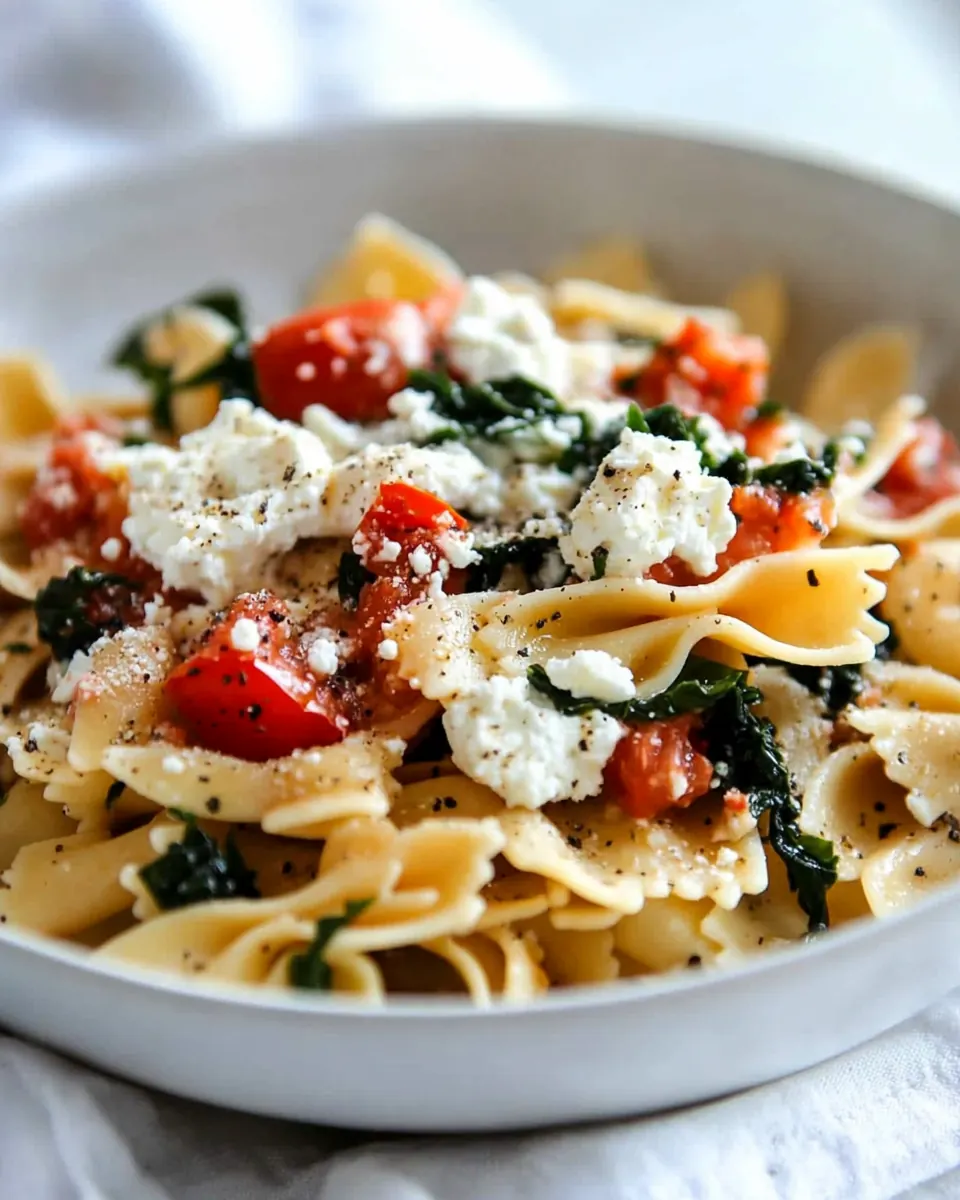
This dish rewards small attentions that elevate simple ingredients. Below are expanded tips that I rely on to keep the flavors bright and the textures spot on, each one a compact practice that will help the recipe shine.
- Choose short pasta for even bites Use farfalle or another short shape so each forkful includes pasta and tomato together, which makes the eating experience balanced and satisfying.
- Reserve starchy pasta water Keep at least one quarter cup on hand to loosen the sauce into a glossy emulsion if the pasta feels dry when combined.
- Gently cook garlic Keep the oil temperature low enough so garlic becomes fragrant without browning, because burned garlic tastes bitter and will dominate the dish.
- Add greens at the right moment Stir in spinach with the hot pasta so it wilts quickly and retains a tender texture rather than becoming mushy.
- Finish with fresh basil Fold in slivered basil at the end to preserve its bright aroma, adding a final herbal lift that complements the tomatoes.
- Use ricotta as a cool counterpoint Spoon dollops on top instead of stirring it all in for textural contrast, the cool creaminess plays nicely with the warm pasta.
Perfect Matches for Pasta with Fresh Tomato Sauce and Ricotta Cheese
This pasta pairs well with light, fresh accompaniments that echo its summer notes. Below I offer detailed serving ideas, storage tips, and occasion recommendations that help you present the dish thoughtfully.
- Bright green salad A simple mixed greens salad dressed with a lemony vinaigrette complements the pasta by adding acidity and crunchy texture, balancing the creamy ricotta and soft tomatoes.
- Crusty bread for sopping Warm, crusty bread is perfect for mopping up any remaining tomato oil and ricotta, making the meal feel complete and satisfyingly rustic.
- Light protein sides For a heartier meal, serve alongside grilled or roasted vegetables, keeping the overall plate light and seasonal without overshadowing the pasta.
- Occasions This recipe is ideal for easy weeknight dinners, casual weekend lunches, or a light summer dinner with friends, since it is quick to prepare but looks intentional on the table.
- Storage tips Store leftovers in an airtight container in the refrigerator for up to two days; reheat gently and stir in a splash of water to revive the sauce without drying it out.
- Seasonal pairings Make this when tomatoes and basil are at their peak in summer, as their fresh flavors are central to the dish s appeal and bright character.
FAQ
Conclusion
This recipe s charm comes from the way simple, fresh ingredients combine into something greater than the sum of their parts. It highlights ripe tomatoes, fragrant garlic, nutty whole wheat pasta, and cool ricotta for a meal that feels both comforting and bright. Give it a try on a busy weeknight or a relaxed weekend lunch, and let the straightforward process remind you how gratifying uncomplicated cooking can be. I hope it becomes a go to in your kitchen for when you want quick, flavorful pasta that celebrates summer produce.
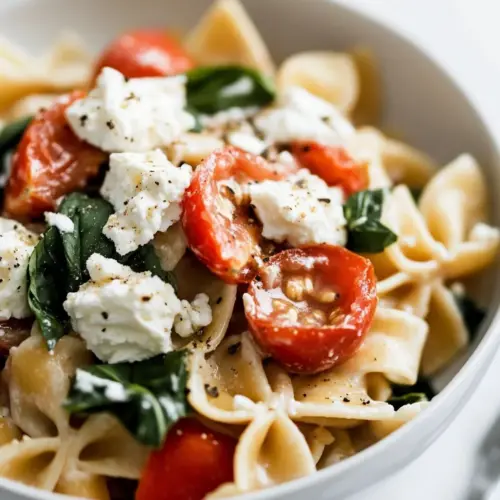
Pasta with Fresh Tomato Sauce and Ricotta Cheese
Equipment
- Large saute pan
- Large Pot
- Colander
- Measuring Cup
Ingredients
- 8 ounces whole wheat pasta, (I use farfalle) Cooked to al dente as the hearty base of the dish; provides whole-grain texture and nutty flavor that pairs well with fresh tomato sauce. Tosses easily with olive oil and cheeses to create a balanced, fiber-rich meal. Holds sauces without becoming mushy when properly drained and rested.
- cup extra-virgin olive oil Used to create a silky, flavorful dressing and to gently coat the pasta and vegetables; imparts fruity, peppery notes that elevate the sauce. Warmed briefly with garlic to bloom aromatics and help tomatoes release juices. Balances acidity and brings a glossy finish to the final plate.
- 3 cloves garlic, minced or pressed Mincing or pressing releases intense aroma and sharp, savory flavor to build the sauce's foundation; cooks briefly to soften pungency and blend with olive oil. Adds depth and balance to fresh tomatoes, preventing the dish from tasting one-dimensional. Can be adjusted for milder or stronger heat depending on preference.
- 1 pound cocktail size tomatoes, (about 8-10 tomatoes), quartered Quartered cocktail tomatoes provide bright, juicy sweetness and fresh acidity that form the core of the sauce; their small size makes for tender, evenly textured pieces. Light cooking allows them to break down slightly and mingle with oil, garlic, and herbs while keeping vibrant color. Freshness here is key for bright tomato flavor.
- kosher salt and freshly ground black pepper Used sparingly to enhance and balance flavors; salt brightens the tomatoes and draws out juices while black pepper contributes warm, piquant undertones. Seasoning is added gradually and adjusted to taste to avoid over-salting delicate ricotta and cheese. Proper seasoning ties all elements together without overwhelming freshness.
- 2 cups fresh spinach leaves Added as tender leafy greens that wilt slightly into warm pasta, contributing mild earthy flavor and extra nutrients. Provides contrast in texture and a pop of color while absorbing some sauce for cohesion. Fresh leaves should be stirred in at the end to preserve delicate structure and flavor.
- cup fresh basil, slivered Slivered to release fragrant, sweet herb notes and scattered through the dish to lift the overall flavor profile with basil's aromatic character. Fresh preparation preserves essential oils that complement tomatoes and ricotta, adding brightness and herbal clarity. Fold in gently near the end to maintain color and aroma.
- 1/2 cup Parmesan cheese, grated Grated to add nutty, salty umami that enhances the savory profile and helps bind the sauce to the pasta. Sprinkled into the finished dish or mixed into warm pasta for immediate melting and flavor integration. A little goes a long way to provide complexity and savory balance.
- 1 cup fresh ricotta cheese Spoonable fresh ricotta lends creamy, mild richness that soothes acidity and creates luscious pockets of dairy throughout the pasta. Dolloped on top or folded in off heat for a light, airy texture that contrasts with al dente pasta and juicy tomatoes. Adds protein and a delicate tang without overpowering the fresh ingredients.
Instructions
- Cook the whole wheat pasta in salted water 1 minute less than the package directions, so pasta is done, but al dente. Drain and reserve 1/4 cup of the pasta water.: You will notice the water singing as it returns to a boil after adding the pasta, and the pasta will shed a little starch into the pot, making the water cloudy. The slightly underdone texture helps the pasta finish cooking when it meets the hot tomatoes, and it prevents the dish from becoming soft. Trust the bite test, tear off a small piece and press it between your teeth to check for a slight resistance, not a chalky center. A frequent mistake is trusting only the clock, which can lead to overcooking; taste a piece early so you can adjust. When draining, reserve the specified amount of pasta water, because that starchy liquid is a secret for smoothing and binding the sauce.
- In a large sauté pan, heat the olive oil over medium heat. When hot, add the minced garlic and reduce heat to medium-low. Cook for about 5 minutes until oil becomes fragrant, stirring often. Be sure to watch the garlic so it doesn’t burn.: As you tilt the colander, listen for the sound of water draining and watch how the pasta glistens with a film of starch. That reserved cup will act like glue, helping the oil and cheese form a silky coating on each noodle. If you skip reserving the water, the final sauce can feel dry or separated. A common error is draining everything away, so put the measuring cup under the strainer before you pour.
- Add the tomatoes with any juice and season with kosher salt and freshly cracked black pepper. Cook for 2-3 minutes until warmed through.: The oil will shimmer when it is ready, signaling it is hot enough to begin flavor extraction. Heating at medium keeps control so the oil does not smoke and the garlic can slowly perfume the oil. If the pan gets too hot, reduce the heat right away to prevent burning. The wrong temperature here leads to bitter flavors, so patience is useful.
- Add the drained hot pasta to the tomatoes. Add the fresh spinach and toss until spinach begins to wilt. Add the fresh basil leaves, grated parmesan cheese and more kosher salt and pepper to taste. If the pasta seems dry, add more olive oil or 1-2 tablespoons of pasta water to the pasta mixture.: As the garlic hits the oil you will hear a gentle sizzle and smell an immediate lift of aroma. Lowering the heat lets the garlic soften and release its flavor gradually without browning. Stir frequently so no pieces stick, because the thin bits of garlic can turn from golden to charred quickly. One mistake is rushing with high heat, which makes the garlic bitter and overwhelms the tomatoes.
- Top with dollops of fresh ricotta, drizzle with more olive oil, and serve warm.: During these minutes the kitchen will fill with a mellow, toasty garlic scent, and the oil will take on a pale golden tint. This slow step deepens the flavor base for the tomatoes. Keep a wooden spoon moving so the garlic cooks evenly. Burning or crisping the garlic will introduce astringent notes, so maintain a gentle heat throughout.
- Add the tomatoes with any juice and season with kosher salt and freshly cracked black pepper: When the tomatoes hit the warm oil you will hear a brighter sizzle and see juices mingle with the oil, starting to form a rustic sauce. The salt draws out more juice and enhances sweetness, while pepper adds a slightly sharp finish. Stir to incorporate and taste after a minute so you can adjust seasoning; underseasoning leaves the dish flat.
- Cook for 2 to 3 minutes until warmed through: The tomatoes will soften but should still hold some shape, releasing fragrance and bright, acidic juices. You want the tomatoes tender and vibrant, not a full breakdown into a puree. A sign it is ready is the sauce looking glossy and the tomato pieces slightly loosened. Overcooking at this point will make the sauce heavy and lose that fresh tomato character.
- Add the drained hot pasta to the tomatoes: When the pasta joins the pan the steam will rise and carry more aroma, and the residual heat helps the components meld. The hot pasta starts to absorb some of the tomato juices, which deepens the flavor. If the pasta appears too dry at this junction, the reserved pasta water will help. A misstep here is adding cold pasta, which shocks the sauce and cools the pan.
- Add the fresh spinach and toss until spinach begins to wilt: The bright green leaves will soften quickly, shrinking and releasing a mild vegetal scent. Tossing ensures even coating and that the spinach retains a pleasant tender bite. Work quickly so the leaves do not become limp and watery, which can dilute the sauce. Overcooking the greens will also flatten their fresh flavor.
- Add the fresh basil leaves, grated Parmesan cheese and more kosher salt and pepper to taste: As you fold in the basil and Parmesan cheese , the dish will take on herbal perfume and savory depth, the cheese melting slightly to create a cohesive texture. Taste and tweak the seasoning carefully, because the cheese brings saltiness. A common error is adding too much salt before the cheese is in, so season incrementally and taste as you go.
- If the pasta seems dry, add more olive oil or 1 to 2 tablespoons of pasta water to the pasta mixture: That small amount of pasta water will emulsify with the oil and cheese to create a glossy sauce that clings to each noodle. You will see the sauce loosen and shine as you stir, and the aroma will brighten. Avoid adding too much water at once, which makes the sauce watery; add slowly until you reach a silky, clingy consistency.
- Top with dollops of fresh ricotta, drizzle with more olive oil, and serve warm: The cool, creamy ricotta cheese adds immediate contrast when spooned onto hot pasta, and an olive oil drizzle lends a fruity finish. Serve right away so the ricotta keeps its texture against the warm pasta. Waiting too long will let the ricotta fully melt and lose that lovely cool cushion on top.
Notes
- Choose short pasta for even bites Use farfalle or another short shape so each forkful includes pasta and tomato together, which makes the eating experience balanced and satisfying.
- Reserve starchy pasta water Keep at least one quarter cup on hand to loosen the sauce into a glossy emulsion if the pasta feels dry when combined.
- Gently cook garlic Keep the oil temperature low enough so garlic becomes fragrant without browning, because burned garlic tastes bitter and will dominate the dish.
- Add greens at the right moment Stir in spinach with the hot pasta so it wilts quickly and retains a tender texture rather than becoming mushy.
- Finish with fresh basil Fold in slivered basil at the end to preserve its bright aroma, adding a final herbal lift that complements the tomatoes.
- Use ricotta as a cool counterpoint Spoon dollops on top instead of stirring it all in for textural contrast, the cool creaminess plays nicely with the warm pasta.