Lemon Broccoli Tortellini
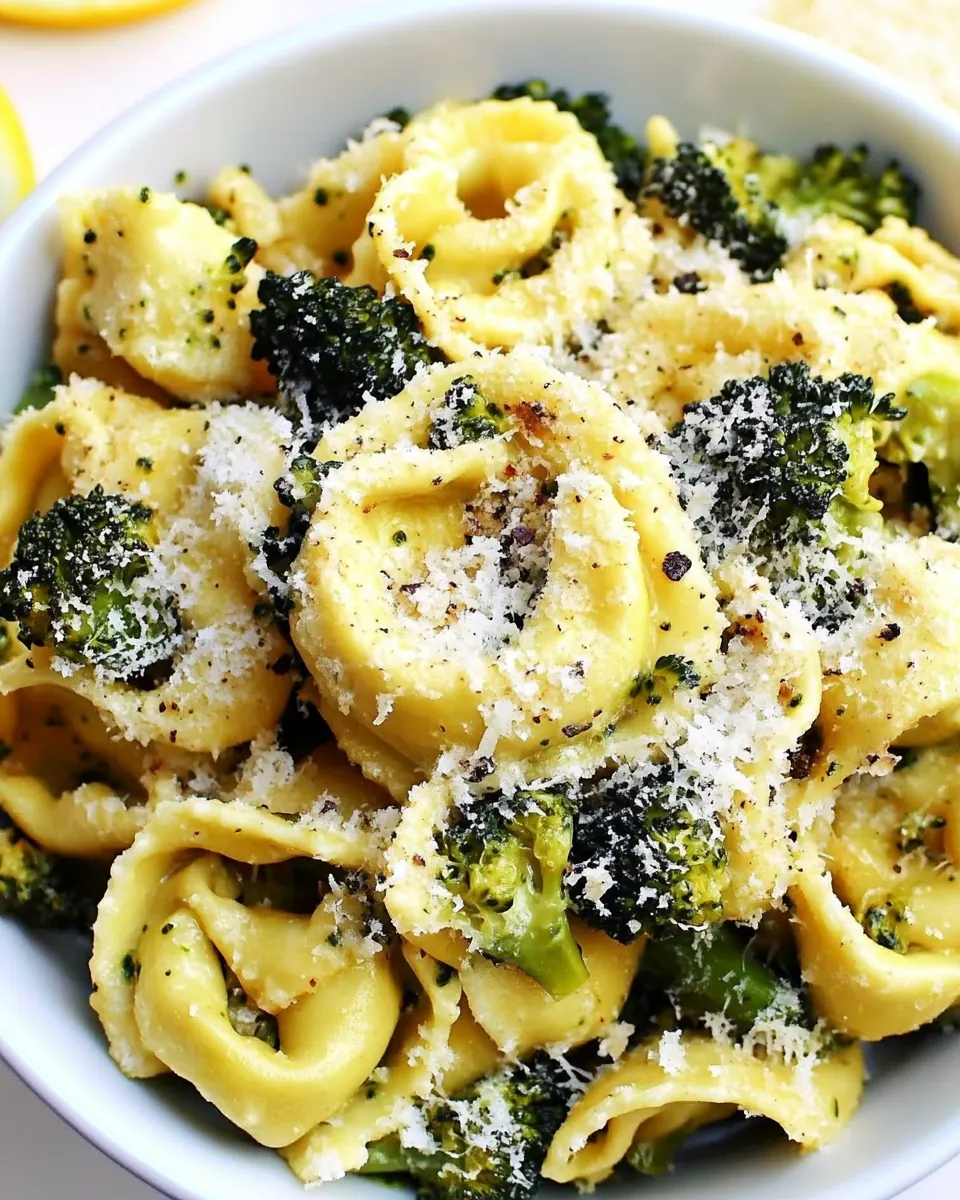
Lemon Broccoli Tortellini is one of those weeknight wins that I turn to when I want something bright, comforting, and impossibly simple.
I remember the first time I tossed together this dish on a rainy spring evening, rushing in from the market with a bunch of broccoli and a package of cheese tortellini. The lemon zing cut through the richness of the cheese filling, while the roasted edges on the broccoli added a smoky crunch that made every forkful sing. I was skeptical that something so quick could feel so intentional, but the combination of textures and fresh citrus made it into a repeat request at my table. That night I learned that a handful of well chosen ingredients can feel like a full meal when treated with attention.
Since then I often tweak it slightly depending on what I have on hand, but the backbone stays the same: roasted broccoli, pillowy cheese tortellini, bright lemon, a touch of butter, and a shower of Parmesan cheese. It travels well too, which is why I sometimes bring it to potlucks or pack it for lunches. Each time I make it I notice something new in the way the flavors play together, and it never fails to feel casual yet deliberate. Give it a try on a busy night and see how quickly it becomes a favorite in your rotation.
Recipe Snapshot
45 mins
10 mins
35 mins
Medium
450 kcal
Italian
Keto, Gluten-Free
Dinner
Oven, Large pot, Baking sheet, Spatula
Why This Lemon Broccoli Tortellini Shines
Roasted flavor meets tender pasta
I love how roasting the broccoli concentrates its flavor, transforming it from vegetal to slightly sweet and charred. That caramelized edge brings depth that a simple steamed approach cannot match, and it pairs beautifully with the soft texture of the cheese tortellini.
Bright lemon lifts the whole dish
The addition of lemon juice and zest cuts through the richness of the Parmesan cheese and butter, creating a balanced bite each time. I find that the citrus adds energy so the dish never feels heavy.
Quick and forgiving weeknight winner
This recipe comes together fast, and it tolerates small mistakes. If you under roast the broccoli it still tastes great, and if your tortellini is slightly overdone the sauce hides that softness. I appreciate recipes that let me be human in the kitchen.
Textural contrast that satisfies
The crisp roasted pieces contrasts with the pillowy tortellini and wilted spinach, making every forkful interesting. I find that alternating bites keeps dinner engaging, and guests often comment on the interplay of textures.
Versatile for many occasions
We serve this for casual dinners, light spring lunches, and as an easy option for guests who prefer meatless mains. It’s a small list of ingredients delivering big impact, which is why it’s one of my go to recipes when I want something reliable yet flavorful.
Main Ingredients for Lemon Broccoli Tortellini
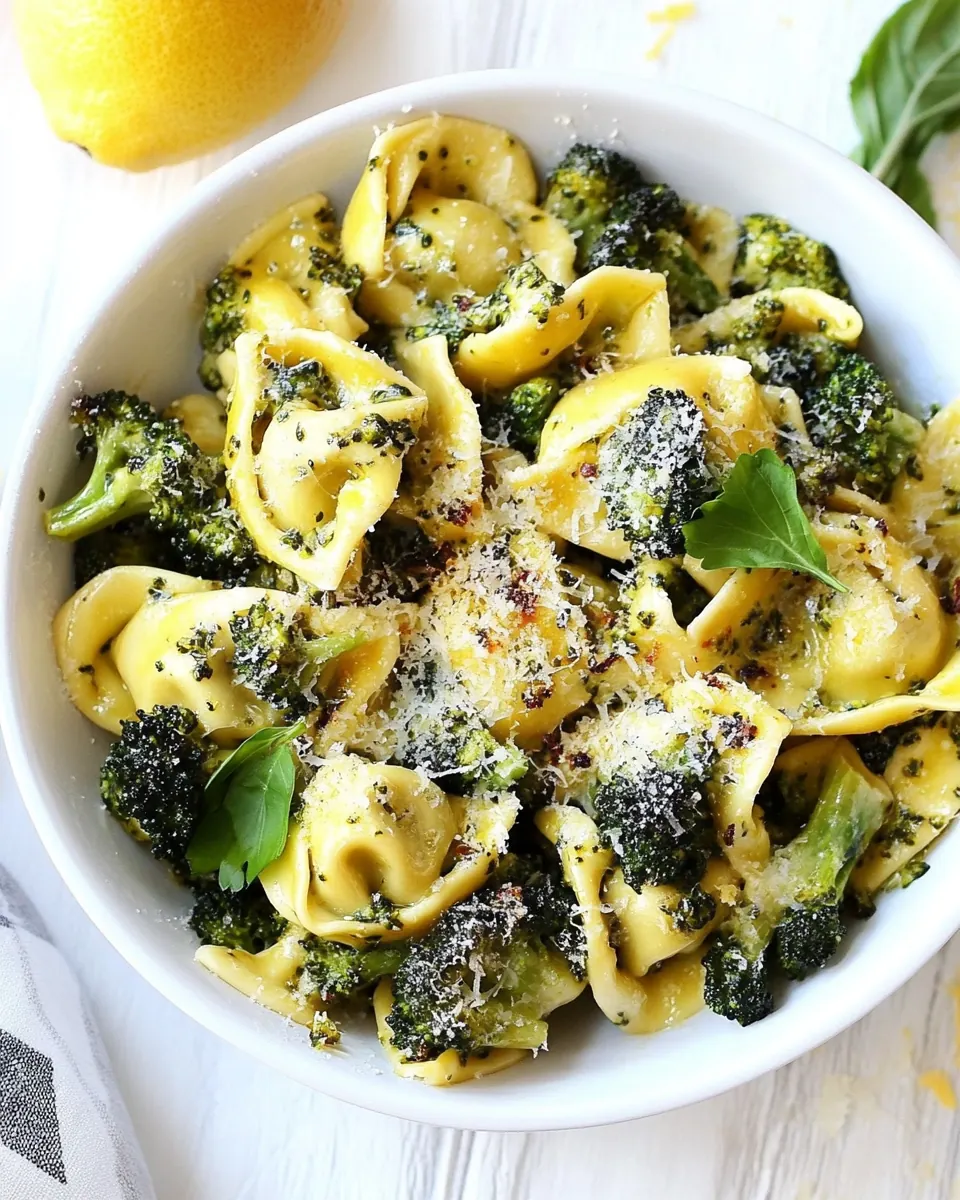
These ingredients work together with a clear philosophy: contrast and balance. The key players are the roasted broccoli for texture and caramelized flavor, the pillowy cheese tortellini for substance, and the lemon components to brighten and lift the dish. Simple aromatics and a touch of butter and Parmesan cheese knit everything into a cohesive, comforting plate.
- 1 1/2 pounds broccoli, cut into bite size pieces: Cut into bite–size pieces to provide tender, roastable florets that absorb flavors and cook quickly; adds bulk, texture, and a bright green color to the dish while contributing vitamins and fiber.
- 1 tablespoon olive oil: Use to sauté vegetables and prevent sticking while imparting a fruity, savory flavor; balances the acidity of lemon and helps coat tortellini for a glossy finish.
- 1 tablespoon fresh lemon juice: Add to brighten and lift flavors with citrus acidity; helps cut richness from butter and cheese and ties broccoli and tortellini together for a fresher profile.
- 2 cloves garlic, chopped: Chop finely to release aromatic oils that infuse the oil and butter with savory depth; helps build the foundational flavor of the dish and complements lemon and shallot.
- Salt and black pepper, to taste: Season to enhance and balance all flavors; adjust to taste to bring out natural sweetness from vegetables and temper bitterness from greens.
- 1 pound cheese tortellini, refrigerated or frozen: Cook according to package instructions to provide the primary pasta component filled with cheese; offers a tender, chewy base that carries sauce, broccoli, and seasonings.
- 3 tablespoons unsalted butter: Melt to create a rich, silky coating for tortellini and vegetables; adds creamy mouthfeel and helps bind lemon, garlic, and cheese into a cohesive sauce.
- 1 tablespoon minced shallot: Mince to contribute a delicate, sweet onion-like flavor that melds with garlic and butter; elevates overall aroma without overpowering the lemon brightness.
- 2 cloves garlic, minced: Mince to provide a sharper, more pronounced garlic presence than chopped pieces; disperses evenly to deliver consistent savory notes throughout the dish.
- Dash of crushed red pepper: Add sparingly to introduce gentle heat and contrast; enhances complexity and balances the dish without overwhelming the citrus and cheese.
- 3 cups packed fresh spinach: Pack tightly to provide a tender leafy green that wilts into the sauce; contributes color, nutrients, and a mild earthy flavor that complements broccoli.
- Zest of 1 large lemon: Zest to deliver concentrated lemon oils and bright aromatic lift; intensifies citrus fragrance without adding extra acidity and garnishes the finished dish.
- Juice of 1 large lemon: Juice to supply fresh citrus acidity that brightens and balances richness; integrates into the sauce to enhance flavor and help meld ingredients.
- 1/2 cup freshly grated Parmesan cheese: Grate freshly to contribute salty, nutty, umami richness; melts slightly into warm tortellini for a savory finish and helps thicken the sauce.
- Salt and black pepper, to taste: Season again to fine-tune final taste and balance all components; use at the end to ensure flavors are perfectly adjusted before serving.
Putting Together Lemon Broccoli Tortellini
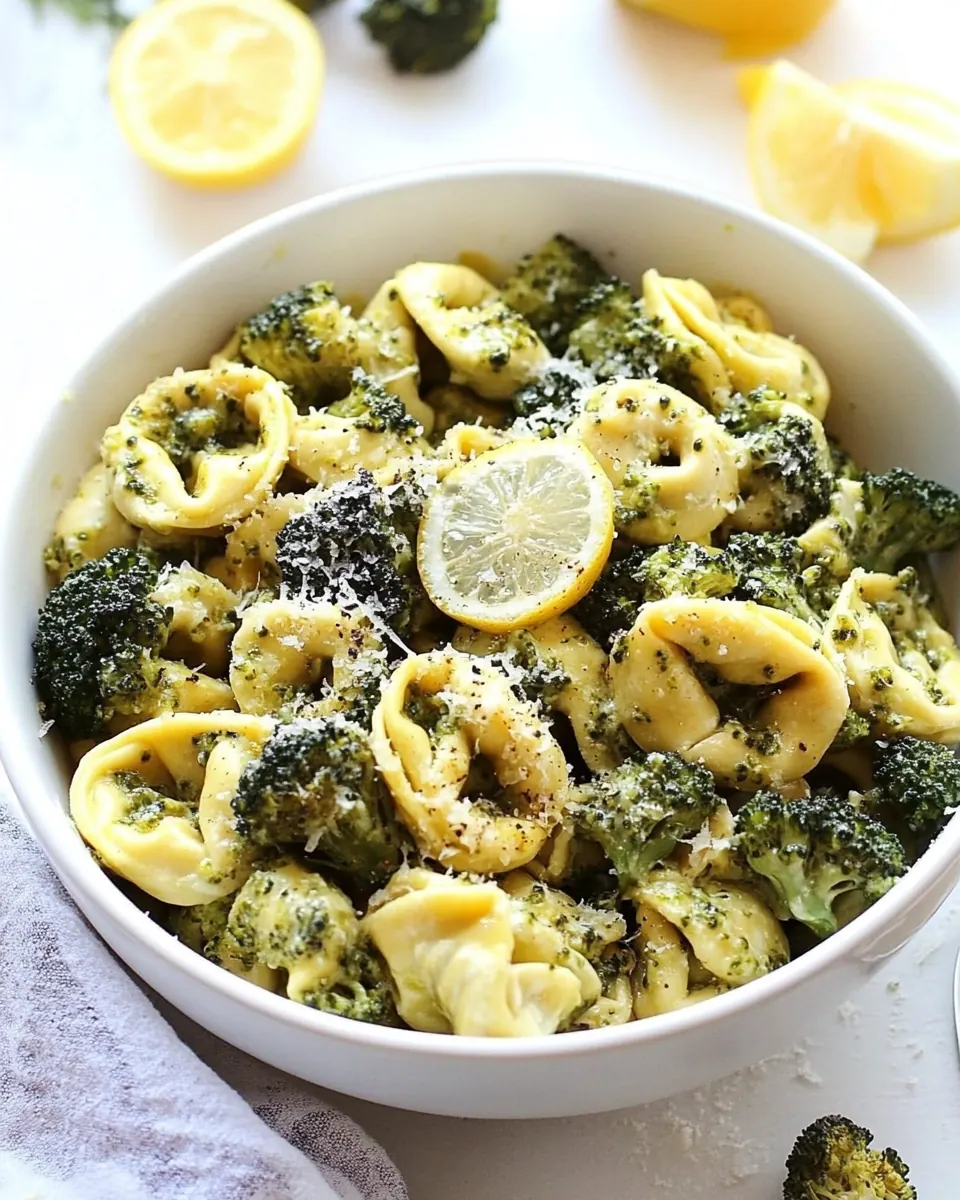
I like to think of the assembly as a series of sensory checkpoints, each one ensuring the final plate feels cohesive. Below I expand the directions into reassuring, detailed steps so you can cook confidently and enjoy the process.
- Preheat the oven to 400 degrees F. Place the broccoli pieces on a large baking sheet. Drizzle with olive oil and lemon juice. Add the garlic and toss broccoli until well coated. Season with salt and pepper, to taste. Place baking sheet in the oven and roast for 20-25 minutes, stirring once. Remove broccoli when it is crisp and slightly charred. Set aside.: The scent of caramelizing vegetables is one of the best signals that roasting is working, with notes of sweetened green and a faint smokiness when edges char; you should hear a soft sizzle when the baking sheet first goes in, and the florets will visibly darken at the tips. Roasting concentrates flavor by driving off water and allowing natural sugars to caramelize, which is why I prefer a hot oven so the surface browns quickly while the interior stays tender. A common mistake is overcrowding the pan, which steams the broccoli instead of roasting it; give each piece space so air can circulate. When stirring once midway, use a metal spatula to turn pieces that are browning too fast so nothing burns. Visual cues to look for are lightly crisped edges and a bright, softened green in the stems. If you accidentally under roast them, return the pan for a few more minutes rather than increasing the temperature drastically, which can scorch the garlic.
- Meanwhile, bring a large pot of salted water to a boil. Cook tortellini according to package instructions. When cooked, drain, but reserve 1/2 cup of the pasta water. Set the water and tortellini aside.: You will notice the water smell change as it reaches a rolling boil, and the salted water seasons the tortellini from the inside out; the pasta should float or feel tender but still offer a slight bite when you taste it. Reserving some of the starchy cooking water is key because it binds the sauce and helps it cling to the cheese tortellini . A frequent error is draining everything and throwing away the water, which can make the final dish dry. If your tortellini seems sticky after draining, toss it with a drizzle of olive oil to keep pieces separate before adding to the sauce. Use the reserved water to loosen the sauce slowly, rather than adding all at once, so you control the consistency.
- Put the pot back on the stove and melt the butter over medium heat. Add the shallot, garlic, crushed red pepper, and spinach and cook until spinach is wilted, about 3 minutes. Add the lemon zest and stir.: When the butter melts it will foam slightly and release nutty aromas; the softened shallot should become translucent and sweet, while the minced garlic will perfume the pan without browning. The sound will shift from a gentle simmer to a softer sizzle as the spinach collapses, turning vivid green before it wilts. This short cook time preserves the fresh notes and prevents the greens from becoming mushy. Overcooking at this stage dulls the brightness, so watch closely and stir frequently. If the heat is too high the garlic can burn, creating a bitter edge; reduce the heat if you see browning. Adding the lemon zest at the end preserves its aromatic oils, giving a fragrant lift rather than a cooked citrus flavor.
- Turn the heat to low and add the cooked tortellini and roasted broccoli to the pot. Stir in the reserved pasta water and lemon juice. Cook on low until tortellini is warm, about two minutes. Sprinkle Parmesan cheese over the tortellini and season with salt and pepper, to taste. Serve warm.: At this stage you will feel the warmth spread through the pot and hear a gentle simmer as the reserved starchy water binds with the butter to form a light coating; the aroma will be a mix of tangy lemon , nutty Parmesan cheese , and roasted broccoli . The reason for cooking on low is to avoid breaking the tortellini and to let the flavors marry gently so the cheese melts into a silky finish. One common slip is overheating which can cause the tortellini to burst or the sauce to separate; keep the heat minimal and stir carefully. If the sauce seems too thin, let it reduce for a minute or two, or if it is too thick, add a splash more reserved pasta water. Final seasoning is subjective so taste before serving, aiming for a balance of salt, pepper, and lemon brightness. A final flourish of extra Parmesan cheese on top adds umami and a pleasing grainy texture on the tongue.
Tips for Success
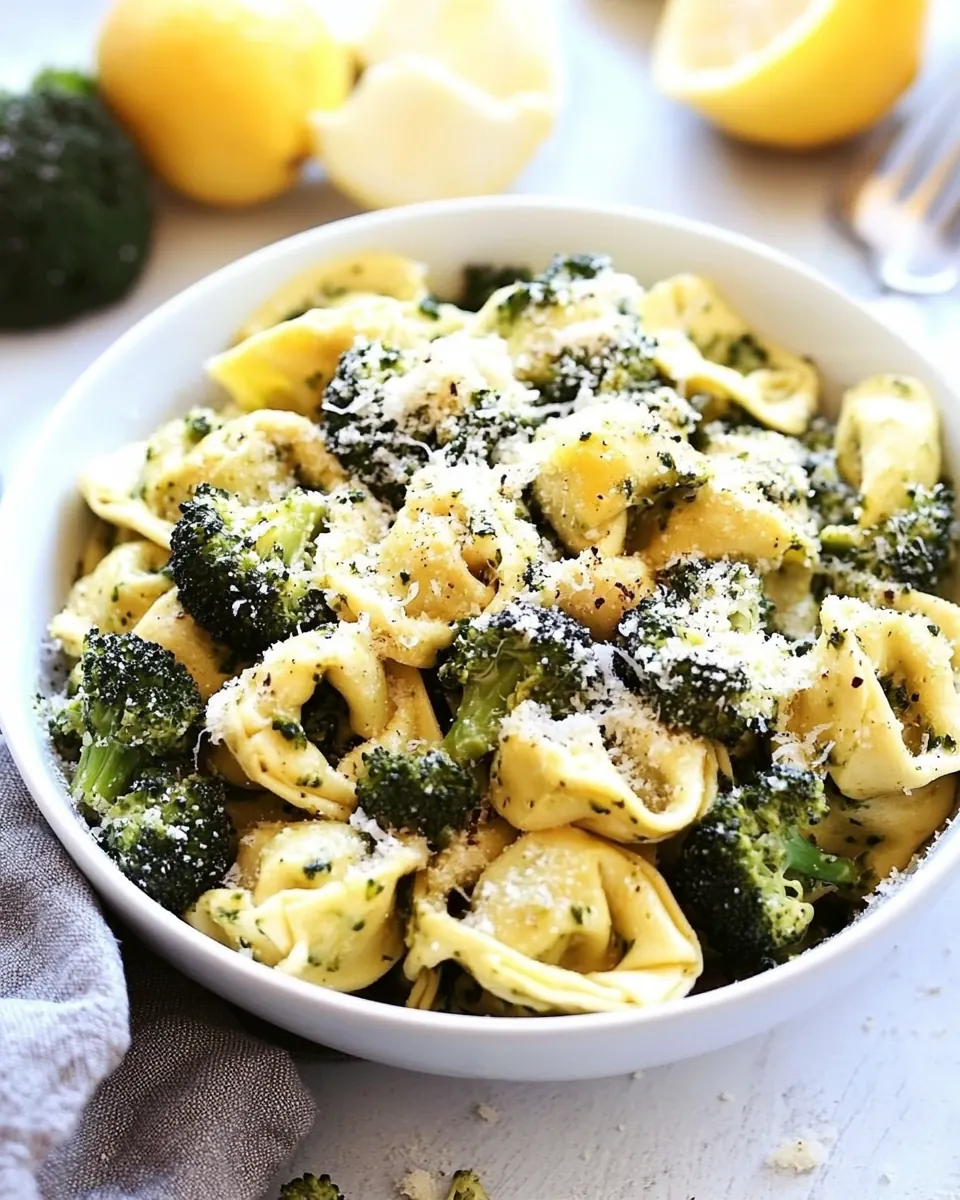
I like to share tips that make the cooking more reliable and the final plate more memorable. These notes come from repeated testing and small adjustments that have a big payoff.
- Space the broccoli so it roasts instead of steams, giving you those desirable charred edges.
- Keep reserved pasta water to loosen and bind the sauce, adding it gradually until you reach the desired silkiness.
- Use fresh lemon zest for aromatic brightness, adding it at the end to preserve its oils.
- Toast aromatics gently in the butter to release sweetness without burning the garlic.
- Adjust crushed red pepper to taste so the heat complements rather than overwhelms the citrus and cheese.
- Reheat carefully by adding a splash of water and a drizzle of olive oil to restore texture when warming leftovers.
Serve This Lemon Broccoli Tortellini With
This dish is flexible, and how you serve it can elevate a simple pasta into a thoughtful meal. Below are serving ideas, occasions, and storage suggestions presented as a list for easy reference.
- Light green salad such as mixed baby greens, served simply to complement the citrusy pasta without competing.
- Crispy bread brushed with olive oil, perfect for soaking up any remaining sauce and adding textural contrast.
- Lunch or dinner occasions this recipe works well for casual weeknight dinners, spring lunches, and meatless gatherings where guests want satisfying mains.
- Potluck friendly bring it warm or at room temperature, and consider bringing extra grated Parmesan cheese to offer at the table.
- Storage tips refrigerate in an airtight container for up to three days; when reheating, add a splash of the reserved pasta water or a bit of olive oil and fresh lemon juice to restore brightness.
- Seasonal pairing spring produce like asparagus or peas complements the lemon notes and keeps the plate feeling fresh and timely.
FAQ
Conclusion
Lemon Broccoli Tortellini stands out because it balances bright citrus, roasted vegetable depth, and comforting filled pasta in one simple, satisfying plate. Try it on a busy evening when you want something that feels thoughtfully prepared without hours in the kitchen. It’s forgiving, quick, and adaptable, making it a reliable go to for weeknights, casual dinners, or light entertaining. I hope you enjoy the harmony of textures and flavors, and that it becomes a regular on your table.
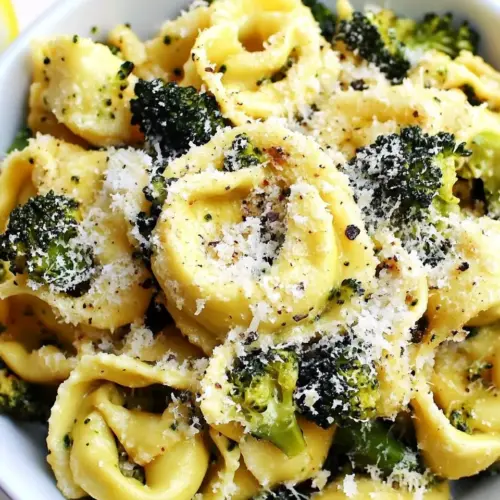
Lemon Broccoli Tortellini
Equipment
- Oven
- Large Pot
- Baking Sheet
- Spatula
Ingredients
- 1 1/2 pounds broccoli, cut into bite size pieces Cut into bite-size pieces to provide tender, roastable florets that absorb flavors and cook quickly; adds bulk, texture, and a bright green color to the dish while contributing vitamins and fiber.
- 1 tablespoon olive oil Use to sauté vegetables and prevent sticking while imparting a fruity, savory flavor; balances the acidity of lemon and helps coat tortellini for a glossy finish.
- 1 tablespoon fresh lemon juice Add to brighten and lift flavors with citrus acidity; helps cut richness from butter and cheese and ties broccoli and tortellini together for a fresher profile.
- 2 cloves garlic, chopped Chop finely to release aromatic oils that infuse the oil and butter with savory depth; helps build the foundational flavor of the dish and complements lemon and shallot.
- Salt and black pepper, to taste Season to enhance and balance all flavors; adjust to taste to bring out natural sweetness from vegetables and temper bitterness from greens.
- 1 pound cheese tortellini, refrigerated or frozen Cook according to package instructions to provide the primary pasta component filled with cheese; offers a tender, chewy base that carries sauce, broccoli, and seasonings.
- 3 tablespoons unsalted butter Melt to create a rich, silky coating for tortellini and vegetables; adds creamy mouthfeel and helps bind lemon, garlic, and cheese into a cohesive sauce.
- 1 tablespoon minced shallot Mince to contribute a delicate, sweet onion-like flavor that melds with garlic and butter; elevates overall aroma without overpowering the lemon brightness.
- 2 cloves garlic, minced Mince to provide a sharper, more pronounced garlic presence than chopped pieces; disperses evenly to deliver consistent savory notes throughout the dish.
- Dash of crushed red pepper Add sparingly to introduce gentle heat and contrast; enhances complexity and balances the dish without overwhelming the citrus and cheese.
- 3 cups packed fresh spinach Pack tightly to provide a tender leafy green that wilts into the sauce; contributes color, nutrients, and a mild earthy flavor that complements broccoli.
- Zest of 1 large lemon Zest to deliver concentrated lemon oils and bright aromatic lift; intensifies citrus fragrance without adding extra acidity and garnishes the finished dish.
- Juice of 1 large lemon Juice to supply fresh citrus acidity that brightens and balances richness; integrates into the sauce to enhance flavor and help meld ingredients.
- 1/2 cup freshly grated Parmesan cheese Grate freshly to contribute salty, nutty, umami richness; melts slightly into warm tortellini for a savory finish and helps thicken the sauce.
- Salt and black pepper, to taste Season again to fine-tune final taste and balance all components; use at the end to ensure flavors are perfectly adjusted before serving.
Instructions
- Preheat the oven to 400 degrees F. Place the broccoli pieces on a large baking sheet. Drizzle with olive oil and lemon juice. Add the garlic and toss broccoli until well coated. Season with salt and pepper, to taste. Place baking sheet in the oven and roast for 20-25 minutes, stirring once. Remove broccoli when it is crisp and slightly charred. Set aside.: The scent of caramelizing vegetables is one of the best signals that roasting is working, with notes of sweetened green and a faint smokiness when edges char; you should hear a soft sizzle when the baking sheet first goes in, and the florets will visibly darken at the tips. Roasting concentrates flavor by driving off water and allowing natural sugars to caramelize, which is why I prefer a hot oven so the surface browns quickly while the interior stays tender. A common mistake is overcrowding the pan, which steams the broccoli instead of roasting it; give each piece space so air can circulate. When stirring once midway, use a metal spatula to turn pieces that are browning too fast so nothing burns. Visual cues to look for are lightly crisped edges and a bright, softened green in the stems. If you accidentally under roast them, return the pan for a few more minutes rather than increasing the temperature drastically, which can scorch the garlic.
- Meanwhile, bring a large pot of salted water to a boil. Cook tortellini according to package instructions. When cooked, drain, but reserve 1/2 cup of the pasta water. Set the water and tortellini aside.: You will notice the water smell change as it reaches a rolling boil, and the salted water seasons the tortellini from the inside out; the pasta should float or feel tender but still offer a slight bite when you taste it. Reserving some of the starchy cooking water is key because it binds the sauce and helps it cling to the cheese tortellini . A frequent error is draining everything and throwing away the water, which can make the final dish dry. If your tortellini seems sticky after draining, toss it with a drizzle of olive oil to keep pieces separate before adding to the sauce. Use the reserved water to loosen the sauce slowly, rather than adding all at once, so you control the consistency.
- Put the pot back on the stove and melt the butter over medium heat. Add the shallot, garlic, crushed red pepper, and spinach and cook until spinach is wilted, about 3 minutes. Add the lemon zest and stir.: When the butter melts it will foam slightly and release nutty aromas; the softened shallot should become translucent and sweet, while the minced garlic will perfume the pan without browning. The sound will shift from a gentle simmer to a softer sizzle as the spinach collapses, turning vivid green before it wilts. This short cook time preserves the fresh notes and prevents the greens from becoming mushy. Overcooking at this stage dulls the brightness, so watch closely and stir frequently. If the heat is too high the garlic can burn, creating a bitter edge; reduce the heat if you see browning. Adding the lemon zest at the end preserves its aromatic oils, giving a fragrant lift rather than a cooked citrus flavor.
- Turn the heat to low and add the cooked tortellini and roasted broccoli to the pot. Stir in the reserved pasta water and lemon juice. Cook on low until tortellini is warm, about two minutes. Sprinkle Parmesan cheese over the tortellini and season with salt and pepper, to taste. Serve warm.: At this stage you will feel the warmth spread through the pot and hear a gentle simmer as the reserved starchy water binds with the butter to form a light coating; the aroma will be a mix of tangy lemon , nutty Parmesan cheese , and roasted broccoli . The reason for cooking on low is to avoid breaking the tortellini and to let the flavors marry gently so the cheese melts into a silky finish. One common slip is overheating which can cause the tortellini to burst or the sauce to separate; keep the heat minimal and stir carefully. If the sauce seems too thin, let it reduce for a minute or two, or if it is too thick, add a splash more reserved pasta water. Final seasoning is subjective so taste before serving, aiming for a balance of salt, pepper, and lemon brightness. A final flourish of extra Parmesan cheese on top adds umami and a pleasing grainy texture on the tongue.
Notes
- Space the broccoli so it roasts instead of steams, giving you those desirable charred edges.
- Keep reserved pasta water to loosen and bind the sauce, adding it gradually until you reach the desired silkiness.
- Use fresh lemon zest for aromatic brightness, adding it at the end to preserve its oils.
- Toast aromatics gently in the butter to release sweetness without burning the garlic.
- Adjust crushed red pepper to taste so the heat complements rather than overwhelms the citrus and cheese.
- Reheat carefully by adding a splash of water and a drizzle of olive oil to restore texture when warming leftovers.