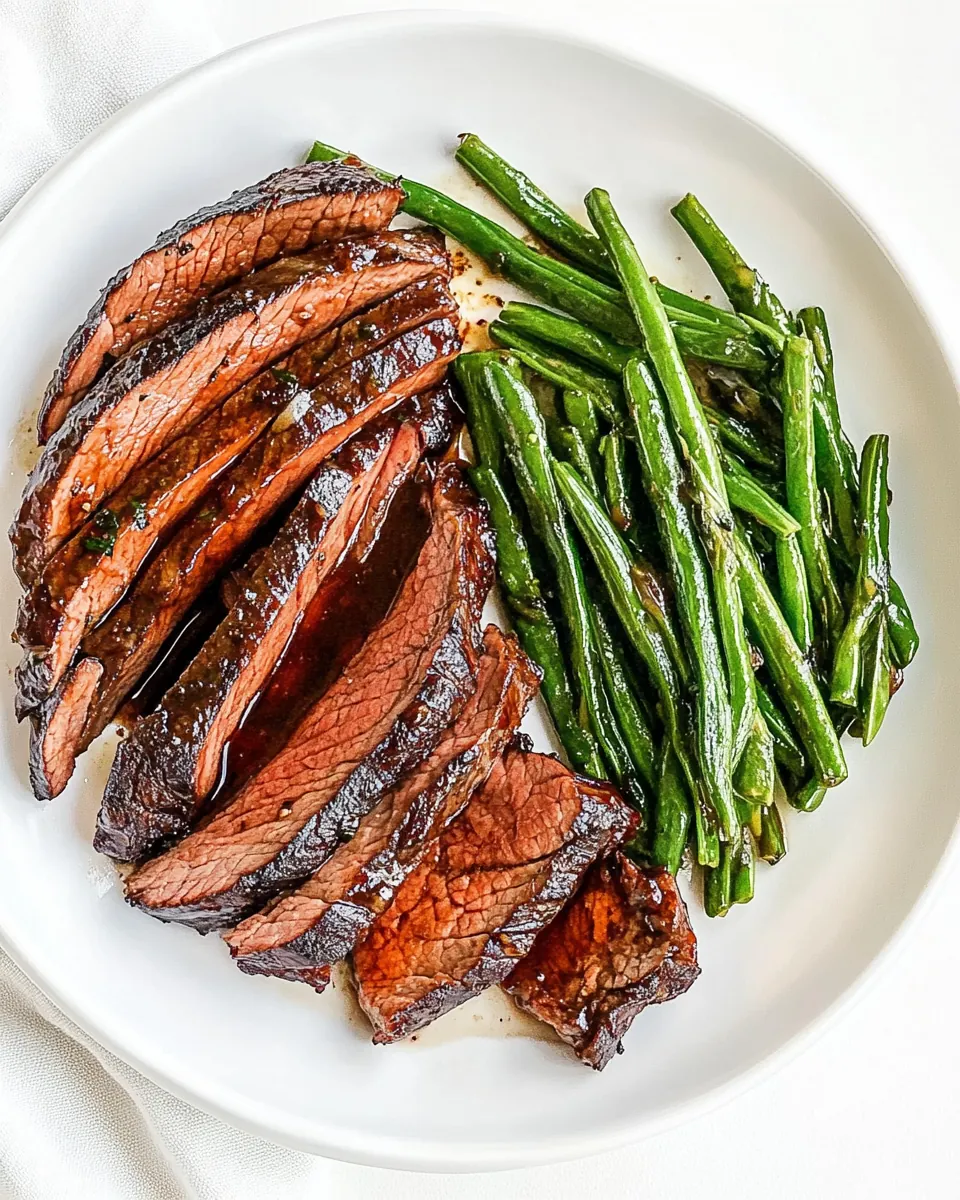
Flat Iron Steak Recipe
Flat Iron Steak Recipe has been one of my go to dinners when I want something that feels special without a lot of fuss.
I first learned to love this cut on a humid summer evening when a neighbor invited me over for a last minute grill session, and the simple marinade turned those steaks into something smoky, bright, and deeply satisfying. Since then I reach for this formula whenever I want a quick date night or an easy family supper that still tastes like effort went into it. The meat seared with a slightly charred edge and a tender, juicy center taught me how a short marinade and a hot grate can transform a modest cut into a memorable meal.
Over the years I tweaked the balance of acid and savory elements so the steak stays tender yet full of flavor, and I learned to rest it properly so every bite releases those savory juices. I love how the flavors are familiar enough to please everyone, yet layered enough that you notice something new each time you eat it. This recipe is one of those go to options that I keep in my mental rotation for both weeknights and casual entertaining.
Recipe Snapshot
15 mins
5 mins
10 mins
Easy
400 kcal
American
Keto, Paleo
Dinner
baggy rack holder, meat thermometer, grilling tongs
Why This Flat Iron Steak Recipe Stands Out
Bold, focused flavor from a short marinade
I love how a quick soak in a bright mixture of balsamic vinegar, soy sauce, and olive oil amplifies the natural beefiness of the flat iron steaks. The acid tenderizes while the oil helps flavors cling, so you get deep flavor without hours of waiting.
Fast to finish on a hot grill
We can take these steaks from fridge to plate in a flash, which is perfect for hectic nights. The high heat gives a satisfying char and a juicy interior, and the method is forgiving if you keep an eye on the color and use a meat thermometer.
Minimal ingredient list, maximum impact
There are just a handful of pantry items here and each one pulls its weight. The Worcestershire sauce and soy sauce add umami depth, while Italian seasoning and garlic powder layer in aromatic notes, so you don’t need fancy pantry staples to get restaurant style results.
Versatile for many occasions
This is easy enough for a quick weeknight, yet polished enough for weekend guests. You can scale the marinade, and it pairs well with many sides, so it fits lunch, dinner, or a casual celebration without fuss.
Reliable technique that protects juiciness
Letting the meat come to room temperature and then resting it after cooking are small habits that make a big difference. I always rest my steaks to let the juices redistribute, which keeps every slice tender and flavorful instead of dry.
Everything You Need for Flat Iron Steak Recipe
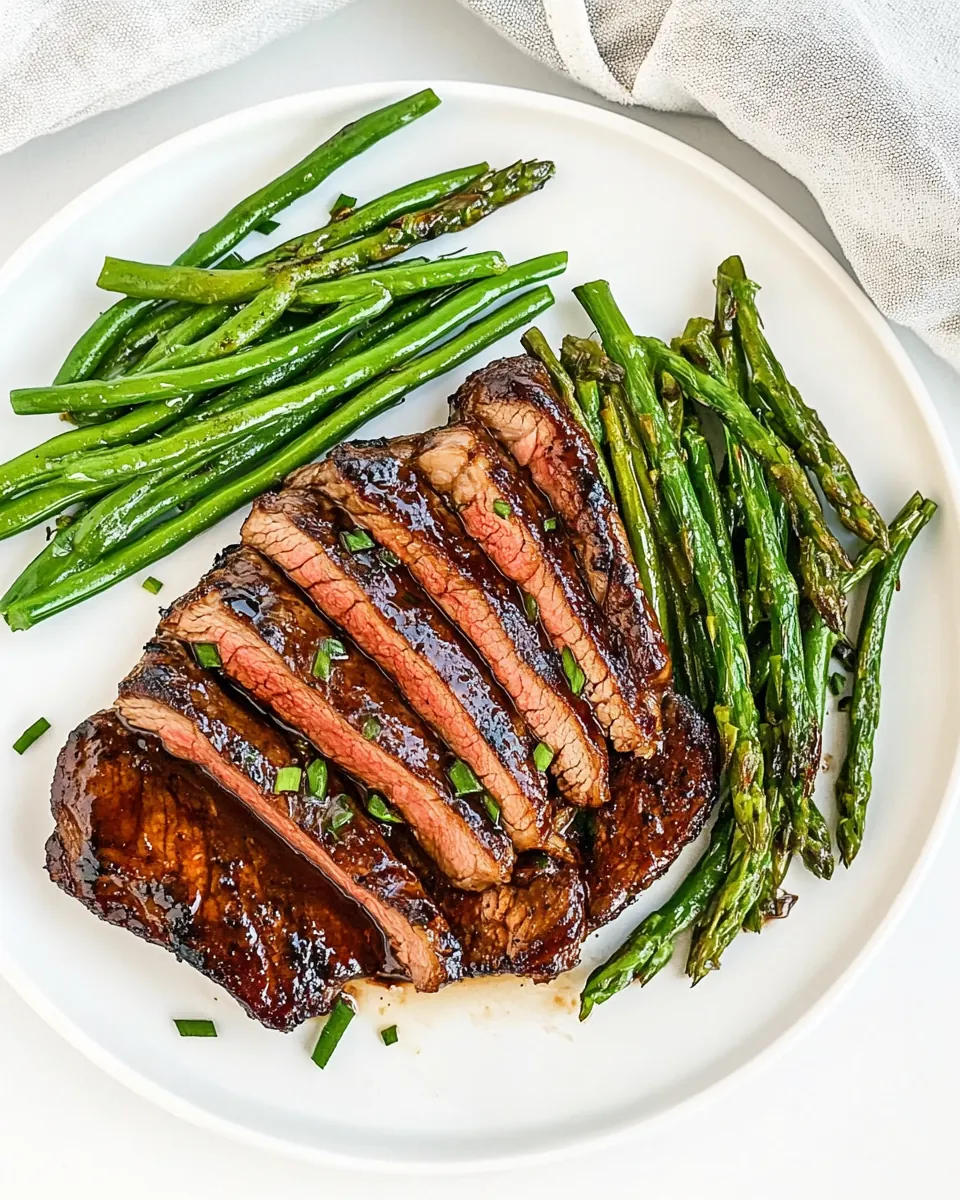
These ingredients are straightforward and purposeful. The flat iron steaks provide a richly marbled, tender base, while the acidic and savory elements in the marinade work together to both tenderize and season. The oil helps carry flavor across the meat surface so the grill can create that satisfying crust without drying out the interior. Think of the marinade as a team where each member supports the others.
- 2 flat iron steaks: Keep tender and rich, providing the main protein and hearty texture for the dish; slice against the grain after cooking to maximize tenderness and juiciness. Marinate to absorb flavors from the other ingredients and sear quickly over high heat to develop a flavorful crust.
- 1/4 cup balsamic vinegar: Add bright acidity and subtle sweetness to balance savory elements; helps to tenderize the meat slightly when used in the marinade. Combine evenly with other liquids so it penetrates the steaks and enhances overall flavor complexity.
- 1/4 cup soy sauce: Contribute deep salty umami and savory depth to the marinade, intensifying the meatiness of the steaks. Mix thoroughly with the other liquids to create a balanced seasoning base that complements the balsamic and Worcestershire.
- 1/8 cup olive oil: Provide smooth richness and help bind the marinade, promoting even coating and encouraging caramelization during cooking. Drizzle into the marinade gradually while whisking to emulsify the mixture and add mouthfeel to the finished steak.
- 2 tablespoons Worcestershire sauce: Introduce a layered savory tang and additional umami to enrich the marinade; complements the soy sauce and balsamic for greater complexity. Use sparingly to avoid overpowering, allowing its Worcestershire character to lift the overall flavor profile.
- 1 teaspoon Italian seasoning: Impart a fragrant, herb-forward note that brings Mediterranean aromatics to the steak; supports the savory components without overpowering them. Sprinkle into the marinade for consistent seasoning and to give the finished meat a rounded herbal finish.
- 1 teaspoon garlic powder: Provide concentrated savory garlic flavor and convenient seasoning without fresh cloves; enhances overall savory profile and pairs well with Italian seasoning. Add directly to the marinade to ensure garlic essence permeates the steaks during marination.
- salt and pepper, to season: Season generously to enhance natural flavors and create contrast; salt brings out meat flavors while pepper adds a mild heat and aroma. Adjust to taste before and after cooking to ensure the finished steaks are properly seasoned.
How to Cook Flat Iron Steak Recipe
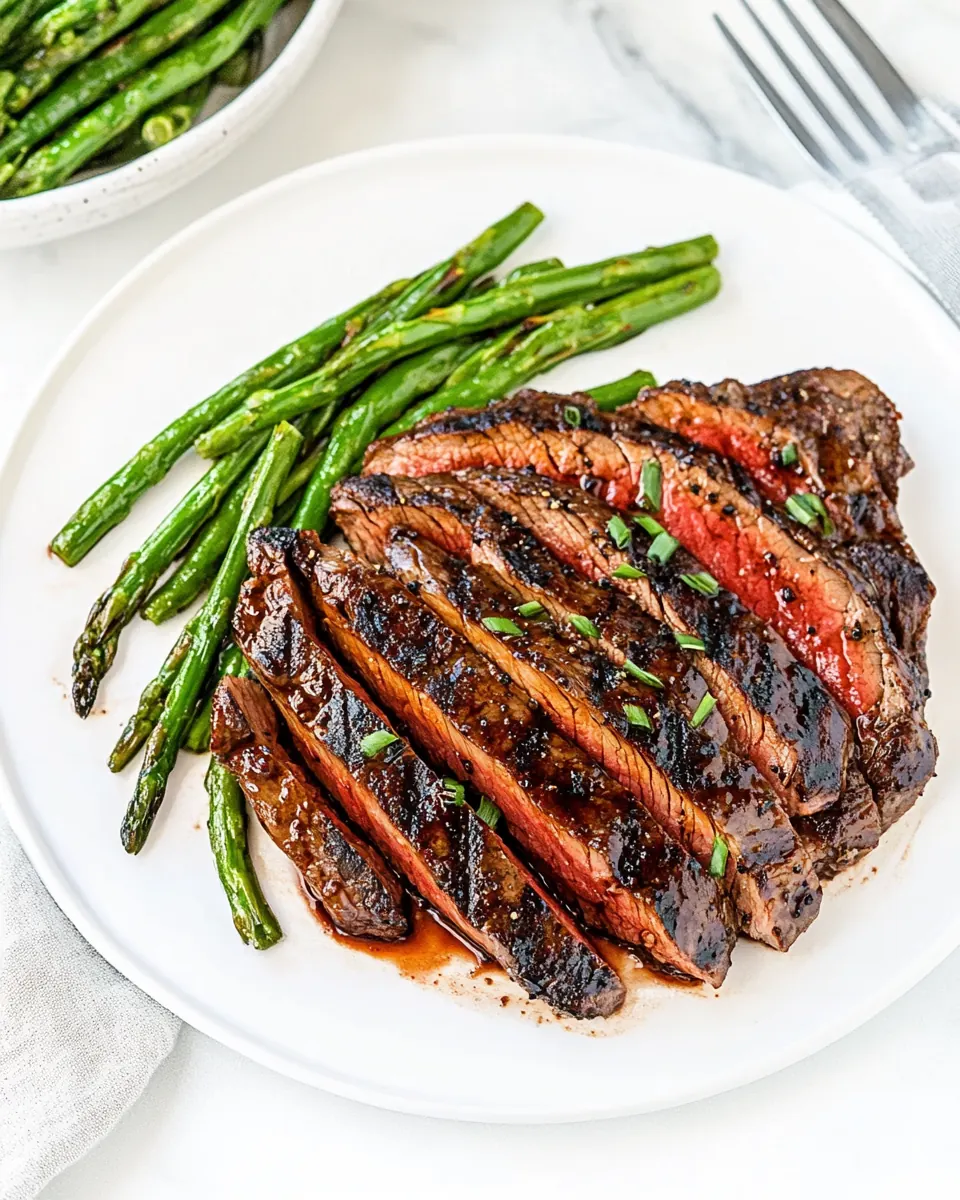
I like to walk you through the cooking steps as if we were side by side at the grill. Keep your tools close, pay attention to the heat, and rely on visual and tactile cues so the result is juicy and perfectly charred.
- Combine all ingredients in a small bowl and mix well.: The first sensory cue is the aroma, a bright tang from balsamic vinegar mingling with the savory depth of soy sauce . Use a whisk or fork to emulsify the olive oil into the liquids so the flavors coat the meat evenly. This matters because a well blended marinade ensures every inch of the steak absorbs the seasoning, leading to consistent flavor. A common mistake is tossing the ingredients together without mixing, which creates uneven pockets of strong flavor. If the mixture separates, give it another quick whisk before using.
- Pour into a Ziploc bag with steaks and let marinade for at least 2 hours.: You will notice the liquid cling to the meat, the surface becoming glossy and slightly darker as it soaks up flavor. Place the bag in the fridge on a flat surface so the marinade contacts the entire surface area. This contact time gives the acid and enzymes a chance to gently tenderize the flat iron steaks . Avoid marinating for excessively long periods, which can change the meat texture, and never reuse marinade that has contacted raw meat without cooking it first.
- To cook, preheat the grill to 450–500°F. Allow steaks to come to room temperature.: A hot grill is audible before it is visible, with distant hiss and the smell of heated metal. Preheating to a high temperature creates that rapid sear that locks in juices and forms a caramelized crust. Bringing the meat to room temperature helps it cook more evenly so the center does not remain cold while the exterior chars. Rushing to the grill with cold steaks can lead to uneven doneness, so give them a short rest on the counter while the grill reaches temperature.
- Place steaks on the grill and cook until golden brown and slightly charred (4–5 minutes). Flip steaks over and continue to grill to the desired doneness (5–7 minutes for medium).: When the steak hits the grate you should hear a strong, sustained sizzle and see immediate browning along the contact points. That sound is the Maillard reaction working to create flavor and color. Look for a deep golden brown with small charred flecks, and avoid moving the steak around too much, which prevents a proper crust from forming. If you lift the steak too early you risk tearing the crust and losing those flavorful, caramelized bits.
- Let meat rest for 5 minutes before serving. The steak will continue to cook a bit and the juices will distribute.: After flipping, you should again hear the sizzle and observe edge juices starting to bead, a helpful visual cue for doneness. Use a meat thermometer to confirm target temperature for accuracy. This finish time lets the interior reach the right stage while the exterior continues to develop flavor. A frequent error is relying solely on time instead of temperature, which can yield over or under done results; using a thermometer avoids that guesswork.
- Let meat rest for 5 minutes before serving. The steak will continue to cook a bit and the juices will distribute.: Resting the steaks on a warm plate produces subtle, savory steam and a smell that intensifies as juices redistribute. This pause is crucial because it prevents those flavorful juices from running out when you slice the meat, keeping each bite juicy. Tent loosely with foil if needed to retain warmth, but don’t seal tightly and trap steam, which can soften the crust. Cutting too soon is the most common mistake here, which causes the plate to flood with juices and yields dryer slices.
Making Adjustments
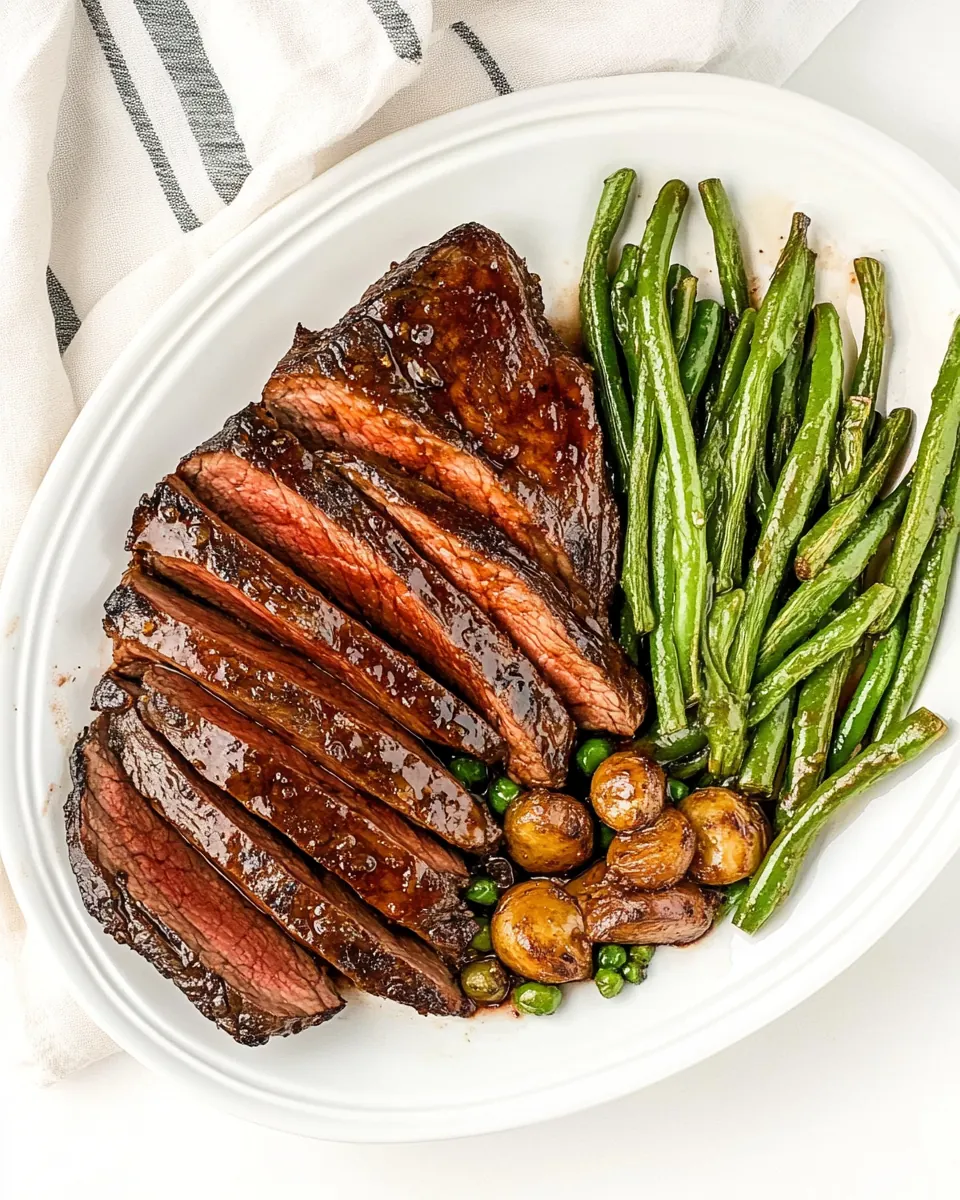
This section expands on small adjustments you can make to tailor the recipe to your needs, whether you want to scale the quantity, change cooking method, or store leftovers. Below are practical tips drawn from real kitchen experiments that I use regularly.
- Freeze in marinade: If you want to infuse the flavors deeper, freeze the steaks in the marinade in a freezer safe bag; as they thaw the meat will absorb more flavor. Make sure to thaw in the refrigerator before grilling to maintain safe temperatures.
- Storage guidance: Store leftover cooked steaks in an airtight container in the fridge for 3 to 4 days, or freeze for 2 to 3 months. Label with the date and use within the recommended time to ensure quality and safety.
- Reheat method stovetop: Reheat slices gently in a preheated skillet over medium heat with a small splash of oil or butter, covering briefly to retain moisture. Flip once to warm through without overcooking, this keeps the steak tender.
- Reheat method oven: For thicker slices, warm in an oven set to a low temperature around 250°F to gently bring the meat up to serving temperature without drying it out. Cover lightly with foil to prevent moisture loss and check after 10 minutes.
- Marinade safety: Never reuse marinade that has been in contact with raw meat unless you bring it to a rolling boil first to kill bacteria; for serving glaze, set aside a portion before adding raw meat.
Side Dish Ideas for Flat Iron Steak Recipe
This is a flexible main that pairs beautifully with a range of sides depending on the occasion. Below I list serving approaches, seasonal pairings, and storage notes so you can plan a complete meal. Choose items that balance richness and texture.
- Simple salad for freshness: A crisp green salad with a bright vinaigrette provides a clean counterpoint to the rich steak, making it ideal for a lighter dinner.
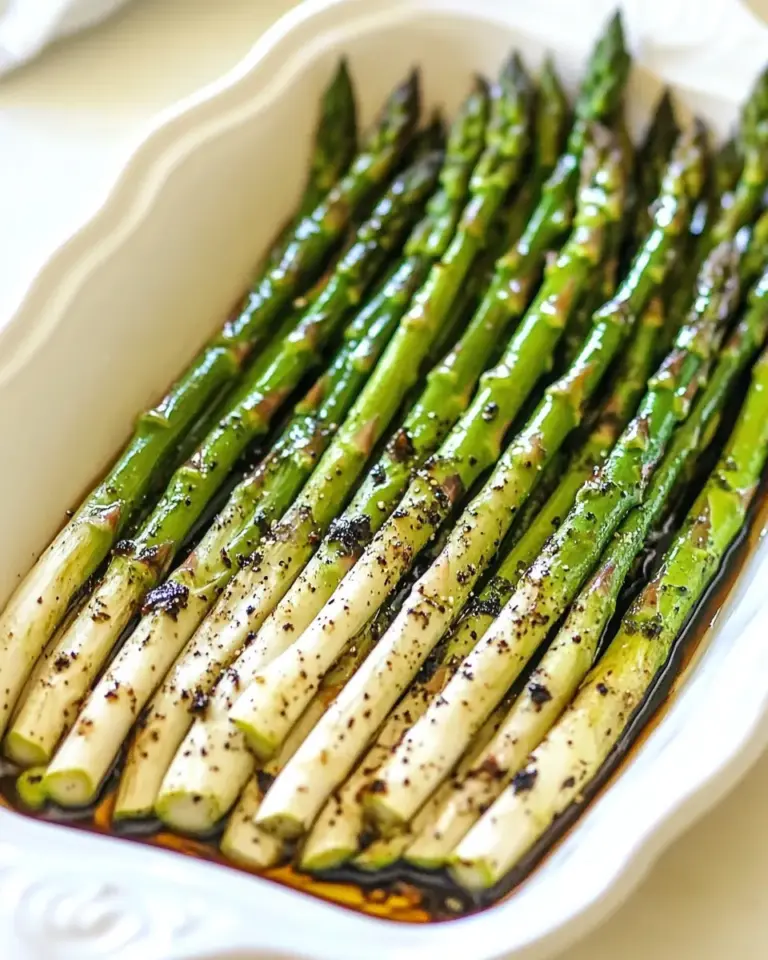
- Roasted vegetables for depth: Oven roasted root vegetables or asparagus bring caramelized sweetness and earthy notes that complement the grilled char on the meat, great for a cozy dinner.
- Starch options for comfort: Creamy mashed potatoes, rice, or herby couscous add a comforting base that soaks up steak juices and rounds out the plate for a hearty meal.
- Occasion pairing: For casual gatherings or backyard cookouts, serve sliced flat iron steaks family style with bowls of simple sides so guests can build their plates. For date night, plate individually with a composed salad and elegant roasted vegetable.
- Storage tips: Leftover cooked steak can be refrigerated in an airtight container for 3 to 4 days. For make ahead, freeze raw marinated steak and thaw in the fridge before grilling for best texture.
- Seasonal pairings: In spring and summer, pair with bright, acidic sides like grilled vegetables and citrusy salads. In cooler months, choose roasted or braised vegetables and warm grains to match the hearty character of the steak.
FAQ
Conclusion
What makes this recipe special is its balance of simple ingredients and reliable technique that produce a juicy, flavorful steak with minimal effort. The bright balsamic and savory soy based marinade combined with a hot sear gives each bite a satisfying contrast of char and tender interior. I hope you give it a try, whether for a low stress weeknight dinner or a casual weekend meal. It’s an approachable formula that rewards attention to heat and resting time, and I think you’ll find it quickly becomes one of your favorite go to steak preparations.
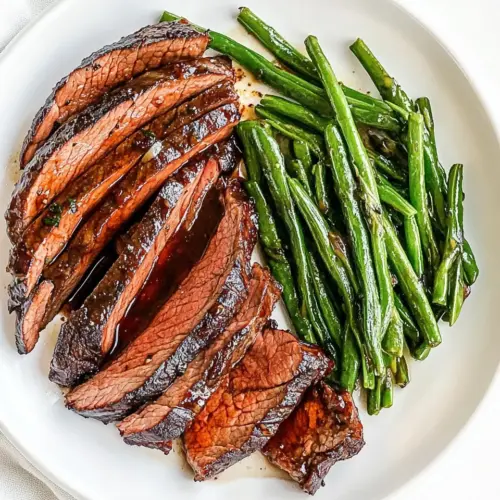
Flat Iron Steak Recipe
Equipment
- baggy rack holder
- Meat Thermometer
- Grilling Tongs
Ingredients
- 2 flat iron steaks Keep tender and rich, providing the main protein and hearty texture for the dish; slice against the grain after cooking to maximize tenderness and juiciness. Marinate to absorb flavors from the other ingredients and sear quickly over high heat to develop a flavorful crust.
- 1/4 cup balsamic vinegar Add bright acidity and subtle sweetness to balance savory elements; helps to tenderize the meat slightly when used in the marinade. Combine evenly with other liquids so it penetrates the steaks and enhances overall flavor complexity.
- 1/4 cup soy sauce Contribute deep salty umami and savory depth to the marinade, intensifying the meatiness of the steaks. Mix thoroughly with the other liquids to create a balanced seasoning base that complements the balsamic and Worcestershire.
- 1/8 cup olive oil Provide smooth richness and help bind the marinade, promoting even coating and encouraging caramelization during cooking. Drizzle into the marinade gradually while whisking to emulsify the mixture and add mouthfeel to the finished steak.
- 2 tablespoons Worcestershire sauce Introduce a layered savory tang and additional umami to enrich the marinade; complements the soy sauce and balsamic for greater complexity. Use sparingly to avoid overpowering, allowing its Worcestershire character to lift the overall flavor profile.
- 1 teaspoon Italian seasoning Impart a fragrant, herb-forward note that brings Mediterranean aromatics to the steak; supports the savory components without overpowering them. Sprinkle into the marinade for consistent seasoning and to give the finished meat a rounded herbal finish.
- 1 teaspoon garlic powder Provide concentrated savory garlic flavor and convenient seasoning without fresh cloves; enhances overall savory profile and pairs well with Italian seasoning. Add directly to the marinade to ensure garlic essence permeates the steaks during marination.
- salt and pepper, to season Season generously to enhance natural flavors and create contrast; salt brings out meat flavors while pepper adds a mild heat and aroma. Adjust to taste before and after cooking to ensure the finished steaks are properly seasoned.
Instructions
- Combine all ingredients in a small bowl and mix well.: The first sensory cue is the aroma, a bright tang from balsamic vinegar mingling with the savory depth of soy sauce . Use a whisk or fork to emulsify the olive oil into the liquids so the flavors coat the meat evenly. This matters because a well blended marinade ensures every inch of the steak absorbs the seasoning, leading to consistent flavor. A common mistake is tossing the ingredients together without mixing, which creates uneven pockets of strong flavor. If the mixture separates, give it another quick whisk before using.
- Pour into a Ziploc bag with steaks and let marinade for at least 2 hours.: You will notice the liquid cling to the meat, the surface becoming glossy and slightly darker as it soaks up flavor. Place the bag in the fridge on a flat surface so the marinade contacts the entire surface area. This contact time gives the acid and enzymes a chance to gently tenderize the flat iron steaks . Avoid marinating for excessively long periods, which can change the meat texture, and never reuse marinade that has contacted raw meat without cooking it first.
- To cook, preheat the grill to 450–500°F. Allow steaks to come to room temperature.: A hot grill is audible before it is visible, with distant hiss and the smell of heated metal. Preheating to a high temperature creates that rapid sear that locks in juices and forms a caramelized crust. Bringing the meat to room temperature helps it cook more evenly so the center does not remain cold while the exterior chars. Rushing to the grill with cold steaks can lead to uneven doneness, so give them a short rest on the counter while the grill reaches temperature.
- Place steaks on the grill and cook until golden brown and slightly charred (4–5 minutes). Flip steaks over and continue to grill to the desired doneness (5–7 minutes for medium).: When the steak hits the grate you should hear a strong, sustained sizzle and see immediate browning along the contact points. That sound is the Maillard reaction working to create flavor and color. Look for a deep golden brown with small charred flecks, and avoid moving the steak around too much, which prevents a proper crust from forming. If you lift the steak too early you risk tearing the crust and losing those flavorful, caramelized bits.
- Let meat rest for 5 minutes before serving. The steak will continue to cook a bit and the juices will distribute.: After flipping, you should again hear the sizzle and observe edge juices starting to bead, a helpful visual cue for doneness. Use a meat thermometer to confirm target temperature for accuracy. This finish time lets the interior reach the right stage while the exterior continues to develop flavor. A frequent error is relying solely on time instead of temperature, which can yield over or under done results; using a thermometer avoids that guesswork.
- Let meat rest for 5 minutes before serving. The steak will continue to cook a bit and the juices will distribute.: Resting the steaks on a warm plate produces subtle, savory steam and a smell that intensifies as juices redistribute. This pause is crucial because it prevents those flavorful juices from running out when you slice the meat, keeping each bite juicy. Tent loosely with foil if needed to retain warmth, but don’t seal tightly and trap steam, which can soften the crust. Cutting too soon is the most common mistake here, which causes the plate to flood with juices and yields dryer slices.
Notes
- Freeze in marinade: If you want to infuse the flavors deeper, freeze the steaks in the marinade in a freezer safe bag; as they thaw the meat will absorb more flavor. Make sure to thaw in the refrigerator before grilling to maintain safe temperatures.
- Storage guidance: Store leftover cooked steaks in an airtight container in the fridge for 3 to 4 days, or freeze for 2 to 3 months. Label with the date and use within the recommended time to ensure quality and safety.
- Reheat method stovetop: Reheat slices gently in a preheated skillet over medium heat with a small splash of oil or butter, covering briefly to retain moisture. Flip once to warm through without overcooking, this keeps the steak tender.
- Reheat method oven: For thicker slices, warm in an oven set to a low temperature around 250°F to gently bring the meat up to serving temperature without drying it out. Cover lightly with foil to prevent moisture loss and check after 10 minutes.
- Marinade safety: Never reuse marinade that has been in contact with raw meat unless you bring it to a rolling boil first to kill bacteria; for serving glaze, set aside a portion before adding raw meat.