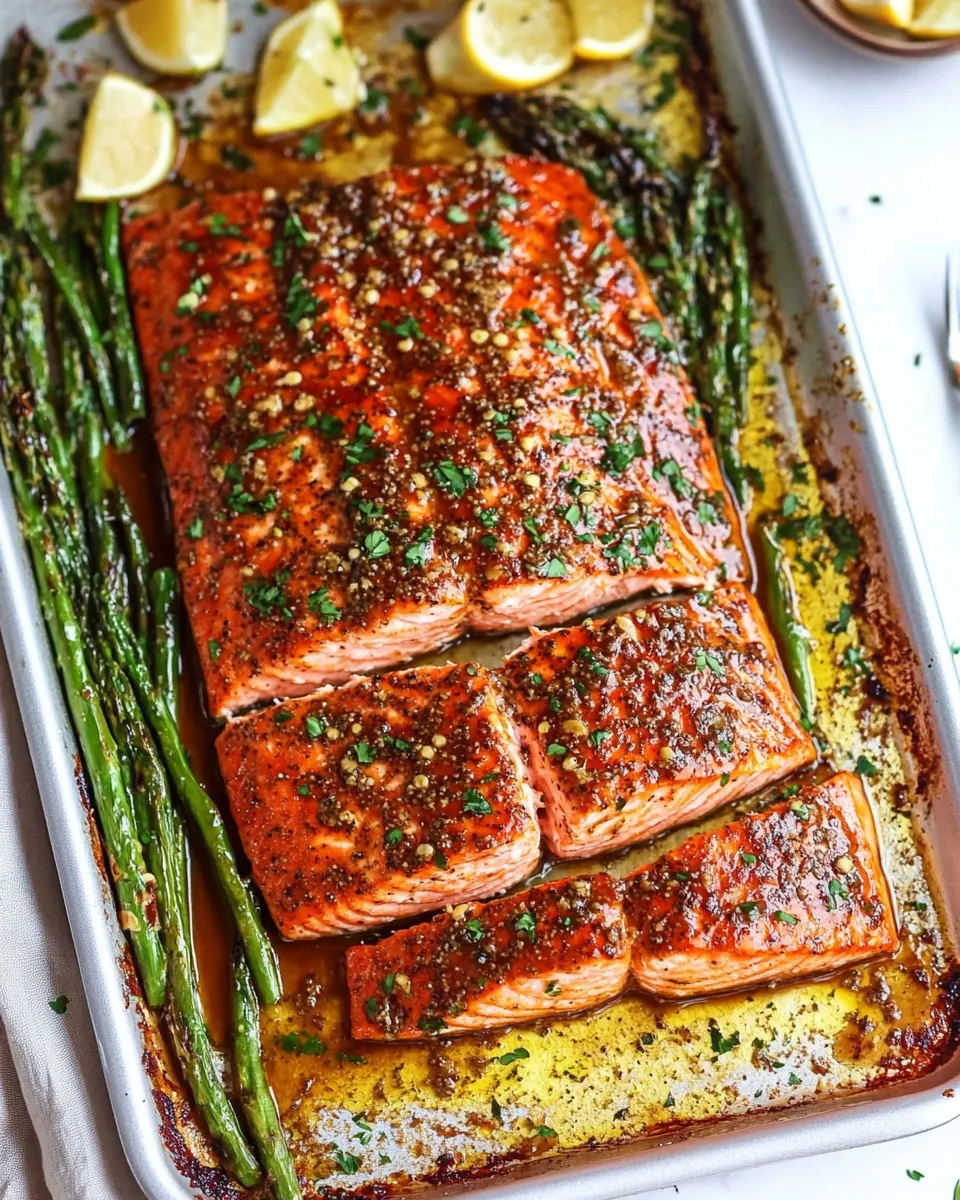
Sheet Pan Maple Dijon Glazed Salmon
Sheet Pan Maple Dijon Glazed Salmon is the kind of meal I reach for when life is full and I need something that tastes like effort without the effort. The first time I made this I was juggling a grocery run, a last minute work call, and a hungry family, and the sheet pan saved the day. I love how the glaze sings bright and warm notes against the rich, flaky salmon, while the roasted baby potatoes soak up those sticky, savory juices.
There is a comfort to arranging everything on one tray, a tidy little orchestra where each ingredient plays its part. I remember the aroma filling the kitchen as the pan went into the oven, garlic and thyme rising up with the sweetness of maple syrup. That cozy scent meant dinner would be ready soon, and everyone gathered around the table asking for seconds. Over time I refined small details, like massaging the olive oil into the asparagus and giving the glaze a touch of lemon, and those tiny choices made a big difference to texture and brightness.
I often make this recipe for weekend lunches or an easy weeknight where I want something that feels special, without fussing over multiple pots. It’s forgiving if your fillets are a little different sizes, and it’s joyous when you can broil the top for a minute to get a caramelized finish. I like to tell guests that the best part is how everything finishes together on the same pan, so the flavors mingle and the cleanup is kind to my schedule. Try it on a crisp spring evening, and you may find it becomes a new staple in your rotation.
Recipe Snapshot
45 mins
10 mins
35 mins
Medium
400 kcal
American
Paleo, Gluten-Free
Dinner
Sheet pan, Large bowl, Small bowl, Oven, Whisk, Brush
Why This Sheet Pan Maple Dijon Glazed Salmon Works
One pan, huge payoff
I love how Sheet Pan Maple Dijon Glazed Salmon delivers a full meal with minimal cleanup. Roasting everything together means the oils and glaze mingle on the tray, creating layers of flavor without extra steps. You get roasted baby potatoes with crisp edges, tender asparagus, and a sticky, caramelized finish on the salmon. For busy nights this combination is a life saver, and I often tell friends it feels luxurious yet incredibly doable.
Flavor balance that sings
The maple and whole grain Dijon mustard duet gives the salmon a sweet tang that plays beautifully with the herbaceous notes of fresh thyme and the bright zip of lemon juice. The garlic in the potatoes and asparagus grounds the dish, giving savory depth to balance the glaze. I always appreciate a recipe that hits sweet, salty, herbal, and acidic notes in one bite, and this does exactly that.
Textural variety
This is not a flat plate, it is an experience. The potatoes roast to a golden, slightly crisp finish, the asparagus becomes tender but still lively, and the salmon flakes apart with a buttery mouthfeel. Those contrasts keep each forkful interesting, and they make the dish feel like it took more time than it did, which I enjoy when hosting.
Adaptable and forgiving
I love recipes that let you improvise, and this one is flexible on cook times and pan placement. You can swap small changes depending on what you have, and the glaze is forgiving if you want it a touch sweeter or tangier. I’ve had success when fillets vary in thickness by simply positioning thicker pieces away from direct heat for a few minutes, and that kind of adaptability makes the recipe a go to for variable weeknight schedules.
Great for gathering
Whether it’s a casual family dinner or a small get together, the plate presents beautifully straight from the oven. The colors pop, the glaze looks glossy, and people appreciate the straightforward presentation. I often pair it with simple sides and it still feels like a composed, restaurant quality meal without complex plating or numerous pots to wash.
Key Ingredients for Sheet Pan Maple Dijon Glazed Salmon
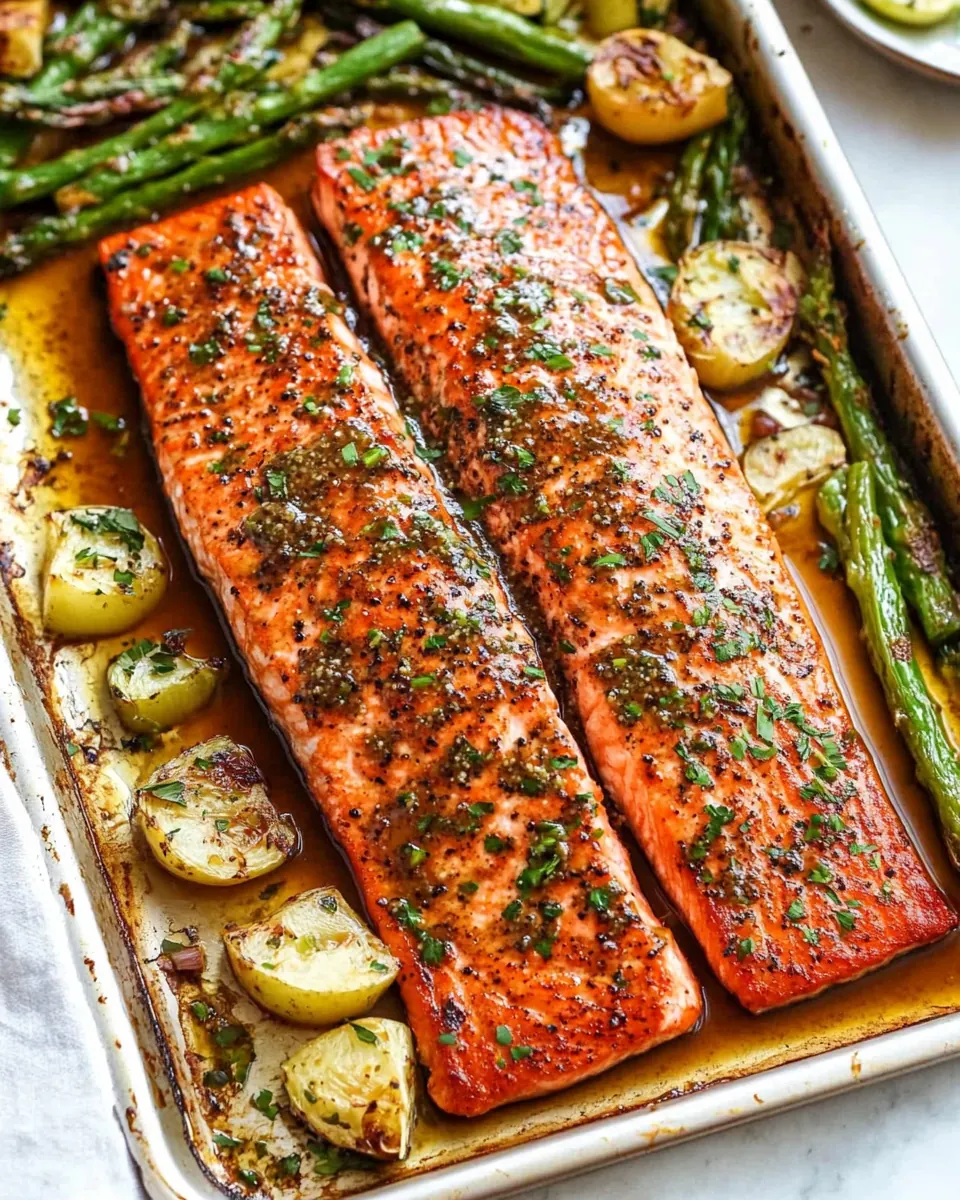
These ingredients work together like a reliable team. The starchy baby potatoes provide body and soak up pan juices, while the asparagus adds a fresh, green counterpoint. The maple and whole grain Dijon mustard create a glossy, balanced glaze for the salmon, with garlic and thyme tying everything together. Each component is chosen to complement texture, sweetness, and brightness so the finished tray feels harmonious and satisfying.
- 1 lb baby potatoes, cut in half: Halve and roast to provide a tender, earthy base and absorb pan juices; small size cooks quickly and crisps at the cut edges for texture contrast in the sheet pan meal.
- 1 tbsp olive oil: Dress the potatoes lightly to promote even browning and prevent sticking; its mild fruitiness enhances overall flavor without overpowering the other components.
- 3 cloves garlic, minced: Mince finely to infuse potatoes with pungent, aromatic flavor during roasting; provides savory depth and pairs well with thyme and olive oil for balanced seasoning.
- 2 tsp fresh thyme: Crush or strip the leaves to release citrusy, floral notes that brighten roasted potatoes; subtle woodsy flavor complements garlic and anchoring starches.
- Salt and pepper, to taste: Season to bring out natural flavors and balance sweetness from the glaze; adjust to personal taste to ensure the dish is well-rounded and not bland.
- 1 lb thin to medium asparagus, ends trimmed: Trim and arrange to roast alongside potatoes for a quick-cooking, vibrant green vegetable; thin to medium stalks become tender-crisp and add color and freshness.
- 2 tsp olive oil: Toss with asparagus to encourage caramelization and prevent sticking on the sheet pan; small amount adds shine and helps herbs and seasonings adhere.
- 2 cloves garlic, minced: Minced and scattered to add a punch of savory aroma to asparagus; quick roasting mellows sharpness while enhancing overall vegetable complexity.
- 1 tsp lemon zest: Zest to introduce bright citrus oils that lift the asparagus and cut through richness; concentrated lemon flavor provides a fresh contrast to the glaze.
- Salt and pepper, to taste: Season to enhance the natural vegetal sweetness and balance the zesty lemon and garlic; a light hand keeps asparagus flavor clean and approachable.
- 4 (6 oz) salmon fillets, fresh or frozen, thawed: Place portions to finish under a glaze and roast to flaky, tender doneness; fillet size cooks evenly on a single pan and pairs well with both potatoes and asparagus.
- 3 tbsp whole grain Dijon mustard: Whisk into the glaze to contribute tangy, robust mustard seeds that add texture and acidic balance; whole grain Dijon provides depth and savory complexity to the sauce.
- 3 tbsp maple syrup, or honey: Sweeten and caramelize when baked to create a glossy glaze that contrasts savory mustard and salmon richness; maple adds a layered, slightly smoky sweetness.
- 2 cloves garlic, minced: Mincing adds a warm, aromatic note to the glaze and ties with garlic used on vegetables; it mellows when roasted and blends seamlessly into the sauce.
- 1 tbsp lemon juice: Squeeze over or whisk into the glaze to add acidity and brightness that balances sweet maple syrup; lemon juice helps the glaze cling and cut through fish oils.
- 1 tsp fresh thyme: Chop or strip to release fragrant, herbaceous notes that echo the potatoes' seasoning; fresh thyme brings subtle earthiness that complements salmon and vegetables.
- 1/4 tsp paprika: Sprinkle to introduce a smoky warmth and enhance color on the finished glaze; paprika gives a mild depth without overwhelming the dish's other flavors.
- Salt and pepper, to taste: Season to taste to ensure the glaze and proteins are properly balanced; final salt and pepper adjustment polishes the dish and harmonizes all components.
Step by Step Guide for Sheet Pan Maple Dijon Glazed Salmon
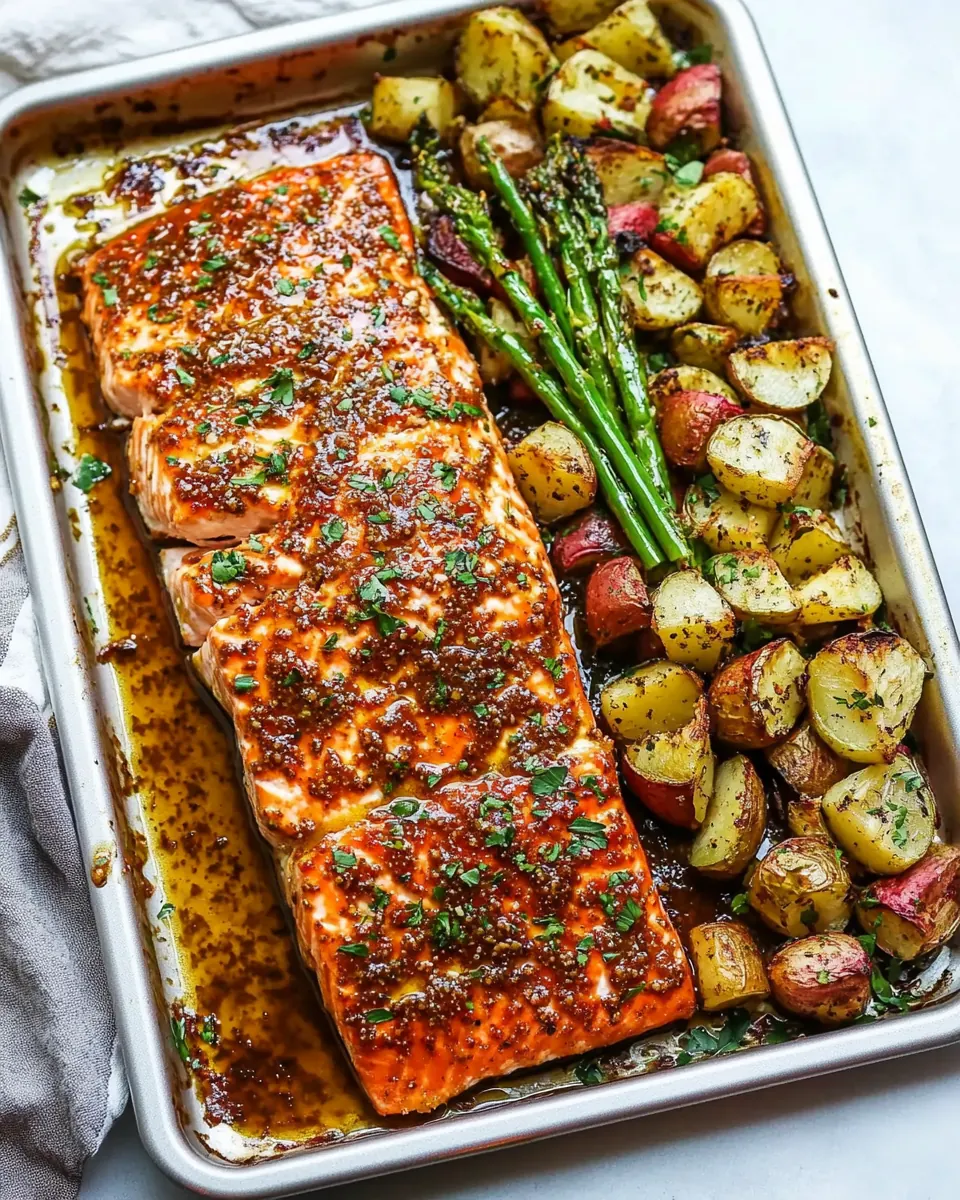
These steps walk you through the full tray roast experience, focusing on timing and sensory cues so you feel confident at each moment. Follow the sequence carefully to ensure the potatoes start first, then the vegetables and salmon join the party so everything finishes together. I’ll point out visual and olfactory cues to help you know when each element is ready.
- Preheat oven to 400 degrees F.: You will notice the oven taking a few minutes to reach this steady heat, and the warm dry air inside is essential for proper roasting. A fully preheated oven ensures the baby potatoes begin to brown on contact and the salmon cooks evenly rather than slowly steaming. If you skip this step the potatoes may become pale and sit soggy, so always wait until the temperature is stable. A common mistake is putting the tray in too early, which lengthens cook time and reduces caramelization.
- In a large bowl, toss the potatoes with olive oil, garlic and fresh thyme and season with salt and pepper. Spread them out in an even layer on a large sheet pan sprayed with nonstick spray. Roast in the oven for 20 to 25 minutes, until starting to brown.: As you toss, you should smell the bright garlic and thyme waking up in the oil, and the potatoes should look glossy but not drenched. This coating helps them brown and develop a crisp edge while their centers stay creamy. Even spacing and an even coating are important because crowded pieces steam instead of roast. Avoid adding too much oil which prevents crisping, and don’t under season the potatoes or they will taste flat compared to the glazed salmon .
- While the potatoes cook in the oven, toss asparagus with olive oil, garlic, lemon zest and salt/pepper; set aside. To make the maple dijon glaze, whisk together whole grain dijon mustard, maple syrup, garlic, lemon juice, fresh thyme and paprika in a small bowl.: When arranged, the potatoes should sit skin side down where possible so more surface touches the pan and browns. You should hear a faint sizzle as they hit the hot pan, an early sign they will crisp. Proper spacing ensures hot air circulates around each piece for even color. A mistake here is piling potatoes in clusters, resulting in uneven cooking and some pieces remaining underdone.
- Once the potatoes have cooked, push those to one side of the pan, add the asparagus to the other side of the pan and place your salmon fillets in the center. Brush the tops of the salmon with the maple dijon glaze so that each piece is evenly coated, and season with salt and pepper. Place the sheet pan back in the oven and cook for 15 more minutes, until asparagus is fork tender and salmon is cooked through. You could even pop the broiler on for the last few minutes to crisp everything up!: During roasting you’ll see the potatoes begin to turn golden and hear faint popping as moisture escapes, releasing that toasty aroma. The surface will show spots of caramelization and the edges will darken slightly, signaling they are ready for the next stage. If they are still pale after 25 minutes, check oven temperature and give them a few extra minutes, watching closely to avoid burning. Overroasting can make centers dry rather than creamy.
- To serve, sprinkle with fresh parsley and season with additional salt and pepper, as needed. Enjoy!: Tossing makes the asparagus glisten with oil and carry the lemon scent through the spears. You should be able to smell citrus and roasted garlic even before it hits the pan, and the oil will protect the spears from drying. This prep step ensures the asparagus requires only a short oven time to reach tender crisp, avoiding limp results. Over-seasoning or chopping spears unevenly can cause thin tips to overcook while thicker bases remain tough.
- To make the maple dijon glaze, whisk together whole grain dijon mustard, maple syrup, garlic, lemon juice, fresh thyme and paprika in a small bowl.: As you whisk, the glaze will thicken slightly and become glossy, with the aroma of mustard and sweet maple lifting. Taste it briefly to judge balance, adjusting lemon or mustard if it leans too sweet or too sharp. The glaze’s viscosity matters because it needs to cling to the salmon , so a watery mix will slide off during roasting. A common misstep is over diluting with lemon juice, which can make the glaze runny.
- Once the potatoes have cooked, push those to one side of the pan, add the asparagus to the other side of the pan and place your salmon fillets in the center.: Visually, this is where the tray comes together, and you should see distinct zones where each element will finish. The potatoes will continue to brown at the edges, the asparagus will roast quickly, and the salmon will cook through evenly in the central heat. Spacing matters to prevent steaming, and placing fillets too close together can interfere with even browning. Avoid crowding to keep textures distinct.
- Brush the tops of the salmon with the maple dijon glaze so that each piece is evenly coated, and season with salt and pepper.: When you brush, the glaze will shine and cling to the fish, and the surface should look lacquered. This coating caramelizes in the oven, creating glossy, slightly sticky patches that hold herbs and spices. Lightly seasoning after glazing helps maintain balance because the glaze softens salt perception. A pitfall is over glazing, which can lead to excessive sweetness; aim for an even thin coat for the best finish.
- Place the sheet pan back in the oven and cook for 15 more minutes, until asparagus is fork tender and salmon is cooked through.: During this final roast you’ll witness the asparagus soften with bright green color and the salmon become opaque and flaky. Use a fork to test the salmon at the thickest part for flakiness and check the asparagus by piercing near the tips. The glaze should have deepened in color but not burned. A usual misstep is overcooking the salmon , which dries the flesh, so begin checking a few minutes early if your fillets are thin.
- You could even pop the broiler on for the last few minutes to crisp everything up!: Under the broiler you will see quick caramelization and hear subtle crackles as sugars brown, creating attractive spots of color and a slightly crisped surface. Keep the oven door ajar only if your broiler instructions allow and watch constantly because broiling works fast and can char food within moments. A common error is stepping away during broiling, which risks burning the glaze and losing the nuanced sweet savory balance.
- To serve, sprinkle with fresh parsley and season with additional salt and pepper, as needed. Enjoy!: The final garnish adds a fresh herbaceous pop and a color contrast that makes the plate inviting. Taste a piece of each component together so the seasoning is harmonious, and add a small pinch of salt if anything feels muted. Serve immediately to enjoy the textural contrasts at their peak; letting the tray sit too long will soften the crisp edges and flatten flavors.
Substitutions and Tips
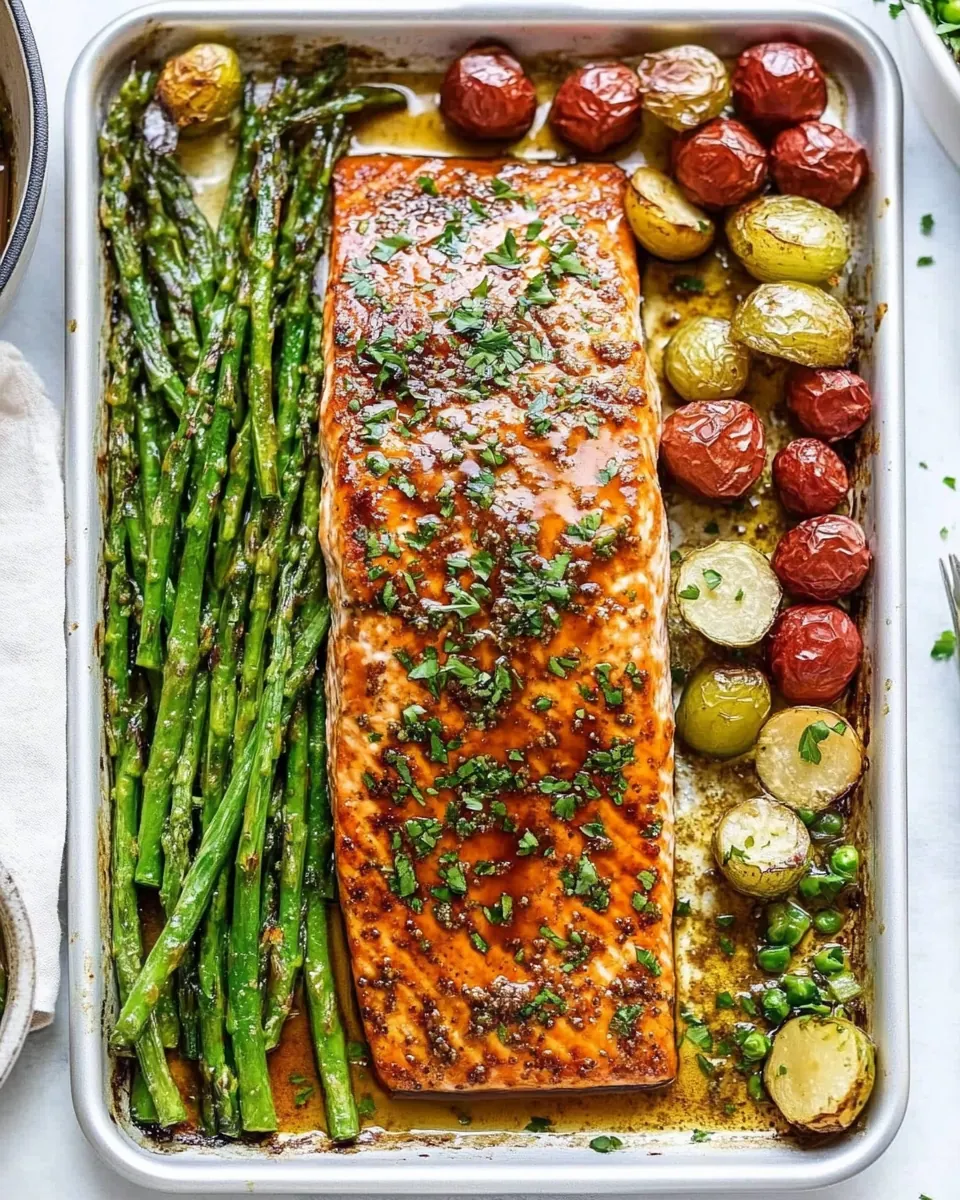
This section collects practical notes and ways to make the recipe fit your pantry or palate, plus pointers to improve texture and timing. Read each tip and consider which small adjustment best matches your ingredients and oven behavior.
- Glaze balance: If your maple syrup tastes intense, add an extra teaspoon of lemon juice or whole grain Dijon mustard to brighten and cut sweetness without changing the overall character.
- Salmon thickness: For thicker fillets, extend the final roasting time by a few minutes and position thicker pieces slightly away from the edge of the pan so they cook through without the thinner pieces overcooking.
- Potato crisping: Give the potatoes a single layer and avoid overcrowding; if you need more space, use two pans so each piece can develop a golden crust rather than steam under crowded conditions.
- Garlic timing: If you prefer milder garlic flavor, reduce the amount in the glaze and increase the garlic for the potatoes, so the vegetable base carries more savory depth while the fish keeps a gentle undertone.
- Broiling caution: When broiling to finish, move the rack a safe distance from the element and watch constantly for up to two minutes, because the sugars in the glaze brown very quickly and can burn if left unattended.
Side Dish Ideas for Sheet Pan Maple Dijon Glazed Salmon
These serving suggestions help present the tray roast as a complete meal and show how to adjust pairings for occasions from casual lunches to special dinners. The list below offers options for seasonal sides, storage ideas, and practical serving styles to match different moments.
- Light green salad: Serve with a simple mixed leaf salad dressed with lemon and olive oil to add a crisp, refreshing contrast to the warm tray components.
- Couscous or quinoa: Offer a fluffy grain as a base to soak up pan juices, perfect for feeding a crowd or turning leftovers into a hearty bowl for lunch the next day.
- Steamed rice: A neutral bed like steamed rice complements the glaze without competing, making the meal approachable for family dinners and picky eaters.
- Seasonal occasions: This dish fits spring gatherings and relaxed dinner parties; its bright lemon and herb notes pair well with outdoor meals and lighter menus.
- Storage tips: Refrigerate leftovers in an airtight container for up to three days; reheat gently in a low oven to preserve texture, or serve cold over a salad for a quick lunch.
- Ramadan and fasting meals: The tray roast offers nutrient dense protein and vegetables that work well for iftar when served with comforting grains and a fresh salad to replenish energy.
- Presentation style: Serve straight from the pan family style for casual meals, or plate individually with a bed of grains and a lemon wedge for more formal dinners.
FAQ
Conclusion
What makes this recipe special is the way a simple sheet pan yields a balanced, flavorful meal with minimal fuss. The interplay between sticky maple Dijon glaze, herb roasted potatoes, and bright asparagus creates a satisfying plate that looks and tastes like effort without demanding it. I encourage you to give it a try on a busy weeknight or for a casual weekend dinner, and notice how little prep and cleanup let you spend more time with the people at your table. It’s a dependable, crowd pleasing dish that will likely find a regular spot in your meal rotation.
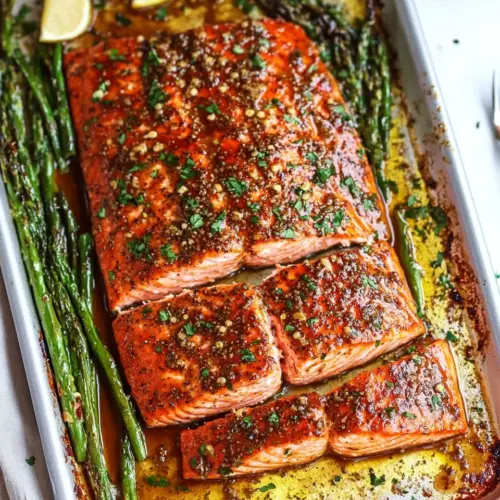
Sheet Pan Maple Dijon Glazed Salmon
Equipment
- Sheet Pan
- Large Bowl
- Small Bowl
- Oven
- Whisk
- Brush
Ingredients
- 1 lb baby potatoes, cut in half Halve and roast to provide a tender, earthy base and absorb pan juices; small size cooks quickly and crisps at the cut edges for texture contrast in the sheet pan meal.
- 1 tbsp olive oil Dress the potatoes lightly to promote even browning and prevent sticking; its mild fruitiness enhances overall flavor without overpowering the other components.
- 3 cloves garlic, minced Mince finely to infuse potatoes with pungent, aromatic flavor during roasting; provides savory depth and pairs well with thyme and olive oil for balanced seasoning.
- 2 tsp fresh thyme Crush or strip the leaves to release citrusy, floral notes that brighten roasted potatoes; subtle woodsy flavor complements garlic and anchoring starches.
- Salt and pepper, to taste Season to bring out natural flavors and balance sweetness from the glaze; adjust to personal taste to ensure the dish is well-rounded and not bland.
- 1 lb thin to medium asparagus, ends trimmed Trim and arrange to roast alongside potatoes for a quick-cooking, vibrant green vegetable; thin to medium stalks become tender-crisp and add color and freshness.
- 2 tsp olive oil Toss with asparagus to encourage caramelization and prevent sticking on the sheet pan; small amount adds shine and helps herbs and seasonings adhere.
- 2 cloves garlic, minced Minced and scattered to add a punch of savory aroma to asparagus; quick roasting mellows sharpness while enhancing overall vegetable complexity.
- 1 tsp lemon zest Zest to introduce bright citrus oils that lift the asparagus and cut through richness; concentrated lemon flavor provides a fresh contrast to the glaze.
- Salt and pepper, to taste Season to enhance the natural vegetal sweetness and balance the zesty lemon and garlic; a light hand keeps asparagus flavor clean and approachable.
- 4 (6 oz) salmon fillets, fresh or frozen, thawed Place portions to finish under a glaze and roast to flaky, tender doneness; fillet size cooks evenly on a single pan and pairs well with both potatoes and asparagus.
- 3 tbsp whole grain Dijon mustard Whisk into the glaze to contribute tangy, robust mustard seeds that add texture and acidic balance; whole grain Dijon provides depth and savory complexity to the sauce.
- 3 tbsp maple syrup, or honey Sweeten and caramelize when baked to create a glossy glaze that contrasts savory mustard and salmon richness; maple adds a layered, slightly smoky sweetness.
- 2 cloves garlic, minced Mincing adds a warm, aromatic note to the glaze and ties with garlic used on vegetables; it mellows when roasted and blends seamlessly into the sauce.
- 1 tbsp lemon juice Squeeze over or whisk into the glaze to add acidity and brightness that balances sweet maple syrup; lemon juice helps the glaze cling and cut through fish oils.
- 1 tsp fresh thyme Chop or strip to release fragrant, herbaceous notes that echo the potatoes' seasoning; fresh thyme brings subtle earthiness that complements salmon and vegetables.
- 1/4 tsp paprika Sprinkle to introduce a smoky warmth and enhance color on the finished glaze; paprika gives a mild depth without overwhelming the dish's other flavors.
- Salt and pepper, to taste Season to taste to ensure the glaze and proteins are properly balanced; final salt and pepper adjustment polishes the dish and harmonizes all components.
Instructions
- Preheat oven to 400 degrees F.: You will notice the oven taking a few minutes to reach this steady heat, and the warm dry air inside is essential for proper roasting. A fully preheated oven ensures the baby potatoes begin to brown on contact and the salmon cooks evenly rather than slowly steaming. If you skip this step the potatoes may become pale and sit soggy, so always wait until the temperature is stable. A common mistake is putting the tray in too early, which lengthens cook time and reduces caramelization.
- In a large bowl, toss the potatoes with olive oil, garlic and fresh thyme and season with salt and pepper. Spread them out in an even layer on a large sheet pan sprayed with nonstick spray. Roast in the oven for 20 to 25 minutes, until starting to brown.: As you toss, you should smell the bright garlic and thyme waking up in the oil, and the potatoes should look glossy but not drenched. This coating helps them brown and develop a crisp edge while their centers stay creamy. Even spacing and an even coating are important because crowded pieces steam instead of roast. Avoid adding too much oil which prevents crisping, and don’t under season the potatoes or they will taste flat compared to the glazed salmon .
- While the potatoes cook in the oven, toss asparagus with olive oil, garlic, lemon zest and salt/pepper; set aside. To make the maple dijon glaze, whisk together whole grain dijon mustard, maple syrup, garlic, lemon juice, fresh thyme and paprika in a small bowl.: When arranged, the potatoes should sit skin side down where possible so more surface touches the pan and browns. You should hear a faint sizzle as they hit the hot pan, an early sign they will crisp. Proper spacing ensures hot air circulates around each piece for even color. A mistake here is piling potatoes in clusters, resulting in uneven cooking and some pieces remaining underdone.
- Once the potatoes have cooked, push those to one side of the pan, add the asparagus to the other side of the pan and place your salmon fillets in the center. Brush the tops of the salmon with the maple dijon glaze so that each piece is evenly coated, and season with salt and pepper. Place the sheet pan back in the oven and cook for 15 more minutes, until asparagus is fork tender and salmon is cooked through. You could even pop the broiler on for the last few minutes to crisp everything up!: During roasting you’ll see the potatoes begin to turn golden and hear faint popping as moisture escapes, releasing that toasty aroma. The surface will show spots of caramelization and the edges will darken slightly, signaling they are ready for the next stage. If they are still pale after 25 minutes, check oven temperature and give them a few extra minutes, watching closely to avoid burning. Overroasting can make centers dry rather than creamy.
- To serve, sprinkle with fresh parsley and season with additional salt and pepper, as needed. Enjoy!: Tossing makes the asparagus glisten with oil and carry the lemon scent through the spears. You should be able to smell citrus and roasted garlic even before it hits the pan, and the oil will protect the spears from drying. This prep step ensures the asparagus requires only a short oven time to reach tender crisp, avoiding limp results. Over-seasoning or chopping spears unevenly can cause thin tips to overcook while thicker bases remain tough.
- To make the maple dijon glaze, whisk together whole grain dijon mustard, maple syrup, garlic, lemon juice, fresh thyme and paprika in a small bowl.: As you whisk, the glaze will thicken slightly and become glossy, with the aroma of mustard and sweet maple lifting. Taste it briefly to judge balance, adjusting lemon or mustard if it leans too sweet or too sharp. The glaze’s viscosity matters because it needs to cling to the salmon , so a watery mix will slide off during roasting. A common misstep is over diluting with lemon juice, which can make the glaze runny.
- Once the potatoes have cooked, push those to one side of the pan, add the asparagus to the other side of the pan and place your salmon fillets in the center.: Visually, this is where the tray comes together, and you should see distinct zones where each element will finish. The potatoes will continue to brown at the edges, the asparagus will roast quickly, and the salmon will cook through evenly in the central heat. Spacing matters to prevent steaming, and placing fillets too close together can interfere with even browning. Avoid crowding to keep textures distinct.
- Brush the tops of the salmon with the maple dijon glaze so that each piece is evenly coated, and season with salt and pepper.: When you brush, the glaze will shine and cling to the fish, and the surface should look lacquered. This coating caramelizes in the oven, creating glossy, slightly sticky patches that hold herbs and spices. Lightly seasoning after glazing helps maintain balance because the glaze softens salt perception. A pitfall is over glazing, which can lead to excessive sweetness; aim for an even thin coat for the best finish.
- Place the sheet pan back in the oven and cook for 15 more minutes, until asparagus is fork tender and salmon is cooked through.: During this final roast you’ll witness the asparagus soften with bright green color and the salmon become opaque and flaky. Use a fork to test the salmon at the thickest part for flakiness and check the asparagus by piercing near the tips. The glaze should have deepened in color but not burned. A usual misstep is overcooking the salmon , which dries the flesh, so begin checking a few minutes early if your fillets are thin.
- You could even pop the broiler on for the last few minutes to crisp everything up!: Under the broiler you will see quick caramelization and hear subtle crackles as sugars brown, creating attractive spots of color and a slightly crisped surface. Keep the oven door ajar only if your broiler instructions allow and watch constantly because broiling works fast and can char food within moments. A common error is stepping away during broiling, which risks burning the glaze and losing the nuanced sweet savory balance.
- To serve, sprinkle with fresh parsley and season with additional salt and pepper, as needed. Enjoy!: The final garnish adds a fresh herbaceous pop and a color contrast that makes the plate inviting. Taste a piece of each component together so the seasoning is harmonious, and add a small pinch of salt if anything feels muted. Serve immediately to enjoy the textural contrasts at their peak; letting the tray sit too long will soften the crisp edges and flatten flavors.
Notes
- Glaze balance: If your maple syrup tastes intense, add an extra teaspoon of lemon juice or whole grain Dijon mustard to brighten and cut sweetness without changing the overall character.
- Salmon thickness: For thicker fillets, extend the final roasting time by a few minutes and position thicker pieces slightly away from the edge of the pan so they cook through without the thinner pieces overcooking.
- Potato crisping: Give the potatoes a single layer and avoid overcrowding; if you need more space, use two pans so each piece can develop a golden crust rather than steam under crowded conditions.
- Garlic timing: If you prefer milder garlic flavor, reduce the amount in the glaze and increase the garlic for the potatoes, so the vegetable base carries more savory depth while the fish keeps a gentle undertone.
- Broiling caution: When broiling to finish, move the rack a safe distance from the element and watch constantly for up to two minutes, because the sugars in the glaze brown very quickly and can burn if left unattended.