Leftover Prime Rib Hash
Leftover Prime Rib Hash is the sort of dish I reach for when the week has been long and I want something comforting, honest, and quick. The first time I made this, I was staring at a small tray of leftover prime rib after a holiday dinner, and I knew it deserved more than a lonely life between slices. I chopped the meat, pulled out some potatoes, and within half an hour we had a skillet dinner that felt celebratory and familiar at once.
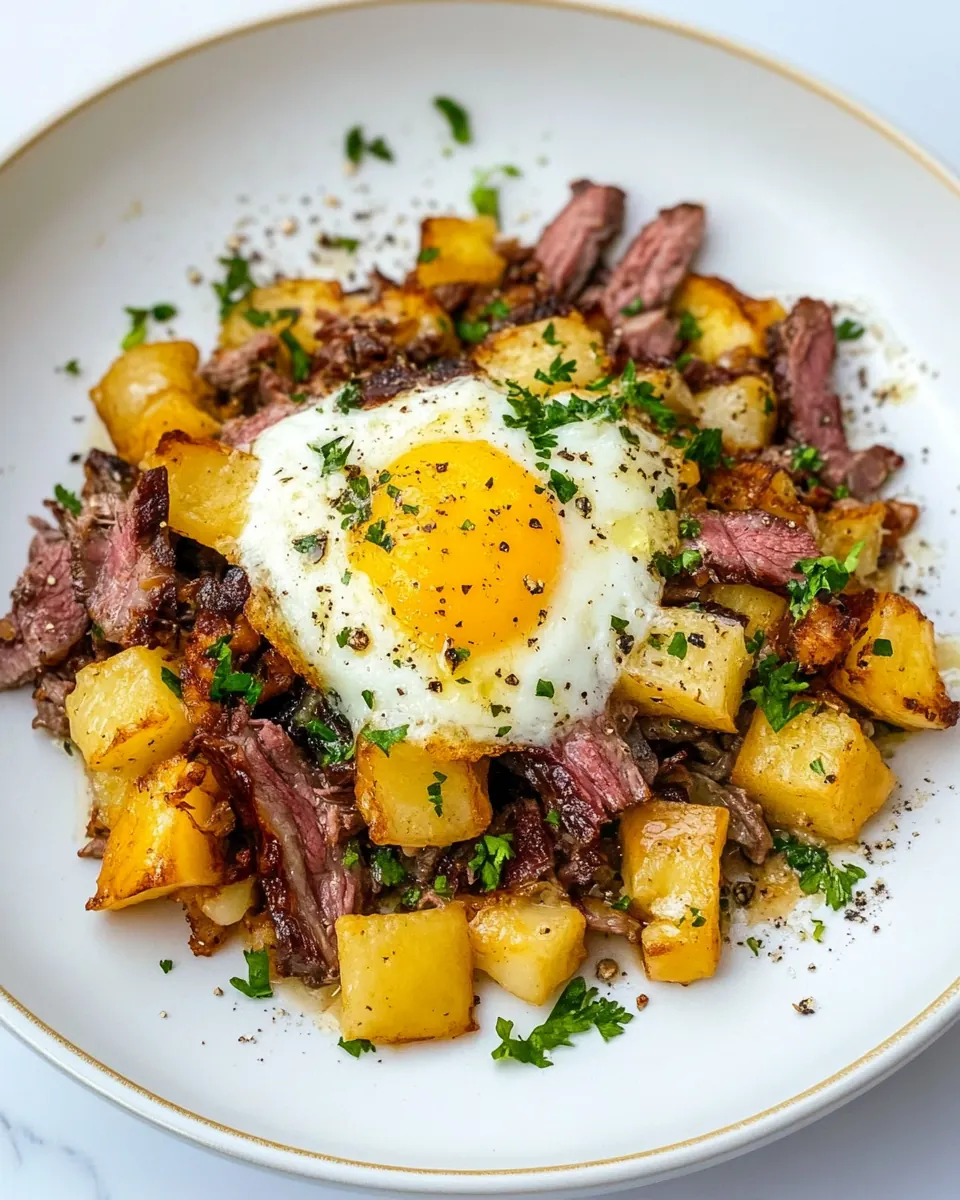
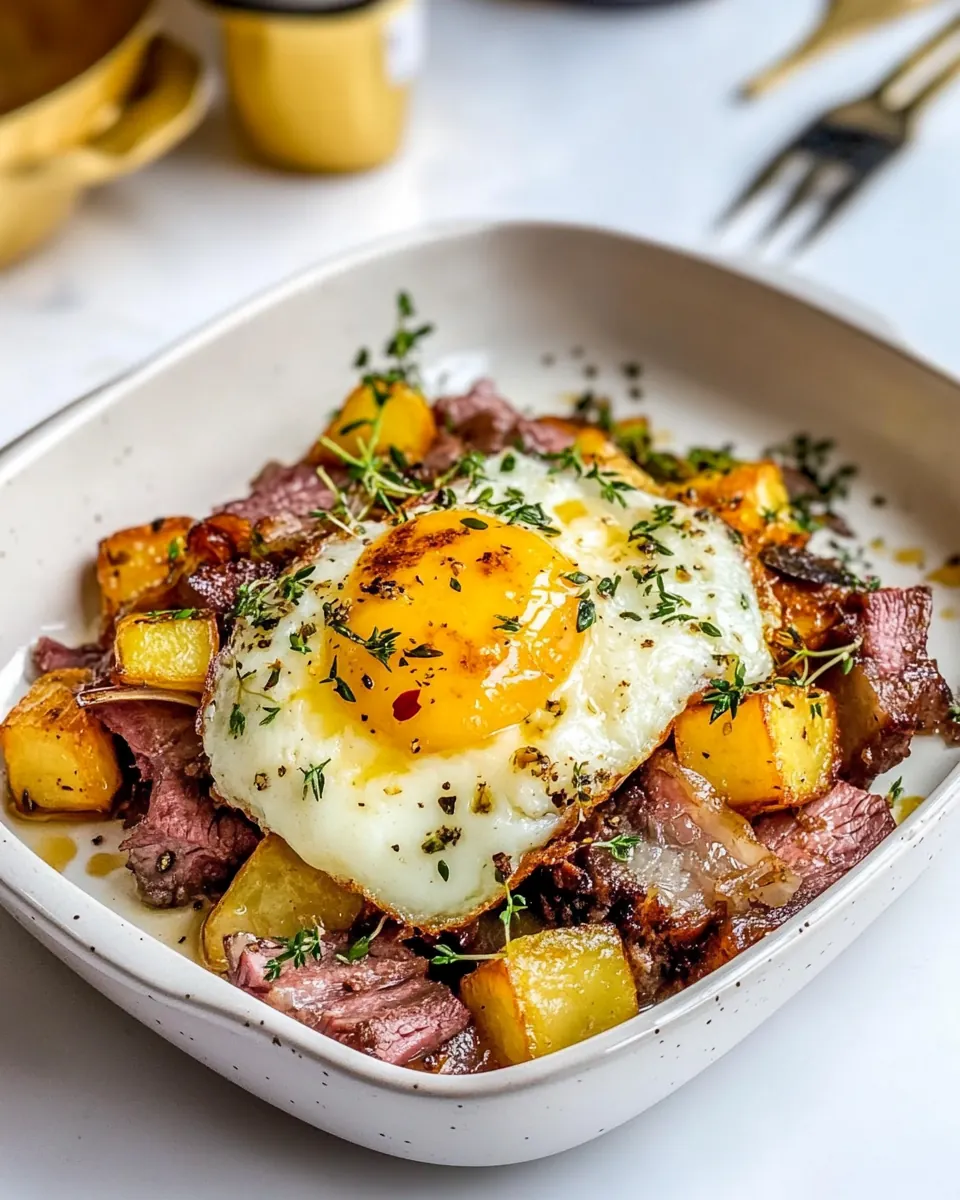
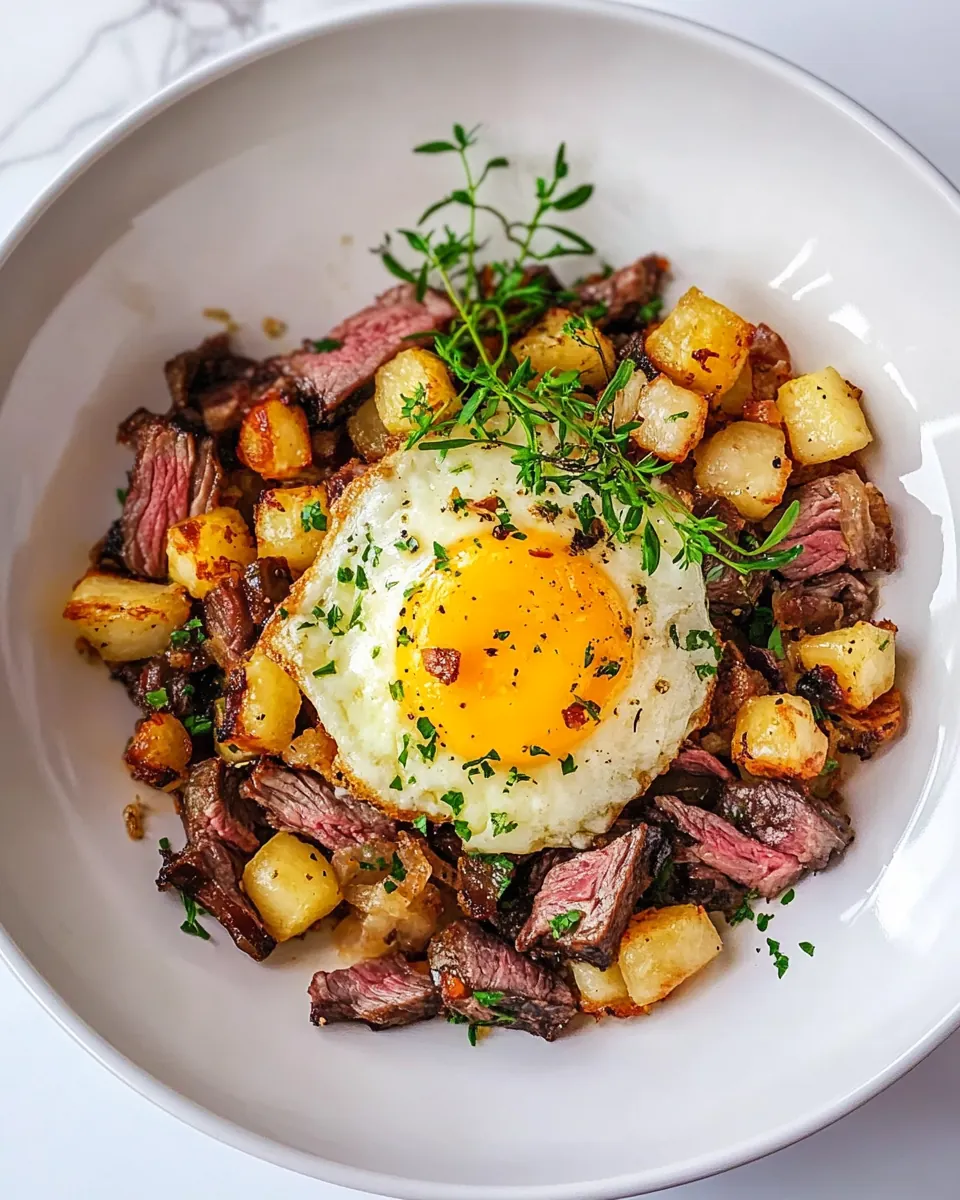
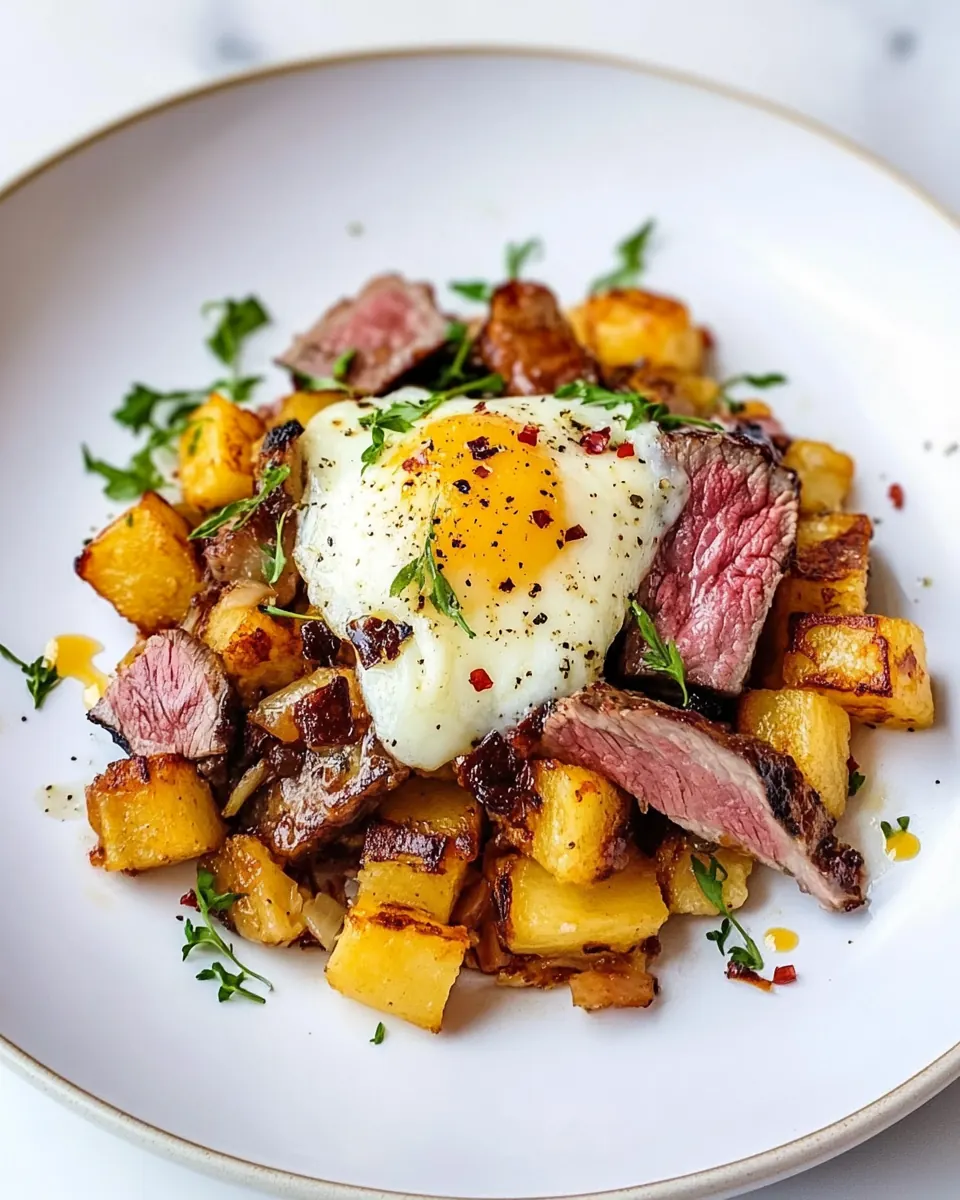
There is a particular joy in turning leftovers into a new story, and Leftover Prime Rib Hash does that beautifully. I like how the crisp edges of pan seared potatoes play against the tender ribbons of prime rib, and the caramelized onion brings a sweetness that ties everything together. I often serve it with a runny egg on top, which adds silkiness when it breaks, and a scatter of bright parsley for freshness. It’s the kind of meal that makes you lean in and savor the moment.
When I cook this, I don’t overthink plating. A hot skillet, a scoop of the hash, and a glossy egg melting into the nooks of the potatoes is all it needs. The method is flexible, so if you prefer to nestle the eggs into wells and finish in the oven, that works too. Over the years I’ve learned the little cues that make it sing, like letting the potatoes develop a deep golden crust and warming the sliced prime rib only briefly so it stays juicy. That balance between crisp and tender is what keeps me coming back to this recipe.
Recipe Snapshot
30 mins
10 mins
20 mins
Medium
450 kcal
American
Gluten-Free, Low FODMAP
Dinner
Medium pot, Large cast iron skillet, Colander, Small glass (for wells)
The Charm of This Leftover Prime Rib Hash
Comfort from Leftovers
I love how Leftover Prime Rib Hash transforms last night’s extravagance into a no fuss meal. Instead of reheating slices, you get new textures, and that repurposing fills me with creative satisfaction. The savory depth of the prime rib gives the hash a luxurious backbone that feels special for a weekday dinner.
Speed without Sacrifice
This recipe is reliably fast, which is why I return to it when time is tight. With a short parboil and a hot skillet, you get tender interiors and crisp exteriors in minutes. I appreciate recipes that reward a bit of attention at the stove rather than hours in the oven, and this one delivers a rich result quickly.
Layered Textures and Flavors
The interplay between the soft, steaming centers of the potatoes, the crunchy browned bits, the silky melted butter, and the caramelized onion is irresistible. Add the slightly chilled, tender prime rib warmed at the end, and you get contrast in every bite. I often think of meals as a conversation between textures, and this hash speaks confidently.
Flexible Serving Options
I enjoy the options here, from plating with a fried egg on top to baking eggs directly in wells in the skillet. That flexibility makes the dish suitable for breakfast, brunch, or dinner, and I can adapt it to what’s in the fridge. You can keep it rustic or dress it up with a sprinkle of fresh parsley.
Minimal, Quality Ingredients
What makes this dish stand out is how a few good ingredients work together. Simple pantry staples like olive oil, butter, and salt allow the flavor of the prime rib to shine. When I cook this, I’m reminded that delicious food doesn’t need a long ingredient list, just attention and technique.
Shopping List for Leftover Prime Rib Hash
I treat the ingredient list like a short playlist, where every player has a distinct role. The potatoes provide body and crisping potential, while the prime rib adds savory depth. A little butter and olive oil give richness and help with browning, and the onion brings sweet notes that balance the meat. Fresh parsley and a soft egg finish the dish with brightness and silk.
Below, you’ll find each ingredient from my original list, followed by a short description so you know why it matters and how to choose it.
- 2 cups potatoes diced: Diced to small, even cubes to create a crispy exterior while becoming tender inside; provides the starchy base and bulk of the hash, absorbing flavors from meat and aromatics as it cooks.
- 1 tablespoon olive oil: Used to coat the pan and help vegetables and potatoes brown evenly; imparts a light fruity flavor and helps prevent sticking without overpowering other fats.
- 2 tablespoons butter: Added for richness and to encourage browning and a silky mouthfeel; blends with oil to carry flavors and create golden, slightly caramelized edges on ingredients.
- 1 medium onion finely diced: Finely diced to mellow its sharpness and release sweet, aromatic flavors; builds savory depth and complements the richness of the prime rib when sautéed until translucent or lightly browned.
- salt to taste: Seasoned to taste to enhance and balance all other flavors; helps bring out the natural sweetness of potatoes and onions while seasoning the prime rib and eggs.
- black pepper to taste: Ground to taste to add mild heat and complexity; brightens savory components and provides a subtle background bite that lifts the overall dish.
- 2 cups prime rib cooked (leftover), thinly sliced: Thinly sliced from leftover cooked roast to contribute meaty flavor, texture, and savory umami; mixed into the hash to warm through and slightly caramelize, adding concentrated beefy richness.
- parsley fresh, chopped, for garnish: Chopped fresh to sprinkle over the finished dish and add a bright herbaceous note; contrasts richness with a clean, slightly peppery freshness and improves visual appeal.
- 4 large eggs cooked, sunny side up, fried or poached: Cooked sunny side up, fried, or poached to provide a rich, runny yolk that enriches the hash when broken; adds protein and a luxurious, silky sauce-like element when served atop the hot hash.
The Method for Leftover Prime Rib Hash
I like to think of this section as a conversation at the stove. The directions below follow the original steps, expanded so you can hear the sizzle and see the color changes I look for. I’ll walk you through the sensory cues and common pitfalls so each step feels intuitive.
- Place diced potatoes in a medium pot and cover with water. Bring to a boil and boil for about 10 minutes or until just fork tender.: Warm, slightly salted water should just cover the potatoes , and as they come to a simmer you will notice tiny bubbles rising from the bottom. This gentle boil helps the interiors soften so later you can crisp the outsides without waiting too long. A common trouble is dropping very cold potatoes into high heat water and then rapidly overcooking the exterior while the inside remains hard, so start with room temperature water if you can.
- Drain potatoes and set aside.: Watch for the moment when a fork slides into a cube with just the right amount of resistance, indicating they are fork tender. The steam will smell faintly earthy and the texture should be soft but intact. If you boil too long the pieces will break apart in the skillet, which makes it harder to get crisp edges, so test early and often starting at around eight minutes.
- Heat a large cast iron skillet over medium heat and add oil and butter.: Drain immediately and let the potatoes sit in the colander so excess steam escapes, preventing them from getting soggy. You might shake the colander gently to roughen the surfaces, which helps create more surface area for browning later. Leaving them wet will steam them in the skillet, so dryness is your friend here.
- Add diced onions and slowly cook until they begin to caramelize, about 10 minutes.: As the olive oil shimmers and the butter melts into it, you will smell a faint nuttiness from the butter mixed with the oil. The combination helps raise the smoking point while maintaining flavor. If you let the pan get too hot the butter will brown and burn quickly, creating bitter notes, so keep the flame at medium and adjust as needed.
- Stir in potatoes and cook until potatoes begin to brown, stirring and flipping occasionally. Season with salt and black pepper.: You want the onion to turn translucent, then golden, then seeded with darker flecks. The aroma will shift from sharp to sweet and almost nutty. Stir occasionally so they brown evenly, and lower the heat if they begin to blacken too fast. The mistake I see most is rushing this with high heat, which yields uneven, burnt pieces rather than the soft sweetness we want.
- Add sliced prime rib at the end, cooking just until warmed through.: When the potatoes hit the skillet, you should hear a steady sizzle as their edges contact the hot fat. Give them space so they can brown, flipping pockets to expose new surfaces. The scent will go from buttery to toasty and the color will deepen to a warm gold. Seasoning early helps build flavor, but taste before adding more, because the prime rib will also bring saltiness.
- Remove from heat, garnish with fresh chopped parsley and serve hot with sunny side up egg on top of each serving.: Slide in the thin slices of prime rib , and let the residual heat gently warm them, which preserves a tender bite and prevents drying. You may hear a softer sizzle as the meat meets the pan, and the aroma will become richly beefy. Overcooking here toughens the prime rib , so keep your contact time brief, just until warmed.
- Alternatively, you can place a few wells in the hash with the bottom of a small glass and crack the eggs right into the skillet. Bake in the oven at 350° F until desired doneness is achieved (10-20 minutes). I prefer a super runny yolk, so I like to cook them separately.: The final plate should be steaming, with flecks of green parsley and a glossy egg perched on top. Breaking the yolk will create a silky sauce that threads through the hash, adding richness and cohesion. Serve immediately; letting it sit will reduce the contrast between crisp and tender.
- Alternatively, you can place a few wells in the hash with the bottom of a small glass and crack the eggs right into the skillet: If you choose to bake the eggs in wells, the surface of the hash will bubble around the edges and the eggs will set while the bottoms crisp slightly. The oven method provides gentle, even heat and allows hands off finishing. A common issue is not making wells deep enough, which causes the eggs to spread and cook unevenly.
- Bake in the oven at 350° F until desired doneness is achieved (10 to 20 minutes): The oven will give a soft, even set to the eggs while keeping the hash warm. Expect a faint roasted aroma and slightly drier surface compared to stovetop eggs. Check early if you prefer runny yolks, and remember that residual heat continues to cook after you remove the skillet, so aim for slightly less than your ideal finish time.
- I prefer a super runny yolk, so I like to cook them separately: Cooking eggs in a separate pan ensures precise control, yielding a lusciously runny yolk when you want it. Frying or poaching separately also lets you manage the texture independently from the hash, which can be especially helpful when serving multiple people with different preferences. The main pitfall is timing, so coordinate the finishing of the eggs with the hash so everything is hot together.
Ways to Adapt This Recipe
This recipe is forgiving and ideal for improvisation. Below are detailed, practical tips that expand on the original notes and help you adapt the dish for time, texture, and flavor preferences.
- Use different potato textures If you prefer a fluffier interior, choose russet potatoes and dice slightly larger. For a creamier bite with more waxy hold, use Yukon Golds. Adjust parboil times accordingly so the pieces hold shape during browning.
- Control the crisp factor To maximize crust, pat the potatoes very dry after boiling and make sure the skillet is hot before you add them. Work in batches if needed so each piece has direct contact with the pan surface.
- Adjust egg finishing If you want a hands off method for multiple servings, create wells and bake the eggs at 350° F until set. For precise runny yolks, fry or poach eggs separately and add them to plates just before serving.
- Season thoughtfully Since the prime rib may already be salted, add a portion of the salt early and finish seasoning after the meat is added. Taste before serving so you do not over salt the dish.
- Warm the meat gently Add the sliced prime rib just long enough to take the chill off. Overheating will firm the meat and diminish its tenderness, so brief contact with the pan is ideal.
- Herb finishing Scatter fresh chopped parsley right before serving for brightness. Chopped herbs lose vibrancy with heat, so add them at the end for visual and flavor impact.
Side Dish Ideas for Leftover Prime Rib Hash
This hash stands well on its own, yet a few smart accompaniments can lift the meal. Below I outline serving contexts and pairings, with practical tips for storage and seasonal choices. Use these ideas for casual breakfasts, hearty dinners, or brunch gatherings.
- Light salad for balance Pair the hash with a simple green salad dressed with lemon and olive oil to cut through the richness. Crisp greens provide contrast to the warm, savory hash and make the plate feel lighter.
- Roasted vegetables for a heartier meal Serve alongside roasted root vegetables if you want a more substantial dinner. The caramelized notes of roasted carrots or parsnips echo the browned onion and create a cohesive flavor profile.
- Casual brunch spread Offer eggs cooked multiple ways, toast, and fruit to turn this into a brunch centerpiece. Guests can customize their plate with runny yolks or fully set eggs, which keeps everyone happy.
- Holiday leftover solution After a celebratory meal, transform remaining slices of prime rib into a family friendly hash for a relaxed next day feast. It’s economical and nostalgic, and it reduces food waste.
- Storage and reheating Store leftovers in an airtight container in the fridge for up to three days. Reheat in a skillet over medium to revive crisp edges rather than microwaving, which will make the potatoes soggy.
- Seasonal pairings In winter, serve with a hot, peppery chimichurri style herb drizzle or a warm apple salad on the side to add brightness. Seasonal produce can help the plate feel timely and balanced.
FAQ
Conclusion
Leftover Prime Rib Hash shines because it turns simple, high quality leftovers into a humble yet celebratory skillet meal. The combination of crisped potatoes, caramelized onion, and tender prime rib topped with a glossy egg creates comfort and brightness in every bite. Give it a try the next time you have leftover roast beef, and enjoy how a small effort at the stove can produce a satisfying, memorable plate. It’s a recipe that rewards attention and tastes like you made something special without fuss.
Leftover Prime Rib Hash
Equipment
- Medium Pot
- Large Cast Iron Skillet
- Colander
- Small glass (for wells)
Ingredients
- 2 cups potatoes diced Diced to small, even cubes to create a crispy exterior while becoming tender inside; provides the starchy base and bulk of the hash, absorbing flavors from meat and aromatics as it cooks.
- 1 tablespoon olive oil Used to coat the pan and help vegetables and potatoes brown evenly; imparts a light fruity flavor and helps prevent sticking without overpowering other fats.
- 2 tablespoons butter Added for richness and to encourage browning and a silky mouthfeel; blends with oil to carry flavors and create golden, slightly caramelized edges on ingredients.
- 1 medium onion finely diced Finely diced to mellow its sharpness and release sweet, aromatic flavors; builds savory depth and complements the richness of the prime rib when sautéed until translucent or lightly browned.
- salt to taste Seasoned to taste to enhance and balance all other flavors; helps bring out the natural sweetness of potatoes and onions while seasoning the prime rib and eggs.
- black pepper to taste Ground to taste to add mild heat and complexity; brightens savory components and provides a subtle background bite that lifts the overall dish.
- 2 cups prime rib cooked (leftover), thinly sliced Thinly sliced from leftover cooked roast to contribute meaty flavor, texture, and savory umami; mixed into the hash to warm through and slightly caramelize, adding concentrated beefy richness.
- parsley fresh, chopped, for garnish Chopped fresh to sprinkle over the finished dish and add a bright herbaceous note; contrasts richness with a clean, slightly peppery freshness and improves visual appeal.
- 4 large eggs cooked, sunny side up, fried or poached Cooked sunny side up, fried, or poached to provide a rich, runny yolk that enriches the hash when broken; adds protein and a luxurious, silky sauce-like element when served atop the hot hash.
Instructions
- Place diced potatoes in a medium pot and cover with water. Bring to a boil and boil for about 10 minutes or until just fork tender.: Warm, slightly salted water should just cover the potatoes , and as they come to a simmer you will notice tiny bubbles rising from the bottom. This gentle boil helps the interiors soften so later you can crisp the outsides without waiting too long. A common trouble is dropping very cold potatoes into high heat water and then rapidly overcooking the exterior while the inside remains hard, so start with room temperature water if you can.
- Drain potatoes and set aside.: Watch for the moment when a fork slides into a cube with just the right amount of resistance, indicating they are fork tender. The steam will smell faintly earthy and the texture should be soft but intact. If you boil too long the pieces will break apart in the skillet, which makes it harder to get crisp edges, so test early and often starting at around eight minutes.
- Heat a large cast iron skillet over medium heat and add oil and butter.: Drain immediately and let the potatoes sit in the colander so excess steam escapes, preventing them from getting soggy. You might shake the colander gently to roughen the surfaces, which helps create more surface area for browning later. Leaving them wet will steam them in the skillet, so dryness is your friend here.
- Add diced onions and slowly cook until they begin to caramelize, about 10 minutes.: As the olive oil shimmers and the butter melts into it, you will smell a faint nuttiness from the butter mixed with the oil. The combination helps raise the smoking point while maintaining flavor. If you let the pan get too hot the butter will brown and burn quickly, creating bitter notes, so keep the flame at medium and adjust as needed.
- Stir in potatoes and cook until potatoes begin to brown, stirring and flipping occasionally. Season with salt and black pepper.: You want the onion to turn translucent, then golden, then seeded with darker flecks. The aroma will shift from sharp to sweet and almost nutty. Stir occasionally so they brown evenly, and lower the heat if they begin to blacken too fast. The mistake I see most is rushing this with high heat, which yields uneven, burnt pieces rather than the soft sweetness we want.
- Add sliced prime rib at the end, cooking just until warmed through.: When the potatoes hit the skillet, you should hear a steady sizzle as their edges contact the hot fat. Give them space so they can brown, flipping pockets to expose new surfaces. The scent will go from buttery to toasty and the color will deepen to a warm gold. Seasoning early helps build flavor, but taste before adding more, because the prime rib will also bring saltiness.
- Remove from heat, garnish with fresh chopped parsley and serve hot with sunny side up egg on top of each serving.: Slide in the thin slices of prime rib , and let the residual heat gently warm them, which preserves a tender bite and prevents drying. You may hear a softer sizzle as the meat meets the pan, and the aroma will become richly beefy. Overcooking here toughens the prime rib , so keep your contact time brief, just until warmed.
- Alternatively, you can place a few wells in the hash with the bottom of a small glass and crack the eggs right into the skillet. Bake in the oven at 350° F until desired doneness is achieved (10-20 minutes). I prefer a super runny yolk, so I like to cook them separately.: The final plate should be steaming, with flecks of green parsley and a glossy egg perched on top. Breaking the yolk will create a silky sauce that threads through the hash, adding richness and cohesion. Serve immediately; letting it sit will reduce the contrast between crisp and tender.
- Alternatively, you can place a few wells in the hash with the bottom of a small glass and crack the eggs right into the skillet: If you choose to bake the eggs in wells, the surface of the hash will bubble around the edges and the eggs will set while the bottoms crisp slightly. The oven method provides gentle, even heat and allows hands off finishing. A common issue is not making wells deep enough, which causes the eggs to spread and cook unevenly.
- Bake in the oven at 350° F until desired doneness is achieved (10 to 20 minutes): The oven will give a soft, even set to the eggs while keeping the hash warm. Expect a faint roasted aroma and slightly drier surface compared to stovetop eggs. Check early if you prefer runny yolks, and remember that residual heat continues to cook after you remove the skillet, so aim for slightly less than your ideal finish time.
- I prefer a super runny yolk, so I like to cook them separately: Cooking eggs in a separate pan ensures precise control, yielding a lusciously runny yolk when you want it. Frying or poaching separately also lets you manage the texture independently from the hash, which can be especially helpful when serving multiple people with different preferences. The main pitfall is timing, so coordinate the finishing of the eggs with the hash so everything is hot together.
Notes
- Use different potato textures If you prefer a fluffier interior, choose russet potatoes and dice slightly larger. For a creamier bite with more waxy hold, use Yukon Golds. Adjust parboil times accordingly so the pieces hold shape during browning.
- Control the crisp factor To maximize crust, pat the potatoes very dry after boiling and make sure the skillet is hot before you add them. Work in batches if needed so each piece has direct contact with the pan surface.
- Adjust egg finishing If you want a hands off method for multiple servings, create wells and bake the eggs at 350° F until set. For precise runny yolks, fry or poach eggs separately and add them to plates just before serving.
- Season thoughtfully Since the prime rib may already be salted, add a portion of the salt early and finish seasoning after the meat is added. Taste before serving so you do not over salt the dish.
- Warm the meat gently Add the sliced prime rib just long enough to take the chill off. Overheating will firm the meat and diminish its tenderness, so brief contact with the pan is ideal.
- Herb finishing Scatter fresh chopped parsley right before serving for brightness. Chopped herbs lose vibrancy with heat, so add them at the end for visual and flavor impact.