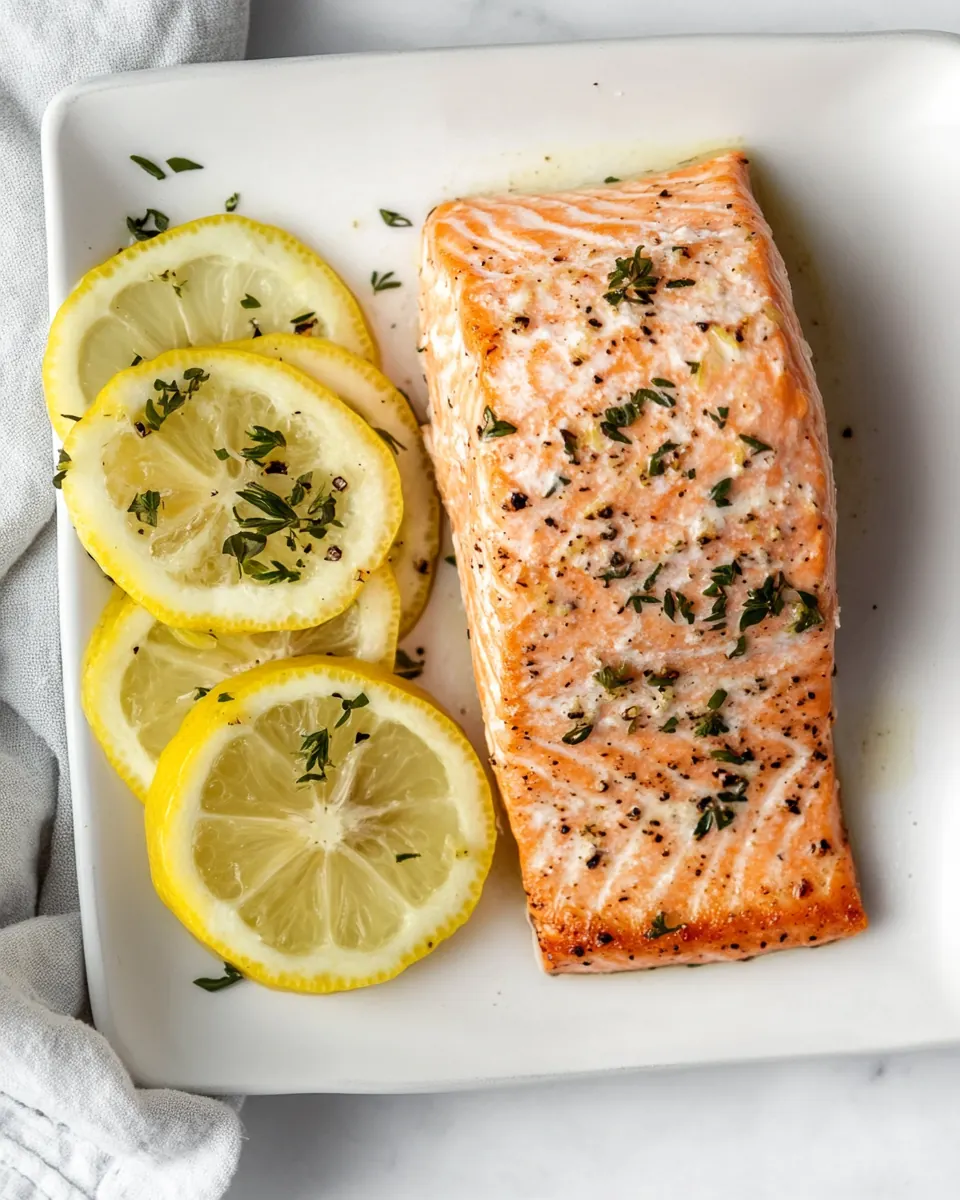
Sheet Pan Lemon Salmon
Sheet Pan Lemon Salmon has been my go to when I want a meal that feels special without the fuss. The first time I made it, I was racing the late afternoon light and a growling stomach, and the way the kitchen filled with bright citrus and warm butter instantly told me dinner would be worth the little effort. I remember placing the salmon and asparagus side by side on a single tray, thinking how satisfying it is when a whole meal roasts together, each ingredient lending flavor to the other.
That evening taught me a simple lesson, which I still use: the right balance of acid, fat, and fresh herbs can lift humble ingredients into something memorable. The lemon juice brightens the rich, silky salmon, while the melted butter and olive oil help the surface caramelize into golden edges. I often toss leftover pan juices over steamed rice to soak up every bit of flavor.
Over the seasons I tweaked timing and small techniques until the texture was reliably flaky and the asparagus remained vibrant and tender crisp. I like to serve this when friends drop by unexpectedly, because the sheet pan frees up my hands to chat while the oven does most of the work. There is a warmth to the routine, and it never fails to earn compliments.
Recipe Snapshot
25 mins
5 mins
20 mins
Medium
400 kcal
American
Gluten-Free, Keto
Dinner
Baking Sheet
Why This Sheet Pan Lemon Salmon Hits Different
Speed and simplicity
I love that Sheet Pan Lemon Salmon is genuinely fast, without sacrificing taste. From prepping to plating, the method lets me focus on flavor rather than juggling pots. I can prep the salmon, trim the asparagus, and whisk a quick lemon butter in the time it takes to preheat the oven. That kind of efficiency makes it perfect for weeknights when you want something homey and impressive.
Bright, balanced flavors
The combination of lemon, butter, and fresh thyme creates a bright backbone that complements the natural richness of salmon. I find the acid cuts through the fattiness, while the herbs add complexity. When roasted together, the pan juices mingle and soak into the rice, giving each bite a cohesive, satisfying profile.
One pan, less cleanup
Cooking everything on a single baking sheet saves time and dishwashing, which is a small but meaningful win. I appreciate recipes where the cleanup is quick, because that encourages me to cook more often. The foil lined sheet also means the delicate salmon lifts easily and the asparagus caramelizes without sticking.
Reliable results
Following a few simple timing cues guarantees flaky, tender salmon and crisp tender asparagus. I developed a rhythm for roasting then finishing under the broiler to get a golden top. If you follow the visual signs I use, you’ll avoid overcooking and preserve moistness.
Flexible and approachable
This recipe is flexible enough to scale up for guests or keep modest for two. I often double the portions for company, and the technique remains the same. It’s approachable for cooks at any level, and yet it still feels like a composed dinner worthy of sharing.
Ingredient List for Sheet Pan Lemon Salmon
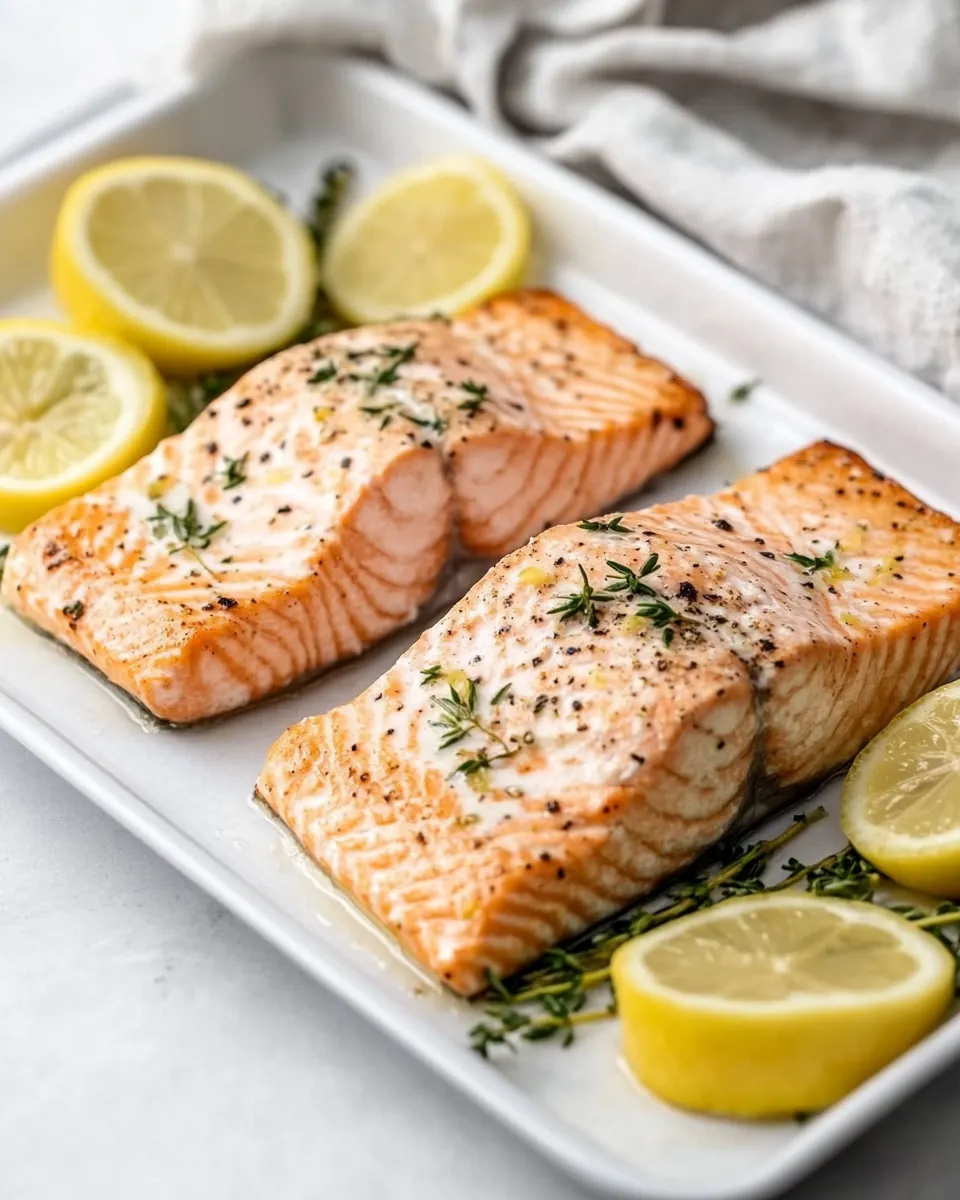
These ingredients are chosen to create harmony between bright acidity, savory fat, and fresh herb notes. The salmon is the star, while the asparagus offers a crisp green contrast. The supporting cast of olive oil, butter, lemon, and garlic builds a simple sauce that both seasons and glosses the fish and vegetables as they roast together.
- 2 (6-ounce) center cut salmon filets: Provide rich, flaky protein and the central component of the dish; position skin-side down on the sheet pan and cook until just opaque, allowing the natural oils and texture to shine while absorbing the lemon–garlic butter for balanced flavor.
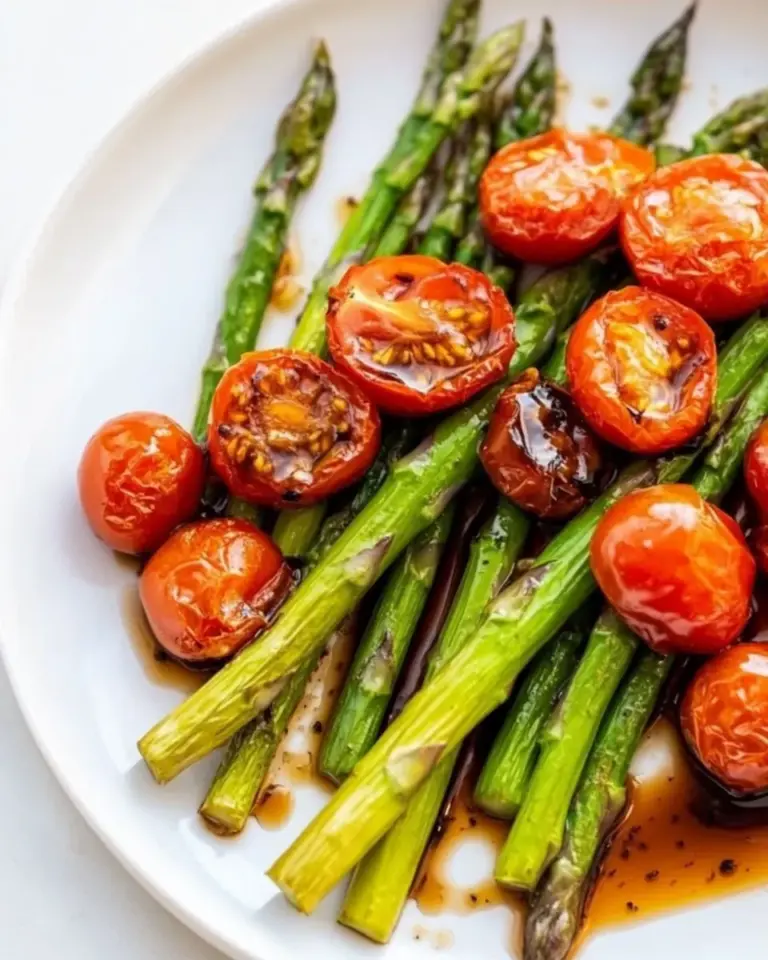
- 3/4 pound asparagus ends trimmed: Add tender-crisp vegetable contrast and bright green color; trim woody ends, arrange around the salmon for even roasting, and let them caramelize slightly to contribute a fresh, earthy counterpoint.
- 2 tablespoons olive oil: Coat ingredients to promote even roasting and prevent sticking; drizzle over asparagus and salmon so oil helps transfer heat, encourages browning, and carries aromatics across the pan.
- 2 tablespoons unsalted butter 1/4 stick, melted: Enrich and bind flavors with creamy richness; melt and combine with olive oil, lemon, and garlic to create a basting liquid that adds silky mouthfeel and helps brown the salmon edges.
- 1 lemon juiced: Brighten and acidify the dish for freshness; squeeze over the butter mixture and salmon to cut through richness, enhance natural flavors, and help slightly cure the surface for better texture.
- 2 garlic cloves minced: Impart pungent savory depth and aromatic warmth when minced; mix into the butter–lemon sauce so its flavor mellows with heat and infuses the fish and asparagus during roasting.
- 1 teaspoon freshly minced thyme: Provide herbal fragrance and subtle earthy notes when freshly minced; sprinkle into the lemon–butter mixture to layer aromatic complexity that complements the salmon without overpowering it.
- Kosher salt and ground black pepper to taste: Season and balance overall taste by adding savory salinity and gentle heat; sprinkle to taste before and after roasting to enhance natural flavors and customize seasoning level.
- 4 slices fresh lemon for garnish: Offer bright, decorative citrus slices and optional roasted aroma; arrange on top as garnish or roast briefly to intensify lemon flavor while adding an attractive finishing touch.
- Chopped fresh parsley for garnish: Add fresh herbal color and a mild, clean flavor as a finishing touch; finely chop and sprinkle over the plated salmon to lift presentation and impart a hint of verdant freshness.
- Cooked rice for serving: Serve as a neutral, absorbent base to complete the meal; spoon alongside the salmon and asparagus to soak up pan juices and provide satisfying bulk and texture contrast.
Instructions for Sheet Pan Lemon Salmon
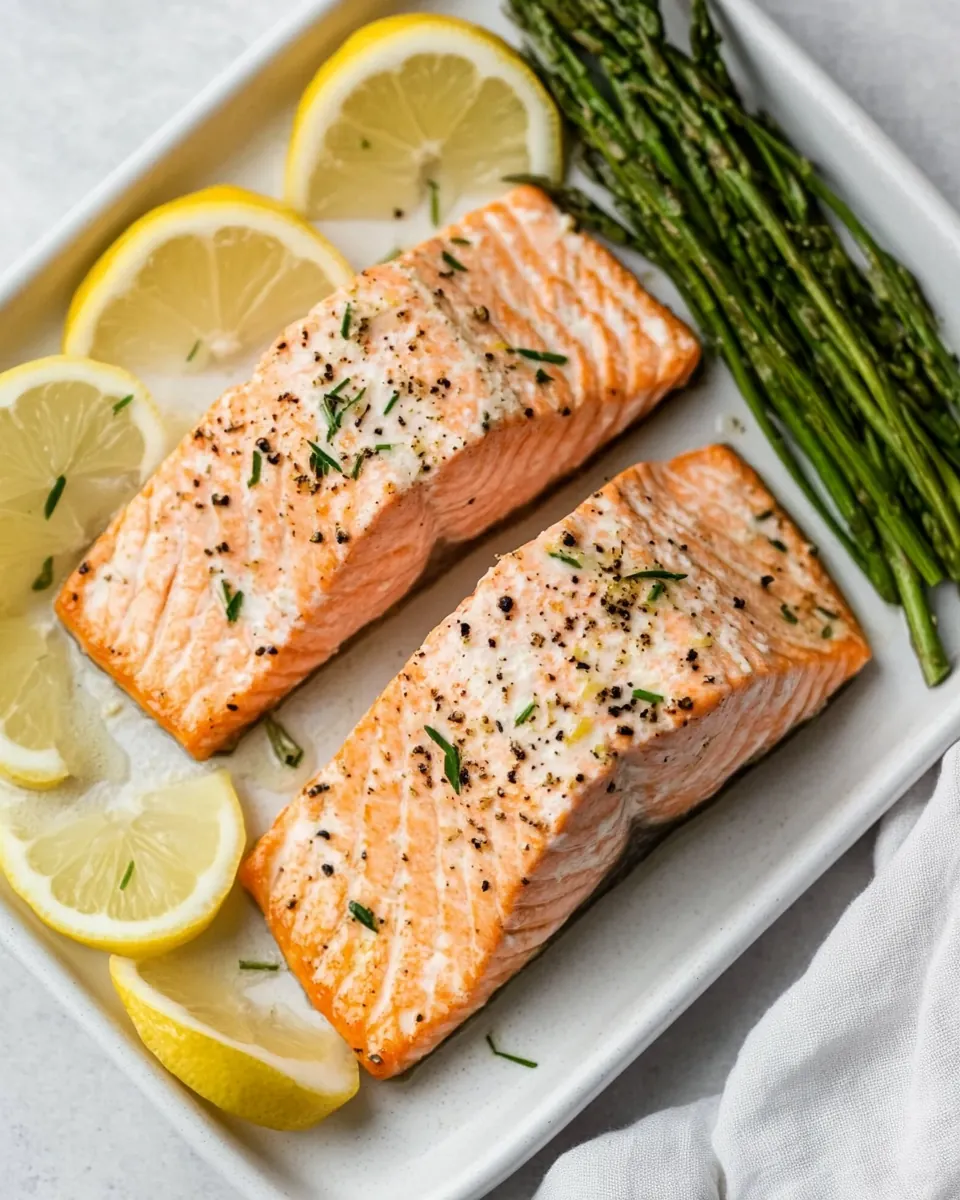
I like to walk through the cooking in a relaxed way so you can stay present rather than rush. These steps are straightforward but I expand each one with sensory cues and troubleshooting so you get consistent results every time.
- Preheat oven to 400°F. Line a baking sheet with foil and spray with nonstick spray. Set aside.: The air should feel warm and steady as the oven approaches 400°F , and you might hear a faint hum when it clicks to temperature. Lining the baking sheet with foil protects the pan and catches the flavorful juices, and a quick spray makes lifting the salmon effortless after roasting. If you skip foil, the pan juices can stick and become hard to clean, and the skin or flesh may adhere, tearing the fish when you try to lift it. A common misstep is not allowing the oven to fully reach temperature, which can change roasting times and prevent proper browning.
- Place the salmon on one half of the baking sheet and the asparagus on the other.: As you arrange the ingredients, notice the contrast in color between the pale salmon flesh and vivid green asparagus . Keeping them separate ensures each item cooks at its ideal rate and the vegetables can brown without steaming. Crowding the pan traps steam and yields soggy asparagus or unevenly cooked fish. Give each piece breathing room so hot air can circulate, and line up the fillets skin side down if present for structure and a crisp edge.
- In a small bowl, whisk the olive oil, melted butter, lemon juice, minced garlic, and minced thyme together.: As you whisk, the ingredients emulsify into a glossy sauce that smells bright and herbaceous, with citrus steam rising from the bowl. This mixture melds fat and acid, allowing the butter and olive oil to carry the garlic and thyme across the pan. If the butter is too cool it may clump, so ensure it is fully melted yet not scorching hot to maintain a smooth texture. A frequent mistake is overcooking the garlic in the sauce ahead of time which can make it bitter when broiled.
- Brush the salmon and asparagus with the butter mixture and lightly sprinkle with salt and pepper.: When you brush on the sauce, you should see a glossy sheen develop on the salmon and a light coat on the asparagus , and the aroma will shift toward warm citrus and savory butter. The salt and pepper bring out the natural flavors without overwhelming them. Apply an even layer so the pieces brown uniformly under heat. Over seasoning at this stage can make the final dish too salty, since flavors intensify during roasting.
- Roast for 10 minutes, flip the asparagus, and roast for an additional 5 minutes.: In the oven you will hear a subtle sizzle as moisture evaporates and the edges start to color, and the kitchen will smell fragrant. The initial 10 minute roast sets the cooking in motion and softens the asparagus while beginning to cook the fish through. Flipping the asparagus ensures even browning and prevents one side from becoming too soft. Be careful not to over roast during this phase, or the salmon can dry out; aim for visual cues like opaque flesh with slight translucence near the center to indicate readiness for the final broil.
- Broil the salmon for 2-3 minutes, until the top is golden brown and crisp.: Moving the pan closer to the heat exposes the top of the salmon to intense radiant heat, producing that desirable golden, slightly crisp finish. Listen for a gentle crackle and watch closely because the broiler works fast; the color should shift to deep gold, not blackened. This step creates texture contrast between the crisped surface and the tender interior. A common error is leaving the pan unattended under the broiler, which can quickly lead to burnt spots and a charred flavor.
- Serve with rice, drizzle with any additional sauce, and garnish with lemon slices and parsley.: At the table, the pan juices glistening on the fish and vegetables invite you to drizzle them onto the warm rice , which soaks up the lemon butter and makes every bite cohesive. The fresh parsley adds a final green note, and a squeeze of the roasted lemon slice brightens the plate. If the dish tastes flat, a light finishing sprinkle of salt can lift flavors, but avoid overdoing it. A pitfall is serving everything straight from the oven without letting it settle a minute, which can cause the juices to run away instead of settling into the rice and plate.
Recipe Tips about Sheet Pan Lemon Salmon
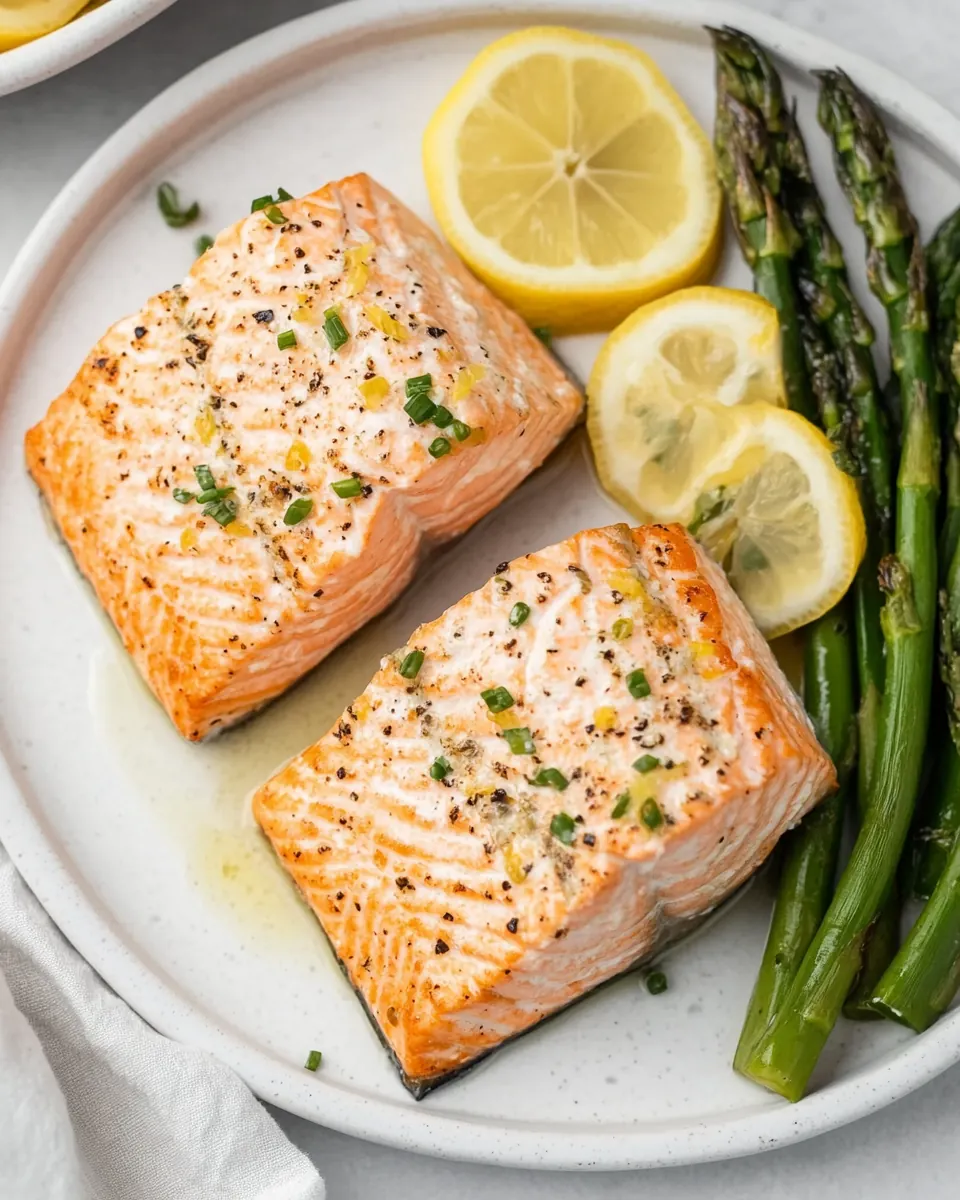
This batch of tips will help you get predictably great results and keep the process relaxed. I expand each tip so you can adapt to your pantry and timing without sacrificing the flavors that make this dish sing.
- Use center cut fillets: Choosing evenly thick center cut salmon ensures consistent cooking so the fillets finish at the same time, preventing one from drying out while the other is underdone.
- Room temperature helps: Let the salmon sit briefly at room temperature while you preheat, which shortens oven time and promotes even doneness throughout the piece.
- Pat dry before seasoning: Drying the salmon surface with a paper towel helps the butter and oil adhere and encourages a better sear and browning during roasting and broiling.
- Trim asparagus uniformly: Cutting the asparagus to similar lengths helps them cook evenly and present neatly on the plate, avoiding some spears being over or underdone.
- Fresh lemon matters: Freshly squeezed lemon juice gives brighter acidity than bottled juice, lifting the dish in a way that feels clean and lively.
- Use foil for easy cleanup: Lining the baking sheet with foil makes cleanup fast and preserves the pan, while catching the delicious pan juices you might want to spoon over rice.
Best Served With
The right accompaniments and serving style will make Sheet Pan Lemon Salmon feel complete. Below are thoughtful pairings, storage notes, and suggestions for occasions when this dish shines.
- Steamed rice: Warm rice soaks up the lemon butter and makes the meal filling and comforting, turning the pan juices into a light sauce.
- Simple green salad: A crisp salad with a light vinaigrette adds textural contrast and a cool, fresh element to the plate.
- Weeknight dinners: This recipe is ideal for easy weeknight dinners when you want minimal fuss but bold flavors, and cleanup is a breeze.
- Casual dinner with friends: Scale the recipe for guests and present the pan right to the table for a relaxed, communal vibe.
- Ramadan iftar or special meals: Its balanced nutrition and gentle flavors make it appropriate for breaking a fast or serving during a modest celebratory meal.
- Storage and make ahead: Store cooked salmon and asparagus in an airtight container in the refrigerator for up to 2 days, and reheat gently to avoid drying out the fish.
- Seasonal pairing: In spring, when asparagus is at its best, this dish tastes brightest, and it pairs well with light, herb forward sides.
FAQ
Conclusion
What makes this Sheet Pan Lemon Salmon stand out is its ability to deliver bright, balanced flavors with minimal effort while using a single tray. The lemon butter and fresh thyme create a glossy finish that complements flaky salmon and tender asparagus, and the method is forgiving enough for cooks of all levels. I hope you give it a try soon, especially on a busy evening when you want something quick yet special; the easy prep and satisfying results make it a dependable choice for both weeknights and casual dinners.
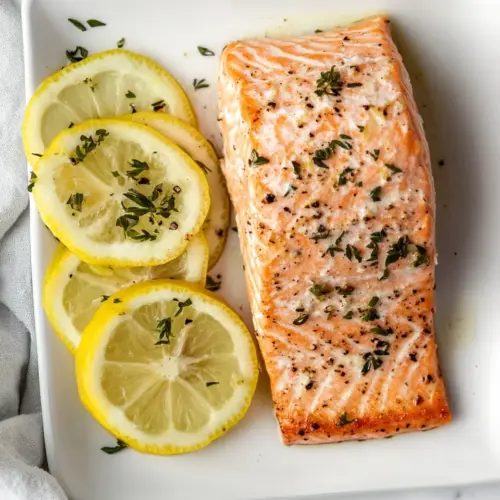
Sheet Pan Lemon Salmon
Equipment
- Baking Sheet
Ingredients
- 2 (6-ounce) center cut salmon filets Provide rich, flaky protein and the central component of the dish; position skin-side down on the sheet pan and cook until just opaque, allowing the natural oils and texture to shine while absorbing the lemon-garlic butter for balanced flavor.
- 3/4 pound asparagus ends trimmed Add tender-crisp vegetable contrast and bright green color; trim woody ends, arrange around the salmon for even roasting, and let them caramelize slightly to contribute a fresh, earthy counterpoint.
- 2 tablespoons olive oil Coat ingredients to promote even roasting and prevent sticking; drizzle over asparagus and salmon so oil helps transfer heat, encourages browning, and carries aromatics across the pan.
- 2 tablespoons unsalted butter 1/4 stick, melted Enrich and bind flavors with creamy richness; melt and combine with olive oil, lemon, and garlic to create a basting liquid that adds silky mouthfeel and helps brown the salmon edges.
- 1 lemon juiced Brighten and acidify the dish for freshness; squeeze over the butter mixture and salmon to cut through richness, enhance natural flavors, and help slightly cure the surface for better texture.
- 2 garlic cloves minced Impart pungent savory depth and aromatic warmth when minced; mix into the butter-lemon sauce so its flavor mellows with heat and infuses the fish and asparagus during roasting.
- 1 teaspoon freshly minced thyme Provide herbal fragrance and subtle earthy notes when freshly minced; sprinkle into the lemon-butter mixture to layer aromatic complexity that complements the salmon without overpowering it.
- Kosher salt and ground black pepper to taste Season and balance overall taste by adding savory salinity and gentle heat; sprinkle to taste before and after roasting to enhance natural flavors and customize seasoning level.
- 4 slices fresh lemon for garnish Offer bright, decorative citrus slices and optional roasted aroma; arrange on top as garnish or roast briefly to intensify lemon flavor while adding an attractive finishing touch.
- Chopped fresh parsley for garnish Add fresh herbal color and a mild, clean flavor as a finishing touch; finely chop and sprinkle over the plated salmon to lift presentation and impart a hint of verdant freshness.
- Cooked rice for serving Serve as a neutral, absorbent base to complete the meal; spoon alongside the salmon and asparagus to soak up pan juices and provide satisfying bulk and texture contrast.
Instructions
- Preheat oven to 400°F. Line a baking sheet with foil and spray with nonstick spray. Set aside.: The air should feel warm and steady as the oven approaches 400°F , and you might hear a faint hum when it clicks to temperature. Lining the baking sheet with foil protects the pan and catches the flavorful juices, and a quick spray makes lifting the salmon effortless after roasting. If you skip foil, the pan juices can stick and become hard to clean, and the skin or flesh may adhere, tearing the fish when you try to lift it. A common misstep is not allowing the oven to fully reach temperature, which can change roasting times and prevent proper browning.
- Place the salmon on one half of the baking sheet and the asparagus on the other.: As you arrange the ingredients, notice the contrast in color between the pale salmon flesh and vivid green asparagus . Keeping them separate ensures each item cooks at its ideal rate and the vegetables can brown without steaming. Crowding the pan traps steam and yields soggy asparagus or unevenly cooked fish. Give each piece breathing room so hot air can circulate, and line up the fillets skin side down if present for structure and a crisp edge.
- In a small bowl, whisk the olive oil, melted butter, lemon juice, minced garlic, and minced thyme together.: As you whisk, the ingredients emulsify into a glossy sauce that smells bright and herbaceous, with citrus steam rising from the bowl. This mixture melds fat and acid, allowing the butter and olive oil to carry the garlic and thyme across the pan. If the butter is too cool it may clump, so ensure it is fully melted yet not scorching hot to maintain a smooth texture. A frequent mistake is overcooking the garlic in the sauce ahead of time which can make it bitter when broiled.
- Brush the salmon and asparagus with the butter mixture and lightly sprinkle with salt and pepper.: When you brush on the sauce, you should see a glossy sheen develop on the salmon and a light coat on the asparagus , and the aroma will shift toward warm citrus and savory butter. The salt and pepper bring out the natural flavors without overwhelming them. Apply an even layer so the pieces brown uniformly under heat. Over seasoning at this stage can make the final dish too salty, since flavors intensify during roasting.
- Roast for 10 minutes, flip the asparagus, and roast for an additional 5 minutes.: In the oven you will hear a subtle sizzle as moisture evaporates and the edges start to color, and the kitchen will smell fragrant. The initial 10 minute roast sets the cooking in motion and softens the asparagus while beginning to cook the fish through. Flipping the asparagus ensures even browning and prevents one side from becoming too soft. Be careful not to over roast during this phase, or the salmon can dry out; aim for visual cues like opaque flesh with slight translucence near the center to indicate readiness for the final broil.
- Broil the salmon for 2-3 minutes, until the top is golden brown and crisp.: Moving the pan closer to the heat exposes the top of the salmon to intense radiant heat, producing that desirable golden, slightly crisp finish. Listen for a gentle crackle and watch closely because the broiler works fast; the color should shift to deep gold, not blackened. This step creates texture contrast between the crisped surface and the tender interior. A common error is leaving the pan unattended under the broiler, which can quickly lead to burnt spots and a charred flavor.
- Serve with rice, drizzle with any additional sauce, and garnish with lemon slices and parsley.: At the table, the pan juices glistening on the fish and vegetables invite you to drizzle them onto the warm rice , which soaks up the lemon butter and makes every bite cohesive. The fresh parsley adds a final green note, and a squeeze of the roasted lemon slice brightens the plate. If the dish tastes flat, a light finishing sprinkle of salt can lift flavors, but avoid overdoing it. A pitfall is serving everything straight from the oven without letting it settle a minute, which can cause the juices to run away instead of settling into the rice and plate.
Notes
- Use center cut fillets: Choosing evenly thick center cut salmon ensures consistent cooking so the fillets finish at the same time, preventing one from drying out while the other is underdone.
- Room temperature helps: Let the salmon sit briefly at room temperature while you preheat, which shortens oven time and promotes even doneness throughout the piece.
- Pat dry before seasoning: Drying the salmon surface with a paper towel helps the butter and oil adhere and encourages a better sear and browning during roasting and broiling.
- Trim asparagus uniformly: Cutting the asparagus to similar lengths helps them cook evenly and present neatly on the plate, avoiding some spears being over or underdone.
- Fresh lemon matters: Freshly squeezed lemon juice gives brighter acidity than bottled juice, lifting the dish in a way that feels clean and lively.
- Use foil for easy cleanup: Lining the baking sheet with foil makes cleanup fast and preserves the pan, while catching the delicious pan juices you might want to spoon over rice.