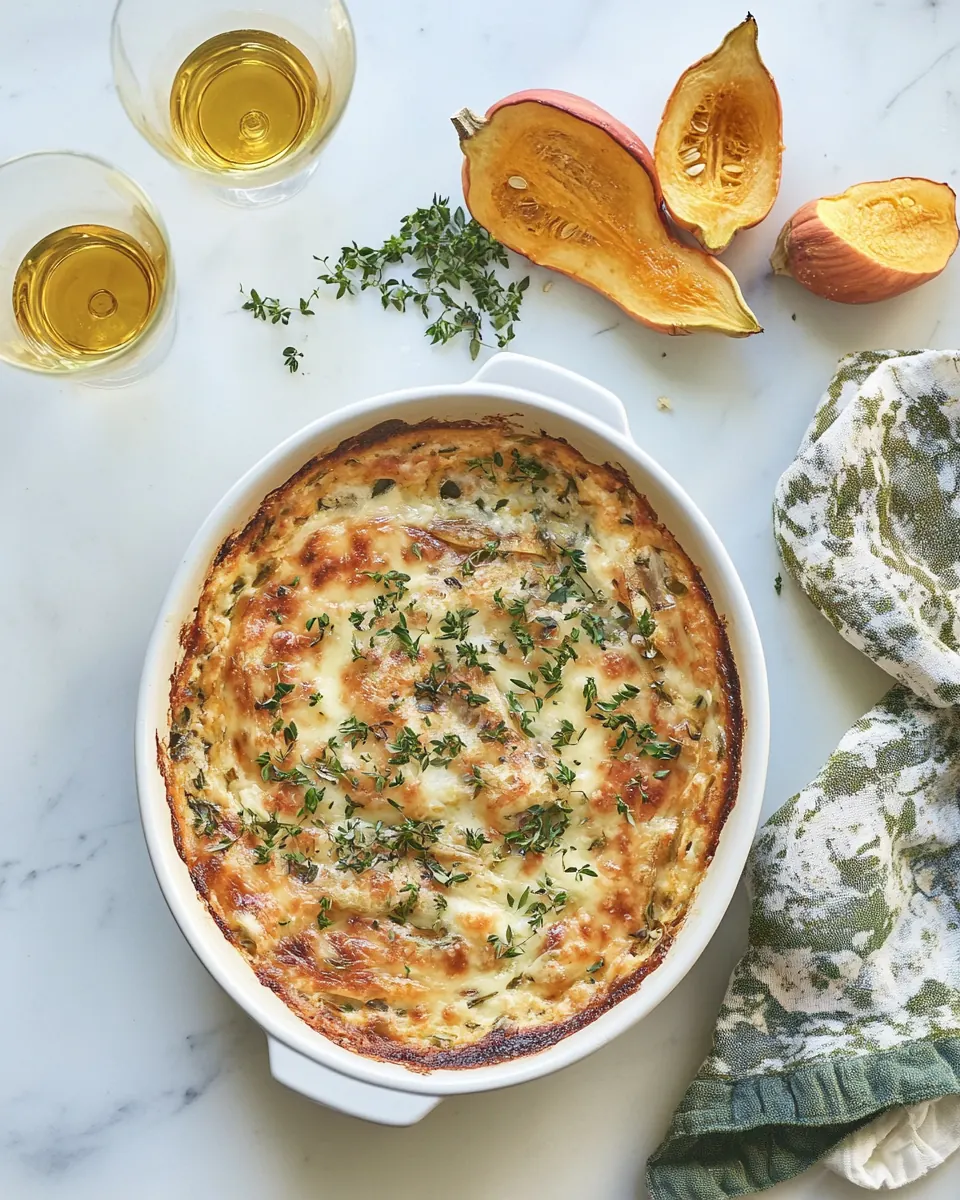
Baked Brie Dip with Delicata Squash
Baked Brie Dip with Delicata Squash is one of those recipes I reach for when friends drop by and I want something cozy, a little decadent, and honestly a bit showy without the fuss. The first time I made it I was testing squash varieties for a fall gathering, and the delicata stole the scene with its tender flesh and caramelized edges. I remember standing at the oven door, smiling as the kitchen filled with the warm scent of roasting squash and melting cheese, knowing this would become a seasonal favorite.
That evening I layered the silky brie cheese with shredded mozzarella cheese and a spoonful of creme fraiche, folding in the sweet, slowly caramelized onion and bright, pan roasted delicata squash. The textures came together in a way that felt both rustic and indulgent, each scoop offering a little crisp from the roasted squash, a gooey pull from the cheeses, and a whisper of thyme. I loved how simple techniques—sweating, slow browning, and gentle roast—made such an elevated dip.
I’ve served this at casual weeknight parties and even at a more formal holiday get together, and it always disappears fast. What makes it reliable is that the flavors are straightforward and dependable: sweet onions, mellow brie cheese, melting mozzarella cheese, and the delicate aromatics from fresh thyme. Once you learn the small tricks for caramelizing the onion and roasting the delicata squash, you’ll be surprised how often you reach for this recipe whenever guests arrive.
Recipe Snapshot
55 mins
35 mins
20 mins
Medium
350 kcal
American
Keto, Gluten-Free
Appetizers
Medium pot, Small sauté pan, 6 x 6-inch casserole dish, Oven
What You’ll Enjoy About This Baked Brie Dip with Delicata Squash
Comforting Texture Contrast
I love that Baked Brie Dip with Delicata Squash brings together creamy, smooth brie cheese and shredded mozzarella cheese with tender, slightly caramelized delicata squash. The squash gives you little pockets of caramelized sweetness while the cheeses provide that luscious, pullable texture that keeps people dipping again and again.
Layered, Deep Flavor
We get real depth from the slow cooked onion. Taking time to sweat and brown the onion builds a savory backbone that complements the mild, buttery notes of the brie cheese. I often find that this small extra step is the difference between a good dip and a memorable one.
Seasonal Appeal
This is a perfect fall recipe because the delicata squash is at its best then, offering sweet, nutty flesh without the need to peel it. I adore serving it when the air gets cooler, it feels inherently cozy and festive without being over the top.
Simple but Impressive
You do not need fancy equipment or complex techniques. A stovetop, a sauté pan, and an oven are enough to create something that looks like it took hours. I like that it’s approachable for cooks of all levels and still feels special on the table.
Flexible Crowd Pleaser
Finally, the recipe scales nicely. I’ve doubled it for larger gatherings, and it still delivers the same balance of sweet, savory, and creamy. The recipe’s structure lets you tweak seasoning or extra cheese without losing the core character, so it’s great for entertaining.
What You’ll Need for Baked Brie Dip with Delicata Squash
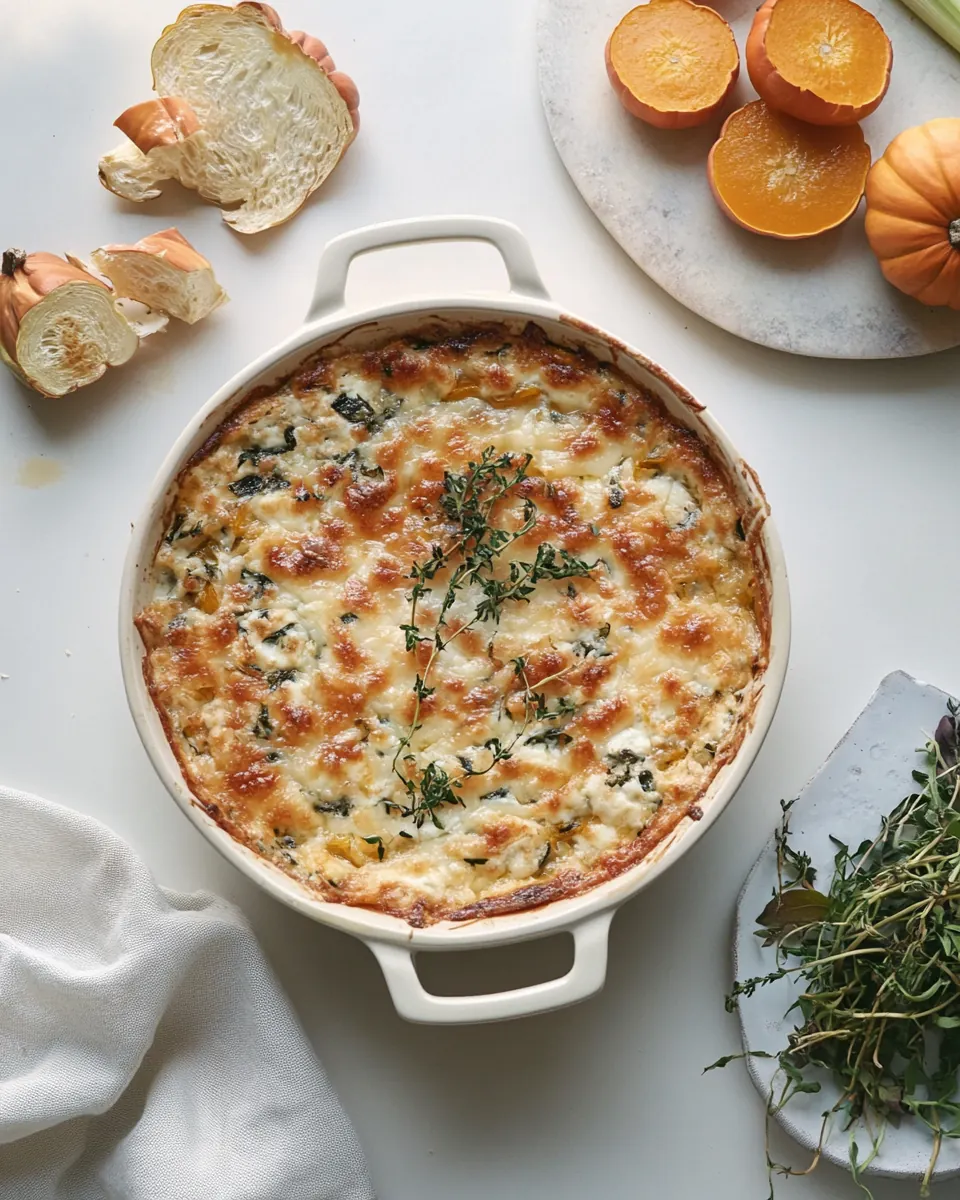
The ingredient list is simple, but each item plays a clear role. I think of the onion and butter as the flavor base, the delicata squash as the sweet, textural counterpoint, and the cheeses as the creamy glue that brings everything together. Fresh thyme and a few pinches of crushed red pepper brighten and lift the dish, ensuring each bite is balanced and interesting.
- 1 tablespoon olive oil, plus more as needed: Coat and sauté ingredients evenly by using a small amount of oil; adds a subtle fruity richness and prevents sticking during cooking. Use additional oil as needed to adjust pan slickness and ensure browned, caramelized surfaces. Helps carry and meld flavors throughout the dish without overwhelming the other components.
- Kosher salt: Season and enhance natural flavors by sprinkling appropriately to balance sweetness and acidity in the recipe. Draws out moisture from vegetables for better caramelization and deepens savory notes in cooked mixtures. Use sparingly and taste as you go to avoid over-salting the final dip.
- 1 large onion, peeled and sliced: Slice thinly to create tender, sweet layers that caramelize and lend body to the dip; provides aromatic depth and a mellow savory-sweet backbone. Cook slowly with fat to develop complex, browned flavors that complement the squash and cheeses. Distribute evenly so each bite contains soft, flavorful onion.
- 1 tablespoon unsalted butter: Add richness and a silky mouthfeel during sautéing, contributing a buttery flavor that promotes browning of aromatics. Use to gently coat the pan and meld with olive oil for a more rounded fat profile. Incorporates into the final mixture to enrich texture and taste.
- 1 tablespoon olive oil: Provide a lighter, fruity cooking fat to sauté and prevent burning, balancing the butter’s richness for optimal browning. Use during both vegetable roasting and pan-sautéing to promote even caramelization. Layer with butter for nuanced flavor and better heat distribution.
- 1 delicata squash: Offer a sweet, nutty flesh ideal for roasting or slicing as a baked vessel; contributes texture and seasonal flavor to the dip. When cooked, becomes tender and slightly caramelized, harmonizing with savory cheeses and herbs. Hollowed or sliced pieces can serve as dippers or be folded into the mixture for depth.
- Kosher salt: Enhance and correct overall seasoning levels across components; brings out each ingredient’s inherent flavors when applied judiciously. Sprinkle during cooking and again at the end if needed to refine taste balance. Essential for creating a well-rounded, savory end result.
- 3 sprigs fresh thyme, divided: Infuse bright, herbal notes when leaves are used; divide sprigs to flavor both the cooking oil and the finished dish. Add some during roasting to aromatize the squash and reserve other sprigs for garnish or stirred-in freshness. Complements cheeses by cutting through richness with subtle earthiness.
- 1 round freshly cracked pepper: Provide a bold, aromatic finish when freshly cracked and used sparingly to lift flavors and add subtle heat and complexity. Grind directly over the assembled dip or during cooking to distribute pungency evenly. Enhances savory components and balances creamy textures.
- 2 pinches crushed red pepper flakes, divided: Introduce a controlled spicy kick and layered heat; divide pinches to season during cooking and to finish the dish for a calibrated warmth. Sprinkle early to infuse background heat and later to preserve bright chili notes on the surface. Helps brighten and contrast the richness of the cheese.
- 8 ounces brie cheese, at room temperature: Melt into a smooth, creamy foundation when at room temperature; contributes tangy, luxurious character and binds other components together. Cut or spread into the warm squash mixture so it softens evenly and creates a luscious, dip-friendly texture. Works with creme fraiche and cheeses to form a cohesive, rich filling.
- 4 ounces mozzarella cheese, about 1 1/2 cups of shredded cheese, divided: Stretch and add gooey meltiness when shredded; provides milky, elastic texture that blends with brie for a stretchy, savory bite. Divide portions to control cheesiness and melting behavior, using some for internal mixing and some for a golden topping. Complements brie by reinforcing body and mouthfeel.
- 2 tablespoons creme fraiche: Add tangy acidity and velvety silkiness to balance the cheeses; fold in to brighten flavors and thin the mixture to a scoopable consistency. Use measured amounts to achieve a pleasant, cultured bite that counterpoints richness. Helps stabilize and slightly loosen the dip for easy serving.
Step by Step Instructions for Baked Brie Dip with Delicata Squash

This recipe moves from gentle stovetop work to a finishing bake in the oven. Expect to spend your time coaxing flavor out of the onion, lightly pan roasting the delicata squash, then assembling the layers of cheese before a final bake. Take your time with the aromatics and you will be rewarded.
- To a medium pot, set over medium heat, add the olive oil. When hot, add the sliced onions and a few pinches of salt. Stir until they’re coated in olive oil. Cover the pot and allow to cook for about 10 minutes, checking on them every so often and giving them a stir. This will help steam and sweat the onions down. Cook for an additional 5 minutes.: Warm air scented with olive oil will rise as the pot heats, and you should hear a faint, even shimmer across the surface, not vigorous popping. This sets the stage for the onion to soften without browning too quickly, which encourages gentle sweetening. If the oil smokes, lower the temperature because overheated oil can make the onion bitter, a common mistake at this stage. Keep a wooden spoon handy so you can stir and prevent sticking.
- At the 15 minutes mark, turn the heat down to low. Uncover the pot and cook on low, stirring frequently, about 15 more minutes. At the 25 minute mark, add the butter and cook for an additional 10 minutes or so, until they’re lightly golden brown. Remove from the heat and transfer them to a bowl.: The instant the onion hits the pan you will smell a sharp onion note that will slowly mellow. The salt helps draw moisture out, creating a silky layer of sweetness as the onion sweats. Stir occasionally so the slices cook evenly; missing this can leave some pieces raw while others brown too fast. Expect the sound to change from energetic to a gentle sizzle.
- Half the delicata squash, lengthwise, and scrape out the seeds and stringy stuff. Dice the squash and set aside.: As you stir the onion the pieces will become glossy, indicating they are coated and beginning to release sugars. This glossy look signals that they will caramelize properly rather than fry. Avoid crowding the pot which can trap steam and prevent the proper browning reaction; too much moisture will prolong cooking and mute the flavor.
- Preheat the oven to 400 degrees F.: Trapping steam helps the onion soften uniformly, creating a tender texture inside while the outsides remain intact. You will notice the aroma shift from sharp to sweet as water evaporates. Resist the urge to crank up the heat to hurry this along, as rushing can lead to uneven color and a harsh taste.
- In a small sauté pan, set over medium heat, pour in the olive oil. When warm, add the delicata squash, along with a few pinches of salt. Add the leaves of one sprig of thyme and a few turns of freshly cracked pepper, along with a pinch of red pepper flakes. Cook for 5 to 6 minutes, until the squash is cooked all the way through. Give it a taste and cook for a few minutes longer.: After the initial steam period the onion will be pliable and starting to lose its raw edge. Keep the heat steady so the pieces develop gentle golden edges without burning. A frequent misstep here is undercooking, which leaves an unpleasant, raw bite in the final dip. Taste a small piece to confirm tenderness.
- Meanwhile, to the bowl with the caramelized onions, add the brie, 1 cup of mozzarella, the creme fraiche, leaves from the two remaining sprigs of thyme, a pinch of crushed red peppers, a pinch of salt and a few rounds of freshly ground pepper. Mix and mash it together until combined.: Lowering the heat encourages gentle Maillard reactions, turning those softened slices into deeply flavored, caramelized strands. You will hear the sizzle quiet and see the onion darken slowly. If the pot starts smoking or the onion catches, lift the pot off heat briefly to cool and stir to prevent charring.
- Transfer half of it to a 6 x 6-inch casserole dish or something comparable, and then top it with a handful of the remaining mozzarella and a few spoonfuls of squash. Repeat until you’ve worked your way through all of the cheese and squash. Top with a generous handful of cheese.: Uncovering allows moisture to escape so the onion can concentrate into sweet, glossy ribbons. Frequent stirring scrapes up flavorful fond and ensures even color. A common error is not stirring enough, which results in uneven browning and bitter patches.
- At the 25 minute mark, add the butter and cook for an additional 10 minutes or so, until they’re lightly golden brown: Adding butter at this stage enriches the onion and gives a luxurious finish, while continuing to cook melts it into the strands. The aroma becomes nutty and deep, and the texture turns silky. Watch for rapid color change after adding butter , as dairy can brown quickly; reduce heat if necessary.
- Remove from the heat and transfer them to a bowl: Moving the caramelized onion out of the pot stops the cooking and preserves the ideal color and texture. You should see glossy, deep golden ribbons with a jam like quality. Leaving them in the hot pot will keep cooking them and may push them from golden to burnt, so transfer promptly.
- Half the delicata squash, lengthwise, and scrape out the seeds and stringy stuff: The delicata squash has tender skin, so cutting it cleanly and removing seeds prevents chewiness in the final dish. Use a sturdy knife and scoop with a spoon; you want neat halves for even dicing. A common slip up is not stabilizing the squash while cutting; place it cut side down first to steady it.
- Dice the squash and set aside: Evenly sized dice ensures consistent cooking when you sauté the delicata squash . The pieces should be bite friendly so they nestle well into the cheese layers. If pieces vary widely, you will end up with some mushy bits and some underdone, which affects texture in every spoonful.
- Preheat the oven to 400 degrees F: The oven gets hot enough to encourage bubbling and browning of the cheese without drying out the filling. You will hear the oven cycle and feel a wave of heat when you open it later to bake. Not preheating is a usual oversight that can lengthen bake time and affect texture.
- In a small sauté pan, set over medium heat, pour in the olive oil: Warm the pan until the oil moves fluidly and shimmers slightly; this signals it is ready to receive the delicata squash . The goal is a quick sear that caramelizes the edges while keeping interiors tender. If the oil smokes, lower the heat to prevent a bitter, burnt flavor from developing.
- When warm, add the delicata squash, along with a few pinches of salt: As the delicata squash hits the pan it should hiss lightly, and you will see edges color and slightly crisp. Salt helps draw surface moisture and promotes browning. Overcrowding the pan will steam the pieces instead of browning them, so work in batches if needed.
- Add the leaves of one sprig of thyme and a few turns of freshly cracked pepper, along with a pinch of red pepper flakes: The herb oils and warm spice will perfume the squash as it cooks, giving aromatic layers that complement the cheeses. You should smell a bright, savory lift that balances the sweet squash. Adding too much red pepper will overwhelm the delicate flavors, so be cautious.
- Cook for 5 to 6 minutes, until the squash is cooked all the way through: You want tender centers with nicely caramelized edges; a fork should pierce easily. The sound will be a gentle sizzling that slows as the pieces brown. Undercooking leaves firm, starchy bites that contrast awkwardly with the creamy cheese, so test a piece before removing.
- Give it a taste and cook for a few minutes longer: Tasting is the best guide here because squash sweetness varies. If it needs a touch more color or seasoning, a few extra minutes will concentrate flavor. A mistake is assuming visual cues alone; always sample to confirm doneness and seasoning.
- Meanwhile, to the bowl with the caramelized onions, add the brie, 1 cup of mozzarella, the creme fraiche, leaves from the two remaining sprigs of thyme, a pinch of crushed red peppers, a pinch of salt and a few rounds of freshly ground pepper: At this stage you will combine warm, fragrant elements and softer dairy, creating a creamy base that smells rich and herbal. The temperature of the brie cheese should be room temperature so it blends smoothly. If the cheeses are too cold, the mixture will be lumpy rather than cohesive.
- Mix and mash it together until combined: Use a spoon or spatula to fold the ingredients into a homogeneous, slightly textured mixture. You will feel the brie cheese soften and integrate, and small flecks of thyme will disperse throughout. Avoid over mixing which can make the texture too dense rather than pillowy.
- Transfer half of it to a 6 x 6-inch casserole dish or something comparable: Layering the mixture into the dish sets up even baking and pockets of cheesy pull. Use an oven safe dish with enough surface area so the top can brown. Packing it too tightly can prevent even bubbling and top browning.
- Top it with a handful of the remaining mozzarella and a few spoonfuls of squash: As you add the mozzarella cheese and roasted delicata squash , the contrast of melted cheese and tender vegetable becomes visible, with little golden islands of squash peeking through. Reserve some cheese for a final topping so the surface gets a golden crust. Be mindful not to overload one area; spread evenly for consistent melting.
- Repeat until you’ve worked your way through all of the cheese and squash: Building layers creates a dynamic bite in each spoonful, alternating gooey cheese with soft squash. The visual effect looks rustic and inviting. Rushing the layering can lead to uneven distribution, which changes the balance of textures.
- Top with a generous handful of cheese: The final blanket of mozzarella cheese promotes a golden, bubbling finish in the oven, encouraging a tempting pull when served. This final layer also protects the filling from drying out. If you skimp on this step the top may not brown evenly, and you will miss that beautiful caramelized finish.
Recipe Variations about Baked Brie Dip with Delicata Squash
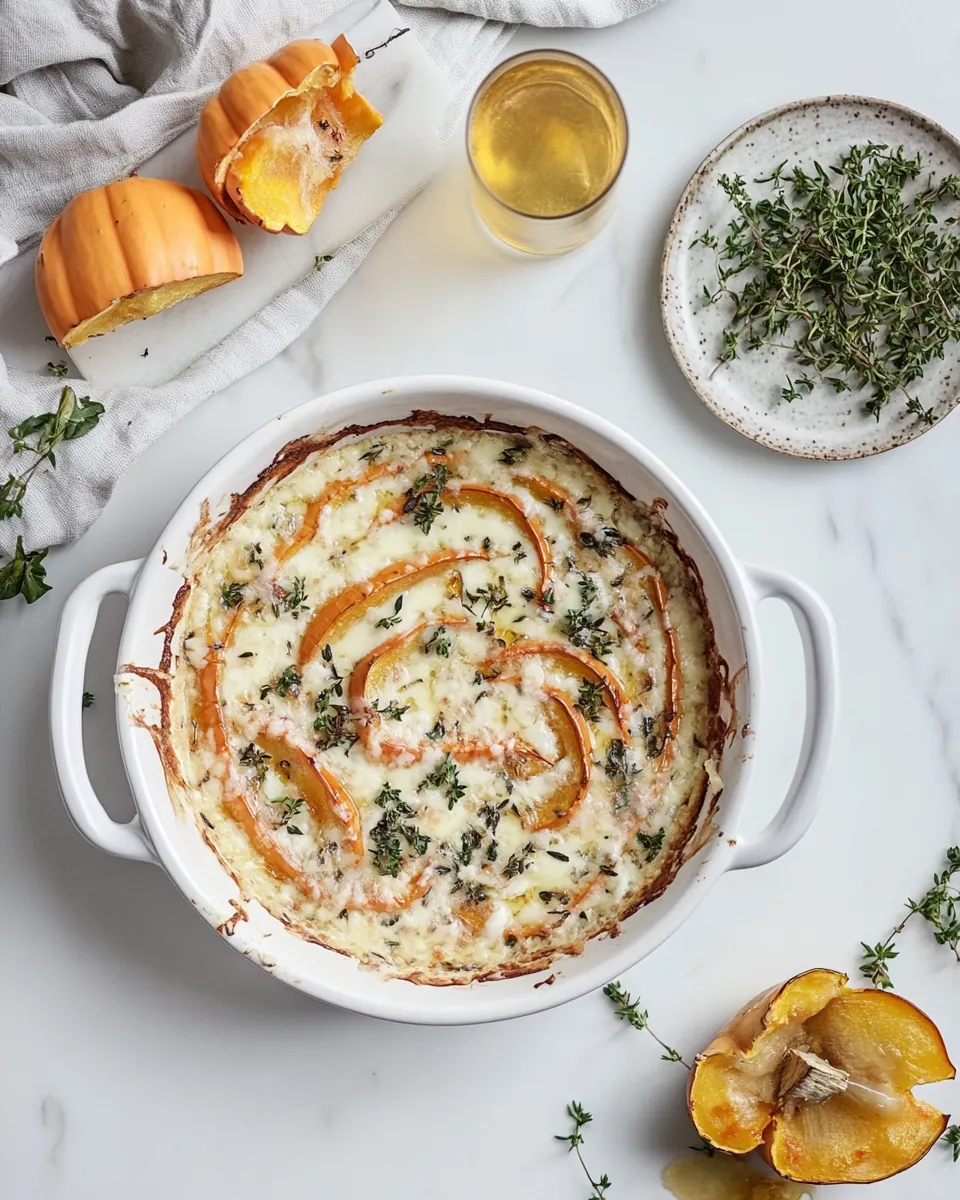
This recipe welcomes small, thoughtful variations that let you tailor the dish to your taste or pantry. Below are helpful, tested ideas that preserve the soul of the dish while adjusting flavor, texture, or presentation. Each tip starts with a clear note so you can quickly see what to change.
- Swap cheese ratios: If you prefer a stronger cheese presence, increase the ratio of brie cheese to mozzarella cheese to heighten the creamy, buttery profile. Keep the total cheese weight similar so the dish bakes the same way. Too much soft cheese can become overly runny, so balance is key.
- Herb forward: Add more fresh thyme leaves in the assembly for a brighter, more aromatic bite. Rub the leaves between your fingers before adding to release oils. Dried thyme is less vibrant, so increase quantity sparingly if that is what you have.
- Adjust heat levels: Increase or decrease the crushed red pepper flakes to control the warmth. A pinch keeps the dish approachable while a dash raises the profile for those who like heat. Add small amounts and taste because the heat concentrates once baked.
- Presentation upgrade: Bake the mixture in a rustic shallow ramekin or a hollowed out mini pumpkin for an eye catching seasonal centerpiece. Ensure whatever vessel you use is oven safe and gives similar surface area so baking time remains consistent.
- Make it ahead: Assemble the dip up to the final cheese topping and refrigerate for a few hours, then bake just before serving. Bring it back toward room temperature before baking to avoid a cold core and extend the bake time slightly if needed.
- Crunch element: Offer toasted bread slices or crackers on the side for texture contrast, but do not add crunchy toppings into the bake itself since they may become soggy. Serve crisps on the side so everyone can choose their ideal bite.
Great Combinations for Baked Brie Dip with Delicata Squash
This dip pairs well with a range of accompaniments and occasions. Below I outline choices for serving, storage, and seasonal contexts so you can confidently plan when and how to present it.
- Serving style: Serve the dip warm from the oven with a selection of dippers such as toasted baguette slices, sturdy crackers, or vegetable sticks. Keep the warm dip in a shallow dish so guests can reach in easily and enjoy the melty texture.
- Occasion pairing: This recipe is perfect for fall gatherings, casual dinner parties, or a cozy evening with friends. Its autumnal profile makes it especially appropriate for seasonal entertaining where you want comfort food with a touch of elegance.
- Side accompaniments: Offer simple accoutrements like pickled vegetables or a crisp green salad to balance the richness. A bright acidic element on the plate helps cut through the creamy cheeses and refresh the palate between bites.
- Storage tips: Cool the dip completely, then refrigerate in an airtight container for up to three days. Reheat gently in a low oven until warmed through to avoid separating the cheeses. If the texture tightens, stir in a spoonful of creme fraiche to restore creaminess.
- Seasonal pairing: Serve during autumn when delicata squash is available fresh. The warm, roasted flavors feel right for cooler weather and pair well with roasted root vegetables or a simple grain side if you want a heartier spread.
- Portioning: For larger crowds, multiply the recipe and bake in a wider, shallow dish so the surface browns evenly. Alternatively, bake multiple smaller dishes for easy passing and portion control.
FAQ
Conclusion
This recipe stands out because it pairs silky melted cheeses with sweet roasted delicata squash and deeply caramelized onion, creating a comforting yet elegant appetizer that’s perfect for fall gatherings. Give it a try at your next get together, and you will see how little effort produces big flavor and a memorable presentation. Serve it warm, offer a variety of dippers, and enjoy the happy exchanges as everyone reaches for one more scoop.

Baked Brie Dip with Delicata Squash
Equipment
- Medium Pot
- Small sauté pan
- 6 x 6-inch casserole dish
- Oven
Ingredients
- 1 tablespoon olive oil, plus more as needed Coat and sauté ingredients evenly by using a small amount of oil; adds a subtle fruity richness and prevents sticking during cooking. Use additional oil as needed to adjust pan slickness and ensure browned, caramelized surfaces. Helps carry and meld flavors throughout the dish without overwhelming the other components.
- Kosher salt Season and enhance natural flavors by sprinkling appropriately to balance sweetness and acidity in the recipe. Draws out moisture from vegetables for better caramelization and deepens savory notes in cooked mixtures. Use sparingly and taste as you go to avoid over-salting the final dip.
- 1 large onion, peeled and sliced Slice thinly to create tender, sweet layers that caramelize and lend body to the dip; provides aromatic depth and a mellow savory-sweet backbone. Cook slowly with fat to develop complex, browned flavors that complement the squash and cheeses. Distribute evenly so each bite contains soft, flavorful onion.
- 1 tablespoon unsalted butter Add richness and a silky mouthfeel during sautéing, contributing a buttery flavor that promotes browning of aromatics. Use to gently coat the pan and meld with olive oil for a more rounded fat profile. Incorporates into the final mixture to enrich texture and taste.
- 1 tablespoon olive oil Provide a lighter, fruity cooking fat to sauté and prevent burning, balancing the butter’s richness for optimal browning. Use during both vegetable roasting and pan-sautéing to promote even caramelization. Layer with butter for nuanced flavor and better heat distribution.
- 1 delicata squash Offer a sweet, nutty flesh ideal for roasting or slicing as a baked vessel; contributes texture and seasonal flavor to the dip. When cooked, becomes tender and slightly caramelized, harmonizing with savory cheeses and herbs. Hollowed or sliced pieces can serve as dippers or be folded into the mixture for depth.
- Kosher salt Enhance and correct overall seasoning levels across components; brings out each ingredient’s inherent flavors when applied judiciously. Sprinkle during cooking and again at the end if needed to refine taste balance. Essential for creating a well-rounded, savory end result.
- 3 sprigs fresh thyme, divided Infuse bright, herbal notes when leaves are used; divide sprigs to flavor both the cooking oil and the finished dish. Add some during roasting to aromatize the squash and reserve other sprigs for garnish or stirred-in freshness. Complements cheeses by cutting through richness with subtle earthiness.
- 1 round freshly cracked pepper Provide a bold, aromatic finish when freshly cracked and used sparingly to lift flavors and add subtle heat and complexity. Grind directly over the assembled dip or during cooking to distribute pungency evenly. Enhances savory components and balances creamy textures.
- 2 pinches crushed red pepper flakes, divided Introduce a controlled spicy kick and layered heat; divide pinches to season during cooking and to finish the dish for a calibrated warmth. Sprinkle early to infuse background heat and later to preserve bright chili notes on the surface. Helps brighten and contrast the richness of the cheese.
- 8 ounces brie cheese, at room temperature Melt into a smooth, creamy foundation when at room temperature; contributes tangy, luxurious character and binds other components together. Cut or spread into the warm squash mixture so it softens evenly and creates a luscious, dip-friendly texture. Works with creme fraiche and cheeses to form a cohesive, rich filling.
- 4 ounces mozzarella cheese, about 1 1/2 cups of shredded cheese, divided Stretch and add gooey meltiness when shredded; provides milky, elastic texture that blends with brie for a stretchy, savory bite. Divide portions to control cheesiness and melting behavior, using some for internal mixing and some for a golden topping. Complements brie by reinforcing body and mouthfeel.
- 2 tablespoons creme fraiche Add tangy acidity and velvety silkiness to balance the cheeses; fold in to brighten flavors and thin the mixture to a scoopable consistency. Use measured amounts to achieve a pleasant, cultured bite that counterpoints richness. Helps stabilize and slightly loosen the dip for easy serving.
Instructions
- To a medium pot, set over medium heat, add the olive oil. When hot, add the sliced onions and a few pinches of salt. Stir until they’re coated in olive oil. Cover the pot and allow to cook for about 10 minutes, checking on them every so often and giving them a stir. This will help steam and sweat the onions down. Cook for an additional 5 minutes.: Warm air scented with olive oil will rise as the pot heats, and you should hear a faint, even shimmer across the surface, not vigorous popping. This sets the stage for the onion to soften without browning too quickly, which encourages gentle sweetening. If the oil smokes, lower the temperature because overheated oil can make the onion bitter, a common mistake at this stage. Keep a wooden spoon handy so you can stir and prevent sticking.
- At the 15 minutes mark, turn the heat down to low. Uncover the pot and cook on low, stirring frequently, about 15 more minutes. At the 25 minute mark, add the butter and cook for an additional 10 minutes or so, until they’re lightly golden brown. Remove from the heat and transfer them to a bowl.: The instant the onion hits the pan you will smell a sharp onion note that will slowly mellow. The salt helps draw moisture out, creating a silky layer of sweetness as the onion sweats. Stir occasionally so the slices cook evenly; missing this can leave some pieces raw while others brown too fast. Expect the sound to change from energetic to a gentle sizzle.
- Half the delicata squash, lengthwise, and scrape out the seeds and stringy stuff. Dice the squash and set aside.: As you stir the onion the pieces will become glossy, indicating they are coated and beginning to release sugars. This glossy look signals that they will caramelize properly rather than fry. Avoid crowding the pot which can trap steam and prevent the proper browning reaction; too much moisture will prolong cooking and mute the flavor.
- Preheat the oven to 400 degrees F.: Trapping steam helps the onion soften uniformly, creating a tender texture inside while the outsides remain intact. You will notice the aroma shift from sharp to sweet as water evaporates. Resist the urge to crank up the heat to hurry this along, as rushing can lead to uneven color and a harsh taste.
- In a small sauté pan, set over medium heat, pour in the olive oil. When warm, add the delicata squash, along with a few pinches of salt. Add the leaves of one sprig of thyme and a few turns of freshly cracked pepper, along with a pinch of red pepper flakes. Cook for 5 to 6 minutes, until the squash is cooked all the way through. Give it a taste and cook for a few minutes longer.: After the initial steam period the onion will be pliable and starting to lose its raw edge. Keep the heat steady so the pieces develop gentle golden edges without burning. A frequent misstep here is undercooking, which leaves an unpleasant, raw bite in the final dip. Taste a small piece to confirm tenderness.
- Meanwhile, to the bowl with the caramelized onions, add the brie, 1 cup of mozzarella, the creme fraiche, leaves from the two remaining sprigs of thyme, a pinch of crushed red peppers, a pinch of salt and a few rounds of freshly ground pepper. Mix and mash it together until combined.: Lowering the heat encourages gentle Maillard reactions, turning those softened slices into deeply flavored, caramelized strands. You will hear the sizzle quiet and see the onion darken slowly. If the pot starts smoking or the onion catches, lift the pot off heat briefly to cool and stir to prevent charring.
- Transfer half of it to a 6 x 6-inch casserole dish or something comparable, and then top it with a handful of the remaining mozzarella and a few spoonfuls of squash. Repeat until you’ve worked your way through all of the cheese and squash. Top with a generous handful of cheese.: Uncovering allows moisture to escape so the onion can concentrate into sweet, glossy ribbons. Frequent stirring scrapes up flavorful fond and ensures even color. A common error is not stirring enough, which results in uneven browning and bitter patches.
- At the 25 minute mark, add the butter and cook for an additional 10 minutes or so, until they’re lightly golden brown: Adding butter at this stage enriches the onion and gives a luxurious finish, while continuing to cook melts it into the strands. The aroma becomes nutty and deep, and the texture turns silky. Watch for rapid color change after adding butter , as dairy can brown quickly; reduce heat if necessary.
- Remove from the heat and transfer them to a bowl: Moving the caramelized onion out of the pot stops the cooking and preserves the ideal color and texture. You should see glossy, deep golden ribbons with a jam like quality. Leaving them in the hot pot will keep cooking them and may push them from golden to burnt, so transfer promptly.
- Half the delicata squash, lengthwise, and scrape out the seeds and stringy stuff: The delicata squash has tender skin, so cutting it cleanly and removing seeds prevents chewiness in the final dish. Use a sturdy knife and scoop with a spoon; you want neat halves for even dicing. A common slip up is not stabilizing the squash while cutting; place it cut side down first to steady it.
- Dice the squash and set aside: Evenly sized dice ensures consistent cooking when you sauté the delicata squash . The pieces should be bite friendly so they nestle well into the cheese layers. If pieces vary widely, you will end up with some mushy bits and some underdone, which affects texture in every spoonful.
- Preheat the oven to 400 degrees F: The oven gets hot enough to encourage bubbling and browning of the cheese without drying out the filling. You will hear the oven cycle and feel a wave of heat when you open it later to bake. Not preheating is a usual oversight that can lengthen bake time and affect texture.
- In a small sauté pan, set over medium heat, pour in the olive oil: Warm the pan until the oil moves fluidly and shimmers slightly; this signals it is ready to receive the delicata squash . The goal is a quick sear that caramelizes the edges while keeping interiors tender. If the oil smokes, lower the heat to prevent a bitter, burnt flavor from developing.
- When warm, add the delicata squash, along with a few pinches of salt: As the delicata squash hits the pan it should hiss lightly, and you will see edges color and slightly crisp. Salt helps draw surface moisture and promotes browning. Overcrowding the pan will steam the pieces instead of browning them, so work in batches if needed.
- Add the leaves of one sprig of thyme and a few turns of freshly cracked pepper, along with a pinch of red pepper flakes: The herb oils and warm spice will perfume the squash as it cooks, giving aromatic layers that complement the cheeses. You should smell a bright, savory lift that balances the sweet squash. Adding too much red pepper will overwhelm the delicate flavors, so be cautious.
- Cook for 5 to 6 minutes, until the squash is cooked all the way through: You want tender centers with nicely caramelized edges; a fork should pierce easily. The sound will be a gentle sizzling that slows as the pieces brown. Undercooking leaves firm, starchy bites that contrast awkwardly with the creamy cheese, so test a piece before removing.
- Give it a taste and cook for a few minutes longer: Tasting is the best guide here because squash sweetness varies. If it needs a touch more color or seasoning, a few extra minutes will concentrate flavor. A mistake is assuming visual cues alone; always sample to confirm doneness and seasoning.
- Meanwhile, to the bowl with the caramelized onions, add the brie, 1 cup of mozzarella, the creme fraiche, leaves from the two remaining sprigs of thyme, a pinch of crushed red peppers, a pinch of salt and a few rounds of freshly ground pepper: At this stage you will combine warm, fragrant elements and softer dairy, creating a creamy base that smells rich and herbal. The temperature of the brie cheese should be room temperature so it blends smoothly. If the cheeses are too cold, the mixture will be lumpy rather than cohesive.
- Mix and mash it together until combined: Use a spoon or spatula to fold the ingredients into a homogeneous, slightly textured mixture. You will feel the brie cheese soften and integrate, and small flecks of thyme will disperse throughout. Avoid over mixing which can make the texture too dense rather than pillowy.
- Transfer half of it to a 6 x 6-inch casserole dish or something comparable: Layering the mixture into the dish sets up even baking and pockets of cheesy pull. Use an oven safe dish with enough surface area so the top can brown. Packing it too tightly can prevent even bubbling and top browning.
- Top it with a handful of the remaining mozzarella and a few spoonfuls of squash: As you add the mozzarella cheese and roasted delicata squash , the contrast of melted cheese and tender vegetable becomes visible, with little golden islands of squash peeking through. Reserve some cheese for a final topping so the surface gets a golden crust. Be mindful not to overload one area; spread evenly for consistent melting.
- Repeat until you’ve worked your way through all of the cheese and squash: Building layers creates a dynamic bite in each spoonful, alternating gooey cheese with soft squash. The visual effect looks rustic and inviting. Rushing the layering can lead to uneven distribution, which changes the balance of textures.
- Top with a generous handful of cheese: The final blanket of mozzarella cheese promotes a golden, bubbling finish in the oven, encouraging a tempting pull when served. This final layer also protects the filling from drying out. If you skimp on this step the top may not brown evenly, and you will miss that beautiful caramelized finish.
Notes
- Swap cheese ratios: If you prefer a stronger cheese presence, increase the ratio of brie cheese to mozzarella cheese to heighten the creamy, buttery profile. Keep the total cheese weight similar so the dish bakes the same way. Too much soft cheese can become overly runny, so balance is key.
- Herb forward: Add more fresh thyme leaves in the assembly for a brighter, more aromatic bite. Rub the leaves between your fingers before adding to release oils. Dried thyme is less vibrant, so increase quantity sparingly if that is what you have.
- Adjust heat levels: Increase or decrease the crushed red pepper flakes to control the warmth. A pinch keeps the dish approachable while a dash raises the profile for those who like heat. Add small amounts and taste because the heat concentrates once baked.
- Presentation upgrade: Bake the mixture in a rustic shallow ramekin or a hollowed out mini pumpkin for an eye catching seasonal centerpiece. Ensure whatever vessel you use is oven safe and gives similar surface area so baking time remains consistent.
- Make it ahead: Assemble the dip up to the final cheese topping and refrigerate for a few hours, then bake just before serving. Bring it back toward room temperature before baking to avoid a cold core and extend the bake time slightly if needed.
- Crunch element: Offer toasted bread slices or crackers on the side for texture contrast, but do not add crunchy toppings into the bake itself since they may become soggy. Serve crisps on the side so everyone can choose their ideal bite.
