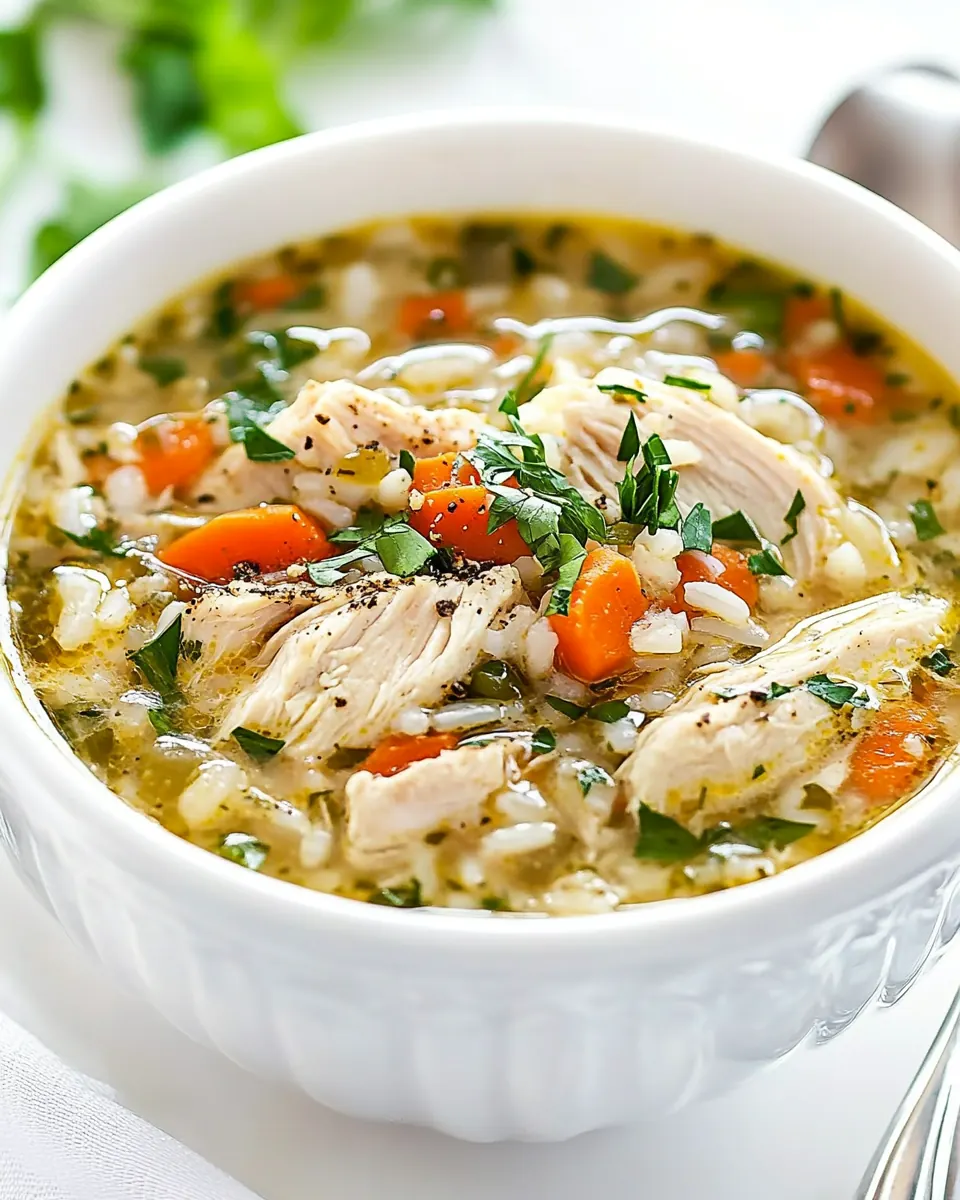
Chicken and Rice Soup
Chicken and Rice Soup has been my go to when I want something that feels like a warm hug on a cold evening. I remember the first time I made it for a friend who was under the weather, how the steam fogged the windows and the whole kitchen smelled of savory broth and herbs. That memory stuck with me, and since then this soup has become a quiet ritual I return to whenever comfort is the goal.
On busy weeknights I love how straightforward Chicken and Rice Soup is, yet it never tastes pedestrian. The simple act of chopping carrots and celery and watching them soften in a pot gives me a small moment of calm. Over time I learned a few little techniques that coax the deepest flavor from the basic ingredients, and I enjoy passing those along when someone asks for the recipe. This soup is humble, adaptable, and reliably nourishing.
Recipe Snapshot
30 mins
10 mins
20 mins
Easy
350 kcal
American
Gluten-Free, Paleo
Soups
Large pot, Tongs, Cutting board, Knife, Two forks, Instant read thermometer
Why You Need This Chicken and Rice Soup
It warms you from the inside out
I often choose Chicken and Rice Soup when the day has worn me down, because it provides genuine warmth and comfort. The combination of simmered chicken and aromatic herbs produces a broth that feels restorative, and I swear it lifts spirits as much as it fills bellies.
Simple ingredients, big payoff
What I adore is how pantry staples like rice, dried thyme, and a few vegetables transform into something more than the sum of their parts. This recipe scales easily, and I love that you can make it without hunting for specialty items.
Perfect for weeknights
Because the steps are straightforward and the timing is predictable, I reach for this soup when time is short. It gives you home cooked results with minimal fuss, which is priceless on busy evenings when you still want real food.
Comfort with a practical edge
This soup reheats beautifully, so I make a big pot and enjoy leftovers the next day. The rice soaks up flavor, and the texture stays pleasing when warmed gently, making it an efficient choice for meal planning.
A crowd pleaser that stays humble
Whether I serve it for a casual dinner or bring it to a friend recovering from illness, Chicken and Rice Soup has a way of feeling appropriate and thoughtful. It’s unobtrusive, nourishing, and universally liked, which is why I keep it in my regular rotation.
Shopping List for Chicken and Rice Soup
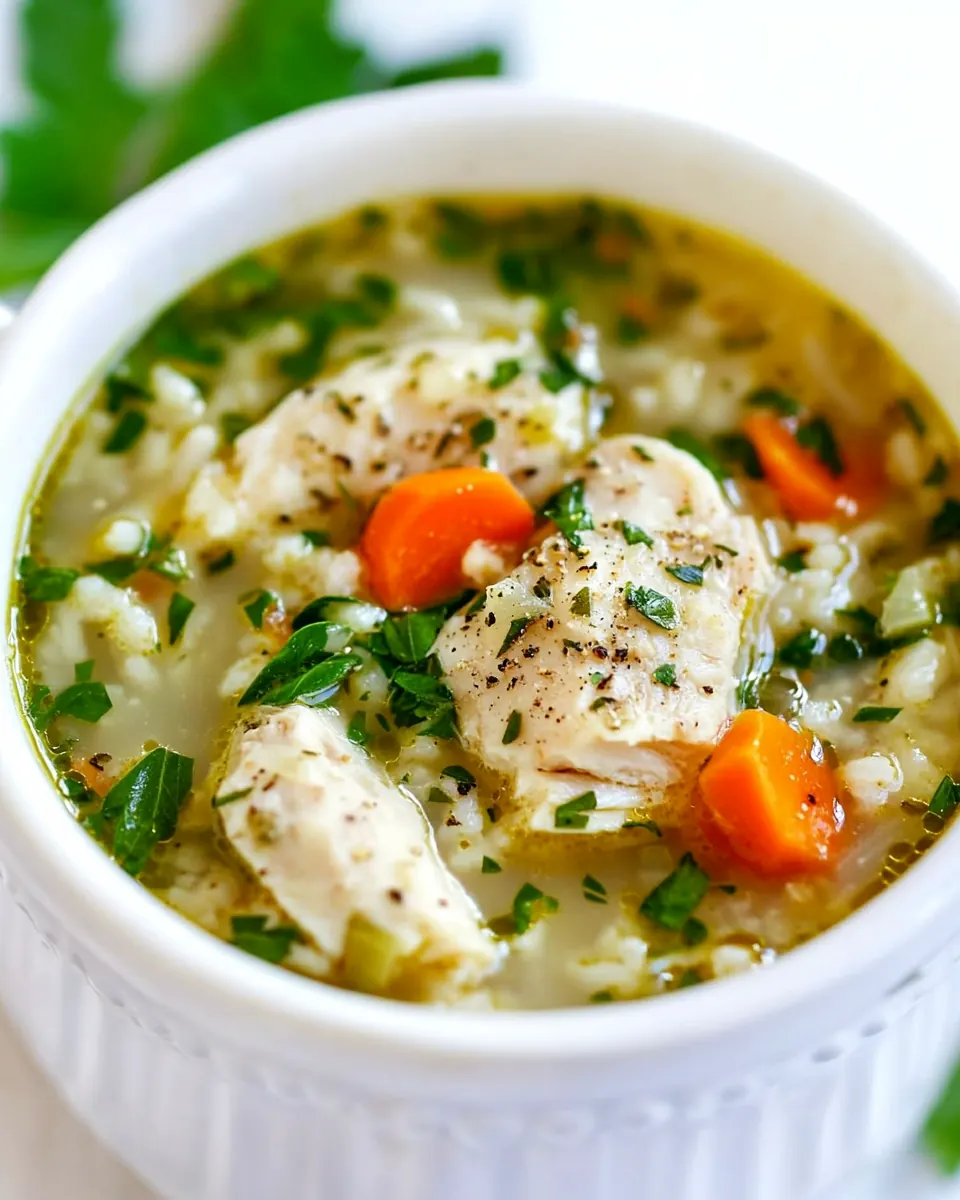
These ingredients are intentionally modest, each playing an essential role. The aromatic trio of onion, carrots, and celery builds the soup’s backbone, while garlic and dried herbs add savory depth. Chicken and rice provide satisfying substance, and a simple seasoning of salt and pepper ties everything together.
- 1 tablespoon olive oil: Heat and provide a cooking fat to sauté vegetables and bloom spices; helps prevent sticking and adds a fruity, slightly bitter backbone to the soup. Use at the start of cooking to gently soften aromatics and develop flavor through browning.
- 1 small yellow onion, chopped: Add and build aromatic depth by sweating until translucent; contributes sweetness and savory complexity to the broth. Chop finely for even cooking and maximum flavor release during the initial sauté.
- 4 medium carrots, peeled & chopped: Peel and contribute natural sweetness and body to the soup while adding texture; carrots also impart color and subtle earthiness. Chop into uniform pieces so they cook evenly and release sugars into the broth.
- 4 celery ribs, chopped: Chop and provide savory freshness and a slight vegetal crunch that balances sweeter vegetables; celery also adds aromatic volume to the flavor base. Cook with onions and carrots to form a classic mirepoix-like foundation for the soup.
- 3 garlic cloves, minced: Mince and release pungent, aromatic oils that enhance overall savory profile; garlic adds depth and a warm bite when added early or near the end for brighter flavor. Adjust amount to taste and avoid burning to prevent bitterness.
- 2 teaspoons dried thyme: Season and add herbal, slightly floral notes that complement chicken; dried thyme holds up well during long simmering and infuses the broth. Sprinkle in early so its flavors meld into the soup during simmering.
- 1 teaspoon dried oregano: Season and add warm, slightly peppery and earthy notes that complement other herbs; dried oregano contributes Mediterranean nuance and stands up to simmering. Use measured amounts to avoid overpowering more delicate aromatics.
- 1/2 cup uncooked white rice: Cook and bulk the soup with tender, starchy grains that add heartiness and slight creaminess as they absorb liquid; white rice also helps thicken the broth slightly. Add early enough to become tender but monitor to avoid overcooking to mush.
- 6 cups water: Provide the cooking liquid base that hydrates rice, cooks chicken, and carries flavors; water allows control over final saltiness and clarity of the broth. Bring to a simmer and adjust as needed with added stock or seasoning for depth.
- 1 1/2 pounds boneless skinless chicken thighs: Simmer and supply protein, richness, and meaty flavor; boneless skinless thighs remain tender and moist during longer cooking. Cut to even pieces or add whole to poach, then shred or slice before serving for best texture.
- 2 teaspoons fine sea salt: Season and enhance overall flavor balance by elevating savory notes and controlling taste; fine sea salt dissolves readily into the broth. Taste and adjust during cooking and again at the end to achieve the desired seasoning.
- 1 teaspoon ground black pepper: Season and add warm, sharp heat that brightens and rounds flavors; ground black pepper contributes subtle complexity and aroma. Grind fresh or use pre-ground and add gradually to reach preferred spiciness.
How to Make Chicken and Rice Soup
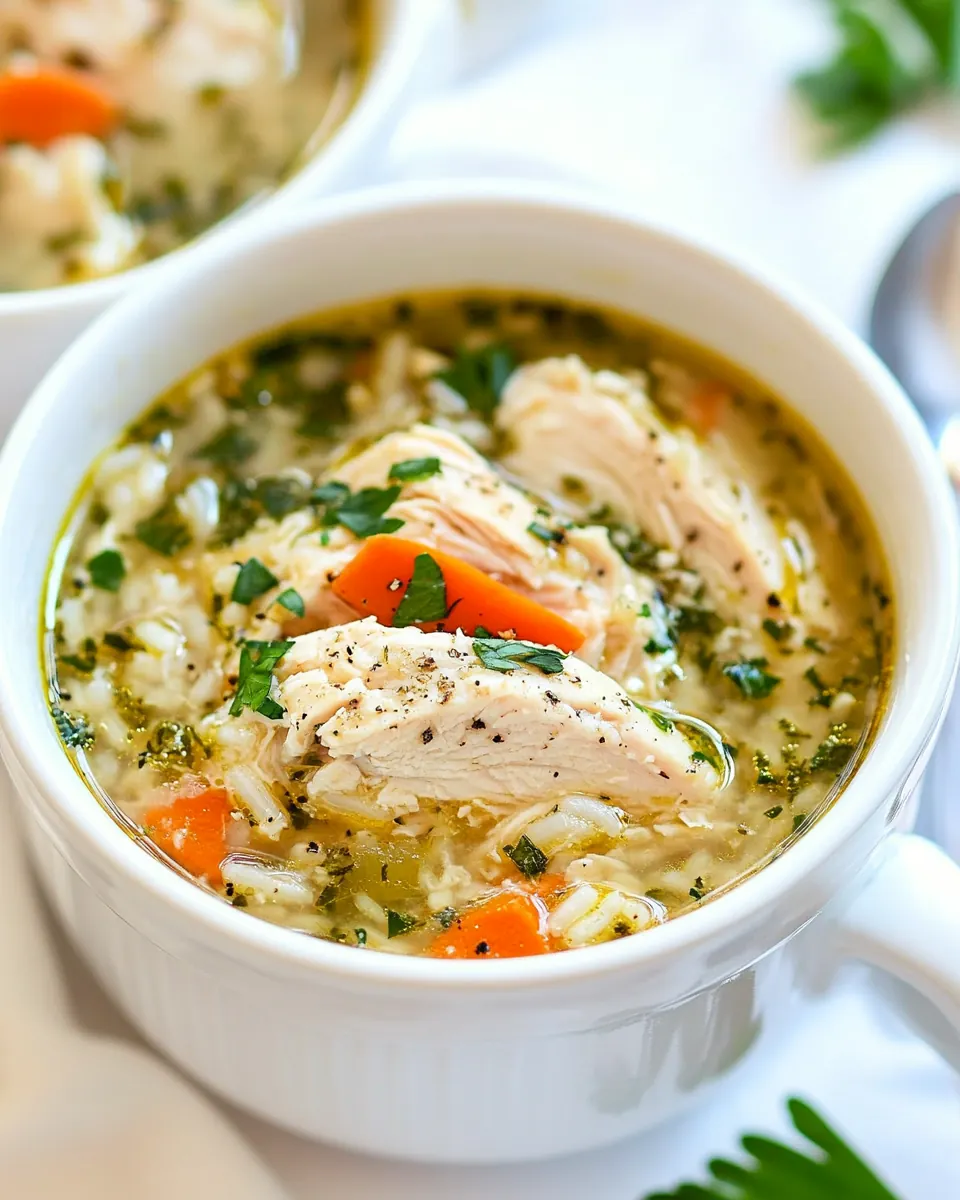
This recipe is approachable, and the steps are straightforward, so you can cook confidently even if you are juggling other tasks. Read through the instructions once so you know the flow, then work steadily and enjoy the gentle rhythm of building a broth from simple ingredients.
- Add the olive oil to a large pot over medium-high heat and saute the onion, carrots, and celery until they soften, about 5 to 8 minutes. Then add in the garlic, thyme, and oregano and stir for 1 more minute.: You should smell a refreshing lift as the vegetables hit the hot oil, a soft sizzling that tells you the pan is at the right temperature. Visually the onion will go from opaque to translucent and the carrots and celery will begin to lose their raw sheen, releasing sweet, vegetal aromas. The brief addition of garlic and dried herbs should perfume the kitchen without turning brown, giving the base a layered savory character that will infuse the entire pot. This gentle sweat is essential because it releases sugars and aromatics that form the backbone of the broth, resulting in greater depth than simply boiling everything together. If you cook too hot, you will char the edges, introducing bitter notes, so lower the heat at the first sign of browning and stir frequently to keep the pieces cooking evenly. The sound should be a steady, soft sizzle not an aggressive pop; that is your cue to maintain the current heat.
- Add in the water, rice, chicken, salt, and pepper. Bring the liquid to a boil over high heat.: As the water joins the pot it will pick up those softened aromatics and begin to carry them, creating a gentle steam that smells layered and welcoming. The moment you add the rice and chicken the pot’s volume increases and the surface will shimmer as it warms. Bringing the liquid to a rolling boil helps the starch in the rice awaken, and you will see small bubbles building across the surface as the heat rises. This step sets the stage for even cooking, so monitor the pot and give it a gentle stir to prevent any rice from sticking to the bottom. A common error is failing to distribute the ingredients evenly, which can lead to uneven cooking; use a spoon to nudge the rice so it doesn’t clump.
- Once the water is boiling lower the heat and cover the pot. Let the soup gently simmer until the chicken reaches an internal temperature of 165ºF about 15 to 20 minutes.: When you reduce to a gentle simmer the surface will show small, consistent bubbles and soft movement, not vigorous bubbling. This restrained motion allows the chicken to cook through while staying tender, and the rice will absorb liquid gradually, growing plump without turning gluey. Use an instant read thermometer to verify the chicken hits 165 ºF , which ensures safety without overcooking. If the heat is too high, the meat can become stringy and the rice can overexpand; if it is too low, the rice may remain underdone. A frequent mistake is leaving the pot uncovered during this phase which causes too much liquid to evaporate and can result in overly thick soup.
- Use tongs to carefully remove the chicken from the pot. Place it on a cutting board and shred it with two forks, or use a knife to cut it into small pieces. Return the chicken to the soup and adjust any seasoning to taste. (I usually add another 1/2 teaspoon of salt.): When you lift the cooked chicken from the broth you will notice it is moist and fragrant, carrying the broth’s aromatics. Shredding with forks produces tender ribbons that integrate beautifully into the soup, while cutting yields neat morsels depending on your preference. The texture of the shredded chicken should be soft and yielding, not dry or rubbery; that indicates it was cooked at too high a temperature. Tasting and adjusting the seasoning now is important because the rice has absorbed salt and flavor; add small increments of additional salt or pepper to balance, and stir to meld. One common oversight is over-salting early on; always taste before adding more.
- Serve the soup warm, and store any leftovers in an airtight container in the fridge for up to 4 days.: Serving warm ensures the aromas are at their peak and the texture is inviting, with the rice and chicken offering comfortable bite. As the soup cools and rests in the fridge the flavors meld and deepen, so leftovers often taste even better the next day. When reheating, do so gently over low heat to prevent the rice from breaking down and turning mushy, stirring occasionally until steaming through. A common mistake is reheating too quickly at high heat which makes the proteins tough and the grains collapse; patience yields the best results. Store in a sealed container to maintain brightness and prevent the broth from absorbing other fridge odors.
Make It Your Own
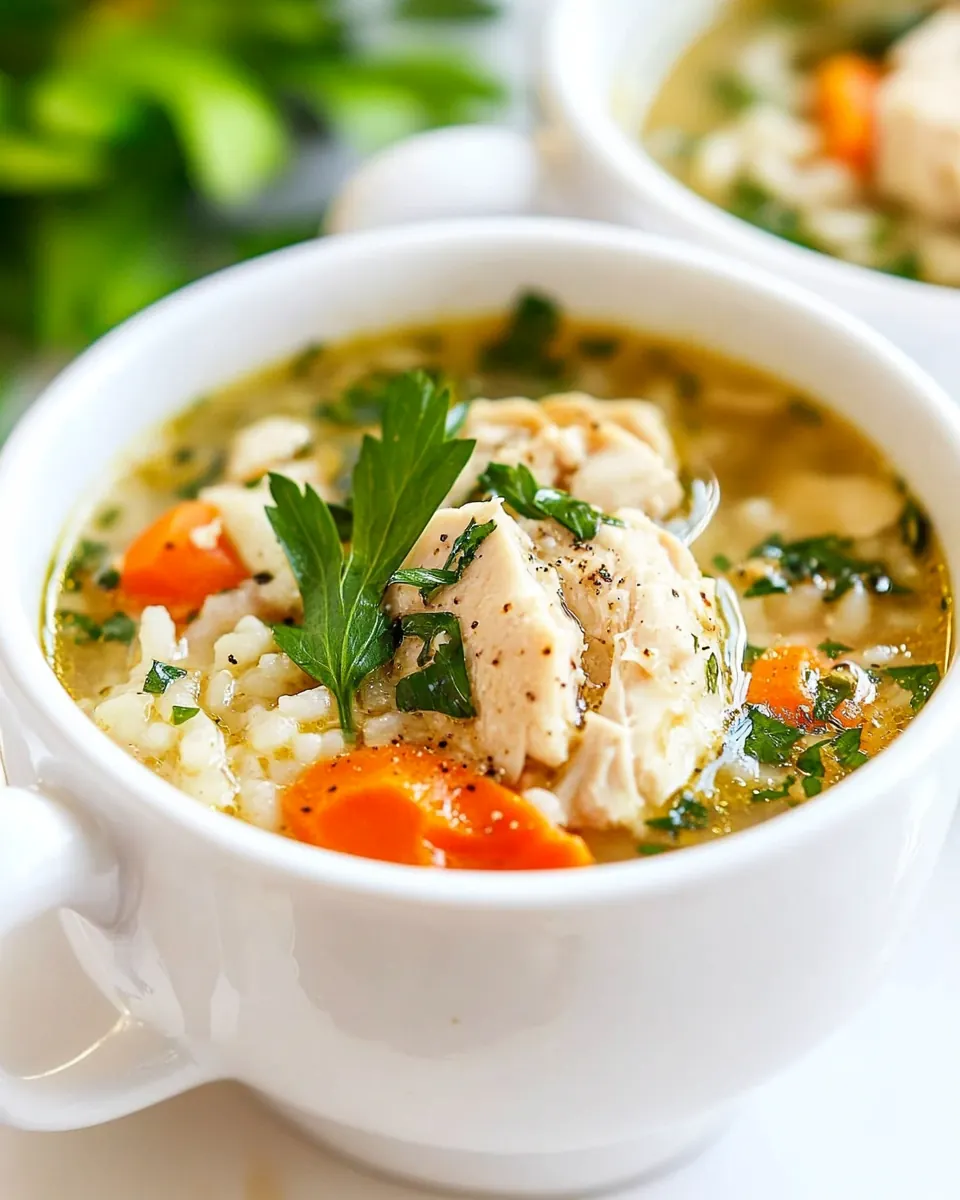
I like tailoring this soup in small ways to suit the mood or what is on hand. Below are practical tips I use to personalize the flavor and texture without changing the recipe’s spirit. Try one at a time to find your favorite twist.
- Control the heat: Keep the pot at a gentle simmer when cooking the chicken so it remains tender and the broth stays clear. Rapid boiling makes proteins tough and clouds the broth.
- Uniform chopping: Cut the carrots and celery to similar sizes so they finish cooking at the same time, producing a pleasant, consistent mouthfeel.
- Finish with taste: Always taste and adjust seasoning after the rice has cooked, because it absorbs salt and concentrates flavors as it expands.
- Shredding method: Use two forks to shred warm chicken for a soft texture, or slice if you prefer bite sized pieces; shredding integrates the meat into every spoonful.
- Storage strategy: Cool the soup quickly before refrigeration and store in an airtight container for up to four days, reheating gently to preserve texture and flavor.
How to Serve Chicken and Rice Soup
This soup is versatile and suits many occasions, from a quiet solo dinner to a comforting meal for guests. Below are serving ideas, pairings, and storage suggestions to help you present it in ways that feel thoughtful and practical.
- Serve warm in bowls: Ladle into warmed bowls so the soup stays hot longer and the aromas come forward at the table.
- Accompany with crusty bread: Offer a simple loaf or sliced bread to soak up the broth, creating a satisfying contrast in texture.
- Light lunch option: Pair a modest bowl with a side salad for a balanced midday meal that is nourishing without being heavy.
- Family dinner: Serve generous bowls with extra bowls of shredded chicken on the side so guests can add more if desired.
- Meal prep friendly: Portion into airtight containers for easy reheating; this works well for busy schedules and lunches on the go.
- Seasonal choice: I reach for this soup in colder months like winter when its warmth is especially welcome, but it also comforts during transitional weather.
- Storage tips: Refrigerate in airtight containers for up to four days and reheat gently on the stove to preserve the texture of the rice and chicken.
- Occasion ideas: Bring to a friend recovering from illness or serve at casual family dinners where simple, thoughtful food is appreciated.
- Presentation: Garnish is optional; serving as-is keeps the focus on the clean, savory flavors that make the dish so reliable.
- Portion guidance: A hearty serving is roughly two heaping cups, which is comforting and filling without being excessive.
FAQ
Conclusion
What makes this recipe special is its reassuring simplicity and reliable comfort. It combines modest pantry staples into a bowl that soothes and satisfies, whether you need a quick family dinner or a gentle meal for someone recovering from illness. Give it a try on a chilly evening, and let the steady ritual of simmering and tasting guide you. Share it with people you care about, or tuck portions away for easy weekday lunches, and enjoy the quiet luxury of truly comforting food.
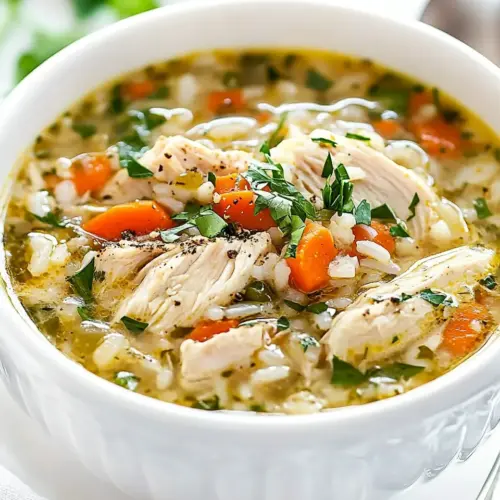
Chicken and Rice Soup
Equipment
- Large Pot
- Tongs
- Cutting Board
- Knife
- Two forks
- Instant read thermometer
Ingredients
- 1 tablespoon olive oil Heat and provide a cooking fat to sauté vegetables and bloom spices; helps prevent sticking and adds a fruity, slightly bitter backbone to the soup. Use at the start of cooking to gently soften aromatics and develop flavor through browning.
- 1 small yellow onion, chopped Add and build aromatic depth by sweating until translucent; contributes sweetness and savory complexity to the broth. Chop finely for even cooking and maximum flavor release during the initial sauté.
- 4 medium carrots, peeled & chopped Peel and contribute natural sweetness and body to the soup while adding texture; carrots also impart color and subtle earthiness. Chop into uniform pieces so they cook evenly and release sugars into the broth.
- 4 celery ribs, chopped Chop and provide savory freshness and a slight vegetal crunch that balances sweeter vegetables; celery also adds aromatic volume to the flavor base. Cook with onions and carrots to form a classic mirepoix-like foundation for the soup.
- 3 garlic cloves, minced Mince and release pungent, aromatic oils that enhance overall savory profile; garlic adds depth and a warm bite when added early or near the end for brighter flavor. Adjust amount to taste and avoid burning to prevent bitterness.
- 2 teaspoons dried thyme Season and add herbal, slightly floral notes that complement chicken; dried thyme holds up well during long simmering and infuses the broth. Sprinkle in early so its flavors meld into the soup during simmering.
- 1 teaspoon dried oregano Season and add warm, slightly peppery and earthy notes that complement other herbs; dried oregano contributes Mediterranean nuance and stands up to simmering. Use measured amounts to avoid overpowering more delicate aromatics.
- 1/2 cup uncooked white rice Cook and bulk the soup with tender, starchy grains that add heartiness and slight creaminess as they absorb liquid; white rice also helps thicken the broth slightly. Add early enough to become tender but monitor to avoid overcooking to mush.
- 6 cups water Provide the cooking liquid base that hydrates rice, cooks chicken, and carries flavors; water allows control over final saltiness and clarity of the broth. Bring to a simmer and adjust as needed with added stock or seasoning for depth.
- 1 1/2 pounds boneless skinless chicken thighs Simmer and supply protein, richness, and meaty flavor; boneless skinless thighs remain tender and moist during longer cooking. Cut to even pieces or add whole to poach, then shred or slice before serving for best texture.
- 2 teaspoons fine sea salt Season and enhance overall flavor balance by elevating savory notes and controlling taste; fine sea salt dissolves readily into the broth. Taste and adjust during cooking and again at the end to achieve the desired seasoning.
- 1 teaspoon ground black pepper Season and add warm, sharp heat that brightens and rounds flavors; ground black pepper contributes subtle complexity and aroma. Grind fresh or use pre-ground and add gradually to reach preferred spiciness.
Instructions
- Add the olive oil to a large pot over medium-high heat and saute the onion, carrots, and celery until they soften, about 5 to 8 minutes. Then add in the garlic, thyme, and oregano and stir for 1 more minute.: You should smell a refreshing lift as the vegetables hit the hot oil, a soft sizzling that tells you the pan is at the right temperature. Visually the onion will go from opaque to translucent and the carrots and celery will begin to lose their raw sheen, releasing sweet, vegetal aromas. The brief addition of garlic and dried herbs should perfume the kitchen without turning brown, giving the base a layered savory character that will infuse the entire pot. This gentle sweat is essential because it releases sugars and aromatics that form the backbone of the broth, resulting in greater depth than simply boiling everything together. If you cook too hot, you will char the edges, introducing bitter notes, so lower the heat at the first sign of browning and stir frequently to keep the pieces cooking evenly. The sound should be a steady, soft sizzle not an aggressive pop; that is your cue to maintain the current heat.
- Add in the water, rice, chicken, salt, and pepper. Bring the liquid to a boil over high heat.: As the water joins the pot it will pick up those softened aromatics and begin to carry them, creating a gentle steam that smells layered and welcoming. The moment you add the rice and chicken the pot’s volume increases and the surface will shimmer as it warms. Bringing the liquid to a rolling boil helps the starch in the rice awaken, and you will see small bubbles building across the surface as the heat rises. This step sets the stage for even cooking, so monitor the pot and give it a gentle stir to prevent any rice from sticking to the bottom. A common error is failing to distribute the ingredients evenly, which can lead to uneven cooking; use a spoon to nudge the rice so it doesn’t clump.
- Once the water is boiling lower the heat and cover the pot. Let the soup gently simmer until the chicken reaches an internal temperature of 165ºF about 15 to 20 minutes.: When you reduce to a gentle simmer the surface will show small, consistent bubbles and soft movement, not vigorous bubbling. This restrained motion allows the chicken to cook through while staying tender, and the rice will absorb liquid gradually, growing plump without turning gluey. Use an instant read thermometer to verify the chicken hits 165 ºF , which ensures safety without overcooking. If the heat is too high, the meat can become stringy and the rice can overexpand; if it is too low, the rice may remain underdone. A frequent mistake is leaving the pot uncovered during this phase which causes too much liquid to evaporate and can result in overly thick soup.
- Use tongs to carefully remove the chicken from the pot. Place it on a cutting board and shred it with two forks, or use a knife to cut it into small pieces. Return the chicken to the soup and adjust any seasoning to taste. (I usually add another 1/2 teaspoon of salt.): When you lift the cooked chicken from the broth you will notice it is moist and fragrant, carrying the broth’s aromatics. Shredding with forks produces tender ribbons that integrate beautifully into the soup, while cutting yields neat morsels depending on your preference. The texture of the shredded chicken should be soft and yielding, not dry or rubbery; that indicates it was cooked at too high a temperature. Tasting and adjusting the seasoning now is important because the rice has absorbed salt and flavor; add small increments of additional salt or pepper to balance, and stir to meld. One common oversight is over-salting early on; always taste before adding more.
- Serve the soup warm, and store any leftovers in an airtight container in the fridge for up to 4 days.: Serving warm ensures the aromas are at their peak and the texture is inviting, with the rice and chicken offering comfortable bite. As the soup cools and rests in the fridge the flavors meld and deepen, so leftovers often taste even better the next day. When reheating, do so gently over low heat to prevent the rice from breaking down and turning mushy, stirring occasionally until steaming through. A common mistake is reheating too quickly at high heat which makes the proteins tough and the grains collapse; patience yields the best results. Store in a sealed container to maintain brightness and prevent the broth from absorbing other fridge odors.
Notes
- Control the heat: Keep the pot at a gentle simmer when cooking the chicken so it remains tender and the broth stays clear. Rapid boiling makes proteins tough and clouds the broth.
- Uniform chopping: Cut the carrots and celery to similar sizes so they finish cooking at the same time, producing a pleasant, consistent mouthfeel.
- Finish with taste: Always taste and adjust seasoning after the rice has cooked, because it absorbs salt and concentrates flavors as it expands.
- Shredding method: Use two forks to shred warm chicken for a soft texture, or slice if you prefer bite sized pieces; shredding integrates the meat into every spoonful.
- Storage strategy: Cool the soup quickly before refrigeration and store in an airtight container for up to four days, reheating gently to preserve texture and flavor.