Lemon Chicken Orzo Soup
Lemon Chicken Orzo Soup is the kind of bowl I reach for when the house needs a warm, bright hug at once. The first time I made it I had a cold, a half empty rotisserie chicken, and two lemons that smelled like sunshine. I tossed them together with pantry staples and what came out felt like comfort with a lift, something that warms the chest and wakes up the palate at the same time.
I remember standing over the stovetop as the aroma of olive oil and softened onion, celery, and carrot rose up, then a flash of garlic, and finally the lemon brightness that cut through the richness. I stirred the orzo in and watched it swell, turning the broth into something cozy yet bright. Each spoonful folded tender chicken and wilted spinach into tiny pillows of pasta, and I knew this would become a weekday favorite.
Recipe Snapshot
30 mins
10 mins
20 mins
Easy
300 kcal
American
Paleo, Whole30
Soups
Large pot
The Appeal of This Lemon Chicken Orzo Soup
Bright, soulful flavor
What I love most is the balance. The Lemon Chicken Orzo Soup hits savory notes from the chicken and chicken broth, while lemon juice and zest add that lift that keeps you coming back for another spoonful. I reach for it when I want something soothing, not heavy, and something that still feels like a proper meal.
Speed and simplicity
I can get this from stove to bowl quickly, which is a huge plus on busy evenings. The recipe uses a handful of straightforward steps, and the most work is waiting for flavors to meld. When I am short on time I love that a pre-cooked rotisserie chicken does much of the heavy lifting.
Comfort with a bright twist
This soup delivers comfort without being cloying. The tiny orzo swells and carries the broth so each bite feels substantial, yet the citrus keeps it light. It’s a good middle ground when you want something hearty but not heavy.
Flexible and forgiving
I often tweak the herbs slightly based on what’s in my pantry, and the soup still sings. Whether I use a little more thyme or a pinch of oregano, the base is forgiving. That makes it perfect for cooks who like to adapt on the fly without risking a ruined dinner.
Family friendly and crowd pleasing
This is a bowl that kids and grown ups both accept. The texture of orzo is familiar and reassuring, while the lemon adds a grown up note. I’ve brought it to potlucks and weeknight tables alike, and it disappears fast.
Ingredients for Lemon Chicken Orzo Soup
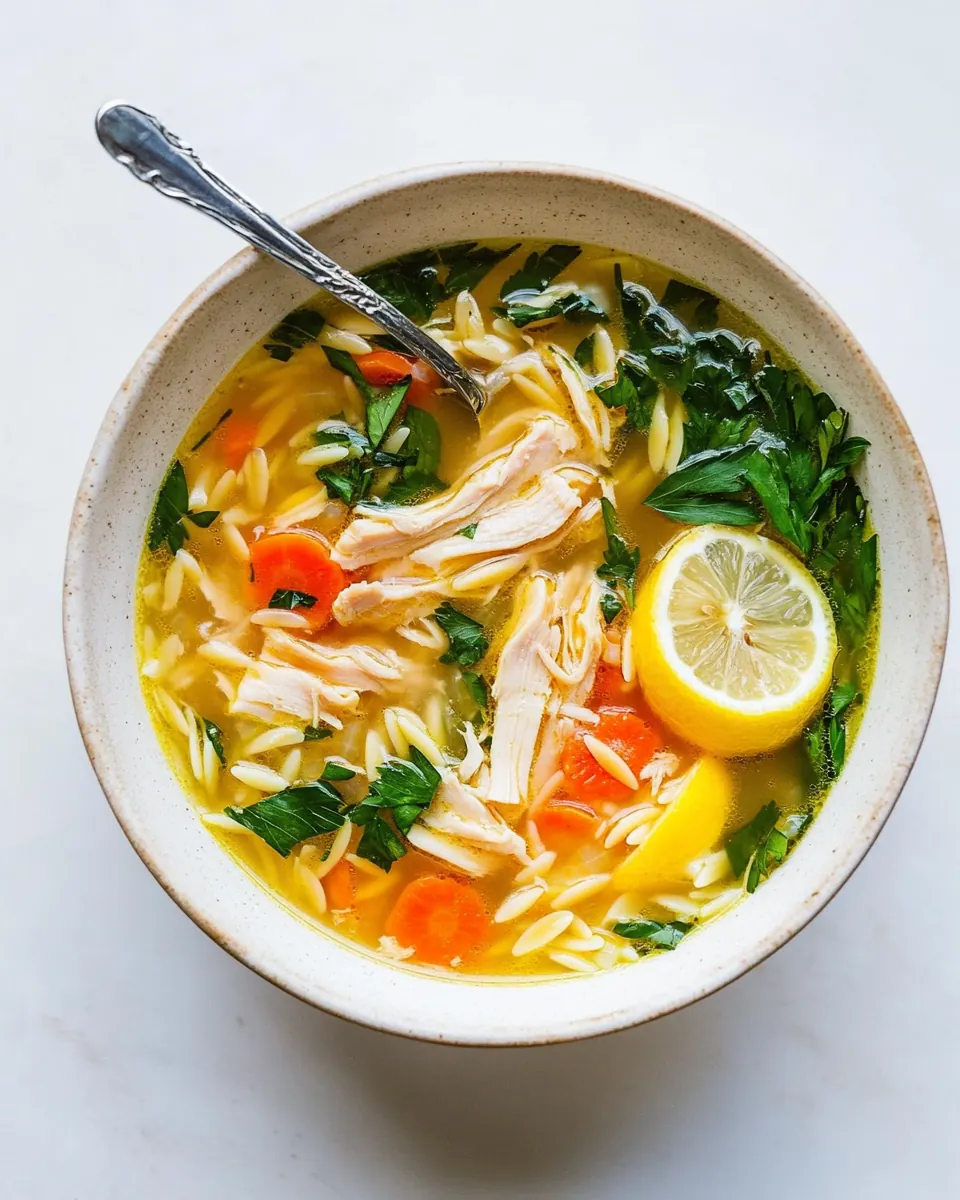
I believe in building soups around a few key players: a savory stock, a solid aromatics base, a tender protein, and an element that brightens everything up. These ingredients come together to create a bowl that is both nourishing and lively. The chicken broth provides the backbone, the mirepoix anchors the flavor, and the lemon wakes the whole pot up at the end.
- 2 tablespoons olive oil: Heat gently and provide a healthy fat for sautéing mirepoix while adding subtle fruity flavor and helping distribute aromatics throughout the soup. Promote browning and fragrance release from vegetables when warmed at the start of cooking. Contribute to mouthfeel and help carry fat-soluble flavors, improving overall texture.
- 3 cups diced mirepoix or 1 cup each: diced yellow onion, diced celery, diced carrots; see note 1: Create a savory aromatic base by supplying a balanced mix of onion, celery, and carrots that build depth and sweetness when softened. Release natural sugars and moisture that form the backbone of the broth, enhancing both flavor and body. Offer textural contrast if left chunky or a smooth background when cooked longer, anchoring the soup.
- 2 teaspoons minced garlic: Infuse a sharp, pungent garlic aroma that brightens the soup and complements the lemony finish. Release savory compounds quickly when minced and sautéed in oil, boosting umami and complexity. Provide a familiar savory note that enhances other seasonings without overpowering them when used sparingly.
- 1 teaspoon chicken bouillon powder: Introduce concentrated savory and umami notes to reinforce the soup’s chicken flavor, especially if using lighter broths. Dissolve easily into the liquid to deepen the stock’s taste without adding additional volume. Help mimic homemade stock intensity when time or ingredients are limited.
- 1/2 teaspoon salt: Enhance and balance flavors by bringing mild salty seasoning that elevates vegetables and chicken while controlling overall seasoning levels. Draw out natural flavors and help proteins and starches unfold in the broth. Allow incremental adjustment during cooking to avoid over-salting as the liquid reduces.
- 1/2 teaspoon pepper: Provide gentle heat and complexity that balances citrus and herbs while contributing to a rounded savory profile. Help highlight other seasonings and create a subtle peppery finish when adjusted to taste. Improve overall flavor clarity without overwhelming delicate ingredients like spinach.
- 1/2 teaspoon dried parsley: Offer a mild, herbaceous note that adds green freshness and subtle earthiness to the soup when incorporated. Rehydrate in the broth to release delicate flavor and aroma, contributing to an overall balanced herb profile. Complement other Mediterranean-style seasonings without dominating the palate.
- 1/2 teaspoon dried oregano: Contribute classic Mediterranean herbal warmth and a slightly minty, savory scent that pairs well with lemon and chicken. Blend seamlessly with other dried herbs to create an herbaceous backbone for the broth. Provide familiar Italian-style flavor that supports the dish’s rustic character.
- 1/2 teaspoon dried thyme: Lend a warm, slightly floral and woodsy undertone that enhances depth and rounds out the herb blend. Rehydrate slowly in hot broth to release nuanced aromatics that complement both chicken and citrus. Add complexity without adding additional salt or fat.
- 1 teaspoon Italian seasoning: Provide a ready-made blend of complementary herbs that layers well with single dried herbs to simplify seasoning. Deliver an even, balanced herby character that supports the Mediterranean profile and pairs well with lemon and chicken. Save time while ensuring an integrated flavor base.
- 8 cups chicken broth: Form the liquid foundation and carry all flavors while providing savory chicken essence and body to the soup. Offer nourishment and dilution for concentrated seasonings, ensuring ingredients cook evenly and orzo becomes tender without becoming gluey. Act as the main medium where aromatics, herbs, and citrus meld.
- 1 bay leaf (optional): Add a subtle bay aroma when included, imparting a faint herbal, slightly floral background that deepens the broth. Simmer gently with the stock to extract layered scent compounds, then remove before serving for a clean finish. Allow optional use to control aroma intensity depending on preference.
- 3/4 cup uncooked orzo pasta see note 2: Thicken and add comforting starchiness as it cooks, creating a tender, slightly chewy pasta element that soaks up broth and flavors. Release small amounts of starch that help bind ingredients and give the soup a cohesive texture. Cook to al dente to maintain shape and avoid turning the soup gummy.
- 2 cups rotisserie chicken shredded/chopped, see note 3: Provide cooked protein and savory richness that makes the soup hearty and ready-to-serve without long cooking. Add tender shredded texture that pairs with orzo and spinach while absorbing lemony broth flavors. Offer convenience and depth, whether freshly cooked or rotisserie-sourced.
- 2 cups coarsely chopped baby spinach: Introduce tender green leaves that wilt quickly into the hot broth, bringing fresh vegetal color, mild earthiness, and added vitamins. Fold in near the end of cooking to retain texture and bright flavor without overcooking. Complement lemon and herbs while lightening the soup’s richness.
- 2 large lemons see note 4: Deliver bright citrus juice and zest that cut through richness, adding vibrant acidity and aromatic lift to balance chicken and orzo. Squeeze and grate as directed to brighten the broth and create a classic lemon-scented profile. Adjust quantity to taste for desired tartness and brightness.
- Serving suggestions see note 5: Suggest additional elements or accompaniments to enhance texture, flavor, and presentation such as crusty bread, grated cheese, or extra herbs for garnish. Offer serving ideas to customize portion sizes and add visual appeal while complementing the soup’s lemony, savory character. Encourage pairing choices without changing core ingredients.
Making This Lemon Chicken Orzo Soup
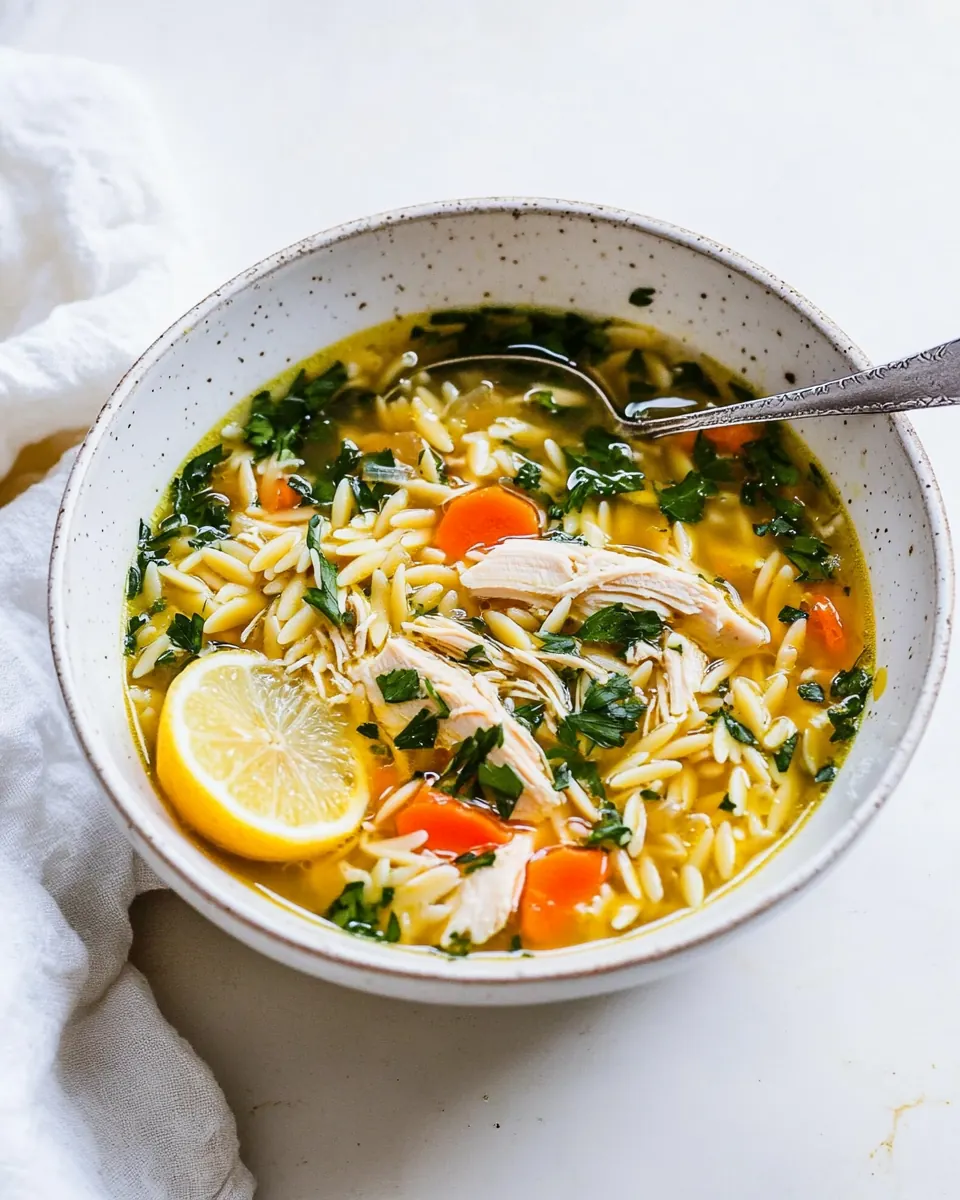
I like to approach the cooking phase like a short ritual, layering flavors step by step. Below I expand each instruction into detailed, sensory rich guidance so you can cook with confidence and understand the why behind every choice.
- In a large pot over medium heat, add olive oil. Once oil is shimmering, add diced onion, celery, and carrots. Cook until veggies are crisp-tender, stirring occasionally, for about 7–9 minutes (reduce heat if veggies are browning too quickly). Add minced garlic and stir for 30 seconds.: The kitchen will come alive as the olive oil warms and releases a faint fruity aroma, a sign it is ready for the aromatics. You want the oil shimmering but not smoking. If it smokes the pan is too hot, which can burn the aromatics and make the soup bitter. Swirl the pan so the oil coats the bottom evenly, this ensures even cooking of the onion , celery , and carrot . Using a heavy bottom large pot helps maintain steady heat and prevents hot spots. Avoid adding the vegetables to oil that is not hot enough, because they will absorb oil and become greasy rather than tender.
- Add the seasonings and stir for 30 seconds. Pour in the chicken broth and add the bay leaf if using. Increase heat and bring to a boil. Once boiling, add the orzo. Cook according to package directions, subtracting 2 minutes from the recommended cooking time.: As these vegetables hit the pan you will hear a gentle sizzle, and within a few minutes the onion will turn translucent while the edges of the carrot take on a softened sheen. Stir occasionally so nothing sticks, using a wooden spoon to scrape up fond which adds flavor. Watch for color; you want them crisp tender rather than browned, so reduce heat if they start to take on too much color. A common mistake is rushing at high heat which can char the veggies, losing sweetness and creating bitter notes.
- Stir in the shredded rotisserie chicken and the spinach. Gently stir to warm through the chicken and allow the spinach to wilt, about 1–3 minutes. Remove from heat. Stir in 1-1/2 teaspoon lemon zest and 3–4 tablespoons lemon juice. Season to taste if any additional salt or pepper is needed.: The pot should smell sweet and savory as the aromatics soften; that natural sweetness from the carrot and onion builds the soup base. Keep the lid off so moisture can escape and the vegetables concentrate their flavor. If the pan looks dry add a splash of broth or a touch more olive oil . Avoid overcooking into a paste, which removes the pleasant texture that contrasts with tender orzo .
- Ladle the soup into bowls and garnish, if desired, with fresh thyme. Add optional Parmesan cheese to individual bowls. Serve with crusty bread.: The scent of garlic will bloom almost immediately, bright and pungent. Stir it into the softened vegetables for about thirty seconds; this releases its oils and aroma. Do not let garlic sit long without liquid, because it can quickly scorch and turn bitter. If the pan starts to smell acrid it means the garlic burned, in which case you should start over for best flavor.
- Add the seasonings and stir for 30 seconds: Toss in the chicken bouillon powder , salt , pepper , and dried herbs and let them toast briefly in the warm fat. This quick step wakes up the dried herbs, releasing their essential oils into the oil, which helps distribute their flavor throughout the soup. Stir constantly to prevent any single herb from sticking and burning. If you skip this you may end up with flat tasting broth.
- Pour in the chicken broth and add the bay leaf if using: As the chicken broth hits the pot steam will rise and the savory notes will become more pronounced. Scrape the bottom of the pot to dissolve any browned bits, which deepen the broth. Add the bay leaf now so it can infuse slowly. If your broth tastes thin you can simmer a few minutes to concentrate it, but avoid aggressive boiling which can cloud the broth and evaporate too much liquid.
- Increase heat and bring to a boil: Watch the surface for large rolling bubbles, that is your cue to add the orzo . A full boil gives the orzo an even cooking environment, but once added you should reduce to a gentle boil or brisk simmer to prevent the pot from bubbling over. Stir as you add ingredients so nothing clumps. A common pitfall is leaving the pasta to stick to the bottom, so keep an eye on it for the first few minutes.
- Once boiling add the orzo: When the orzo joins the pot the broth will sing with the smell of starch and herbs. Stir immediately to keep the orzo from clumping, and follow the package timing while subtracting two minutes as directed so the pasta finishes with a slightly firm bite. The orzo will swell and slightly thicken the broth, giving the soup body. Overcooking will make it mushy and cause it to soak up too much liquid for leftovers.
- Cook according to package directions subtracting 2 minutes from the recommended cooking time: By pulling the orzo a little early you allow it to finish cooking in the hot soup later, preventing it from becoming gummy. You will notice the texture change from translucent to tender and plump, and the broth will become slightly creamier as some starch is released. Taste a piece for doneness near the end and remember it should be tender but not falling apart. Doneness varies by brand, so adjust as needed.
- Stir in the shredded rotisserie chicken and the spinach: The residual heat will gently warm the shredded rotisserie chicken and wilt the spinach within a minute or two. You will see the spinach collapse into glossy ribbons and the chicken disperse through the bowl. This step adds texture and protein without extra cook time. Avoid vigorous stirring which can shred the chicken excessively and make it stringy.
- Gently stir to warm through the chicken and allow the spinach to wilt about 1 to 3 minutes: The comforting hiss of residual heat and steam rising signals this final moment. The chicken should be warmed through and the spinach bright green and tender. If the chicken feels cool, leave the pot a minute longer on low heat. Overheating can dry the chicken, so avoid prolonged simmering after this point.
- Remove from heat: Once the spinach has wilted and the chicken is hot, take the pot off the burner to preserve fresh textures and flavors. Leaving it on the heat can over soften the orzo and darken the spinach. Removing from heat also prepares the soup for the bright finishing elements.
- Stir in 1 and 1 slash 2 teaspoon lemon zest and 3 to 4 tablespoons lemon juice: Adding lemon zest and juice now brightens the whole pot, and you will notice an immediate lift in aroma and taste. Zest carries concentrated citrus oils, while juice contributes acidity that balances the broth. Add gradually and taste as you go, since too much acid can overpower. If it tastes too sharp a tiny pinch of sugar can round it out, but usually a touch more broth is enough.
- Season to taste if any additional salt or pepper is needed: Final seasoning ties everything together. Because the lemon can change perceived saltiness, adjust now so the flavors sing in harmony. Taste a spoonful and add small increments until it feels balanced. A common error is over salting early and then not being able to correct the acidity later, so take this last moment seriously.
- Ladle the soup into bowls and garnish if desired with fresh thyme: Serve while hot, garnishing with fresh herbs like thyme for an aromatic finish and optional grated Parmesan for savory richness. The steam will carry the aromas to the table, inviting everyone in. If reheating leftovers, add a splash of broth as needed to refresh the texture since the orzo absorbs liquid.
Variations to Try
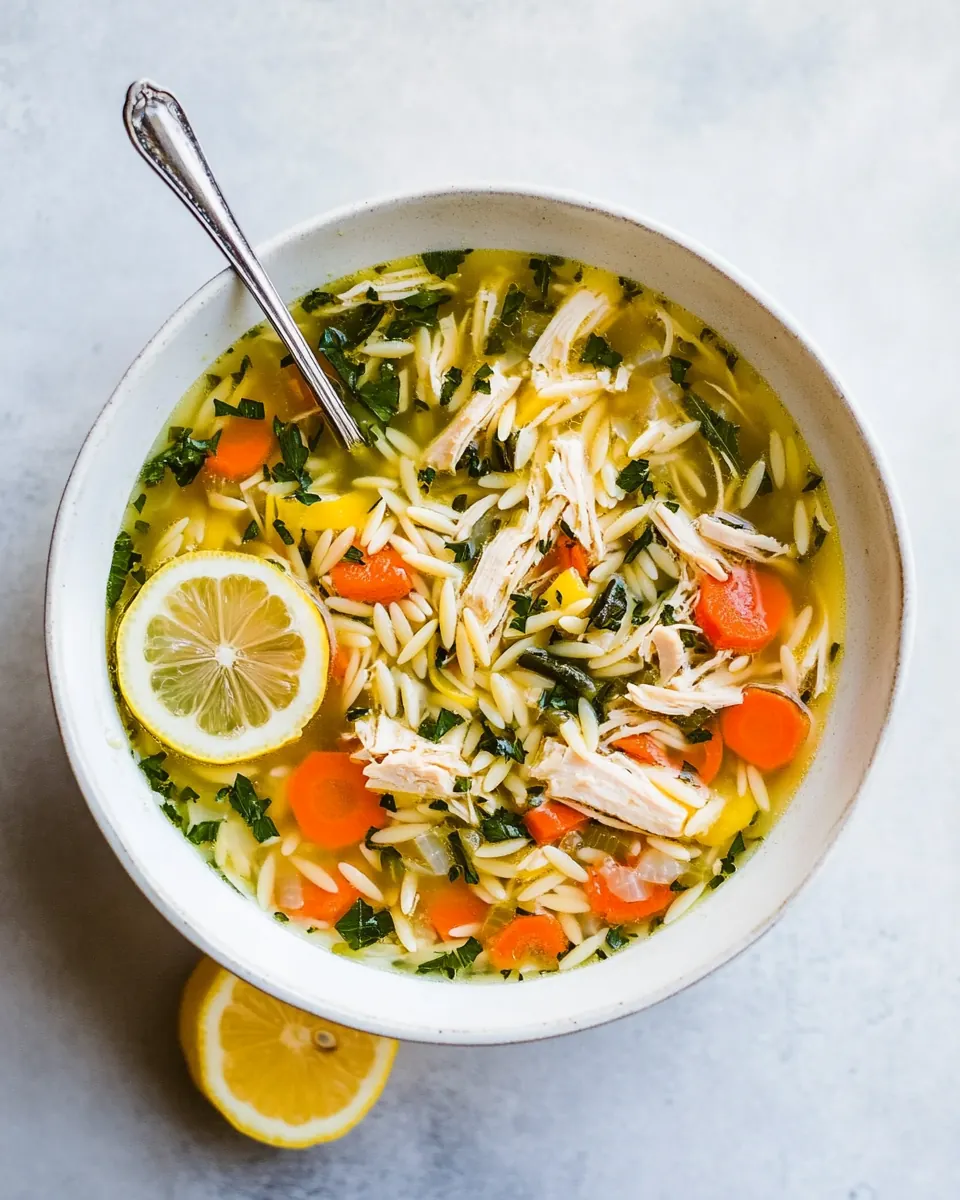
This soup is wonderfully adaptable, so here are ideas to make it your own. Each tip highlights a simple change that alters texture or flavor without complicating the method.
- Use lemon herb chicken: If you can find a lemon herb seasoned rotisserie chicken it will amplify the citrus notes and deepen the herb profile without extra effort.
- Swap greens: Feel free to use baby kale or chard in place of spinach, adding a heartier green that holds up longer when reheating.
- Adjust pasta timing: If you want leftover friendly soup, cook the orzo separately and add to bowls when serving, keeping the broth clearer for storage.
- Finish with cheese: Offer grated Parmesan at the table so each person can add a savory, salty finish that melts luxuriously into the hot broth.
- Make it more herby: Boost the dried herbs by adding a small handful of chopped fresh parsley at the end for a bright, fresh counterpoint to the lemon.
What to Serve With Lemon Chicken Orzo Soup
This soup pairs with many sides and fits several occasions. Below I outline complementary dishes and serving ideas that enhance the soup’s bright and comforting character.
- Crusty bread: A warm loaf or slices of crusty bread are ideal for dipping and soaking up the flavorful broth, making the meal feel hearty and complete.
- Simple green salad: A crisp salad dressed with a light vinaigrette contrasts the warm soup textures and adds a fresh element to the plate for a balanced lunch or light dinner.
- Grated Parmesan on the side: Offering grated Parmesan at the table allows guests to customize their bowls, adding savory depth and a creamy finish as desired.
- Occasions like weeknight dinners: This recipe is perfect for an easy weeknight dinner, when you want something nourishing that does not demand hours in the kitchen.
- Storage tips: Store the soup in the fridge for two to three days; because orzo absorbs liquid, add extra chicken broth when reheating to restore the original consistency.
- Seasonal pairings: In winter this soup feels like a cozy staple, while in spring its lemon brightness makes it suitable for lighter menus and late lunches.
FAQ
Conclusion
Lemon Chicken Orzo Soup stands out because it combines comforting, savory broth with a bright lemon finish and tender pieces of chicken for a bowl that feels both nourishing and lively. I encourage you to try it on a chilly evening or any time you want something quick that still tastes thoughtfully made. It’s forgiving, adaptable, and rewarding, and once you make it you’ll find yourself reaching for it whenever you need cozy flavor with a sunny lift.

Lemon Chicken Orzo Soup
Equipment
- Large Pot
Ingredients
- 2 tablespoons olive oil Heat gently and provide a healthy fat for sautéing mirepoix while adding subtle fruity flavor and helping distribute aromatics throughout the soup. Promote browning and fragrance release from vegetables when warmed at the start of cooking. Contribute to mouthfeel and help carry fat-soluble flavors, improving overall texture.
- 3 cups diced mirepoix or 1 cup each: diced yellow onion, diced celery, diced carrots; see note 1 Create a savory aromatic base by supplying a balanced mix of onion, celery, and carrots that build depth and sweetness when softened. Release natural sugars and moisture that form the backbone of the broth, enhancing both flavor and body. Offer textural contrast if left chunky or a smooth background when cooked longer, anchoring the soup.
- 2 teaspoons minced garlic Infuse a sharp, pungent garlic aroma that brightens the soup and complements the lemony finish. Release savory compounds quickly when minced and sautéed in oil, boosting umami and complexity. Provide a familiar savory note that enhances other seasonings without overpowering them when used sparingly.
- 1 teaspoon chicken bouillon powder Introduce concentrated savory and umami notes to reinforce the soup’s chicken flavor, especially if using lighter broths. Dissolve easily into the liquid to deepen the stock’s taste without adding additional volume. Help mimic homemade stock intensity when time or ingredients are limited.
- 1/2 teaspoon salt Enhance and balance flavors by bringing mild salty seasoning that elevates vegetables and chicken while controlling overall seasoning levels. Draw out natural flavors and help proteins and starches unfold in the broth. Allow incremental adjustment during cooking to avoid over-salting as the liquid reduces.
- 1/2 teaspoon pepper Provide gentle heat and complexity that balances citrus and herbs while contributing to a rounded savory profile. Help highlight other seasonings and create a subtle peppery finish when adjusted to taste. Improve overall flavor clarity without overwhelming delicate ingredients like spinach.
- 1/2 teaspoon dried parsley Offer a mild, herbaceous note that adds green freshness and subtle earthiness to the soup when incorporated. Rehydrate in the broth to release delicate flavor and aroma, contributing to an overall balanced herb profile. Complement other Mediterranean-style seasonings without dominating the palate.
- 1/2 teaspoon dried oregano Contribute classic Mediterranean herbal warmth and a slightly minty, savory scent that pairs well with lemon and chicken. Blend seamlessly with other dried herbs to create an herbaceous backbone for the broth. Provide familiar Italian-style flavor that supports the dish’s rustic character.
- 1/2 teaspoon dried thyme Lend a warm, slightly floral and woodsy undertone that enhances depth and rounds out the herb blend. Rehydrate slowly in hot broth to release nuanced aromatics that complement both chicken and citrus. Add complexity without adding additional salt or fat.
- 1 teaspoon Italian seasoning Provide a ready-made blend of complementary herbs that layers well with single dried herbs to simplify seasoning. Deliver an even, balanced herby character that supports the Mediterranean profile and pairs well with lemon and chicken. Save time while ensuring an integrated flavor base.
- 8 cups chicken broth Form the liquid foundation and carry all flavors while providing savory chicken essence and body to the soup. Offer nourishment and dilution for concentrated seasonings, ensuring ingredients cook evenly and orzo becomes tender without becoming gluey. Act as the main medium where aromatics, herbs, and citrus meld.
- 1 bay leaf optional Add a subtle bay aroma when included, imparting a faint herbal, slightly floral background that deepens the broth. Simmer gently with the stock to extract layered scent compounds, then remove before serving for a clean finish. Allow optional use to control aroma intensity depending on preference.
- 3/4 cup uncooked orzo pasta see note 2 Thicken and add comforting starchiness as it cooks, creating a tender, slightly chewy pasta element that soaks up broth and flavors. Release small amounts of starch that help bind ingredients and give the soup a cohesive texture. Cook to al dente to maintain shape and avoid turning the soup gummy.
- 2 cups rotisserie chicken shredded/chopped, see note 3 Provide cooked protein and savory richness that makes the soup hearty and ready-to-serve without long cooking. Add tender shredded texture that pairs with orzo and spinach while absorbing lemony broth flavors. Offer convenience and depth, whether freshly cooked or rotisserie-sourced.
- 2 cups coarsely chopped baby spinach Introduce tender green leaves that wilt quickly into the hot broth, bringing fresh vegetal color, mild earthiness, and added vitamins. Fold in near the end of cooking to retain texture and bright flavor without overcooking. Complement lemon and herbs while lightening the soup’s richness.
- 2 large lemons see note 4 Deliver bright citrus juice and zest that cut through richness, adding vibrant acidity and aromatic lift to balance chicken and orzo. Squeeze and grate as directed to brighten the broth and create a classic lemon-scented profile. Adjust quantity to taste for desired tartness and brightness.
- Serving suggestions see note 5 Suggest additional elements or accompaniments to enhance texture, flavor, and presentation such as crusty bread, grated cheese, or extra herbs for garnish. Offer serving ideas to customize portion sizes and add visual appeal while complementing the soup’s lemony, savory character. Encourage pairing choices without changing core ingredients.
Instructions
- In a large pot over medium heat, add olive oil. Once oil is shimmering, add diced onion, celery, and carrots. Cook until veggies are crisp-tender, stirring occasionally, for about 7–9 minutes (reduce heat if veggies are browning too quickly). Add minced garlic and stir for 30 seconds.: The kitchen will come alive as the olive oil warms and releases a faint fruity aroma, a sign it is ready for the aromatics. You want the oil shimmering but not smoking. If it smokes the pan is too hot, which can burn the aromatics and make the soup bitter. Swirl the pan so the oil coats the bottom evenly, this ensures even cooking of the onion , celery , and carrot . Using a heavy bottom large pot helps maintain steady heat and prevents hot spots. Avoid adding the vegetables to oil that is not hot enough, because they will absorb oil and become greasy rather than tender.
- Add the seasonings and stir for 30 seconds. Pour in the chicken broth and add the bay leaf if using. Increase heat and bring to a boil. Once boiling, add the orzo. Cook according to package directions, subtracting 2 minutes from the recommended cooking time.: As these vegetables hit the pan you will hear a gentle sizzle, and within a few minutes the onion will turn translucent while the edges of the carrot take on a softened sheen. Stir occasionally so nothing sticks, using a wooden spoon to scrape up fond which adds flavor. Watch for color; you want them crisp tender rather than browned, so reduce heat if they start to take on too much color. A common mistake is rushing at high heat which can char the veggies, losing sweetness and creating bitter notes.
- Stir in the shredded rotisserie chicken and the spinach. Gently stir to warm through the chicken and allow the spinach to wilt, about 1–3 minutes. Remove from heat. Stir in 1-1/2 teaspoon lemon zest and 3–4 tablespoons lemon juice. Season to taste if any additional salt or pepper is needed.: The pot should smell sweet and savory as the aromatics soften; that natural sweetness from the carrot and onion builds the soup base. Keep the lid off so moisture can escape and the vegetables concentrate their flavor. If the pan looks dry add a splash of broth or a touch more olive oil . Avoid overcooking into a paste, which removes the pleasant texture that contrasts with tender orzo .
- Ladle the soup into bowls and garnish, if desired, with fresh thyme. Add optional Parmesan cheese to individual bowls. Serve with crusty bread.: The scent of garlic will bloom almost immediately, bright and pungent. Stir it into the softened vegetables for about thirty seconds; this releases its oils and aroma. Do not let garlic sit long without liquid, because it can quickly scorch and turn bitter. If the pan starts to smell acrid it means the garlic burned, in which case you should start over for best flavor.
- Add the seasonings and stir for 30 seconds: Toss in the chicken bouillon powder , salt , pepper , and dried herbs and let them toast briefly in the warm fat. This quick step wakes up the dried herbs, releasing their essential oils into the oil, which helps distribute their flavor throughout the soup. Stir constantly to prevent any single herb from sticking and burning. If you skip this you may end up with flat tasting broth.
- Pour in the chicken broth and add the bay leaf if using: As the chicken broth hits the pot steam will rise and the savory notes will become more pronounced. Scrape the bottom of the pot to dissolve any browned bits, which deepen the broth. Add the bay leaf now so it can infuse slowly. If your broth tastes thin you can simmer a few minutes to concentrate it, but avoid aggressive boiling which can cloud the broth and evaporate too much liquid.
- Increase heat and bring to a boil: Watch the surface for large rolling bubbles, that is your cue to add the orzo . A full boil gives the orzo an even cooking environment, but once added you should reduce to a gentle boil or brisk simmer to prevent the pot from bubbling over. Stir as you add ingredients so nothing clumps. A common pitfall is leaving the pasta to stick to the bottom, so keep an eye on it for the first few minutes.
- Once boiling add the orzo: When the orzo joins the pot the broth will sing with the smell of starch and herbs. Stir immediately to keep the orzo from clumping, and follow the package timing while subtracting two minutes as directed so the pasta finishes with a slightly firm bite. The orzo will swell and slightly thicken the broth, giving the soup body. Overcooking will make it mushy and cause it to soak up too much liquid for leftovers.
- Cook according to package directions subtracting 2 minutes from the recommended cooking time: By pulling the orzo a little early you allow it to finish cooking in the hot soup later, preventing it from becoming gummy. You will notice the texture change from translucent to tender and plump, and the broth will become slightly creamier as some starch is released. Taste a piece for doneness near the end and remember it should be tender but not falling apart. Doneness varies by brand, so adjust as needed.
- Stir in the shredded rotisserie chicken and the spinach: The residual heat will gently warm the shredded rotisserie chicken and wilt the spinach within a minute or two. You will see the spinach collapse into glossy ribbons and the chicken disperse through the bowl. This step adds texture and protein without extra cook time. Avoid vigorous stirring which can shred the chicken excessively and make it stringy.
- Gently stir to warm through the chicken and allow the spinach to wilt about 1 to 3 minutes: The comforting hiss of residual heat and steam rising signals this final moment. The chicken should be warmed through and the spinach bright green and tender. If the chicken feels cool, leave the pot a minute longer on low heat. Overheating can dry the chicken, so avoid prolonged simmering after this point.
- Remove from heat: Once the spinach has wilted and the chicken is hot, take the pot off the burner to preserve fresh textures and flavors. Leaving it on the heat can over soften the orzo and darken the spinach. Removing from heat also prepares the soup for the bright finishing elements.
- Stir in 1 and 1 slash 2 teaspoon lemon zest and 3 to 4 tablespoons lemon juice: Adding lemon zest and juice now brightens the whole pot, and you will notice an immediate lift in aroma and taste. Zest carries concentrated citrus oils, while juice contributes acidity that balances the broth. Add gradually and taste as you go, since too much acid can overpower. If it tastes too sharp a tiny pinch of sugar can round it out, but usually a touch more broth is enough.
- Season to taste if any additional salt or pepper is needed: Final seasoning ties everything together. Because the lemon can change perceived saltiness, adjust now so the flavors sing in harmony. Taste a spoonful and add small increments until it feels balanced. A common error is over salting early and then not being able to correct the acidity later, so take this last moment seriously.
- Ladle the soup into bowls and garnish if desired with fresh thyme: Serve while hot, garnishing with fresh herbs like thyme for an aromatic finish and optional grated Parmesan for savory richness. The steam will carry the aromas to the table, inviting everyone in. If reheating leftovers, add a splash of broth as needed to refresh the texture since the orzo absorbs liquid.
Notes
- Use lemon herb chicken: If you can find a lemon herb seasoned rotisserie chicken it will amplify the citrus notes and deepen the herb profile without extra effort.
- Swap greens: Feel free to use baby kale or chard in place of spinach, adding a heartier green that holds up longer when reheating.
- Adjust pasta timing: If you want leftover friendly soup, cook the orzo separately and add to bowls when serving, keeping the broth clearer for storage.
- Finish with cheese: Offer grated Parmesan at the table so each person can add a savory, salty finish that melts luxuriously into the hot broth.
- Make it more herby: Boost the dried herbs by adding a small handful of chopped fresh parsley at the end for a bright, fresh counterpoint to the lemon.