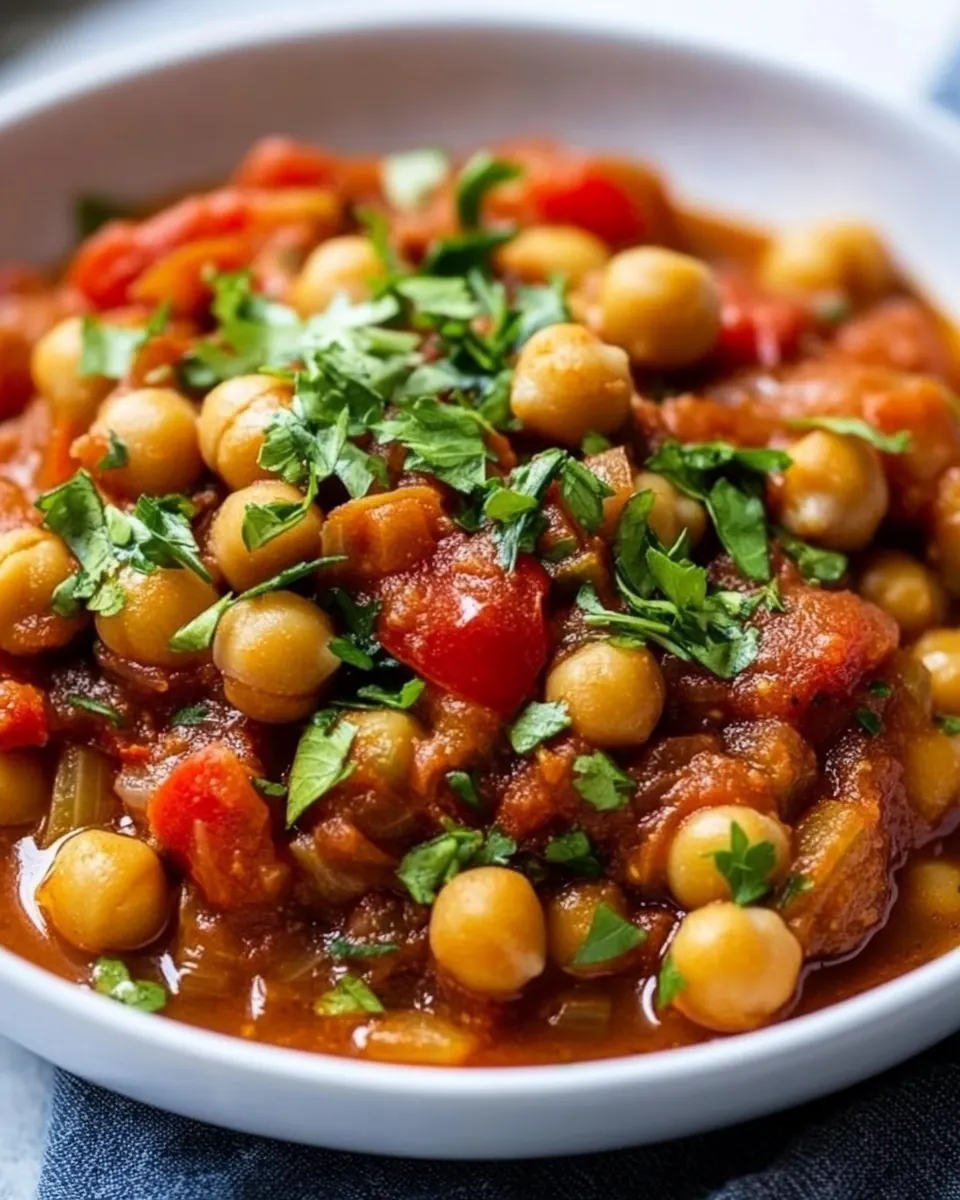
Italian Inspired Tomato and Chickpea Stew
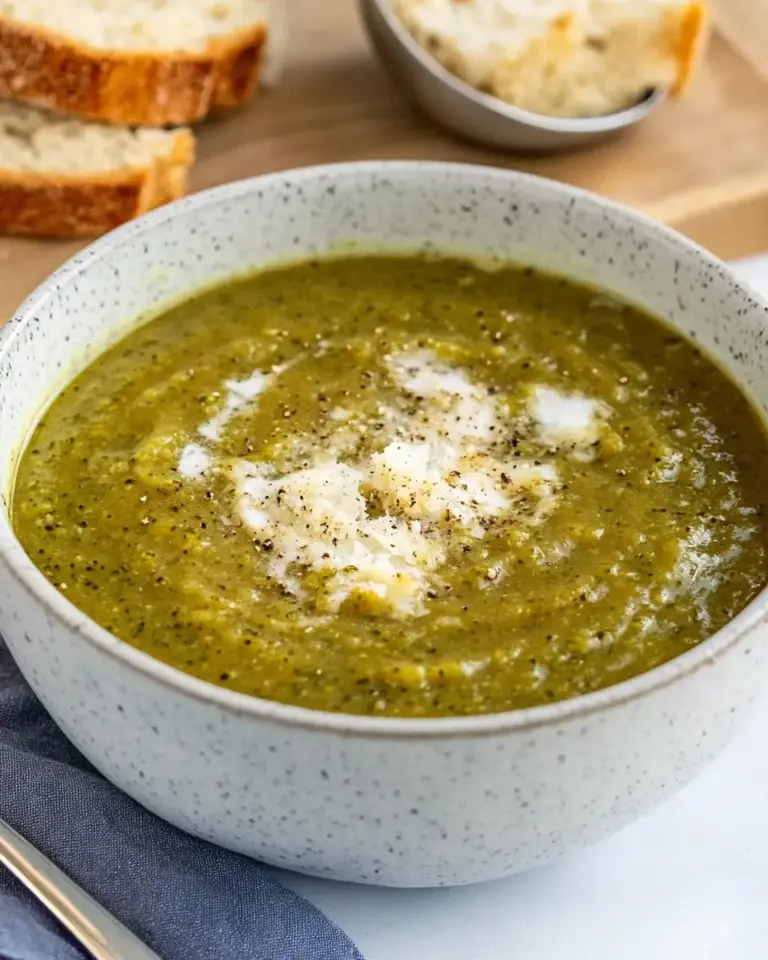
Italian Inspired Tomato and Chickpea Stew is one of those recipes I turn to when the week has been long and I need something soulful without fuss. The first time I made this, I was coming home with tired feet and the tiny miracle of canned goods and a few fresh vegetables turned into a bowl that felt like a warm handshake. I still remember the way the kitchen filled with tomato and herb scent as the stew simmered, and how that aroma seemed to smooth everything out.
There’s a comfort in the rhythm of chopping a few simple things and letting a pot do the rest, and this stew rewards that patience. I like to make it on a blustery afternoon, when I can open the windows for a moment and then close them to trap the steam and the cozy smell. This dish has a way of making the table feel like company, even if it’s just me and a hunk of crusty bread.
Recipe Snapshot
35 mins
5 mins
30 mins
Medium
250 kcal
Italian
Vegan, Gluten-Free
Dinner
Large pan, Potato masher, Colander
Why You Need This Italian Inspired Tomato and Chickpea Stew
Hearty and satisfying without heaviness
I love how Italian Inspired Tomato and Chickpea Stew fills you up in a comforting way, while staying bright and vegetable forward. The combination of tomato and chickpeas creates a creamy feel from the legumes, without needing dairy. When I serve it, people always comment on how it somehow tastes both rustic and refined.
Pantry friendly and flexible
One of the reasons I reach for this recipe is that it leans on canned staples like chickpeas and pantry aromatics. That makes it ideal for busy nights when you want an easy weeknight dinner that still feels homemade. I often tweak small elements based on what I have, but the core flavors remain reliably comforting.
Layers of texture and flavor
The stew balances tender beans, softened onion, and chunks of fresh tomato with the chewy brightness of sun-dried tomatoes. As you simmer and then reduce the liquid, things deepen and thicken, giving you both spoonable broth and meaty bites. I find that this contrast keeps every spoonful interesting.
Simple techniques, big payoff
The method here is straightforward, yet the small steps make a real difference. Sweating the onion until translucent builds a sweet base, and briefly increasing the heat at the end concentrates the flavors. I teach this to friends as a reminder that a little attention early on pays off at the table.
Comfort that travels
Because it stores and reheats beautifully, I love making a big pot for leftovers. The flavors continue to meld, so the second day is often even better. For me, that makes this stew not just dinner, but practical comfort for busy lives.
What to Gather for Italian Inspired Tomato and Chickpea Stew
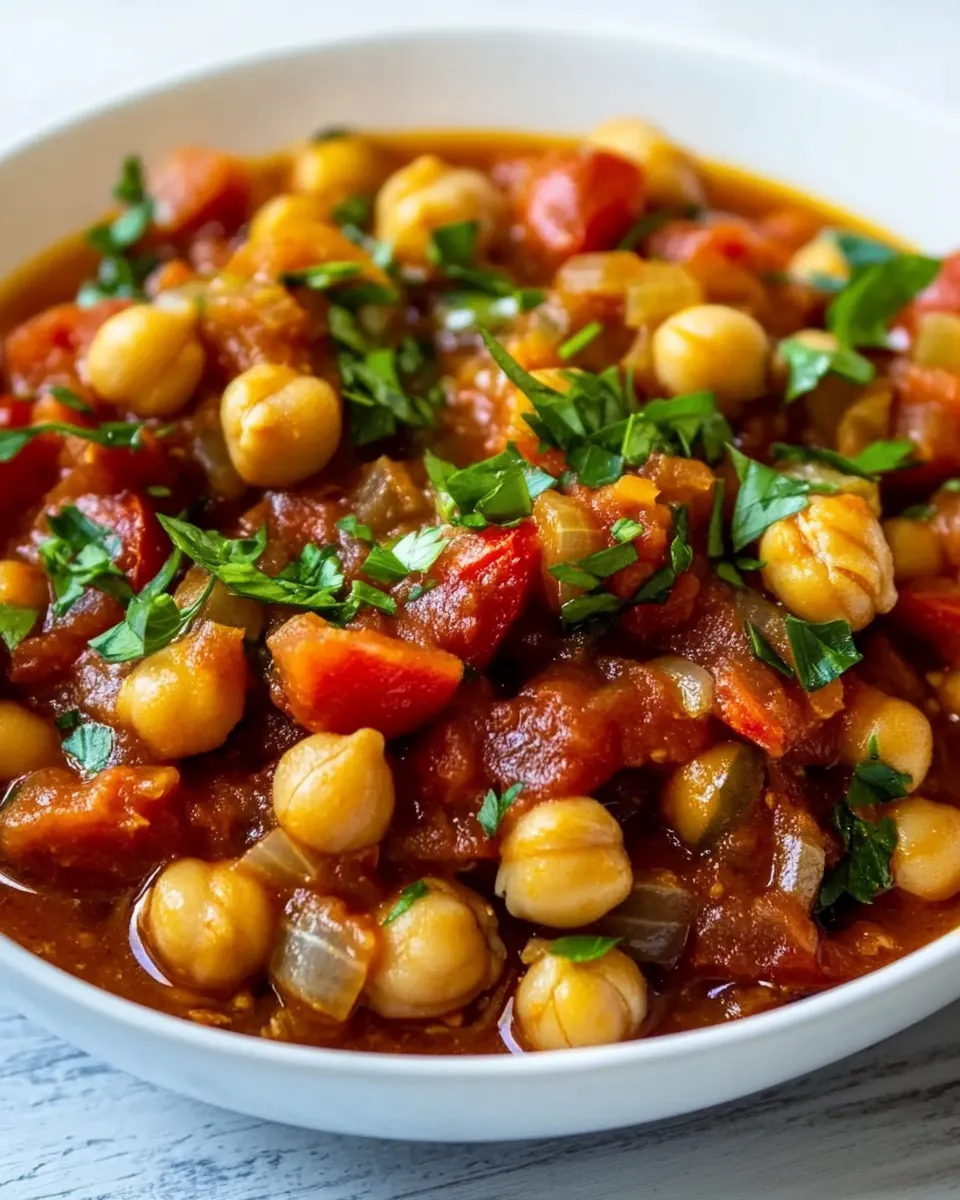
These ingredients are chosen to work in concert: legumes for body, tomatoes for brightness, and a handful of dried herbs to round things out. The aim is a stew that feels layered without requiring exotic items. Key players are the chickpeas for texture, the tomato and tomato paste for depth, and the onion and garlic for aromatic backbone.
- 1 onion: Chop finely and sweat until translucent to build a sweet, aromatic base that softens and melds with other flavors; provides natural sweetness and body to the stew.
- 3 garlic cloves: Mince finely and add near the start of cooking to release pungent, savory aromatics that deepen the stew's overall flavor; helps create a flavorful, aromatic backbone.
- 1 tablespoon olive oil or use oil from the sundried tomatoes: Heat gently to coat the pan and help sauté vegetables; contributes a subtle fruity richness and can be substituted with sundried tomato oil for extra depth.
- 1 red bell pepper: Dice and sauté until softened to contribute bright, slightly sweet flavor and a pleasant textural contrast; enhances color and adds a fresh, vegetal note.
- 1 tomato: Roughly chop and simmer to add fresh acidity and juiciness that balances the dish; provides a light, natural tomato flavor and texture.
- 2 tablespoons sun-dried tomatoes: Chop or slice and stir in for concentrated, umami-rich tomato notes that intensify the stew; adds chewy texture and deep, tangy complexity.
- 2 cans chickpeas (15 oz cans): Drain and rinse then add to the pot to provide hearty plant-based protein, creamy texture, and fiber that make the stew filling and satisfying.
- 1 teaspoon dried parsley: Sprinkle in to impart a mild, grassy herbiness that lifts the dish; works in harmony with other dried herbs to round out the flavor profile.
- 1/2 teaspoon dried basil: Add for a sweet, slightly peppery herb flavor that complements tomatoes and other Mediterranean seasonings; enhances aromatic complexity.
- 1/2 teaspoon dried oregano: Stir in to contribute savory, slightly bitter notes characteristic of Italian cooking; helps tie together tomato and herb flavors.
- 1/4 teaspoon salt: Season lightly to enhance and balance flavors without overwhelming other ingredients; adjust to taste during cooking for proper seasoning.
- 1/4 teaspoon black pepper: Grind or sprinkle to add subtle heat and depth; helps brighten and contrast the stew's sweeter and acidic components.
- 2 tablespoons tomato paste: Blend into the base to thicken the sauce and boost concentrated tomato flavor; provides body and a richer mouthfeel to the stew.
- 2 cups vegetable stock: Pour in to create a flavorful liquid base that simmers ingredients together and controls stew consistency; vegetable stock adds savory depth without meat.
- Fresh parsley for garnish: Chop and scatter over the finished dish as a bright, fresh garnish that adds color and a herbaceous finish to each serving.
Recipe Directions for Italian Inspired Tomato and Chickpea Stew
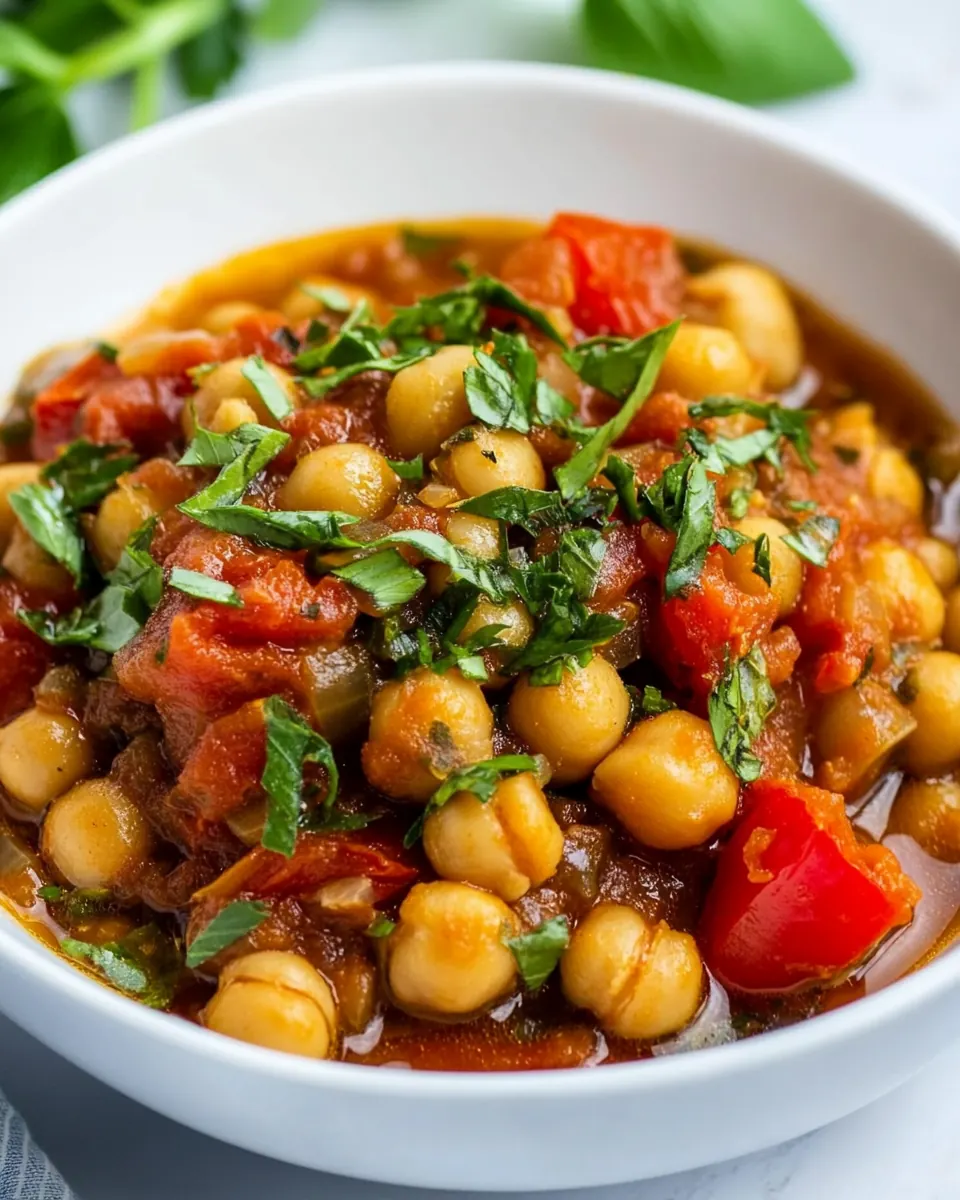
This is an approachable stove top method that relies on layering flavors. The directions below are straightforward, and spending a little time on each step rewards you with a well rounded stew. Move at a relaxed pace and pay attention to the sensory cues I mention.
- Peel and chop the onion.: As you cut the onion , you will notice a sharp, slightly sulfurous scent that softens as it cooks. The goal is even pieces so they cook uniformly, giving you a sweet foundation when they turn translucent. A common mistake is chopping unevenly which leaves some pieces raw and others overcooked. Keep the pieces roughly the same size for consistent texture, and if your eyes water, chill the onion briefly before cutting.
- Pour the oil into a large pan and set over a medium/low heat.: Heating the pan gently with the olive oil until it shimmers is key, you should hear a faint, lazy sizzle when you test with a piece of onion . Too high heat will brown the onion immediately and push flavors toward bitter, so moderate the temperature. If the oil smokes, remove it from the heat and let it cool slightly before continuing.
- Add the onions and cook for 5 minutes until soft and translucent.: During this time the onion will release moisture and sugars, softening and turning glossy, with a sweet aroma replacing the initial bite. Stir occasionally to prevent sticking and watch the edges for light color, which indicates they are ready. Avoid rushing with high heat, which causes browning rather than gentle softening.
- Whilst the onions are cooking, chop the garlic, bell pepper, tomato and sun-dried tomatoes.: The prep rhythm here creates fresh layers, and as you chop the garlic and red bell pepper you will notice their distinct aromatic profiles, the pepper bringing a fruity sweetness and the garlic a savory perfume. Uniform cuts help these vegetables cook in step with the onion . A common misstep is mincing the garlic too fine and then cooking it at too high a heat, which can quickly burn it.
- Add the chopped veg to the onions and cook for a further minute.: Once the chopped pieces hit the pan, you should hear a short increase in sizzle and smell a bright meld of aromas. This brief cook time softens the pepper and tames raw edges in the tomato . Since this is a short step, be present and stir to avoid scorching, especially where the garlic is concerned.
- Drain and rinse the chickpeas and add them to the pan along with the dried parsley, basil, oregano, salt and pepper.: Rinsing the canned chickpeas reduces any metallic or canned aftertaste and freshens their flavor. As the beans mingle with the herbs, you will notice the pot smell rounder and more herbaceous. A frequent error is skipping the rinse, which can leave the stew tasting flat or overly briny, so take a moment to rinse in a colander.
- Add the tomato paste and vegetable stock, bring to a simmer then cover and cook for 20 minutes over a low heat.: When you stir in the concentrated tomato paste , it may cling to the pan, but stirring it into a bit of stock first helps dissolve it and develop depth. Bringing the pot to a gentle simmer allows flavors to marry, and covering helps the chickpeas soften and absorb the tomato broth. A too vigorous boil will break down textures and muddy flavors, so aim for small, steady bubbles.
- Remove the lid and increase the heat. Cook the stew for 10 minutes until thickened.: With the lid off, the liquid reduces and the aromas intensify, giving the stew a richer mouthfeel. You will hear a livelier simmer and see the surface turn glossy as it concentrates. Stir occasionally to prevent sticking. A common mistake is to walk away and let it reduce too far, which can make the stew dry rather than saucy.
- Use a potato masher to break down some of the chickpeas then serve garnished with fresh parsley.: Lightly mashing some of the chickpeas creates creamy pockets while leaving other beans intact for bite, producing a pleasing contrast. The texture should be hearty and spoonable, and scattering chopped fresh parsley before serving lifts the flavors with a fresh herbal note. Avoid overmashing, which will turn the stew into a paste rather than a textured bowl.
Substitutions and Tips
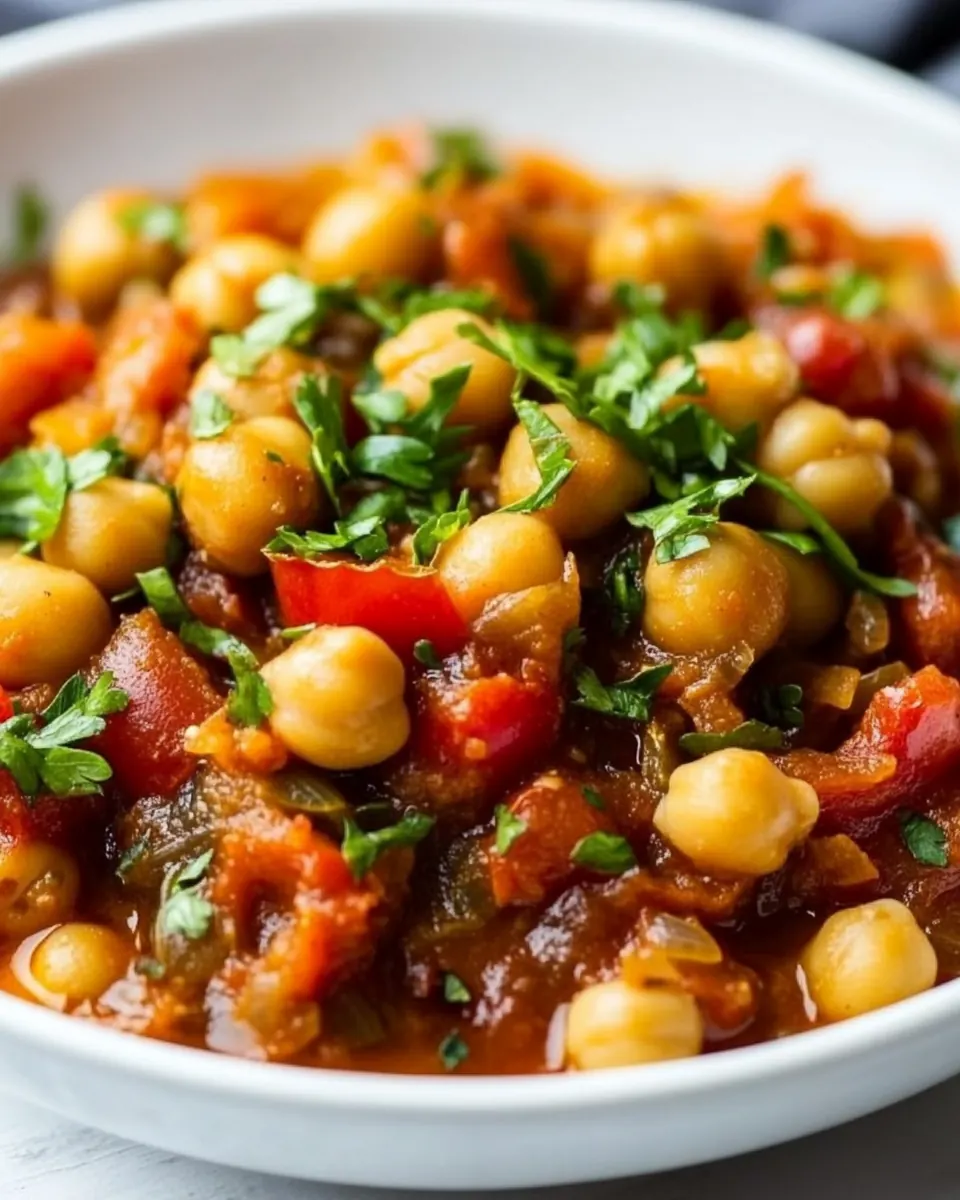
This section offers practical pointers and small swaps that keep the stew flavorful even if you adjust quantities or available items. I expand on simple ideas that work in real kitchens, not theoretical swaps that require rare ingredients.
- Use oil from sun-dried tomatoes: If you want a deeper tomato note, substitute the olive oil with the oil packed with your sun-dried tomatoes, it will add savory intensity.
- Low sodium stock option: Choose a low sodium vegetable stock so you can control final seasoning and avoid an overly salty pot, especially important with canned chickpeas.
- Fresh herb finish: While dried herbs build the base during cooking, always finish with fresh parsley for brightness and color contrast.
- Adjusting thickness: If the stew reduces too much, stir in a splash of reserved stock or water to loosen it, then simmer briefly to integrate the flavors.
- Make ahead benefit: The flavors deepen after a day, so this stew is excellent for making in advance; cool fully before refrigerating and reheat gently.
- Texture control: For a silkier body, mash a portion of the chickpeas against the side of the pan and stir them in; this technique builds creaminess without adding fat.
How to Enjoy Italian Inspired Tomato and Chickpea Stew
This stew is versatile and comforts across many settings. It can be a solo bowl, a family dinner centerpiece, or part of a larger spread for a relaxed meal. Here are thoughtful ways to serve and pair it.
- Weeknight dinner: Serve a ladle of the stew with a wedge of crusty bread for dipping, the bread helps mop up the rich tomato broth.
- Lunch option: Spoon the stew over a scoop of warm cooked grains for a heartier midday meal that keeps you full and focused.
- Comfort for seasons: In cooler months like fall, this stew warms the table and pairs well with simple roasted vegetables on the side.
- Make ahead and store: Refrigerate in an airtight container for up to three days, and reheat gently on low to preserve texture and flavor.
- Garnish ideas: Finish with chopped fresh parsley for freshness, and a drizzle of the reserved olive oil if you want extra silkiness.
- Occasions: Great for casual dinners, potlucks, or when you need an easy weeknight dinner that still feels special.
- Seasonal pairing: Pair with simple roasted root vegetables in colder months to create a cozy, balanced meal.
FAQ
Conclusion
This stew stands out for its comforting texture, layered tomato flavor, and pantry friendly ingredients that transform into a satisfying bowl. I encourage you to give it a try, whether you need a simple family dinner or a make ahead meal that improves over time. The process is forgiving and the rewards are big, so take a relaxed approach and enjoy the warm, herb scented results.
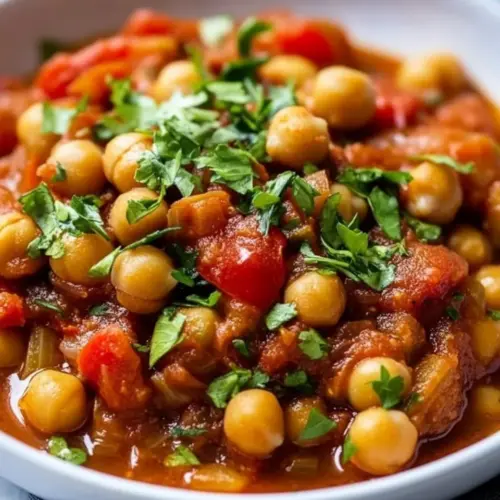
Italian Inspired Tomato and Chickpea Stew
Equipment
- Large Pan
- Potato Masher
- Colander
Ingredients
- 1 onion Chop finely and sweat until translucent to build a sweet, aromatic base that softens and melds with other flavors; provides natural sweetness and body to the stew.
- 3 garlic cloves Mince finely and add near the start of cooking to release pungent, savory aromatics that deepen the stew's overall flavor; helps create a flavorful, aromatic backbone.
- 1 tablespoon olive oil or use oil from the sundried tomatoes Heat gently to coat the pan and help sauté vegetables; contributes a subtle fruity richness and can be substituted with sundried tomato oil for extra depth.
- 1 red bell pepper Dice and sauté until softened to contribute bright, slightly sweet flavor and a pleasant textural contrast; enhances color and adds a fresh, vegetal note.
- 1 tomato Roughly chop and simmer to add fresh acidity and juiciness that balances the dish; provides a light, natural tomato flavor and texture.
- 2 tablespoons sun-dried tomatoes Chop or slice and stir in for concentrated, umami-rich tomato notes that intensify the stew; adds chewy texture and deep, tangy complexity.
- 2 cans chickpeas (15 oz cans) Drain and rinse then add to the pot to provide hearty plant-based protein, creamy texture, and fiber that make the stew filling and satisfying.
- 1 teaspoon dried parsley Sprinkle in to impart a mild, grassy herbiness that lifts the dish; works in harmony with other dried herbs to round out the flavor profile.
- 1/2 teaspoon dried basil Add for a sweet, slightly peppery herb flavor that complements tomatoes and other Mediterranean seasonings; enhances aromatic complexity.
- 1/2 teaspoon dried oregano Stir in to contribute savory, slightly bitter notes characteristic of Italian cooking; helps tie together tomato and herb flavors.
- 1/4 teaspoon salt Season lightly to enhance and balance flavors without overwhelming other ingredients; adjust to taste during cooking for proper seasoning.
- 1/4 teaspoon black pepper Grind or sprinkle to add subtle heat and depth; helps brighten and contrast the stew's sweeter and acidic components.
- 2 tablespoons tomato paste Blend into the base to thicken the sauce and boost concentrated tomato flavor; provides body and a richer mouthfeel to the stew.
- 2 cups vegetable stock Pour in to create a flavorful liquid base that simmers ingredients together and controls stew consistency; vegetable stock adds savory depth without meat.
- Fresh parsley for garnish Chop and scatter over the finished dish as a bright, fresh garnish that adds color and a herbaceous finish to each serving.
Instructions
- Peel and chop the onion.: As you cut the onion , you will notice a sharp, slightly sulfurous scent that softens as it cooks. The goal is even pieces so they cook uniformly, giving you a sweet foundation when they turn translucent. A common mistake is chopping unevenly which leaves some pieces raw and others overcooked. Keep the pieces roughly the same size for consistent texture, and if your eyes water, chill the onion briefly before cutting.
- Pour the oil into a large pan and set over a medium/low heat.: Heating the pan gently with the olive oil until it shimmers is key, you should hear a faint, lazy sizzle when you test with a piece of onion . Too high heat will brown the onion immediately and push flavors toward bitter, so moderate the temperature. If the oil smokes, remove it from the heat and let it cool slightly before continuing.
- Add the onions and cook for 5 minutes until soft and translucent.: During this time the onion will release moisture and sugars, softening and turning glossy, with a sweet aroma replacing the initial bite. Stir occasionally to prevent sticking and watch the edges for light color, which indicates they are ready. Avoid rushing with high heat, which causes browning rather than gentle softening.
- Whilst the onions are cooking, chop the garlic, bell pepper, tomato and sun-dried tomatoes.: The prep rhythm here creates fresh layers, and as you chop the garlic and red bell pepper you will notice their distinct aromatic profiles, the pepper bringing a fruity sweetness and the garlic a savory perfume. Uniform cuts help these vegetables cook in step with the onion . A common misstep is mincing the garlic too fine and then cooking it at too high a heat, which can quickly burn it.
- Add the chopped veg to the onions and cook for a further minute.: Once the chopped pieces hit the pan, you should hear a short increase in sizzle and smell a bright meld of aromas. This brief cook time softens the pepper and tames raw edges in the tomato . Since this is a short step, be present and stir to avoid scorching, especially where the garlic is concerned.
- Drain and rinse the chickpeas and add them to the pan along with the dried parsley, basil, oregano, salt and pepper.: Rinsing the canned chickpeas reduces any metallic or canned aftertaste and freshens their flavor. As the beans mingle with the herbs, you will notice the pot smell rounder and more herbaceous. A frequent error is skipping the rinse, which can leave the stew tasting flat or overly briny, so take a moment to rinse in a colander.
- Add the tomato paste and vegetable stock, bring to a simmer then cover and cook for 20 minutes over a low heat.: When you stir in the concentrated tomato paste , it may cling to the pan, but stirring it into a bit of stock first helps dissolve it and develop depth. Bringing the pot to a gentle simmer allows flavors to marry, and covering helps the chickpeas soften and absorb the tomato broth. A too vigorous boil will break down textures and muddy flavors, so aim for small, steady bubbles.
- Remove the lid and increase the heat. Cook the stew for 10 minutes until thickened.: With the lid off, the liquid reduces and the aromas intensify, giving the stew a richer mouthfeel. You will hear a livelier simmer and see the surface turn glossy as it concentrates. Stir occasionally to prevent sticking. A common mistake is to walk away and let it reduce too far, which can make the stew dry rather than saucy.
- Use a potato masher to break down some of the chickpeas then serve garnished with fresh parsley.: Lightly mashing some of the chickpeas creates creamy pockets while leaving other beans intact for bite, producing a pleasing contrast. The texture should be hearty and spoonable, and scattering chopped fresh parsley before serving lifts the flavors with a fresh herbal note. Avoid overmashing, which will turn the stew into a paste rather than a textured bowl.
Notes
- Use oil from sun-dried tomatoes: If you want a deeper tomato note, substitute the olive oil with the oil packed with your sun-dried tomatoes, it will add savory intensity.
- Low sodium stock option: Choose a low sodium vegetable stock so you can control final seasoning and avoid an overly salty pot, especially important with canned chickpeas.
- Fresh herb finish: While dried herbs build the base during cooking, always finish with fresh parsley for brightness and color contrast.
- Adjusting thickness: If the stew reduces too much, stir in a splash of reserved stock or water to loosen it, then simmer briefly to integrate the flavors.
- Make ahead benefit: The flavors deepen after a day, so this stew is excellent for making in advance; cool fully before refrigerating and reheat gently.
- Texture control: For a silkier body, mash a portion of the chickpeas against the side of the pan and stir them in; this technique builds creaminess without adding fat.