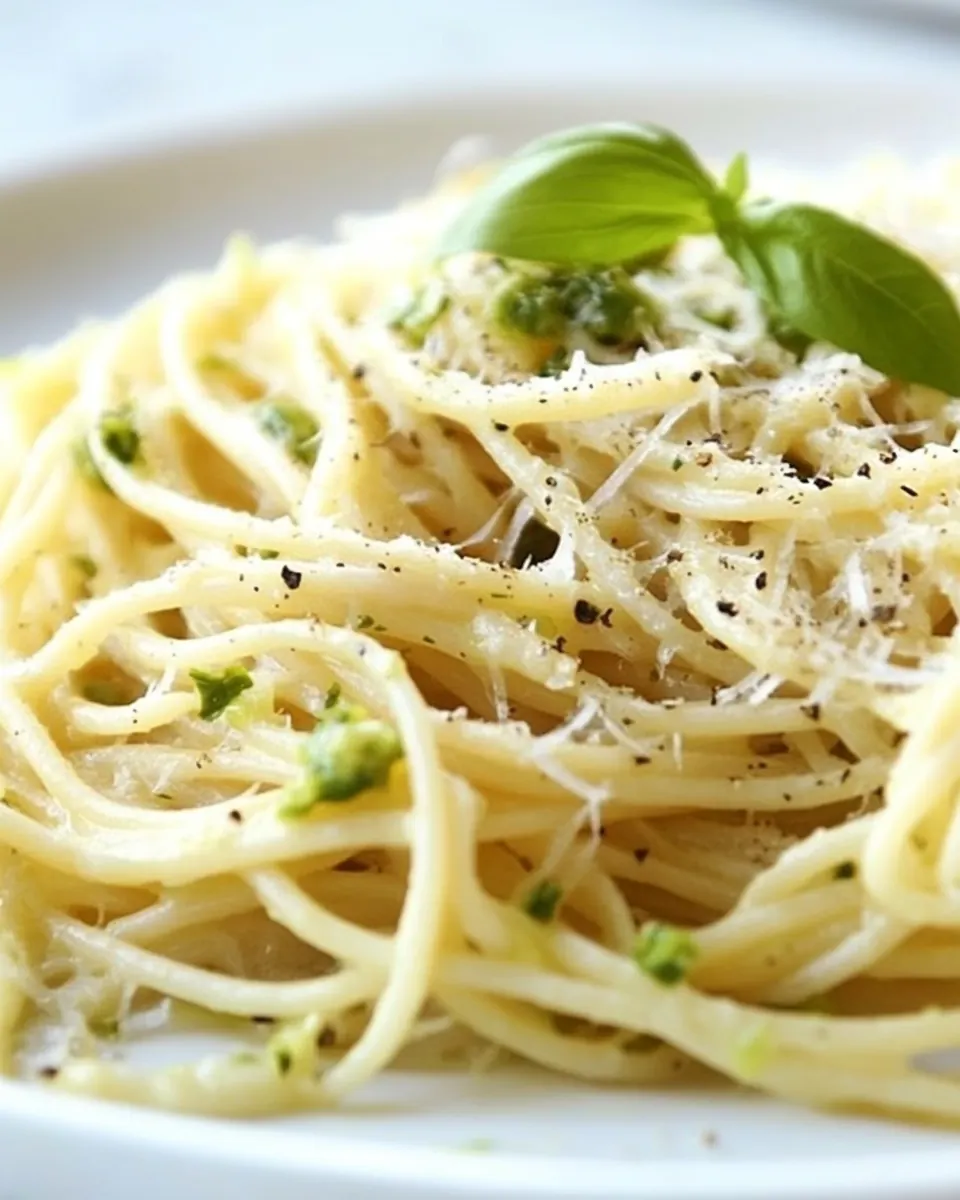
Lemon Basil Pasta
Lemon Basil Pasta has been one of my weeknight lifesavers since I moved into a tiny apartment with a sunsoaked windowsill where a pot of basil always seems to thrive. The very first time I tossed spaghetti with bright lemon and fragrant basil I felt like I had discovered a shortcut to dinner that tastes like a celebration, even on a Tuesday. I still remember balancing a cutting board on my lap, humming a song, while the aroma of sautéed zucchini and melting butter filled the room.
Over the years I have tweaked the balance between creaminess and brightness so that the sauce clings to every strand of whole wheat spaghetti without feeling heavy. I often reach for this dish when I want something comforting yet fresh, especially in spring when asparagus is at its best. Friends who taste it always ask how something so simple can feel so complete, and I tell them it is all in the little details, like grating the parmesan at the last minute or finishing with a pinch of lemon zest.
Sometimes I make it for dinner parties, other times I enjoy it quietly with a single glass of sparkling water and a newspaper. It works as a light main that does not require a lot of fuss, and it pairs beautifully with whatever is in season on my windowsill. If you like pasta that feels both honest and a little elegant, this is the one I turn to when I want flavor without complication.
Recipe Snapshot
35 mins
15 mins
20 mins
Easy
350 kcal
Italian
Gluten-Free, Vegan
Dinner
Large pot, Colander, Large pot or saucepan, Wooden spoon
Why We Love This Lemon Basil Pasta
Bright, balanced flavor
I love how Lemon Basil Pasta manages to be zesty yet comforting. The lemon zest lifts the whole dish, and the gentle creaminess from the light cream cheese and butter keeps every forkful soothing. This contrast makes each bite sing, and I often find myself reaching for another helping.
Built for busy nights
We can have this on the table quickly since most steps overlap. While the spaghetti cooks, you can prep the vegetables and start the sauce, so it feels efficient without sacrificing flavor. It is the kind of recipe I trust on hectic evenings when I still want something satisfying.
Vegetable forward and flexible
I appreciate that the recipe highlights simple vegetables like asparagus, zucchini, and frozen peas. They add texture, subtle sweetness, and color, making the bowl look as good as it tastes. I often adapt quantities depending on what I have, and it still comes together beautifully.
Comfort with a lighter touch
The use of whole wheat spaghetti and a modest amount of light cream cheese creates a creamy mouthfeel without feeling overly rich. I like that this lets the fresh basil and lemon notes remain front and center, offering a meal that feels wholesome and satisfying.
Family friendly and crowd pleasing
Every time I serve Lemon Basil Pasta to friends they compliment the bright flavors and creamy sauce. It is approachable for younger eaters and interesting enough for adults, which makes it a dependable dish when hosting. The combination of textures and tastes tends to win everyone over.
Everything You Need for Lemon Basil Pasta
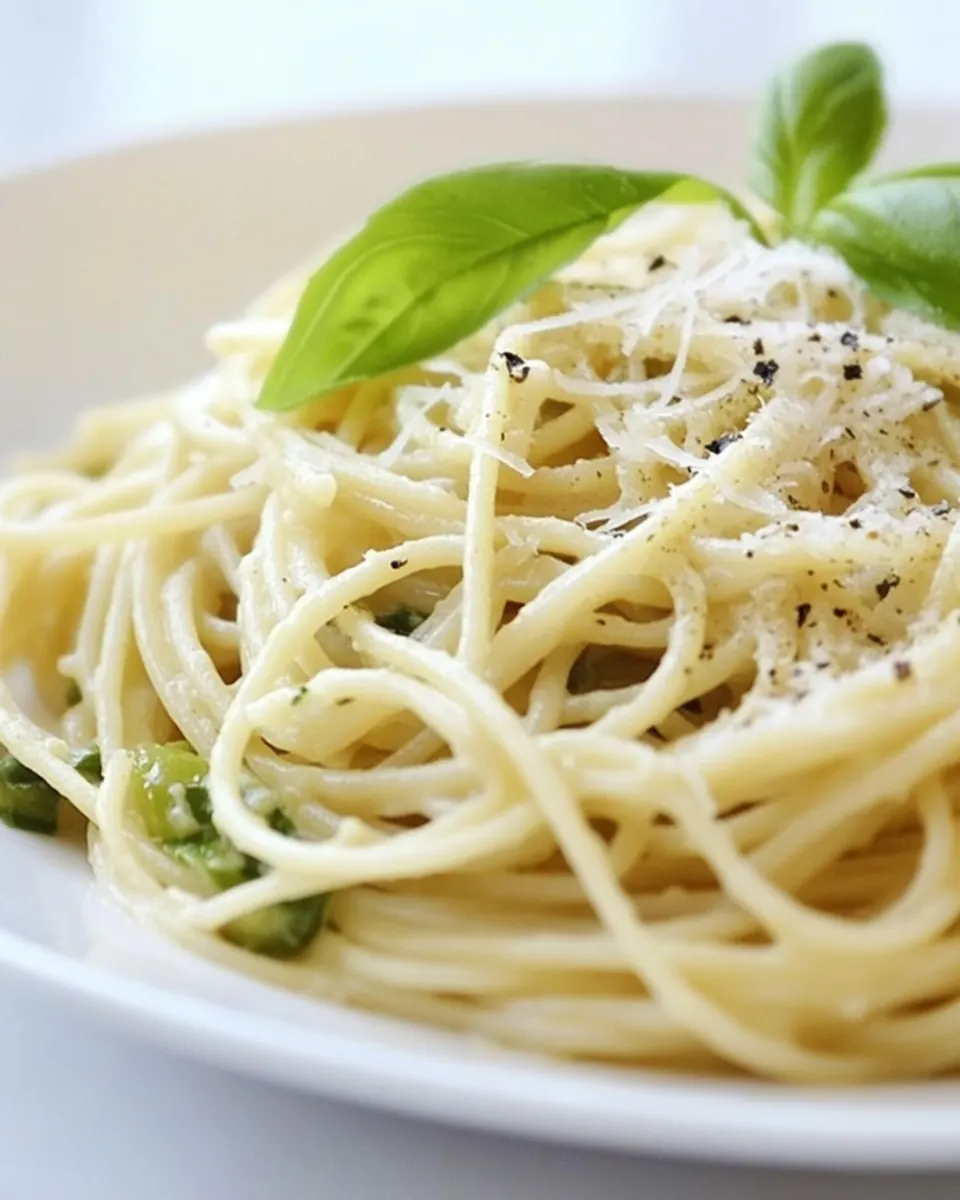
These ingredients are chosen to create a bright, lightly creamy pasta that celebrates spring vegetables and fresh citrus. Key players like whole wheat spaghetti, asparagus, and lemon zest provide the backbone of texture and flavor, while the light cream cheese and parmesan bring silkiness and umami. Together they form a balanced plate, where vegetables and pasta share the spotlight.
- 1/2 lb whole wheat spaghetti or other pasta: Cook until al dente to form the base of the dish; provides whole-grain texture and nutty flavor. Toss with sauce and vegetables so it absorbs citrus and basil notes while holding up to creamy components.
- 1/2 lb asparagus: Trim and cut into bite-sized pieces to add a tender-crisp, slightly sweet green vegetable. Steam or sauté briefly so stalks retain color and texture, complementing pasta and balancing richness.
- 3 tablespoons butter: Melt to create a glossy cooking fat that builds flavor and mouthfeel for the sauce. Brown lightly for a nutty note or use at room temperature to enrich the sauce finish.
- 1 cup diced onion: Sweat gently until translucent to develop sweet, aromatic depth; forms the savory foundation of the sauce. Cook low and slow to release sugars without browning, enhancing overall balance.
- 1/2 cup diced zucchini: Sauté until just tender to contribute mild summer squash flavor and tender texture. Absorb sauces and help thicken slightly while adding a subtle freshness to each bite.
- 1/2 cup frozen peas: Heat briefly so peas add a pop of sweetness, color, and tender contrast to the pasta. Stir in near the end to preserve bright flavor and texture within the sauce.
- 2 tablespoons flour: Whisk into melted butter to form a roux that thickens the sauce and provides a smooth mouthfeel. Cook briefly to remove raw flour taste before adding liquid for a velvety texture.
- 2 cups chicken stock or vegetable broth: Simmer into the roux to create a flavorful, savory base that forms the sauce’s body. Choose vegetable or chicken stock according to dietary preference to adjust richness and depth.
- 2 oz light cream cheese: Stir in to lend creaminess with fewer calories than heavy cream while contributing a mild tang. Soften into the hot sauce so it melts smoothly and integrates with the stock and cheese.
- 1/4 cup grated parmesan: Grate and stir through the sauce to add salty, umami richness and a slightly granular texture that enhances depth. Sprinkle some at the end to finish with a savory, cheesy note.
- salt & pepper to taste: Season to enhance and balance flavors, adjusting salt to taste and pepper for warmth; essential for proper flavor. Add gradually and taste as sauce concentrates to avoid over-seasoning.
- 1/2 teaspoon dried basil: Sprinkle to impart concentrated herbaceous, slightly sweet notes when fresh basil is unavailable. Add during cooking for mellow flavor or finish with a pinch for subtle aromatic presence.
- 1/2 teaspoon lemon zest: Zest to deliver bright, aromatic citrus oils that lift and brighten the entire dish. Incorporate toward the end so lemon aroma remains vibrant without introducing bitterness.
Cooking Method for Lemon Basil Pasta
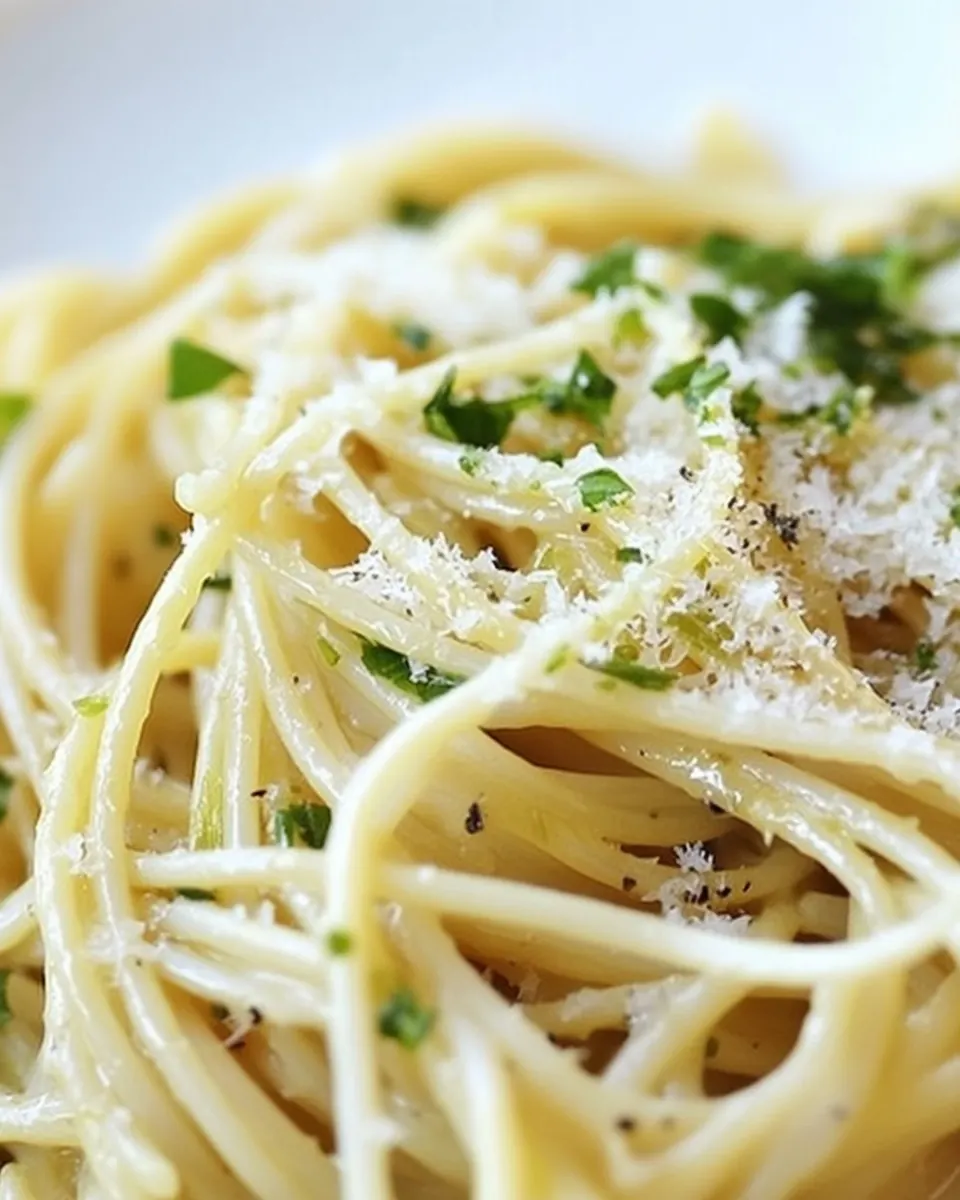
I find this method approachable and rhythmic, with overlapping tasks that keep the cooking flow lively. The directions below expand each instruction with sensory cues, troubleshooting notes, and reasons why the technique matters. Read them slowly the first time, then enjoy the satisfying tempo of building the sauce while the pasta cooks.
- Bring large pot of salted water to boil. Add spaghetti and cook until al dente. While pasta is cooking, snap woody bottoms off asparagus and slice into 1/4 inch pieces. Add to the cooking pasta during the last 3 minutes of cooking. Drain all together and set aside.: The steam rises with a faint wheaty scent as the water reaches a rolling boil, and the sound of bubbling tells you it is ready. When the spaghetti hits the pot you will see it soften and sink, and stirring gently prevents clumping. Cooking to al dente gives the strands a slight chew that contrasts nicely with tender vegetables. One common mistake is overcooking, which makes the pasta limp and unable to hold the sauce, so test a strand a minute or two before package timing to ensure the perfect bite. Visually, look for a small white dot at the center when you bite into a strand, then let it finish off heat in the sauce for ideal texture.
- Return pot to medium heat and melt butter. Sauté butter and zucchini with salt and pepper to soften, 4 minutes. Sprinkle flour over top and stir. Cook 1 minute.: The clean snap of the stalk signals where the tender portion begins, and slicing into quarter inch pieces creates uniform bites that soften quickly. These small rounds absorb heat rapidly, offering a pleasant tender crispness. The green fragrance becomes more pronounced as you cut, and the exposed flesh looks moist and vibrant. Avoid cutting too large, which can leave fibrous bits, or too small, which can make them disappear into the sauce. If asparagus is thick, halve the pieces lengthwise so they cook evenly with the pasta.
- Pour in chicken stock and bring to boil to thicken. Reduce heat to medium low and stir in cream cheese, parmesan cheese, more salt and pepper, basil, lemon zest and peas.: Dropping the prepared asparagus into the pasta water at the end lets it cook through while the spaghetti reaches al dente, creating harmony in doneness. You will notice the asparagus color deepen to a brighter green and the steam smell grow sweeter, indicators that the stalks are tender but not mushy. Stir gently to redistribute heat. A typical slip is adding vegetables too early and ending up with overcooked, soggy pieces, so time this step carefully for crisp tender results.
- Cook 5 minutes, then toss in cooked pasta and asparagus. Divide between serving dishes and top with more parmesan cheese. Serve immediately.: When you pour everything into the colander the mingled steam carries an enticing blend of wheat and green vegetable notes. Letting the pasta and vegetables drain briefly allows excess water to release so the sauce will cling rather than dilute. Shake gently to shed excess liquid but avoid letting the pasta sit too long uncovered, which can dry it out. If you notice pools of water, gently toss the drained contents back in the pot off the heat to keep them warm without steaming further.
- Return pot to medium heat and melt butter: The moment butter hits the warm pot it begins to foam and releases a toasty, creamy aroma that signals flavor building. Melting at medium heat prevents browning too quickly, which would alter the delicate balance of the sauce. Swirl the pot so the fat coats the bottom evenly. A common error is heating too high, causing the butter to burn and impart a bitter taste, so keep the flame moderate and watch for gentle bubbling rather than darkening.
- Sauté butter and zucchini with salt and pepper to soften, 4 minutes: As the zucchini hits the butter it sizzles softly and begins to sweat, releasing a mild vegetal scent and softening to a translucent edge. Stir occasionally so pieces brown lightly and cook evenly, which brings out subtle caramelized notes that enrich the sauce. This quick sauté develops texture without waterlogging the zucchini. A pitfall here is overcrowding the pan, which causes steaming instead of sautéing, so keep movement and space to allow gentle browning.
- Sprinkle flour over top and stir. Cook 1 minute: The flour dusts the softened vegetables and absorbs fat, creating a roux that will thicken the sauce. Stir until the flour loses its raw smell and forms a paste, which should take about a minute; you will notice a light thickening and a faint nutty aroma. This step prevents a grainy texture later and builds body for the sauce. Avoid skipping the brief cook time, because raw flour will leave a pasty taste and uneven texture.
- Pour in chicken stock and bring to boil to thicken: When you add the chicken stock it hisses gently and the mixture loosens, transforming into a simmering base. Bringing it to a boil activates the roux and thickens the liquid, producing a smooth, glossy sauce. Watch the sauce as it reduces slightly and coats the back of a spoon, a visual cue that it is ready. A common mistake is adding cold stock which cools the pot and prolongs thickening, so use room temperature or warm stock if possible.
- Reduce heat to medium low and stir in cream cheese, parmesan cheese, more salt and pepper, basil, lemon zest and peas: Lowering the heat prevents the cheeses from separating, and as you stir the light cream cheese melts into a silky emulsion while the grated parmesan dissolves and enriches the sauce with savory depth. The aroma will shift to a creamy, cheesy perfume, punctuated by bright citrus from the lemon zest and the herbaceous whisper of dried basil . Fold in the frozen peas so they thaw gently and retain a pop. If the sauce seems grainy, keep stirring on low heat until smooth; overheating can cause separation, so patience is important here.
- Cook 5 minutes, then toss in cooked pasta and asparagus: During these few minutes the sauce melds and thickens slightly, releasing a warm, cohesive scent. Adding the drained spaghetti and asparagus lets the pasta absorb some sauce while the vegetables retain texture. Toss gently until each strand is coated and the components feel unified. A common misstep is tossing too vigorously, which can break the pasta or overly mash the vegetables, so aim for gentle folding until everything is evenly dressed.
- Divide between serving dishes and top with more parmesan cheese. Serve immediately: Plating while hot preserves the creamy mouthfeel and lifts the aromas. Grating extra parmesan on top adds a final burst of savory fragrance and pleasing texture contrast. Serve right away so the sauce remains silky and the vegetables keep their tender snap. If you let it sit too long, the sauce can congeal and the pasta may absorb too much moisture, so enjoy it fresh for the best experience.
Ways to Adapt This Recipe
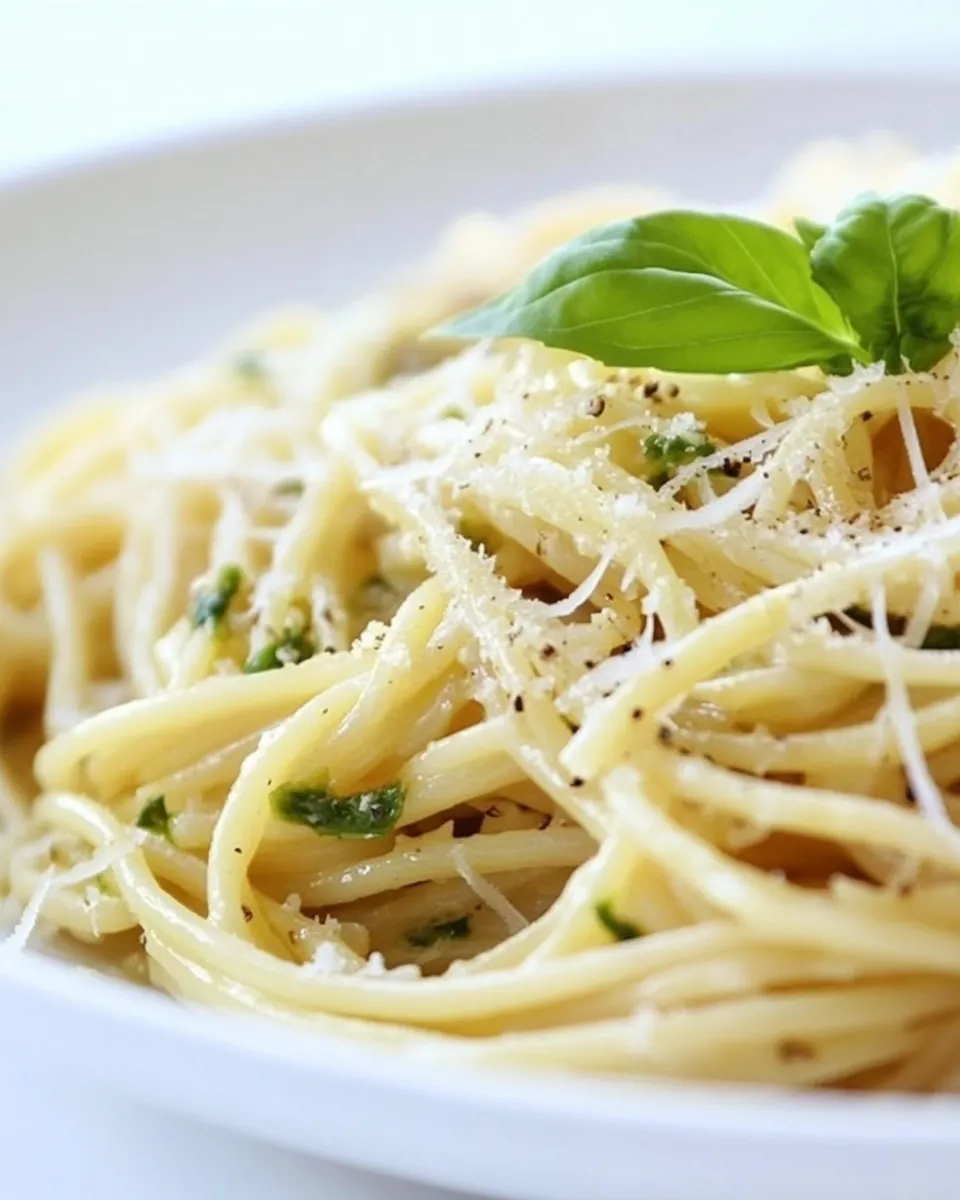
This section offers practical adaptations to suit dietary needs, seasonal produce, or pantry constraints. Each tip starts with a bolded phrase to highlight the idea, followed by detailed guidance so you can confidently adjust the recipe without losing its essence.
- Swap the stock If you prefer a vegetarian version, use a rich vegetable broth instead of chicken stock, and consider simmering the broth with a halved onion or carrot briefly to deepen the flavor before adding to the roux.
- Pasta variety You can use any pasta you have on hand; shorter shapes will capture the sauce differently, while long strands give that classic twirl experience, so pick based on preference and what you want on the plate.
- Boost the herbs If fresh basil is available, toss in a handful at the end for a vibrant aroma, but dried basil works fine when combined with bright lemon zest to keep the herbal note lively.
- Adjust creaminess For a lighter finish, reduce the light cream cheese slightly and add a splash of reserved pasta water to maintain sauce cohesion without extra fat.
- Vegetable swaps If asparagus is out of season, use blanched green beans or snap peas to maintain the crunchy tender contrast; cut to similar sizes so cooking times align with the pasta.
Accompaniments for Lemon Basil Pasta
This dish pairs well with simple sides and suits many occasions, from a casual family dinner to a relaxed spring gathering. Below are thoughtful serving suggestions, storage tips, and seasonal pairings that help you present and preserve the meal with style.
- Light green salad Serve a crisp salad with a citrus vinaigrette to echo the lemon notes and add a refreshing contrast to the creamy pasta.
- Crusty bread Offer a warm baguette or loaf so guests can mop up any remaining sauce, which keeps the meal feeling cozy and shared.
- Occasion: lunch This recipe works beautifully for a bright weekend lunch, especially in spring when asparagus is prime and meals call for lighter flavors.
- Occasion: dinner For a casual dinner, pair with simple roasted vegetables or a marinated salad to build a balanced plate without overpowering the pasta.
- Storage tips Cool leftovers quickly and store in an airtight container in the refrigerator for up to two days; reheat gently with a splash of water to restore creaminess.
- Seasonal pairing Serve during spring when asparagus and young zucchini are available, so the flavors feel timely and fresh.
FAQ
Conclusion
Lemon Basil Pasta stands out because it balances bright citrus, fresh herbs, and creamy texture in a simple, satisfying bowl. Give it a try on a busy weeknight or a relaxed weekend when you want food that feels both comforting and lively. I hope this recipe becomes one of your regulars, bringing quick satisfaction and seasonal freshness to your table.
Lemon Basil Pasta
Equipment
- Large Pot
- Colander
- Large pot or saucepan
- Wooden Spoon
Ingredients
- 1/2 lb whole wheat spaghetti or other pasta Cook until al dente to form the base of the dish; provides whole-grain texture and nutty flavor. Toss with sauce and vegetables so it absorbs citrus and basil notes while holding up to creamy components.
- 1/2 lb asparagus Trim and cut into bite-sized pieces to add a tender-crisp, slightly sweet green vegetable. Steam or sauté briefly so stalks retain color and texture, complementing pasta and balancing richness.
- 3 tablespoons butter Melt to create a glossy cooking fat that builds flavor and mouthfeel for the sauce. Brown lightly for a nutty note or use at room temperature to enrich the sauce finish.
- 1 cup diced onion Sweat gently until translucent to develop sweet, aromatic depth; forms the savory foundation of the sauce. Cook low and slow to release sugars without browning, enhancing overall balance.
- 1/2 cup diced zucchini Sauté until just tender to contribute mild summer squash flavor and tender texture. Absorb sauces and help thicken slightly while adding a subtle freshness to each bite.
- 1/2 cup frozen peas Heat briefly so peas add a pop of sweetness, color, and tender contrast to the pasta. Stir in near the end to preserve bright flavor and texture within the sauce.
- 2 tablespoons flour Whisk into melted butter to form a roux that thickens the sauce and provides a smooth mouthfeel. Cook briefly to remove raw flour taste before adding liquid for a velvety texture.
- 2 cups chicken stock or vegetable broth Simmer into the roux to create a flavorful, savory base that forms the sauce’s body. Choose vegetable or chicken stock according to dietary preference to adjust richness and depth.
- 2 oz light cream cheese Stir in to lend creaminess with fewer calories than heavy cream while contributing a mild tang. Soften into the hot sauce so it melts smoothly and integrates with the stock and cheese.
- 1/4 cup grated parmesan Grate and stir through the sauce to add salty, umami richness and a slightly granular texture that enhances depth. Sprinkle some at the end to finish with a savory, cheesy note.
- salt & pepper to taste Season to enhance and balance flavors, adjusting salt to taste and pepper for warmth; essential for proper flavor. Add gradually and taste as sauce concentrates to avoid over-seasoning.
- 1/2 teaspoon dried basil Sprinkle to impart concentrated herbaceous, slightly sweet notes when fresh basil is unavailable. Add during cooking for mellow flavor or finish with a pinch for subtle aromatic presence.
- 1/2 teaspoon lemon zest Zest to deliver bright, aromatic citrus oils that lift and brighten the entire dish. Incorporate toward the end so lemon aroma remains vibrant without introducing bitterness.
Instructions
- Bring large pot of salted water to boil. Add spaghetti and cook until al dente. While pasta is cooking, snap woody bottoms off asparagus and slice into 1/4 inch pieces. Add to the cooking pasta during the last 3 minutes of cooking. Drain all together and set aside.: The steam rises with a faint wheaty scent as the water reaches a rolling boil, and the sound of bubbling tells you it is ready. When the spaghetti hits the pot you will see it soften and sink, and stirring gently prevents clumping. Cooking to al dente gives the strands a slight chew that contrasts nicely with tender vegetables. One common mistake is overcooking, which makes the pasta limp and unable to hold the sauce, so test a strand a minute or two before package timing to ensure the perfect bite. Visually, look for a small white dot at the center when you bite into a strand, then let it finish off heat in the sauce for ideal texture.
- Return pot to medium heat and melt butter. Sauté butter and zucchini with salt and pepper to soften, 4 minutes. Sprinkle flour over top and stir. Cook 1 minute.: The clean snap of the stalk signals where the tender portion begins, and slicing into quarter inch pieces creates uniform bites that soften quickly. These small rounds absorb heat rapidly, offering a pleasant tender crispness. The green fragrance becomes more pronounced as you cut, and the exposed flesh looks moist and vibrant. Avoid cutting too large, which can leave fibrous bits, or too small, which can make them disappear into the sauce. If asparagus is thick, halve the pieces lengthwise so they cook evenly with the pasta.
- Pour in chicken stock and bring to boil to thicken. Reduce heat to medium low and stir in cream cheese, parmesan cheese, more salt and pepper, basil, lemon zest and peas.: Dropping the prepared asparagus into the pasta water at the end lets it cook through while the spaghetti reaches al dente, creating harmony in doneness. You will notice the asparagus color deepen to a brighter green and the steam smell grow sweeter, indicators that the stalks are tender but not mushy. Stir gently to redistribute heat. A typical slip is adding vegetables too early and ending up with overcooked, soggy pieces, so time this step carefully for crisp tender results.
- Cook 5 minutes, then toss in cooked pasta and asparagus. Divide between serving dishes and top with more parmesan cheese. Serve immediately.: When you pour everything into the colander the mingled steam carries an enticing blend of wheat and green vegetable notes. Letting the pasta and vegetables drain briefly allows excess water to release so the sauce will cling rather than dilute. Shake gently to shed excess liquid but avoid letting the pasta sit too long uncovered, which can dry it out. If you notice pools of water, gently toss the drained contents back in the pot off the heat to keep them warm without steaming further.
- Return pot to medium heat and melt butter: The moment butter hits the warm pot it begins to foam and releases a toasty, creamy aroma that signals flavor building. Melting at medium heat prevents browning too quickly, which would alter the delicate balance of the sauce. Swirl the pot so the fat coats the bottom evenly. A common error is heating too high, causing the butter to burn and impart a bitter taste, so keep the flame moderate and watch for gentle bubbling rather than darkening.
- Sauté butter and zucchini with salt and pepper to soften, 4 minutes: As the zucchini hits the butter it sizzles softly and begins to sweat, releasing a mild vegetal scent and softening to a translucent edge. Stir occasionally so pieces brown lightly and cook evenly, which brings out subtle caramelized notes that enrich the sauce. This quick sauté develops texture without waterlogging the zucchini. A pitfall here is overcrowding the pan, which causes steaming instead of sautéing, so keep movement and space to allow gentle browning.
- Sprinkle flour over top and stir. Cook 1 minute: The flour dusts the softened vegetables and absorbs fat, creating a roux that will thicken the sauce. Stir until the flour loses its raw smell and forms a paste, which should take about a minute; you will notice a light thickening and a faint nutty aroma. This step prevents a grainy texture later and builds body for the sauce. Avoid skipping the brief cook time, because raw flour will leave a pasty taste and uneven texture.
- Pour in chicken stock and bring to boil to thicken: When you add the chicken stock it hisses gently and the mixture loosens, transforming into a simmering base. Bringing it to a boil activates the roux and thickens the liquid, producing a smooth, glossy sauce. Watch the sauce as it reduces slightly and coats the back of a spoon, a visual cue that it is ready. A common mistake is adding cold stock which cools the pot and prolongs thickening, so use room temperature or warm stock if possible.
- Reduce heat to medium low and stir in cream cheese, parmesan cheese, more salt and pepper, basil, lemon zest and peas: Lowering the heat prevents the cheeses from separating, and as you stir the light cream cheese melts into a silky emulsion while the grated parmesan dissolves and enriches the sauce with savory depth. The aroma will shift to a creamy, cheesy perfume, punctuated by bright citrus from the lemon zest and the herbaceous whisper of dried basil . Fold in the frozen peas so they thaw gently and retain a pop. If the sauce seems grainy, keep stirring on low heat until smooth; overheating can cause separation, so patience is important here.
- Cook 5 minutes, then toss in cooked pasta and asparagus: During these few minutes the sauce melds and thickens slightly, releasing a warm, cohesive scent. Adding the drained spaghetti and asparagus lets the pasta absorb some sauce while the vegetables retain texture. Toss gently until each strand is coated and the components feel unified. A common misstep is tossing too vigorously, which can break the pasta or overly mash the vegetables, so aim for gentle folding until everything is evenly dressed.
- Divide between serving dishes and top with more parmesan cheese. Serve immediately: Plating while hot preserves the creamy mouthfeel and lifts the aromas. Grating extra parmesan on top adds a final burst of savory fragrance and pleasing texture contrast. Serve right away so the sauce remains silky and the vegetables keep their tender snap. If you let it sit too long, the sauce can congeal and the pasta may absorb too much moisture, so enjoy it fresh for the best experience.
Notes
- Swap the stock If you prefer a vegetarian version, use a rich vegetable broth instead of chicken stock, and consider simmering the broth with a halved onion or carrot briefly to deepen the flavor before adding to the roux.
- Pasta variety You can use any pasta you have on hand; shorter shapes will capture the sauce differently, while long strands give that classic twirl experience, so pick based on preference and what you want on the plate.
- Boost the herbs If fresh basil is available, toss in a handful at the end for a vibrant aroma, but dried basil works fine when combined with bright lemon zest to keep the herbal note lively.
- Adjust creaminess For a lighter finish, reduce the light cream cheese slightly and add a splash of reserved pasta water to maintain sauce cohesion without extra fat.
- Vegetable swaps If asparagus is out of season, use blanched green beans or snap peas to maintain the crunchy tender contrast; cut to similar sizes so cooking times align with the pasta.