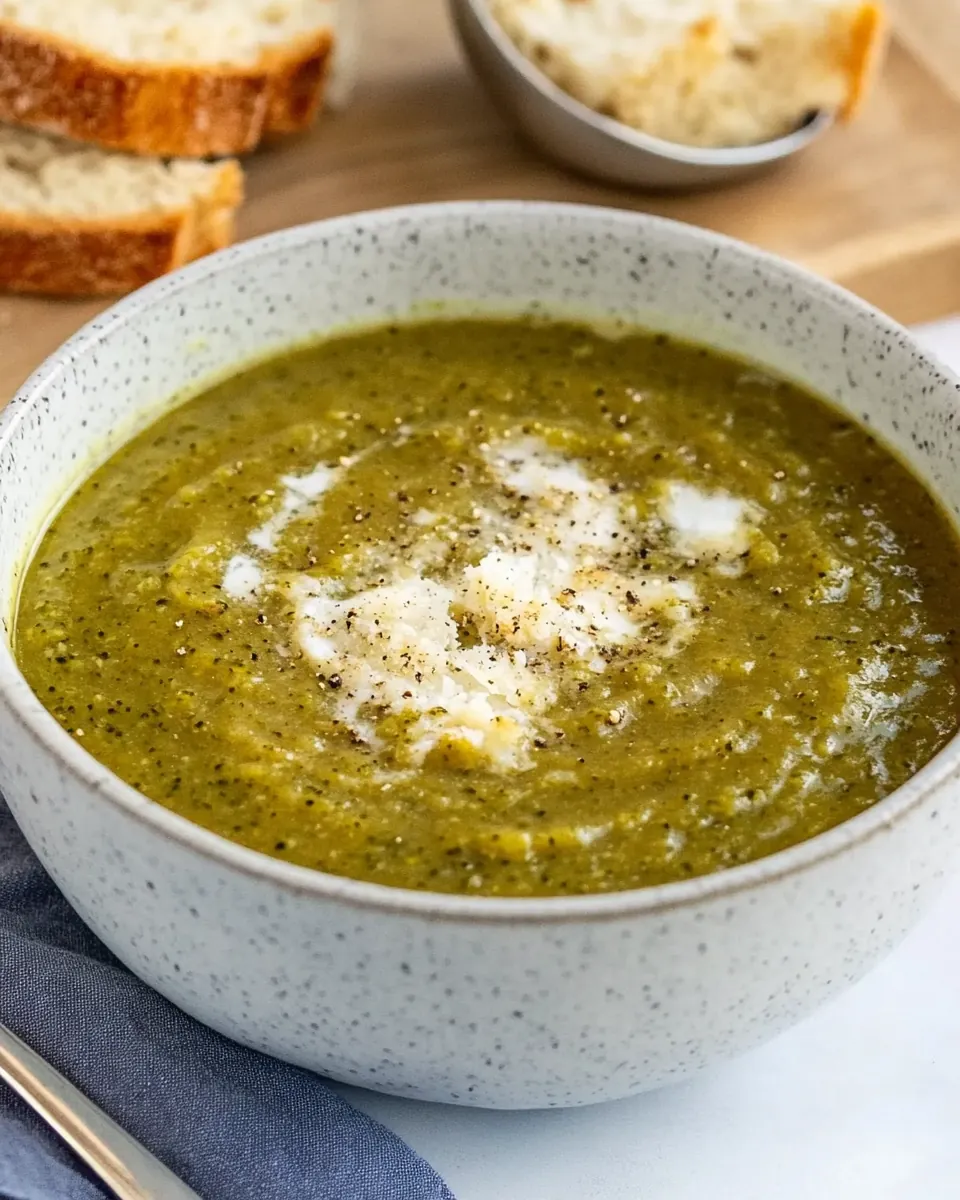
Broccoli Soup
Broccoli Soup has always been the bowl I reach for when the weather turns crisp and I want something that feels like a warm kitchen hug. I remember the first time I made it for a gloomy winter evening, using a hand me down stock pot and a well worn wooden spoon, and how the kitchen filled with an herbaceous, green aroma that instantly lifted everyones mood.
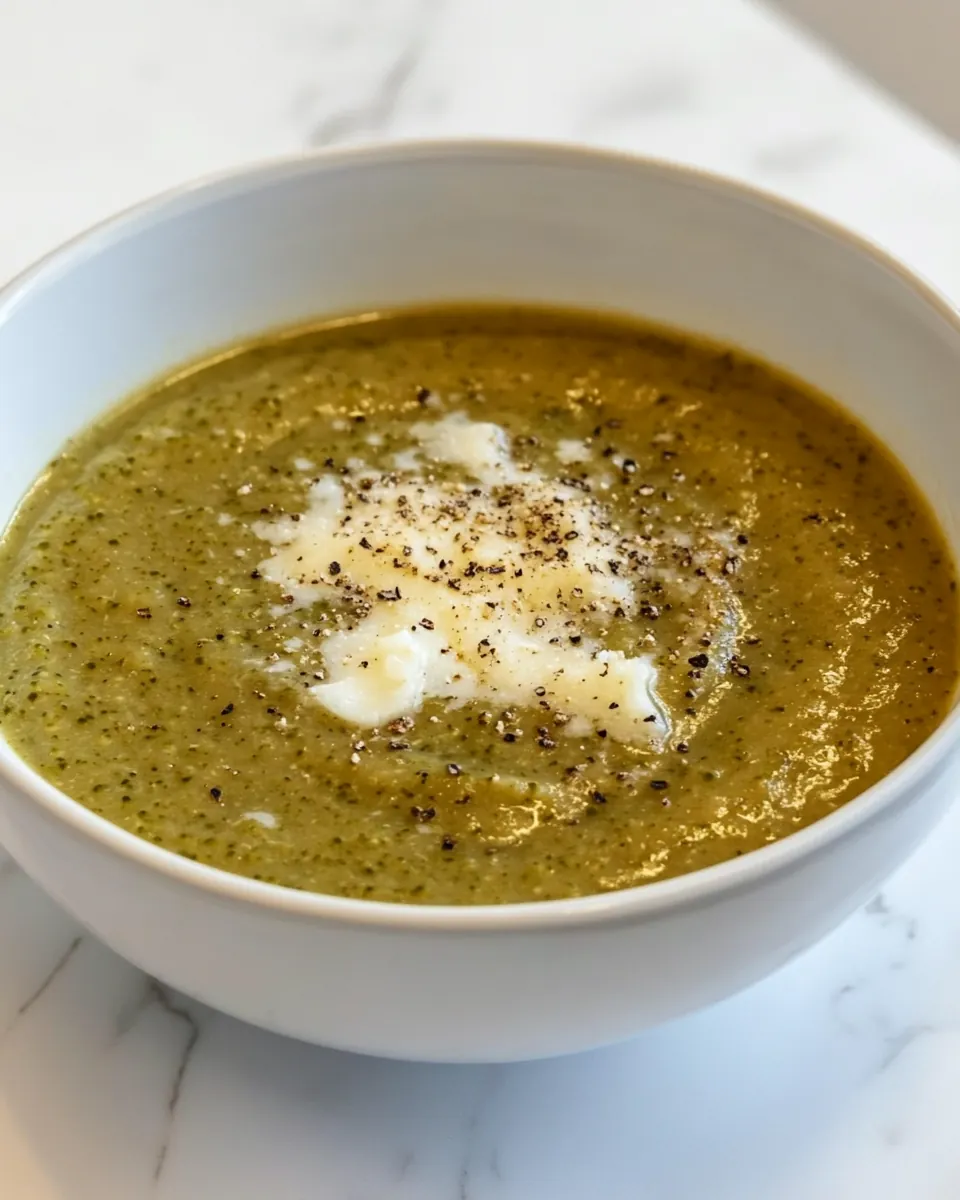
I still make Broccoli Soup on slow evenings when I want simplicity, and I often tweak the garnishes to match what I have on hand. Some nights I spoon on a cool dollop of tangy yogurt, other times I go for a snowy shower of shaved parmesan. Each variation tells a slightly different story, but the heart of the recipe stays the same.
There is comfort in the routine of chopping potato and broccoli, the way the kitchen comes alive with the hiss of sauteed onion and the slow bubble of stock as it reduces into something silky. I tend to make a double batch so I can stash some in the freezer for hurried nights. Every spoonful brings me back to quiet dinners and easy conversations around the table.
Recipe Snapshot
25 mins
5 mins
20 mins
Easy
180 kcal
American
Gluten-Free, Low FODMAP
Soups
Large stock pot, Blender, Knife
The Appeal of This Broccoli Soup
Comforting and Familiar
I love how Broccoli Soup tastes like a classic childhood bowl of warmth, yet feels refined enough for guests. The texture when pureed is silky but still substantial, and that combination keeps me coming back. When I want a meal that soothes without fuss, this is my go to.
Simple, Pantry Friendly Ingredients
There is something wonderfully honest about a recipe that leans on staple items. With olive oil, onion, potato, broccoli, and stock you can create a complex flavor profile. I appreciate that I can usually pull everything together without a special trip to the store.
Fast to Make, Slow to Enjoy
I can have this on the table in under 30 minutes, which makes it perfect for weeknights. Yet the taste develops as it sits, so leftovers often taste even better the next day. That contrast of quick prep and layered flavor is a constant delight for me.
Versatile Serving Options
This recipe adapts to what you have and who youre feeding. I love tossing in a tangy dollop of yogurt for creaminess, or finishing with a flurry of shaved parmesan. It can be a light lunch or the opening act to a multi course dinner, which I find useful for hosting without stress.
Make Ahead and Freezer Friendly
I often make extra and freeze it for busy weeks. The structure of this soup holds up well in the freezer, and reheating gently preserves the fresh green flavors. That reliability is why I consider it a kitchen staple.
Ingredients for Broccoli Soup
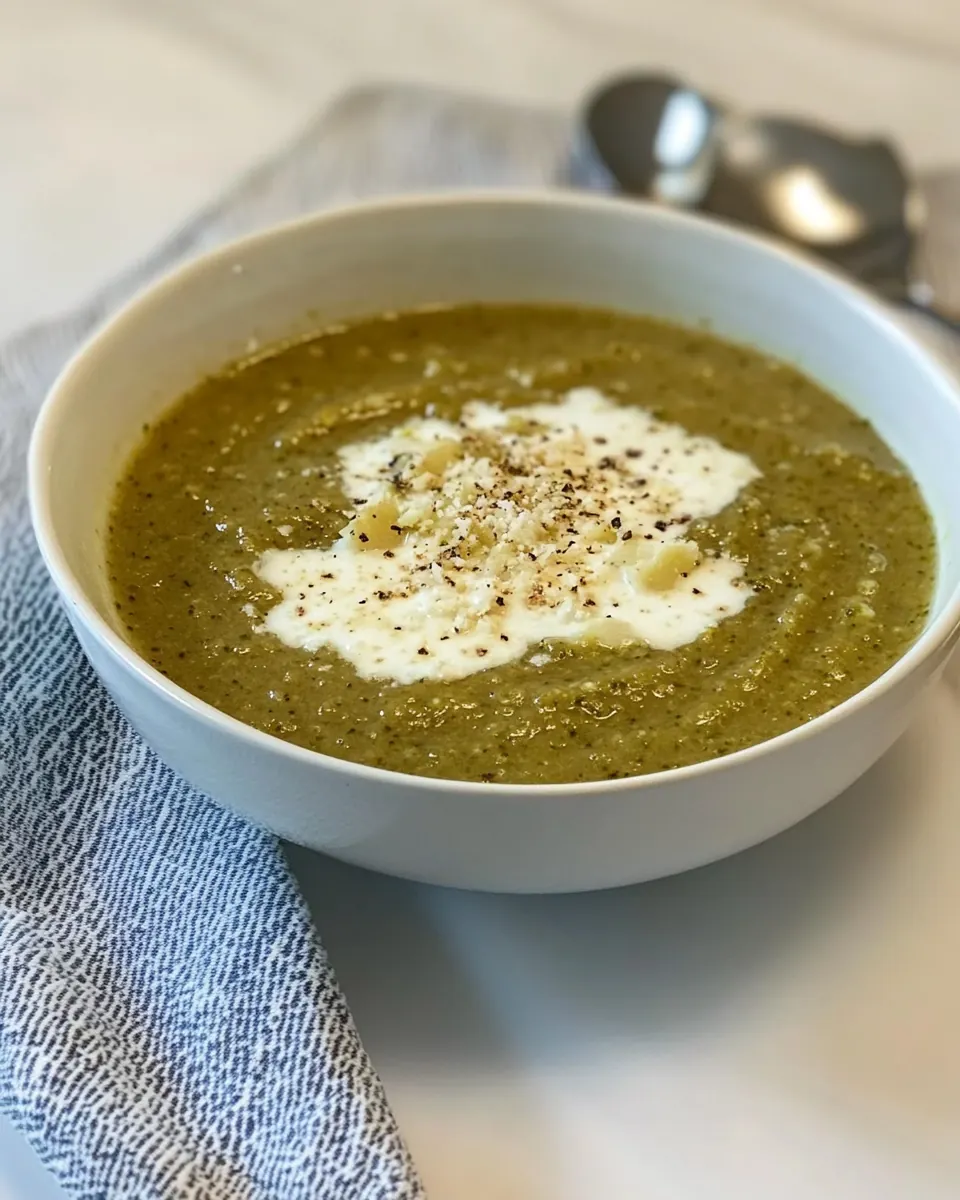
These ingredients are intentionally straightforward, built around vegetal depth and a creamy base. The key players are the broccoli and the potato, which work together to give the soup body and silkiness when pureed. The onion lends a sweet backbone, while the stock brings savory depth. Little additions like lemon juice and garnishes lift the flavors into bright territory.
- 1 tablespoon olive oil: Sauté gently to provide a fragrant, savory base and help soften aromatics; olive oil also adds a smooth mouthfeel and carries fat-soluble flavors throughout the soup.
- 1 small onion, chopped: Chop finely and sweat until translucent to build sweetness and depth; onion contributes savory complexity and a tender texture when pureed into the broth.
- 2 teaspoon kosher salt, divided: Season gradually to enhance overall flavor balance; kosher salt should be divided so initial seasoning layers and final adjustments maintain proper seasoning without over-salting.
- 1 large russet or Yukon gold potato, peeled and chopped into a small dice: Dice small and simmer until tender so it lends body and creaminess when blended; potato acts as a natural thickener and adds comforting starchiness to the soup.
- 1 pound broccoli (about 2 cups), use florets and stems (stems peeled and chopped): Cut into florets and peeled stem pieces and cook until bright and tender to provide primary vegetable flavor; broccoli contributes grassy, slightly bitter notes and vibrant green color.
- 4 cups 32 ounces chicken or vegetable stock: Simmer as the liquid base to cook vegetables and meld flavors; chicken or vegetable stock supplies savory depth and a consistent broth concentration for blending.
- 1 tablespoon lemon juice: Brighten with fresh acidity added at the end to lift flavors and balance richness; lemon juice sharpens taste and enhances perceived freshness without cooking away.
- yogurt, creme fraiche or sour cream for garnish.: Garnish sparingly to add cooling creaminess and a tangy contrast to the hot soup; yogurt, crème fraîche, or sour cream creates silkiness and a pleasant finish.
- shaved parmesan for garnish: Finish with thinly shaved aged cheese to introduce nutty, salty umami and subtle texture contrast; shaved parmesan melts slightly on the warm soup and amplifies savory notes.
How to Assemble Broccoli Soup
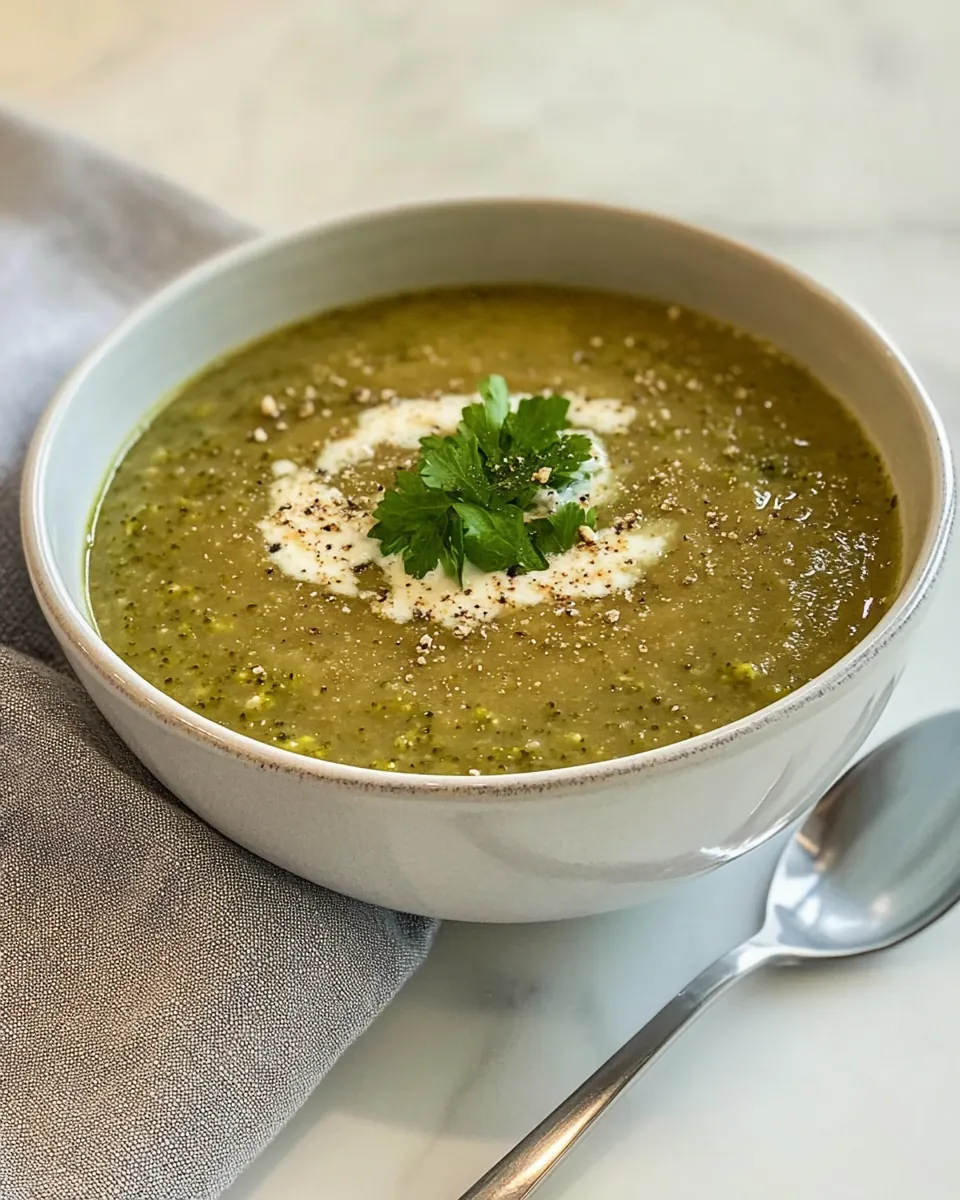
Assembling this soup is a rhythm I enjoy, from the gentle sizzle of olive oil to the hum of a blender. Below I walk you through each step and share what to watch for so the result feels effortless and intentional.
- In a large stock pot heat the olive oil and saute the onion and 1 tsp salt for 5-7 minutes over low to medium heat.: You will notice the olive oil warming and the onion softening into glossy strands, releasing a sweet, savory aroma that signals the foundation is building. The sound is a soft, steady sizzle rather than a harsh crackle, which tells you the heat is right. Visually, the onion should turn translucent and slightly glossy, not browned, because caramelization would shift the flavor to roasted and reduce the bright green interplay you want with the broccoli . I find stirring every minute helps cook evenly and prevents the edges from browning. One mistake people make is turning the heat too high to hurry the process, which leads to burnt bits and a bitter undertone. If that happens, lower the heat, scrape the pot, and continue gently. Why this matters: gentle sweating softens the onion and extracts sweetness, creating a rounded base that supports the vegetal notes of the soup. Troubleshooting tip: if the onion seems stuck or dry, add a teaspoon of stock to deglaze and loosen any fond.
- Add the potatoes, broccoli, stock, 1 tsp salt and bring to a boil, reduce to a simmer.: As you add the diced potato , chopped broccoli , and the measured stock , the pot will sound fuller and you may notice a light steam rising. Bringing it to a boil helps the temperature equalize so everything cooks at the same pace, but you must drop it to a gentle simmer promptly to avoid overcooking. Visual cues: the surface will move from energetic rolling bubbles to small, steady ones when reduced to simmer. This steadier motion is perfect for tenderizing the potato and broccoli without turning them to mush. Why: a brief boil then simmer extracts flavors evenly and allows starches from the potato to begin integrating into the liquid. Common error: leaving at a full boil for too long can break down the vegetables excessively and produce a grainy texture after blending. If the stock seems too thin, simmer uncovered for a few extra minutes to concentrate flavors.
- Cook covered for 12-15 minutes or until broccoli and potatoes are fork tender.: Covered cooking traps steam and cooks the pieces quickly, so you ll hear a quiet bubbling and see occasional wafts of steam from the lid. The smell should be clean and green, with a warmed starch note from the potato . Check tenderness by piercing a potato cube and a piece of stem with a fork; they should yield easily. Texture matters because undercooked potato or broccoli will result in uneven blending and small, starchy bits in the final silk. Avoid overcooking to the point where everything collapses into unrecognizable mush, which can make it hard to achieve a bright flavor. A common mistake is not checking multiple pieces for doneness, especially the thicker stem pieces, which take slightly longer. If some pieces are done earlier, remove them with a slotted spoon to prevent breakdown while the rest finishes.
- Pour the ingredients along with the lemon juice into a blender and puree.: When you transfer the hot contents into a blender, you ll notice steam and a burst of verdant aroma. Use caution with hot liquids and pulse to start so pressure doesn t build. The texture should transition from chunky to glossy and viscous as the blades shear the softened potato into the liquid, creating a velvety mouthfeel. The lemon juice added before blending brightens the green flavors and lifts the finish, making the soup taste fresher. If your blender struggles, work in batches so each gets fully pureed rather than overloading the jar. A frequent misstep is blending too long at high speed which can heat the soup further and change its texture; pulse and scrape down the sides instead. Why this step matters: pureeing thoroughly gives you that luxurious, creamy body without heavy dairy, and the homogeneous texture coats the palate beautifully.
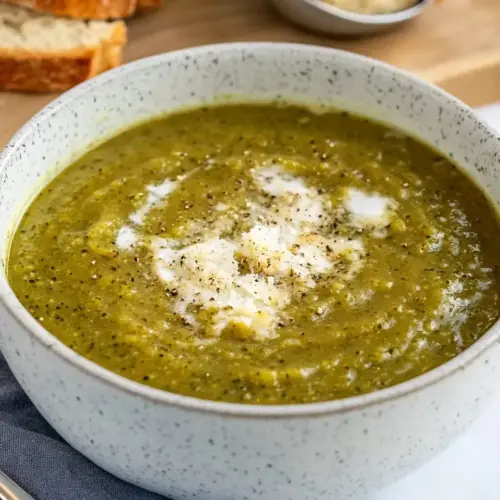
- Serve garnished with yogurt, creme fraiche or sour cream and shaved parmesan if desired.: The contrast of a cool, tangy dollop of yogurt or sour cream against warm soup creates a silky swirl on the tongue, while a sprinkling of shaved parmesan lends a savory, slightly crystalline finish. Visually, these garnishes add height and color contrast, giving a restaurant style touch to a humble bowl. Taste before you add salt or cheese to ensure balance, because the garnish can push the saltiness upward. A common mistake is piling on heavy garnishes that mask the subtle broccoli flavor, so use them judiciously. Why this matters: the finishing touches provide flavor contrast and textural interest, elevating the overall experience.
- To Freeze: Allow to cool, place in appropriate container or ziploc bag, label, and freeze. When ready, place in pot and heat through under low to medium heat or defrost in fridge overnight.: Allow to cool, place in appropriate container or ziploc bag, label, and freeze. When ready, place in pot and heat through under low to medium heat or defrost in fridge overnight. : Cooling completely before freezing preserves texture and prevents ice crystal formation that can water down the soup. I recommend portioning into flat freezer bags so they stack neatly and thaw quickly. Reheating slowly on low to medium heat helps the soup regain its smooth consistency while protecting delicate flavors. Rapid reheating at high heat can cause separation or a dulling of the fresh notes. People often forget to label and date, which leads to mystery meals months later. Why this step matters: proper cooling, storage, and gentle reheating keep the soup tasting close to fresh even after months in the freezer.
Ways to Adapt This Recipe
This recipe is a flexible template that adapts to whats in your pantry or the tone you want at the table. Below are practical, detailed approaches to change texture, flavor, and presentation while keeping the core comforting character intact.
- Make it dairy free: Use only the base ingredients and skip the garnish of yogurt or creme fraiche, leaning instead on a bright finish of extra lemon juice to lift the flavor without dairy richness.
- Boost umami: Finish with a small amount of shaved parmesan as a garnish, adding a savory note that plays beautifully with the vegetal soup without altering the cooking method.
- Freeze for later: Portion into freezer bags once fully cooled and label them; this soup freezes well for several months and reheats gently on low to medium heat to preserve texture.
- Adjust thickness: If you prefer a thinner bowl, add a splash more stock when reheating; for a heartier texture, leave the soup a bit less diluted before blending.
- Brighten at the end: A tablespoon of lemon juice stirred in right before serving refreshes and balances the warm, starchy notes.
What Goes Well With This Broccoli Soup
Broccoli Soup pairs easily with simple sides and can sit at the center of many meals. Below I outline serving ideas, storage notes, and occasions where this soup shines, using practical combinations and seasonal suggestions to help you plan a complete plate.
- Crusty bread: A slice of warm bread is classic with Broccoli Soup, perfect for dipping and adding texture contrast to the silky bowl.
- Light salad: A crisp green salad complements the warm, creamy soup, making for a balanced lunch or light dinner.
- Weeknight dinner: Keep it simple for a quick family meal, pairing the soup with bread and a small cheese plate for a satisfying weeknight option.
- Make ahead for guests: Prepare the soup earlier in the day and reheat gently before serving to free you up during gatherings.
- Storage tips: Refrigerate leftovers for up to four days, or freeze in portions for months; thaw in the fridge overnight and reheat on low to medium heat to maintain texture.
- Seasonal pairing: This soup is especially cozy in cold months, but a bright garnish of lemon juice and a light salad makes it suitable for early spring lunches too.
FAQ
Conclusion
Broccoli Soup is a simple yet comforting recipe that balances silky texture and bright green flavor. Its quick enough for weeknights, flexible for guests, and forgiving when you want to meal prep or freeze portions. Give it a try and youll likely find it becoming one of those easy go to dishes I often reach for on chilly evenings. Enjoy the process of building flavor from humble ingredients and the cozy warmth it brings to the table.
Broccoli Soup
Equipment
- Large stock pot
- Blender
- Knife
Ingredients
- 1 tablespoon olive oil Sauté gently to provide a fragrant, savory base and help soften aromatics; olive oil also adds a smooth mouthfeel and carries fat-soluble flavors throughout the soup.
- 1 small onion, chopped Chop finely and sweat until translucent to build sweetness and depth; onion contributes savory complexity and a tender texture when pureed into the broth.
- 2 teaspoon kosher salt, divided Season gradually to enhance overall flavor balance; kosher salt should be divided so initial seasoning layers and final adjustments maintain proper seasoning without over-salting.
- 1 large russet or Yukon gold potato, peeled and chopped into a small dice Dice small and simmer until tender so it lends body and creaminess when blended; potato acts as a natural thickener and adds comforting starchiness to the soup.
- 1 pound broccoli (about 2 cups), use florets and stems (stems peeled and chopped) Cut into florets and peeled stem pieces and cook until bright and tender to provide primary vegetable flavor; broccoli contributes grassy, slightly bitter notes and vibrant green color.
- 4 cups 32 ounces chicken or vegetable stock Simmer as the liquid base to cook vegetables and meld flavors; chicken or vegetable stock supplies savory depth and a consistent broth concentration for blending.
- 1 tablespoon lemon juice Brighten with fresh acidity added at the end to lift flavors and balance richness; lemon juice sharpens taste and enhances perceived freshness without cooking away.
- yogurt, creme fraiche or sour cream for garnish. Garnish sparingly to add cooling creaminess and a tangy contrast to the hot soup; yogurt, crème fraîche, or sour cream creates silkiness and a pleasant finish.
- shaved parmesan for garnish Finish with thinly shaved aged cheese to introduce nutty, salty umami and subtle texture contrast; shaved parmesan melts slightly on the warm soup and amplifies savory notes.
Instructions
- In a large stock pot heat the olive oil and saute the onion and 1 tsp salt for 5-7 minutes over low to medium heat.: You will notice the olive oil warming and the onion softening into glossy strands, releasing a sweet, savory aroma that signals the foundation is building. The sound is a soft, steady sizzle rather than a harsh crackle, which tells you the heat is right. Visually, the onion should turn translucent and slightly glossy, not browned, because caramelization would shift the flavor to roasted and reduce the bright green interplay you want with the broccoli . I find stirring every minute helps cook evenly and prevents the edges from browning. One mistake people make is turning the heat too high to hurry the process, which leads to burnt bits and a bitter undertone. If that happens, lower the heat, scrape the pot, and continue gently. Why this matters: gentle sweating softens the onion and extracts sweetness, creating a rounded base that supports the vegetal notes of the soup. Troubleshooting tip: if the onion seems stuck or dry, add a teaspoon of stock to deglaze and loosen any fond.
- Add the potatoes, broccoli, stock, 1 tsp salt and bring to a boil, reduce to a simmer.: As you add the diced potato , chopped broccoli , and the measured stock , the pot will sound fuller and you may notice a light steam rising. Bringing it to a boil helps the temperature equalize so everything cooks at the same pace, but you must drop it to a gentle simmer promptly to avoid overcooking. Visual cues: the surface will move from energetic rolling bubbles to small, steady ones when reduced to simmer. This steadier motion is perfect for tenderizing the potato and broccoli without turning them to mush. Why: a brief boil then simmer extracts flavors evenly and allows starches from the potato to begin integrating into the liquid. Common error: leaving at a full boil for too long can break down the vegetables excessively and produce a grainy texture after blending. If the stock seems too thin, simmer uncovered for a few extra minutes to concentrate flavors.
- Cook covered for 12-15 minutes or until broccoli and potatoes are fork tender.: Covered cooking traps steam and cooks the pieces quickly, so you ll hear a quiet bubbling and see occasional wafts of steam from the lid. The smell should be clean and green, with a warmed starch note from the potato . Check tenderness by piercing a potato cube and a piece of stem with a fork; they should yield easily. Texture matters because undercooked potato or broccoli will result in uneven blending and small, starchy bits in the final silk. Avoid overcooking to the point where everything collapses into unrecognizable mush, which can make it hard to achieve a bright flavor. A common mistake is not checking multiple pieces for doneness, especially the thicker stem pieces, which take slightly longer. If some pieces are done earlier, remove them with a slotted spoon to prevent breakdown while the rest finishes.
- Pour the ingredients along with the lemon juice into a blender and puree.: When you transfer the hot contents into a blender, you ll notice steam and a burst of verdant aroma. Use caution with hot liquids and pulse to start so pressure doesn t build. The texture should transition from chunky to glossy and viscous as the blades shear the softened potato into the liquid, creating a velvety mouthfeel. The lemon juice added before blending brightens the green flavors and lifts the finish, making the soup taste fresher. If your blender struggles, work in batches so each gets fully pureed rather than overloading the jar. A frequent misstep is blending too long at high speed which can heat the soup further and change its texture; pulse and scrape down the sides instead. Why this step matters: pureeing thoroughly gives you that luxurious, creamy body without heavy dairy, and the homogeneous texture coats the palate beautifully.
- Serve garnished with yogurt, creme fraiche or sour cream and shaved parmesan if desired.: The contrast of a cool, tangy dollop of yogurt or sour cream against warm soup creates a silky swirl on the tongue, while a sprinkling of shaved parmesan lends a savory, slightly crystalline finish. Visually, these garnishes add height and color contrast, giving a restaurant style touch to a humble bowl. Taste before you add salt or cheese to ensure balance, because the garnish can push the saltiness upward. A common mistake is piling on heavy garnishes that mask the subtle broccoli flavor, so use them judiciously. Why this matters: the finishing touches provide flavor contrast and textural interest, elevating the overall experience.
- To Freeze: Allow to cool, place in appropriate container or ziploc bag, label, and freeze. When ready, place in pot and heat through under low to medium heat or defrost in fridge overnight.: Allow to cool, place in appropriate container or ziploc bag, label, and freeze. When ready, place in pot and heat through under low to medium heat or defrost in fridge overnight. : Cooling completely before freezing preserves texture and prevents ice crystal formation that can water down the soup. I recommend portioning into flat freezer bags so they stack neatly and thaw quickly. Reheating slowly on low to medium heat helps the soup regain its smooth consistency while protecting delicate flavors. Rapid reheating at high heat can cause separation or a dulling of the fresh notes. People often forget to label and date, which leads to mystery meals months later. Why this step matters: proper cooling, storage, and gentle reheating keep the soup tasting close to fresh even after months in the freezer.
Notes
- Make it dairy free: Use only the base ingredients and skip the garnish of yogurt or creme fraiche, leaning instead on a bright finish of extra lemon juice to lift the flavor without dairy richness.
- Boost umami: Finish with a small amount of shaved parmesan as a garnish, adding a savory note that plays beautifully with the vegetal soup without altering the cooking method.
- Freeze for later: Portion into freezer bags once fully cooled and label them; this soup freezes well for several months and reheats gently on low to medium heat to preserve texture.
- Adjust thickness: If you prefer a thinner bowl, add a splash more stock when reheating; for a heartier texture, leave the soup a bit less diluted before blending.
- Brighten at the end: A tablespoon of lemon juice stirred in right before serving refreshes and balances the warm, starchy notes.