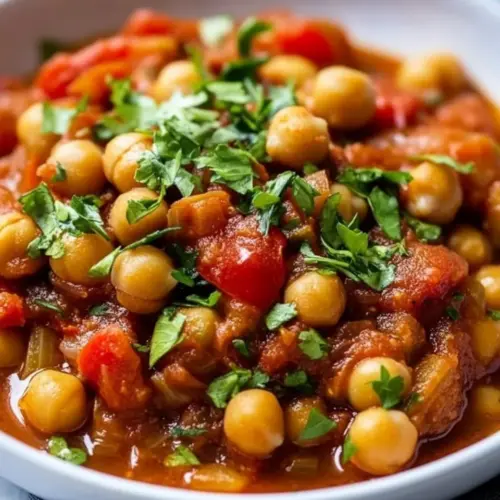
Italian Inspired Tomato and Chickpea Stew
Italian Inspired Tomato and Chickpea Stew is a creamy, savory, and easy weeknight dinner that combines tender chickpeas with bright tomato and fragrant herbs. This pantry friendly stew simmers into a comforting bowl with satisfying texture and vibrant flavor, perfect for busy evenings and make ahead meals, a reason to cook it again and again.
Equipment
- Large Pan
- Potato Masher
- Colander
Ingredients
- 1 onion Chop finely and sweat until translucent to build a sweet, aromatic base that softens and melds with other flavors; provides natural sweetness and body to the stew.
- 3 garlic cloves Mince finely and add near the start of cooking to release pungent, savory aromatics that deepen the stew's overall flavor; helps create a flavorful, aromatic backbone.
- 1 tablespoon olive oil or use oil from the sundried tomatoes Heat gently to coat the pan and help sauté vegetables; contributes a subtle fruity richness and can be substituted with sundried tomato oil for extra depth.
- 1 red bell pepper Dice and sauté until softened to contribute bright, slightly sweet flavor and a pleasant textural contrast; enhances color and adds a fresh, vegetal note.
- 1 tomato Roughly chop and simmer to add fresh acidity and juiciness that balances the dish; provides a light, natural tomato flavor and texture.
- 2 tablespoons sun-dried tomatoes Chop or slice and stir in for concentrated, umami-rich tomato notes that intensify the stew; adds chewy texture and deep, tangy complexity.
- 2 cans chickpeas (15 oz cans) Drain and rinse then add to the pot to provide hearty plant-based protein, creamy texture, and fiber that make the stew filling and satisfying.
- 1 teaspoon dried parsley Sprinkle in to impart a mild, grassy herbiness that lifts the dish; works in harmony with other dried herbs to round out the flavor profile.
- 1/2 teaspoon dried basil Add for a sweet, slightly peppery herb flavor that complements tomatoes and other Mediterranean seasonings; enhances aromatic complexity.
- 1/2 teaspoon dried oregano Stir in to contribute savory, slightly bitter notes characteristic of Italian cooking; helps tie together tomato and herb flavors.
- 1/4 teaspoon salt Season lightly to enhance and balance flavors without overwhelming other ingredients; adjust to taste during cooking for proper seasoning.
- 1/4 teaspoon black pepper Grind or sprinkle to add subtle heat and depth; helps brighten and contrast the stew's sweeter and acidic components.
- 2 tablespoons tomato paste Blend into the base to thicken the sauce and boost concentrated tomato flavor; provides body and a richer mouthfeel to the stew.
- 2 cups vegetable stock Pour in to create a flavorful liquid base that simmers ingredients together and controls stew consistency; vegetable stock adds savory depth without meat.
- Fresh parsley for garnish Chop and scatter over the finished dish as a bright, fresh garnish that adds color and a herbaceous finish to each serving.
Instructions
- Peel and chop the onion.: As you cut the onion , you will notice a sharp, slightly sulfurous scent that softens as it cooks. The goal is even pieces so they cook uniformly, giving you a sweet foundation when they turn translucent. A common mistake is chopping unevenly which leaves some pieces raw and others overcooked. Keep the pieces roughly the same size for consistent texture, and if your eyes water, chill the onion briefly before cutting.
- Pour the oil into a large pan and set over a medium/low heat.: Heating the pan gently with the olive oil until it shimmers is key, you should hear a faint, lazy sizzle when you test with a piece of onion . Too high heat will brown the onion immediately and push flavors toward bitter, so moderate the temperature. If the oil smokes, remove it from the heat and let it cool slightly before continuing.
- Add the onions and cook for 5 minutes until soft and translucent.: During this time the onion will release moisture and sugars, softening and turning glossy, with a sweet aroma replacing the initial bite. Stir occasionally to prevent sticking and watch the edges for light color, which indicates they are ready. Avoid rushing with high heat, which causes browning rather than gentle softening.
- Whilst the onions are cooking, chop the garlic, bell pepper, tomato and sun-dried tomatoes.: The prep rhythm here creates fresh layers, and as you chop the garlic and red bell pepper you will notice their distinct aromatic profiles, the pepper bringing a fruity sweetness and the garlic a savory perfume. Uniform cuts help these vegetables cook in step with the onion . A common misstep is mincing the garlic too fine and then cooking it at too high a heat, which can quickly burn it.
- Add the chopped veg to the onions and cook for a further minute.: Once the chopped pieces hit the pan, you should hear a short increase in sizzle and smell a bright meld of aromas. This brief cook time softens the pepper and tames raw edges in the tomato . Since this is a short step, be present and stir to avoid scorching, especially where the garlic is concerned.
- Drain and rinse the chickpeas and add them to the pan along with the dried parsley, basil, oregano, salt and pepper.: Rinsing the canned chickpeas reduces any metallic or canned aftertaste and freshens their flavor. As the beans mingle with the herbs, you will notice the pot smell rounder and more herbaceous. A frequent error is skipping the rinse, which can leave the stew tasting flat or overly briny, so take a moment to rinse in a colander.
- Add the tomato paste and vegetable stock, bring to a simmer then cover and cook for 20 minutes over a low heat.: When you stir in the concentrated tomato paste , it may cling to the pan, but stirring it into a bit of stock first helps dissolve it and develop depth. Bringing the pot to a gentle simmer allows flavors to marry, and covering helps the chickpeas soften and absorb the tomato broth. A too vigorous boil will break down textures and muddy flavors, so aim for small, steady bubbles.
- Remove the lid and increase the heat. Cook the stew for 10 minutes until thickened.: With the lid off, the liquid reduces and the aromas intensify, giving the stew a richer mouthfeel. You will hear a livelier simmer and see the surface turn glossy as it concentrates. Stir occasionally to prevent sticking. A common mistake is to walk away and let it reduce too far, which can make the stew dry rather than saucy.
- Use a potato masher to break down some of the chickpeas then serve garnished with fresh parsley.: Lightly mashing some of the chickpeas creates creamy pockets while leaving other beans intact for bite, producing a pleasing contrast. The texture should be hearty and spoonable, and scattering chopped fresh parsley before serving lifts the flavors with a fresh herbal note. Avoid overmashing, which will turn the stew into a paste rather than a textured bowl.
Notes
- Use oil from sun-dried tomatoes: If you want a deeper tomato note, substitute the olive oil with the oil packed with your sun-dried tomatoes, it will add savory intensity.
- Low sodium stock option: Choose a low sodium vegetable stock so you can control final seasoning and avoid an overly salty pot, especially important with canned chickpeas.
- Fresh herb finish: While dried herbs build the base during cooking, always finish with fresh parsley for brightness and color contrast.
- Adjusting thickness: If the stew reduces too much, stir in a splash of reserved stock or water to loosen it, then simmer briefly to integrate the flavors.
- Make ahead benefit: The flavors deepen after a day, so this stew is excellent for making in advance; cool fully before refrigerating and reheat gently.
- Texture control: For a silkier body, mash a portion of the chickpeas against the side of the pan and stir them in; this technique builds creaminess without adding fat.