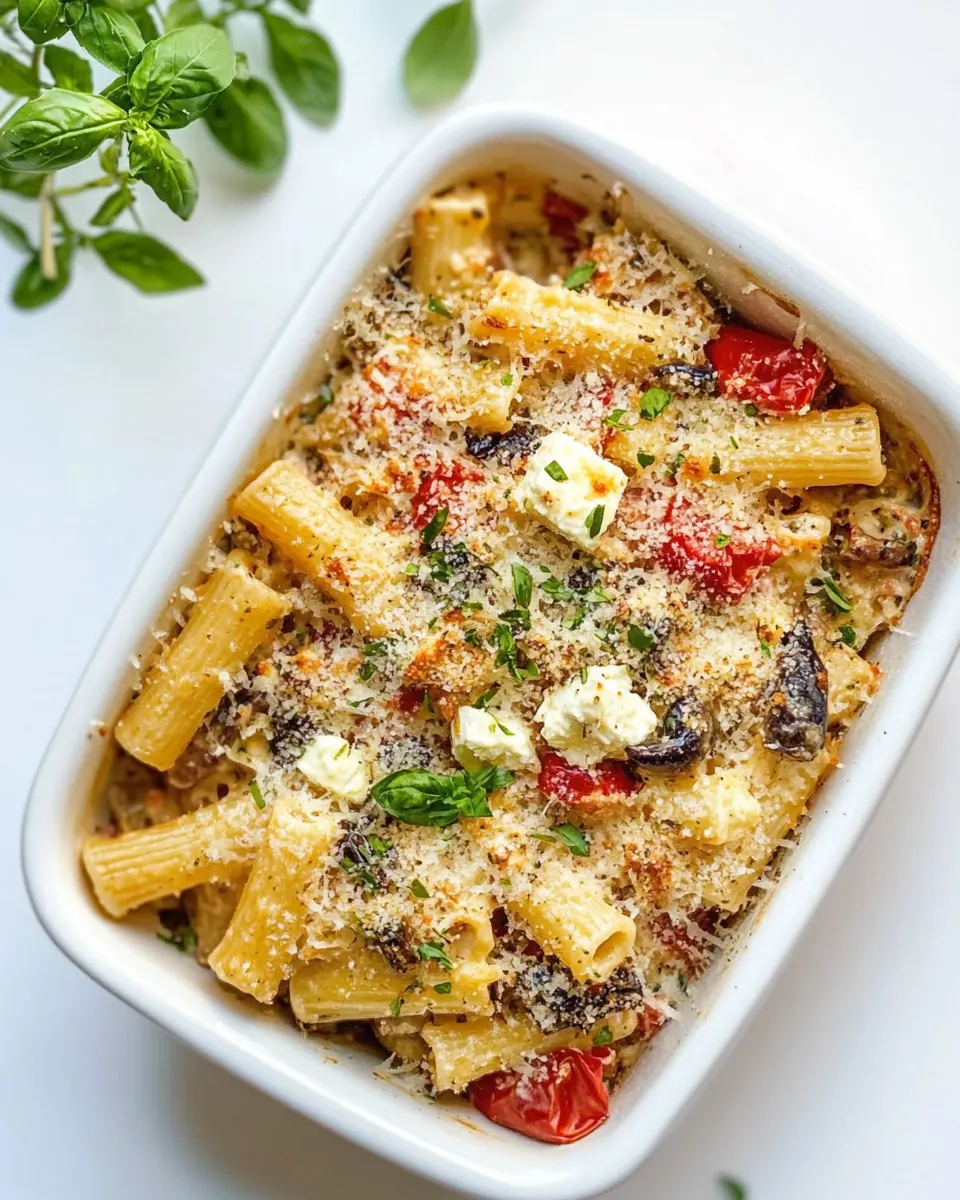
Baked Feta Pasta
Baked Feta Pasta first won me over on a rainy weeknight when I had nothing planned and only a handful of vegetables in the fridge. I remember pulling a small block of feta from the back of the fridge, a pint of cherry tomatoes that were starting to look lonely, and some pasta in the pantry, and deciding to throw everything together. The result felt almost accidental, but in the best way, because a little oven time turned the ingredients into a saucy, slightly tangy, and comforting bowl that made the whole kitchen smell like home.
I like how forgiving Baked Feta Pasta is. Some nights I chop a little extra onion, other nights I add more herbs for brightness. What matters is the rhythm: the oven softens the vegetables while the feta melts into a creamy, savory center that the cherry tomatoes coax open with their juices. I usually eat a bowl straight from the baking dish, forkfuls of hot pasta and glossy vegetables, and sometimes I catch myself smiling at how simple food can feel special.
Recipe Snapshot
20 mins
5 mins
15 mins
Medium
400 kcal
Mediterranean
Paleo, Vegan
Dinner
Baking dish, Large pot, Colander, Tongs
The Appeal of This Baked Feta Pasta
Comfort that comes together fast
I love that Baked Feta Pasta is basically a comfort bowl that takes very little hands on time. You get that warm, creamy texture from the feta and the concentrated sweetness from the roasted cherry tomatoes, and the whole thing comes together while your pasta cooks. It is one of my go to solutions when I need something satisfying without a lot of fuss.
Vegetable forward, but still hearty
This recipe highlights fresh produce. The combination of mushrooms, asparagus, and red onion gives texture and depth, so you do not miss heavy proteins. Roasting caramelizes the vegetables, making them rich and savory, while the melted feta provides a salty, creamy counterpoint that creates a filling, balanced plate.
Flexible and forgiving
I often change quantities based on what I have. The recipe tolerates swaps in shape of pasta or slightly different herbs, and it still sings. If you like more herb aroma, add a bit more basil at the end. If you like a stronger savory note, let the vegetables brown a touch longer. The technique is adaptable to mood and pantry contents.
Great for shared meals
When I host friends, Baked Feta Pasta feels casual but deliberate. It looks spectacular straight from the baking dish, and guests love scooping pasta into their bowls. It scales well, and you can prepare parts ahead so you spend less time in the kitchen and more time around the table.
Bright finishing touch
Finishing with fresh basil lifts the dish and adds an aromatic note that contrasts the warm, roasted flavors. That final green pop makes the bowl feel lively, not heavy, and it is one small step that transforms the meal.
What to Gather for Baked Feta Pasta
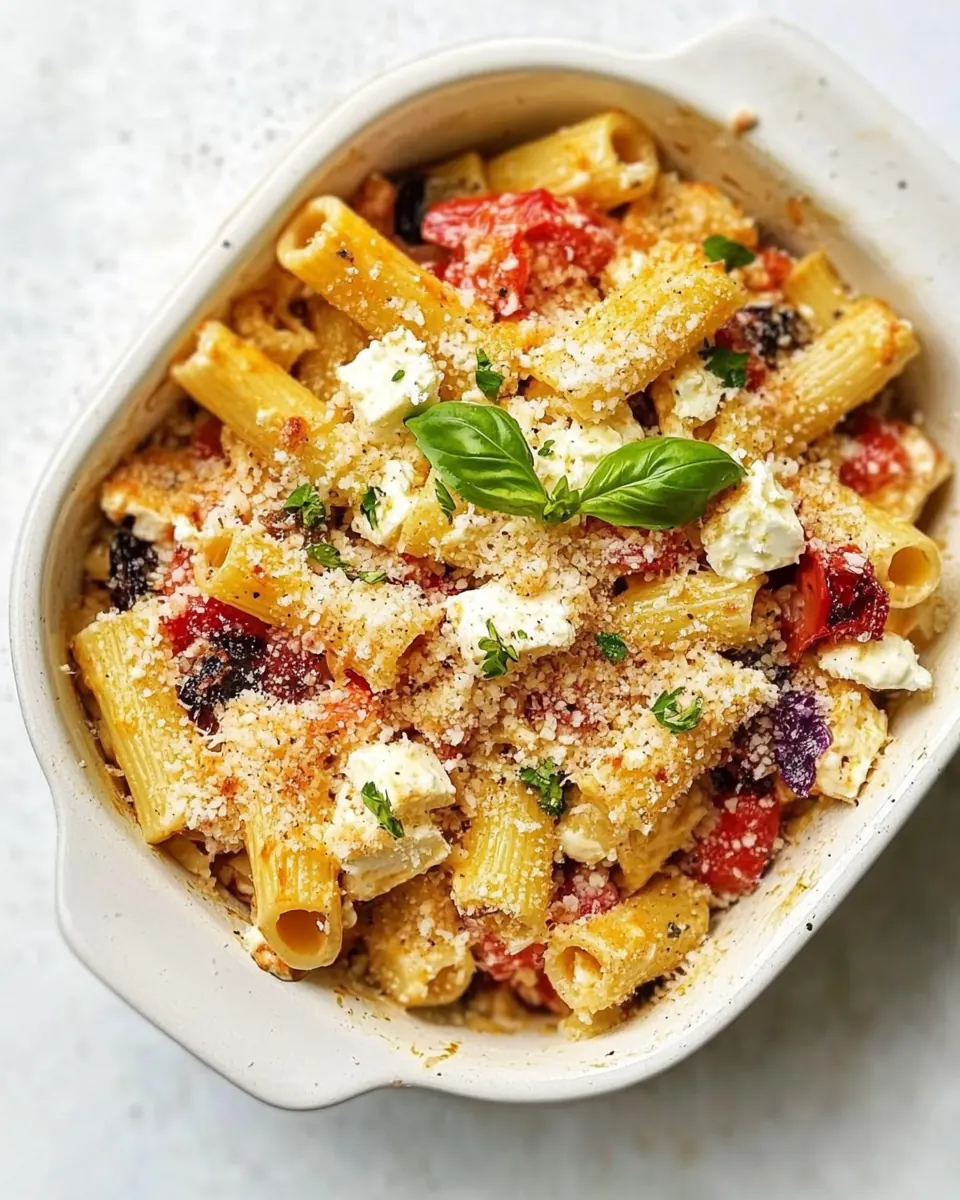
These ingredients are about smart contrasts. I rely on the sweet burst of cherry tomatoes, the savory creaminess of the feta, and the starch of the pasta to make a complete, comforting plate. The vegetables add texture and body, while the olive oil and Herbs De Provence round out the flavors so every forkful feels balanced.
- 3 cups cherry tomatoes whole: Burst with juicy sweetness and slight acidity that roast into concentrated flavor, providing a saucy base and bright contrast to creamy feta when baked; whole cherry tomatoes also release juices that help create a naturally emulsified sauce to coat pasta.
- 1 red onion in chunks: Add savory sharpness and mild sweetness when roasted, contributing a subtle caramelized depth and textural contrast; chunks hold shape while softening to meld with the sauce and complement the other vegetables.
- 2 cups button mushrooms chopped: Provide earthy, umami-rich body and a meaty texture when chopped and roasted, absorbing surrounding flavors and adding substance to the dish; mushrooms balance the brightness of tomatoes and richness of feta.
- 1 cup asparagus chopped: Offer tender-crisp green freshness and a slightly grassy flavor when chopped and roasted briefly, adding seasonal brightness and a pleasant snap that contrasts with creamy and soft components.
- 8 ounce feta whole block: Bring tangy creaminess and a salty, briny backbone as a whole block that softens and melts into the tomatoes, creating a rich, cohesive sauce that defines the dish’s character.
- 1 tablespoon olive oil: Coat the vegetables and cheese to promote even roasting and flavor development; olive oil also helps carry herbs and aromatics while enhancing mouthfeel of the finished pasta.
- 1 tablespoon Herbs De Provence: Impart a fragrant, floral, and slightly savory herb blend that elevates roasted vegetables and cheese with Provence-inspired notes, creating aromatic complexity in the sauce.
- 1/2 pound pasta any desired shaped: Provide the carbohydrate base, absorbing the baked sauce and delivering comforting texture; any desired shaped pasta serves as the vehicle to bring together the roasted vegetables and creamy feta.
- 1/4 cup basil fresh, stems removed: Finish with bright, fresh aromatic lift and herbaceous sweetness when torn or chiffonaded, balancing richness and adding color and a fresh peppery note to the plated pasta.
Step by Step Guide for Baked Feta Pasta
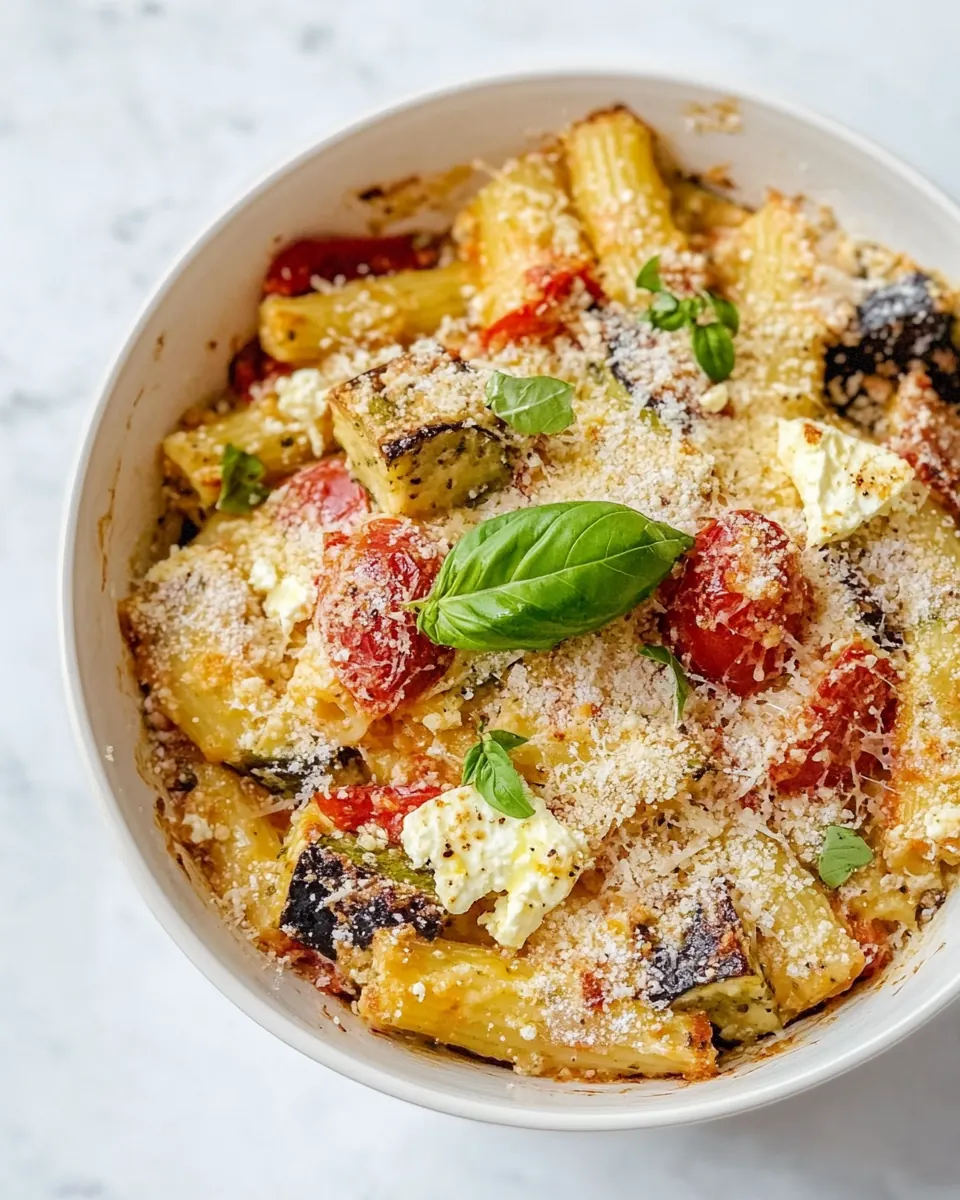
This method is simple and rewarding. The oven concentrates flavors while the pasta cooks on the stove, so timing matters a little. Read each step and watch for visual cues like blistered skins, softened vegetables, and bubbling edges to know you are right on track.
- Preheat oven to 350 degrees F: As you slide the dish in, you will notice the kitchen start to warm and get that faint toasty scent that signals browning is imminent. Preheating ensures even roasting from the first minute, which helps the cherry tomatoes blister uniformly and the edges of the vegetables caramelize. A common mistake is not preheating, which can lead to uneven cooking and a lack of those roasted flavors. Make sure your oven reaches temperature before you put the dish in, and if your oven runs hot or cool, adjust slightly and watch the first ten minutes so nothing overbrowns.
- In a baking dish, spread out tomatoes, onion, mushrooms, and asparagus. Place the block of feta in the middle of the veggies.: When you arrange the cherry tomatoes and chopped vegetables around the feta , you create a little flavor well where juices will collect and mingle. Visually, you want space between pieces so air can circulate and promote caramelization; crowded vegetables steam instead of roast. You should hear a faint sizzle when everything meets the hot dish, and the scent will be fresh and vegetal. Avoid piling vegetables on top of the feta because it can prevent the cheese from melting properly; give it a clear center to soften and become creamy.
- Drizzle with olive oil and sprinkle with Herbs De Provence.: The glossy sheen of the olive oil helps heat transfer and encourages browning, while the herb blend adds aromatic layers. After drizzling, toss the vegetables gently so each piece gets a light coating, then nestle the feta back into the center and dust herbs over the top. You will notice the herbs release a perfume when warmed, which foreshadows the roasted flavors. A frequent oversight is using too much oil, which can make the vegetables greasy rather than roasted; a light, even coating is key.
- Bake for about 15 minutes or until tomatoes have burst and veggies are softened and golden: During baking you will see the cherry tomatoes blister and split, releasing a syrupy tomato juice that will mingle with the softened vegetables. The edges of the onion and tips of the asparagus should take on light golden notes, and the feta will look puffed and slightly creamy on top. The smell becomes concentrated and inviting. Overbaking can dry the vegetables, so watch for those visual cues; underbaking leaves tomatoes firm and the feta unintegrated. If your oven runs hot, check a few minutes early.
- Meanwhile, cook your pasta according to package instructions.: As the vegetables roast, bring a pot of salted water to a rolling boil and add your chosen pasta . The kitchen will be filled with a warm, wheaty aroma, and you can test doneness a minute or two before the package time to ensure an al dente bite. Cooking the pasta to al dente matters because it will finish cooking slightly when combined with the hot vegetable mixture, and you want some chew to contrast the creamy feta . Common misstep is overcooking, which yields a limp texture that does not hold up when mixed.
- Once the feta and veggies are cooked, keep the mixture in the baking dish and use a fork to mix the feta into the veggies and break up the tomatoes to mix in the juices.: The moment you mash the feta into the roasted vegetables, you will see it become creamy and coat the tomatoes and juices. Use a fork to gently press the tomatoes so their skins break and their juices emulsify with the soft feta , creating a silky sauce. The aroma becomes tangy and savory. Avoid overmixing into a puree; you want some texture with softened vegetable pieces. A common mistake is using a blender which makes the sauce too smooth and loses the roasted texture.
- Pour the pasta on top of the veggie mixture and combine.: When you add the hot pasta to the baking dish, steam will rise and the sauce will cling to the pasta shape. Tossing gently with tongs or a wide spoon helps the sauce coat each piece. You should see a glossy sheen on the pasta and smell a balanced mix of tangy cheese and roasted vegetables. If the sauce seems too thick, add a splash of reserved pasta water to loosen it and help it cling. One thing to avoid is stirring too aggressively which can break the pasta shapes and make the dish pasty.
- Top with basil leaves and serve.: Scatter fresh basil over the assembled dish so the warm steam slightly wilts the leaves, releasing fragrant oils. The bright green of the basil against the warm tomato and feta is visually appealing and adds a fresh counterpoint to the roasted notes. Serve immediately to enjoy the contrast of warm sauce and fresh herb aroma. A mistake is adding basil too early in the oven which will dry and darken the leaves; always finish with fresh herbs at plating time.
Helpful Notes about Baked Feta Pasta
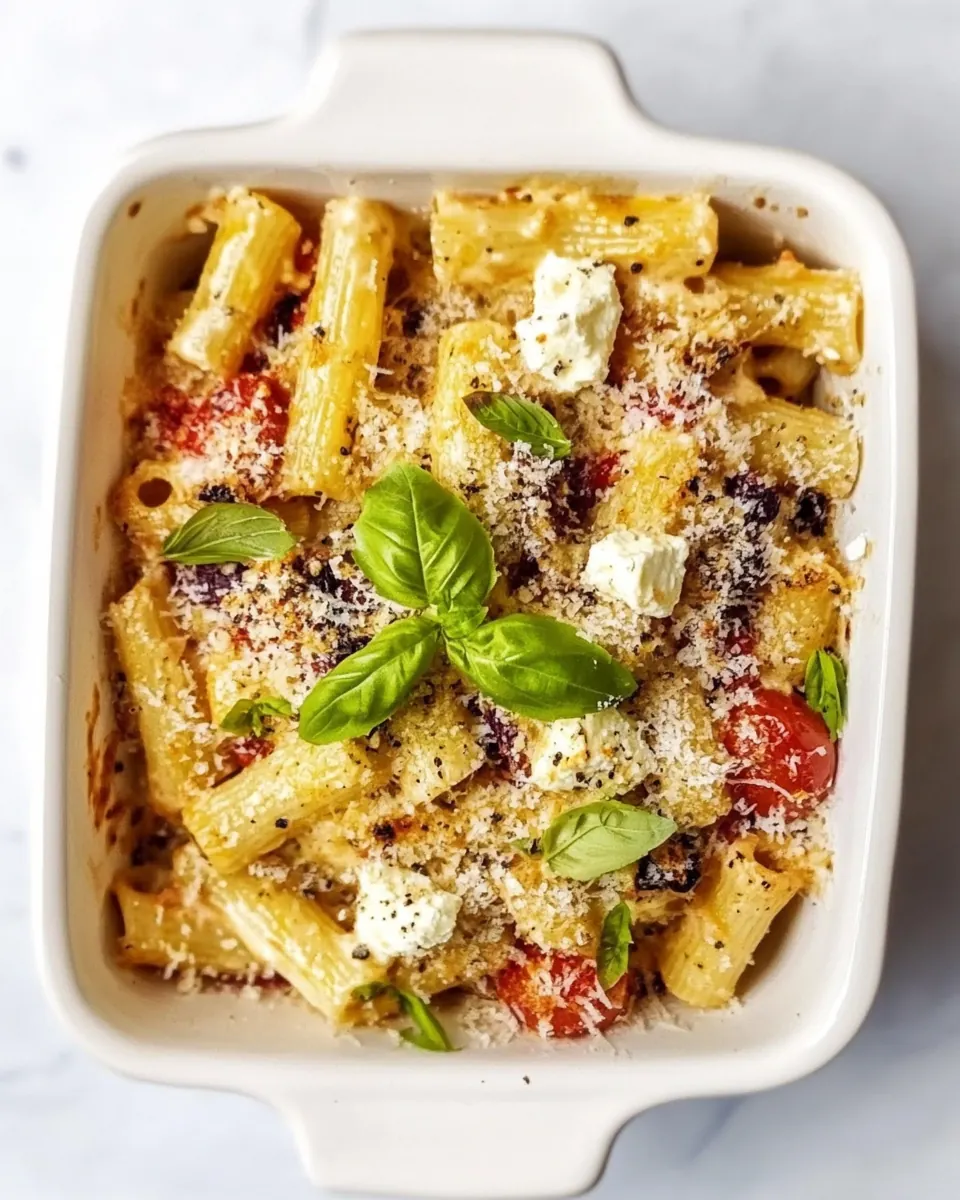
This section collects practical pointers I rely on each time I make Baked Feta Pasta. These notes expand on small choices that change texture, timing, and flavor, so your result feels intentionally crafted and easy to replicate.
- Room temperature feta: Let the feta sit at room temperature for about 15 minutes before baking so it melts more smoothly and integrates with the roasted juices.
- Even vegetable sizing: Chop the onion, mushrooms, and asparagus into similar sized pieces to ensure uniform roasting and consistent bite in every forkful.
- Choose the right pasta shape: Pick a shape like penne or fusilli that traps sauce in its nooks; shapes with pockets help deliver more of the roasted vegetable and feta mixture per bite.
- Reserve pasta water: Keep about a quarter cup of the starchy cooking water; it will help emulsify the sauce and loosen it without watering down the flavors.
- Adjust baking time to oven behavior: If your oven tends to run hot, check at ten minutes. If it runs cool, give it a few extra minutes, always watching for blistered tomatoes and soft vegetables.
How to Enjoy Baked Feta Pasta
Baked Feta Pasta makes a versatile main that suits many occasions. Serve it warm from the baking dish for casual weeknight dinners, or pair it with a light starter for a simple dinner gathering. It also fits nicely into seasonal meals in spring when asparagus and basil are fresh.
- Simple family dinner: Serve generous scoops of pasta with a crisp green salad on the side for contrast, letting the warm, creamy vegetables be the star of the plate.
- Casual entertaining: Present the baking dish at the table so guests can serve themselves, and offer extra fresh basil to sprinkle for a fragrant finish.
- Meal prep note: Store leftovers in an airtight container in the refrigerator for up to three days; reheat gently on the stove with a splash of water to revive the sauce.
- Seasonal pairing: In spring, lean into fresh asparagus and basil as shown here; in other seasons, use the same method with whatever vegetables are at peak to keep the dish bright and timely.
- Occasions: This works for weeknight dinners, relaxed weekend lunches, or when you need a nourishing meal that feels special with minimal effort.
FAQ
Conclusion
What makes this recipe special is how a few humble ingredients transform into a creamy, flavorful meal with minimal effort. The combination of blistered tomatoes, roasted vegetables, and a molten block of feta creates a sauce that clings to pasta in a way that feels both rustic and elegant. Give it a try on a busy night when you want something comforting but effortless, and don’t be afraid to experiment with the vegetables you have on hand. You might find, as I did, that the most memorable dinners are the ones that come from simple, confident choices.
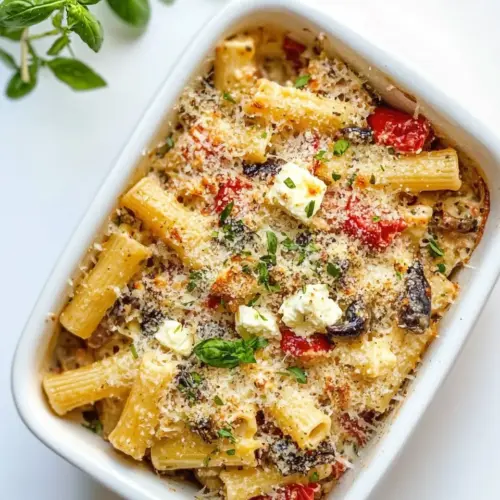
Baked Feta Pasta
Equipment
- Baking Dish
- Large Pot
- Colander
- Tongs
Ingredients
- 3 cups cherry tomatoes whole Burst with juicy sweetness and slight acidity that roast into concentrated flavor, providing a saucy base and bright contrast to creamy feta when baked; whole cherry tomatoes also release juices that help create a naturally emulsified sauce to coat pasta.
- 1 red onion in chunks Add savory sharpness and mild sweetness when roasted, contributing a subtle caramelized depth and textural contrast; chunks hold shape while softening to meld with the sauce and complement the other vegetables.
- 2 cups button mushrooms chopped Provide earthy, umami-rich body and a meaty texture when chopped and roasted, absorbing surrounding flavors and adding substance to the dish; mushrooms balance the brightness of tomatoes and richness of feta.
- 1 cup asparagus chopped Offer tender-crisp green freshness and a slightly grassy flavor when chopped and roasted briefly, adding seasonal brightness and a pleasant snap that contrasts with creamy and soft components.
- 8 ounce feta whole block Bring tangy creaminess and a salty, briny backbone as a whole block that softens and melts into the tomatoes, creating a rich, cohesive sauce that defines the dish’s character.
- 1 tablespoon olive oil Coat the vegetables and cheese to promote even roasting and flavor development; olive oil also helps carry herbs and aromatics while enhancing mouthfeel of the finished pasta.
- 1 tablespoon Herbs De Provence Impart a fragrant, floral, and slightly savory herb blend that elevates roasted vegetables and cheese with Provence-inspired notes, creating aromatic complexity in the sauce.
- 1/2 pound pasta any desired shaped Provide the carbohydrate base, absorbing the baked sauce and delivering comforting texture; any desired shaped pasta serves as the vehicle to bring together the roasted vegetables and creamy feta.
- 1/4 cup basil fresh, stems removed Finish with bright, fresh aromatic lift and herbaceous sweetness when torn or chiffonaded, balancing richness and adding color and a fresh peppery note to the plated pasta.
Instructions
- Preheat oven to 350 degrees F: As you slide the dish in, you will notice the kitchen start to warm and get that faint toasty scent that signals browning is imminent. Preheating ensures even roasting from the first minute, which helps the cherry tomatoes blister uniformly and the edges of the vegetables caramelize. A common mistake is not preheating, which can lead to uneven cooking and a lack of those roasted flavors. Make sure your oven reaches temperature before you put the dish in, and if your oven runs hot or cool, adjust slightly and watch the first ten minutes so nothing overbrowns.
- In a baking dish, spread out tomatoes, onion, mushrooms, and asparagus. Place the block of feta in the middle of the veggies.: When you arrange the cherry tomatoes and chopped vegetables around the feta , you create a little flavor well where juices will collect and mingle. Visually, you want space between pieces so air can circulate and promote caramelization; crowded vegetables steam instead of roast. You should hear a faint sizzle when everything meets the hot dish, and the scent will be fresh and vegetal. Avoid piling vegetables on top of the feta because it can prevent the cheese from melting properly; give it a clear center to soften and become creamy.
- Drizzle with olive oil and sprinkle with Herbs De Provence.: The glossy sheen of the olive oil helps heat transfer and encourages browning, while the herb blend adds aromatic layers. After drizzling, toss the vegetables gently so each piece gets a light coating, then nestle the feta back into the center and dust herbs over the top. You will notice the herbs release a perfume when warmed, which foreshadows the roasted flavors. A frequent oversight is using too much oil, which can make the vegetables greasy rather than roasted; a light, even coating is key.
- Bake for about 15 minutes or until tomatoes have burst and veggies are softened and golden: During baking you will see the cherry tomatoes blister and split, releasing a syrupy tomato juice that will mingle with the softened vegetables. The edges of the onion and tips of the asparagus should take on light golden notes, and the feta will look puffed and slightly creamy on top. The smell becomes concentrated and inviting. Overbaking can dry the vegetables, so watch for those visual cues; underbaking leaves tomatoes firm and the feta unintegrated. If your oven runs hot, check a few minutes early.
- Meanwhile, cook your pasta according to package instructions.: As the vegetables roast, bring a pot of salted water to a rolling boil and add your chosen pasta . The kitchen will be filled with a warm, wheaty aroma, and you can test doneness a minute or two before the package time to ensure an al dente bite. Cooking the pasta to al dente matters because it will finish cooking slightly when combined with the hot vegetable mixture, and you want some chew to contrast the creamy feta . Common misstep is overcooking, which yields a limp texture that does not hold up when mixed.
- Once the feta and veggies are cooked, keep the mixture in the baking dish and use a fork to mix the feta into the veggies and break up the tomatoes to mix in the juices.: The moment you mash the feta into the roasted vegetables, you will see it become creamy and coat the tomatoes and juices. Use a fork to gently press the tomatoes so their skins break and their juices emulsify with the soft feta , creating a silky sauce. The aroma becomes tangy and savory. Avoid overmixing into a puree; you want some texture with softened vegetable pieces. A common mistake is using a blender which makes the sauce too smooth and loses the roasted texture.
- Pour the pasta on top of the veggie mixture and combine.: When you add the hot pasta to the baking dish, steam will rise and the sauce will cling to the pasta shape. Tossing gently with tongs or a wide spoon helps the sauce coat each piece. You should see a glossy sheen on the pasta and smell a balanced mix of tangy cheese and roasted vegetables. If the sauce seems too thick, add a splash of reserved pasta water to loosen it and help it cling. One thing to avoid is stirring too aggressively which can break the pasta shapes and make the dish pasty.
- Top with basil leaves and serve.: Scatter fresh basil over the assembled dish so the warm steam slightly wilts the leaves, releasing fragrant oils. The bright green of the basil against the warm tomato and feta is visually appealing and adds a fresh counterpoint to the roasted notes. Serve immediately to enjoy the contrast of warm sauce and fresh herb aroma. A mistake is adding basil too early in the oven which will dry and darken the leaves; always finish with fresh herbs at plating time.
Notes
- Room temperature feta: Let the feta sit at room temperature for about 15 minutes before baking so it melts more smoothly and integrates with the roasted juices.
- Even vegetable sizing: Chop the onion, mushrooms, and asparagus into similar sized pieces to ensure uniform roasting and consistent bite in every forkful.
- Choose the right pasta shape: Pick a shape like penne or fusilli that traps sauce in its nooks; shapes with pockets help deliver more of the roasted vegetable and feta mixture per bite.
- Reserve pasta water: Keep about a quarter cup of the starchy cooking water; it will help emulsify the sauce and loosen it without watering down the flavors.
- Adjust baking time to oven behavior: If your oven tends to run hot, check at ten minutes. If it runs cool, give it a few extra minutes, always watching for blistered tomatoes and soft vegetables.
