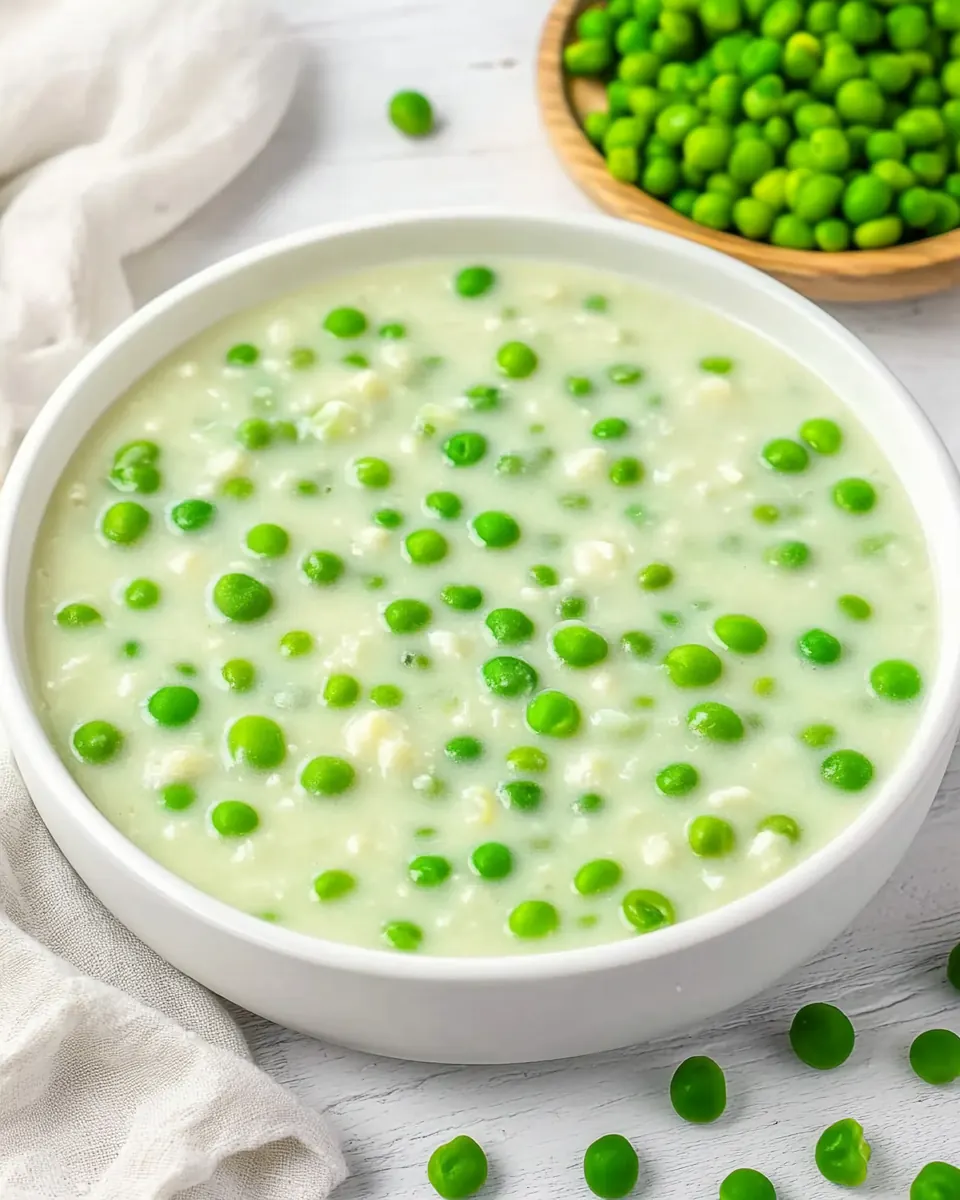
Easy Creamed Peas
Easy Creamed Peas has been one of those humble dishes that turns up at family tables and makes everyone pause, fork halfway to mouth, and smile. The first time I made Easy Creamed Peas I was rushing between errands and needed something simple yet comforting. I pulled a bag of frozen peas from the freezer and, with a few pantry staples, ended up with a velvety side that felt homey and a little luxurious at once.
Over the years I have learned to treat this recipe like a little ritual. I listen for the soft burble as the sauce thickens, I watch the shine of the butter soften into the flour, and the bright green of the peas surprises me every single time. Friends who insist they do not like creamed vegetables almost always change their minds after a spoonful. For busy weeknights, special family dinners, or potlucks, Easy Creamed Peas fits in with ease, and it never feels like a compromise.
Recipe Snapshot
15 mins
0 mins
15 mins
Easy
150 kcal
American
Gluten-Free, Low FODMAP
Side Dishes
Medium pot, Whisk
Why You Need This Easy Creamed Peas
Comfort without fuss
I love how Easy Creamed Peas delivers creamy comfort with very little effort. The texture is smooth and rich, yet the dish does not demand hours at the stove. For nights when time is tight, this recipe is a reliable way to serve something that tastes thoughtful.
Bright, seasonal flavor
The bright green of the peas gives a fresh pop against the pale sauce, and in spring the sweetness of the peas shines through. I always say a dish should look alive on the plate, and these do exactly that. That verdant color makes it suitable for festive tables or lighter dinners.
Kid friendly and crowd pleasing
My kids and guests rarely refuse a bowl of these. The creamy sauce mutes any vegetal bitterness while allowing the natural sweetness of the peas to come forward. I find it a useful bridge when serving picky eaters, because the texture is familiar, and the taste is mild but satisfying.
Pantry friendly
This recipe depends on staples you likely already have: butter, all purpose flour, and milk, plus frozen peas. It is a great last minute side when fresh produce is scarce or when you need to stretch a few ingredients into something memorable.
Versatile companion
I appreciate how easily this side pairs with roasted mains, grilled proteins, or simple weeknight plates. It does not overpower other flavors, and when I want to emphasize texture, the silky sauce adds a pleasing mouthfeel that complements crispy or roasted dishes.
What to Gather for Easy Creamed Peas
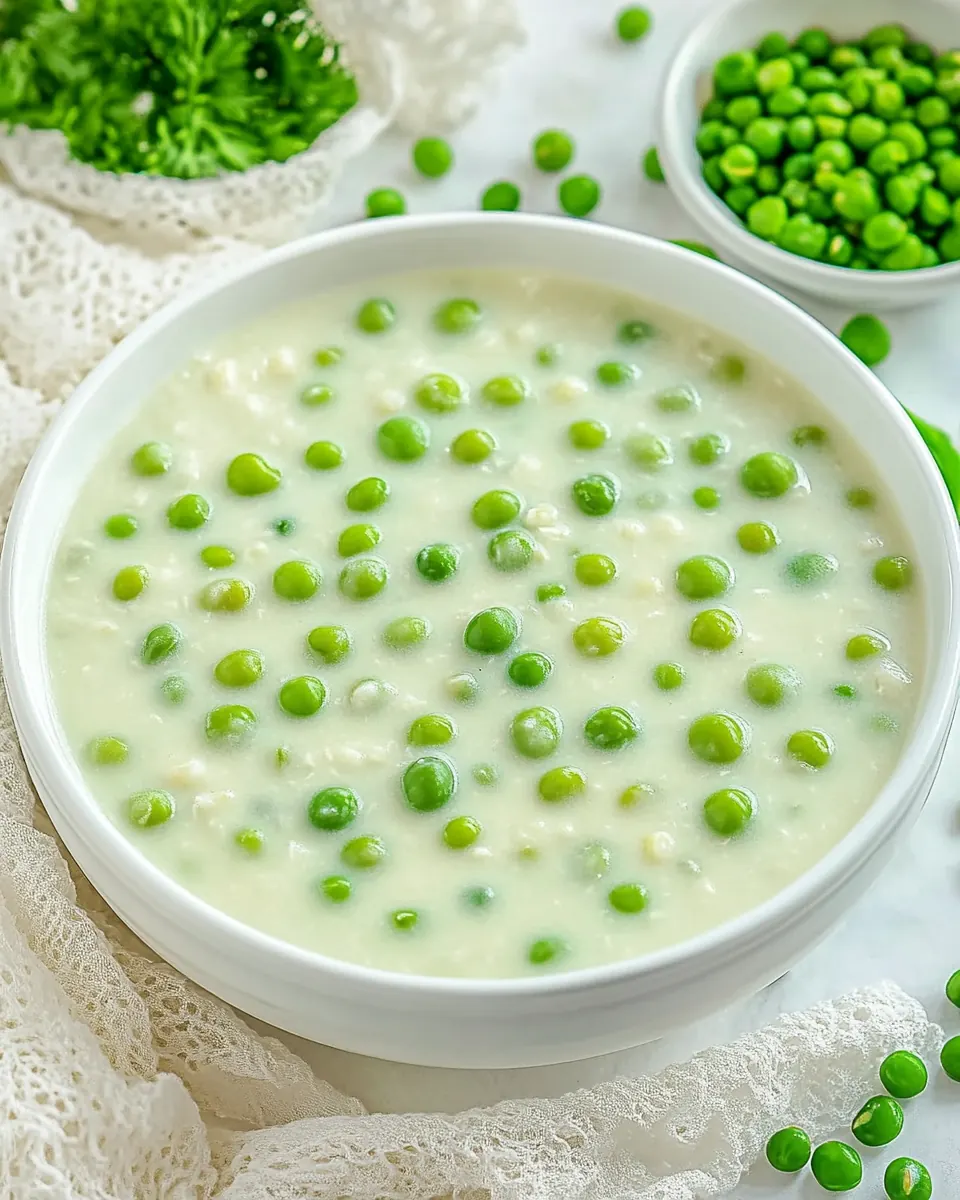
These ingredients work together to create a creamy, balanced side. The foundation is a simple roux that thickens milk into a silky sauce. The butter brings richness and shine, the all purpose flour gives body and stability, and the peas add color, sweetness, and texture. A small amount of salt lifts the whole dish and helps each flavor sing.
- 1/4 cup butter: Melted gently over low heat to form the base of the sauce, providing richness and a silky mouthfeel that carries flavors. Helps cook the flour for a smooth roux and prevents the milk from scorching when added.
- 1/4 cup all purpose flour: Whisked into the melted butter to create a roux that thickens the sauce, offering body and a slightly nutty depth when cooked. Ensures the milk binds into a creamy texture without lumps for a velvety creamed finish.
- 2 cups milk: Heated and slowly incorporated into the roux to form a smooth, creamy sauce that envelops the peas. Adds mild dairy sweetness and helps achieve the desired consistency for the dish.
- 1/2 teaspoons salt: Sprinkled in modestly to enhance and balance the overall flavor, drawing out sweetness from the peas and rounding the sauce. Helps season the dish evenly so the creaminess isn’t bland.
- 4 cups frozen peas: Added while cooking to contribute bright vegetal sweetness and a tender bite that contrasts the rich sauce. Provide color, texture, and fresh flavor that make the creamed preparation lively.
Step by Step Instructions for Easy Creamed Peas
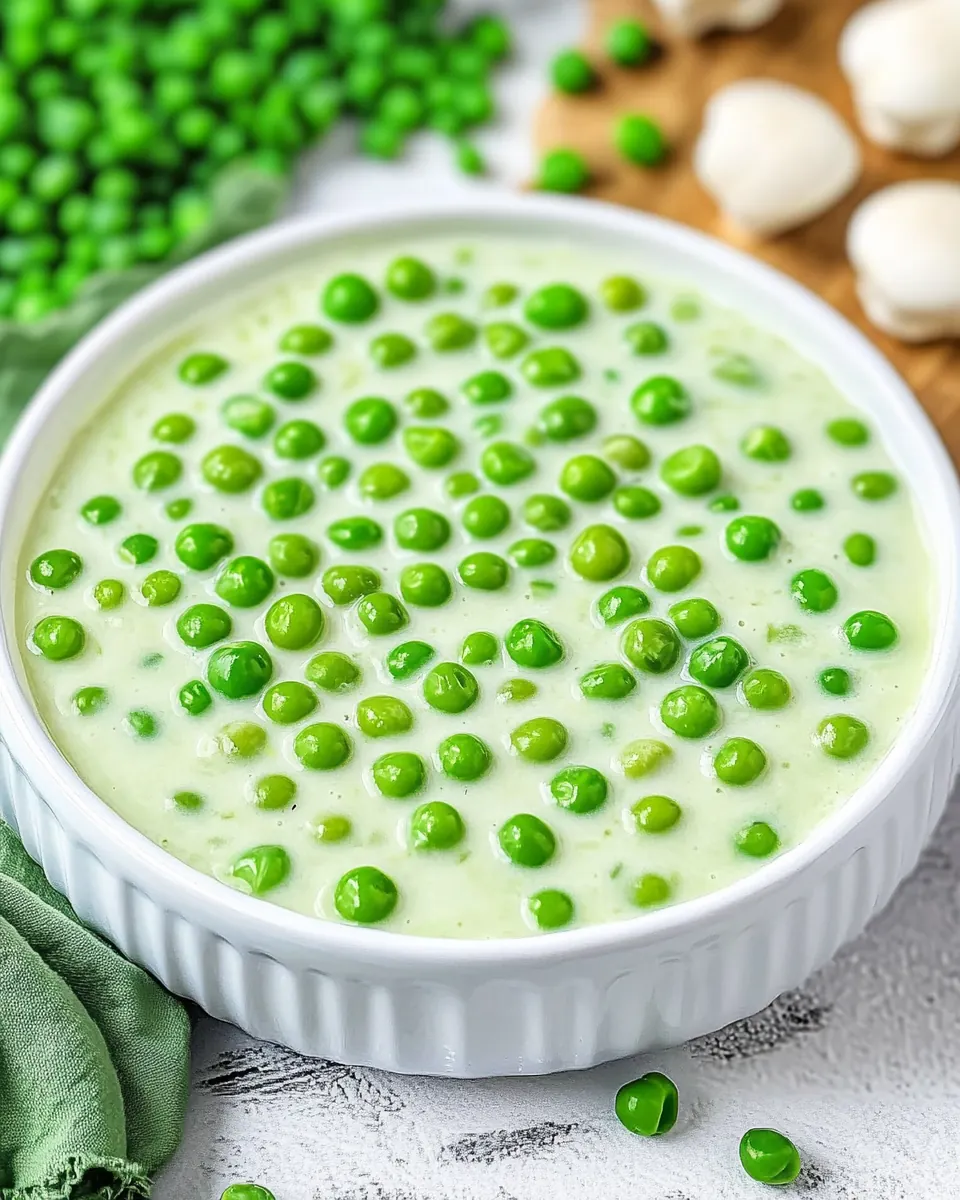
These steps are straightforward, but I treat each one like a little rhythm. Pay attention to the changes in sound and look for the small visual cues that tell you the sauce is developing properly. Work steadily, keep a whisk handy, and trust what your senses tell you.
- In a medium pot, melt butter. Whisk in flour until smooth.: The scent of warm butter should be soft and inviting as it liquefies, with tiny bubbles forming around the edge. This is the moment when the pan temperature is just right, and it's crucial because the butter acts as the cooking medium for the flour. If the butter starts to brown and smell nutty, remove the pot from heat briefly to cool it down; browned butter will alter the sauce's delicate flavor. A common mistake is letting the butter overheat, which leads to a darker, less smooth base.
- Add milk and cook over medium heat, whisking often, until smooth and thickened. Stir in salt and peas, cooking over medium heat until peas are heated through. Adjust seasonings to taste (salt, and pepper or other herbs or spices if desired).: Right after the butter melts, sprinkle the all purpose flour in and stir energetically with a whisk until the mixture becomes homogeneous and slightly paste like. You should see the roux coat the whisk and the bottom of the pot, and the raw flour smell should fade as it cooks. This takes about a minute over medium heat, and it builds the structure for the sauce. If you skip this step or do it too briefly, the finished sauce may taste raw or have a grainy texture.
- Add milk and cook over medium heat whisking often until smooth and thickened: Pour the milk in gradually while whisking, so it incorporates evenly and avoids lumps. As the mixture warms, the sauce will glide from the whisk in a thick ribbon and gently simmer; you may hear soft bubbling and see steam rising. This is when the starch in the flour swells and creates body. Keep the heat moderate because a hard boil can break the emulsion and make the sauce separate. If the sauce seems too thin, simmer gently until it reaches a creamy coat consistency; if it becomes too thick, whisk in a splash more milk .
- Stir in salt and peas cooking over medium heat until peas are heated through: Once the sauce is glossy and thick, stir in the measured salt and add the frozen peas . You will notice a hissing sound as the cold peas meet the warm sauce, and the color will pop back to a vivid green as they warm. Cook just until the peas are hot, typically a few minutes, so they retain a slight bite and fresh flavor. Overcooking here leads to mushy texture and dull color, so remove from heat as soon as they are warmed through.
- Adjust seasonings to taste: After the peas are incorporated and the dish is warm, taste and make small adjustments to the seasoning. Because the sauce is creamy, a little extra salt can lift the flavors, but add it in tiny increments to avoid over salting. This is also the time to notice balance, and if the sauce feels heavy, a bright squeeze from an acidic accompaniment would help, though do not add anything not listed in the ingredients. A frequent error is over seasoning too early rather than tasting at the end.
How to Switch It Up
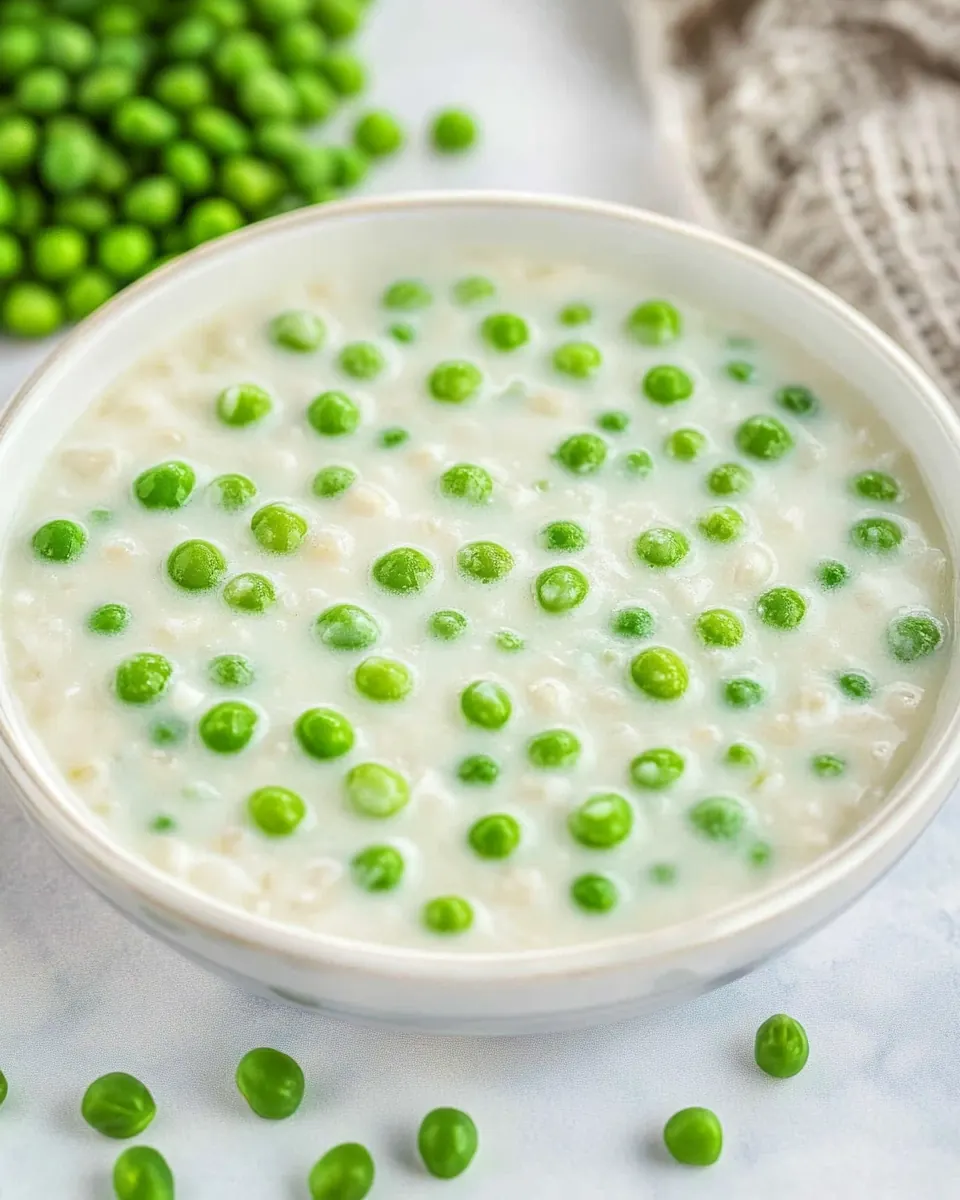
This dish is a perfect canvas for small modifications that amplify texture or flavor. Below are thoughtful ways to change the presentation, mouthfeel, and seasoning while staying true to the simple heart of the recipe.
- Finish with a pat of butter to add extra gloss and silkiness to the sauce just before serving, stirring gently so the sauce looks vibrant and smooth.
- Use whole milk for richness to achieve a creamier mouthfeel; lower fat milks will still work but yield a lighter finish.
- Warm the peas gently instead of boiling, this preserves their texture and vivid green color.
- Adjust salt sparingly because a little goes a long way in a dairy forward sauce; taste and add incrementally.
- Serve immediately to enjoy the ideal texture, as the sauce will thicken upon standing and the peas may soften further.
What to Serve With Easy Creamed Peas
Easy Creamed Peas pairs well with a wide range of mains and occasions. Think of it as a cozy, verdant companion that brings smooth texture and subtle sweetness to the plate. It is a natural fit for spring gatherings, weeknight meals, and family style dinners.
- Classic roasted chicken, the creamy peas create a pleasant contrast to crispy skin and savory meat, making them a natural weekday or weekend pairing.
- Simple baked fish, a delicate fillet benefits from the richness and gentle seasoning of the peas, keeping the meal light and balanced.
- Comforting mashed potatoes, use the creamed peas alongside mashed tubers for an ultra comforting plate that feels like home.
- Vegetarian grain bowls, spoon the peas over warm cooked grains for a satisfying meatless lunch or dinner option.
- Holiday side, during spring celebrations or family meals the bright color and smooth texture make this a welcome addition to the table.
- Storage tips, refrigerate leftover peas in an airtight container for up to three days, reheating gently on the stove with a splash of milk to restore creaminess.
- Serving temperature, serve warm rather than piping hot to preserve the texture of the peas and keep the sauce silky.
FAQ
Conclusion
Easy Creamed Peas stands out because it transforms a handful of simple ingredients into a silky, flavorful side that feels both comforting and refined. The balance of creamy sauce and bright peas makes it versatile enough for weeknights and special meals alike. I encourage you to give this recipe a try, savor the small sensory moments as the sauce comes together, and enjoy how such an easy preparation can elevate your meal.
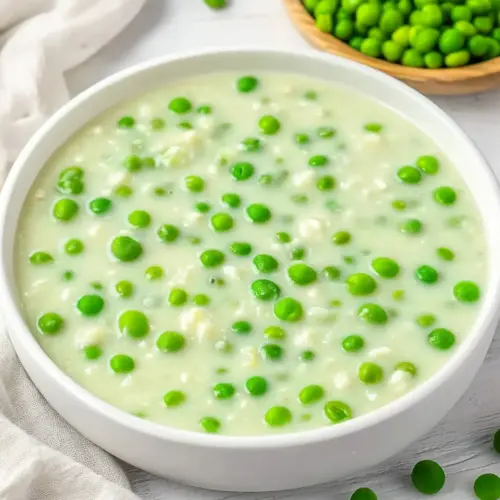
Easy Creamed Peas
Equipment
- Medium Pot
- Whisk
Ingredients
- 1/4 cup butter Melted gently over low heat to form the base of the sauce, providing richness and a silky mouthfeel that carries flavors. Helps cook the flour for a smooth roux and prevents the milk from scorching when added.
- 1/4 cup all purpose flour Whisked into the melted butter to create a roux that thickens the sauce, offering body and a slightly nutty depth when cooked. Ensures the milk binds into a creamy texture without lumps for a velvety creamed finish.
- 2 cups milk Heated and slowly incorporated into the roux to form a smooth, creamy sauce that envelops the peas. Adds mild dairy sweetness and helps achieve the desired consistency for the dish.
- 1/2 teaspoons salt Sprinkled in modestly to enhance and balance the overall flavor, drawing out sweetness from the peas and rounding the sauce. Helps season the dish evenly so the creaminess isn’t bland.
- 4 cups frozen peas Added while cooking to contribute bright vegetal sweetness and a tender bite that contrasts the rich sauce. Provide color, texture, and fresh flavor that make the creamed preparation lively.
Instructions
- In a medium pot, melt butter. Whisk in flour until smooth.: The scent of warm butter should be soft and inviting as it liquefies, with tiny bubbles forming around the edge. This is the moment when the pan temperature is just right, and it's crucial because the butter acts as the cooking medium for the flour. If the butter starts to brown and smell nutty, remove the pot from heat briefly to cool it down; browned butter will alter the sauce's delicate flavor. A common mistake is letting the butter overheat, which leads to a darker, less smooth base.
- Add milk and cook over medium heat, whisking often, until smooth and thickened. Stir in salt and peas, cooking over medium heat until peas are heated through. Adjust seasonings to taste (salt, and pepper or other herbs or spices if desired).: Right after the butter melts, sprinkle the all purpose flour in and stir energetically with a whisk until the mixture becomes homogeneous and slightly paste like. You should see the roux coat the whisk and the bottom of the pot, and the raw flour smell should fade as it cooks. This takes about a minute over medium heat, and it builds the structure for the sauce. If you skip this step or do it too briefly, the finished sauce may taste raw or have a grainy texture.
- Add milk and cook over medium heat whisking often until smooth and thickened: Pour the milk in gradually while whisking, so it incorporates evenly and avoids lumps. As the mixture warms, the sauce will glide from the whisk in a thick ribbon and gently simmer; you may hear soft bubbling and see steam rising. This is when the starch in the flour swells and creates body. Keep the heat moderate because a hard boil can break the emulsion and make the sauce separate. If the sauce seems too thin, simmer gently until it reaches a creamy coat consistency; if it becomes too thick, whisk in a splash more milk .
- Stir in salt and peas cooking over medium heat until peas are heated through: Once the sauce is glossy and thick, stir in the measured salt and add the frozen peas . You will notice a hissing sound as the cold peas meet the warm sauce, and the color will pop back to a vivid green as they warm. Cook just until the peas are hot, typically a few minutes, so they retain a slight bite and fresh flavor. Overcooking here leads to mushy texture and dull color, so remove from heat as soon as they are warmed through.
- Adjust seasonings to taste: After the peas are incorporated and the dish is warm, taste and make small adjustments to the seasoning. Because the sauce is creamy, a little extra salt can lift the flavors, but add it in tiny increments to avoid over salting. This is also the time to notice balance, and if the sauce feels heavy, a bright squeeze from an acidic accompaniment would help, though do not add anything not listed in the ingredients. A frequent error is over seasoning too early rather than tasting at the end.
Notes
- Finish with a pat of butter to add extra gloss and silkiness to the sauce just before serving, stirring gently so the sauce looks vibrant and smooth.
- Use whole milk for richness to achieve a creamier mouthfeel; lower fat milks will still work but yield a lighter finish.
- Warm the peas gently instead of boiling, this preserves their texture and vivid green color.
- Adjust salt sparingly because a little goes a long way in a dairy forward sauce; taste and add incrementally.
- Serve immediately to enjoy the ideal texture, as the sauce will thicken upon standing and the peas may soften further.
