Garlic Confit
Garlic Confit has quietly become one of those kitchen secrets I reach for when I want to add depth without fuss. The first time I made it I had leftover heads of garlic and a jar of olive oil on hand, and the slow, gentle heat turned ordinary cloves into buttery, spreadable jewels. I still remember the soft, sweet aroma that filled the kitchen as the house wound down on a rainy afternoon.
Since then I like to keep a small jar in the fridge. It lifts a simple slice of bread, brightens a weeknight pasta, and makes weekday meals feel intentional. Over the years I tweaked the herbs and oil ratios until the result was reliably mellow, luscious, and versatile. When guests stop to ask about the flavor, it’s my favorite little moment to explain how patience and low heat transform garlic into something extraordinary.
Recipe Snapshot
1 hr 40 mins
10 mins
90 mins
Medium
120 kcal
Mediterranean
Vegan, Gluten-Free
Appetizers
Oven, Small baking dish, Wire rack
The Magic of This Garlic Confit
Why the mellow, sweet flavor
I love how slow cooking softens the sharp edges of garlic, converting pungency into caramelized, nutty notes. That gentle transformation is what keeps me making Garlic Confit over and over, because it gives you concentrated flavor without heat or harshness.
Why the texture matters
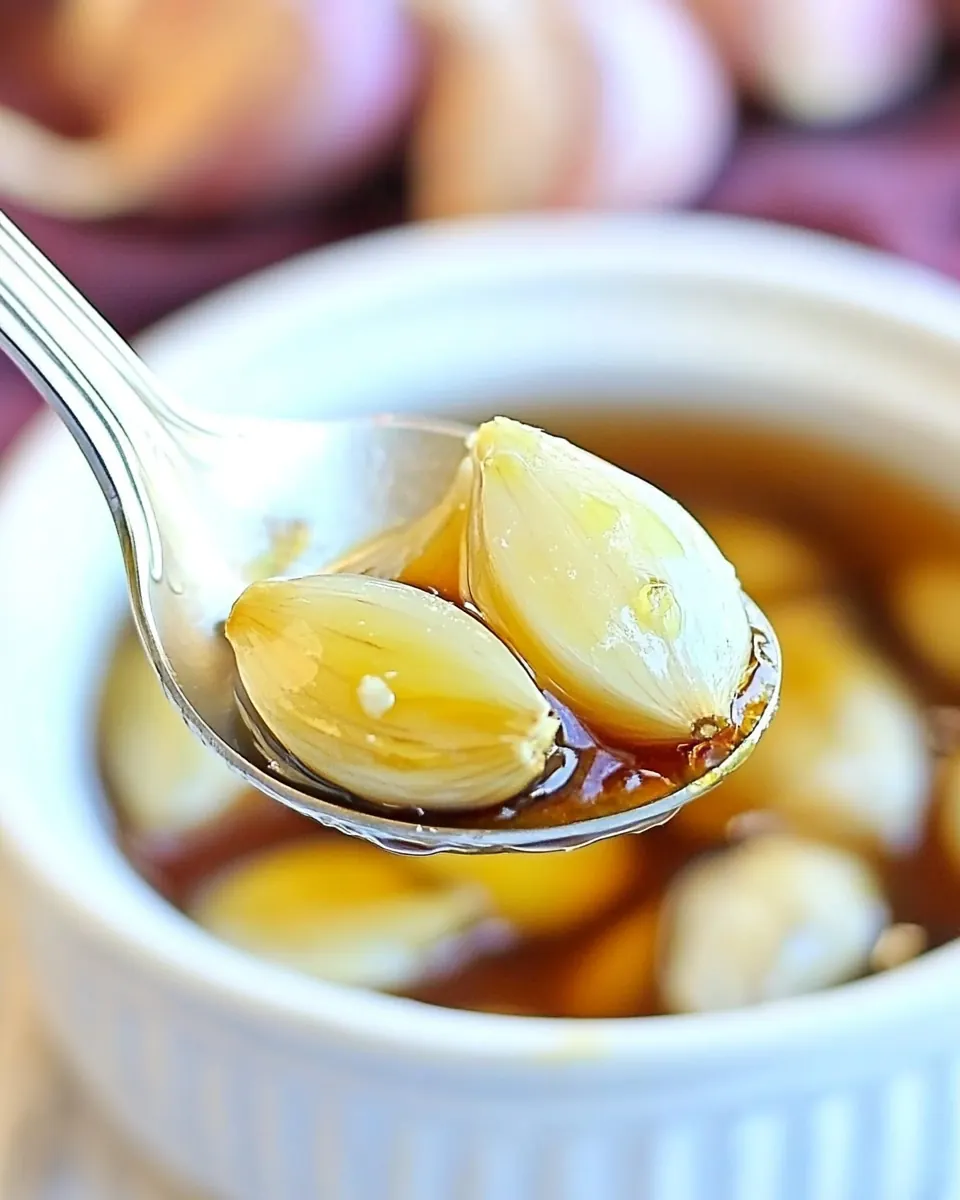
The final soft, spreadable texture of the cloves is a real pleasure. I use the cloves like a butter, and the oil becomes an infused finishing oil. When you squeeze a roasted clove, it should yield like silk, and that mouthfeel elevates simple dishes into something memorable.
Why it is so versatile
I adore recipes that multitask, and Garlic Confit checks that box. You get a spreadable component and a flavored oil in one jar. Use the cloves on toast, fold them into mashed potatoes, or toss the oil with vegetables to boost flavor with very little effort.
Why it is forgiving
This technique does not demand perfection. A low oven and a watchful eye will do most of the work. Even if you slightly misjudge the time, the cloves remain useful, and the oil still carries big flavor. That forgiving nature is what makes me recommend it to cooks of all levels.
Key Ingredients for Garlic Confit
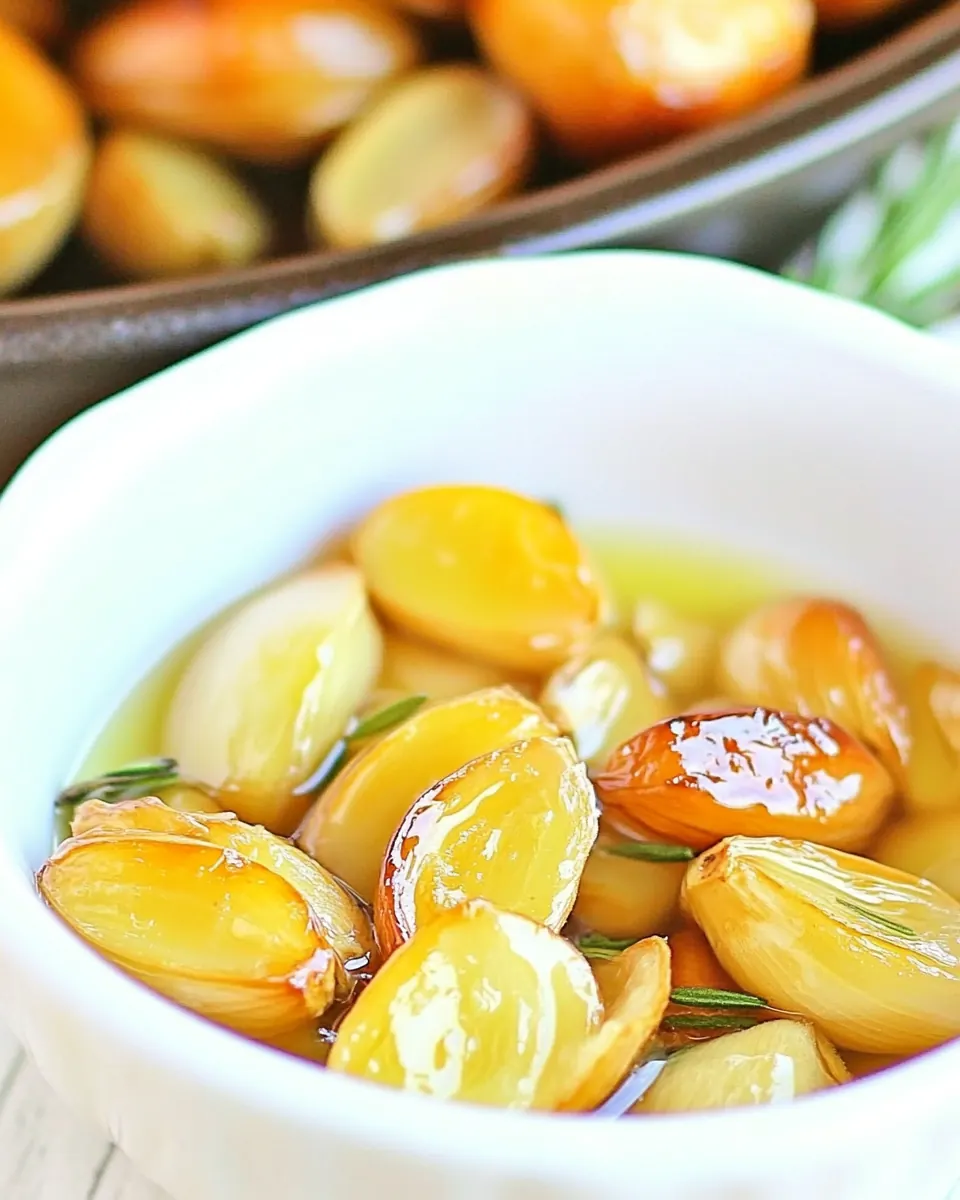
These few components are the whole point of the recipe. The philosophy is simplicity, quality, and slow transformation. Each item plays a clear role: the garlic becomes soft and sweet, the olive oil carries and preserves that flavor, and the herbs gently perfume the mixture without overpowering it.
- 4 large heads garlic separate the cloves and peel: Peel and separate cloves to maximize surface area for even slow-cooking; imparts a sweet, mellow flavor as sugars caramelize over low heat. Provides the primary texture and taste, yielding soft, spreadable cloves useful for sauces, spreads, and finishing dishes.
- 1 cup olive oil: Infuse oil gently to conduct low, consistent heat and preserve garlic without browning; contributes richness and mouthfeel while preserving and flavoring the garlic during confit. Serves as a preservative medium to store the cooked garlic and transfer flavor to other preparations.
- 2 sprigs rosemary: Add fresh rosemary sprigs to infuse a warm, piney, aromatic note during the slow-cooking process; complements garlic with herbal complexity and subtle resinous depth. Can be removed before storing or left in for continued flavor development over time.
- 2 sprigs thyme: Add fresh thyme sprigs to contribute a subtle earthy, slightly floral herbal background that balances the garlic's sweetness; slow infusion releases gentle savory notes. Works in tandem with rosemary to create a layered herb profile without overpowering the confit.
Recipe Directions for Garlic Confit
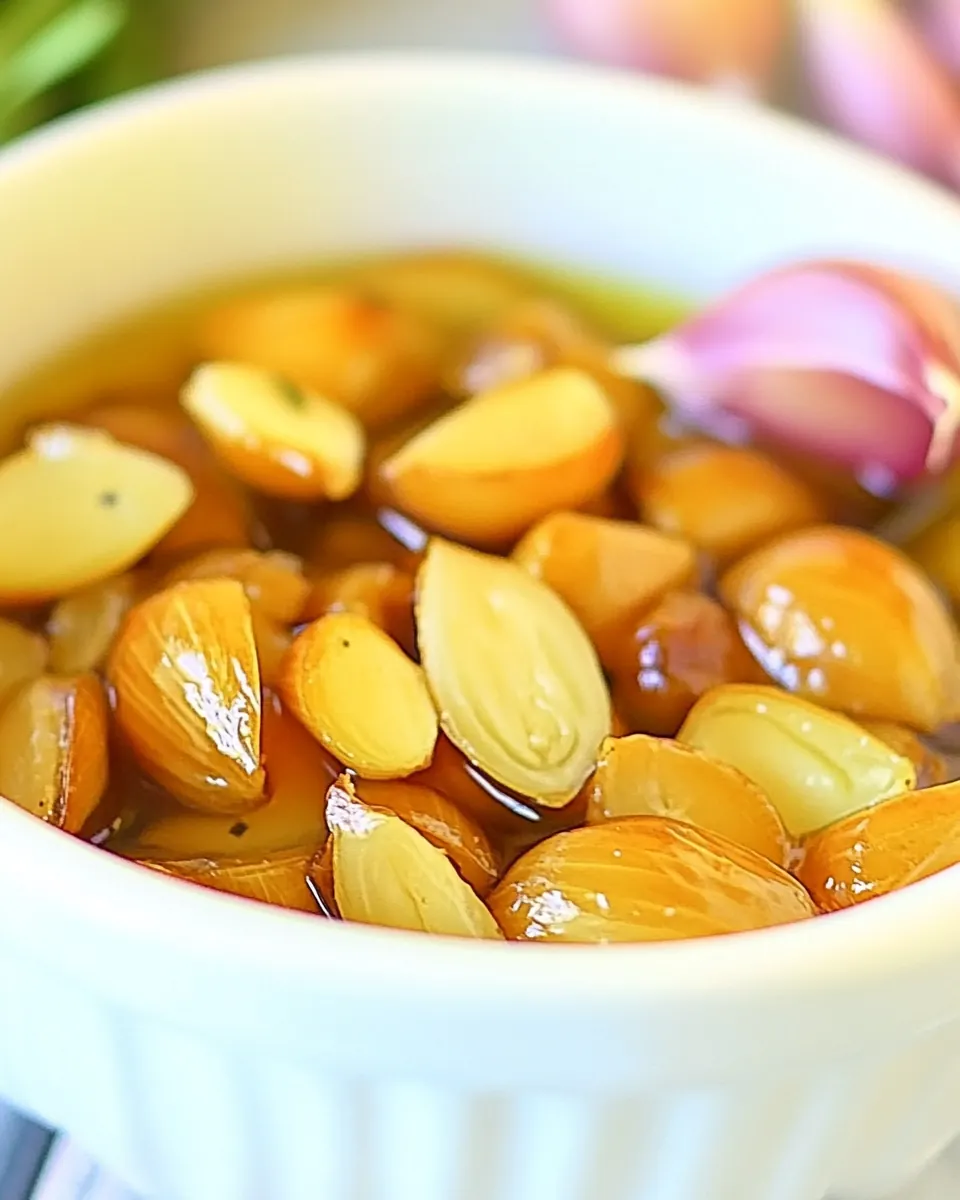
This method is very hands off once it is in the oven, but small checks matter. Below are clear, sensory rich steps so you can feel confident while the oven does the slow work for you.
- Preheat the oven to 250°F.: You should feel a sense of calm against the heat when the oven reaches temperature, because the low, steady warmth is the secret to melting away sharpness. At this temperature the oil will barely shimmer, never bubble aggressively, producing a gentle, steady scent rather than an acrid, roasted smell. If your oven runs hot, the cloves can brown too quickly, so use an oven thermometer to verify accuracy and avoid a bitter edge.
- In a small baking dish, combine the peeled garlic cloves, oil, and fresh herbs.: As you nestle the peeled garlic into the oil, notice how the cloves sit like tiny pearls, each glossy and cushioned. The oil should cover most cloves but need not be a rigid bath, and the herbs will release subtle fragrances as they mingle. Pressing the sprigs gently against the cloves helps them infuse, but avoid crushing the cloves which can create uneven cooking. A common error is using too little oil, causing some cloves to dry out during the long cook.
- Bake until the garlic is tender, stirring from time to time. This will take about 1 1/2 to 2 hours. The garlic should be soft and golden.: During the first hour you will catch hints of toasted nuttiness rising from the oven. Stirring occasionally ensures even poaching and distributes the herb oils. Look for cloves that have softened, no longer resisting the touch, and taking on a pale golden hue. If they darken too fast, reduce the oven temperature slightly; overly dark cloves indicate the oil was too hot, and the flavor may lean toward bitter instead of sweet.
- Remove from the stove and let it fully cool on a wire rack.: By the final stretch, the kitchen will smell faintly sweet and savory, a hint of caramel under the herby backdrop. The cloves should be easily mashed between your fingers and show a uniform, translucent softness. You will hear almost nothing from the dish as it cooks, aside from the quiet settling of oil, which is normal. Resist the urge to increase heat to rush the process because a quick finish sacrifices that supple texture and nuanced taste.
- Store the confit in a clean jar in the fridge for up to 2 weeks.: Cooling lets the flavors relax and the oil settle, making it safer to transfer to jars. As the dish cools you will notice the aroma mellow further, and the oil thins slightly as it returns to room temperature. If you jar while still warm you risk condensation, which can shorten storage life, so be patient. Avoid placing a hot dish directly into cold storage as sudden temperature change may warp containers.
- Use the garlic as a spread and the garlic oil as a dip.: The finished jar should show cloves submerged partly in a fragrant oil, the herbs sitting like little sentinels on top. Keep it sealed and chilled, and always use a clean spoon to avoid introducing contaminants. For best flavor, let the jar come to room temperature briefly before using so the oil loosens and the cloves reclaim silkiness. A common mistake is double dipping with used utensils which can shorten shelf life, so always use fresh tools.
- Use the garlic as a spread and the garlic oil as a dip.: When you taste your first spread, expect a soft, savory burst with muted garlic warmth and a silky mouthfeel, while the oil offers an herbal, fruity finish. I like to press a clove directly onto warm bread or fold several into mashed potatoes , and the oil makes a simple, elegant dip for crusty slices. If the flavor feels flat, a quick toast of the clove releases more aroma, but avoid high heat because it will remove that delicate, confit character.
Recipe Notes about Garlic Confit
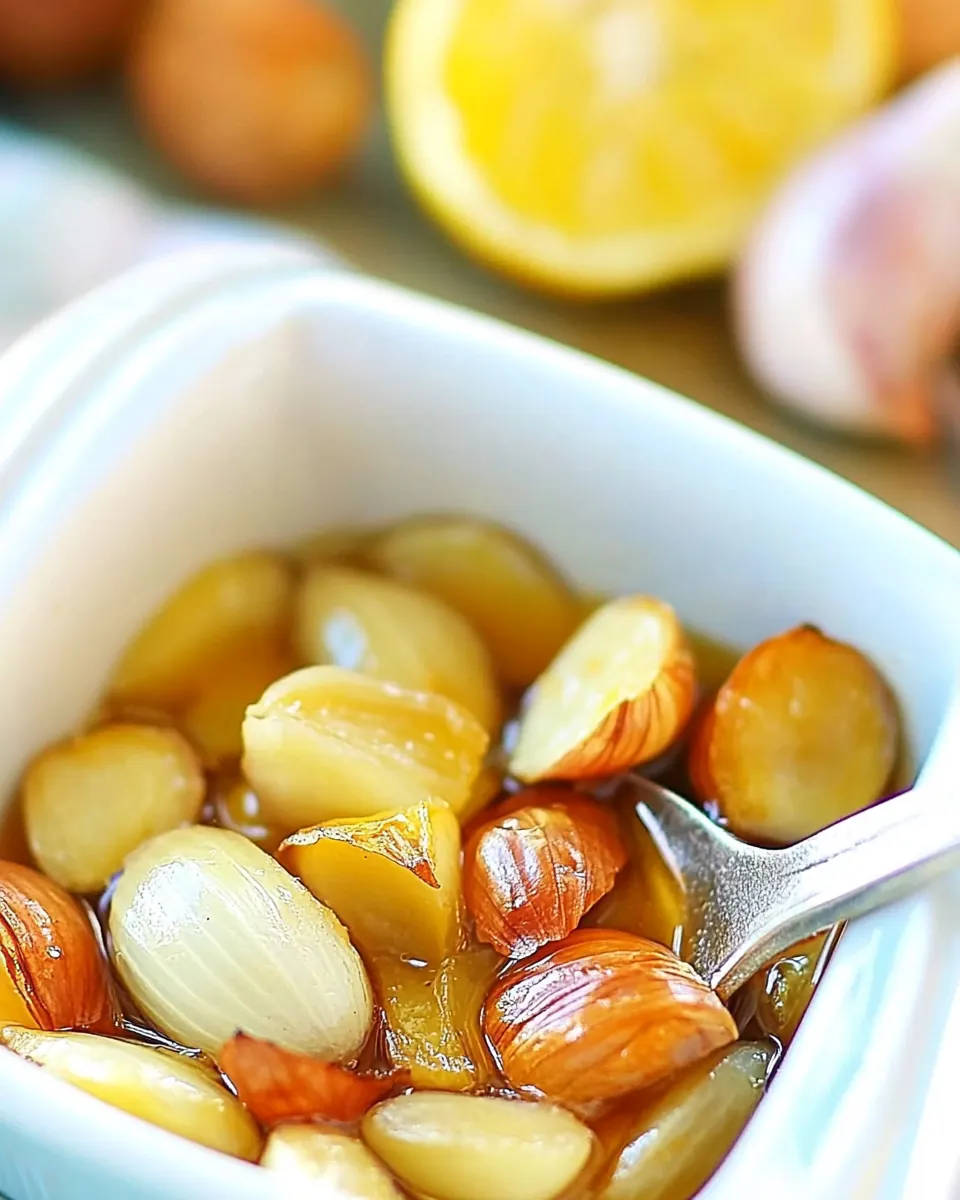
This small collection of practical notes will help you get consistent results and store your confit safely. A few minutes of prep and the right practices make the final jar sing.
- Choose firm heads: Pick garlic with tight skins and no soft spots for the best texture and longer shelf life, because bruised or sprouting bulbs can reduce quality during the long cook.
- Monitor oven temperature: Use an oven thermometer to ensure it stays close to 250°F, because ovens often run hot and a hotter bake will fry the cloves rather than confit them.
- Oil quantity: One cup of olive oil usually covers the cloves adequately, but ensure all exposed surfaces remain oiled during cooking to prevent drying and uneven texture.
- Herb timing: Add woody sprigs like rosemary and thyme at the start for full infusion, but remove before serving if you prefer no woody fragments in the jar.
- Storage practice: Keep the jar refrigerated and always use a clean utensil to remove cloves, because this prevents contamination and preserves flavor up to two weeks.
Serving This Garlic Confit
I like to think of Garlic Confit as a finishing touch that turns simple plates into memorable meals. The cloves act like a spreadable condiment and the oil doubles as a dipping or finishing element, so plan to highlight both.
- On bread: Spread soft confit cloves on warm slices of rustic bread, and drizzle with the infused olive oil for an instant appetizer or snack.
- With vegetables: Toss steamed or roasted vegetables in a spoonful of the oil and some mashed cloves to boost flavor without extra effort.
- In mashed potatoes: Fold several softened cloves and a splash of oil into mashed potatoes for a deeply savory side dish ideal for dinner.
- As a dip: Serve the oil in a shallow bowl with a couple of cloves on the side, perfect for a simple starter at gatherings or during Ramadan if you are looking for gentle savory choices.
- Storage and prep: Keep the jar refrigerated and bring a small portion to room temperature before serving so the oil loosens and the cloves regain a spreadable texture.
- Occasions: Use it for weeknight dinners, casual entertaining, or as a pantry staple that makes last minute meals feel considered and special.
FAQ
Conclusion
Garlic Confit is special because it transforms raw, assertive garlic into silky, sweet cloves and a fragrant oil that elevate everyday meals. I encourage you to try making a jar, because the payoff is enormous for very little active effort. Keep the jar on hand and use it to finish pastas, spread on bread, or fold into sides, and you will find it becomes a go to pantry shortcut that adds thoughtful flavor to whatever you cook.

Garlic Confit
Equipment
- Oven
- Small baking dish
- Wire Rack
Ingredients
- 4 large heads garlic separate the cloves and peel Peel and separate cloves to maximize surface area for even slow-cooking; imparts a sweet, mellow flavor as sugars caramelize over low heat. Provides the primary texture and taste, yielding soft, spreadable cloves useful for sauces, spreads, and finishing dishes.
- 1 cup olive oil Infuse oil gently to conduct low, consistent heat and preserve garlic without browning; contributes richness and mouthfeel while preserving and flavoring the garlic during confit. Serves as a preservative medium to store the cooked garlic and transfer flavor to other preparations.
- 2 sprigs rosemary Add fresh rosemary sprigs to infuse a warm, piney, aromatic note during the slow-cooking process; complements garlic with herbal complexity and subtle resinous depth. Can be removed before storing or left in for continued flavor development over time.
- 2 sprigs thyme Add fresh thyme sprigs to contribute a subtle earthy, slightly floral herbal background that balances the garlic's sweetness; slow infusion releases gentle savory notes. Works in tandem with rosemary to create a layered herb profile without overpowering the confit.
Instructions
- Preheat the oven to 250°F.: You should feel a sense of calm against the heat when the oven reaches temperature, because the low, steady warmth is the secret to melting away sharpness. At this temperature the oil will barely shimmer, never bubble aggressively, producing a gentle, steady scent rather than an acrid, roasted smell. If your oven runs hot, the cloves can brown too quickly, so use an oven thermometer to verify accuracy and avoid a bitter edge.
- In a small baking dish, combine the peeled garlic cloves, oil, and fresh herbs.: As you nestle the peeled garlic into the oil, notice how the cloves sit like tiny pearls, each glossy and cushioned. The oil should cover most cloves but need not be a rigid bath, and the herbs will release subtle fragrances as they mingle. Pressing the sprigs gently against the cloves helps them infuse, but avoid crushing the cloves which can create uneven cooking. A common error is using too little oil, causing some cloves to dry out during the long cook.
- Bake until the garlic is tender, stirring from time to time. This will take about 1 1/2 to 2 hours. The garlic should be soft and golden.: During the first hour you will catch hints of toasted nuttiness rising from the oven. Stirring occasionally ensures even poaching and distributes the herb oils. Look for cloves that have softened, no longer resisting the touch, and taking on a pale golden hue. If they darken too fast, reduce the oven temperature slightly; overly dark cloves indicate the oil was too hot, and the flavor may lean toward bitter instead of sweet.
- Remove from the stove and let it fully cool on a wire rack.: By the final stretch, the kitchen will smell faintly sweet and savory, a hint of caramel under the herby backdrop. The cloves should be easily mashed between your fingers and show a uniform, translucent softness. You will hear almost nothing from the dish as it cooks, aside from the quiet settling of oil, which is normal. Resist the urge to increase heat to rush the process because a quick finish sacrifices that supple texture and nuanced taste.
- Store the confit in a clean jar in the fridge for up to 2 weeks.: Cooling lets the flavors relax and the oil settle, making it safer to transfer to jars. As the dish cools you will notice the aroma mellow further, and the oil thins slightly as it returns to room temperature. If you jar while still warm you risk condensation, which can shorten storage life, so be patient. Avoid placing a hot dish directly into cold storage as sudden temperature change may warp containers.
- Use the garlic as a spread and the garlic oil as a dip.: The finished jar should show cloves submerged partly in a fragrant oil, the herbs sitting like little sentinels on top. Keep it sealed and chilled, and always use a clean spoon to avoid introducing contaminants. For best flavor, let the jar come to room temperature briefly before using so the oil loosens and the cloves reclaim silkiness. A common mistake is double dipping with used utensils which can shorten shelf life, so always use fresh tools.
- Use the garlic as a spread and the garlic oil as a dip.: When you taste your first spread, expect a soft, savory burst with muted garlic warmth and a silky mouthfeel, while the oil offers an herbal, fruity finish. I like to press a clove directly onto warm bread or fold several into mashed potatoes , and the oil makes a simple, elegant dip for crusty slices. If the flavor feels flat, a quick toast of the clove releases more aroma, but avoid high heat because it will remove that delicate, confit character.
Notes
- Choose firm heads: Pick garlic with tight skins and no soft spots for the best texture and longer shelf life, because bruised or sprouting bulbs can reduce quality during the long cook.
- Monitor oven temperature: Use an oven thermometer to ensure it stays close to 250°F, because ovens often run hot and a hotter bake will fry the cloves rather than confit them.
- Oil quantity: One cup of olive oil usually covers the cloves adequately, but ensure all exposed surfaces remain oiled during cooking to prevent drying and uneven texture.
- Herb timing: Add woody sprigs like rosemary and thyme at the start for full infusion, but remove before serving if you prefer no woody fragments in the jar.
- Storage practice: Keep the jar refrigerated and always use a clean utensil to remove cloves, because this prevents contamination and preserves flavor up to two weeks.