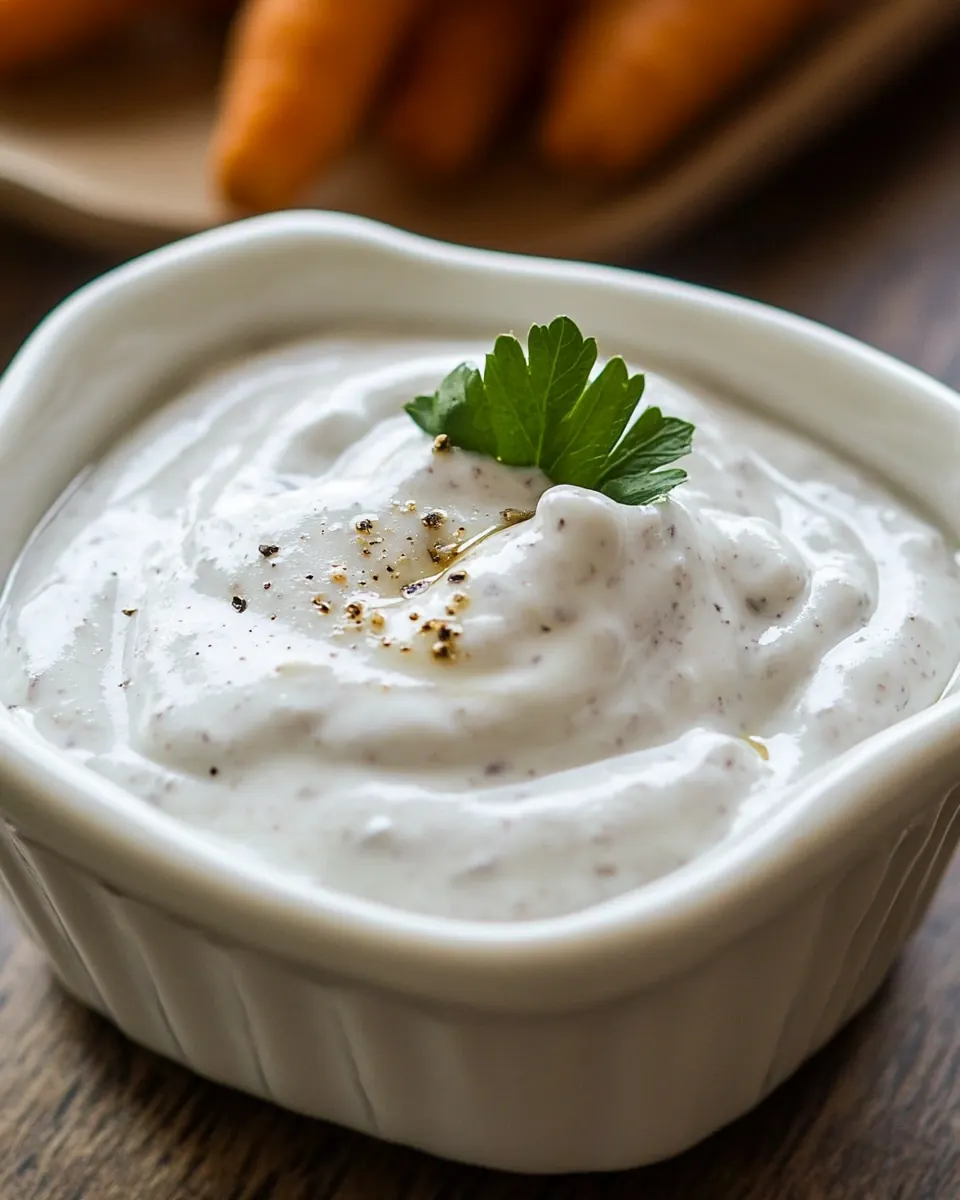
Greek Yogurt Aioli
Greek Yogurt Aioli is one of those simple sauces that keeps showing up in my kitchen, usually when I have a question about how to make a sandwich, bowl, or veggie plate sing.
I remember the first time I swapped traditional mayonnaise for Greek Yogurt Aioli during a lazy weekend lunch. I was experimenting with lighter textures but still wanted that creamy mouthfeel. The tang from the Greek yogurt and the bright zip from the lemon juice made everything taste fresher, and the crushed garlic gave it that savory backbone. It felt like a small but meaningful upgrade, the kind that makes you smile quietly between bites.
Since then I keep a jar in the fridge, because it rescues any rushed meal. Dolloped on roasted vegetables, smeared on a sandwich, or used as a dip, Greek Yogurt Aioli brings a clean, creamy lift without weighing things down. I love how flexible it is, and I often tweak the garlic or lemon depending on what I am pairing it with. Whenever guests ask for something quick and tasty, this is my go to; it is fast, forgiving, and reliably delicious.
Recipe Snapshot
5 mins
5 mins
Easy
70 kcal
Mediterranean
Keto, Gluten-Free
Appetizers
Small bowl, Spoon, Garlic press
Why This Greek Yogurt Aioli Is So Good
Bright, tangy flavor without heavy oil
I adore how Greek Yogurt Aioli gives that classic aioli tang using Greek yogurt instead of a cup of oil. The result is creamy and lively, and it keeps dishes feeling light. When I want depth without heaviness, this sauce delivers, with the crushed garlic providing a savory anchor that complements everything from raw vegetables to roasted potatoes.
Speed and convenience
One of the best parts is how quickly it comes together. I can mash the garlic, squeeze the lemon juice, and stir in the Greek yogurt in minutes. For busy nights or last minute hosting, that ease is priceless. I often make it while the oven preheats, and by the time the main is ready, the aioli is chilled and ready to go.
Versatility at every meal
I reach for Greek Yogurt Aioli for lunches, snacks, and light dinners. It pairs beautifully with grilled vegetables and acts as a creamy dressing for grain bowls. Because it is not heavy, it works equally well for breakfast bagels or as a tangy spread on lunchtime wraps. I love that a single jar can serve multiple roles through the day.
Healthy upgrade that still feels indulgent
Swapping in Greek yogurt keeps the texture indulgent while cutting fat and adding protein. It is a change that still feels decadent when you smear it on warm bread, but it behaves responsibly with nutrition. That balance makes me feel like I am making smarter choices without missing out on taste.
Reliable, forgiving recipe
This recipe is forgiving, so it is great for cooks at any level. If the garlic is strong or mild, you can adjust more easily than with oil based aiolis. A pinch more salt or an extra splash of lemon juice can fine tune the brightness instantly. I always appreciate recipes that let me improvise without risking the whole dish.
What You’ll Need for Greek Yogurt Aioli
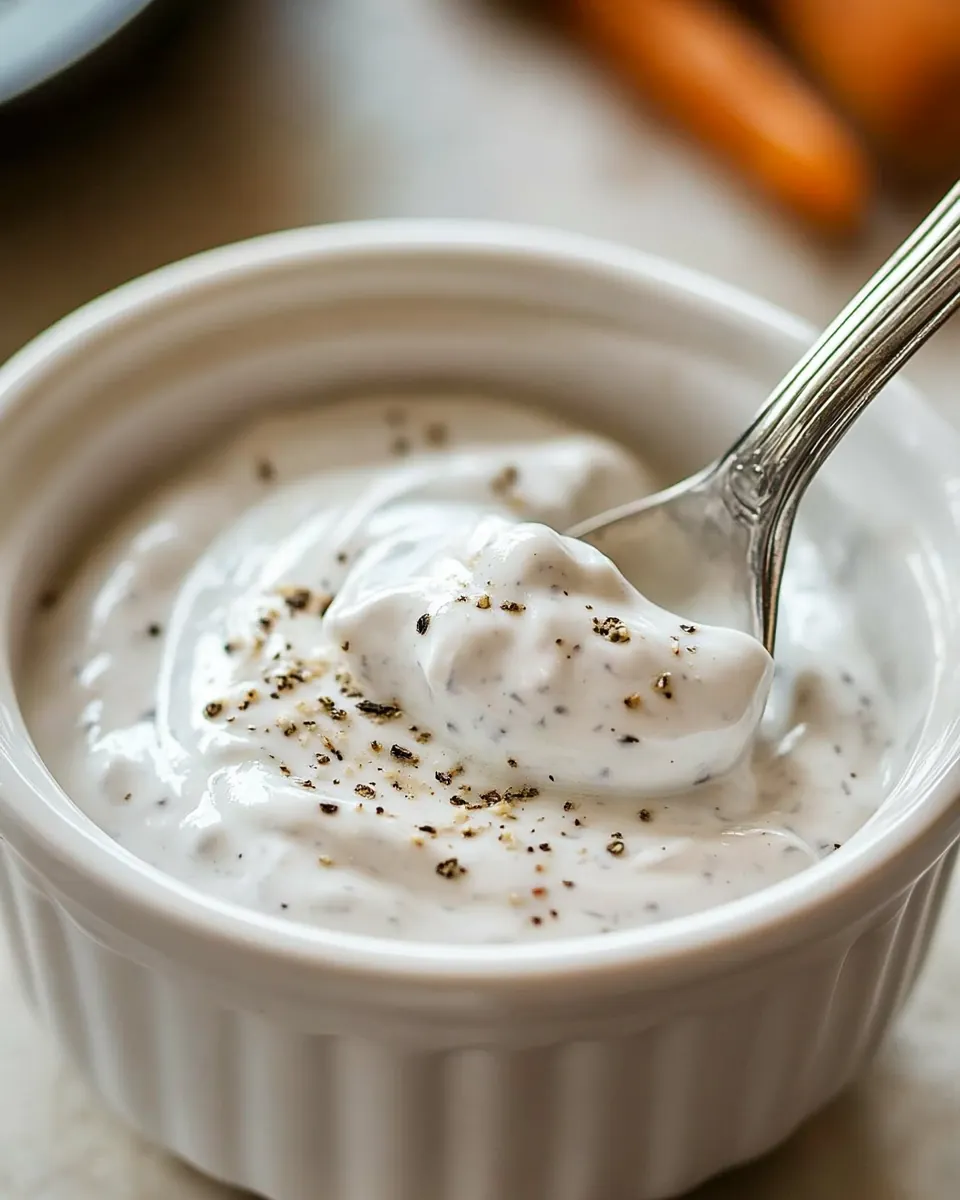
These ingredients form a tight, purposeful roster. The Greek yogurt brings creaminess and tang, the garlic supplies savory intensity, and the lemon juice wakes up the flavors. A touch of salt and pepper balances everything, while a handy garlic press helps transform the clove into an even paste that integrates beautifully. Together they make a simple, elegant sauce that is more than the sum of its parts.
- 1 garlic press: Enhance texture and distribute flavor by using a garlic press to finely crush garlic, which releases volatile oils and aroma. Provide a smoother consistency in the aioli compared to chopped garlic, helping it incorporate evenly into the yogurt base. Aid in achieving a balanced pungency without large pieces that could overpower bites.
- 1/4 cup (57 g) unsweetened whole milk Greek yogurt: Add creaminess and body with unsweetened whole milk Greek yogurt, supplying a tangy, rich base that mimics traditional aioli while reducing fat compared to mayonnaise. Contribute moisture and a silky mouthfeel that carries the garlic and lemon flavors throughout the sauce. Provide protein and a subtle acidity that brightens the overall profile.
- 1 garlic clove crushed: Introduce pungency and depth by crushing a garlic clove, yielding fresh sharpness and aromatic compounds for the aioli. Promote a more pronounced garlic character than powdered forms and interact with lemon juice to mellow slightly over time. Help deliver an assertive savory note that defines the sauce.
- 1 teaspoon lemon juice: Provide brightness and acidity with lemon juice to cut through the richness of the yogurt and lift the flavors. Balance the dish by adding a clean, citrusy tang that enhances garlic and seasoning without overpowering them. Aid in creating a more complex, layered taste that refreshes the palate.
- 1/8 teaspoon salt: Season with salt to amplify and unify flavors, enhancing the natural tang of the yogurt and the sharpness of the garlic. Regulate overall taste and help other ingredients express their profiles more clearly. Ensure proper seasoning so the aioli tastes well-rounded rather than flat.
- 1/8 teaspoon pepper: Add mild heat and aromatic nuance with a small amount of ground pepper to finish the aioli. Complement the garlic and lemon by providing subtle spiciness and complexity without dominating the sauce. Help create a balanced seasoning profile for serving.
Greek Yogurt Aioli Instructions
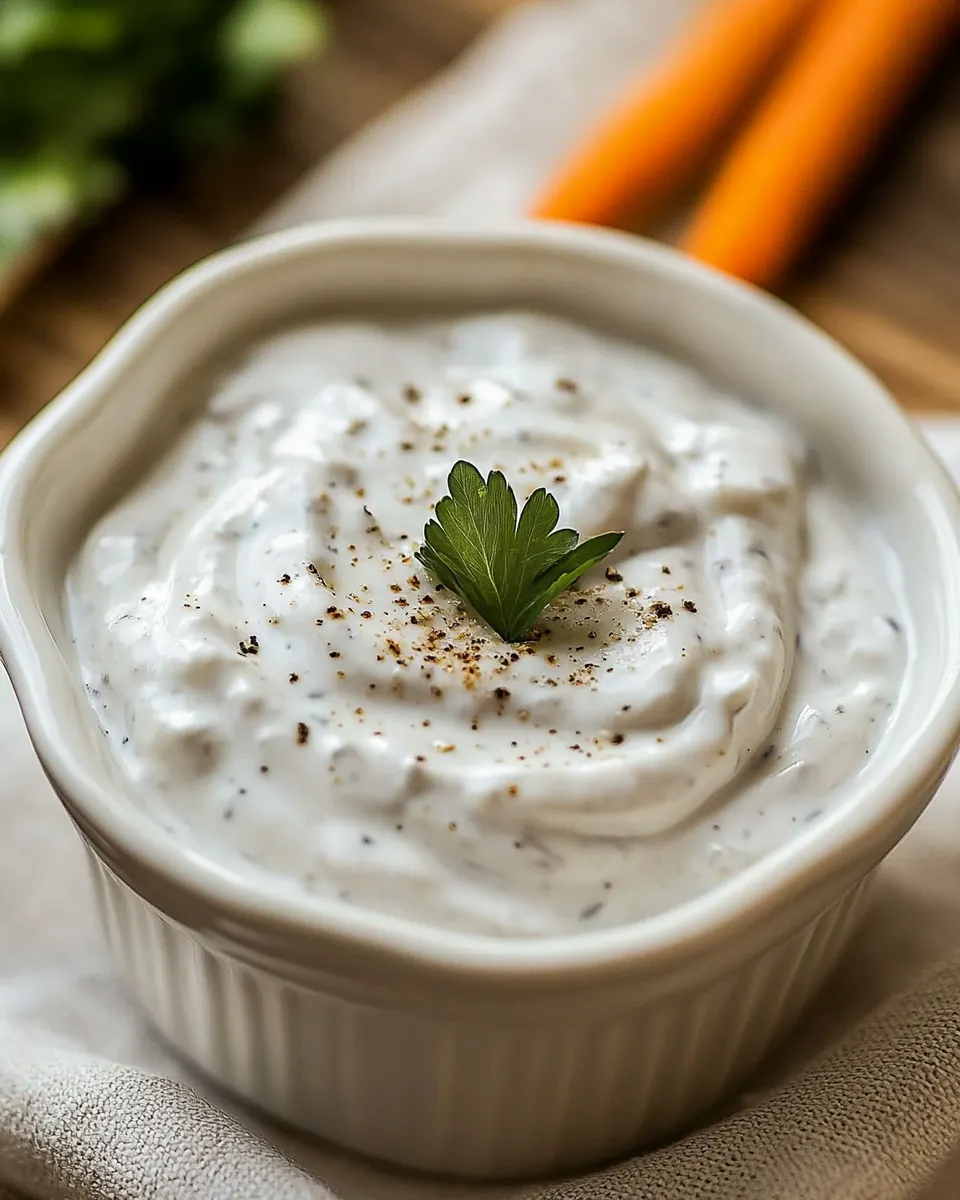
These steps are quick but precise. I always approach this kind of sauce with attention to texture and seasoning, because small adjustments at the start pay dividends when you serve it. Below I expand each direction with sensory cues, explanations, and troubleshooting tips so you feel confident at every turn.
- In a small bowl, combine all ingredients and stir until well-combined.: You will notice a creamy sheen form as the Greek yogurt , lemon juice , and crushed garlic come together. The sound is minimal, mostly the soft scrape of a spoon, and the aroma will be gently tangy with a clear garlic top note. Stirring thoroughly ensures the acidity from the lemon juice is evenly distributed, which prevents pockets of sourness. If you skip blending long enough, you might find streaks of unincorporated yogurt or intensely acidic spots, so take your time to achieve a uniform pale, glossy mixture. A common misstep is adding the lemon juice all at once and not tasting; add, stir, then taste so you can refine balance.
- Taste and add more salt and pepper if needed.: Right after mixing, bring a small spoon to your lips and sample. The first impression should be creamy, tang forward, with a warm garlic whisper and gentle seasoning. If the aioli tastes flat, a tiny pinch of extra salt will lift the flavors; if it feels muted, a fraction more lemon juice brightens the profile. Increase the freshly ground pepper only incrementally, because it can turn from subtle to assertive quickly. Avoid the mistake of over seasoning in one go; adjust in small steps and retaste between changes to maintain harmony.
- Serve and enjoy!: The finished aioli should have a velvety texture that clings to a spoon and leaves a clean, tangy trail on your palate. When you dollop it onto warm vegetables or spread it onto bread, the heat will release more of the garlic aroma, enhancing the experience. If the sauce seems too thick for spreading, allow it to warm briefly at room temperature for a smoother consistency. One pitfall is refrigerating it in an airtight container while still hot, which can trap condensation and thin the sauce; cool slightly before sealing.
Tips and Tricks about Greek Yogurt Aioli
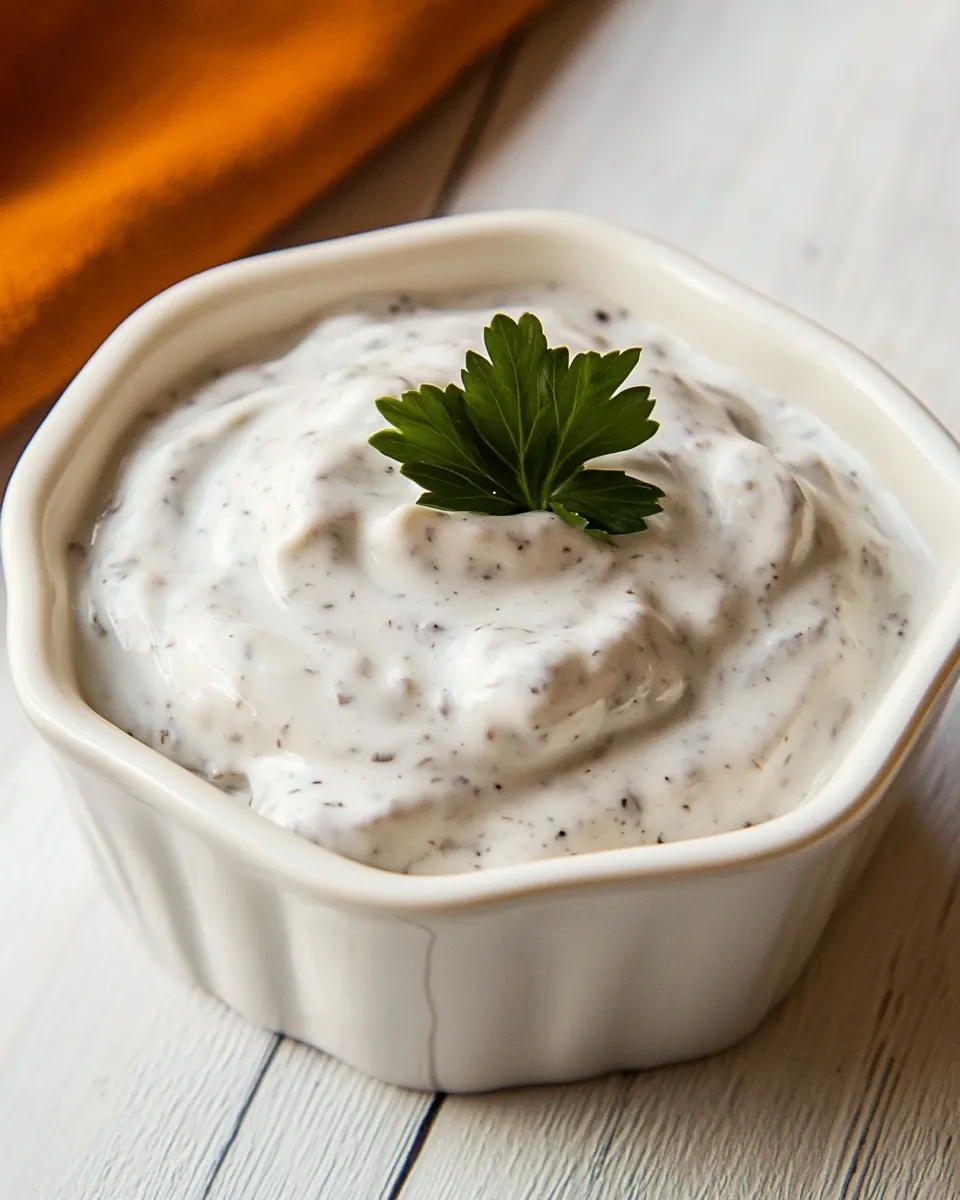
This little intro jar of tips will help you dial in texture and flavor. I share practical pointers that I actually use, covering timing, seasoning, and how to rescue the aioli if it needs a fix. Follow these to keep the sauce reliable and adaptable to what you have on hand.
- Choose full fat for richness, because whole milk Greek yogurt yields the creamiest mouthfeel and mimics the indulgence of oil based aioli while keeping things lighter.
- Crush garlic carefully, as over crushing can make it bitter; if you need milder garlic flavor, grate it on a microplane and stir it in slowly.
- Balance acidity by adding lemon juice in teaspoons, tasting after each addition so you preserve the yogurt‘s natural tang while brightening the sauce.
- Thin if needed by whisking in a teaspoon or two of water to loosen the texture for drizzling, rather than adding oil which changes the character of the recipe.
- Keep it chilled before serving for a firmer texture that spreads neatly, but let it rest at room temperature for a few minutes if you want it silkier for dipping.
What to Serve With Greek Yogurt Aioli
Greek Yogurt Aioli is a multi use sauce that pairs beautifully with crisp, roasted, or fresh items. Below I outline ideas for serving occasions, side dishes, and storage notes to make the most of each jar. Use the list to mix and match depending on the meal you are planning.
- Roasted vegetables, such as carrots or potatoes, which benefit from the bright, creamy contrast of the aioli to cut through caramelized edges.
- Sandwich spread on warm pita, wraps, or crusty bread to add moisture and tang, lifting simple fillings into something special.
- Vegetable platter dip for raw crudites during gatherings, because the garlic and lemon provide a lively counterpoint to crunchy vegetables.
- Grain bowl topper spooned over warm grains and roasted vegetables to add creaminess and integrate flavors across the bowl.
- Snack sauce for fries or roasted chickpeas, giving a more sophisticated flavor than plain ketchup or store bought dips.
- Storage tips, store in an airtight container in the refrigerator for up to four days, and label with the date to maintain freshness.
- Occasions including casual lunches, light dinners, and Ramadan if you are preparing lighter iftar accompaniments, because the aioli adds flavor without heaviness.
FAQ
Conclusion
This Greek Yogurt Aioli stands out because it delivers creamy, savory, and bright flavors with minimal effort. Give it a try the next time you want to lift a simple sandwich, roasted vegetable, or snack with something fresh and tangy. It is quick to make, forgiving to tweak, and adds a thoughtful touch to everyday meals in a way that feels both satisfying and light.
Greek Yogurt Aioli
Equipment
- Small Bowl
- Spoon
- Garlic press
Ingredients
- 1 garlic press Enhance texture and distribute flavor by using a garlic press to finely crush garlic, which releases volatile oils and aroma. Provide a smoother consistency in the aioli compared to chopped garlic, helping it incorporate evenly into the yogurt base. Aid in achieving a balanced pungency without large pieces that could overpower bites.
- 1/4 cup (57 g) unsweetened whole milk Greek yogurt Add creaminess and body with unsweetened whole milk Greek yogurt, supplying a tangy, rich base that mimics traditional aioli while reducing fat compared to mayonnaise. Contribute moisture and a silky mouthfeel that carries the garlic and lemon flavors throughout the sauce. Provide protein and a subtle acidity that brightens the overall profile.
- 1 garlic clove crushed Introduce pungency and depth by crushing a garlic clove, yielding fresh sharpness and aromatic compounds for the aioli. Promote a more pronounced garlic character than powdered forms and interact with lemon juice to mellow slightly over time. Help deliver an assertive savory note that defines the sauce.
- 1 teaspoon lemon juice Provide brightness and acidity with lemon juice to cut through the richness of the yogurt and lift the flavors. Balance the dish by adding a clean, citrusy tang that enhances garlic and seasoning without overpowering them. Aid in creating a more complex, layered taste that refreshes the palate.
- 1/8 teaspoon salt Season with salt to amplify and unify flavors, enhancing the natural tang of the yogurt and the sharpness of the garlic. Regulate overall taste and help other ingredients express their profiles more clearly. Ensure proper seasoning so the aioli tastes well-rounded rather than flat.
- 1/8 teaspoon pepper Add mild heat and aromatic nuance with a small amount of ground pepper to finish the aioli. Complement the garlic and lemon by providing subtle spiciness and complexity without dominating the sauce. Help create a balanced seasoning profile for serving.
Instructions
- In a small bowl, combine all ingredients and stir until well-combined.: You will notice a creamy sheen form as the Greek yogurt , lemon juice , and crushed garlic come together. The sound is minimal, mostly the soft scrape of a spoon, and the aroma will be gently tangy with a clear garlic top note. Stirring thoroughly ensures the acidity from the lemon juice is evenly distributed, which prevents pockets of sourness. If you skip blending long enough, you might find streaks of unincorporated yogurt or intensely acidic spots, so take your time to achieve a uniform pale, glossy mixture. A common misstep is adding the lemon juice all at once and not tasting; add, stir, then taste so you can refine balance.
- Taste and add more salt and pepper if needed.: Right after mixing, bring a small spoon to your lips and sample. The first impression should be creamy, tang forward, with a warm garlic whisper and gentle seasoning. If the aioli tastes flat, a tiny pinch of extra salt will lift the flavors; if it feels muted, a fraction more lemon juice brightens the profile. Increase the freshly ground pepper only incrementally, because it can turn from subtle to assertive quickly. Avoid the mistake of over seasoning in one go; adjust in small steps and retaste between changes to maintain harmony.
- Serve and enjoy!: The finished aioli should have a velvety texture that clings to a spoon and leaves a clean, tangy trail on your palate. When you dollop it onto warm vegetables or spread it onto bread, the heat will release more of the garlic aroma, enhancing the experience. If the sauce seems too thick for spreading, allow it to warm briefly at room temperature for a smoother consistency. One pitfall is refrigerating it in an airtight container while still hot, which can trap condensation and thin the sauce; cool slightly before sealing.
Notes
- Choose full fat for richness, because whole milk Greek yogurt yields the creamiest mouthfeel and mimics the indulgence of oil based aioli while keeping things lighter.
- Crush garlic carefully, as over crushing can make it bitter; if you need milder garlic flavor, grate it on a microplane and stir it in slowly.
- Balance acidity by adding lemon juice in teaspoons, tasting after each addition so you preserve the yogurt's natural tang while brightening the sauce.
- Thin if needed by whisking in a teaspoon or two of water to loosen the texture for drizzling, rather than adding oil which changes the character of the recipe.
- Keep it chilled before serving for a firmer texture that spreads neatly, but let it rest at room temperature for a few minutes if you want it silkier for dipping.