Stuffed Chicken Roll
Stuffed Chicken Roll is one of those recipes that sneaks into your weeknight lineup and refuses to leave because it tastes like effort with minimal fuss. I remember the first time I made this, the kitchen smelled like warm fennel and browned drippings, and I felt a little proud that something that looked elegant was actually straightforward to assemble. That first evening I served it to friends who asked for seconds, and the combination of tender chicken, nutty wild rice, and gooey mozzarella felt comforting and a touch festive without being fussy.
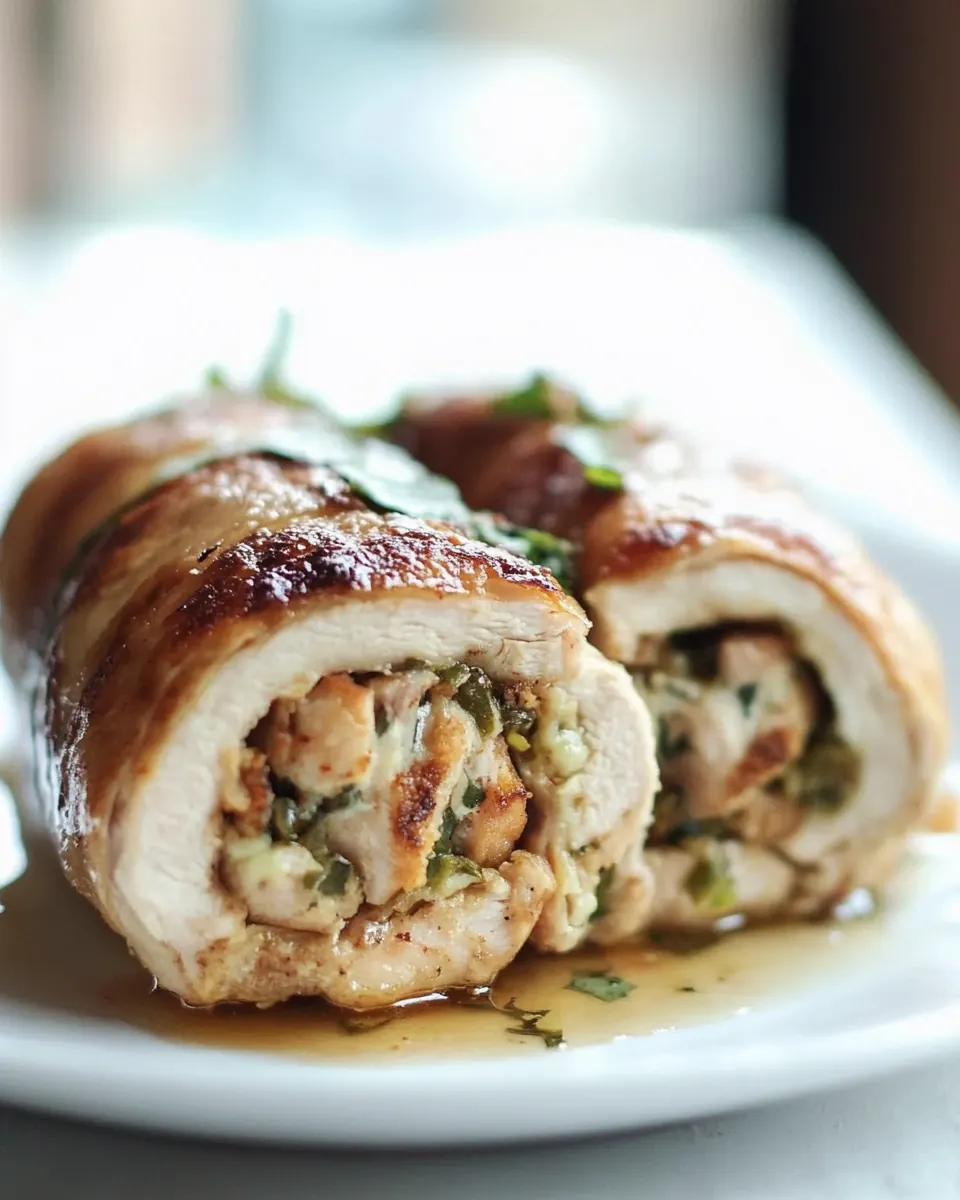
Over time I’ve tweaked the rolling technique so the filling stays put and the outer sear develops a real golden crust. I like to keep the filling hearty, so each slice reveals a moist interior with flecks of fennel seed and soft ribbons of cooked fennel. When you slice a rested roll, the juices stay locked in rather than pooling on the board, which is one of those small wins that makes dinner feel more civilized.
Recipe Snapshot
40 mins
15 mins
25 mins
Easy
450 kcal
American
Gluten-Free, Low FODMAP
Dinner
Large heavy bottom skillet, Oven, Kitchen twine, Instant read thermometer, Meat mallet
The Magic of This Stuffed Chicken Roll
It’s approachable yet impressive
I love that Stuffed Chicken Roll looks like you spent hours prepping when really most of the time is hands off. The assembly is forgiving, and even if your roll is a little lopsided, the taste will carry the dish. I often serve this when I want to impress without stress.
Balanced textures and flavors
The interplay between tender chicken, creamy mozzarella, and chewy wild rice gives every bite a contrast that keeps you coming back. The sautéed fennel adds a subtle anise note and soft crunch that brightens the richness, while a hint of toasted fennel seed deepens the aroma.
Smart use of pantry ingredients
I appreciate recipes that make smart use of staples. You only need a few items, and many cooks will have them on hand. Using cooked wild rice and a single egg to bind the filling keeps the texture cohesive without extra fuss. It’s a practical dinner that doesn’t require a special run to the store.
Techniques that build confidence
Tying the rolls and searing them in the same pan where you browned the chicken skin is a chef trick that layers flavor. I like teaching that little technique because it’s reproducible, and it shows how simple steps elevate results. You’ll learn timing and how the correct sear influences the final crumb and moisture.
Make ahead and flexible
This recipe adapts to scheduling needs. You can prepare the filling ahead, stuff and tie the rolls earlier, then sear and bake before dinner. That flexibility makes Stuffed Chicken Roll a reliable choice for weeknight family meals or a relaxed dinner party.
Ingredients Overview for Stuffed Chicken Roll
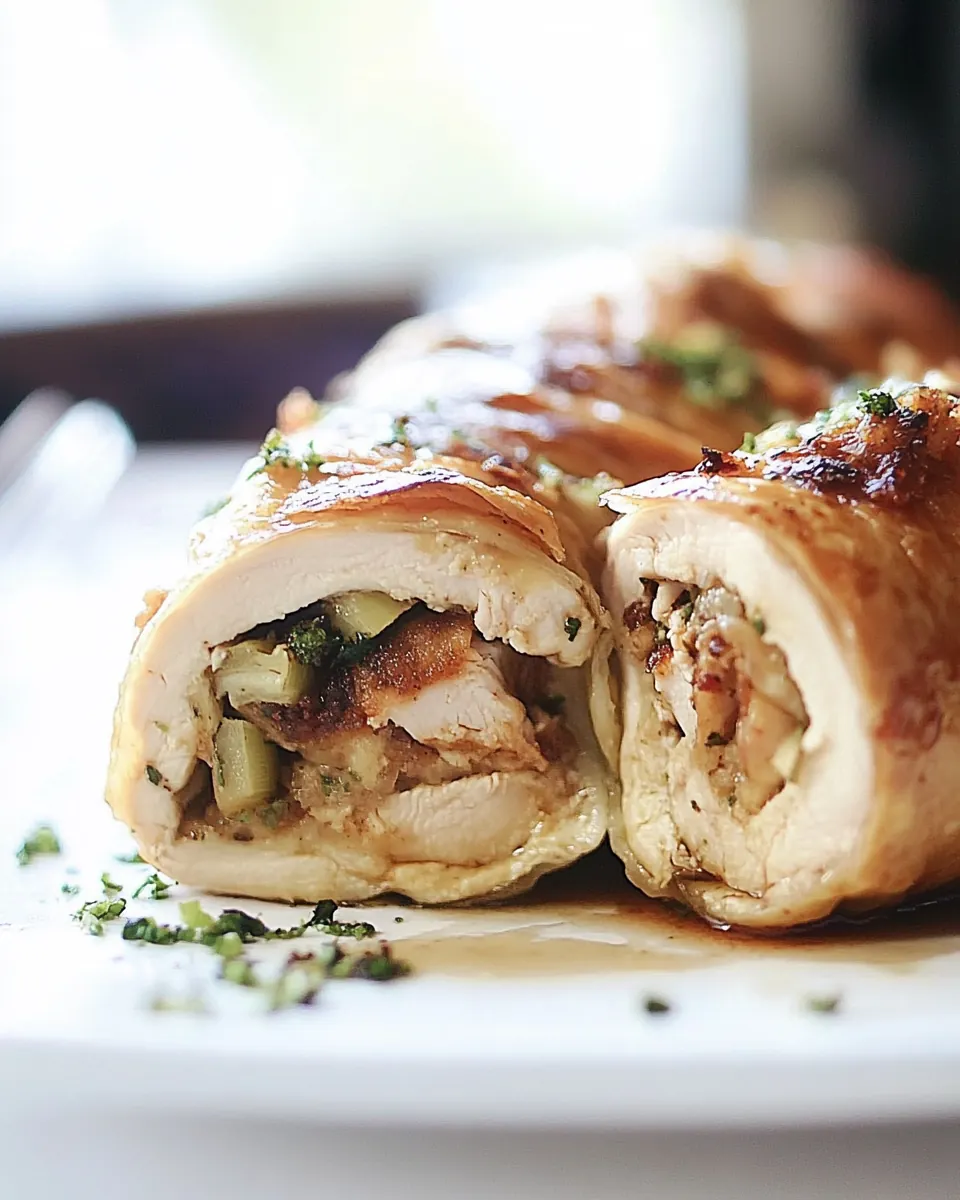
These ingredients were chosen for harmony and texture. The star is the chicken, which becomes a tender vessel for a rich, savory filling. Wild rice offers chew and nuttiness, while sautéed fennel and toasted fennel seed provide aromatic lift. Mozzarella melts into the rice, binding the filling, and a single egg helps everything stick together during rolling and cooking.
- 4 chicken breast, skin on (about 2 pounds): Pound and butterfly to create even, thin cutlets that roll easily; provides the main protein and structure for the stuffed roll. Keep skin on to add moisture and a barrier that helps retain juices during roasting or baking. Trim excess fat and pat dry before seasoning to ensure a good sear and easier rolling.
- 2 tablespoon olive oil: Dress and heat lightly to coat the pan for sautéing the fennel and to help brown the chicken exterior. Use oil to transfer heat efficiently and contribute subtle fruitiness while preventing sticking. Measure carefully to avoid excess greasiness that can weigh down the filling.
- 2 cups fennel bulb, sliced (about 1 large bulb): Slice thinly to soften and release sweet anise-like flavors that complement the filling; cooks down to a tender texture suitable for stuffing. Sauté with fennel seed and olive oil until translucent and slightly caramelized to deepen flavor. Use about one large bulb to balance moisture and bulk in the rice mixture.
- 1 teaspoon fennel seed: Toast briefly to awaken its aromatic anise notes and add a warm, licorice-like counterpoint to the savory filling. Crush lightly after toasting to release oils and distribute flavor evenly through the sautéed fennel and rice. Use sparingly to avoid overpowering the dish.
- 2 cups wild rice, cooked: Cook fully and cool before combining with other filling ingredients to provide a hearty, chewy base and absorb flavors. Use wild rice for its nutty taste and firm texture that contrasts with tender chicken and melted cheese. Season the rice while cooking to infuse it with depth and prevent blandness in the stuffing.
- 3/4 cup grated mozzarella: Grate finely so it melts evenly within the warm rice and fennel filling, binding components with creamy, mild mozzarella. Provide a cohesive, gooey interior texture that helps the roll hold together when sliced. Sprinkle into the filling mix while warm so it becomes integrated and smooth.
- 1 egg, lightly beaten: Beat lightly to create a glaze or binder that helps the filling adhere and the chicken surface brown when brushed or used inside the roll. Use the egg to seal edges of the rolled chicken and to help maintain shape during cooking. Reserve a small amount for brushing if a glossy finish is desired.
How to Cook Stuffed Chicken Roll
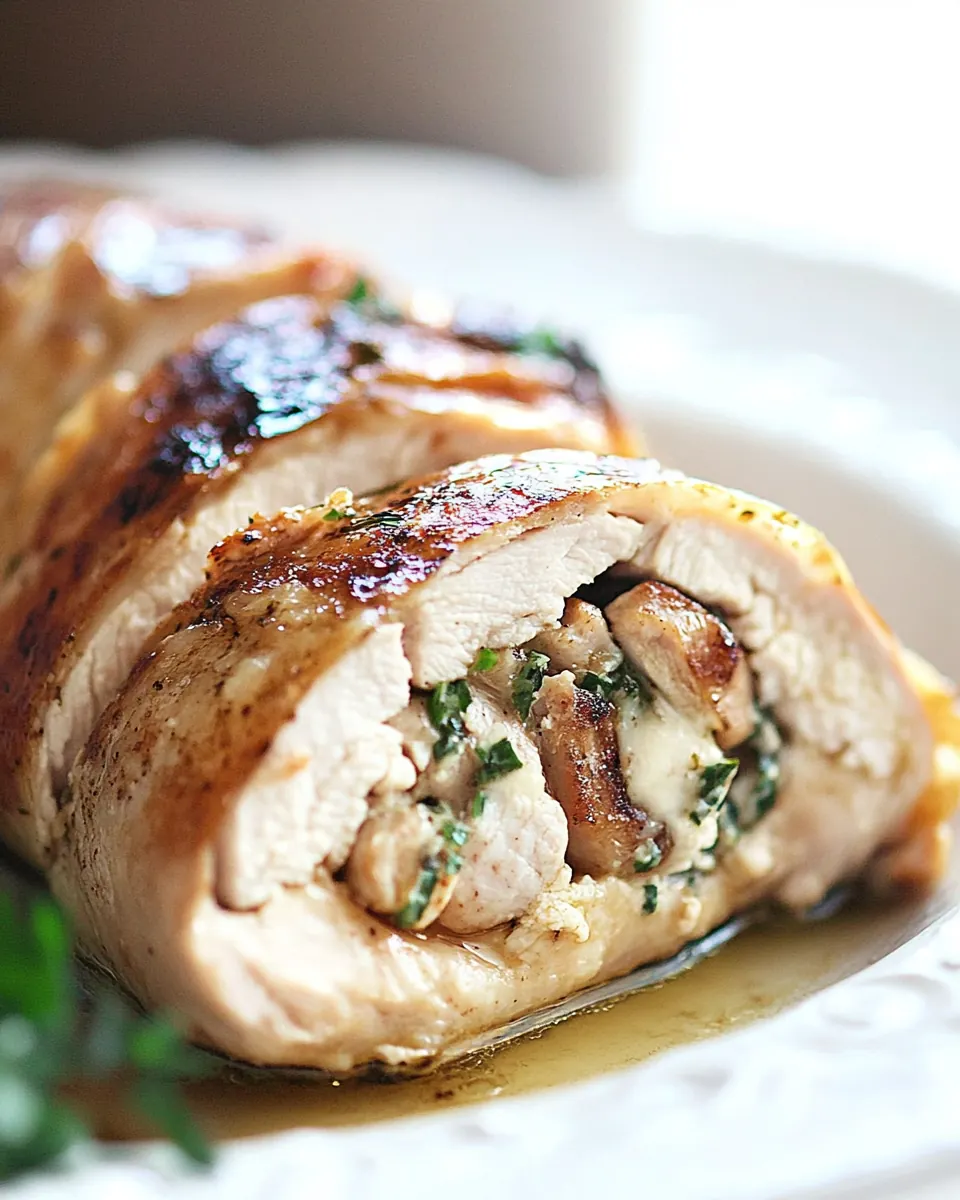
These steps guide you through building flavor and technique from skinning the breasts to a precise final internal temperature. Read each step so you can watch for sensory cues like sizzle, color, and aroma. Take your time with the sear, it makes a big difference to the finished texture and flavor.
- Heat oven to 375 degrees. Heat a large, heavy bottom-skillet over medium high heat.: You'll notice the dry warmth of the oven as it comes up to temperature, and setting it early ensures the pan sear transfers seamlessly into an even bake. This matters because the roast time in the oven is short, so a preheated environment helps the center reach 165° without overcooking the exterior. A common slip is placing the rolls into an oven that is not fully preheated, which extends cook time and can dry the meat; use an oven thermometer if your oven runs cool.
- Skin chicken breast. Set breast aside and add skin into heated skillet. Cook until skin is browned. Discard skin. Add in sliced fennel and fennel seeds, cook until softened and translucent, about 3 minutes. Transfer fennel mixture to a large bowl and set aside. Set pan aside with chicken drippings intact.: The pan should feel hot to the touch and give off faint wisps of heat before you add fat. You want a pan that distributes heat evenly to develop good color on the chicken skin and later to brown the rolls. If your pan is too cool the skin will stick and the Maillard reaction won't develop; too hot and you'll burn the fat, producing acrid smoke.
- Pound chicken to a 1/4 inch thick. Salt and pepper to taste on each side. Set aside. Add rice, mozzarella and cooked egg to bowl with fennel mixture. Fold to combine.: Removing the skin requires a small, sharp knife to gently separate the connective tissue, and you should feel the flesh give slightly as you work. The removed skin is then used for rendering, which adds savory depth to the pan. Be careful not to gouge the meat, which can make the surface uneven and harder to roll smoothly.
- Spread 1/2 cup of rice mixture onto chicken breast, leaving a 1/2-inch border. Roll up chicken lengthwise and tie with kitchen twine. Repeat with remaining chicken breasts. Place chicken rolls into pan with skin drippings and cook until browned on all sides, 8-10 minutes. Transfer chicken rolls to oven and bake until an instant-read thermometer inserted into center reaches 165°, about 7-10 minutes. Remove from oven and allow chicken to rest for 10 minutes before slicing.: As the skin hits the hot pan you'll hear an immediate sizzling sound and smell a rich, fatty aroma as the fat renders. Let the skin brown until it turns golden and most fat is released; this renders flavor into the pan for later browning. A common mistake is stirring too often; allow the skin to sit so the fat renders and the color develops.
- Cook until skin is browned: Browning will produce a crisp, deeply colored texture and a nutty scent from the fat. This process enhances the final rolls because those drippings are the flavor foundation for the sear. If browned bits start to blacken, lower the heat, because burnt fat imparts a bitter taste that is hard to mask.
- Discard skin: Once most fat has been rendered and the skin is deeply browned, remove and discard it to prevent over crisping in the pan while you cook the aromatics. The rendered fat, however, stays to coat the pan and lift flavor. Leaving crisped skin in the pan risks burning during the next steps, so remove it promptly.
- Add in sliced fennel and fennel seeds cook until softened and translucent about 3 minutes: When the sliced fennel hits the warm fat it will sizzle softly and release sweet, vegetal aromas. The seeds will toast and pop slightly, releasing their anise fragrance. Cook until the fennel becomes translucent and tender, this softening sweetens the vegetable and integrates it into the filling. If you rush this step the fennel can remain fibrous and assertive, creating an imbalance.
- Transfer fennel mixture to a large bowl and set aside: Moving the cooked fennel to a bowl lets it cool slightly so it will not loosen the filling by melting the cheese prematurely. This pause also prevents the pan from overcrowding during the sear stage. A typical oversight is adding hot fennel to cold rice without letting it cool a little, which can create steam and a soggy filling.
- Set pan aside with chicken drippings intact: Keep the flavorful drippings in the skillet, they become your browning medium for the stuffed rolls. The drippings carry the toasted fennel and rendered fat flavors back into the meat during searing. Scraping them out throws away the concentrated base, so resist the urge to clean the pan.
- Pound chicken to a 1/4 inch thick: Lay each breast between plastic wrap and use a flat mallet to even it to a quarter inch, listening for the steady thud and watching the meat spread evenly. This uniform thickness ensures even cooking and makes rolling manageable. If you do not pound thinly enough, the roll will be too bulky and may not heat through before the exterior overcooks; if too thin the breast can tear.
- Salt and pepper to taste on each side: Light seasoning builds layers of flavor that penetrate during cooking. Sprinkle evenly and press gently so the seasoning adheres. Under seasoning results in a bland interior, while over seasoning cannot be removed, so taste and adjust conservatively.
- Set aside: Allow the pounded breasts a brief rest so the surface dries slightly, which helps the filling stick. This short pause prevents slipping while you assemble. Skipping this can make the filling slide off during rolling.
- Add rice mozzarella and cooked egg to bowl with fennel mixture: The wild rice will absorb flavors, the mozzarella softens as it warms, and the egg acts as a binder. Stir until the mixture looks cohesive, with cheese threads visible and the egg evenly distributed. If the mixture seems too wet, the rolls may be soggy, but if too dry they will crumble when sliced, so aim for a slightly sticky consistency.
- Fold to combine: Folding preserves rice texture and prevents overworking the mixture, which can crush the grains and make the filling pasty. The sound of grains rubbing together is a good cue that you have mixed enough. Overmixing will break down the rice and degrade the mouthfeel.
- Spread 1/2 cup of rice mixture onto chicken breast leaving a 1/2 inch border: Use the back of a spoon to spread a neat layer, feeling the slight resistance as the filling meets the meat. Leaving a border prevents filling from oozing during cooking and helps create a tight seal when rolled. A common error is overfilling, which causes the roll to burst and leak juices.
- Roll up chicken breast lengthwise and tie with kitchen twine: Roll smoothly and snugly so the filling is compact, then tie in two or three places to secure shape. The roll should feel firm but not compressed, and the twine keeps everything in place while searing and baking. If tied too loosely the roll can unravel, and too tight can squeeze out juices.
- Repeat with remaining chicken breasts: Consistent technique yields uniform cooking times and presentation. Lay completed rolls on a tray and keep them close in size. If one roll is significantly larger, it will require longer oven time and risk the rest overcooking.
- Place chicken rolls into pan with skin drippings and cook until browned on all sides 8 to 10 minutes: As the rolls sear in the reserved fat you'll hear a steady sizzle and see a rich brown crust form, which creates flavor and texture contrast. Turn regularly to develop even browning across surfaces. Avoid crowding the pan, which causes steam and prevents crisping; work in batches if necessary.
- Transfer chicken rolls to oven and bake until an instant read thermometer inserted into center reaches 165° about 7 to 10 minutes: Moving to the oven finishes the cook gently and evenly. The thermometer reading of 165° ensures food safety while keeping the meat juicy. Take care not to overcook, because chicken can dry quickly once past this temperature; check early if you have a slightly smaller roll.
- Remove from oven and allow chicken to rest for 10 minutes before slicing: Resting lets juices redistribute so slices stay moist, and the filling firms slightly for cleaner cuts. You will notice the aroma mellow into a more unified profile while it rests. Cutting immediately causes juices to run out and a less attractive presentation.
How to Switch It Up
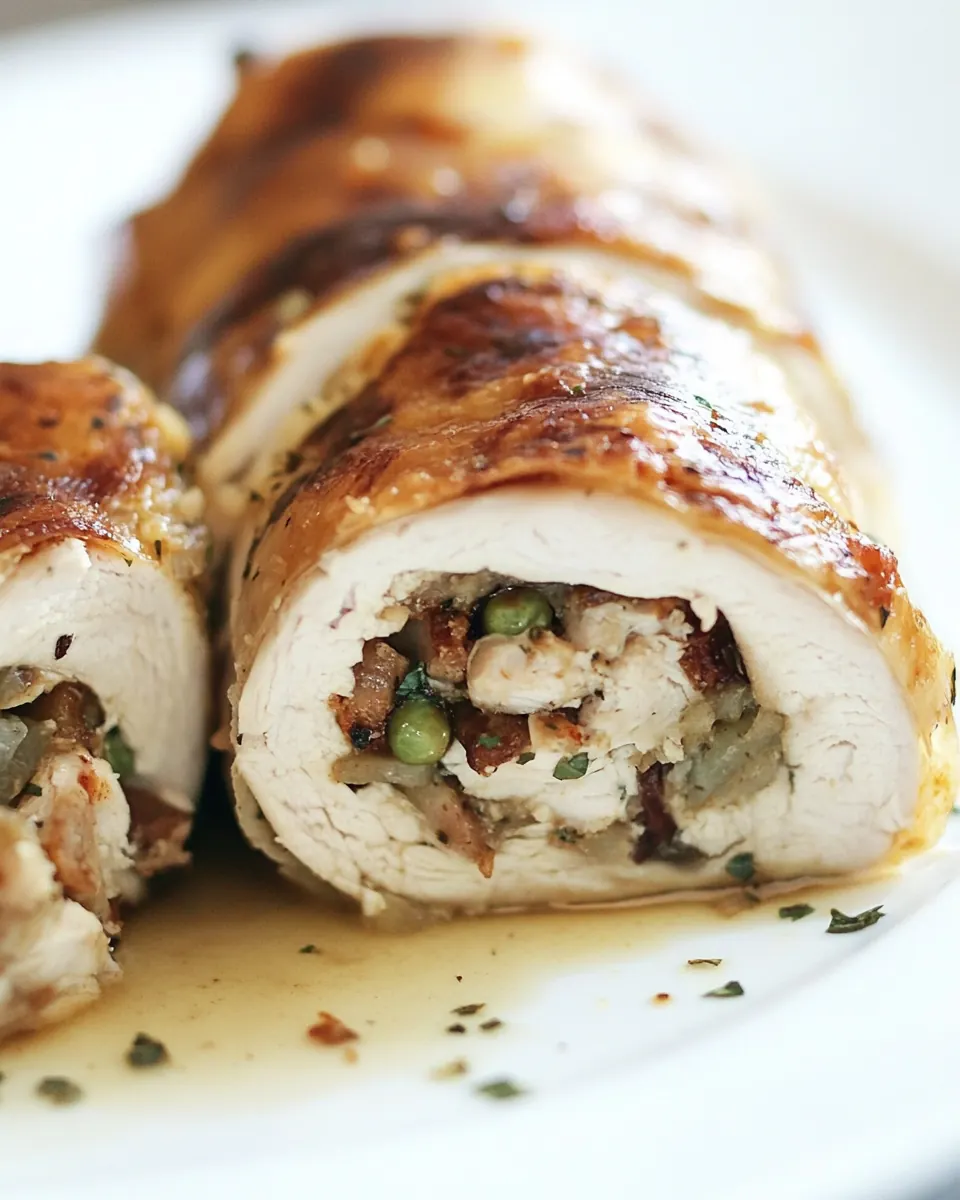
I like offering variations so you can tailor the Stuffed Chicken Roll to what you have on hand or the occasion. Below are focused tips to adjust texture, flavor, and timing while staying true to the method.
- Swap the cheese Try a milder or firmer melting cheese to change richness. Using a sharper melting cheese will add tang, while a more neutral cheese keeps the filling creamy.
- Adjust fennel intensity Increase or decrease the fennel seed to control the anise note. Toast seeds briefly to bloom flavor, or use less if you prefer subtlety.
- Make ahead assembly Prepare filling and assemble rolls a day in advance, then refrigerate until ready to sear and bake. This saves time on the day of serving and improves ease for entertaining.
- Control moisture If your rice seems wet, blot lightly or cool it fully before mixing to prevent a loose filling. Excess moisture can cause leakage during baking.
- Pan selection Use a heavy bottom skillet for even browning; if you have a cast iron pan it will hold heat well and give a superior sear.
- Rest before slicing Let the rolls rest a full 10 minutes to lock in juices and allow the filling to set, yielding cleaner slices and a juicier experience.
Serving Suggestions
Serving this Stuffed Chicken Roll is about complementing the savory filling and showcasing the roll slices. Think textures and temperature contrasts when plating for dinner with family or guests.
- Slice and plate warm Cut the rolls into medallions after resting, and arrange them slightly overlapping to display the filling. A warm plate keeps the medallions at an ideal serving temperature.
- Pair with a bright salad A crisp green salad with a light vinaigrette cuts the richness and adds freshness to the plate, balancing the meal.
- Serve with roasted vegetables Seasonal roasted root vegetables or green beans work well, adding earthy or crisp textures that complement the tender chicken.
- Occasions This is suitable for weeknight family dinners, a cozy fall meal, or a small dinner party where you want to deliver warmth and hospitality without stress.
- Storage tips Refrigerate leftover rolls in an airtight container for up to three days. Reheat gently in a low oven to preserve moisture rather than microwaving, which can dry them out.
- Seasonal pairing In fall serve with roasted squash and a drizzle of warm pan juices, the flavors align with the season and enhance the fennel notes.
FAQ
Conclusion
Stuffed Chicken Roll stands out because it balances approachable technique with impressive results, pairing tender chicken and a flavorful fennel and rice filling into a single elegant dish. Give it a try when you want a comforting weeknight meal that doubles as a lovely dinner for guests, because the assembly rewards you with rich searing flavors and a soft, melty interior. I hope you enjoy the process of searing, baking, and resting these rolls, and that they become one of your reliable, delicious options for a satisfying meal.
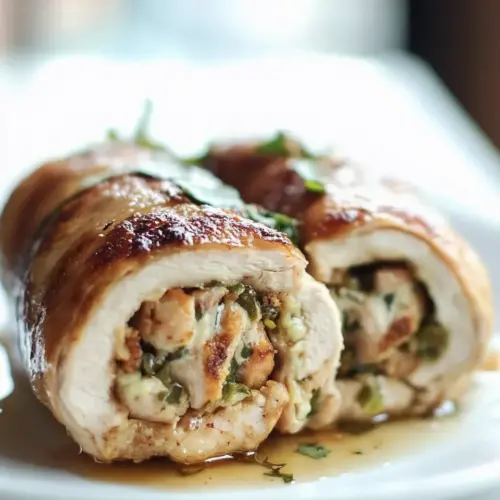
Stuffed Chicken Roll
Equipment
- Large heavy bottom skillet
- Oven
- Kitchen twine
- Instant read thermometer
- Meat Mallet
Ingredients
- 4 chicken breast, skin on (about 2 pounds) Pound and butterfly to create even, thin cutlets that roll easily; provides the main protein and structure for the stuffed roll. Keep skin on to add moisture and a barrier that helps retain juices during roasting or baking. Trim excess fat and pat dry before seasoning to ensure a good sear and easier rolling.
- 2 tablespoon olive oil Dress and heat lightly to coat the pan for sautéing the fennel and to help brown the chicken exterior. Use oil to transfer heat efficiently and contribute subtle fruitiness while preventing sticking. Measure carefully to avoid excess greasiness that can weigh down the filling.
- 2 cups fennel bulb, sliced (about 1 large bulb) Slice thinly to soften and release sweet anise-like flavors that complement the filling; cooks down to a tender texture suitable for stuffing. Sauté with fennel seed and olive oil until translucent and slightly caramelized to deepen flavor. Use about one large bulb to balance moisture and bulk in the rice mixture.
- 1 teaspoon fennel seed Toast briefly to awaken its aromatic anise notes and add a warm, licorice-like counterpoint to the savory filling. Crush lightly after toasting to release oils and distribute flavor evenly through the sautéed fennel and rice. Use sparingly to avoid overpowering the dish.
- 2 cups wild rice, cooked Cook fully and cool before combining with other filling ingredients to provide a hearty, chewy base and absorb flavors. Use wild rice for its nutty taste and firm texture that contrasts with tender chicken and melted cheese. Season the rice while cooking to infuse it with depth and prevent blandness in the stuffing.
- 3/4 cup grated mozzarella Grate finely so it melts evenly within the warm rice and fennel filling, binding components with creamy, mild mozzarella. Provide a cohesive, gooey interior texture that helps the roll hold together when sliced. Sprinkle into the filling mix while warm so it becomes integrated and smooth.
- 1 egg, lightly beaten Beat lightly to create a glaze or binder that helps the filling adhere and the chicken surface brown when brushed or used inside the roll. Use the egg to seal edges of the rolled chicken and to help maintain shape during cooking. Reserve a small amount for brushing if a glossy finish is desired.
Instructions
- Heat oven to 375 degrees. Heat a large, heavy bottom-skillet over medium high heat.: You'll notice the dry warmth of the oven as it comes up to temperature, and setting it early ensures the pan sear transfers seamlessly into an even bake. This matters because the roast time in the oven is short, so a preheated environment helps the center reach 165° without overcooking the exterior. A common slip is placing the rolls into an oven that is not fully preheated, which extends cook time and can dry the meat; use an oven thermometer if your oven runs cool.
- Skin chicken breast. Set breast aside and add skin into heated skillet. Cook until skin is browned. Discard skin. Add in sliced fennel and fennel seeds, cook until softened and translucent, about 3 minutes. Transfer fennel mixture to a large bowl and set aside. Set pan aside with chicken drippings intact.: The pan should feel hot to the touch and give off faint wisps of heat before you add fat. You want a pan that distributes heat evenly to develop good color on the chicken skin and later to brown the rolls. If your pan is too cool the skin will stick and the Maillard reaction won't develop; too hot and you'll burn the fat, producing acrid smoke.
- Pound chicken to a 1/4 inch thick. Salt and pepper to taste on each side. Set aside. Add rice, mozzarella and cooked egg to bowl with fennel mixture. Fold to combine.: Removing the skin requires a small, sharp knife to gently separate the connective tissue, and you should feel the flesh give slightly as you work. The removed skin is then used for rendering, which adds savory depth to the pan. Be careful not to gouge the meat, which can make the surface uneven and harder to roll smoothly.
- Spread 1/2 cup of rice mixture onto chicken breast, leaving a 1/2-inch border. Roll up chicken lengthwise and tie with kitchen twine. Repeat with remaining chicken breasts. Place chicken rolls into pan with skin drippings and cook until browned on all sides, 8-10 minutes. Transfer chicken rolls to oven and bake until an instant-read thermometer inserted into center reaches 165°, about 7-10 minutes. Remove from oven and allow chicken to rest for 10 minutes before slicing.: As the skin hits the hot pan you'll hear an immediate sizzling sound and smell a rich, fatty aroma as the fat renders. Let the skin brown until it turns golden and most fat is released; this renders flavor into the pan for later browning. A common mistake is stirring too often; allow the skin to sit so the fat renders and the color develops.
- Cook until skin is browned: Browning will produce a crisp, deeply colored texture and a nutty scent from the fat. This process enhances the final rolls because those drippings are the flavor foundation for the sear. If browned bits start to blacken, lower the heat, because burnt fat imparts a bitter taste that is hard to mask.
- Discard skin: Once most fat has been rendered and the skin is deeply browned, remove and discard it to prevent over crisping in the pan while you cook the aromatics. The rendered fat, however, stays to coat the pan and lift flavor. Leaving crisped skin in the pan risks burning during the next steps, so remove it promptly.
- Add in sliced fennel and fennel seeds cook until softened and translucent about 3 minutes: When the sliced fennel hits the warm fat it will sizzle softly and release sweet, vegetal aromas. The seeds will toast and pop slightly, releasing their anise fragrance. Cook until the fennel becomes translucent and tender, this softening sweetens the vegetable and integrates it into the filling. If you rush this step the fennel can remain fibrous and assertive, creating an imbalance.
- Transfer fennel mixture to a large bowl and set aside: Moving the cooked fennel to a bowl lets it cool slightly so it will not loosen the filling by melting the cheese prematurely. This pause also prevents the pan from overcrowding during the sear stage. A typical oversight is adding hot fennel to cold rice without letting it cool a little, which can create steam and a soggy filling.
- Set pan aside with chicken drippings intact: Keep the flavorful drippings in the skillet, they become your browning medium for the stuffed rolls. The drippings carry the toasted fennel and rendered fat flavors back into the meat during searing. Scraping them out throws away the concentrated base, so resist the urge to clean the pan.
- Pound chicken to a 1/4 inch thick: Lay each breast between plastic wrap and use a flat mallet to even it to a quarter inch, listening for the steady thud and watching the meat spread evenly. This uniform thickness ensures even cooking and makes rolling manageable. If you do not pound thinly enough, the roll will be too bulky and may not heat through before the exterior overcooks; if too thin the breast can tear.
- Salt and pepper to taste on each side: Light seasoning builds layers of flavor that penetrate during cooking. Sprinkle evenly and press gently so the seasoning adheres. Under seasoning results in a bland interior, while over seasoning cannot be removed, so taste and adjust conservatively.
- Set aside: Allow the pounded breasts a brief rest so the surface dries slightly, which helps the filling stick. This short pause prevents slipping while you assemble. Skipping this can make the filling slide off during rolling.
- Add rice mozzarella and cooked egg to bowl with fennel mixture: The wild rice will absorb flavors, the mozzarella softens as it warms, and the egg acts as a binder. Stir until the mixture looks cohesive, with cheese threads visible and the egg evenly distributed. If the mixture seems too wet, the rolls may be soggy, but if too dry they will crumble when sliced, so aim for a slightly sticky consistency.
- Fold to combine: Folding preserves rice texture and prevents overworking the mixture, which can crush the grains and make the filling pasty. The sound of grains rubbing together is a good cue that you have mixed enough. Overmixing will break down the rice and degrade the mouthfeel.
- Spread 1/2 cup of rice mixture onto chicken breast leaving a 1/2 inch border: Use the back of a spoon to spread a neat layer, feeling the slight resistance as the filling meets the meat. Leaving a border prevents filling from oozing during cooking and helps create a tight seal when rolled. A common error is overfilling, which causes the roll to burst and leak juices.
- Roll up chicken breast lengthwise and tie with kitchen twine: Roll smoothly and snugly so the filling is compact, then tie in two or three places to secure shape. The roll should feel firm but not compressed, and the twine keeps everything in place while searing and baking. If tied too loosely the roll can unravel, and too tight can squeeze out juices.
- Repeat with remaining chicken breasts: Consistent technique yields uniform cooking times and presentation. Lay completed rolls on a tray and keep them close in size. If one roll is significantly larger, it will require longer oven time and risk the rest overcooking.
- Place chicken rolls into pan with skin drippings and cook until browned on all sides 8 to 10 minutes: As the rolls sear in the reserved fat you'll hear a steady sizzle and see a rich brown crust form, which creates flavor and texture contrast. Turn regularly to develop even browning across surfaces. Avoid crowding the pan, which causes steam and prevents crisping; work in batches if necessary.
- Transfer chicken rolls to oven and bake until an instant read thermometer inserted into center reaches 165° about 7 to 10 minutes: Moving to the oven finishes the cook gently and evenly. The thermometer reading of 165° ensures food safety while keeping the meat juicy. Take care not to overcook, because chicken can dry quickly once past this temperature; check early if you have a slightly smaller roll.
- Remove from oven and allow chicken to rest for 10 minutes before slicing: Resting lets juices redistribute so slices stay moist, and the filling firms slightly for cleaner cuts. You will notice the aroma mellow into a more unified profile while it rests. Cutting immediately causes juices to run out and a less attractive presentation.
Notes
- Swap the cheese Try a milder or firmer melting cheese to change richness. Using a sharper melting cheese will add tang, while a more neutral cheese keeps the filling creamy.
- Adjust fennel intensity Increase or decrease the fennel seed to control the anise note. Toast seeds briefly to bloom flavor, or use less if you prefer subtlety.
- Make ahead assembly Prepare filling and assemble rolls a day in advance, then refrigerate until ready to sear and bake. This saves time on the day of serving and improves ease for entertaining.
- Control moisture If your rice seems wet, blot lightly or cool it fully before mixing to prevent a loose filling. Excess moisture can cause leakage during baking.
- Pan selection Use a heavy bottom skillet for even browning; if you have a cast iron pan it will hold heat well and give a superior sear.
- Rest before slicing Let the rolls rest a full 10 minutes to lock in juices and allow the filling to set, yielding cleaner slices and a juicier experience.