Flourless Peanut Butter Cookies
Flourless Peanut Butter Cookies are the kind of recipe I pull out when I want something fast, nostalgic, and reliably satisfying.
These cookies take me back to afternoons in my grandmother’s kitchen, where the smell of roasted peanuts mingled with warm sugar and conversation. I remember standing on a stool, mashing spoonfuls of peanut butter into a bowl while she told stories about neighborhood bake sales. Over the years I adjusted tiny things, like opting for honey roasted peanut butter when I wanted extra depth, or chilling the dough longer when I needed neater, thicker cookies. Each small change taught me about balance between texture and sweetness, and how simple ingredients can deliver a lot of comfort.
When friends stop by unannounced, I reach for this recipe because it demands almost no equipment, and yet it tastes like care. I also like how forgiving the dough is, which makes it a perfect recipe to teach someone how to bake without intimidation. There is a rhythm to pressing the fork criss cross pattern into each mound that feels calming, almost meditative. Over time I’ve learned which cues to watch for, like the glossy center that will firm up as the cookies cool. These little observations are what turn a quick tray of cookies into something memorable.
Recipe Snapshot
13 mins
5 mins
8 mins
Easy
120 kcal
American
Gluten-Free, Vegan
Desserts
Large Mixing Bowl, 2 inch cookie scoop, Baking Sheet
What’s Great About This Flourless Peanut Butter Cookies
They are unbelievably simple
I love that Flourless Peanut Butter Cookies require just a few pantry staples, so I can whip them up on a whim. No measuring cups for flour, no sifting, and almost no cleanup, which means less friction between me and fresh baked cookies. The straightforward method also makes this a great recipe to hand off to a curious kid or to a friend who wants to learn.
Texture that surprises
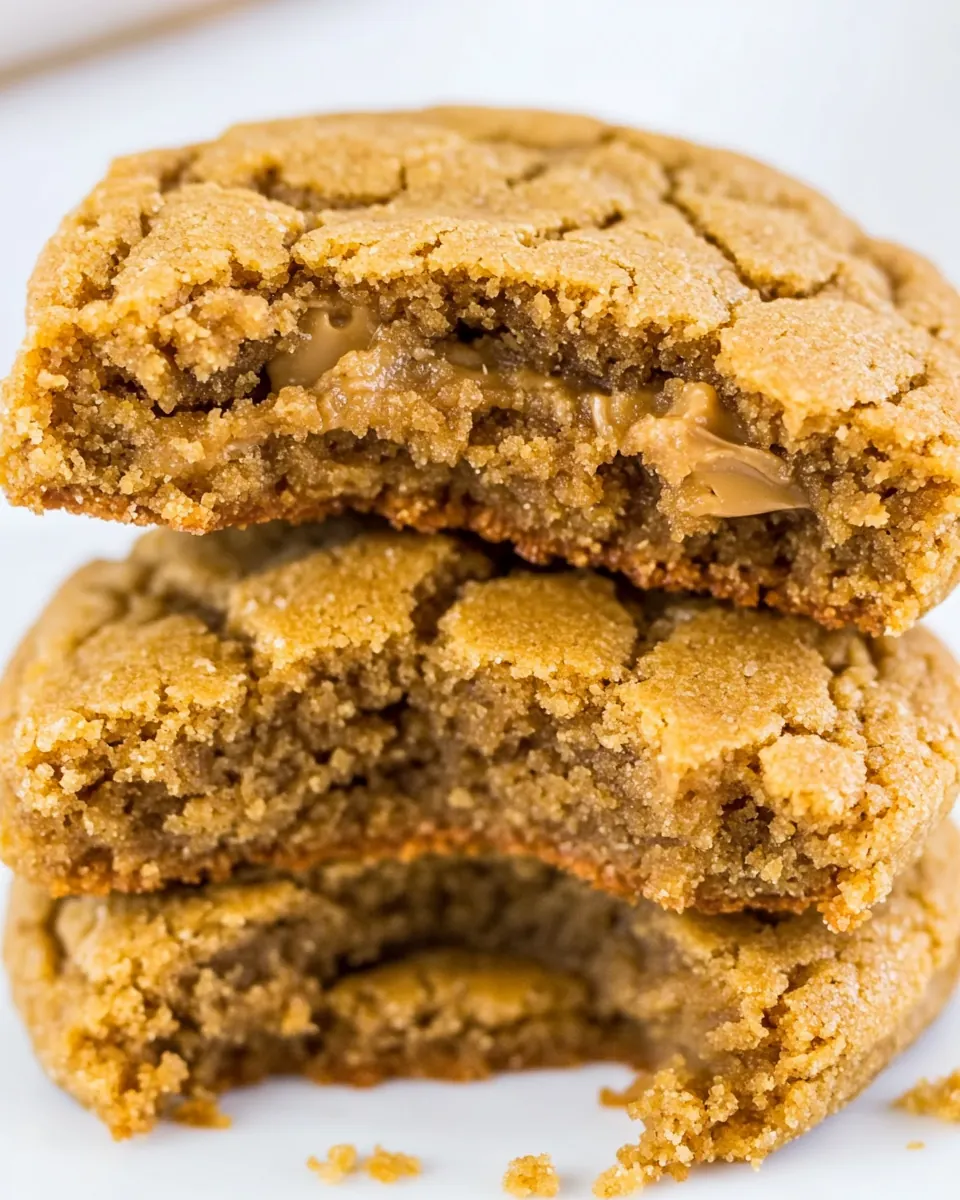
The combination of creamy peanut butter and two sugars gives a crisp edge with a tender, slightly chewy center. I appreciate how the cookies keep a satisfying bite without feeling dry, and how cooling on the baking sheet allows them to finish cooking gently so they hold together. That contrast keeps every bite interesting.
Flavor is pure and nostalgic
There is no hiding behind extracts or fancy add ins, so the peanut flavor truly shines. I often choose honey roasted peanut butter when I want a hint of caramelized sweetness, and the brown sugar deepens the overall profile. These cookies taste like childhood, without being cloying.
Highly adaptable and forgiving
I rely on this recipe when I need dependable results. The dough tolerates a little extra stirring or a short chill, and you can refrigerate the mounds for up to several days before baking. That flexibility means I can bake a few now and save the rest for later, which is handy on busy days.
Great for gifting and gatherings
Because they hold up well at room temperature, Flourless Peanut Butter Cookies are perfect for cookie plates, school events, or last minute hostess gifts. They travel well, and their simple presentation feels both homemade and thoughtful. I love dropping a tin off at a neighbor’s door when I want to say thank you.
What to Buy for Flourless Peanut Butter Cookies
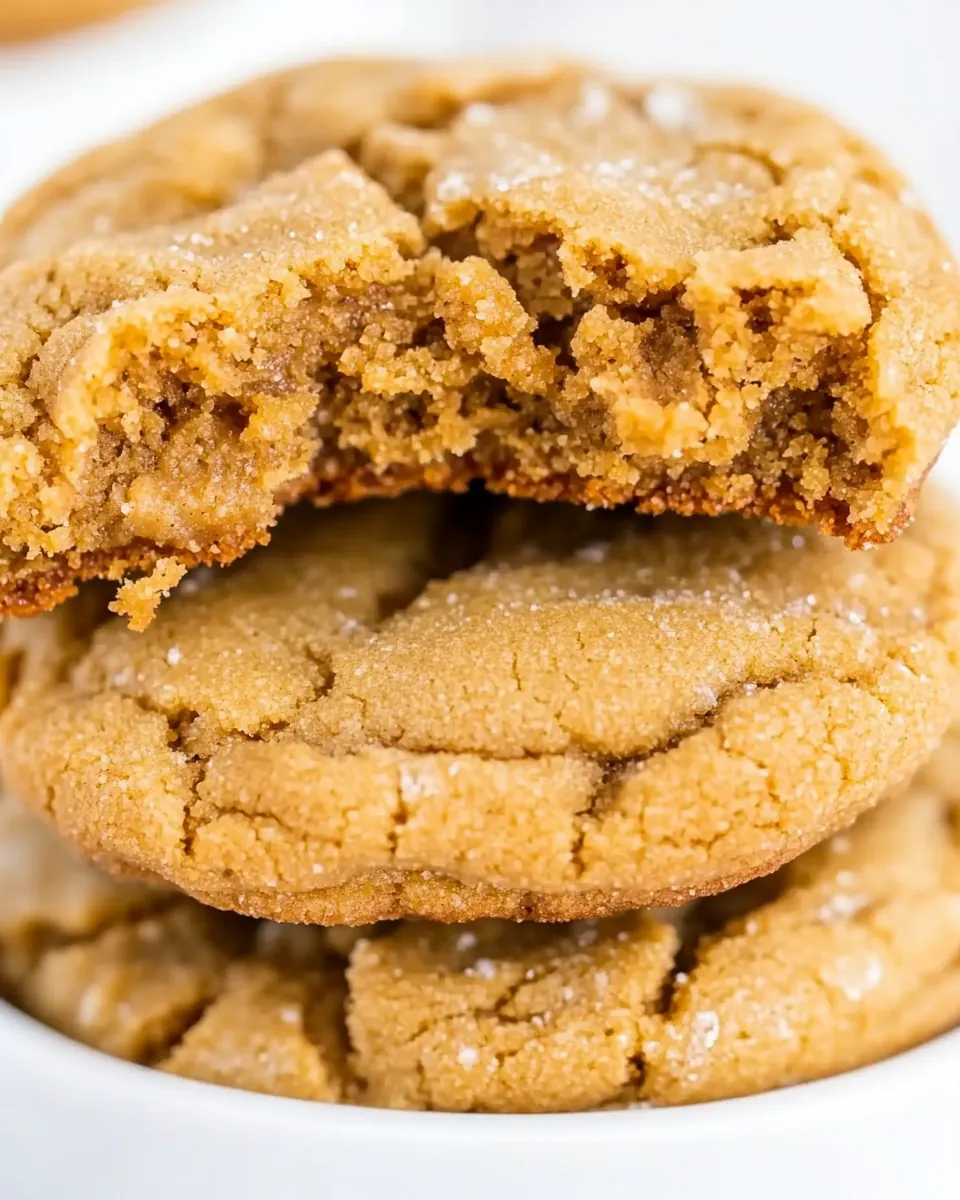
These ingredients are intentionally minimal, so each one plays a clear role. The peanut butter provides fat, flavor, and structure, while the eggs bind and add lift. Sugars control sweetness and texture, and small leavening and seasoning agents round out the profile. Together they create cookies that are crisp at the edges and tender inside.
- 1 large egg: Bind and enrich the dough with structure and moisture; whisk until smooth to help create a tender cookie crumb while aiding in browning during baking.
- 1 cup creamy classic-style peanut butter or honey-roasted peanut butter: Creamy and flavorful fat that provides richness, moisture, and the characteristic peanut taste; stir thoroughly to ensure even distribution and to help create a soft, fudgy texture.
- 3/4 cup light brown sugar, packed: Add depth of sweetness and a hint of molasses flavor while contributing to chewiness and moisture retention; pack firmly and mix well to dissolve into the batter.
- 1/4 cup granulated sugar: Supply surface sweetness and help balance texture by adding crispness to the cookie edges; sprinkle and blend into the batter for an even sweet profile.
- 2 teaspoons vanilla extract: Enhance overall flavor with warm, sweet aromatic notes and help amplify other flavors; measure and mix in to boost the cookie's fragrant finish.
- 1/2 teaspoon baking soda: Leaven and slightly aerate the dough, creating lightness and modest rise; dissolve into the batter to react with other components for optimal texture.
- 1/2 teaspoon salt: Season and balance sweetness while enhancing flavor complexity; incorporate evenly to prevent any flat or overly sweet taste.
Instructions for Flourless Peanut Butter Cookies
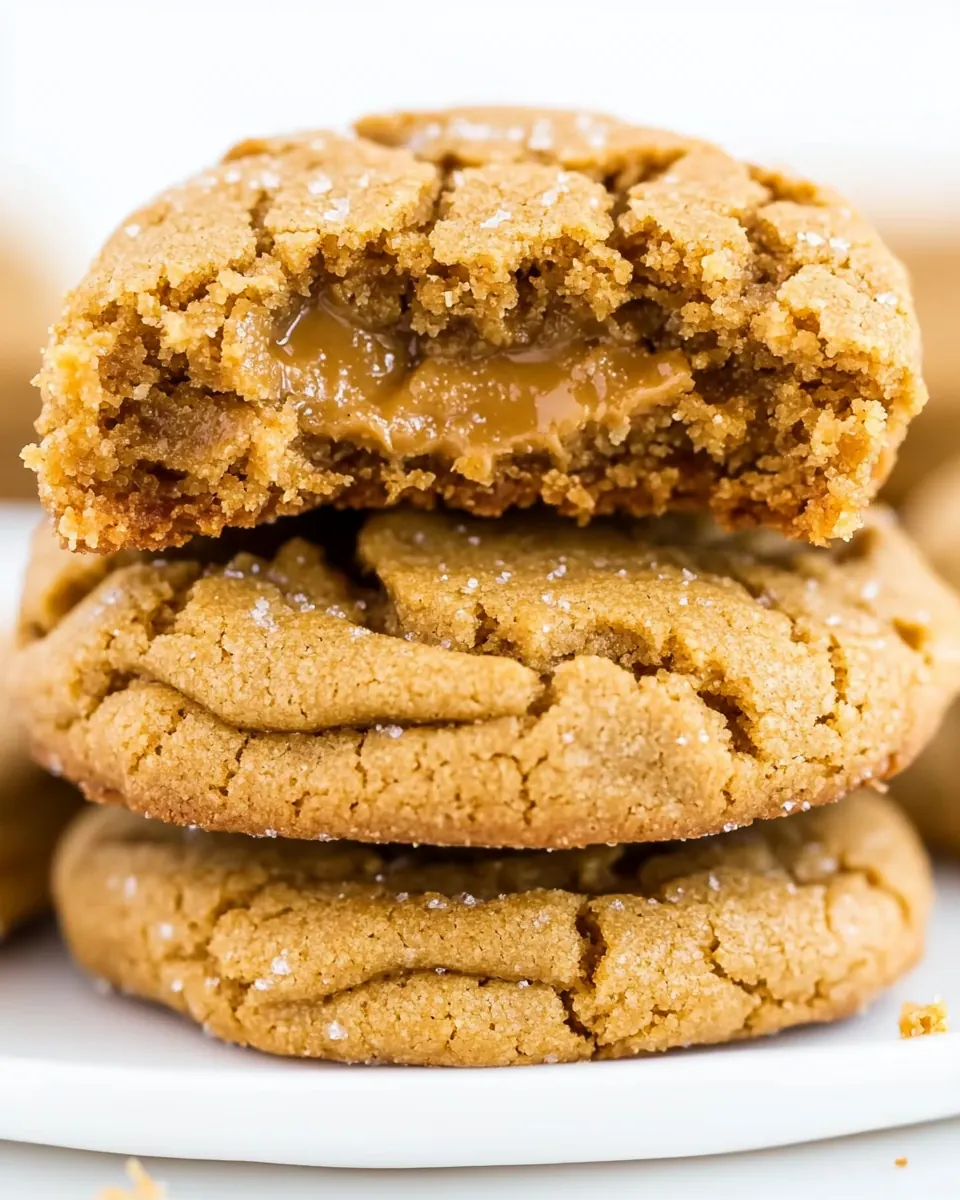
These directions are straightforward and approachable. I like to move deliberately, taking a moment at each stage to notice texture and aroma so I get consistent results. Below are the cleaned steps expanded into detailed, sensory driven guidance so you know exactly what to look for.
- To a large mixing bowl, add all ingredients and stir to combine using a spoon. It takes some elbow grease and it’s okay for the dough to be slightly granular because the sugar absorbs into the dough over time as the dough chills.: The first stir releases the warm nutty aroma of the peanut butter and the sweet molasses scent from the brown sugar . As you fold with a spoon, you will feel the dough become cohesive though slightly granular from sugar crystals. This texture is expected because the sugars will absorb liquid during chilling, so do not panic if it seems grainy at first. The key is to mix until you no longer see large pockets of dry sugar or streaks of egg. A common mistake is over mixing at this stage, which can make the dough denser; stop when combined and avoid vigorous beating. If the dough feels too sticky, rest it briefly in the fridge to firm up before scooping.
- Using a medium 2-inch cookie scoop, form two-tablespoon mounds, place mounds on a large plate, cover with plastic wrap, and refrigerate for at least 3 hours, or up to 5 days, before baking. Do not bake with warm dough because cookies will spread and bake thinner and flatter.: Chilling concentrates flavors and firms the fat so cookies hold shape. When you scoop, the dough should form tidy mounds that are slightly tacky but not dripping. Covering and refrigerating lets the sugars and peanut butter knit together, which reduces spread during baking. I like to press the surface lightly with the back of the scoop to remove air pockets before chilling. A frequent error is baking immediately with warm dough, which causes excessive spreading and thin cookies. If you plan to bake later in the week, label the plate, and keep it airtight to avoid fridge odors transferring into the dough.
- Preheat oven to 350 F, line a baking sheet with a Silpat or spray with cooking spray. Place mounds on baking sheet, spaced at least 2 inches apart (I bake 8 cookies per sheet), flatten slightly using a fork to make a criss-cross pattern if desired.: Heat brings the kitchen alive with the scent of warm air and a hint of caramel as sugars begin to react. Preheating to a full 350 F ensures the cookies set quickly at the edges while maintaining a tender center. Lining the sheet ensures even browning and prevents sticking; a Silpat gives the most consistent underside color. If your oven runs hot or cold, use an oven thermometer to confirm the temperature, because incorrect heat leads to under or overbaked cookies. Avoid placing cold dough on an unlined pan that has leftover grease, as it can cause uneven bake and dark spots.
- Bake for 8 minutes, or until edges are set and tops are barely set, even if slightly underbaked and glossy in the center. Cookies firm up as they cool; don’t overbake.: As you arrange the mounds, the air will feel slightly cooler against your fingertips, and the dough surface will glisten a little from natural oils. Leaving space is crucial because the cookies will expand a touch; spacing prevents them from merging. The criss cross pattern not only looks classic but also helps the center cook evenly and gives a larger surface that crisps slightly. Pressing too thin will create flat cookies, so aim just to flatten enough for a gentle imprint. A common slip up is crowding the sheet, which causes uneven baking and softer centers where cookies touch each other.
- Allow cookies to cool on baking sheet for about 10 minutes before serving. I let them cool on the baking sheet and don’t use a rack.: During baking, your kitchen will fill with a roasted nut aroma and a caramel top note as sugars bubble. Look for edges that are lightly firm and a top that still has a faint sheen, because cookies continue to cook as they cool. The slight underbake at the center is intentional to keep chewiness. Resist the urge to extend baking time for a uniformly dry cookie; overbaking ruins the tender interior. If you notice the edges becoming too brown before the centers set, lower the oven temperature slightly and rotate the sheet halfway through a future batch.
- Allow cookies to cool on baking sheet for about 10 minutes before serving: Cooling on the sheet lets residual heat finish the cook, and you will hear a faint settling sound as they firm up. This step preserves texture, giving you crisp outer edges with a soft middle. If you transfer too early, cookies may break apart; waiting ten minutes helps them stabilize. Many people make the mistake of moving them to a rack immediately, which can lead to misshapen cookies. I personally cool right on the baking sheet and only move them when they hold their shape fully.
Ways to Adapt This Recipe
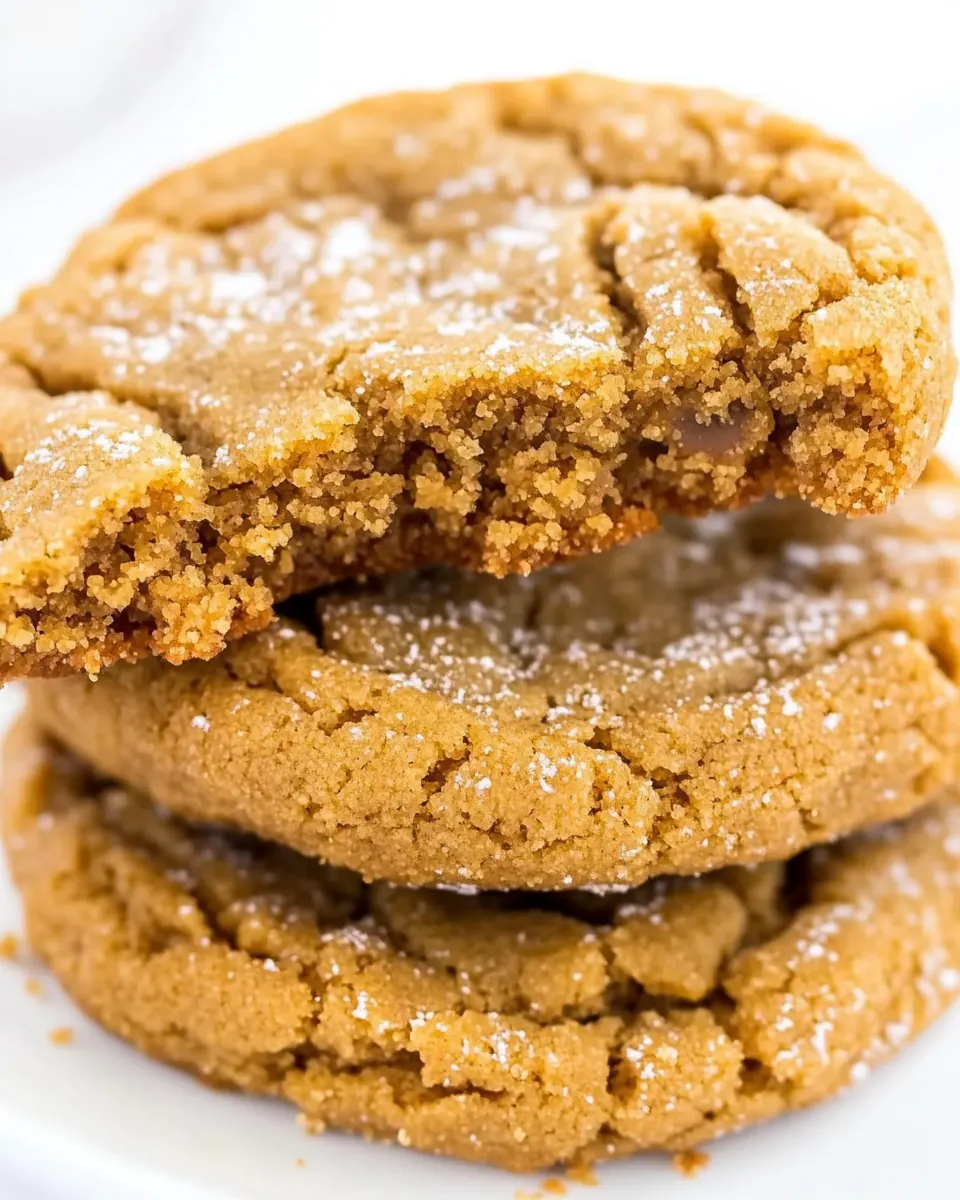
This section explores flexible options to tailor Flourless Peanut Butter Cookies to different tastes and needs. Each suggestion begins with a bold lead and then explains how to implement it while preserving texture and flavor.
- Stick with classic creamy peanut butter for the most predictable texture and flavor, which helps the cookies hold shape and develop the right chew.
- Choose honey roasted peanut butter if you want a subtle extra sweetness and caramelized note, keeping other sugars the same to avoid an overly sweet result.
- Pack the brown sugar firmly to ensure consistent moisture and chewiness across batches, which helps the dough achieve the ideal texture after chilling.
- Chill the dough thoroughly when you want thicker cookies, because firm dough spreads less and bakes into a denser, more satisfying bite.
- Use a cookie scoop for uniformity so each cookie bakes in the same time, producing even color and texture across multiple sheets.
- Store dough mounds in the refrigerator if you want to bake small batches over time, keeping them airtight for up to five days for convenience.
Serving Options for Flourless Peanut Butter Cookies
These cookies are versatile and easy to present for many occasions. Below are ideas for serving, pairing, and storing that highlight the cookie’s strengths while keeping presentation simple and inviting.
- Casual snacks: Serve a stack of Flourless Peanut Butter Cookies on a simple platter for afternoon coffee or tea, letting guests help themselves.
- Lunchbox add in: Pack a single cookie in a small container as a sweet treat for school or work, keeping it airtight to preserve softness.
- Holiday cookie trays: Include these cookies alongside other classics for gatherings, because they travel and sit well at room temperature.
- Gift tins: Arrange cooled cookies in a tin with parchment, ideal for gifting to neighbors or as a hostess gesture.
- Freezing tips: Freeze baked cookies in an airtight container for up to six months, or freeze unbaked mounds for quick future baking sessions.
- Occasion pairings: These cookies work for casual get togethers, school events, and everyday treats where a simple, homey cookie is welcome.
FAQ
Conclusion
These Flourless Peanut Butter Cookies stand out because they deliver big flavor and comforting texture with minimal fuss. They are dependable, quick to assemble, and wonderfully adaptable to busy schedules or spontaneous baking urges. I hope you give them a try; they are the kind of recipe that becomes a go to whenever you want something warm, satisfying, and a little nostalgic. Share a batch with friends or keep them all to yourself, either way they are a small, comforting victory.
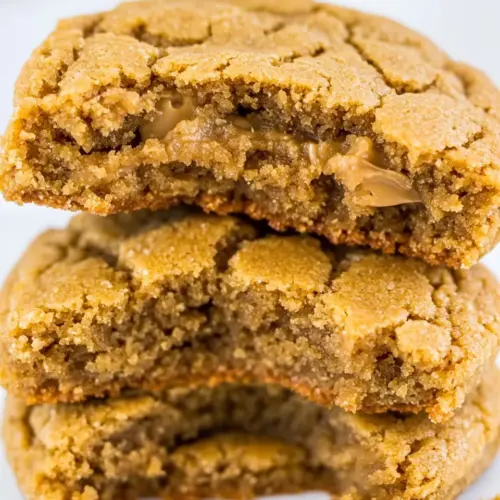
Flourless Peanut Butter Cookies
Equipment
- Large Mixing Bowl
- 2 inch cookie scoop
- Baking Sheet
Ingredients
- 1 large egg Bind and enrich the dough with structure and moisture; whisk until smooth to help create a tender cookie crumb while aiding in browning during baking.
- 1 cup creamy classic-style peanut butter or honey-roasted peanut butter Creamy and flavorful fat that provides richness, moisture, and the characteristic peanut taste; stir thoroughly to ensure even distribution and to help create a soft, fudgy texture.
- 3/4 cup light brown sugar, packed Add depth of sweetness and a hint of molasses flavor while contributing to chewiness and moisture retention; pack firmly and mix well to dissolve into the batter.
- 1/4 cup granulated sugar Supply surface sweetness and help balance texture by adding crispness to the cookie edges; sprinkle and blend into the batter for an even sweet profile.
- 2 teaspoons vanilla extract Enhance overall flavor with warm, sweet aromatic notes and help amplify other flavors; measure and mix in to boost the cookie's fragrant finish.
- 1/2 teaspoon baking soda Leaven and slightly aerate the dough, creating lightness and modest rise; dissolve into the batter to react with other components for optimal texture.
- 1/2 teaspoon salt Season and balance sweetness while enhancing flavor complexity; incorporate evenly to prevent any flat or overly sweet taste.
Instructions
- To a large mixing bowl, add all ingredients and stir to combine using a spoon. It takes some elbow grease and it’s okay for the dough to be slightly granular because the sugar absorbs into the dough over time as the dough chills.: The first stir releases the warm nutty aroma of the peanut butter and the sweet molasses scent from the brown sugar . As you fold with a spoon, you will feel the dough become cohesive though slightly granular from sugar crystals. This texture is expected because the sugars will absorb liquid during chilling, so do not panic if it seems grainy at first. The key is to mix until you no longer see large pockets of dry sugar or streaks of egg. A common mistake is over mixing at this stage, which can make the dough denser; stop when combined and avoid vigorous beating. If the dough feels too sticky, rest it briefly in the fridge to firm up before scooping.
- Using a medium 2-inch cookie scoop, form two-tablespoon mounds, place mounds on a large plate, cover with plastic wrap, and refrigerate for at least 3 hours, or up to 5 days, before baking. Do not bake with warm dough because cookies will spread and bake thinner and flatter.: Chilling concentrates flavors and firms the fat so cookies hold shape. When you scoop, the dough should form tidy mounds that are slightly tacky but not dripping. Covering and refrigerating lets the sugars and peanut butter knit together, which reduces spread during baking. I like to press the surface lightly with the back of the scoop to remove air pockets before chilling. A frequent error is baking immediately with warm dough, which causes excessive spreading and thin cookies. If you plan to bake later in the week, label the plate, and keep it airtight to avoid fridge odors transferring into the dough.
- Preheat oven to 350 F, line a baking sheet with a Silpat or spray with cooking spray. Place mounds on baking sheet, spaced at least 2 inches apart (I bake 8 cookies per sheet), flatten slightly using a fork to make a criss-cross pattern if desired.: Heat brings the kitchen alive with the scent of warm air and a hint of caramel as sugars begin to react. Preheating to a full 350 F ensures the cookies set quickly at the edges while maintaining a tender center. Lining the sheet ensures even browning and prevents sticking; a Silpat gives the most consistent underside color. If your oven runs hot or cold, use an oven thermometer to confirm the temperature, because incorrect heat leads to under or overbaked cookies. Avoid placing cold dough on an unlined pan that has leftover grease, as it can cause uneven bake and dark spots.
- Bake for 8 minutes, or until edges are set and tops are barely set, even if slightly underbaked and glossy in the center. Cookies firm up as they cool; don’t overbake.: As you arrange the mounds, the air will feel slightly cooler against your fingertips, and the dough surface will glisten a little from natural oils. Leaving space is crucial because the cookies will expand a touch; spacing prevents them from merging. The criss cross pattern not only looks classic but also helps the center cook evenly and gives a larger surface that crisps slightly. Pressing too thin will create flat cookies, so aim just to flatten enough for a gentle imprint. A common slip up is crowding the sheet, which causes uneven baking and softer centers where cookies touch each other.
- Allow cookies to cool on baking sheet for about 10 minutes before serving. I let them cool on the baking sheet and don’t use a rack.: During baking, your kitchen will fill with a roasted nut aroma and a caramel top note as sugars bubble. Look for edges that are lightly firm and a top that still has a faint sheen, because cookies continue to cook as they cool. The slight underbake at the center is intentional to keep chewiness. Resist the urge to extend baking time for a uniformly dry cookie; overbaking ruins the tender interior. If you notice the edges becoming too brown before the centers set, lower the oven temperature slightly and rotate the sheet halfway through a future batch.
- Allow cookies to cool on baking sheet for about 10 minutes before serving: Cooling on the sheet lets residual heat finish the cook, and you will hear a faint settling sound as they firm up. This step preserves texture, giving you crisp outer edges with a soft middle. If you transfer too early, cookies may break apart; waiting ten minutes helps them stabilize. Many people make the mistake of moving them to a rack immediately, which can lead to misshapen cookies. I personally cool right on the baking sheet and only move them when they hold their shape fully.
Notes
- Stick with classic creamy peanut butter for the most predictable texture and flavor, which helps the cookies hold shape and develop the right chew.
- Choose honey roasted peanut butter if you want a subtle extra sweetness and caramelized note, keeping other sugars the same to avoid an overly sweet result.
- Pack the brown sugar firmly to ensure consistent moisture and chewiness across batches, which helps the dough achieve the ideal texture after chilling.
- Chill the dough thoroughly when you want thicker cookies, because firm dough spreads less and bakes into a denser, more satisfying bite.
- Use a cookie scoop for uniformity so each cookie bakes in the same time, producing even color and texture across multiple sheets.
- Store dough mounds in the refrigerator if you want to bake small batches over time, keeping them airtight for up to five days for convenience.