
Corned Beef Hash
Corned Beef Hash has been my go to for mornings when I want something hearty and honest on the plate.
I first fell for Corned Beef Hash on a blustery winter morning when a friend rescued a fridge full of leftovers and turned them into something that smelled like home. I remember the sizzle as potatoes met the hot pan, the savory perfume of corned beef and onion mingling, and the comfort of a forkful that had crisp edges and tender centers. That day taught me that simple ingredients, handled with a little attention, can transform into a dish that anchors the whole day.
Over time I learned small habits that make the difference, like letting the potatoes develop a golden crust before stirring, or finishing with fresh herbs so each bite feels bright. Friends started asking for the recipe, and I always say the same thing, this version is forgiving and perfectly suited to a busy morning or a relaxed weekend. There is something about the contrast between the crispy bits and the soft interior that keeps me coming back.
Recipe Snapshot
35 mins
10 mins
25 mins
Easy
450 kcal
American
Gluten-Free, Keto
Dinner
12 to 14 inch cast iron skillet, Spatula, Knife, Cutting board
What We Adore About This Corned Beef Hash
Reliable Comfort
I love Corned Beef Hash because it delivers dependable comfort every time. The mix of tender corned beef and soft potatoes, with browned crispy edges, creates a texture contrast that feels both nostalgic and satisfying. When I want a dish that feeds a crowd and keeps well, this is the one I reach for.
Flavor Depth from Simple Steps
What impresses me is how a few simple steps, like sweating onion until lightly caramelized and toasting the potatoes, builds layered flavor. I often tell friends that patience here pays off, because the gentle browning unlocks sweet and savory notes that you cannot get from rushing the pan.
Flexible and Forgiving
One of my favorite things is how adaptable the recipe is. You can scale the quantities, keep the hash warm, or make it ahead. I frequently make a big batch and use leftovers for a quick lunch. The texture and flavor actually improve after a day when the seasons have had time to mingle.
Perfect for Any Occasion
I find this dish works for casual weekend brunches, a hearty weeknight meal, or a late breakfast after a long evening. It pairs well with eggs or stands strong on its own. I like that it feels both humble and deserving of company at the table.
Fresh Finishes Matter
Finishing with finely minced chives, parsley, and rosemary lifts the whole dish. The herbs add brightness and an herbal fragrance that balances the savory base, and I always add them at the end to preserve their color and aroma.
Ingredients Overview for Corned Beef Hash
These ingredients are purposeful and straightforward. The trio of corned beef, potatoes, and onion form the foundation, while butter and garlic boost aroma, and fresh herbs finish the dish with brightness. Each component plays a role in texture, flavor, or color, creating a balanced, rustic hash.
- 3 tablespoons unsalted butter: Melted and creamy, provides a rich cooking fat that helps brown and flavor the hash while preventing sticking; contributes a silky mouthfeel and subtle dairy notes when incorporated into the finished dish.
- 1 peeled and small diced yellow onion: Peeled and small diced to release natural sweetness and aromatics; softens and caramelizes during cooking to build savory depth and textural contrast within the hash.
- 3 finely minced cloves of garlic: Finely minced to evenly distribute pungent, savory aroma and a bright garlicky bite; rapidly blossoms when cooked and complements the cured beef and potatoes.
- 1 to 2 pounds finely chopped corned beef: Finely chopped to deliver the signature salty, savory protein base and hearty texture of the dish; distributes throughout the potatoes and onions to create cohesive, flavorful bites.
- 6 7 large medium diced Yukon potatoes: Large medium diced to provide tender, starchy body and bulk for the hash; crisps at the edges when pan-fried while remaining creamy inside, balancing the meat and aromatics.
- 2 teaspoons each finely minced fresh chives, parsley and rosemary: Finely minced to add fresh herbal brightness and layered green notes; sprinkled in at the end or during cooking to lift richness and add aromatic complexity.
- 10 large eggs: Beaten or fried, used to add protein, richness, and a contrasting creamy or runny element; cooks quickly atop or mixed into the hash for added texture and flavor.
- coarse salt and fresh cracked pepper to taste: Coarse seasoning to enhance and balance savory flavors while fresh cracked pepper adds pungent heat; adjusted to taste to avoid over-salting given the cured beef.
Recipe Steps for Corned Beef Hash

This method is straightforward and rewarding when you pay attention to timing and texture. I walk you through each pan step so you can hear the sizzle, see the browning, and smell the garlic and butter as they transform the ingredients into a cohesive hash.
- Add the butter to a large 12” to 14” cast-iron skillet over medium-low heat and add onions to lightly caramelize, which takes about 10 minutes.: As the butter melts it should foam gently and spread a warm glossy sheen across the pan surface, releasing a subtle nutty scent, then add the diced onion so it softens and gradually sweetens. You want to listen for a low steady sizzle, not a violent pop, and watch the edges of the onion transition from translucent to pale gold; this slow color change concentrates flavor and avoids bitter burnt notes. Stir occasionally to ensure even coloring, and if the pan begins to brown too quickly, reduce the heat slightly to maintain gentle caramelization. A common mistake is turning up the heat to rush the process which results in unevenly browned pieces that taste scorched rather than sweet.
- Next, add in the garlic and sauté for 30 to 45 seconds or just until fragrant.: When you add the finely minced garlic , the aroma should pop almost immediately, filling the kitchen with a bright, savory perfume while the sizzling sound becomes more lively for the brief period it cooks. Keep the movement quick and light, tossing so the garlic coats the softened onion and heats through, but do not leave it unattended because garlic can go from fragrant to bitter in a breath; the color should remain pale, not brown. This short step builds an aromatic backbone and prevents the dish from tasting flat. Avoid the error of cooking the garlic too long which will introduce an acrid edge to the hash.
- Add in the beef and potatoes and pan roast over medium heat for 12-15 minutes or until the potatoes are browned and cooked through. Stir every 1 to 2 minutes.: As you introduce the chopped corned beef and diced potatoes , the skillet noise will deepen into a steady, robust sizzle as moisture evaporates and starches brown, creating a toasty, savory aroma. Let the mixture sit for short periods to form crisp patches, then stir to expose more surface area, aiming for an overall golden mosaic with some darker caramelized bits for texture contrast. The goal is tender potato centers with crunchy edges, and the browning adds complex, almost nutty flavors that contrast beautifully with the salty meat. A frequent slip is stirring constantly which prevents crust formation; instead allow small intervals of undisturbed contact with the pan to develop desirable crispness.
- Finish with salt, pepper, chives, parsley, and rosemary. Keep warm.: At this point the kitchen should smell herbaceous and savory, and sprinkling the minced chives , parsley , and rosemary will release bright green notes that lift the dish from rustic to nuanced. Add coarse salt sparingly because the corned beef already contributes salt, and grind fresh cracked pepper over the top for immediate aromatic heat. Toss gently to distribute the herbs while preserving their color and fresh scent, then lower the heat to keep warm without further browning. One mistake to avoid is adding the herbs too early which causes them to wilt and lose vibrancy, muting the final flavor lift.
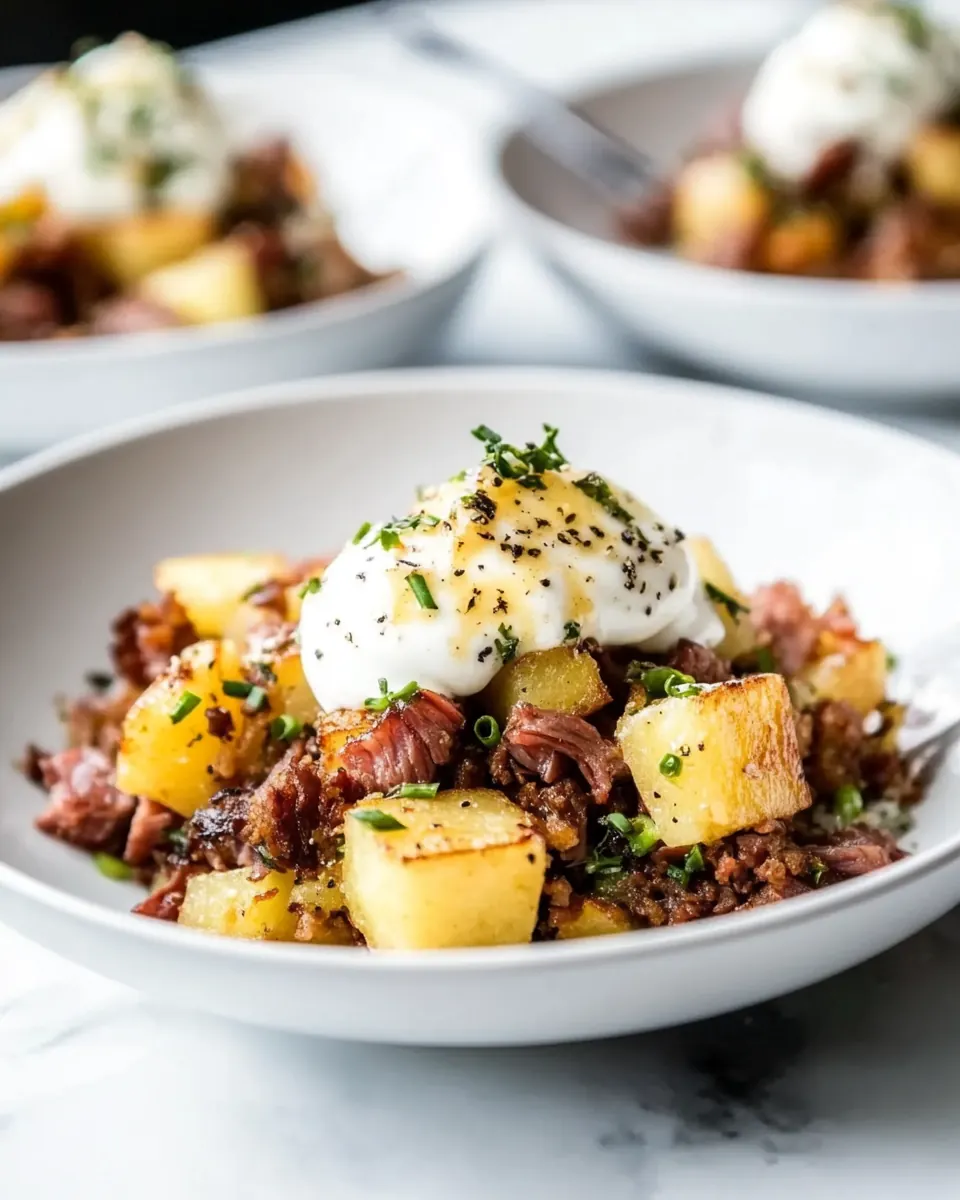
- Serve with your desired type of cooked eggs.: When you plate, the sound of a runny egg yolk breaking over the hot hash is part of the satisfaction, as the glossy yolk blends into the browned nooks and rounds out the saltiness with creamy richness. Choose a method of cooking eggs that complements the texture you prefer, whether it is fried with crisped edges or soft poached for silky contrast, and place them on top or to the side so each bite combines components as you like. A key tip is to time the eggs so they finish hot, because cold eggs can dull the dish; avoid overcooking the yolk if you want that luscious sauce effect.
Change It Up

This section offers practical swaps and ways to make the dish your own while keeping the core technique intact. Below are expanded notes based on the original recipe guidance and the notes provided, each presented as a standalone tip for clarity.
- Make Ahead: You can prepare the hash ahead and keep it covered in a low oven at 200° to 250° for up to 1 hour to hold warmth without drying. This is ideal when serving a group, because it lets you finish eggs at the last minute. A common pitfall is leaving it too long which can dry the edges, so add a splash of liquid or a pat of butter if needed when reheating.
- Storage: Cover and refrigerate the cooled hash for 3 to 4 days in an airtight container. For longer storage, freeze in portioned containers for up to 3 months and thaw in the fridge overnight before reheating. Avoid refreezing multiple times as textures will degrade and the potatoes may become mealy.
- Reheating: Heat 1 to 2 tablespoons of olive oil in a large cast iron skillet over medium heat until it just begins to shimmer, then sauté the desired amount of hash until hot and crisped. This revives the texture and concentrates flavor. Do not microwave from frozen as it yields uneven heating and soggy patches.
- Protein Swap: If corned beef is unavailable, roast beef can be used as an alternative, chopped finely to mimic the texture. Adjust seasoning because roast beef can be less salty than cured corned beef, so taste before adding extra salt. A mistake is assuming equal salt levels which can lead to an underseasoned dish.
- Pan Options: If you do not have a cast iron skillet, use a heavy non stick skillet to prevent sticking and promote even browning. Cast iron adds extra browning power, but non stick works well for gentler cooking. Avoid thin pans which heat unevenly and can scorch the butter and onion.
Perfect Matches for Corned Beef Hash
This part describes serving ideas, pairings, and situations where the dish shines. Think about temperature contrasts, textures, and settings when choosing accompaniments and presentation.
- Eggs Any Style: Serving with sunny side up or poached eggs is classic because the runny yolk blends into the hash creating a silky sauce. For brunch or a leisurely breakfast, place the eggs on top so each bite captures both crisp texture and creamy richness.
- Simple Salad: A light green salad dressed with a bright vinaigrette provides a crisp counterpoint to the richness. This pairing works well for a lunch where you want a satisfying meal without feeling weighed down.
- Occasions: Corned Beef Hash is excellent for weekend brunches, family breakfasts during winter, or a cozy post holiday morning when leftovers are on hand. It scales easily, so it suits gatherings where you need something substantial and crowd pleasing.
- Storage Tips: Cool completely before refrigerating to preserve texture, and reheat in a skillet to restore crisp edges. Label containers with the date and consume within 3 to 4 days for best quality.
- Seasonal Pairings: In colder months this hearty dish pairs with warm spiced beverages and roasted vegetables, while in milder weather a bright herb garnish and a side of fresh fruit lighten the plate. Use fresh herbs as a finishing touch to keep the flavors lively.
- Presentation: Serve the hash mounded on warm plates with herbs sprinkled over the top and eggs placed centrally for an attractive rustic look. For guests, offer condiments like hot sauce or lemon wedges to add optional brightness.
FAQ
Conclusion
Corned Beef Hash stands out because it combines simple pantry ingredients into a dish with satisfying textures and bold savory flavor. Try it when you want a meal that feels both comforting and substantial, whether for a weekend brunch or a quick weeknight dinner. Take a moment to let the potatoes brown and finish with fresh herbs to lift the flavors, then serve with eggs for an unbeatable plate. You will likely find yourself making it again and again because it is forgiving, flavorful, and endlessly adaptable.

Corned Beef Hash
Equipment
- 12 to 14 inch cast iron skillet
- Spatula
- Knife
- Cutting Board
Ingredients
- 3 tablespoons unsalted butter Melted and creamy, provides a rich cooking fat that helps brown and flavor the hash while preventing sticking; contributes a silky mouthfeel and subtle dairy notes when incorporated into the finished dish.
- 1 peeled and small diced yellow onion Peeled and small diced to release natural sweetness and aromatics; softens and caramelizes during cooking to build savory depth and textural contrast within the hash.
- 3 finely minced cloves of garlic Finely minced to evenly distribute pungent, savory aroma and a bright garlicky bite; rapidly blossoms when cooked and complements the cured beef and potatoes.
- 1 to 2 pounds finely chopped corned beef Finely chopped to deliver the signature salty, savory protein base and hearty texture of the dish; distributes throughout the potatoes and onions to create cohesive, flavorful bites.
- 6 -7 large medium diced Yukon potatoes Large medium diced to provide tender, starchy body and bulk for the hash; crisps at the edges when pan-fried while remaining creamy inside, balancing the meat and aromatics.
- 2 teaspoons each finely minced fresh chives, parsley and rosemary Finely minced to add fresh herbal brightness and layered green notes; sprinkled in at the end or during cooking to lift richness and add aromatic complexity.
- 10 large eggs Beaten or fried, used to add protein, richness, and a contrasting creamy or runny element; cooks quickly atop or mixed into the hash for added texture and flavor.
- coarse salt and fresh cracked pepper to taste Coarse seasoning to enhance and balance savory flavors while fresh cracked pepper adds pungent heat; adjusted to taste to avoid over-salting given the cured beef.
Instructions
- Add the butter to a large 12” to 14” cast-iron skillet over medium-low heat and add onions to lightly caramelize, which takes about 10 minutes.: As the butter melts it should foam gently and spread a warm glossy sheen across the pan surface, releasing a subtle nutty scent, then add the diced onion so it softens and gradually sweetens. You want to listen for a low steady sizzle, not a violent pop, and watch the edges of the onion transition from translucent to pale gold; this slow color change concentrates flavor and avoids bitter burnt notes. Stir occasionally to ensure even coloring, and if the pan begins to brown too quickly, reduce the heat slightly to maintain gentle caramelization. A common mistake is turning up the heat to rush the process which results in unevenly browned pieces that taste scorched rather than sweet.
- Next, add in the garlic and sauté for 30 to 45 seconds or just until fragrant.: When you add the finely minced garlic , the aroma should pop almost immediately, filling the kitchen with a bright, savory perfume while the sizzling sound becomes more lively for the brief period it cooks. Keep the movement quick and light, tossing so the garlic coats the softened onion and heats through, but do not leave it unattended because garlic can go from fragrant to bitter in a breath; the color should remain pale, not brown. This short step builds an aromatic backbone and prevents the dish from tasting flat. Avoid the error of cooking the garlic too long which will introduce an acrid edge to the hash.
- Add in the beef and potatoes and pan roast over medium heat for 12-15 minutes or until the potatoes are browned and cooked through. Stir every 1 to 2 minutes.: As you introduce the chopped corned beef and diced potatoes , the skillet noise will deepen into a steady, robust sizzle as moisture evaporates and starches brown, creating a toasty, savory aroma. Let the mixture sit for short periods to form crisp patches, then stir to expose more surface area, aiming for an overall golden mosaic with some darker caramelized bits for texture contrast. The goal is tender potato centers with crunchy edges, and the browning adds complex, almost nutty flavors that contrast beautifully with the salty meat. A frequent slip is stirring constantly which prevents crust formation; instead allow small intervals of undisturbed contact with the pan to develop desirable crispness.
- Finish with salt, pepper, chives, parsley, and rosemary. Keep warm.: At this point the kitchen should smell herbaceous and savory, and sprinkling the minced chives , parsley , and rosemary will release bright green notes that lift the dish from rustic to nuanced. Add coarse salt sparingly because the corned beef already contributes salt, and grind fresh cracked pepper over the top for immediate aromatic heat. Toss gently to distribute the herbs while preserving their color and fresh scent, then lower the heat to keep warm without further browning. One mistake to avoid is adding the herbs too early which causes them to wilt and lose vibrancy, muting the final flavor lift.
- Serve with your desired type of cooked eggs.: When you plate, the sound of a runny egg yolk breaking over the hot hash is part of the satisfaction, as the glossy yolk blends into the browned nooks and rounds out the saltiness with creamy richness. Choose a method of cooking eggs that complements the texture you prefer, whether it is fried with crisped edges or soft poached for silky contrast, and place them on top or to the side so each bite combines components as you like. A key tip is to time the eggs so they finish hot, because cold eggs can dull the dish; avoid overcooking the yolk if you want that luscious sauce effect.
Notes
- Make Ahead: You can prepare the hash ahead and keep it covered in a low oven at 200° to 250° for up to 1 hour to hold warmth without drying. This is ideal when serving a group, because it lets you finish eggs at the last minute. A common pitfall is leaving it too long which can dry the edges, so add a splash of liquid or a pat of butter if needed when reheating.
- Storage: Cover and refrigerate the cooled hash for 3 to 4 days in an airtight container. For longer storage, freeze in portioned containers for up to 3 months and thaw in the fridge overnight before reheating. Avoid refreezing multiple times as textures will degrade and the potatoes may become mealy.
- Reheating: Heat 1 to 2 tablespoons of olive oil in a large cast iron skillet over medium heat until it just begins to shimmer, then sauté the desired amount of hash until hot and crisped. This revives the texture and concentrates flavor. Do not microwave from frozen as it yields uneven heating and soggy patches.
- Protein Swap: If corned beef is unavailable, roast beef can be used as an alternative, chopped finely to mimic the texture. Adjust seasoning because roast beef can be less salty than cured corned beef, so taste before adding extra salt. A mistake is assuming equal salt levels which can lead to an underseasoned dish.
- Pan Options: If you do not have a cast iron skillet, use a heavy non stick skillet to prevent sticking and promote even browning. Cast iron adds extra browning power, but non stick works well for gentler cooking. Avoid thin pans which heat unevenly and can scorch the butter and onion.
