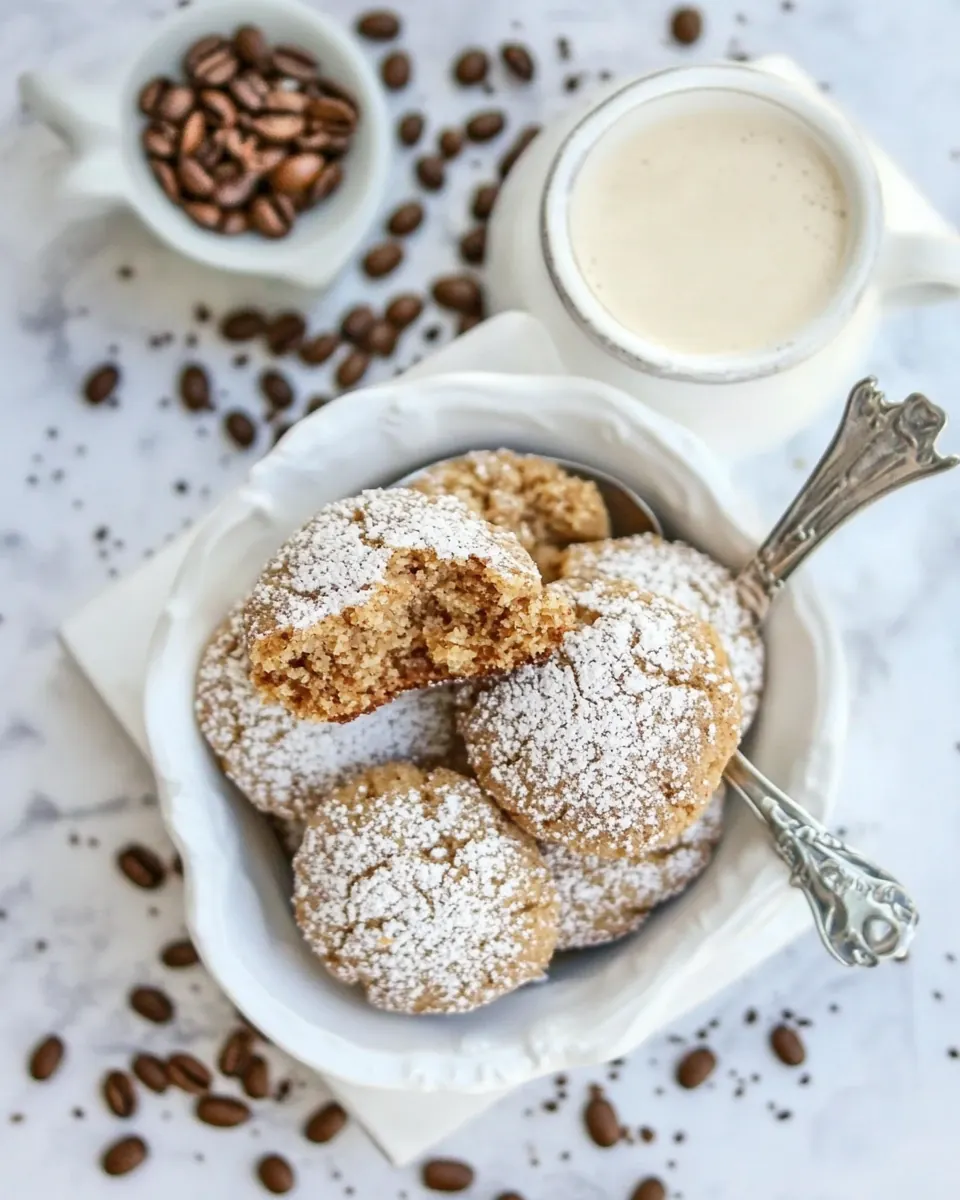
Espresso Amaretti Cookies
Espresso Amaretti Cookies began as a small experiment on an overcast afternoon when I wanted a cookie that tasted like my favorite coffee shop, but with an Italian twist. I remember standing at my kitchen counter with a jar of almonds and a handful of espresso beans, thinking about how nutty and aromatic flavors pair so well with crisp, airy textures. I wanted something light, not too sweet, and with a little chew inside. That first batch taught me that delicate technique and patience make all the difference, and I still smile when the oven fills the house with that warm, roasted scent.
Over time, those kitchen tests turned into a reliable formula I now reach for when guests drop by or when I need a pick me up that pairs beautifully with a mid afternoon cup. I learned to respect the power of properly beaten egg whites, and how grinding the dry ingredients fine changes the whole mouthfeel. Each time I bake Espresso Amaretti Cookies, the ritual of pulsing the almonds and watching meringue peaks form feels almost meditative. Friends ask for the recipe because these cookies feel fancy but are surprisingly forgiving if you follow the small but essential steps.
When I take the first bite, I always check for that signature contrast, crunchy outside and slightly chewy center, with a threaded hint of coffee that lingers. There is comfort in making them, and joy in sharing them, whether it’s for a casual coffee break or a thoughtful homemade gift. I hope this version helps you make cookies that carry both aroma and texture in every bite.
Recipe Snapshot
35 mins
15 mins
20 mins
Medium
120 kcal
Italian
Gluten-Free, Low FODMAP
Desserts
Food Processor, Mixer, Piping Bag, Baking Sheet, Parchment Paper
Why We Love This Espresso Amaretti Cookies
1. Balanced flavor that feels grown up
I love how Espresso Amaretti Cookies marry the warm, roasted notes of espresso beans with the sweet, nutty backbone of almonds. The coffee bite lifts the cookie and keeps it from feeling cloying. When I want a treat that pairs with a real cup of coffee, this recipe delivers a layered taste you can savor slowly.
2. Texture that surprises
The contrast between the crisp exterior and the tender, slightly chewy center is what keeps me baking these again and again. Achieving stiff peaks for the meringue is the trick, and it gives the cookie its lightness. When you pull a tray from the oven and the edges are set but the center still has a slight give, you know you nailed the texture.
3. Elegant but simple technique
There is nothing fussy here, just a few precise moves. Pulse the dry mix to a powder, whip the egg whites properly, fold gently, and pipe. I appreciate that even with modest tools you can produce bakery quality cookies. This is a recipe that rewards attention to detail without requiring professional equipment.
4. Great for gifting and entertaining
These cookies travel well and look pretty dusted with extra confectioner sugar. I often make a double batch for gatherings because they vanish fast. The aroma alone announces something special is coming, and I love watching friends reach for one after dinner.
5. Versatile flavor base
While the coffee note is central, the base is flexible enough that you can imagine swapping the aromatics if needed. The almond base keeps the cookie grounded and the method highlights those flavors. For me, that balance between signature taste and adaptability is a big reason I keep this recipe handy.
Ingredients Overview for Espresso Amaretti Cookies
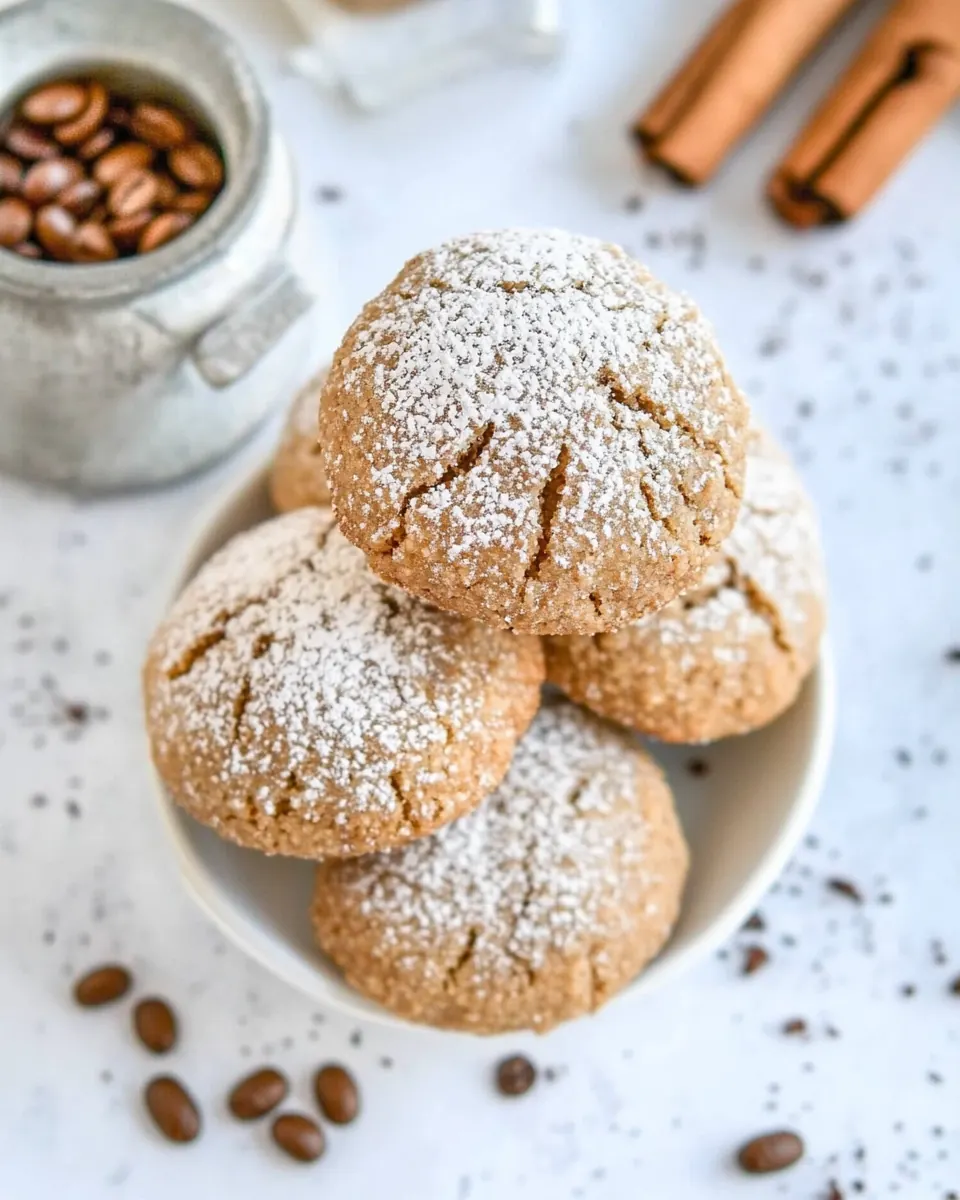
These ingredients are chosen to create a light, almond forward cookie with a clear coffee note. The star players are the finely processed almonds and the whipped egg whites, which together form a meringue based batter that puffs then sets into a delicate shell. Sweetness comes from both confectioner sugar and regular sugar, while a touch of cornstarch helps stabilize texture and keep the centers tender.
- 1 1/2 cups Almonds: Provide a nutty, tender base and a naturally sweet, slightly oily texture when ground; pulse to a fine meal to create the characteristic almond crumb of amaretti cookies and contribute to their chewy interior.
- 2/3 cup Confectioner Sugar: Add sweetness and a delicate, powdery coating that helps stabilize the batter; sift into the almond meal to prevent lumps and to control overall sweetness for a light, smooth cookie surface.
- 2 tablespoons espresso beans: Infuse a concentrated coffee flavor and aromatic bitterness that complements the almonds; grind or finely chop and steep briefly to distribute espresso notes evenly throughout the dough for depth.
- 1 tablespoon Cornstarch: Act as a lightening agent to give a softer, less sticky texture by absorbing excess moisture; whisk with the dry ingredients to help the cookies maintain shape and a tender crumb.
- 2 egg whites large: Provide structure, lift, and binding through whipped whites; beat until glossy soft peaks to incorporate air for a lighter, chewier cookie while helping the dough hold together during baking.
- pinch of salt: Enhance and balance flavors by rounding sharp sweetness and highlighting the coffee and almond notes; dissolve into the egg whites or sprinkle lightly to improve overall taste complexity.
- 1 teaspoon vanilla: Contribute warm, rounded aromatic notes that enhance sweetness and depth; stir into the egg whites to distribute flavor and elevate the cookie's fragrant profile.
- 4 tablespoons regular sugar: Create a glossy exterior and add snap to the cookie surface when folded into the meringue; sprinkle or fold in to adjust overall sweetness and texture contrast between interior and crust.
Espresso Amaretti Cookies Instructions
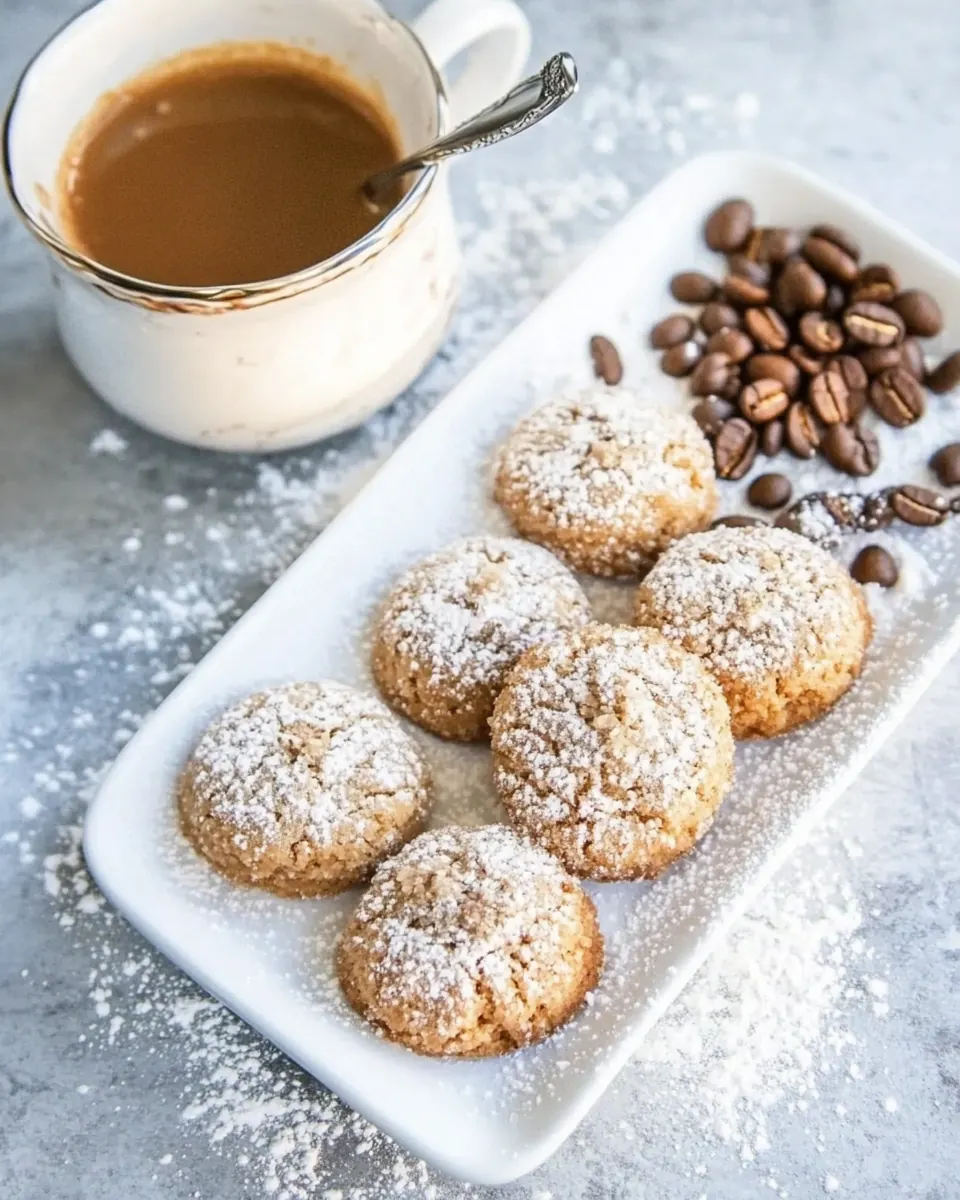
These steps transform simple ingredients into elegant cookies. The technique focuses on texture and timing, and each action nudges the batter toward the right flavor and structure. Read through, then follow the sequence carefully to capture the signature crisp edge and chewy center.
- Preheat the oven to 300 degrees F.: You will notice the warm air filling the oven, carrying a neutral, slightly dry scent. This lower oven temperature encourages even baking, allowing the meringue shell to set slowly without browning too fast. If the oven is hotter than stated, the edges will darken and the centers could dry out, so use an oven thermometer to verify accuracy.
- Place the almonds, confectioner sugar and espresso beans in a food processor and pulse the mixture until it's powdery smooth.: As you pulse you'll hear a steady mechanical whir, and soon the mixture will shift from coarse to a pale, fine dust, releasing nutty and coffee aromas. This fine texture prevents grit and helps the dry mix fold effortlessly into the meringue. A common mistake is underprocessing, which leads to a grainy interior; pulse in short bursts and scrape the bowl to get an even grind.
- In the meantime, start beating the egg whites with clean beaters in a clean bowl — MAKE SURE no traces of egg yolk are in the bowl or beaters.: The first stage is foamy and quiet, then grows brighter and begins to thicken. Keeping equipment scrupulously clean is critical because any fat prevents the whites from aerating. If you see the whites struggling to foam, stop and check for residue on your tools or a speck of yolk, then start with fresh utensils.
- TIP: Wipe the bowl and beaters with a paper towel that's soaked in vinegar to make sure no traces of fat remain.: Wipe the bowl and beaters with a paper towel that's soaked in vinegar to make sure no traces of fat remain. : That faint vinegar scent dissipates quickly, but its effect is reassuring, making the bowl inhospitable to fat. This step increases your chance of achieving stiff peaks, and you will feel the mixture transition from glossy to firm. Skipping this cleaning can cause slow or uneven whipping, so take the extra moment to prepare the tools.
- When the egg whites begin to foam, add in the pinch of salt, vanilla and the granulated sugar one tablespoon at a time while beating the egg whites.: You will hear a change in the mixer as the foam becomes denser, and the appearance will shift to glossy ribbons that hold shape briefly. Adding sugar gradually dissolves it into the foam, preventing a grainy meringue. If you dump all the sugar at once, the foam can collapse or remain grainy, so patience pays off here.
- Continue beating the egg whites until the merengue starts to form and it reaches stiff peaks. A mixture that's airy and stiff, and sticks to the bowl.: The texture becomes firm and the peak stands straight when you lift the beaters. The sound of the mixer will change to a steady hum, and the surface will look satiny. Overbeating can make the whites dry and crumbly, which ruins the folding step, so stop at the first sign of truly stiff peaks.
- At this point, using a rubber spatula, add in the almond-sugar-espresso mixture in 3 additions while folding gently.: You will feel a resistance as you fold, then the batter relaxes and becomes uniform, carrying both the fragrance of espresso and the sheen of the meringue. Gentle folding preserves air, which creates lift while baking. Aggressive stirring will deflate the mixture, leaving dense cookies, so fold with large, sweeping motions and scrape the sides carefully.
- Place the batter in a piping bag and start piping rounds on a parchment lined baking sheet. Pipe rounds of cookies about an inch in diameter and half an inch in height.: As you pipe, the batter should hold its shape and have a satiny exterior. The surface may glisten slightly and show small peaks where the tip lifts. If the batter is too loose to pipe, it may mean the whites were underbeaten or you overfolded; chill the batter briefly or spoon instead.
- Bake the cookies for 20-22 minutes until puffed and the edges look set and firm.: During baking you will notice the cookies expand slightly and a light crust forms, giving off a toasty almond and coffee perfume. The edges will appear set even as the centers hold a slight give. A typical error is overbaking; if they brown, they will become brittle rather than tender. Remove promptly when edges are firm.
- Turn off the oven, open the oven door slightly and leave the baking sheet inside the oven with the cookies to cool down for about 30 mins before removing them from the oven.: This slow cooling prevents a sudden temperature change that can crack the shells or collapse the centers. The cookies will finish drying out gently, preserving chew. If removed too quickly, they can slump or break, so be patient and let the residual heat do its work.
- Serve the cookies dusted with more confectioner sugar.: The final dusting adds a soft sweetness and an elegant finish, and when you bite in you should notice a contrast of crisp surface and tender inside with lingering coffee notes. If the sugar melts into the surface, it could be from storing while still warm; always cool completely before dusting and packaging.
Pro Tips and Tweaks
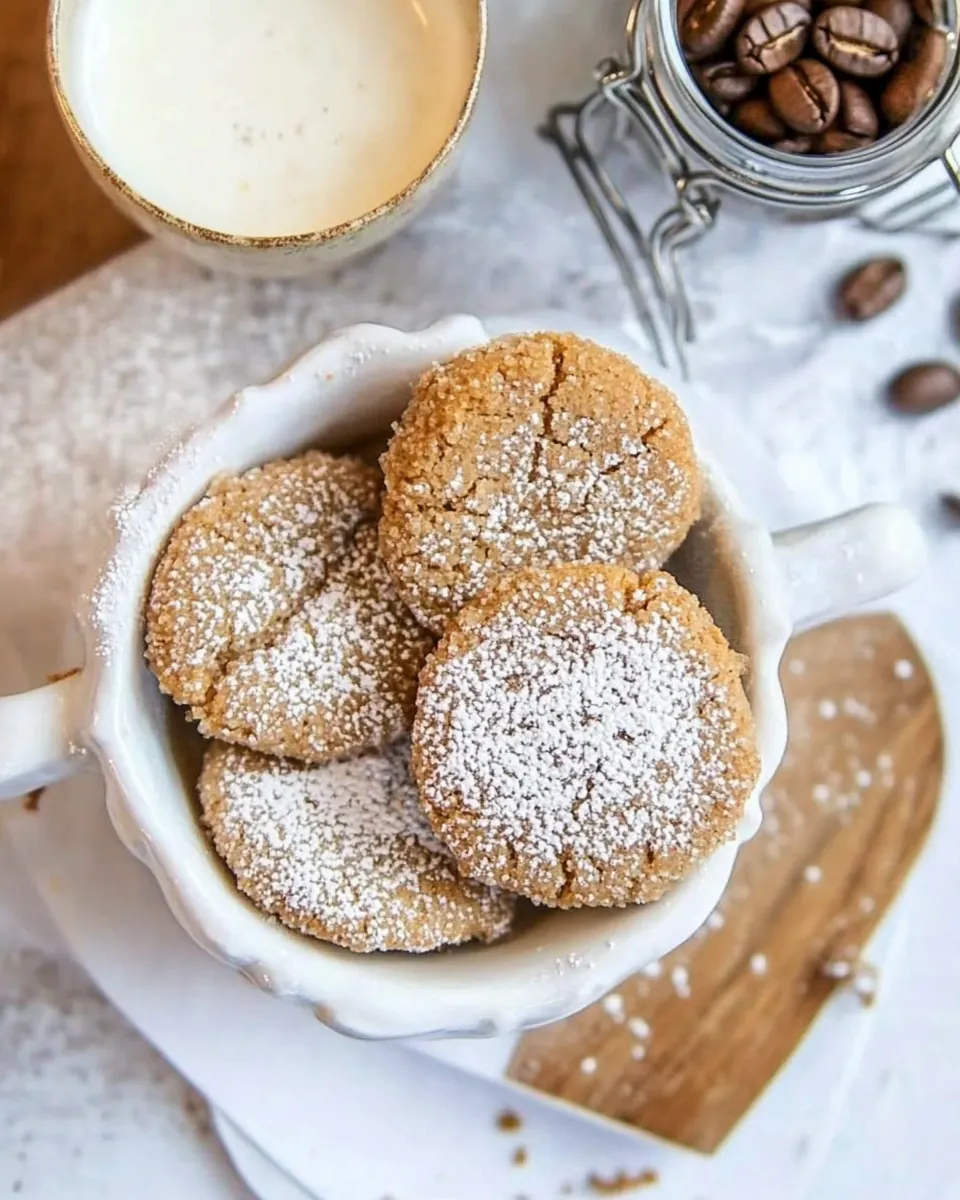
I like to share the small, practical adjustments that consistently improve the final cookie. Below are tips that address texture, storage, and slight flavor shifts that keep the recipe reliable.
- Ensure spotless equipment Wipe bowls and beaters with a vinegar soaked paper towel to remove any fat residue that can prevent the egg whites from reaching stiff peaks.
- Grind to the right consistency Pulse the almonds and espresso beans until powdery to avoid a grainy mouthfeel; stop before the mixture releases oil.
- Gradual sugar addition Add the granulated sugar one tablespoon at a time as you whip the whites to build a stable meringue and avoid graininess.
- Fold gently Use a rubber spatula and fold in thirds to keep trapped air, which yields the signature light interior.
- Watch your oven Use an oven thermometer and remove cookies when edges are set to prevent overbaking and a dry center.
- Cool slowly Leave the tray in the slightly open oven to let the cookies firm up gently and avoid cracking.
Best Served With
These cookies pair beautifully with simple beverages and make lovely additions to dessert plates. Below are serving ideas, occasions, and storage notes to help you present them at their best.
- With coffee or espresso Serve a few Espresso Amaretti Cookies alongside a small cup for a cohesive flavor experience that amplifies the coffee notes in the cookie.
- Tea time Present them with black or nutty teas for afternoon gatherings, the cookies acting as a light, sweet complement rather than a heavy dessert.
- Gift boxes Pack cooled cookies in a tin or cello bag with a dusting of confectioner sugar for a homemade gift that travels well and keeps for several days if stored airtight.
- Occasions These cookies are excellent for casual drop ins, holiday platters, or a subtle finish to a dinner party. Their elegant look makes them suitable for more formal gatherings too.
- Storage tips Store in an airtight container at room temperature for up to a week, separating layers with parchment to maintain crisp edges and tender centers.
- Seasonal pairing The nut and coffee profile make these especially welcome in cooler months, though they are gentle enough to enjoy all year long.
FAQ
Conclusion
These Espresso Amaretti Cookies stand out for their elegant balance of toasted almond and bright coffee flavors, combined with a crisp outside and tender inside. They are approachable to make, yet feel special enough for guests or gifting, and the technique rewards careful attention with reliably delightful results. Give them a try on a quiet afternoon or when you want a small, sophisticated treat—once you taste that nutty aroma and slight coffee bite, they may become a new favorite. I hope you enjoy the ritual of making them as much as I do, and that each batch brings a little warmth to your kitchen.
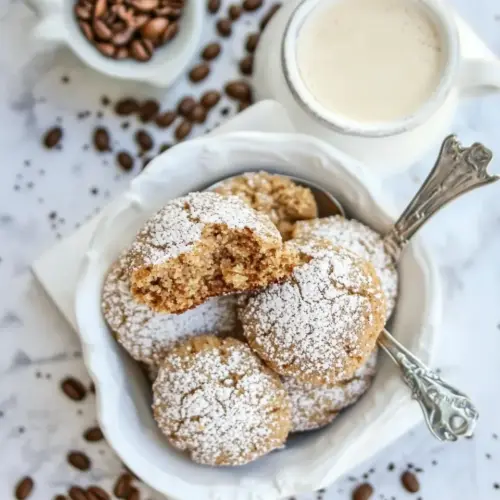
Espresso Amaretti Cookies
Equipment
- Food Processor
- Mixer
- Piping Bag
- Baking Sheet
- Parchment Paper
Ingredients
- 1 1/2 cups Almonds Provide a nutty, tender base and a naturally sweet, slightly oily texture when ground; pulse to a fine meal to create the characteristic almond crumb of amaretti cookies and contribute to their chewy interior.
- 2/3 cup Confectioner Sugar Add sweetness and a delicate, powdery coating that helps stabilize the batter; sift into the almond meal to prevent lumps and to control overall sweetness for a light, smooth cookie surface.
- 2 tablespoons espresso beans Infuse a concentrated coffee flavor and aromatic bitterness that complements the almonds; grind or finely chop and steep briefly to distribute espresso notes evenly throughout the dough for depth.
- 1 tablespoon Cornstarch Act as a lightening agent to give a softer, less sticky texture by absorbing excess moisture; whisk with the dry ingredients to help the cookies maintain shape and a tender crumb.
- 2 egg whites large Provide structure, lift, and binding through whipped whites; beat until glossy soft peaks to incorporate air for a lighter, chewier cookie while helping the dough hold together during baking.
- pinch of salt Enhance and balance flavors by rounding sharp sweetness and highlighting the coffee and almond notes; dissolve into the egg whites or sprinkle lightly to improve overall taste complexity.
- 1 teaspoon vanilla Contribute warm, rounded aromatic notes that enhance sweetness and depth; stir into the egg whites to distribute flavor and elevate the cookie's fragrant profile.
- 4 tablespoons regular sugar Create a glossy exterior and add snap to the cookie surface when folded into the meringue; sprinkle or fold in to adjust overall sweetness and texture contrast between interior and crust.
Instructions
- Preheat the oven to 300 degrees F.: You will notice the warm air filling the oven, carrying a neutral, slightly dry scent. This lower oven temperature encourages even baking, allowing the meringue shell to set slowly without browning too fast. If the oven is hotter than stated, the edges will darken and the centers could dry out, so use an oven thermometer to verify accuracy.
- Place the almonds, confectioner sugar and espresso beans in a food processor and pulse the mixture until it's powdery smooth.: As you pulse you'll hear a steady mechanical whir, and soon the mixture will shift from coarse to a pale, fine dust, releasing nutty and coffee aromas. This fine texture prevents grit and helps the dry mix fold effortlessly into the meringue. A common mistake is underprocessing, which leads to a grainy interior; pulse in short bursts and scrape the bowl to get an even grind.
- In the meantime, start beating the egg whites with clean beaters in a clean bowl -- MAKE SURE no traces of egg yolk are in the bowl or beaters.: The first stage is foamy and quiet, then grows brighter and begins to thicken. Keeping equipment scrupulously clean is critical because any fat prevents the whites from aerating. If you see the whites struggling to foam, stop and check for residue on your tools or a speck of yolk, then start with fresh utensils.
- TIP: Wipe the bowl and beaters with a paper towel that's soaked in vinegar to make sure no traces of fat remain.: Wipe the bowl and beaters with a paper towel that's soaked in vinegar to make sure no traces of fat remain. : That faint vinegar scent dissipates quickly, but its effect is reassuring, making the bowl inhospitable to fat. This step increases your chance of achieving stiff peaks, and you will feel the mixture transition from glossy to firm. Skipping this cleaning can cause slow or uneven whipping, so take the extra moment to prepare the tools.
- When the egg whites begin to foam, add in the pinch of salt, vanilla and the granulated sugar one tablespoon at a time while beating the egg whites.: You will hear a change in the mixer as the foam becomes denser, and the appearance will shift to glossy ribbons that hold shape briefly. Adding sugar gradually dissolves it into the foam, preventing a grainy meringue. If you dump all the sugar at once, the foam can collapse or remain grainy, so patience pays off here.
- Continue beating the egg whites until the merengue starts to form and it reaches stiff peaks. A mixture that's airy and stiff, and sticks to the bowl.: The texture becomes firm and the peak stands straight when you lift the beaters. The sound of the mixer will change to a steady hum, and the surface will look satiny. Overbeating can make the whites dry and crumbly, which ruins the folding step, so stop at the first sign of truly stiff peaks.
- At this point, using a rubber spatula, add in the almond-sugar-espresso mixture in 3 additions while folding gently.: You will feel a resistance as you fold, then the batter relaxes and becomes uniform, carrying both the fragrance of espresso and the sheen of the meringue. Gentle folding preserves air, which creates lift while baking. Aggressive stirring will deflate the mixture, leaving dense cookies, so fold with large, sweeping motions and scrape the sides carefully.
- Place the batter in a piping bag and start piping rounds on a parchment lined baking sheet. Pipe rounds of cookies about an inch in diameter and half an inch in height.: As you pipe, the batter should hold its shape and have a satiny exterior. The surface may glisten slightly and show small peaks where the tip lifts. If the batter is too loose to pipe, it may mean the whites were underbeaten or you overfolded; chill the batter briefly or spoon instead.
- Bake the cookies for 20-22 minutes until puffed and the edges look set and firm.: During baking you will notice the cookies expand slightly and a light crust forms, giving off a toasty almond and coffee perfume. The edges will appear set even as the centers hold a slight give. A typical error is overbaking; if they brown, they will become brittle rather than tender. Remove promptly when edges are firm.
- Turn off the oven, open the oven door slightly and leave the baking sheet inside the oven with the cookies to cool down for about 30 mins before removing them from the oven.: This slow cooling prevents a sudden temperature change that can crack the shells or collapse the centers. The cookies will finish drying out gently, preserving chew. If removed too quickly, they can slump or break, so be patient and let the residual heat do its work.
- Serve the cookies dusted with more confectioner sugar.: The final dusting adds a soft sweetness and an elegant finish, and when you bite in you should notice a contrast of crisp surface and tender inside with lingering coffee notes. If the sugar melts into the surface, it could be from storing while still warm; always cool completely before dusting and packaging.
Notes
- Ensure spotless equipment Wipe bowls and beaters with a vinegar soaked paper towel to remove any fat residue that can prevent the egg whites from reaching stiff peaks.
- Grind to the right consistency Pulse the almonds and espresso beans until powdery to avoid a grainy mouthfeel; stop before the mixture releases oil.
- Gradual sugar addition Add the granulated sugar one tablespoon at a time as you whip the whites to build a stable meringue and avoid graininess.
- Fold gently Use a rubber spatula and fold in thirds to keep trapped air, which yields the signature light interior.
- Watch your oven Use an oven thermometer and remove cookies when edges are set to prevent overbaking and a dry center.
- Cool slowly Leave the tray in the slightly open oven to let the cookies firm up gently and avoid cracking.