Creamy Cauliflower Steaks
Creamy Cauliflower Steaks became my go to when I wanted something that felt indulgent without being fussy. The first time I made them, I was coming home late from a chilly afternoon market run, and a single head of cauliflower looked back at me like a promise. I wanted a dish that was both comforting and bright, something I could plate up with pride for a simple weeknight meal. I remember standing at the counter, hands a little cold, thinking how a few bold flavors could turn a humble vegetable into the centerpiece.
That evening I mixed a quick spicy mayo and roasted the steaks until little brown spots appeared, and the kitchen filled with a warm, slightly sweet aroma that hinted at caramelization. I loved how the texture shifted from a firm, almost meaty bite to a tender, creamy center, and how the mayo added a silky touch that kept each forkful exciting. After that meal I started making Creamy Cauliflower Steaks whenever I wanted a fuss free dish that still felt special, and it became a staple for nights when I craved something satisfying but light.
Recipe Snapshot
30 mins
5 mins
25 mins
Easy
150 kcal
American
Vegan, Gluten-Free
Dinner
Large sharp knife, Large skillet, Baking sheet, Small bowl
Why This Creamy Cauliflower Steaks Stands Out
I love the texture
The contrast between the roasted edges and the soft inner core is what keeps me coming back. When you get those golden brown spots, there is a slight chew and a toasty flavor that plays beautifully against the creamy interior. I pay attention to timing because that balance makes every bite interesting.
The sauce lifts everything
A simple mixture of mayo, sriracha, and garlic adds creaminess, heat, and aromatic depth. I use the sauce to coat the steaks before baking so it melds with the cauliflower as it roasts. It gives a layered flavor instead of a single note, and that makes the dish feel more composed than a quick vegetable side.
Minimal ingredients, maximum impact
There is something satisfying about getting a restaurant worthy result from just a few pantry items and a single vegetable. I often find that recipes with fewer ingredients force me to be precise, and the clarity of each ingredient shines through here. That makes it easy to tweak and experiment without breaking the dish.
Versatile for different meals
I’ve served these steaks at casual dinners and also on nights when I wanted to impress friends. They work as a main for a light supper or as a standout side. The recipe is simple to scale, and the leftovers reheat well, which makes them reliable when I need a fast, satisfying option.
Quick and approachable
You do not need advanced skills to make these taste great. The techniques are straightforward, yet they produce a result that feels thoughtful. I find that the approachable nature of this recipe helps me cook more often, because success comes fast and the payoff is delicious.
Ingredients You’ll Need for Creamy Cauliflower Steaks

For me, the philosophy behind these ingredients is simplicity with purpose. The cauliflower is the star, while the mayo, sriracha, and garlic are the supporting cast that amplify texture and flavor. Each element has a role: the vegetable provides body and mild sweetness, the sauce contributes cream and heat, and the tiny bit of water and salt in the skillet help the steaks soften so they roast evenly. Together they create a composition that is satisfying and balanced.
- 1 medium cauliflower: Trim and slice into thick steaks to create a hearty centerpiece; roasting brings out a nutty, caramelized flavor and tender texture that holds sauces well. Serve as a vegetarian main or a substantial side, and season well before cooking to enhance natural sweetness.
- 3 tbsp mayo: Provide richness and a creamy mouthfeel that binds the spicy and acidic elements together; mayo creates a smooth coating when mixed into dressings or sauces. Use sparingly to balance caloric richness with the dish’s bold flavors and to help toppings adhere to the cauliflower.
- 1/2 tbsp sriracha: Add concentrated heat and bright, tangy spice to the sauce, giving the dish a lively kick; sriracha also contributes subtle sweetness and garlic undertones. Stir into mayo-based dressings to control the level of spiciness and to brighten the overall flavor profile.
- 2 medium garlic cloves, minced: Deliver pungent aromatics and depth when minced, releasing sharp, savory notes that complement roasted cauliflower and creamy sauces. Sauté briefly or mix raw into spreads to maintain pronounced garlic flavor without overpowering the other components.
How to Make Creamy Cauliflower Steaks
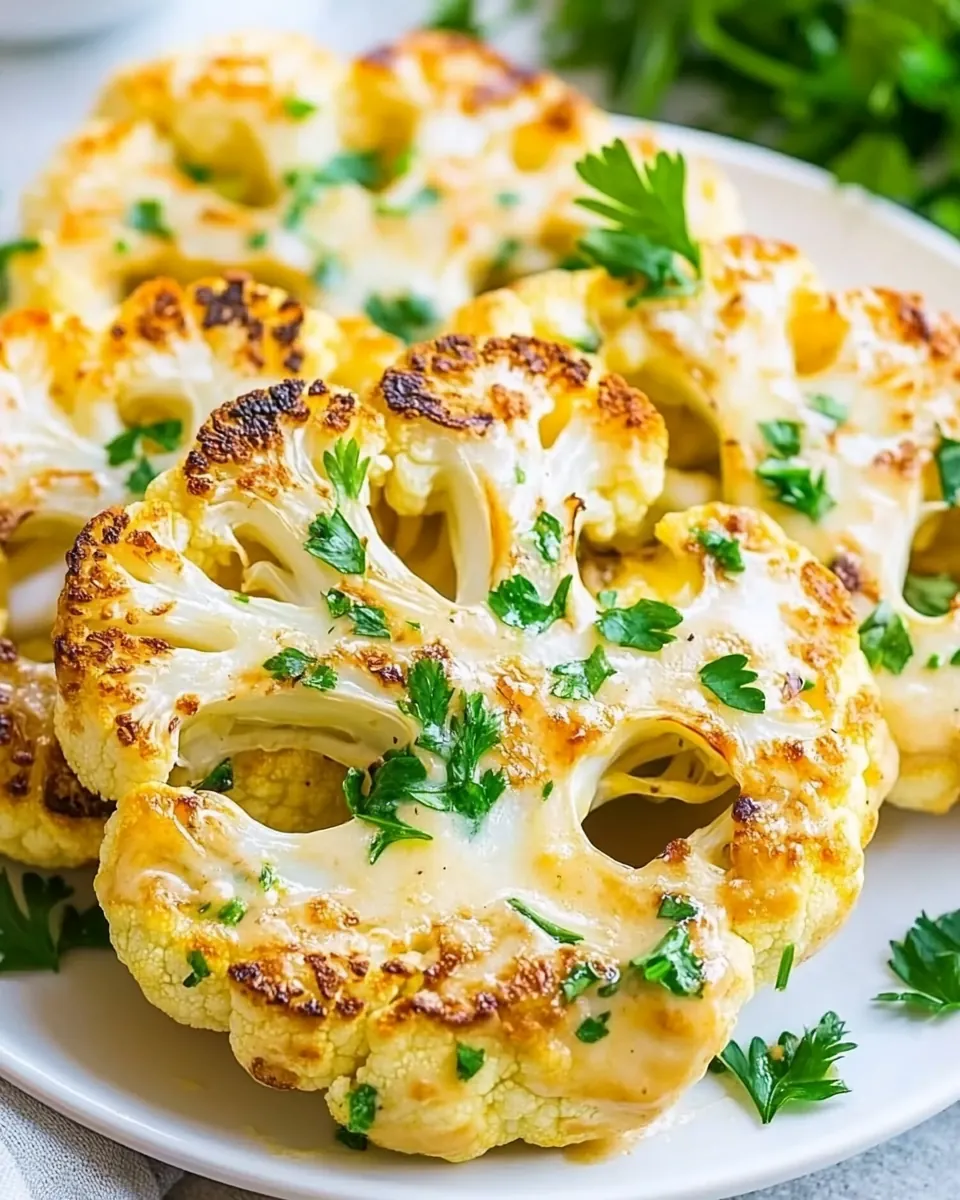
I like to approach these steaks with calm focus, giving each stage its moment. From trimming the head to baking, there are small cues to watch for that ensure success. Follow the steps and pay attention to the sensory hints I describe, and you will end up with tender, flavorful steaks.
- Cut off the bottom stem end from the cauliflower and stand it up on the cutting board. Use a large, sharp knife to trim away the sides, then cut the remaining head into 2 or 3 1-inch "steaks." How many you get will depend on the size of your cauliflower. Reserve the sides for another recipe.: You will feel the solid weight of the head as you steady it upright, and a clean cut through the base exposes the dense core which helps the steaks stay intact. The knife should glide with a slight resistance, and the smell is just fresh, vegetal, and faintly sweet. Doing this properly matters because a wobbling head leads to uneven slices and broken steaks. A common mistake is using a dull knife, which can crush the cauliflower instead of slicing cleanly, so make sure your blade is sharp.
- Mix the mayo, garlic, and sriracha together in a small bowl.: As you trim the sides, you will reveal the cross section that shows the stem and florets, creating natural steak shapes. The clean edges help the steaks brown evenly in the pan and in the oven. You should hear a firm, satisfyingly solid cut, and you will see concentric layers in each steak when you slice it. If you rush this step you might crumble the head, so take your time and cut with steady pressure to preserve the shape.
- Then add about 1/4 cup of water and salt to a large skillet. Bring them to a gentle simmer and add the cauliflower steaks. Cover the skillet with a lid and let the cauliflower cook for about 2-3 minutes to help it soften.: Larger heads can give three steaks, while smaller ones might only yield two, and that affects portion planning. I visually assess the thickness and adjust my expectations, and I always reserve the extra pieces for other dishes. Expect slightly different cook times for thicker versus thinner steaks; thicker pieces will need a touch more time to become tender. A mistake to avoid is forcing too thick a slice, which can stay undercooked in the center.
- Remove the cauliflower steaks from the skillet and place them onto a baking sheet. Spread the spicy mayo generously on top. Bake at 400°F for about 20-25 minutes, until the cauliflower steaks start getting brown spots. Garnish with parsley. Serve immediately.: The leftover florets and trimmed pieces are perfect for salads, soups, or roasting separately, and saving them reduces waste. They will have different textures, so I repurpose them into something complementary rather than forcing them into the steak treatment. Keep them refrigerated in an airtight container and use within a couple of days. One trap is tossing them immediately, which wastes food and flavor potential.
- Mix the mayo, garlic, and sriracha together in a small bowl: When you stir these together, the sauce will look glossy and the aroma of pungent garlic will lift the creamy base. You should taste and balance the heat, adjusting if you prefer milder or bolder flavors. The texture should be smooth enough to spread, and the combination clings to the cauliflower during roasting. Overmixing will not hurt, but under seasoning can leave the steaks flat, so season carefully.
- Then add about 1/4 cup of water and salt to a large skillet: As the water heats, it will release steam that helps soften the steaks before roasting, and the salt seasons them from the inside. You will hear the gentle hiss as the liquid warms, and the pan will develop a whisper of aroma from the cooking cauliflower. This pre steam step matters because it reduces oven time and ensures a tender center. Avoid adding too much water, which can make the steaks soggy rather than tender.
- Bring them to a gentle simmer and add the cauliflower steaks: The steaks should sit in a shallow bath, making contact with warm steam rather than being submerged, and this technique helps even cooking. You will see small bubbles and feel a gentle warmth from the pan, and the edges may begin to soften slightly. The goal is to take off the raw edge, not to cook through completely. A common mistake is boiling aggressively, which will over soften the pieces and reduce their ability to brown later.
- Cover the skillet with a lid and let the cauliflower cook for about 2 to 3 minutes to help it soften: Lifting the lid will release a fragrant steam that carries garlic and vegetal notes, and the steaks will feel more pliable when you test them with a fork. This brief covered cook allows the interior to tenderize while preserving structure. If you skip this step the center can remain too firm, but if you overdo it the steaks will lose their integrity for roasting, so time it carefully.
- Remove the cauliflower steaks from the skillet and place them onto a baking sheet: The moment you transfer them to the sheet you will notice the surface is slightly softened, ready to take on the sauce and color in the oven. Arrange them with space around each piece so heat circulates and edges crisp. Crowding causes steaming, which prevents browning, so avoid piling them together. Using a rimmed sheet helps catch any drips and prevents burning on the oven floor.
- Spread the spicy mayo generously on top: As you smear the sauce the steaks will gleam and the aroma of garlic and sriracha will intensify, signaling that flavor is about to bake into the vegetable. The coating both protects the surface and encourages the development of golden patches. Be generous but even, so one spot does not overload and burn. A pitfall is applying too thinly, which makes the roasted cauliflower taste dry.
- Bake at 400°F for about 20 to 25 minutes: In the oven you will hear the quiet warmth and then see the edges take on golden brown spots, with the sauce bubbling slightly and caramelizing in places. The smell moves from vegetal to toasty, and the texture shifts to tender yet structured. This high heat encourages Maillard reactions that deepen flavor, which is why the oven stage is essential. A common error is using a lower temperature which yields limp, pale results rather than those appealing brown spots.
- Until the cauliflower steaks start getting brown spots: Watch for small dark flecks and lightly crisped edges, that is your cue. The surface should show a patchwork of toasted brown and creamy white, and the sauce will take on a slightly deeper hue. If you wait for uniform darkness you risk over drying the interior, so aim for spotted browning. Opening the oven too often will reduce oven heat and extend cooking time, so try to check visually through the window.
- Garnish with parsley: Fresh chopped parsley adds a bright herbal contrast that cuts through the richness and provides a fresh color pop on the plate. When you sprinkle it on, the dish will smell brighter and look more composed. I like the visual lift and the mild herbaceous note it brings. Avoid adding the herb too early in the oven, as it will wilt and lose vibrancy.
- Serve immediately: Serve while still warm so you get the contrast of warm roasted edges and creamy interior, and the sauce is at its silkier best. Eating right away also preserves the texture and the aromatic lift of the parsley. If you let them sit too long they can cool and the sauce will settle, dulling the experience, so plan to plate and eat promptly.
Tips and Variations
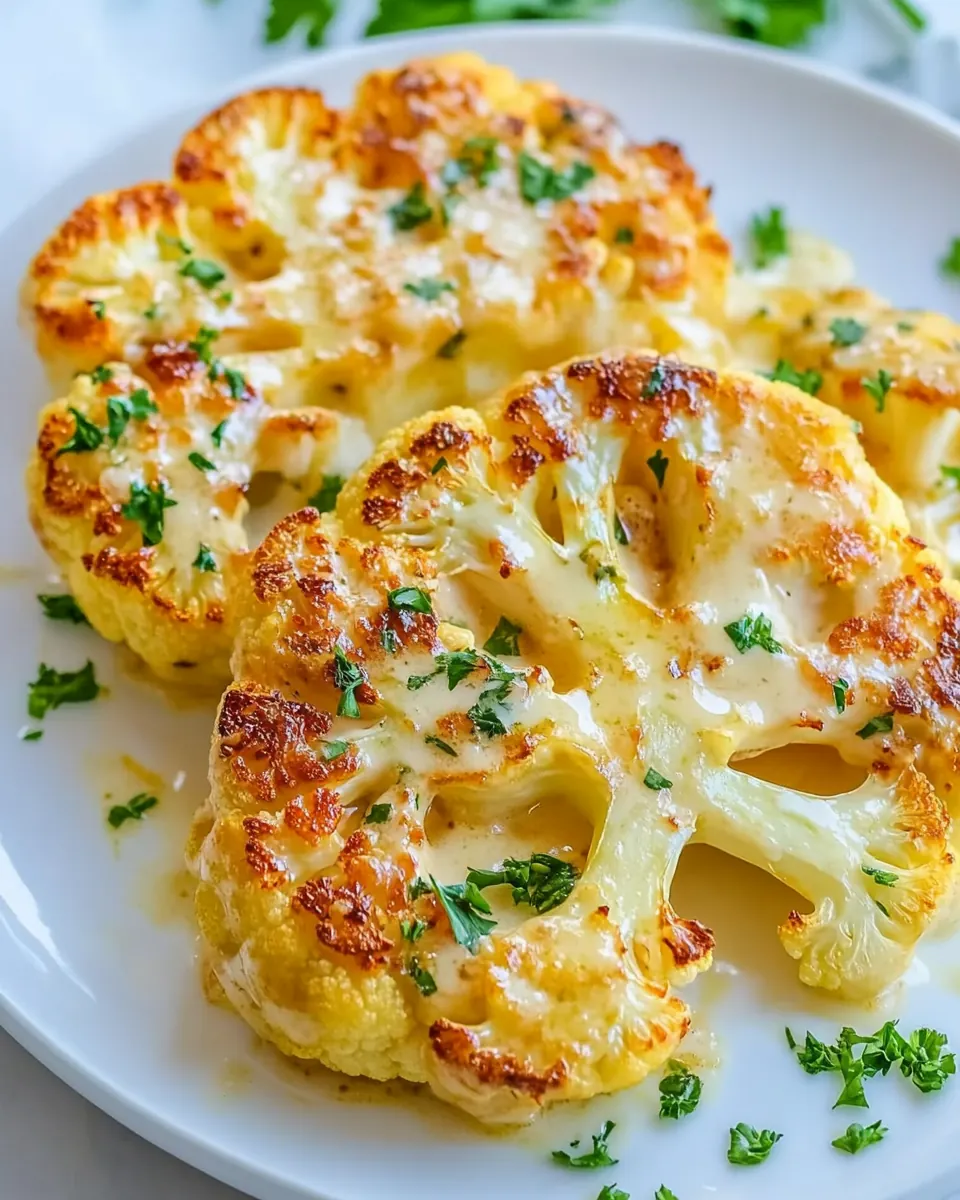
I like to think of tips as small experiments that make the dish more reliable and versatile. These suggestions expand the base recipe in easy, practical ways so you can adapt it to your mood or pantry.
- Add fresh herbs: Sprinkle chopped dill, parsley, or cilantro after baking to introduce a bright herbal note that balances the creamy sauce and roasted edges. Fresh herbs lift the flavor and visually brighten the plate.
- Make it spicier: Increase the sriracha or add a pinch of red pepper flakes to the mayo mix if you prefer more heat. Taste as you go so the spice complements rather than overwhelms the cauliflower.
- Try different sauces: Swap the spicy mayo for chermoula, tzatziki, pesto, or roasted pepper sauce for a new flavor profile. Each sauce will change the character of the dish while keeping the basic technique intact.
- Get extra char: After baking, broil for a few minutes to develop more pronounced char marks. Watch closely so the tops do not burn; broiling intensifies smoky, caramelized flavor.
- Serve family style: Arrange several steaks on a large platter and garnish with herbs and a drizzle of extra sauce, making it easy for guests to share and customize portions.
- Make ahead: Mix the sauce and store it in the fridge for a day, then roast the steaks just before serving so the textures remain ideal. Reheat briefly in the oven if needed to revive crisp edges.
Serving Suggestions
These steaks are versatile to serve for various meals and occasions, and a few simple pairings make them feel complete. Here are ways I like to plate and share them.
- As a weeknight main: Serve one or two steaks with a side salad and a lemon wedge, offering a balanced, light dinner that still feels indulgent.
- For casual dinners: Place several steaks on a platter, garnish with herbs, and let guests help themselves while you focus on conversation and company.
- At festive meals: Use the steaks as a showy vegetable centerpiece on a holiday or seasonal table, pairing them with other roasted vegetables and grain salads for variety.
- Storage tips: Store leftovers in an airtight container for up to three days and reheat in a hot oven to revive crisp edges rather than microwaving which can make them soggy.
- Seasonal pairings: In winter these steaks pair nicely with warm grains or legumes, while in warmer months I like to serve them alongside fresh, bright salads to balance the richness.
- Occasion ideas: Perfect for Ramadan if you need a satisfying, vegetable forward option or for dinner parties when you want a dish that feels composed yet simple.
FAQ
Conclusion
Creamy Cauliflower Steaks shine because they turn one simple vegetable into a creamy, spicy, and satisfying centerpiece with minimal effort. This recipe gives you lush roasted edges, tender interiors, and a sauce that ties everything together, so it feels both comforting and refined. Give it a try on a chilly night or when you want a fuss free meal that still feels special, and enjoy the way a few pantry staples can transform a humble head of cauliflower into something memorable.

Creamy Cauliflower Steaks
Equipment
- Large sharp knife
- Large Skillet
- Baking Sheet
- Small Bowl
Ingredients
- 1 medium cauliflower Trim and slice into thick steaks to create a hearty centerpiece; roasting brings out a nutty, caramelized flavor and tender texture that holds sauces well. Serve as a vegetarian main or a substantial side, and season well before cooking to enhance natural sweetness.
- 3 tbsp mayo Provide richness and a creamy mouthfeel that binds the spicy and acidic elements together; mayo creates a smooth coating when mixed into dressings or sauces. Use sparingly to balance caloric richness with the dish’s bold flavors and to help toppings adhere to the cauliflower.
- 1/2 tbsp sriracha Add concentrated heat and bright, tangy spice to the sauce, giving the dish a lively kick; sriracha also contributes subtle sweetness and garlic undertones. Stir into mayo-based dressings to control the level of spiciness and to brighten the overall flavor profile.
- 2 medium garlic cloves, minced Deliver pungent aromatics and depth when minced, releasing sharp, savory notes that complement roasted cauliflower and creamy sauces. Sauté briefly or mix raw into spreads to maintain pronounced garlic flavor without overpowering the other components.
Instructions
- Cut off the bottom stem end from the cauliflower and stand it up on the cutting board. Use a large, sharp knife to trim away the sides, then cut the remaining head into 2 or 3 1-inch "steaks." How many you get will depend on the size of your cauliflower. Reserve the sides for another recipe.: You will feel the solid weight of the head as you steady it upright, and a clean cut through the base exposes the dense core which helps the steaks stay intact. The knife should glide with a slight resistance, and the smell is just fresh, vegetal, and faintly sweet. Doing this properly matters because a wobbling head leads to uneven slices and broken steaks. A common mistake is using a dull knife, which can crush the cauliflower instead of slicing cleanly, so make sure your blade is sharp.
- Mix the mayo, garlic, and sriracha together in a small bowl.: As you trim the sides, you will reveal the cross section that shows the stem and florets, creating natural steak shapes. The clean edges help the steaks brown evenly in the pan and in the oven. You should hear a firm, satisfyingly solid cut, and you will see concentric layers in each steak when you slice it. If you rush this step you might crumble the head, so take your time and cut with steady pressure to preserve the shape.
- Then add about 1/4 cup of water and salt to a large skillet. Bring them to a gentle simmer and add the cauliflower steaks. Cover the skillet with a lid and let the cauliflower cook for about 2-3 minutes to help it soften.: Larger heads can give three steaks, while smaller ones might only yield two, and that affects portion planning. I visually assess the thickness and adjust my expectations, and I always reserve the extra pieces for other dishes. Expect slightly different cook times for thicker versus thinner steaks; thicker pieces will need a touch more time to become tender. A mistake to avoid is forcing too thick a slice, which can stay undercooked in the center.
- Remove the cauliflower steaks from the skillet and place them onto a baking sheet. Spread the spicy mayo generously on top. Bake at 400°F for about 20-25 minutes, until the cauliflower steaks start getting brown spots. Garnish with parsley. Serve immediately.: The leftover florets and trimmed pieces are perfect for salads, soups, or roasting separately, and saving them reduces waste. They will have different textures, so I repurpose them into something complementary rather than forcing them into the steak treatment. Keep them refrigerated in an airtight container and use within a couple of days. One trap is tossing them immediately, which wastes food and flavor potential.
- Mix the mayo, garlic, and sriracha together in a small bowl: When you stir these together, the sauce will look glossy and the aroma of pungent garlic will lift the creamy base. You should taste and balance the heat, adjusting if you prefer milder or bolder flavors. The texture should be smooth enough to spread, and the combination clings to the cauliflower during roasting. Overmixing will not hurt, but under seasoning can leave the steaks flat, so season carefully.
- Then add about 1/4 cup of water and salt to a large skillet: As the water heats, it will release steam that helps soften the steaks before roasting, and the salt seasons them from the inside. You will hear the gentle hiss as the liquid warms, and the pan will develop a whisper of aroma from the cooking cauliflower. This pre steam step matters because it reduces oven time and ensures a tender center. Avoid adding too much water, which can make the steaks soggy rather than tender.
- Bring them to a gentle simmer and add the cauliflower steaks: The steaks should sit in a shallow bath, making contact with warm steam rather than being submerged, and this technique helps even cooking. You will see small bubbles and feel a gentle warmth from the pan, and the edges may begin to soften slightly. The goal is to take off the raw edge, not to cook through completely. A common mistake is boiling aggressively, which will over soften the pieces and reduce their ability to brown later.
- Cover the skillet with a lid and let the cauliflower cook for about 2 to 3 minutes to help it soften: Lifting the lid will release a fragrant steam that carries garlic and vegetal notes, and the steaks will feel more pliable when you test them with a fork. This brief covered cook allows the interior to tenderize while preserving structure. If you skip this step the center can remain too firm, but if you overdo it the steaks will lose their integrity for roasting, so time it carefully.
- Remove the cauliflower steaks from the skillet and place them onto a baking sheet: The moment you transfer them to the sheet you will notice the surface is slightly softened, ready to take on the sauce and color in the oven. Arrange them with space around each piece so heat circulates and edges crisp. Crowding causes steaming, which prevents browning, so avoid piling them together. Using a rimmed sheet helps catch any drips and prevents burning on the oven floor.
- Spread the spicy mayo generously on top: As you smear the sauce the steaks will gleam and the aroma of garlic and sriracha will intensify, signaling that flavor is about to bake into the vegetable. The coating both protects the surface and encourages the development of golden patches. Be generous but even, so one spot does not overload and burn. A pitfall is applying too thinly, which makes the roasted cauliflower taste dry.
- Bake at 400°F for about 20 to 25 minutes: In the oven you will hear the quiet warmth and then see the edges take on golden brown spots, with the sauce bubbling slightly and caramelizing in places. The smell moves from vegetal to toasty, and the texture shifts to tender yet structured. This high heat encourages Maillard reactions that deepen flavor, which is why the oven stage is essential. A common error is using a lower temperature which yields limp, pale results rather than those appealing brown spots.
- Until the cauliflower steaks start getting brown spots: Watch for small dark flecks and lightly crisped edges, that is your cue. The surface should show a patchwork of toasted brown and creamy white, and the sauce will take on a slightly deeper hue. If you wait for uniform darkness you risk over drying the interior, so aim for spotted browning. Opening the oven too often will reduce oven heat and extend cooking time, so try to check visually through the window.
- Garnish with parsley: Fresh chopped parsley adds a bright herbal contrast that cuts through the richness and provides a fresh color pop on the plate. When you sprinkle it on, the dish will smell brighter and look more composed. I like the visual lift and the mild herbaceous note it brings. Avoid adding the herb too early in the oven, as it will wilt and lose vibrancy.
- Serve immediately: Serve while still warm so you get the contrast of warm roasted edges and creamy interior, and the sauce is at its silkier best. Eating right away also preserves the texture and the aromatic lift of the parsley. If you let them sit too long they can cool and the sauce will settle, dulling the experience, so plan to plate and eat promptly.
Notes
- Add fresh herbs: Sprinkle chopped dill, parsley, or cilantro after baking to introduce a bright herbal note that balances the creamy sauce and roasted edges. Fresh herbs lift the flavor and visually brighten the plate.
- Make it spicier: Increase the sriracha or add a pinch of red pepper flakes to the mayo mix if you prefer more heat. Taste as you go so the spice complements rather than overwhelms the cauliflower.
- Try different sauces: Swap the spicy mayo for chermoula, tzatziki, pesto, or roasted pepper sauce for a new flavor profile. Each sauce will change the character of the dish while keeping the basic technique intact.
- Get extra char: After baking, broil for a few minutes to develop more pronounced char marks. Watch closely so the tops do not burn; broiling intensifies smoky, caramelized flavor.
- Serve family style: Arrange several steaks on a large platter and garnish with herbs and a drizzle of extra sauce, making it easy for guests to share and customize portions.
- Make ahead: Mix the sauce and store it in the fridge for a day, then roast the steaks just before serving so the textures remain ideal. Reheat briefly in the oven if needed to revive crisp edges.