Eggplant Caponata
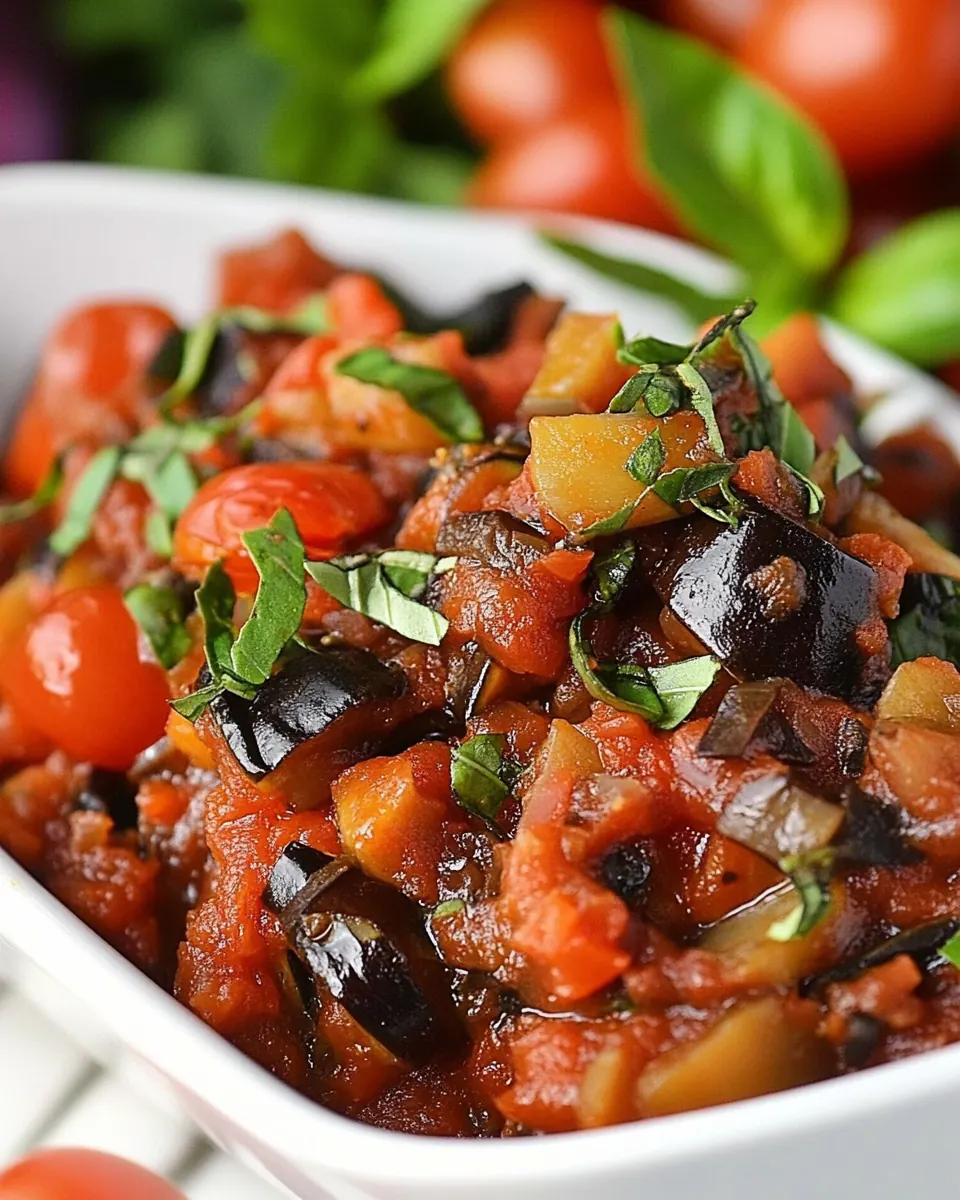
Eggplant Caponata has been one of those recipes I reach for when I want something that feels both rustic and refined at the same time. The first time I made it I was staying with a friend in Sicily, and we bought the most humble ingredients from a street market, then somehow coaxed them into a dish that tasted like history and sunlight. I remember the way the air filled with a tangy, sweet aroma as the vegetables softened, and how those little bursts of olive and caper made every bite insist you take another.
Since then I’ve adapted that moment into a version I cook at home on restless weeknights and for casual dinner guests. I often double the batch because I love how the flavors relax and knit together after a day in the fridge. When I pull the jar from the refrigerator the next morning the surface is glossy, the scent deepened, and the texture invites spreading on warm bread. That layered, time-made quality is what keeps me coming back to Eggplant Caponata again and again.
Recipe Snapshot
45 mins
10 mins
35 mins
Medium
250 kcal
Mediterranean
Paleo, Gluten-Free
Appetizers
Large baking sheet, Large skillet, Mixing bowl
What Makes This Eggplant Caponata Special
1. Bright, complex flavor without fuss
I love that Eggplant Caponata balances sweet, savory, and tangy notes without needing elaborate steps. The interplay of roasted or sautéed eggplant, briny capers, and sweet raisins creates a layered flavor profile that feels much more complicated than the effort required. That contrast keeps each bite interesting, and I often find myself pausing to savor the little bursts of olive and vinegar amidst the soft vegetables.
2. Versatile serving options
We can serve this dish warm spooned over toasted bread, or chilled as a spread, which makes it perfect for different occasions. I like it as an appetizer when friends drop by, and it also makes a reliable side at dinner. Because it holds up well in the fridge, it’s excellent for prepping ahead, which is something I count on when schedules get busy.
3. Refrigerator friendly, flavors improve with time
One of my favorite things is that the flavors deepen after a day or two in the fridge. I’ll often make it a day before I plan to serve it, because the time allows the vinegar and tomatoes to meld with the eggplant and olives, producing a richer, more unified taste. That makes it a great candidate when you want to move stress out of the cooking window and into a simple reheating or plating step.
4. Uses pantry staples and stretchable ingredients
This recipe leans on widely available items like canned diced tomatoes, white vinegar, and pantry raisins, which means you can pull it together even when your fridge is sparse. It’s forgiving of small quantity changes, so if you have more onion than listed, it will still behave well. I appreciate recipes that reward small improvisations without derailing the final dish.
5. A vegetarian dish that feels celebratory
There is something celebratory about opening a bowl of Eggplant Caponata, whether you’re serving it to company or indulging solo. The mixture of textures, from soft eggplant to popping olives, gives each forkful a satisfying range of sensations. I find this is a dish that makes simple meals feel special.
Ingredient List for Eggplant Caponata
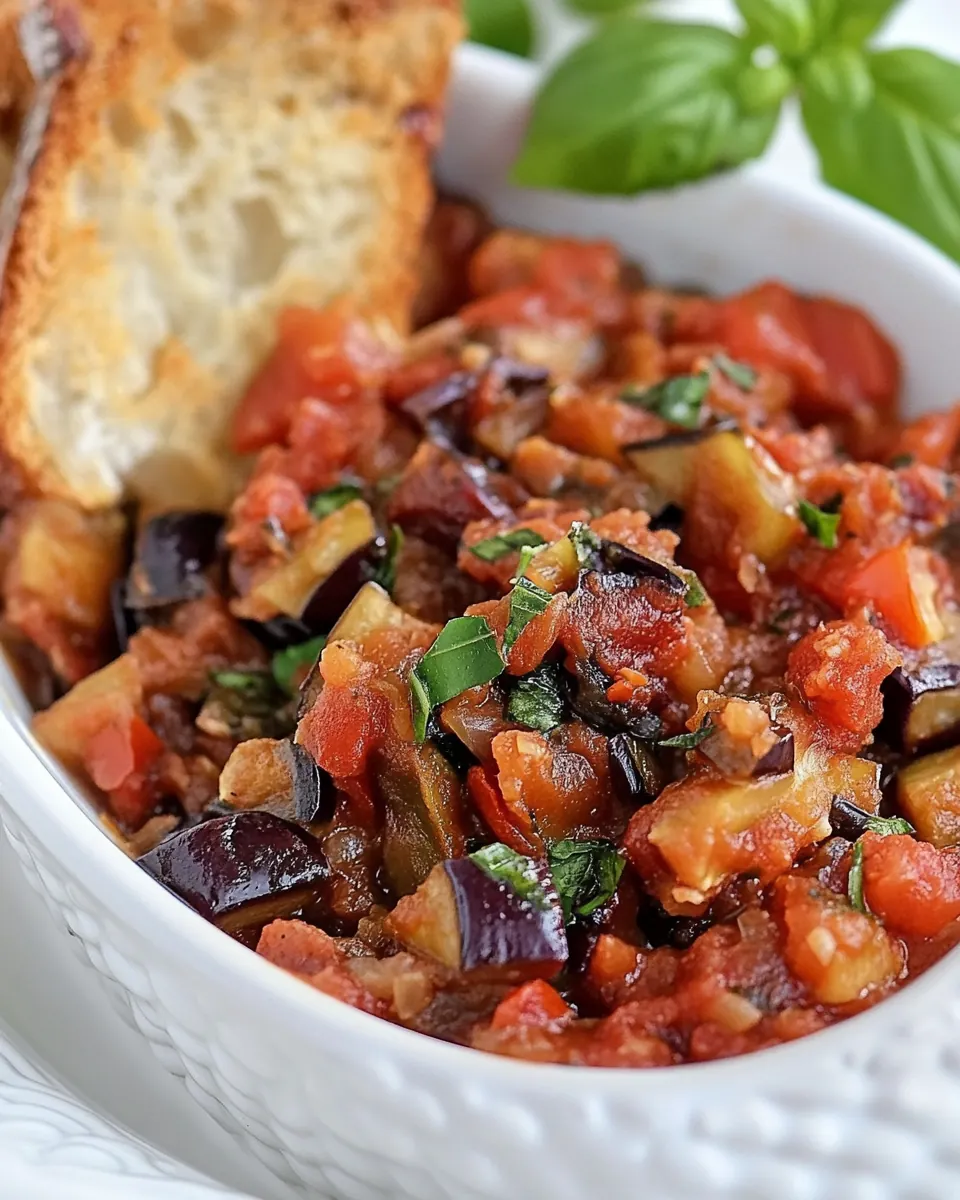
These ingredients form a simple but thoughtful ensemble, each playing a key role in the final harmony. The soft, meaty texture of eggplant soaks up flavor, the onion and celery contribute aromatic backbone, and small bright accents like capers and olives lift the whole dish. I treat the raisins as tiny sweet notes that balance the white vinegar, while canned diced tomatoes provide saucy body and acidity.
- 2/3 cup avocado oil or olive oil, divided: Used for sautéing and roasting to develop flavor and prevent sticking; divided so some is used for initial cooking and some for finishing to adjust richness. Adds a neutral, fruity note (avocado) or a classic Mediterranean character (olive) that complements the eggplant and brings mouthfeel. Helps carry the other flavors and aids in browning the vegetables.
- 1 yellow onion chopped: Chopped and sweated to build the savory base and provide sweet, aromatic depth that balances the dish. Releases natural sugars when cooked, contributing to the overall caramelized backbone of the caponata. Works with garlic and celery to form the aromatic trio essential to classic preparations.
- 1 celery stalk chopped: Chopped and sautéed to provide a mild, slightly bitter crunch and aromatic backbone that complements the onion. Adds vegetal freshness and texture contrast, helping to balance the richness of the eggplant and oil. Enhances the layered savory profile when softened and combined with other aromatics.
- 8 cloves garlic minced: Minced and added to infuse a pungent, aromatic bite that brightens and deepens savory flavors throughout the caponata. Releases essential oils when cooked, creating a fragrant base that ties together the onion, celery, and tomato. Offers sharpness that balances sweet and briny components.
- 1 large eggplant peeled and chopped into 1” cubes: Peeled and cubed then cooked until tender to serve as the main substantial element of the dish, absorbing surrounding flavors. Provides creamy, meaty texture and acts as a sponge for oil and vinegar, becoming the star of the caponata. Browning the cubes adds caramelized notes and complexity.
- 1/2 cup raisins: Added to contribute concentrated sweetness and chewy texture that contrasts savory and briny elements. Plumps slightly when combined with warm ingredients and helps create the sweet-sour balance characteristic of caponata. Works with vinegar and tomatoes to provide depth and subtle fruity undertones.
- 2 tablespoons capers: Included to introduce sharp, briny, and slightly floral bursts that cut through richness and enhance complexity. Offers pungent saline notes that interplay with the sweet raisins and acidic vinegar, anchoring the dish. Small size disperses flavor throughout without overwhelming other ingredients.
- 1/2 cup pitted kalamata olives halved: Halved to provide briny, fruity, and slightly tangy flavor pockets throughout the caponata, adding Mediterranean character. Contributes textural contrast and savory depth while complementing capers and olives with a rounded, salty profile. Helps distribute olive flavor evenly without large bites.
- 1 (14-oz) can diced tomatoes: Added from the can to supply acidity, moisture, and a cooked-tomato base that binds the ingredients and creates sauce. Provides umami and sweetness while contributing to the braising liquid that softens the eggplant and melds flavors. Ensures consistent tomato presence and texture throughout the dish.
- 1/3 cup white vinegar: Used to supply sharp acidity that balances sweetness and oil, creating the characteristic sweet-and-sour profile of caponata. Helps to brighten and preserve flavors while aiding in tenderizing the vegetables during cooking. Should be added carefully and adjusted to taste to achieve proper balance.
- 1/2 tsp salt: Included to season and enhance overall flavor while tempering sweetness and acidity for balance. Dissolves into the cooking liquid to lift individual components and make the dish palatable across the board. Can be adjusted slightly to preference but is essential for a well-rounded taste.
- 1/2 cup fresh parsley chopped: Chopped and stirred in near the end to deliver fresh, herbaceous brightness and a clean finish that contrasts cooked components. Adds color, mild peppery notes, and aromatic lift that refreshes the palate after the rich, sweet, and briny flavors. Provides a visual and flavor garnish that completes the caponata.
How to Assemble Eggplant Caponata
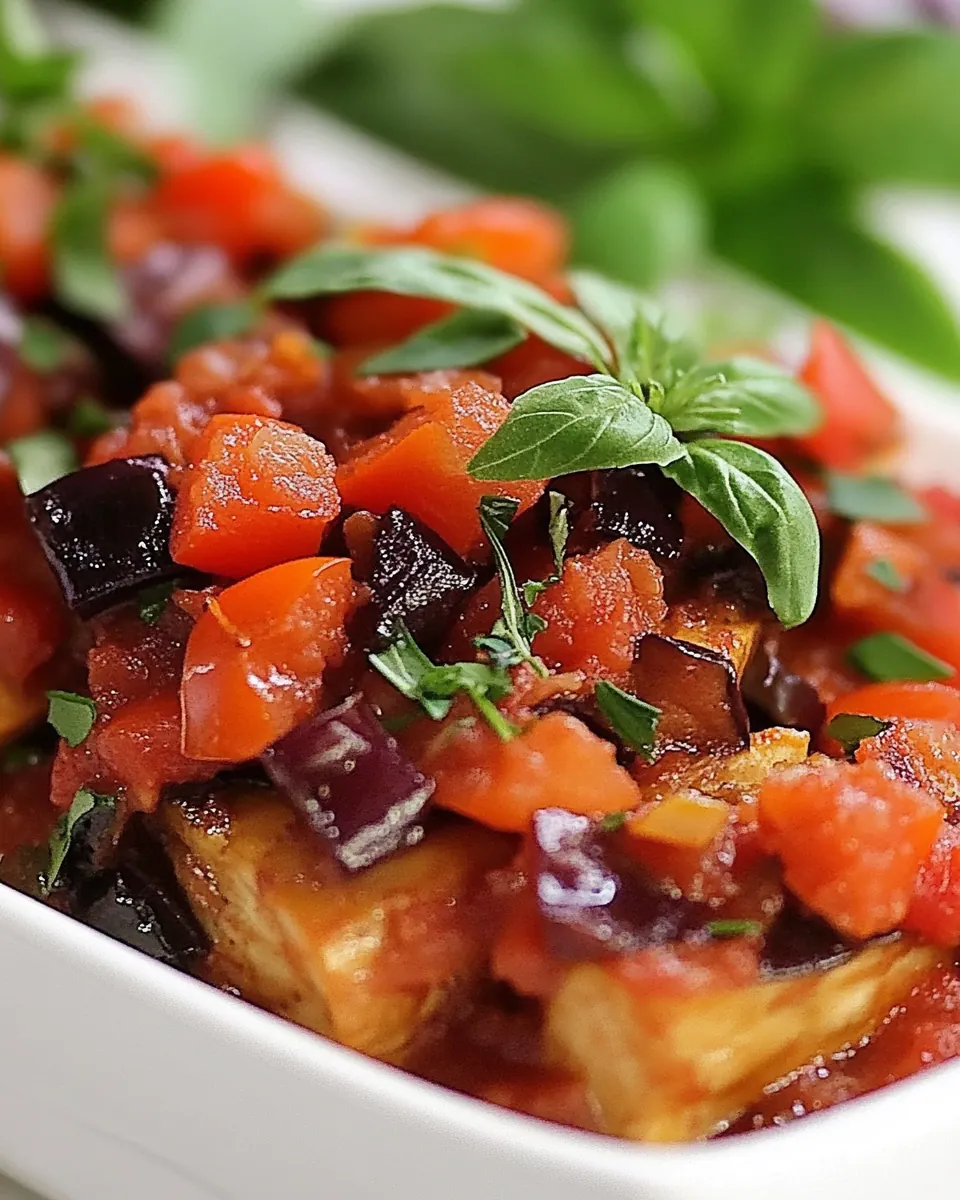
This comes together in a few stages that are forgiving if you pay attention to texture and timing. I like to think of it as building flavor blocks, starting with properly cooked eggplant, then layering aromatics and acidic components so each element has space to contribute. Below are the steps rewritten into detailed, sensory instructions to help you get each moment right.
- Preheat the oven to 400 degrees Fahrenheit. Toss the chopped eggplant in 1/2 cup of the oil and spread it in an even layer over a large baking sheet. Sprinkle with sea salt and roast in the preheated oven for 35-40 minutes, stirring once half-way through.: The scent of heated air signals the oven is ready, and when you slide the tray in you should hear a soft hiss as moisture meets hot metal. This high heat encourages rapid caramelization on the exterior of the eggplant , creating a rich, slightly nutty surface while keeping the interior tender. A common mistake is skipping preheating, which leads to uneven roasting and a pale, steamed texture instead of the desired golden browning. If your oven runs hot, set a thermometer and adjust to preserve the 400 degrees target.
- As an alternative, cook the eggplant in a skillet. To do so, heat 1/2 cup of the oil to medium and add the chopped eggplant. Toss the eggplant to evenly coat in oil. Sauté, stirring frequently, until eggplant has browned, begins cooking down, and is soft, about 10 minutes. Pour the eggplant into a bowl and set aside.: You want each cube to glisten but not sit in a puddle of oil; the pieces should sizzle slightly when they hit the tray. Proper spacing ensures hot air circulates and the pieces roast instead of steaming. If you crowd the pan, the eggplant will release water and become mushy rather than developing browned edges, so use two trays if needed. Aim for uniform cubes so they roast at the same rate.
- Add the remaining oil (about 3 tablespoons) to a large skillet and heat on the stove top over medium-high heat. Add the onion and celery and sauté, stirring every couple of minutes, until veggies are cooked through, about 5 to 8 minutes. Add the remaining ingredients including the roasted eggplant and stir everything together. Bring mixture to a full boil, reduce the heat, and allow the sauce to boil gently (uncovered) until much of the liquid has been reduced, about 15 minutes.: Listen for a gentle crackle as the edges brown, and watch for deepening color on the corners of the cubes. That golden fringe signals Maillard reactions that add savory depth. Stirring at the halfway mark encourages even browning, and you should see some softened, collapsing pieces among firmer ones. A common error is stirring too frequently, which prevents crust formation, so limit movement to the single halfway stir.
- Serve hot spread over toasted bread, or serve cold. Keep leftovers in the refrigerator for up to 5 days in an airtight container. Caponata tastes better the longer it sits!: When you heat 1/2 cup of the oil over medium and add the chopped eggplant , you should hear a steady sizzle and smell an earthy, toasty aroma as the pieces brown. Toss gently so oil coats each cube; this promotes even browning and prevents sticking. Sauté until the eggplant has browned and begins cooking down, about 10 minutes, then transfer to a bowl. Avoid crowding the skillet, as overcrowding cools the pan and causes steaming instead of browning, leaving the pieces limp and uncaramelized.
- Add the remaining oil to a large skillet and heat on the stove top over medium high heat: You will notice a shimmer on the oil surface when it is hot enough, releasing a faint nutty scent if you used olive oil . This temperature allows the onion and celery to soften and take on color without burning. Too high heat can scorch the aromatics, producing bitter notes, so keep the flame steady and moderate.
- Add the onion and celery and sauté, stirring every couple of minutes, until veggies are cooked through, about 5 to 8 minutes: As they cook, the onion will go translucent and start to sing a gentle sweetness, while the celery will lose raw bite and gain tenderness. You should hear a soft sizzle and see small bubbling at the pan edges. If the pan looks dry, add a touch more oil, but too much will make the base greasy, so balance accordingly. A common oversight is rushing this step, leaving crunchy, undercooked aromatics that disrupt the finished texture.
- Add the remaining ingredients including the roasted eggplant and stir everything together: As you combine the roasted or sautéed eggplant with the softened aromatics, you will notice the mixture begins to release a cohesive, fragrant steam full of tomato and vinegar. Add the raisins , capers , olives , and canned diced tomatoes and stir so the juices deglaze the pan. If the mixture seems dry, the tomatoes will provide moisture; if overly wet, plan to simmer a bit longer to concentrate the flavors. A typical mistake is adding everything and immediately serving; give the ingredients a chance to mingle so the flavors integrate.
- Bring mixture to a full boil, reduce the heat, and allow the sauce to boil gently until much of the liquid has been reduced, about 15 minutes: When the mixture reaches a vigorous boil it will emit a sharp vinegar aroma, and as you lower the heat to a gentle boil you should hear a softer bubbling and see the sauce thicken into a glossy coat on the vegetables. This reduction concentrates flavor and allows the white vinegar to mellow into the overall profile. Stir occasionally and scrape up any browned bits from the pan to build richness. Over reducing can dry the mix out, so stop when the sauce clings to the eggplant rather than pooling under it.
- Serve hot spread over toasted bread, or serve cold: Hot, the caponata offers warm, melded flavors and a spreadable texture that soaks into toast; cold, the flavors tighten and the dish becomes a vibrant relish. The contrast between the soft eggplant and the bright, briny inclusions is delightful either way. A common misstep is heating it too aggressively at serving, which can mute the delicate parsley note, so if reheating do so gently.
- Keep leftovers in the refrigerator for up to 5 days in an airtight container: Chilling quiets the flavors in a pleasant way and allows them to harmonize further. I find the dish tastes better after a day as the acids and sugars meld. Avoid leaving it at room temperature for extended periods to prevent spoilage, and use a sealed container to keep other fridge aromas from intruding.
- Caponata tastes better the longer it sits: Over time, the vinaigrette like quality integrates fully into the vegetables, creating a unified, mellow profile with little bursts of olive and caper. When you next spoon it out, you may notice a silkier texture and deeper flavor. Resist the urge to overwork it mechanically, which can break down the texture too much; gentle stirring is all that is needed when serving.
Tips and Variations
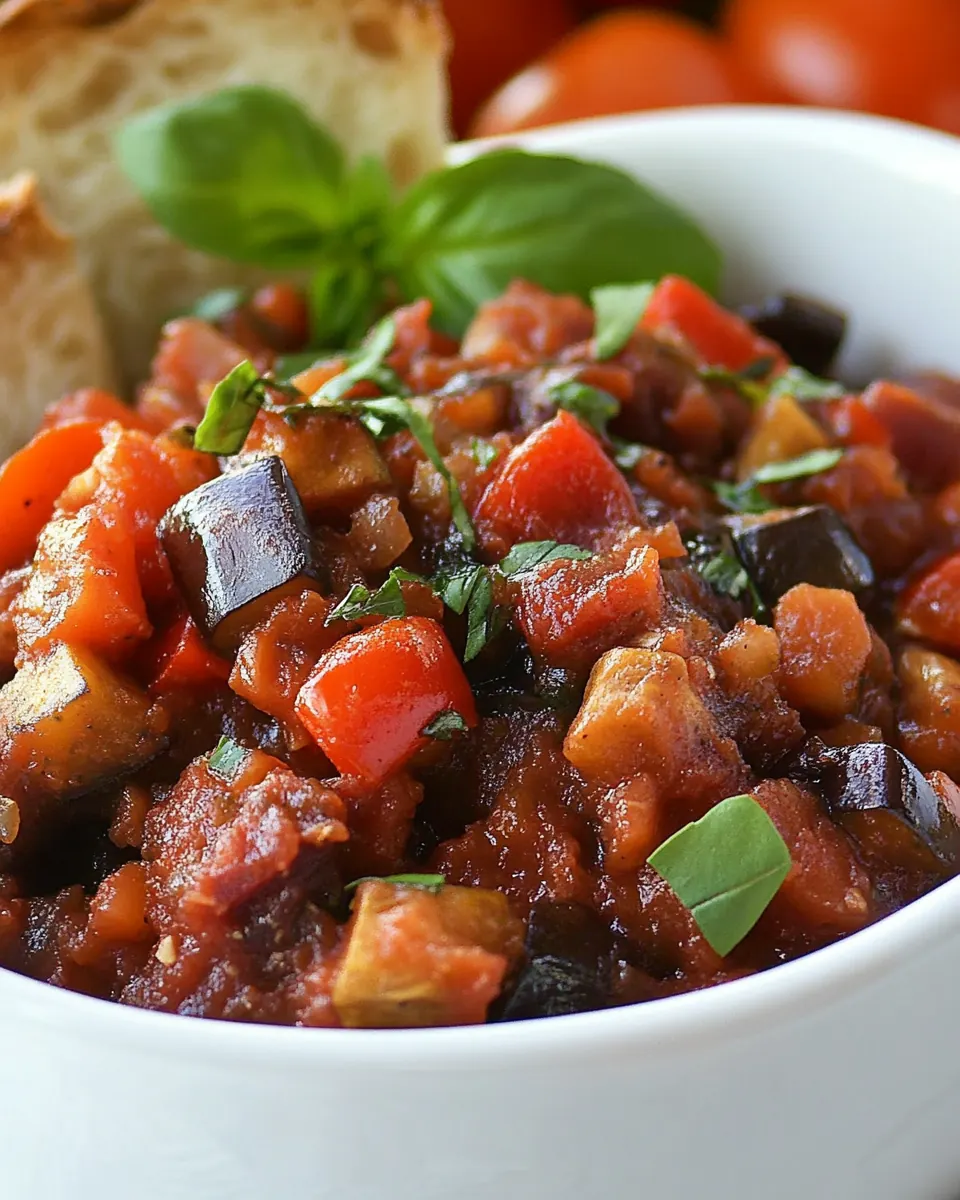
I like to offer a few practical tips and easy variations so you can adapt Eggplant Caponata to what you have on hand. These pointers help preserve texture, balance acidity, and enhance serving options. Below are thoughtful suggestions that reflect common questions I get when sharing this dish with friends.
- Oil management : Use the listed divided oil amounts to prevent the eggplant from becoming greasy, and add small increments if pieces look dry during cooking.
- Roast or sauté choice : Roast for deeper caramelization and a hands off approach, or sauté for a quicker route and more immediate control of browning.
- Balancing sweetness : If the raisins make it sweeter than you prefer, reduce them slightly and rely on the vinegar to brighten the dish.
- Salt control : Because capers and olives add salt, hold back a bit on added salt until the end and adjust after tasting.
- Make ahead advantage : Prepare a day in advance and refrigerate to let the flavors marry, then bring to room temperature before serving for the best texture.
Great Combinations for Eggplant Caponata
Eggplant Caponata pairs well with many foods and occasions, whether you need a simple lunch or a shareable appetizer. Below are ideas for how to serve it across meals, seasons, and gatherings, with practical storage and serving notes to keep things easy.
- On toasted bread : Spoon the caponata over warm, crusty slices for a classic crostini style starter, perfect for casual gatherings or an informal appetizer.
- With grilled vegetables : Serve alongside other roasted vegetables for a Mediterranean inspired plate at summer dinners, the warm textures and tangy notes complement each other well.
- As a side for weeknight meals : Offer it as a flavorful accompaniment to simple proteins or a grain bowl for an easy weeknight dinner component.
- For picnics and potlucks : Pack in an airtight container and bring chilled, it travels well and can be spooned onto bread at the destination, making it ideal for outdoor meals.
- Storage tips : Keep in a sealed container in the refrigerator for up to 5 days, and use within that window for best flavor and food safety.
- Seasonal pairing : I especially enjoy it in summer when fresh eggplant is abundant, but it also brightens colder months as a vibrant pantry friendly option.
FAQ
Conclusion
Eggplant Caponata shines because it transforms humble ingredients into a layered, satisfying dish that feels both rustic and refined. The balance of soft eggplant, briny accents, and sweet notes creates a flavor profile that keeps revealing itself with each bite. I hope you give this recipe a try, whether you make it for a quiet weeknight or to impress friends with an easy, make ahead appetizer. It’s one of those dishes that rewards patience and simple technique, and I think you’ll enjoy its versatility and depth.
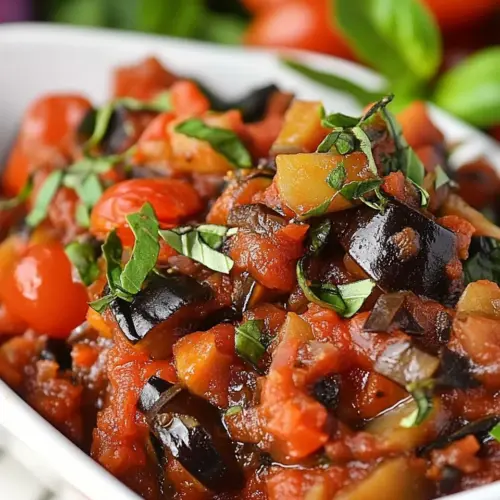
Eggplant Caponata
Equipment
- Large Baking Sheet
- Large Skillet
- Mixing Bowl
Ingredients
- 2/3 cup avocado oil or olive oil, divided Used for sautéing and roasting to develop flavor and prevent sticking; divided so some is used for initial cooking and some for finishing to adjust richness. Adds a neutral, fruity note (avocado) or a classic Mediterranean character (olive) that complements the eggplant and brings mouthfeel. Helps carry the other flavors and aids in browning the vegetables.
- 1 yellow onion chopped Chopped and sweated to build the savory base and provide sweet, aromatic depth that balances the dish. Releases natural sugars when cooked, contributing to the overall caramelized backbone of the caponata. Works with garlic and celery to form the aromatic trio essential to classic preparations.
- 1 celery stalk chopped Chopped and sautéed to provide a mild, slightly bitter crunch and aromatic backbone that complements the onion. Adds vegetal freshness and texture contrast, helping to balance the richness of the eggplant and oil. Enhances the layered savory profile when softened and combined with other aromatics.
- 8 cloves garlic minced Minced and added to infuse a pungent, aromatic bite that brightens and deepens savory flavors throughout the caponata. Releases essential oils when cooked, creating a fragrant base that ties together the onion, celery, and tomato. Offers sharpness that balances sweet and briny components.
- 1 large eggplant peeled and chopped into 1” cubes Peeled and cubed then cooked until tender to serve as the main substantial element of the dish, absorbing surrounding flavors. Provides creamy, meaty texture and acts as a sponge for oil and vinegar, becoming the star of the caponata. Browning the cubes adds caramelized notes and complexity.
- 1/2 cup raisins Added to contribute concentrated sweetness and chewy texture that contrasts savory and briny elements. Plumps slightly when combined with warm ingredients and helps create the sweet-sour balance characteristic of caponata. Works with vinegar and tomatoes to provide depth and subtle fruity undertones.
- 2 tablespoons capers Included to introduce sharp, briny, and slightly floral bursts that cut through richness and enhance complexity. Offers pungent saline notes that interplay with the sweet raisins and acidic vinegar, anchoring the dish. Small size disperses flavor throughout without overwhelming other ingredients.
- 1/2 cup pitted kalamata olives halved Halved to provide briny, fruity, and slightly tangy flavor pockets throughout the caponata, adding Mediterranean character. Contributes textural contrast and savory depth while complementing capers and olives with a rounded, salty profile. Helps distribute olive flavor evenly without large bites.
- 1 (14-oz) can diced tomatoes Added from the can to supply acidity, moisture, and a cooked-tomato base that binds the ingredients and creates sauce. Provides umami and sweetness while contributing to the braising liquid that softens the eggplant and melds flavors. Ensures consistent tomato presence and texture throughout the dish.
- 1/3 cup white vinegar Used to supply sharp acidity that balances sweetness and oil, creating the characteristic sweet-and-sour profile of caponata. Helps to brighten and preserve flavors while aiding in tenderizing the vegetables during cooking. Should be added carefully and adjusted to taste to achieve proper balance.
- 1/2 tsp salt Included to season and enhance overall flavor while tempering sweetness and acidity for balance. Dissolves into the cooking liquid to lift individual components and make the dish palatable across the board. Can be adjusted slightly to preference but is essential for a well-rounded taste.
- 1/2 cup fresh parsley chopped Chopped and stirred in near the end to deliver fresh, herbaceous brightness and a clean finish that contrasts cooked components. Adds color, mild peppery notes, and aromatic lift that refreshes the palate after the rich, sweet, and briny flavors. Provides a visual and flavor garnish that completes the caponata.
Instructions
- Preheat the oven to 400 degrees Fahrenheit. Toss the chopped eggplant in 1/2 cup of the oil and spread it in an even layer over a large baking sheet. Sprinkle with sea salt and roast in the preheated oven for 35-40 minutes, stirring once half-way through.: The scent of heated air signals the oven is ready, and when you slide the tray in you should hear a soft hiss as moisture meets hot metal. This high heat encourages rapid caramelization on the exterior of the eggplant , creating a rich, slightly nutty surface while keeping the interior tender. A common mistake is skipping preheating, which leads to uneven roasting and a pale, steamed texture instead of the desired golden browning. If your oven runs hot, set a thermometer and adjust to preserve the 400 degrees target.
- As an alternative, cook the eggplant in a skillet. To do so, heat 1/2 cup of the oil to medium and add the chopped eggplant. Toss the eggplant to evenly coat in oil. Sauté, stirring frequently, until eggplant has browned, begins cooking down, and is soft, about 10 minutes. Pour the eggplant into a bowl and set aside.: You want each cube to glisten but not sit in a puddle of oil; the pieces should sizzle slightly when they hit the tray. Proper spacing ensures hot air circulates and the pieces roast instead of steaming. If you crowd the pan, the eggplant will release water and become mushy rather than developing browned edges, so use two trays if needed. Aim for uniform cubes so they roast at the same rate.
- Add the remaining oil (about 3 tablespoons) to a large skillet and heat on the stove top over medium-high heat. Add the onion and celery and sauté, stirring every couple of minutes, until veggies are cooked through, about 5 to 8 minutes. Add the remaining ingredients including the roasted eggplant and stir everything together. Bring mixture to a full boil, reduce the heat, and allow the sauce to boil gently (uncovered) until much of the liquid has been reduced, about 15 minutes.: Listen for a gentle crackle as the edges brown, and watch for deepening color on the corners of the cubes. That golden fringe signals Maillard reactions that add savory depth. Stirring at the halfway mark encourages even browning, and you should see some softened, collapsing pieces among firmer ones. A common error is stirring too frequently, which prevents crust formation, so limit movement to the single halfway stir.
- Serve hot spread over toasted bread, or serve cold. Keep leftovers in the refrigerator for up to 5 days in an airtight container. Caponata tastes better the longer it sits!: When you heat 1/2 cup of the oil over medium and add the chopped eggplant , you should hear a steady sizzle and smell an earthy, toasty aroma as the pieces brown. Toss gently so oil coats each cube; this promotes even browning and prevents sticking. Sauté until the eggplant has browned and begins cooking down, about 10 minutes, then transfer to a bowl. Avoid crowding the skillet, as overcrowding cools the pan and causes steaming instead of browning, leaving the pieces limp and uncaramelized.
- Add the remaining oil to a large skillet and heat on the stove top over medium high heat: You will notice a shimmer on the oil surface when it is hot enough, releasing a faint nutty scent if you used olive oil . This temperature allows the onion and celery to soften and take on color without burning. Too high heat can scorch the aromatics, producing bitter notes, so keep the flame steady and moderate.
- Add the onion and celery and sauté, stirring every couple of minutes, until veggies are cooked through, about 5 to 8 minutes: As they cook, the onion will go translucent and start to sing a gentle sweetness, while the celery will lose raw bite and gain tenderness. You should hear a soft sizzle and see small bubbling at the pan edges. If the pan looks dry, add a touch more oil, but too much will make the base greasy, so balance accordingly. A common oversight is rushing this step, leaving crunchy, undercooked aromatics that disrupt the finished texture.
- Add the remaining ingredients including the roasted eggplant and stir everything together: As you combine the roasted or sautéed eggplant with the softened aromatics, you will notice the mixture begins to release a cohesive, fragrant steam full of tomato and vinegar. Add the raisins , capers , olives , and canned diced tomatoes and stir so the juices deglaze the pan. If the mixture seems dry, the tomatoes will provide moisture; if overly wet, plan to simmer a bit longer to concentrate the flavors. A typical mistake is adding everything and immediately serving; give the ingredients a chance to mingle so the flavors integrate.
- Bring mixture to a full boil, reduce the heat, and allow the sauce to boil gently until much of the liquid has been reduced, about 15 minutes: When the mixture reaches a vigorous boil it will emit a sharp vinegar aroma, and as you lower the heat to a gentle boil you should hear a softer bubbling and see the sauce thicken into a glossy coat on the vegetables. This reduction concentrates flavor and allows the white vinegar to mellow into the overall profile. Stir occasionally and scrape up any browned bits from the pan to build richness. Over reducing can dry the mix out, so stop when the sauce clings to the eggplant rather than pooling under it.
- Serve hot spread over toasted bread, or serve cold: Hot, the caponata offers warm, melded flavors and a spreadable texture that soaks into toast; cold, the flavors tighten and the dish becomes a vibrant relish. The contrast between the soft eggplant and the bright, briny inclusions is delightful either way. A common misstep is heating it too aggressively at serving, which can mute the delicate parsley note, so if reheating do so gently.
- Keep leftovers in the refrigerator for up to 5 days in an airtight container: Chilling quiets the flavors in a pleasant way and allows them to harmonize further. I find the dish tastes better after a day as the acids and sugars meld. Avoid leaving it at room temperature for extended periods to prevent spoilage, and use a sealed container to keep other fridge aromas from intruding.
- Caponata tastes better the longer it sits: Over time, the vinaigrette like quality integrates fully into the vegetables, creating a unified, mellow profile with little bursts of olive and caper. When you next spoon it out, you may notice a silkier texture and deeper flavor. Resist the urge to overwork it mechanically, which can break down the texture too much; gentle stirring is all that is needed when serving.
Notes
- Oil management : Use the listed divided oil amounts to prevent the eggplant from becoming greasy, and add small increments if pieces look dry during cooking.
- Roast or sauté choice : Roast for deeper caramelization and a hands off approach, or sauté for a quicker route and more immediate control of browning.
- Balancing sweetness : If the raisins make it sweeter than you prefer, reduce them slightly and rely on the vinegar to brighten the dish.
- Salt control : Because capers and olives add salt, hold back a bit on added salt until the end and adjust after tasting.
- Make ahead advantage : Prepare a day in advance and refrigerate to let the flavors marry, then bring to room temperature before serving for the best texture.