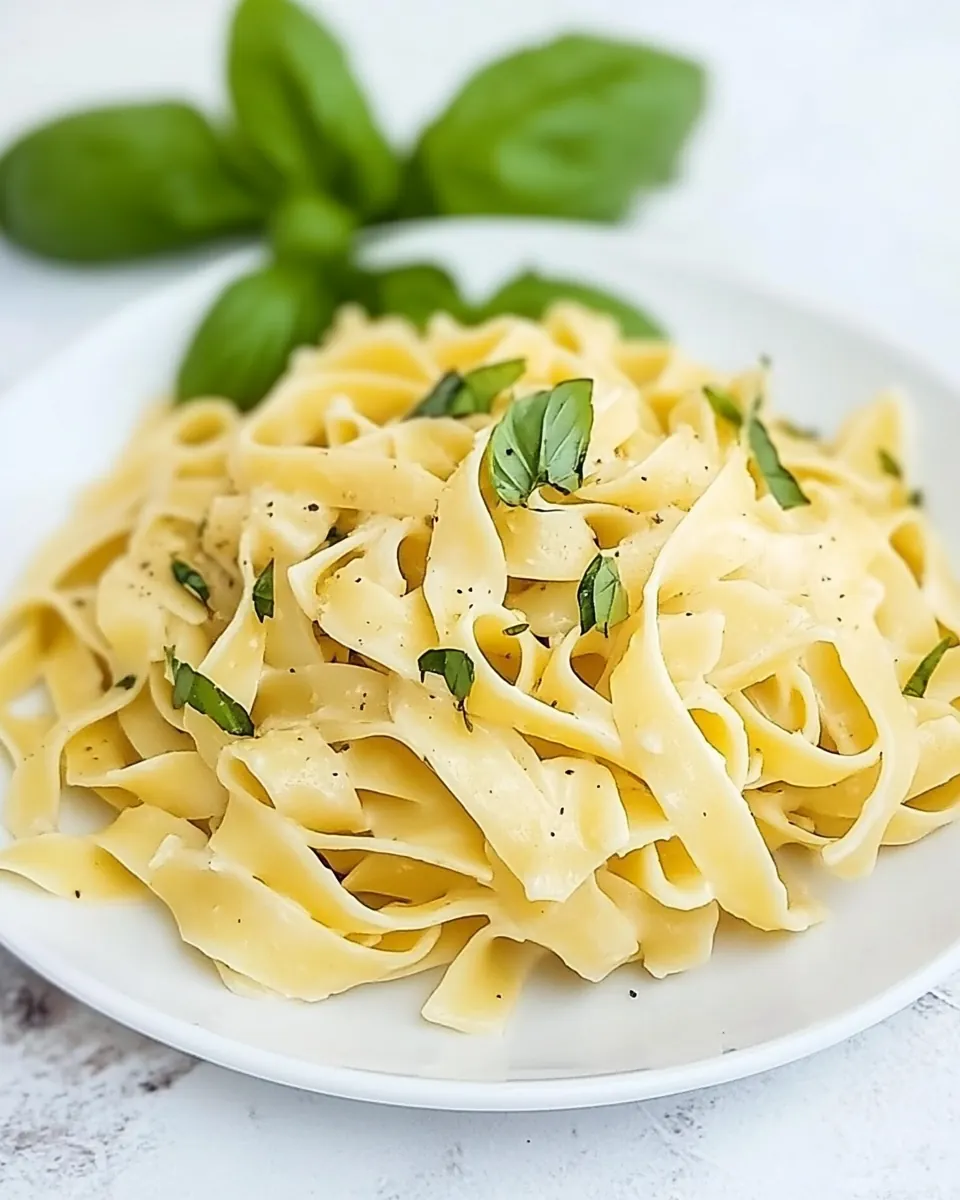
Creamy Lemon Basil Pasta
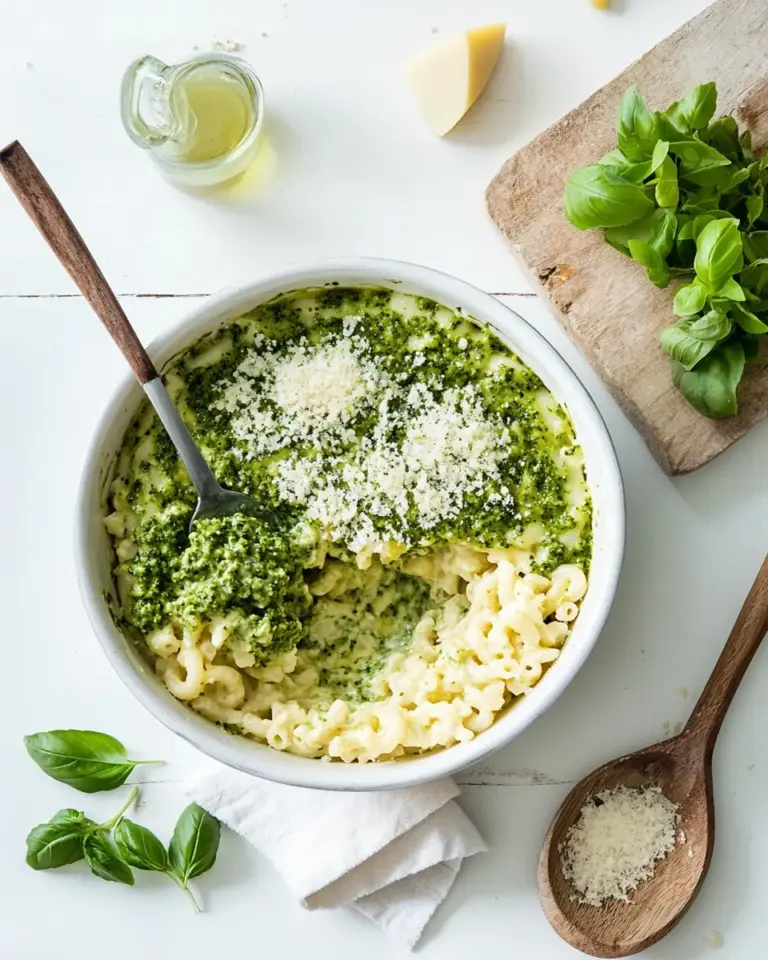
Creamy Lemon Basil Pasta started showing up in my weeknight rotation the spring I had too many basil plants and not enough excuses to let them go to waste. I was juggling a busy schedule, hungry roommates, and a stubborn craving for comfort food that still felt light. The first time I tossed together this simple sauce it felt like a tiny kitchen miracle, creamy yet bright, with the herbal lift of torn basil balancing the tang of lemon. The memory of that first forkful sticks with me, because it was one of those rare meals that felt indulgent without being heavy, perfect for serving on an ordinary Tuesday when everyone needed a little pick me up.
Over time I learned a few small adjustments that made the dish reliably good every single time. I started softening the cream cheese ahead of time, and paying close attention to how much reserved pasta water I added, because that glossy, emulsified sauce is the heartbeat of the plate. I also found that tearing the basil instead of chopping it kept the aroma more vibrant, and the pieces more visually appealing when tossed with the pasta. These are the little choices that turned a throw-together dinner into a recipe I keep repeating, and sharing with friends when they drop by without warning.
Recipe Snapshot
20 mins
5 mins
15 mins
Easy
400 kcal
Italian
Gluten-Free, Low FODMAP
Dinner
Skillet, Large pot, Colander, Grater, Wooden spoon
Why This Creamy Lemon Basil Pasta Is So Good
Versatile and approachable
I love that Creamy Lemon Basil Pasta works for so many occasions. I can make a modest amount for myself on a busy evening, or scale up to feed company with almost no extra effort. The technique relies on pantry friendly basics like pasta, cream cheese, and parmesan cheese, but the end result tastes far more elevated than the ingredient list suggests.
Bright yet comforting flavor
One of the first things that sold me on this dish was the contrast of textures and flavors. The tang from the lemon and the herbal freshness from the basil cut through the rich, silky body provided by the cream cheese and parmesan cheese. I tend to crave dishes that feel indulgent but not weighed down, and this recipe hits that balance every time.
Speed without compromise
I often need dinner on the table in a flash, and this recipe delivers in about 20 minutes while still tasting like I put thought into it. The techniques are straightforward, so you can focus on little moments like watching the onion turn translucent and golden, or smelling the garlic bloom in the pan. Those sensory cues are what make fast cooking feel deliberate.
Room for personalization
While the core is simple, I enjoy small swaps to suit mood or what the pantry offers. The seasoning can be nudged with extra parmesan cheese for a saltier finish, or more lemon for brightness. I like that my friends notice the difference when I tweak these elements, which makes it a fun dish to experiment with together.
Comfortable for cooks of any level
Because the method is forgiving, this is a recipe I feel comfortable recommending to novice cooks. The sensory signs are clear and the worst mistakes are easy to fix, like loosening the sauce with reserved pasta water or adding a pinch more salt. I often walk someone through it over the phone, hearing the smile through the line when they taste it.
What Goes Into Creamy Lemon Basil Pasta
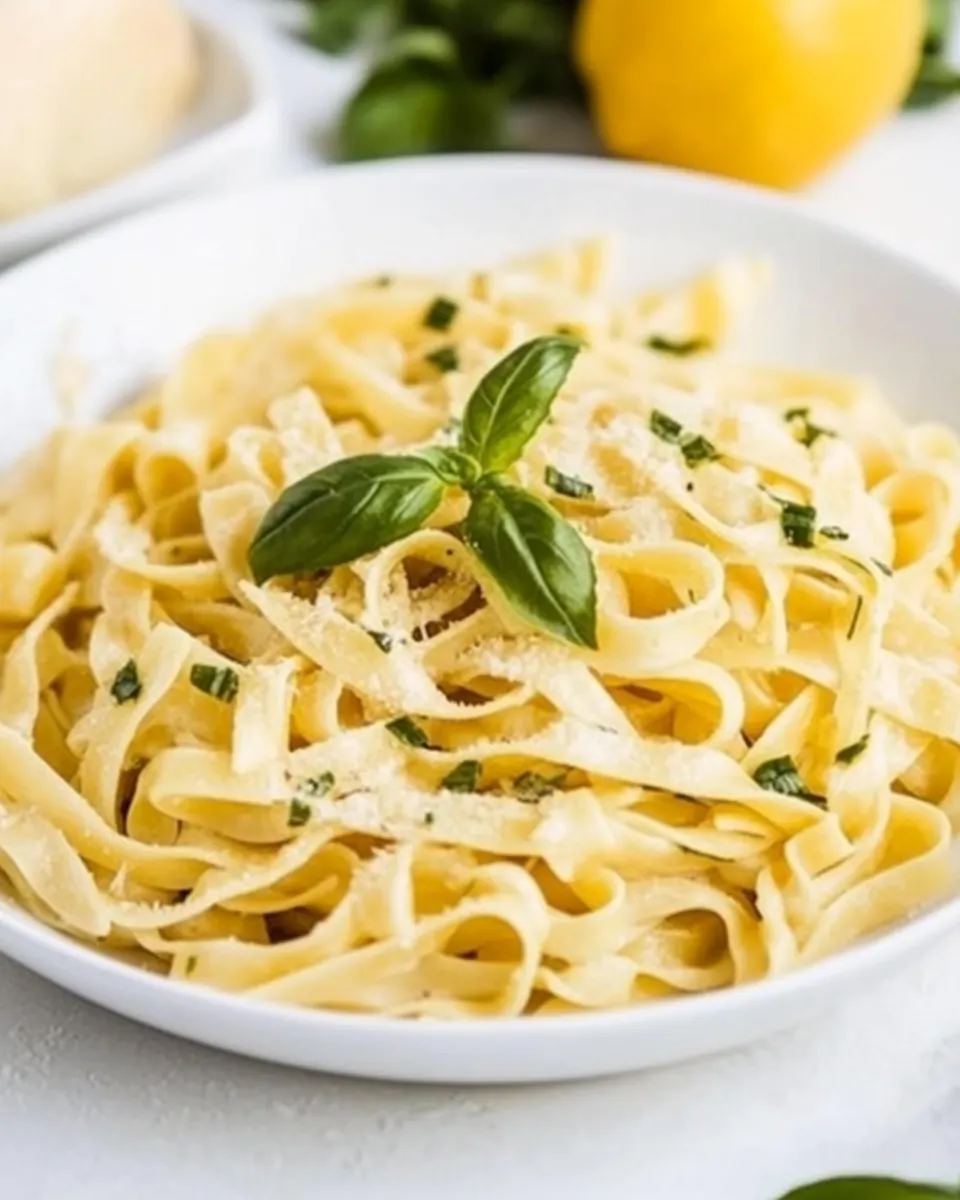
The ingredient list is built on harmony and contrast. I aim for a balance of creamy richness, herbal lift, and citrus brightness. The key players work together to create an emulsified sauce that clings to the pasta, while aromatics like onion and garlic provide savory depth. Each component plays a clear role, so none of them are optional if you want the exact flavor profile I love.
- 8 ounces pasta (I used penne): Boil to tender and hold sauce; provides the starchy base that soaks up the creamy lemon–basil sauce and carries flavors through each bite. Cook until al dente for best texture and toss immediately with sauce to prevent clumping.
- 1/2 medium onion chopped: Sauté gently until translucent to build a sweet, aromatic foundation that balances the richness of the cream cheese and Parmesan. Chop to even pieces so it softens quickly and melds into the sauce without overpowering other flavors.
- 1 tablespoon olive oil: Heat to release fruity, peppery notes and serve as the fat medium for softening aromatics and coating pasta evenly. Use moderate heat to avoid smoking while helping to bloom the Italian seasoning and garlic.
- 2 cloves garlic minced: Mince finely and cook briefly to release pungent, savory depth that brightens the cream-based sauce and pairs with lemon zest. Add towards the start of sautéing to infuse oil without becoming bitter from overcooking.
- 1 (8 ounce) package cream cheese softened: Soften fully and whisk into warm pasta water and aromatics to create a luxuriously creamy, tangy sauce that binds ingredients. Bring to room temperature before stirring in to ensure a smooth, lump-free emulsion with the Parmesan.
- Juice & zest of 1/2 lemon: Zest for intense citrus aroma and juice for bright acidity to cut through richness, adding a refreshing lift to the creamy sauce. Measure carefully to maintain balance; the zest provides concentrated lemon oils while the juice contributes bright tartness.
- 3 dashes Italian seasoning: Sprinkle evenly to add a herby, earthy Mediterranean blend that enhances Italian flavors and complements basil and parsley. Use sparingly and adjust to taste to avoid masking the fresh herbs and lemon.
- 1 cup grated parmesan cheese: Grate finely and dissolve into the warm cream cheese mixture to impart nutty, salty depth and help thicken the sauce into a silky coating. Stir continuously to melt smoothly and taste for seasoning as Parmesan brings significant saltiness.
- 1 large handful fresh basil torn: Tear by hand to release fragrant oils and fold in at the end to provide fresh, aromatic basil notes that define the dish’s herbaceous character. Add last to preserve bright color and avoid wilting into the warm sauce.
- 1 tablespoon fresh parsley chopped finely: Chop finely and sprinkle to contribute a mild, clean herbaceous finish and subtle color contrast that complements basil and lemon. Incorporate at the end for freshness and to enhance the overall herbal complexity.
- Salt & pepper to taste: Season judiciously to balance flavors, enhancing the savory notes from cheese and aromatics while controlling saltiness and heat. Taste as you go, adding small amounts to achieve the desired equilibrium without overpowering delicate lemon and basil.
Recipe Steps for Creamy Lemon Basil Pasta
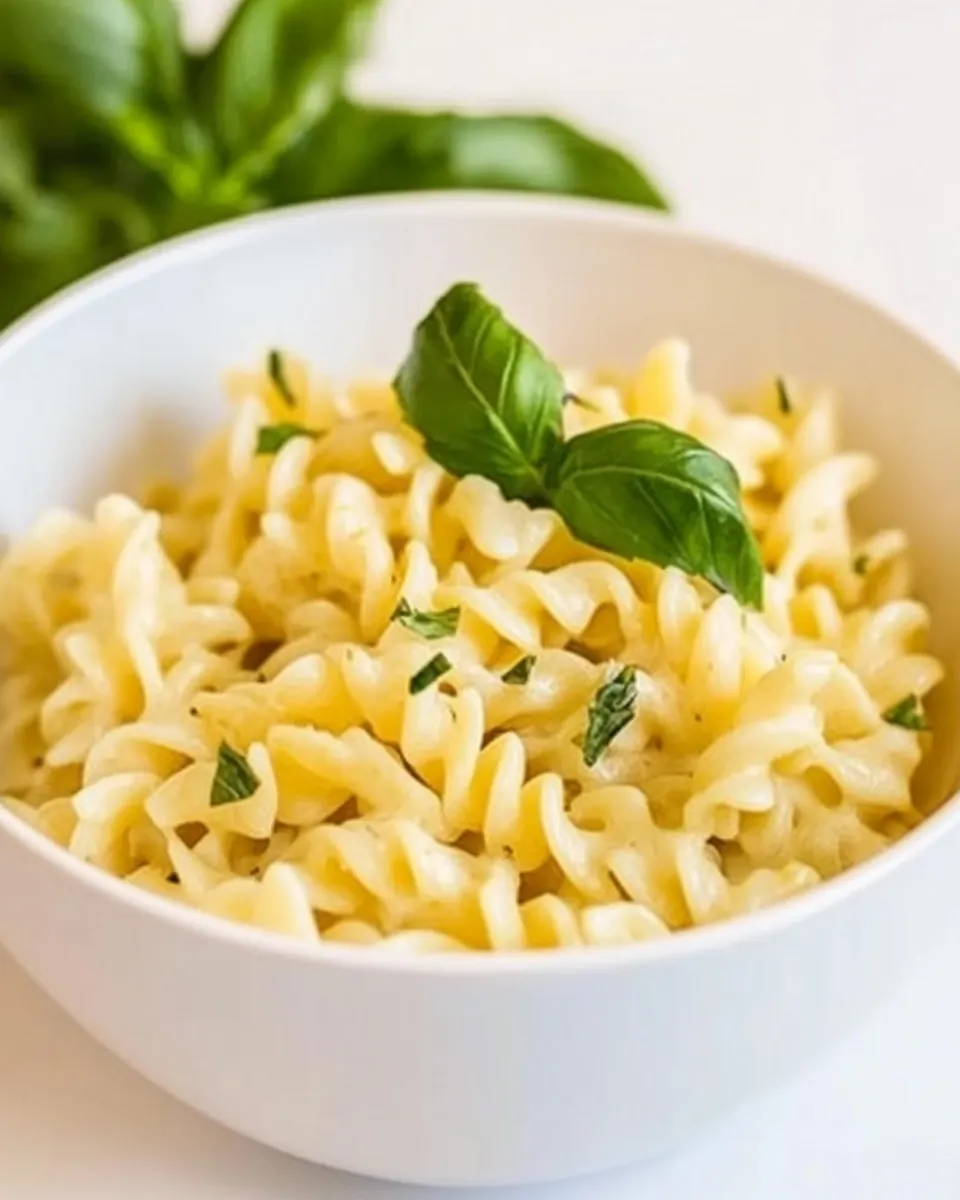
This recipe is straightforward but rewards attention to sensory cues. Move through the steps methodically, watch and smell the pan, and use reserved pasta water to perfect the sauce texture. Keep a bowl for tasting close at hand, because small adjustments make a big difference.
- Boil a salted pot of water and cook pasta according to package directions.: The sound of the water at a lively boil should be rolling and steady, not a timid simmer. Salting the water generously seasons the pasta from the inside out, which is crucial since the sauce is light; aim for water that tastes slightly like the sea. When you add the pasta , stir immediately so the pieces do not stick together, and keep the water at a lively boil to maintain even cooking. A common mistake is under salting, which yields bland pasta, or overcooking the pasta , which ruins texture. Expect the pasta to be al dente, with a slight bite, because it will finish cooking when tossed with the sauce.
- When the pasta water is about to boil, add olive oil to a skillet over medium heat. Add the onion and sauté for 8-10 minutes, or until it's softened and lightly browned.: As the onion softens, you will hear gentle sizzling and see pieces turn translucent and then take on flecks of golden brown. This slow sauté coaxes out sweetness and depth that underpins the sauce. Keep the heat at medium to prevent rapid scorching, and stir occasionally to ensure even browning. A misstep here is rushing the process with high heat, which can char the onion and bring bitter flavors; patience produces a sweeter, layered base.
- Add the garlic to the pan and cook for 30 seconds, until fragrant.: The instant the minced garlic hits the warm oil you should smell an immediate burst of aroma, bright and savory. This step moves quickly, so stir constantly and watch for the garlic to become fragrant but not browned. If you let it brown, it will turn bitter and degrade the overall flavor. The gentle sizzle and the aroma are your visual and olfactory cues that the pan is ready for the next stage.
- Add the cream cheese, lemon juice and zest, and Italian seasoning. Stir for a couple of minutes until the cheese has melted into a sauce. Stir in the parmesan.: Once the cream cheese joins the pan, it will begin to soften and loosen, forming a thick, silky body. The aroma changes as the citrus brightens the richer notes, and you should stir continuously to encourage smooth melting. The Italian seasoning melds into the base, adding herbaceous undertones. If the cream cheese is too cold it can clump, so pre softening helps; if you see lumps, lower the heat and whisk patiently until smooth.
- Reserve 1/2 cup of the pasta water prior to draining the pasta. Add 1/4 cup of the pasta water to the sauce. If you want the sauce thinned even more, add pasta water one tablespoon at a time. Once the sauce is thinned to your liking, add in the basil, parsley, and salt & pepper. Add the pasta to the skillet and toss. Serve immediately.: Adding the grated parmesan cheese will introduce a nutty, savory quality and help the sauce become glossy. As you stir, you should notice the sauce taking on a silkier sheen and a slightly thicker consistency. Work the heat gently so the cheese melts into the emulsion rather than separating. A common issue is overheating, which can cause oils to break; keep the temperature moderate and stir steadily for a cohesive texture.
- Reserve 1/2 cup of the pasta water prior to draining the pasta Add 1/4 cup of the pasta water to the sauce If you want the sauce thinned even more add pasta water one tablespoon at a time: The reserved pasta water is a little starchy and miraculous for loosening the sauce without diluting flavor, creating a silky emulsion that clings to the pasta . When you pour in the water you should see the sauce lighten and become more fluid, with a sheen that indicates proper emulsification. Add gradually and watch the consistency, because too much water can make it thin and soupy; correct by stirring and adding a bit more parmesan cheese or heat to tighten it back up.
- Once the sauce is thinned to your liking add in the basil parsley and salt & pepper Add the pasta to the skillet and toss Serve immediately: The final stage is when the aroma peaks, the bright perfume of torn basil and the fresh snap of chopped parsley melding with the warm, creamy sauce. Off the heat, fold in the herbs so they remain vibrant and green, then season with salt and pepper to taste. When you add the drained pasta to the skillet, toss so every piece is coated; you should hear a light rustle as the sauce clings to the noodles. Serve immediately for best texture, because sitting will soften the herbs and relax the gloss on the sauce. A frequent error is waiting too long to serve, which diminishes the herbs' brightness and the sauce's cling.
Customization Ideas
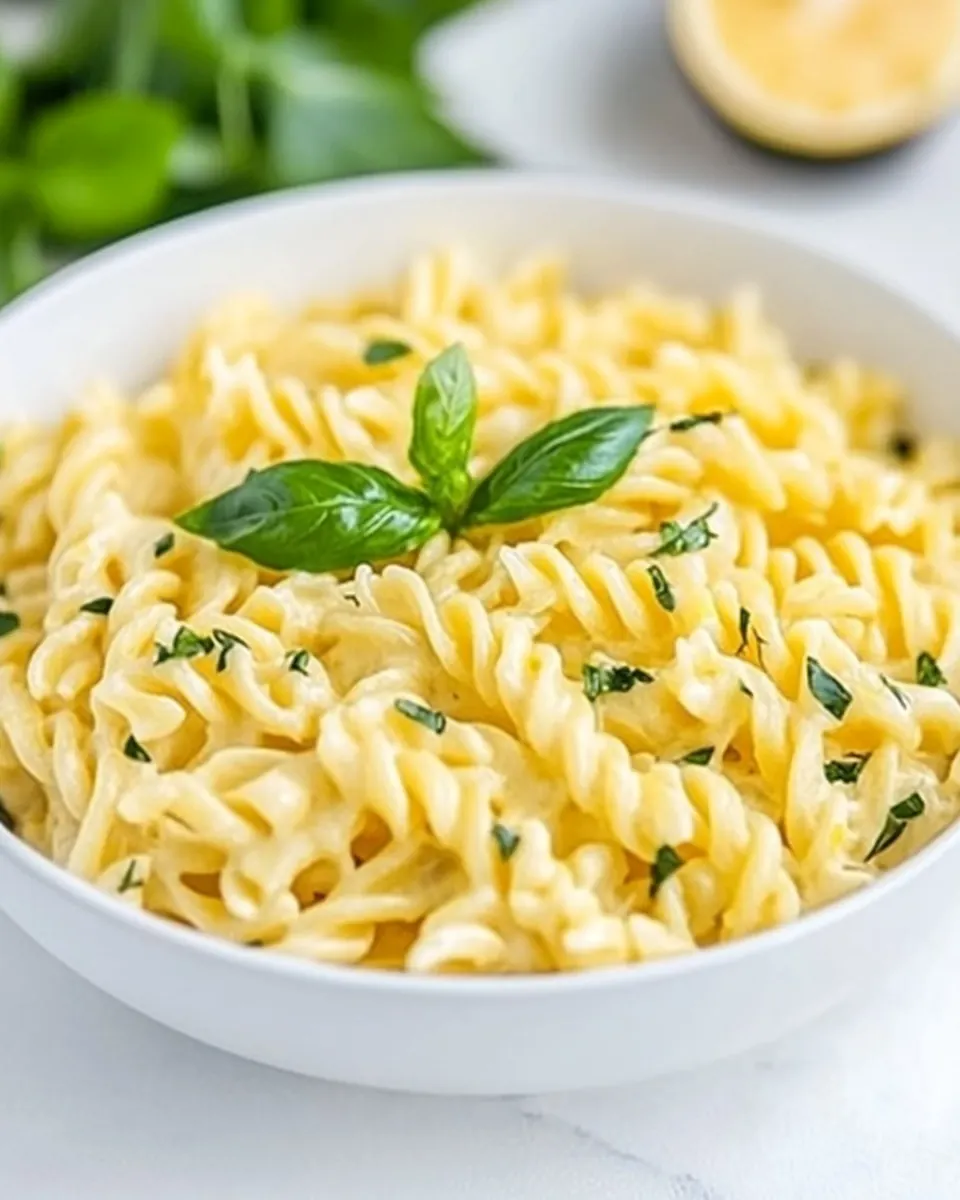
This section offers ways to adapt Creamy Lemon Basil Pasta for mood, pantry limitations, or occasion. Small tweaks can shift the dish from weeknight comfort to a light dinner for guests. Below are practical, tested ideas that keep the core character intact while allowing personalization.
- Soften the cream cheese first Let the cream cheese sit at room temperature for 30 minutes or microwave for 20 to 30 seconds to ensure it melts evenly into the sauce and avoids lumps.
- Adjust lemon intensity If you want more brightness add additional lemon juice a teaspoon at a time, tasting as you go so the citrus enhances rather than overwhelms the balance with the parmesan cheese.
- Make it silkier with pasta water Use the reserved starchy water to thin the sauce gradually, adding one tablespoon at a time until it reaches a glossy, clingy texture that covers the pasta.
- Keep herbs vivid Add the torn basil off the heat to preserve its aroma and color, folding gently so leaves remain intact and fragrant in the finished dish.
- Boost umami if desired Stir in an extra handful of finely grated parmesan cheese at the end for deeper savory notes and a thicker, more luxurious mouthfeel.
What Goes Well With This Creamy Lemon Basil Pasta
This dish is versatile for both casual and slightly more formal meals. It pairs well with simple sides and suits multiple occasions from a light weeknight dinner to a spring lunch with friends. Below I outline serving styles, seasonal pairings, and storage suggestions so you can plan the whole meal around the pasta.
- Light salad for balance Serve the pasta with a crisp green salad dressed lightly in lemon vinaigrette to echo the citrus notes and add a refreshing contrast in texture.
- Garlic bread or crusty loaf A warm crusty bread can soak up the remaining sauce; place slices on the table for communal dipping and extra comfort.
- Occasion suggestions This is great for lunch, a quick dinner, or a spring gathering when fresh basil is abundant, and it scales easily for a small dinner party without stress.
- Storage tips Cool leftover pasta before refrigerating in an airtight container, and reheat gently over low heat with a splash of reserved pasta water to revive the sauce without breaking it.
- Seasonal pairing In spring serve with a side of roasted vegetables or a simple pea salad to celebrate lighter seasonal produce while keeping the meal bright and satisfying.
FAQ
Conclusion
This recipe stands out because it marries creamy comfort with lemon brightening and fresh basil aroma in a way that feels both indulgent and light. Give it a try on a busy evening when you want something fast but still impressive, or when you have friends stopping by unexpectedly. The simple technique and pantry friendly ingredients make it easy to repeat, and small adjustments let you personalize it while keeping the core flavors intact. Enjoy the balance of textures and the fresh scent of torn basil in every forkful.
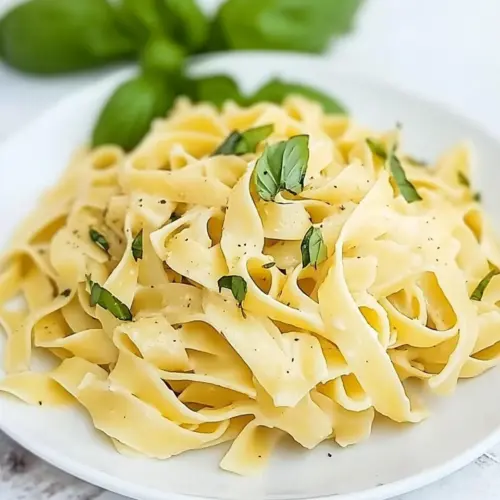
Creamy Lemon Basil Pasta
Equipment
- Skillet
- Large Pot
- Colander
- Grater
- Wooden Spoon
Ingredients
- 8 ounces pasta (I used penne) Boil to tender and hold sauce; provides the starchy base that soaks up the creamy lemon-basil sauce and carries flavors through each bite. Cook until al dente for best texture and toss immediately with sauce to prevent clumping.
- 1/2 medium onion chopped Sauté gently until translucent to build a sweet, aromatic foundation that balances the richness of the cream cheese and Parmesan. Chop to even pieces so it softens quickly and melds into the sauce without overpowering other flavors.
- 1 tablespoon olive oil Heat to release fruity, peppery notes and serve as the fat medium for softening aromatics and coating pasta evenly. Use moderate heat to avoid smoking while helping to bloom the Italian seasoning and garlic.
- 2 cloves garlic minced Mince finely and cook briefly to release pungent, savory depth that brightens the cream-based sauce and pairs with lemon zest. Add towards the start of sautéing to infuse oil without becoming bitter from overcooking.
- 1 (8 ounce) package cream cheese softened Soften fully and whisk into warm pasta water and aromatics to create a luxuriously creamy, tangy sauce that binds ingredients. Bring to room temperature before stirring in to ensure a smooth, lump-free emulsion with the Parmesan.
- Juice & zest of 1/2 lemon Zest for intense citrus aroma and juice for bright acidity to cut through richness, adding a refreshing lift to the creamy sauce. Measure carefully to maintain balance; the zest provides concentrated lemon oils while the juice contributes bright tartness.
- 3 dashes Italian seasoning Sprinkle evenly to add a herby, earthy Mediterranean blend that enhances Italian flavors and complements basil and parsley. Use sparingly and adjust to taste to avoid masking the fresh herbs and lemon.
- 1 cup grated parmesan cheese Grate finely and dissolve into the warm cream cheese mixture to impart nutty, salty depth and help thicken the sauce into a silky coating. Stir continuously to melt smoothly and taste for seasoning as Parmesan brings significant saltiness.
- 1 large handful fresh basil torn Tear by hand to release fragrant oils and fold in at the end to provide fresh, aromatic basil notes that define the dish’s herbaceous character. Add last to preserve bright color and avoid wilting into the warm sauce.
- 1 tablespoon fresh parsley chopped finely Chop finely and sprinkle to contribute a mild, clean herbaceous finish and subtle color contrast that complements basil and lemon. Incorporate at the end for freshness and to enhance the overall herbal complexity.
- Salt & pepper to taste Season judiciously to balance flavors, enhancing the savory notes from cheese and aromatics while controlling saltiness and heat. Taste as you go, adding small amounts to achieve the desired equilibrium without overpowering delicate lemon and basil.
Instructions
- Boil a salted pot of water and cook pasta according to package directions.: The sound of the water at a lively boil should be rolling and steady, not a timid simmer. Salting the water generously seasons the pasta from the inside out, which is crucial since the sauce is light; aim for water that tastes slightly like the sea. When you add the pasta , stir immediately so the pieces do not stick together, and keep the water at a lively boil to maintain even cooking. A common mistake is under salting, which yields bland pasta, or overcooking the pasta , which ruins texture. Expect the pasta to be al dente, with a slight bite, because it will finish cooking when tossed with the sauce.
- When the pasta water is about to boil, add olive oil to a skillet over medium heat. Add the onion and sauté for 8-10 minutes, or until it's softened and lightly browned.: As the onion softens, you will hear gentle sizzling and see pieces turn translucent and then take on flecks of golden brown. This slow sauté coaxes out sweetness and depth that underpins the sauce. Keep the heat at medium to prevent rapid scorching, and stir occasionally to ensure even browning. A misstep here is rushing the process with high heat, which can char the onion and bring bitter flavors; patience produces a sweeter, layered base.
- Add the garlic to the pan and cook for 30 seconds, until fragrant.: The instant the minced garlic hits the warm oil you should smell an immediate burst of aroma, bright and savory. This step moves quickly, so stir constantly and watch for the garlic to become fragrant but not browned. If you let it brown, it will turn bitter and degrade the overall flavor. The gentle sizzle and the aroma are your visual and olfactory cues that the pan is ready for the next stage.
- Add the cream cheese, lemon juice and zest, and Italian seasoning. Stir for a couple of minutes until the cheese has melted into a sauce. Stir in the parmesan.: Once the cream cheese joins the pan, it will begin to soften and loosen, forming a thick, silky body. The aroma changes as the citrus brightens the richer notes, and you should stir continuously to encourage smooth melting. The Italian seasoning melds into the base, adding herbaceous undertones. If the cream cheese is too cold it can clump, so pre softening helps; if you see lumps, lower the heat and whisk patiently until smooth.
- Reserve 1/2 cup of the pasta water prior to draining the pasta. Add 1/4 cup of the pasta water to the sauce. If you want the sauce thinned even more, add pasta water one tablespoon at a time. Once the sauce is thinned to your liking, add in the basil, parsley, and salt & pepper. Add the pasta to the skillet and toss. Serve immediately.: Adding the grated parmesan cheese will introduce a nutty, savory quality and help the sauce become glossy. As you stir, you should notice the sauce taking on a silkier sheen and a slightly thicker consistency. Work the heat gently so the cheese melts into the emulsion rather than separating. A common issue is overheating, which can cause oils to break; keep the temperature moderate and stir steadily for a cohesive texture.
- Reserve 1/2 cup of the pasta water prior to draining the pasta Add 1/4 cup of the pasta water to the sauce If you want the sauce thinned even more add pasta water one tablespoon at a time: The reserved pasta water is a little starchy and miraculous for loosening the sauce without diluting flavor, creating a silky emulsion that clings to the pasta . When you pour in the water you should see the sauce lighten and become more fluid, with a sheen that indicates proper emulsification. Add gradually and watch the consistency, because too much water can make it thin and soupy; correct by stirring and adding a bit more parmesan cheese or heat to tighten it back up.
- Once the sauce is thinned to your liking add in the basil parsley and salt & pepper Add the pasta to the skillet and toss Serve immediately: The final stage is when the aroma peaks, the bright perfume of torn basil and the fresh snap of chopped parsley melding with the warm, creamy sauce. Off the heat, fold in the herbs so they remain vibrant and green, then season with salt and pepper to taste. When you add the drained pasta to the skillet, toss so every piece is coated; you should hear a light rustle as the sauce clings to the noodles. Serve immediately for best texture, because sitting will soften the herbs and relax the gloss on the sauce. A frequent error is waiting too long to serve, which diminishes the herbs' brightness and the sauce's cling.
Notes
- Soften the cream cheese first Let the cream cheese sit at room temperature for 30 minutes or microwave for 20 to 30 seconds to ensure it melts evenly into the sauce and avoids lumps.
- Adjust lemon intensity If you want more brightness add additional lemon juice a teaspoon at a time, tasting as you go so the citrus enhances rather than overwhelms the balance with the parmesan cheese.
- Make it silkier with pasta water Use the reserved starchy water to thin the sauce gradually, adding one tablespoon at a time until it reaches a glossy, clingy texture that covers the pasta.
- Keep herbs vivid Add the torn basil off the heat to preserve its aroma and color, folding gently so leaves remain intact and fragrant in the finished dish.
- Boost umami if desired Stir in an extra handful of finely grated parmesan cheese at the end for deeper savory notes and a thicker, more luxurious mouthfeel.