Make Ahead Buttery Baked Oatmeal
Make Ahead Buttery Baked Oatmeal is the recipe I reach for when mornings are going to be chaotic, and I want breakfast that feels both comforting and effortless. The first time I made it, I was prepping for a weekend houseful of friends, and the aroma of old fashioned oats and brown sugar drifting through the kitchen felt like a warm welcome. That smell alone convinced me this was a keeper, and the fact that the mix stores so well made it a repeat performer in my routine.
I have a soft spot for recipes that bridge planning and spontaneity, and this one does that beautifully. I like measuring the dry mix ahead of time, tucking it into a jar, and knowing that with a bit of boiling water and a touch of unsalted butter I can have a cozy, substantial breakfast in under half an hour. Over the years I have learned little tweaks that improve texture and flavor, and those small habits make the difference between a fine breakfast and one I crave.
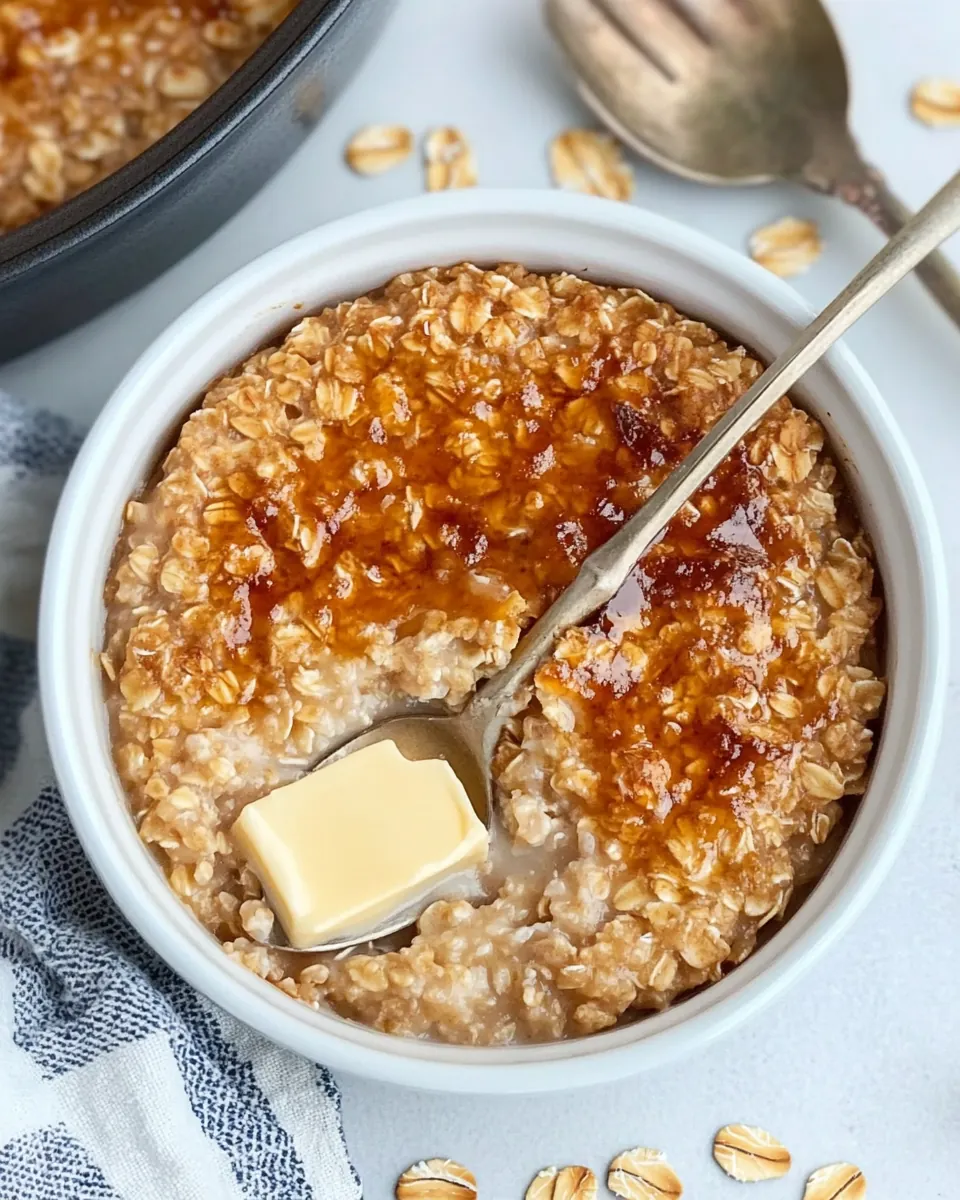
Serving this for company has become one of my signature moves. It reheats well, holds a pleasing chew from the oats, and the caramelized brown sugar top offers a tiny moment of showmanship. When guests comment on how homemade and thoughtful it tastes, I know the make ahead step paid off. I enjoy that it feels old fashioned yet practical, and that it travels well from oven to table.
Recipe Snapshot
37 mins
15 mins
22 mins
Easy
250 kcal
American
Gluten-Free, Vegan
Breakfast
Oven, Mixing bowl, Oven proof bowl
The Appeal of This Make Ahead Buttery Baked Oatmeal
Make ahead convenience
I love that you can mix everything in advance and store it, it saves precious minutes on busy mornings and means you can serve something impressive with very little morning fuss. Having the dry mix ready means you can scale servings quickly without scrambling through the pantry.
Buttery, comforting flavor
The combination of unsalted butter with brown sugar gives a rich, slightly caramelized profile that makes the oatmeal feel indulgent without being heavy. I find that a small pat of butter melted on top right before broiling creates those crispy golden pockets of flavor we all love.
Texture that satisfies
Using old fashioned oats gives a toothsome chew that stands up to baking and reheating. The dry milk powder keeps the finished oats creamy without thinning the bake, and the raisins add pops of concentrated sweetness that contrast nicely with the toasty edges.
Versatility for serving
This recipe works for solo breakfasts, a family brunch, or a breakfast buffet. I enjoy how adaptable it is, you can serve it plain, drizzle warmed half and half over it, or add seasonal fruit on the side. Because it stores well, you can also portion it for packed breakfasts or guests with varied schedules.
Make ahead hospitality
As someone who likes hosting without last minute stress, I appreciate that this recipe lets me set a warm tone for the day. It looks and smells like something that took time, even though the hands on moments are minimal. That combination of ease and warmth is why I keep this one in regular rotation.
Ingredients for Make Ahead Buttery Baked Oatmeal
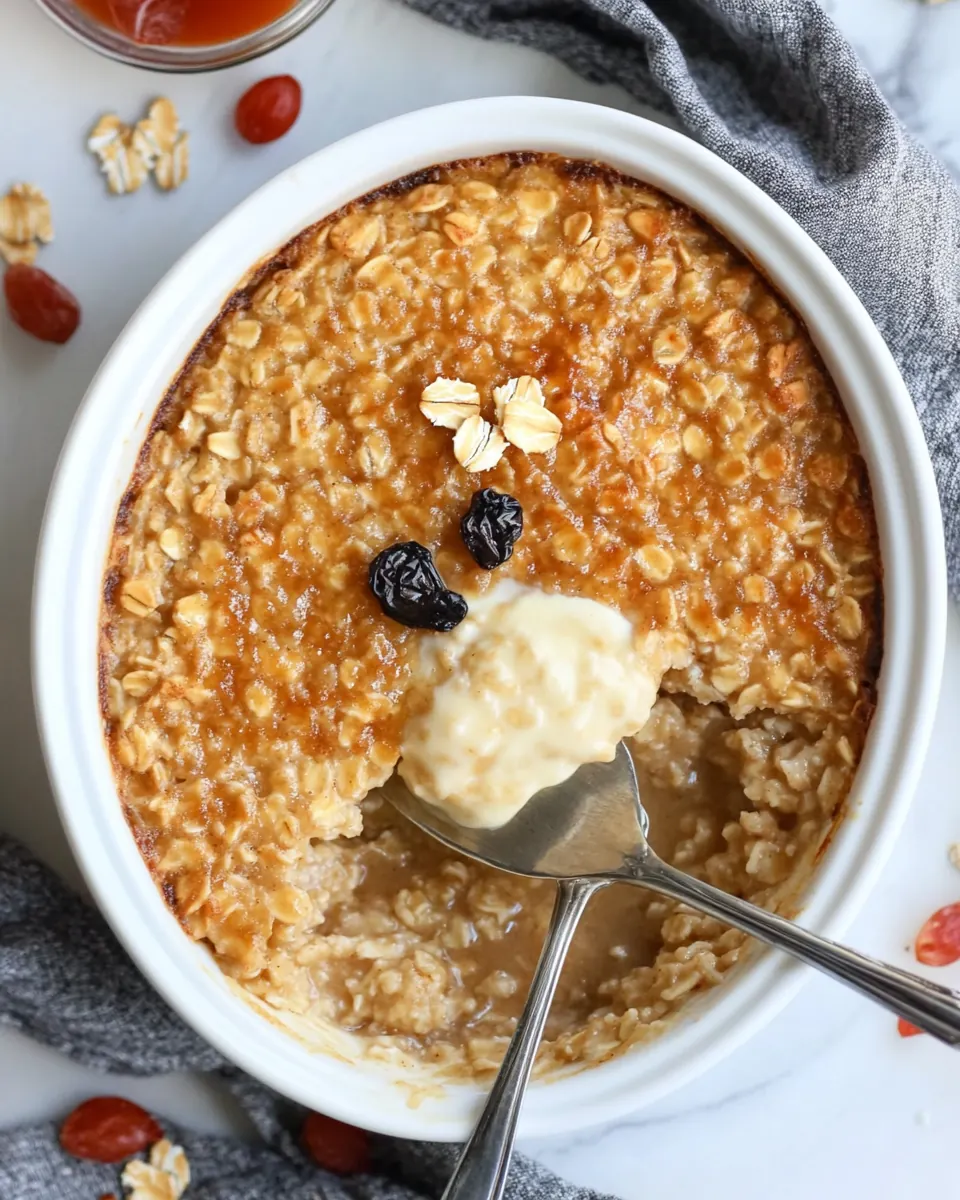
I believe great baked oatmeal starts with sturdy, honest ingredients that work together to create deep flavor and satisfying texture. The dry mix is essentially the backbone, with old fashioned oats providing chew, dry milk powder adding creaminess without extra liquid, and brown sugar lending caramel notes. The little touches like unsalted butter and a sprinkling of extra sugar on top give that just baked finish.
- 5 cups old-fashioned oats (not quick cooking oats): Provide hearty texture and structure to the baked oatmeal, absorbing liquids and giving the dish its chewy, satisfying body; use old-fashioned oats for best texture rather than quick oats to avoid becoming mushy when baked and reheated.
- 2 1/2 cups dry milk powder: Add creamy, dairy-like richness and help create a cohesive batter when rehydrated; dry milk powder contributes proteins and a subtle milky flavor that enhances browning and overall mouthfeel.
- 2 1/2 cups packed brown sugar, plus a bit more for sprinkling over the top: Contribute deep, caramelized sweetness and help with moisture retention; packed brown sugar also promotes a tender crumb and can be sprinkled on top before baking for a glossy, slightly crunchy finish.
- 2 1/2 cups raisins: Introduce concentrated sweetness and chewy bursts throughout the bake while adding natural fruit flavor; raisins also help balance the richness and complement the cinnamon and brown sugar notes.
- 1 tablespoon cinnamon: Provide warm, aromatic spice that brightens the overall flavor profile and pairs well with brown sugar and raisins; cinnamon also complements the baked aroma and enhances perceived sweetness without extra sugar.
- 2 teaspoons Morton kosher salt: Season and enhance all the flavors while balancing sweetness; Morton kosher salt in this quantity ensures the dish is properly seasoned and rounds out the sweetness from sugars and fruit.
- 1/2 tablespoon unsalted butter + 1 teaspoon for topping: Add rich, buttery flavor and tenderizing fat to the mixture; the butter melts into the oats to contribute moistness and a slightly glossy mouthfeel, while the extra teaspoon on top creates a golden finish.
- 1/2 cup boiling water: Hydrate dry ingredients quickly and help dissolve sugars and milk powder; boiling water also speeds mixing and slightly cooks the oats for a softer baked texture and improved cohesion.
- 1 teaspoon brown sugar: Provide a small finishing touch of sweetness for sprinkling on top, creating tiny caramelized spots and enhancing the visual appeal and surface flavor contrast when baked.
Step by Step Instructions for Make Ahead Buttery Baked Oatmeal
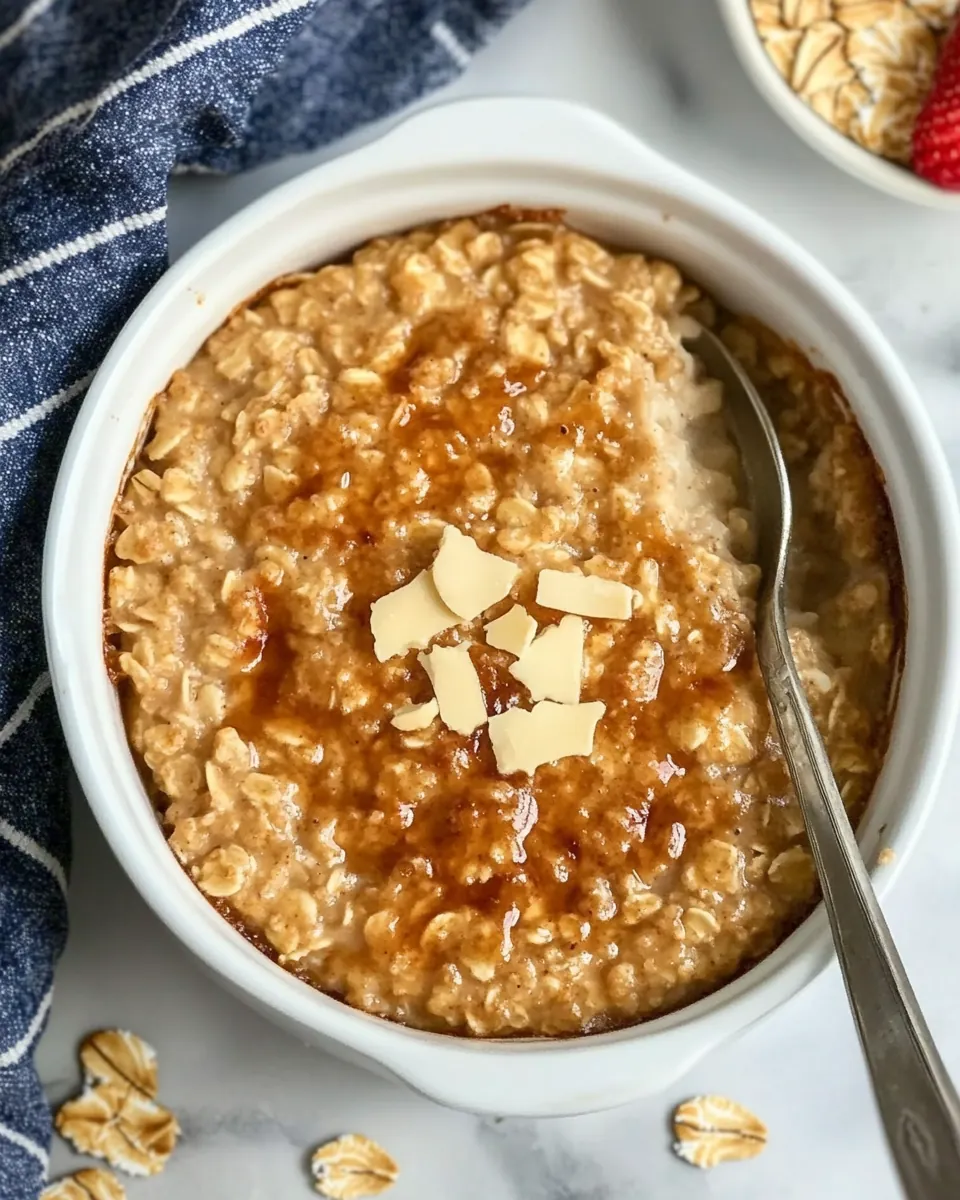
These directions guide you from assembling the dry mix to finishing with a caramelized top. Read through once so you know when to preheat the oven and when to broil. I always keep an eye on the broiler, because that final minute is when flavor and texture emerge quickly.
- In a large bowl, combine oats, dry milk, brown sugar, raisins, cinnamon, and salt. Transfer to an airtight container to store.: The moment you stir these ingredients together you will notice the aroma of cinnamon and brown sugar melding with the grainy scent of old fashioned oats , which is an early sign of the comforting profile to come. Use a wide bowl so you can fold everything evenly, ensuring the dry milk powder and salt distribute through the mix; uneven distribution leads to pockets of salt or clumps of milk powder when baked. As you mix, sift your fingers through the oats to break up clumps and watch for even color from the cinnamon. A common misstep is packing the measuring cups too tightly, which changes ratios; spoon and level each dry ingredient. Once combined, transfer the mix into an airtight container and press the surface flat to store compactly. The why of this step is simple, creating a uniform dry mix lets you portion quickly later, and it prevents surprises in flavor when you bake. If you notice the mix is lumpy from the brown sugar, break it apart with the back of a spoon. Troubleshooting tip, if your saved mix seems dry when later rehydrated, add a tablespoon of additional boiling water per serving to reach your preferred creaminess.
- Preheat oven to 350°F.: When the oven warms, you will begin to smell a faint, neutral warmth from the heating elements, which indicates the air is reaching temperature. Preheating is crucial so the bake begins cooking immediately and the edges can develop that desirable lightly toasted color; starting in a cold oven can make the oats dry out unevenly. Place the oven rack in the center position for even heat distribution, and if you have an oven thermometer use it to confirm accuracy, as many ovens run hotter than their dial indicates. A frequent error is skipping preheat and ending with a gummy center; give the oven those full minutes to stabilize. When the oven reaches 350°F, the environment is ready for consistent bubbling and browning within the bake, which influences final texture and depth of flavor. If you are unsure whether your oven has reached the right temperature, wait an extra five minutes to be safe.
- In a small oven-proof bowl, combine a generous 1/2 cup Dry Oatmeal Mix, 1/2 tablespoon butter, and 1/2 cup boiling water. Stir to combine. (Adjust the proportions if you'd like a larger serving. To double the serving size, use 1 cup Dry Oatmeal Mix, 1 tablespoon butter, and 1 cup boiling water.): Right away you will notice steam rising and the dry particles absorbing liquid, softening into a creamy slurry; this is the hydration step that transforms the dry mix into a cohesive batter. The aroma shifts from dusty oats to warm, milky sweetness as the dry milk powder dissolves, and the melted butter coats the oats lending sheen and a silky mouthfeel. Stir until there are no large pockets of dry mix visible, scraping the bowl sides to integrate any lingering clumps. This proportion creates a nicely set but still moist texture after baking; altering ratios changes firmness, so follow them closely unless you are intentionally adjusting for larger portions. The instruction mentions doubling for more servings, which is helpful, but when scaling be mindful to keep the same hydration ratio to avoid a too loose or too dry bake. Troubleshooting, if the mix separates or appears grainy after stirring, add a splash more boiling water and stir vigorously until smooth.
- Bake for about 20 minutes, or until the oatmeal is a bit browned and bubbly at the edges. Remove bowl from oven and place 1 teaspoon butter on the top center of the oatmeal. Sprinkle 1 teaspoon brown sugar over the butter.: As the bake progresses you will hear gentle bubbling and see steam escaping at the edges, the surface will shift from pale to a warm, golden hue, which signals the sugars are caramelizing and the oats are setting. The edges should be slightly darker and the center set but still moist, a balance that keeps the interior tender while offering toasted notes around the perimeter. When you remove the bowl, the butter you place on top will melt into a buttery pool and the sprinkled brown sugar will start to dissolve, preparing for that final caramel crown. The purpose of this addition is to concentrate sweetness and create a crunchy, glossy finish after broiling. A common mistake is leaving the bake too long, which leads to dryness; watch for those visual cues. If the center seems underdone while the edges are overbrowning, reduce oven temperature by 10 to 15 degrees in future bakes for calmer, more uniform cooking.
- Return bowl to oven and broil the oatmeal until the butter and brown sugar on top caramelizes and bubbles, about 1-2 minutes.: The broiler delivers intense, direct heat that quickly melts and caramelizes the sugar, producing bubbling, amber spots that deliver contrast in texture and a glossy sheen that makes the dish feel finished. You will want to watch closely from the window because broiling is rapid and can go from caramelized to burnt in seconds; seeing small pockets of bubbled sugar and a light golden tint is the signal to stop. The why here is that the broiler creates that tiny textural drama, a delicate crisp top versus a soft interior. A typical pitfall is leaving the oven door open during broiling which can interrupt the broiler cycle on some ovens, so keep the door closed and observe through the glass. If you find spots burning too fast, move the rack down a notch or briefly remove the dish and finish at a lower temperature for a minute.
- Remove from oven and serve hot. I like to drizzle warmed half & half over the top!: Serving while hot ensures the contrast between the crisped top and the warm, creamy interior is at its best, and drizzling warmed half and half adds a silky finish that melts into the bake for extra richness. You will hear a gentle sigh as the steam meets the cooler room air, and the aroma intensifies, drawing attention to the nutty and caramel notes. The reason for serving immediately is to capture that textural interplay and the freshly caramelized sugar, which loses crispness as it cools. A common error is letting it sit too long before serving, which can make the top soften and the interior feel denser. If you need to hold it, reheat briefly under a low oven to revive the top, watching carefully so you don't dry out the oats.
Expert Tips about Make Ahead Buttery Baked Oatmeal
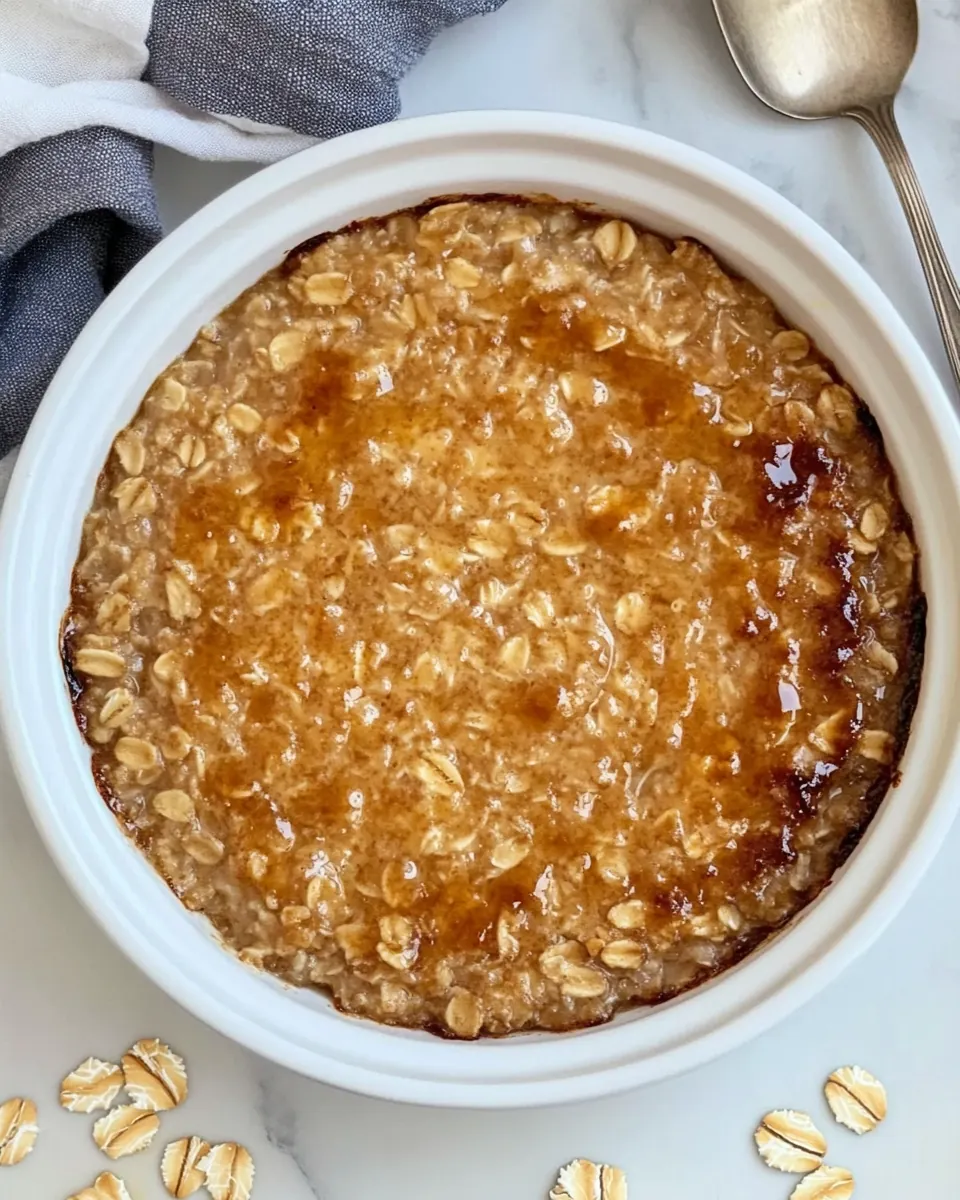
I find small technique choices make big differences when you prepare this oatmeal. Below are tips shaped by repeated tests and those little recoveries when something did not go as planned.
- Scale servings accurately: When doubling the recipe, keep the exact hydration ratio by using 1 cup Dry Oatmeal Mix, 1 tablespoon butter, and 1 cup boiling water for a larger single serving; this prevents a too wet or too dry bake.
- Watch the broiler carefully: The final caramelization happens fast, so stand by the oven window and stop when you see bubbling amber spots to avoid any burnt sugar flavor.
- Store the dry mix properly: Use an airtight container and press the mix flat to save space and reduce air exposure, which preserves texture and flavor for weeks.
- Plump raisins if needed: If your raisins look shriveled, soak them five to ten minutes in warm water and drain before mixing to ensure they rehydrate during baking and provide juicy bites.
- Use quality brown sugar: Darker brown sugar gives more molasses depth; it intensifies the caramel notes when broiled and complements the oats and milk powder.
- Check oven temperature: If your oven runs hot, lower the temperature by ten degrees to avoid overbrowning before the center sets, which helps achieve even texture.
Pairing Suggestions for Make Ahead Buttery Baked Oatmeal
This dish works well across mornings and informal gatherings, and a few thoughtful pairings make it feel complete. Below are ideas for sides, occasions, and storage that help you decide how to serve it.
- For family breakfasts: Serve warm bowls with a side of fresh fruit like sliced apples or pears to add brightness, and set out a small pitcher of warmed half and half for drizzling.
- For brunch gatherings: Present the baked oatmeal as part of a buffet with small plates of jam, nut butter, and yogurt, allowing guests to customize their bowls.
- Storage and reheating: Store leftover portions in airtight containers in the refrigerator for up to three days, and reheat in a low oven or microwave until warmed through, then briefly broil if you want to revive the top.
- Seasonal variations: In fall, pair with spiced apple compote or roasted pears for a cozy combination; the warm spices and fruit complement the cinnamon and brown sugar in the oatmeal.
- Occasions: Great for weekend mornings, holiday breakfast spreads, or a low fuss overnight stay when you want to offer something homey and satisfying without last minute work.
- Portioning for busy weeks: Pre-portion the dry mix into jars or bags so you can quickly prepare single servings on busy mornings, making it easy to eat well even on packed days.
FAQ
Conclusion
This Make Ahead Buttery Baked Oatmeal stands out because it marries convenience with a luscious, caramelized finish that feels special yet effortless. It’s easy to prepare ahead, stores well, and bakes into a dish with toasty edges, a chewy interior, and warm, buttery sweetness that guests and family will appreciate. Give it a try on a busy morning or for a relaxed brunch, and you might find it joining your regular rotation. I hope you enjoy the cozy flavors and the freedom that comes from having breakfast mostly handled before the day begins.
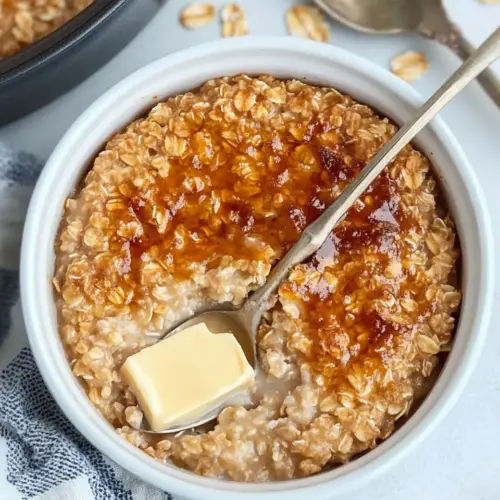
Make Ahead Buttery Baked Oatmeal
Equipment
- Oven
- Mixing Bowl
- Oven proof bowl
Ingredients
- 5 cups old-fashioned oats (not quick cooking oats) Provide hearty texture and structure to the baked oatmeal, absorbing liquids and giving the dish its chewy, satisfying body; use old-fashioned oats for best texture rather than quick oats to avoid becoming mushy when baked and reheated.
- 2 1/2 cups dry milk powder Add creamy, dairy-like richness and help create a cohesive batter when rehydrated; dry milk powder contributes proteins and a subtle milky flavor that enhances browning and overall mouthfeel.
- 2 1/2 cups packed brown sugar, plus a bit more for sprinkling over the top Contribute deep, caramelized sweetness and help with moisture retention; packed brown sugar also promotes a tender crumb and can be sprinkled on top before baking for a glossy, slightly crunchy finish.
- 2 1/2 cups raisins Introduce concentrated sweetness and chewy bursts throughout the bake while adding natural fruit flavor; raisins also help balance the richness and complement the cinnamon and brown sugar notes.
- 1 tablespoon cinnamon Provide warm, aromatic spice that brightens the overall flavor profile and pairs well with brown sugar and raisins; cinnamon also complements the baked aroma and enhances perceived sweetness without extra sugar.
- 2 teaspoons Morton kosher salt Season and enhance all the flavors while balancing sweetness; Morton kosher salt in this quantity ensures the dish is properly seasoned and rounds out the sweetness from sugars and fruit.
- 1/2 tablespoon unsalted butter + 1 teaspoon for topping Add rich, buttery flavor and tenderizing fat to the mixture; the butter melts into the oats to contribute moistness and a slightly glossy mouthfeel, while the extra teaspoon on top creates a golden finish.
- 1/2 cup boiling water Hydrate dry ingredients quickly and help dissolve sugars and milk powder; boiling water also speeds mixing and slightly cooks the oats for a softer baked texture and improved cohesion.
- 1 teaspoon brown sugar Provide a small finishing touch of sweetness for sprinkling on top, creating tiny caramelized spots and enhancing the visual appeal and surface flavor contrast when baked.
Instructions
- In a large bowl, combine oats, dry milk, brown sugar, raisins, cinnamon, and salt. Transfer to an airtight container to store.: The moment you stir these ingredients together you will notice the aroma of cinnamon and brown sugar melding with the grainy scent of old fashioned oats , which is an early sign of the comforting profile to come. Use a wide bowl so you can fold everything evenly, ensuring the dry milk powder and salt distribute through the mix; uneven distribution leads to pockets of salt or clumps of milk powder when baked. As you mix, sift your fingers through the oats to break up clumps and watch for even color from the cinnamon. A common misstep is packing the measuring cups too tightly, which changes ratios; spoon and level each dry ingredient. Once combined, transfer the mix into an airtight container and press the surface flat to store compactly. The why of this step is simple, creating a uniform dry mix lets you portion quickly later, and it prevents surprises in flavor when you bake. If you notice the mix is lumpy from the brown sugar, break it apart with the back of a spoon. Troubleshooting tip, if your saved mix seems dry when later rehydrated, add a tablespoon of additional boiling water per serving to reach your preferred creaminess.
- Preheat oven to 350°F.: When the oven warms, you will begin to smell a faint, neutral warmth from the heating elements, which indicates the air is reaching temperature. Preheating is crucial so the bake begins cooking immediately and the edges can develop that desirable lightly toasted color; starting in a cold oven can make the oats dry out unevenly. Place the oven rack in the center position for even heat distribution, and if you have an oven thermometer use it to confirm accuracy, as many ovens run hotter than their dial indicates. A frequent error is skipping preheat and ending with a gummy center; give the oven those full minutes to stabilize. When the oven reaches 350°F, the environment is ready for consistent bubbling and browning within the bake, which influences final texture and depth of flavor. If you are unsure whether your oven has reached the right temperature, wait an extra five minutes to be safe.
- In a small oven-proof bowl, combine a generous 1/2 cup Dry Oatmeal Mix, 1/2 tablespoon butter, and 1/2 cup boiling water. Stir to combine. (Adjust the proportions if you'd like a larger serving. To double the serving size, use 1 cup Dry Oatmeal Mix, 1 tablespoon butter, and 1 cup boiling water.): Right away you will notice steam rising and the dry particles absorbing liquid, softening into a creamy slurry; this is the hydration step that transforms the dry mix into a cohesive batter. The aroma shifts from dusty oats to warm, milky sweetness as the dry milk powder dissolves, and the melted butter coats the oats lending sheen and a silky mouthfeel. Stir until there are no large pockets of dry mix visible, scraping the bowl sides to integrate any lingering clumps. This proportion creates a nicely set but still moist texture after baking; altering ratios changes firmness, so follow them closely unless you are intentionally adjusting for larger portions. The instruction mentions doubling for more servings, which is helpful, but when scaling be mindful to keep the same hydration ratio to avoid a too loose or too dry bake. Troubleshooting, if the mix separates or appears grainy after stirring, add a splash more boiling water and stir vigorously until smooth.
- Bake for about 20 minutes, or until the oatmeal is a bit browned and bubbly at the edges. Remove bowl from oven and place 1 teaspoon butter on the top center of the oatmeal. Sprinkle 1 teaspoon brown sugar over the butter.: As the bake progresses you will hear gentle bubbling and see steam escaping at the edges, the surface will shift from pale to a warm, golden hue, which signals the sugars are caramelizing and the oats are setting. The edges should be slightly darker and the center set but still moist, a balance that keeps the interior tender while offering toasted notes around the perimeter. When you remove the bowl, the butter you place on top will melt into a buttery pool and the sprinkled brown sugar will start to dissolve, preparing for that final caramel crown. The purpose of this addition is to concentrate sweetness and create a crunchy, glossy finish after broiling. A common mistake is leaving the bake too long, which leads to dryness; watch for those visual cues. If the center seems underdone while the edges are overbrowning, reduce oven temperature by 10 to 15 degrees in future bakes for calmer, more uniform cooking.
- Return bowl to oven and broil the oatmeal until the butter and brown sugar on top caramelizes and bubbles, about 1-2 minutes.: The broiler delivers intense, direct heat that quickly melts and caramelizes the sugar, producing bubbling, amber spots that deliver contrast in texture and a glossy sheen that makes the dish feel finished. You will want to watch closely from the window because broiling is rapid and can go from caramelized to burnt in seconds; seeing small pockets of bubbled sugar and a light golden tint is the signal to stop. The why here is that the broiler creates that tiny textural drama, a delicate crisp top versus a soft interior. A typical pitfall is leaving the oven door open during broiling which can interrupt the broiler cycle on some ovens, so keep the door closed and observe through the glass. If you find spots burning too fast, move the rack down a notch or briefly remove the dish and finish at a lower temperature for a minute.
- Remove from oven and serve hot. I like to drizzle warmed half & half over the top!: Serving while hot ensures the contrast between the crisped top and the warm, creamy interior is at its best, and drizzling warmed half and half adds a silky finish that melts into the bake for extra richness. You will hear a gentle sigh as the steam meets the cooler room air, and the aroma intensifies, drawing attention to the nutty and caramel notes. The reason for serving immediately is to capture that textural interplay and the freshly caramelized sugar, which loses crispness as it cools. A common error is letting it sit too long before serving, which can make the top soften and the interior feel denser. If you need to hold it, reheat briefly under a low oven to revive the top, watching carefully so you don't dry out the oats.
Notes
- Scale servings accurately: When doubling the recipe, keep the exact hydration ratio by using 1 cup Dry Oatmeal Mix, 1 tablespoon butter, and 1 cup boiling water for a larger single serving; this prevents a too wet or too dry bake.
- Watch the broiler carefully: The final caramelization happens fast, so stand by the oven window and stop when you see bubbling amber spots to avoid any burnt sugar flavor.
- Store the dry mix properly: Use an airtight container and press the mix flat to save space and reduce air exposure, which preserves texture and flavor for weeks.
- Plump raisins if needed: If your raisins look shriveled, soak them five to ten minutes in warm water and drain before mixing to ensure they rehydrate during baking and provide juicy bites.
- Use quality brown sugar: Darker brown sugar gives more molasses depth; it intensifies the caramel notes when broiled and complements the oats and milk powder.
- Check oven temperature: If your oven runs hot, lower the temperature by ten degrees to avoid overbrowning before the center sets, which helps achieve even texture.