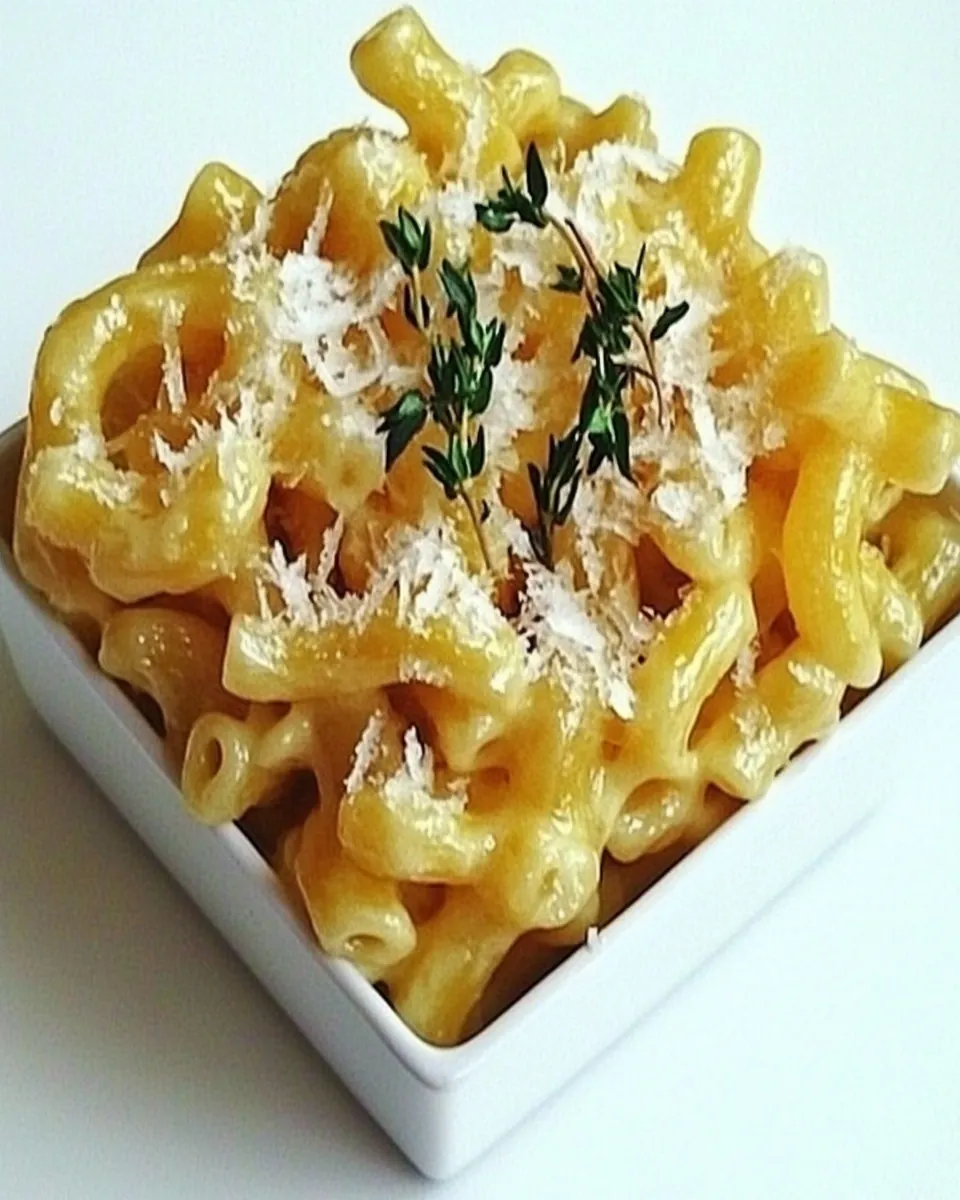
Best Ever Macaroni and Cheese
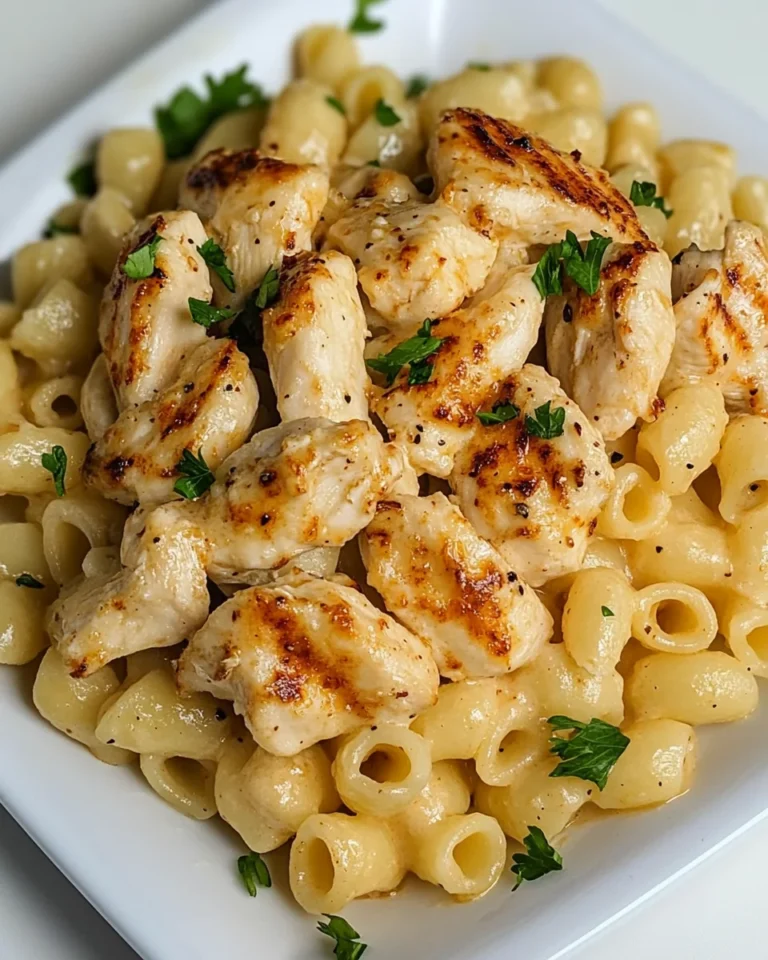
Best Ever Macaroni and Cheese is the kind of recipe that lives in my comfort food hall of fame, the one I reach for when a rainy afternoon needs rescuing or when friends drop by unexpectedly. I remember the first time I made this, the house smelled like warm cream and toasted cheese, and everyone hovered around the kitchen counter, eager for the first forkful. I learned to trust simple techniques that coax maximum creaminess from a short list of ingredients, and that memory has shaped how I cook this every time.
There is something so satisfying about stirring a velvety sauce until it clings perfectly to every piece of pasta. I like to think of this recipe as a small act of generosity, an easy way to make people feel cozy. Over the years, I have tweaked the timing and the order of addition to keep the sauce smooth and glossy. When I serve it, people always comment on the texture, and often they ask for the recipe on the spot. That warm response keeps me coming back to this version.
One of my favorite moments is that last minute when the sauce meets the hot pasta. Stirring it together is almost meditative, you can hear the faint bubbling and see ribbons of cheese fold into each other. If you love straightforward, comforting food that rewards careful but relaxed attention, you will find a lot to enjoy here. I want you to feel confident making it, whether you are feeding a family or bringing a dish to a potluck. This is my go to, and I hope it becomes one of yours.
Recipe Snapshot
40 mins
10 mins
30 mins
Easy
450 kcal
American
Gluten-Free, Low FODMAP
Dinner
Large stock pot, Medium heavy bottom sauce pot, Colander, Serving dish
The Charm of This Best Ever Macaroni and Cheese
Silky texture every time
I love how Best Ever Macaroni and Cheese delivers a sauce that is truly silky. The blend of **cream cheese**, **heavy cream**, and grated **parmesan** builds a stable, glossy emulsion that clings to each piece of pasta. I have found that adding cheeses in stages keeps the sauce smooth, and it prevents separation when you toss it with hot pasta. That little attention to order makes all the difference.
Layered cheese flavor
We get depth because the recipe uses a combination of cheeses. The sharpness from the grated **Sharp American Cheese** and the meltability of **American Cheese Food Velveeta** create a balance between tang and creaminess. I like this because it avoids a one note cheese taste. Every bite has a hint of savor, and the parmesan brings a subtle nutty edge.
Quick and weeknight friendly
This version is fast to pull together, so I often choose it for busy evenings. With just a few minutes to melt and whisk the sauce and the usual pasta cooking time, you can have dinner on the table without fuss. I appreciate recipes that respect time yet do not sacrifice flavor, and this one does exactly that.
Flexible and approachable
One of the reasons I adore this recipe is how forgiving it is. You can pick your favorite pasta shape from the pantry, and it will still shine. The seasoning is modest, so you can adjust to your preference. I frequently tell friends that a little tweak here and there personalizes it without breaking the technique, which is comforting when you want to make it your own.
Perfect for sharing
I often make a double batch for gatherings because Best Ever Macaroni and Cheese pleases nearly everyone. It is easy to transport and serve, and people respond to the creamy texture. That communal appeal is part of why I recommend it for casual dinners and small celebrations alike.
Ingredients Required for Best Ever Macaroni and Cheese
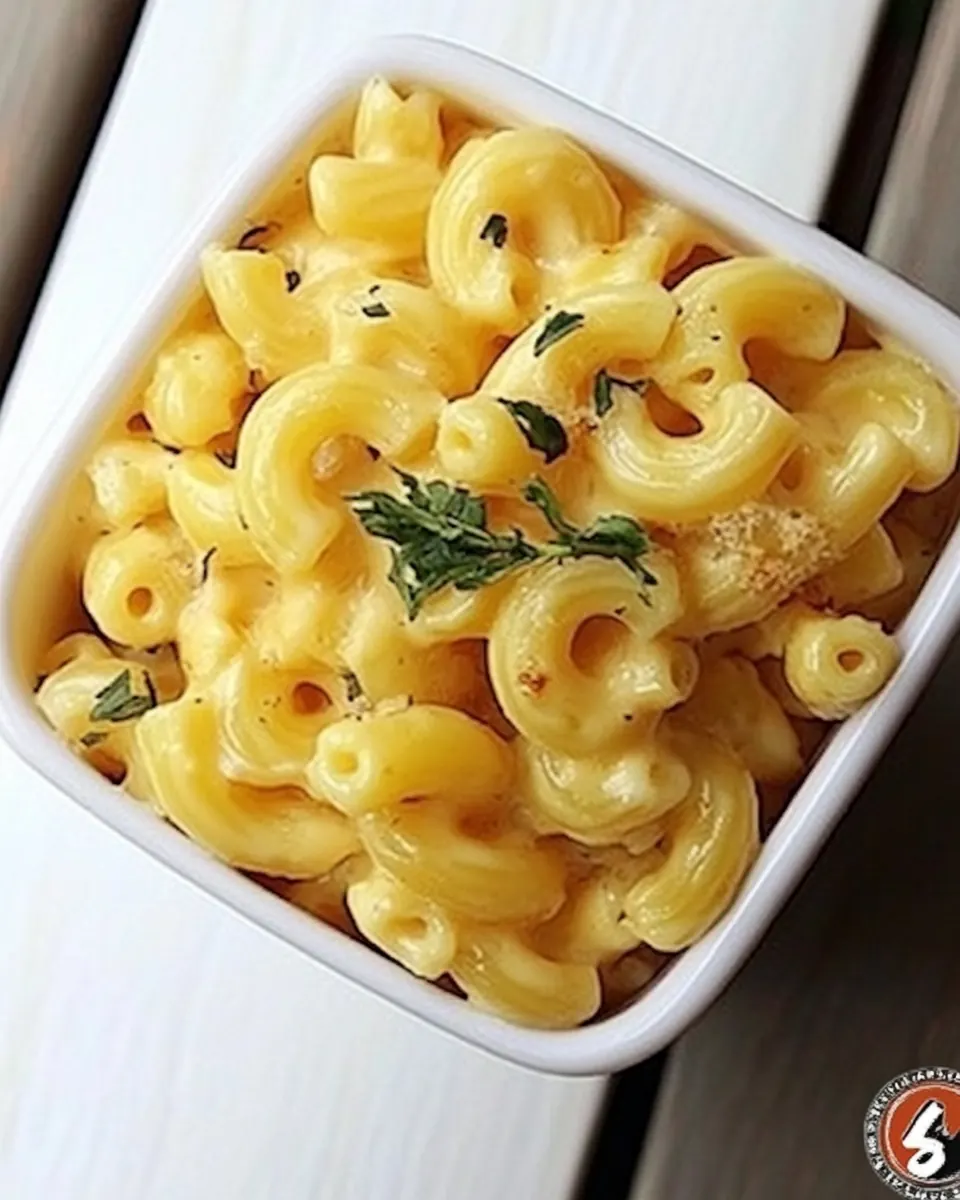
These ingredients work together to create a rich, cohesive sauce that clings to the pasta. The key players are the dairy components that provide body and silkiness, the cheeses that bring distinct flavors and melting behavior, and the seasonings that gently lift the profile. I like to think of the list as a small orchestra where each instrument has a clear role.
- 1 stick of butter: Melted to create a rich, silky base that provides fat and mouthfeel; helps bind cheeses and sauce together for creamy texture.
- 1/2 block 4 oz cream cheese: Softened and incorporated to add tangy creaminess and body; helps stabilize the sauce and contributes a smooth, velvety finish.
- 1 cup grated parmesan cheese the real stuff is best – the green plastic can is ok.: Grated finely to contribute savory, umami depth and salty complexity; melts into the sauce to enhance overall cheesiness and flavor balance.
- 1 cup heavy cream: Poured in to loosen and enrich the sauce with a luscious, creamy consistency; supplies fat and liquid to achieve a smooth, saucy coating for pasta.
- 4 oz American Cheese Food Velveeta cut into 1 inch cubes: Cubed for melting into the sauce to provide a familiar, smooth, gooey texture and mild, cheesy flavor that promotes stretchiness.
- 4 oz Sharp American Cheese something like Cabots – grated.: Shredded to contribute sharp, tangy cheesiness and strengthen overall flavor; helps balance milder melting cheeses and adds bite.
- 1/2 teaspoon onion powder: Sprinkled to add warm, oniony aroma and gentle savory uplift; enhances background flavor without adding moisture.
- 1/2 teaspoon garlic powder: Sprinkled to add a mellow garlic aroma and subtle savory depth; boosts overall savory profile without overpowering the other cheeses.
- 1/4 teaspoon fresh grated nutmeg: Grated sparingly to add a warm, nutty spice note that brightens the sauce and complements dairy richness.
- 1/2 teaspoon smoked paprika: Sprinkled to contribute smoky warmth and subtle heat; adds complexity and a slightly savory accent to the creamy sauce.
- salt and pepper to taste: Adjusted to taste to balance and enhance all flavors; brings out the cheeses and seasonings while controlling overall savoriness.
- 1 lb sometimes it is only 12 oz box of pasta – your choice in shape. We like Penne or Rotinni.: Cooked and tossed with sauce to provide the starch base and body of the dish; chosen shape holds sauce and creates the desired bite and texture.
Cooking Method for Best Ever Macaroni and Cheese
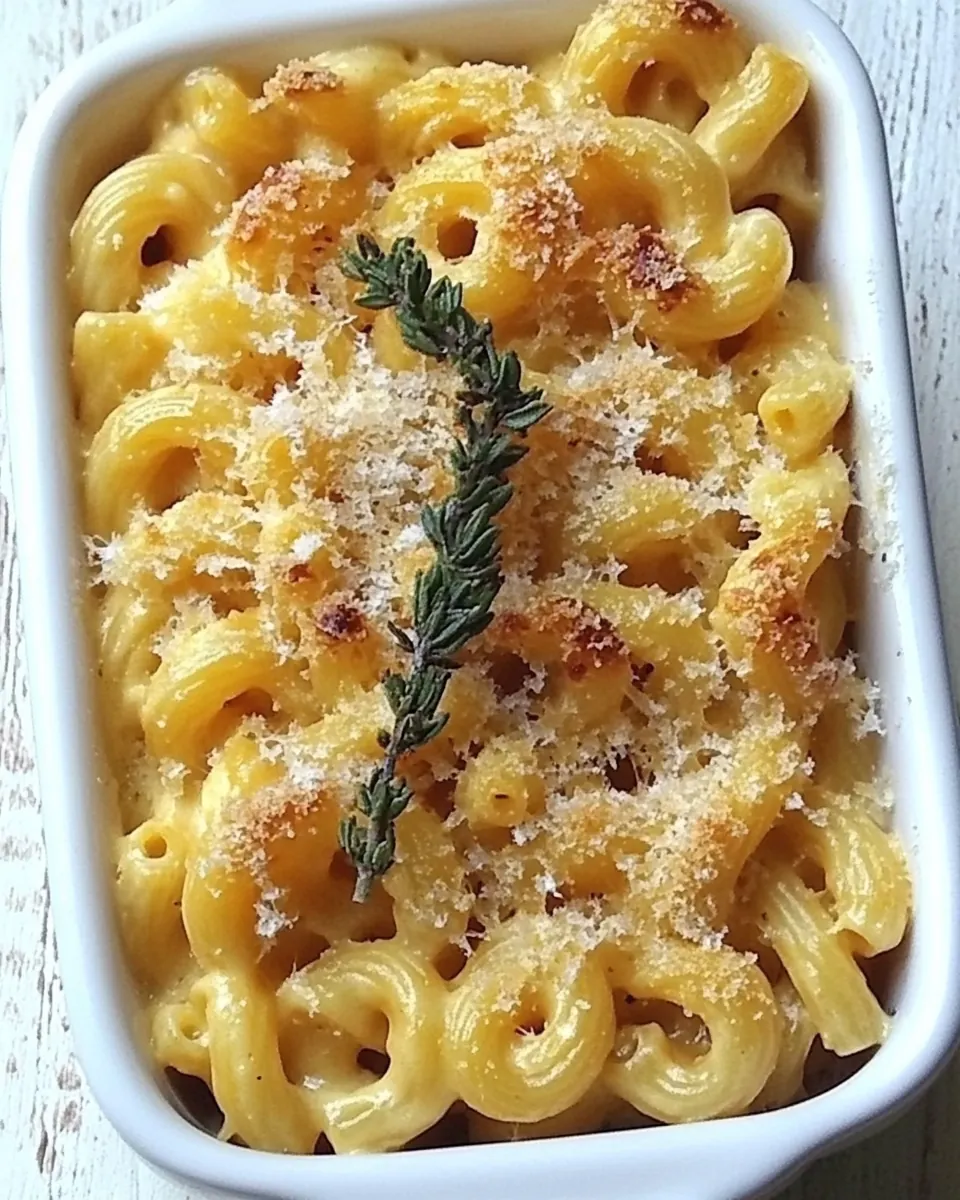
Getting this to the table each time is about timing and gentle heat control. The method centers on building the sauce slowly and then combining it with hot, drained pasta right before serving so the texture is ideal. Read each step fully, and keep an eye on temperature while you work.
- Put a large stock pot of water on to boil – follow the box instructions for cooking the pasta – however, do not salt the water as heavily as the box instructs – just about 1/2 teaspoon is enough.: The sound of a rolling boil signals readiness, and you should see vigorous movement across the surface with steam rising steadily, which ensures the pasta cooks evenly. Boiling in a roomy pot prevents the pasta from sticking together, because it has space to move. A common mistake is using a pot that is too small, which causes the water temperature to crash and results in gummy pasta . Keep the heat high enough to maintain a strong boil and glance at the pot occasionally so it stays lively.
- In a medium sauce pot (heavy bottom) over medium low heat, add the butter, cream cheese, parmesan, heavy cream, American Cheese food, onion powder, garlic powder, nutmeg and paprika and stir frequently until all is melted and thick. Add the Sharp American Cheese last and stir well. Turn the heat down to low until ready to serve.: Listen for the gentle staccato of bubbling as the pasta moves through the water, and check the texture by tasting about two minutes before the shortest time listed on the box to reach al dente. You want a little bite left, because the hot sauce will finish the texture. Overcooking is easy to do if you walk away, producing a soft, gluey result that will not hold the sauce as well. Stir the pasta occasionally while it cooks to avoid clumping.
- When pasta is cooked, drain and then place in serving dish. Just as guests are ready to serve their plates, pour the cheese sauce over the pasta and stir. Serve immediately. The sauce becomes sticky and sinks to the bottom of the bowl after a few minutes, so, it is important not to put the sauce on until just ready to serve.: You will notice the steam carry a faint saltiness when the water is properly seasoned but not overpowering; aim for about 1/2 teaspoon so the pasta has subtle seasoning without becoming too salty once the cheese is added. If you add too much salt, the finished dish can taste overly briny because the cheeses contribute sodium too. I recommend erring on the lighter side, then adjusting the sauce seasoning later.
- just about 1/2 teaspoon is enough: This modest amount lets the natural cheese flavors shine while still adding dimension to the pasta . When you drain and combine, the salted water will have done its job gently. Avoid the temptation to follow box recommendations blindly, because many are calibrated for different palates and higher salt levels than needed here.
- In a medium sauce pot heavy bottom over medium low heat add the butter: When the butter softens it should make a gentle sizzling sound and release a warm, creamy aroma; this signals a perfect starting temperature for building the sauce. A heavy bottom pot distributes heat evenly and prevents hot spots that could scorch the dairy. Too high heat will separate the fats and create graininess, so keep the flame modest and steady.
- cream cheese parmesan heavy cream American Cheese food onion powder garlic powder nutmeg and paprika and stir frequently until all is melted and thick: As the cheeses melt they transform from distinct solids into a unified, glossy liquid; you will see streaks of white and creamy yellow fold together, and the mixture will thicken slightly as proteins and fats emulsify. Stirring frequently encourages even melting and prevents the formation of stringy clumps. If you rush this with high heat, the sauce can seize and become lumpy, so be patient and keep stirring gently.
- Add the Sharp American Cheese last and stir well: Introducing the sharper grated cheese at the end lets it melt into a smooth layer of flavor without dominating the early emulsion. You should see it dissolve quickly into the warm cream, releasing a brighter, tangy aroma that lifts the sauce. A mistake here is adding cold grated cheese that can cool and thicken the sauce unevenly; have it at room temperature for faster incorporation.
- Turn the heat down to low until ready to serve: Lowering the heat keeps the sauce warm and fluid without risking separation, and you will notice faint steam but no vigorous bubbling. Maintain this gentle temperature so the sauce is ready to pour at service time. If you let it sit too long on heat, evaporation may concentrate the mixture and make it thicker than desired; a low hold keeps texture consistent.
- When pasta is cooked drain and then place in serving dish: After draining, the pasta will still be steaming and slightly glossy from the residual water; transferring it to a warmed serving dish helps retain heat so the sauce blends immediately. Use a wide bowl to give the sauce room to coat every piece. A common pitfall is draining into a colander and letting the pasta sit too long, which cools it and can stiffen the final result.
- Just as guests are ready to serve their plates pour the cheese sauce over the pasta and stir: The moment you combine hot pasta with the warm sauce there will be a satisfying hiss and a swirl of steam, and you should work quickly to fold the sauce through so every piece is coated. This ensures an even, glossy finish that looks and tastes great. If you add the sauce too early, it can settle and become sticky at the bottom of the bowl, which diminishes the texture.
- Serve immediately: The ideal plate is served right away when the sauce is at its creamiest; you will notice a gentle stretch of cheese and a warm, velvety mouthfeel. Waiting too long allows the sauce to thicken and sink, producing a less appealing texture. If you must wait, keep the sauce warm on the lowest heat and briefly re warm while stirring before combining.
- The sauce becomes sticky and sinks to the bottom of the bowl after a few minutes so it is important not to put the sauce on until just ready to serve: Timing is crucial because the sauce will change texture as it cools; you will see it lose sheen and cling lower in the bowl, which affects both presentation and mouthfeel. Coordinate plating so the final assembly happens moments before people sit down, ensuring a superior eating experience. One error to avoid is pre saucing a large tray that will sit for long periods, as separation and drying will occur.
Tips for Success
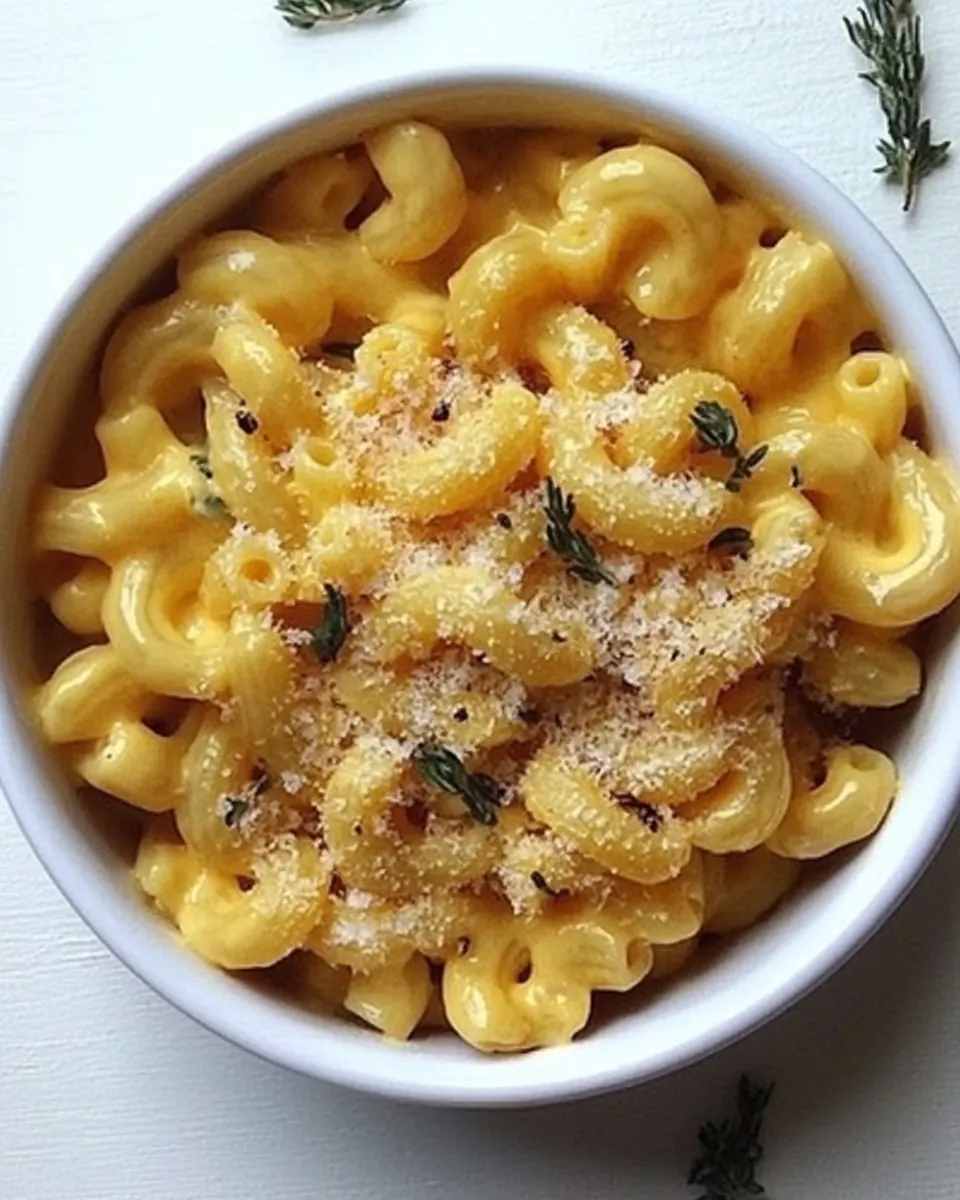
These tips will help you get a consistently creamy, flavorful result. They expand on small technique choices that make a big difference in texture and taste. Read them before you start so everything goes smoothly.
- Room temperature dairy: Bring the cream cheese and grated cheeses to room temperature so they incorporate smoothly and reduce the risk of lumps.
- Low and steady heat: Melt the cheeses over medium low to low heat to maintain a stable emulsion, preventing separation and graininess.
- Stir frequently: Frequent stirring during melting ensures even heat distribution and a silkier final sauce without stringy patches.
- Pasta selection matters: Choose short shapes with ridges like rotini or penne to trap the sauce and deliver a saucy bite every time.
- Season conservatively: Taste before adding extra salt because the mix of cheeses already contributes significant sodium.
- Serve immediately: Combine sauce and pasta right before serving to preserve the glossy texture and prevent the sauce from sinking.
- Warm serving dish: Use a warmed bowl to keep the finished dish hot longer, reducing the chance that the sauce will thicken too quickly.
How to Enjoy Best Ever Macaroni and Cheese
This dish is flexible and crowd pleasing. Use these serving ideas to make it the star of your meal, whether it is a cozy family dinner or part of a buffet. Consider the pace of your event and serve hot for best results.
- Casual family dinners: Plate individual portions in warm bowls and serve with a simple green salad for a balanced weeknight meal.
- Potluck contributions: Keep the sauce warm in a heat controlled carrier and stir before serving so every scoop is glossy and creamy.
- Comfort food moments: Offer this as the main course alongside steamed vegetables for a filling, nostalgic plate.
- Quick additions: Provide a small bowl of cracked black pepper and a light sprinkle of smoked paprika at the table so guests can finish their plates to taste.
- Storage tips: Refrigerate leftovers in an airtight container for up to three days and gently re warm with a splash of cream or milk to restore silkiness.
- Seasonal pairings: This warms up chilly winter evenings, pairing nicely with roasted root vegetables and a simple vinaigrette salad.
FAQ
Conclusion
This Best Ever Macaroni and Cheese stands out for its luxurious yet approachable sauce and thoughtful cheese combination that produces a reliably creamy, flavorful dish. Give it a try the next time you want something comforting that comes together quickly, and enjoy how the layers of cheese create a rich, satisfying experience. It is a recipe I return to again and again when I want to feed people something warm and familiar, and I hope it becomes one of your trusted go to recipes as well.
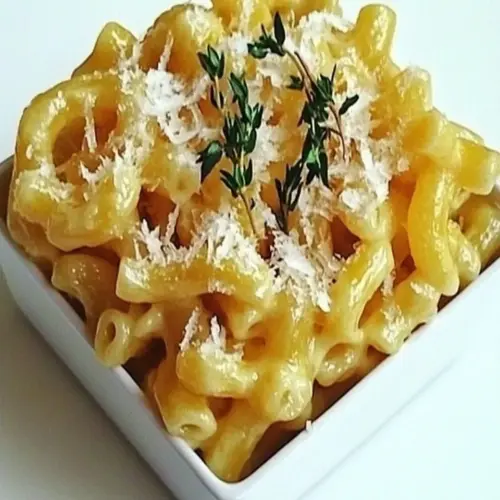
Best Ever Macaroni and Cheese
Equipment
- Large stock pot
- Medium heavy bottom sauce pot
- Colander
- Serving dish
Ingredients
- 1 stick of butter Melted to create a rich, silky base that provides fat and mouthfeel; helps bind cheeses and sauce together for creamy texture.
- 1/2 block 4 oz cream cheese Softened and incorporated to add tangy creaminess and body; helps stabilize the sauce and contributes a smooth, velvety finish.
- 1 cup grated parmesan cheese the real stuff is best - the green plastic can is ok. Grated finely to contribute savory, umami depth and salty complexity; melts into the sauce to enhance overall cheesiness and flavor balance.
- 1 cup heavy cream Poured in to loosen and enrich the sauce with a luscious, creamy consistency; supplies fat and liquid to achieve a smooth, saucy coating for pasta.
- 4 oz American Cheese Food Velveeta cut into 1 inch cubes Cubed for melting into the sauce to provide a familiar, smooth, gooey texture and mild, cheesy flavor that promotes stretchiness.
- 4 oz Sharp American Cheese something like Cabots - grated. Shredded to contribute sharp, tangy cheesiness and strengthen overall flavor; helps balance milder melting cheeses and adds bite.
- 1/2 teaspoon onion powder Sprinkled to add warm, oniony aroma and gentle savory uplift; enhances background flavor without adding moisture.
- 1/2 teaspoon garlic powder Sprinkled to add a mellow garlic aroma and subtle savory depth; boosts overall savory profile without overpowering the other cheeses.
- 1/4 teaspoon fresh grated nutmeg Grated sparingly to add a warm, nutty spice note that brightens the sauce and complements dairy richness.
- 1/2 teaspoon smoked paprika Sprinkled to contribute smoky warmth and subtle heat; adds complexity and a slightly savory accent to the creamy sauce.
- salt and pepper to taste Adjusted to taste to balance and enhance all flavors; brings out the cheeses and seasonings while controlling overall savoriness.
- 1 lb sometimes it is only 12 oz box of pasta - your choice in shape. We like Penne or Rotinni. Cooked and tossed with sauce to provide the starch base and body of the dish; chosen shape holds sauce and creates the desired bite and texture.
Instructions
- Put a large stock pot of water on to boil - follow the box instructions for cooking the pasta - however, do not salt the water as heavily as the box instructs - just about 1/2 teaspoon is enough.: The sound of a rolling boil signals readiness, and you should see vigorous movement across the surface with steam rising steadily, which ensures the pasta cooks evenly. Boiling in a roomy pot prevents the pasta from sticking together, because it has space to move. A common mistake is using a pot that is too small, which causes the water temperature to crash and results in gummy pasta . Keep the heat high enough to maintain a strong boil and glance at the pot occasionally so it stays lively.
- In a medium sauce pot (heavy bottom) over medium low heat, add the butter, cream cheese, parmesan, heavy cream, American Cheese food, onion powder, garlic powder, nutmeg and paprika and stir frequently until all is melted and thick. Add the Sharp American Cheese last and stir well. Turn the heat down to low until ready to serve.: Listen for the gentle staccato of bubbling as the pasta moves through the water, and check the texture by tasting about two minutes before the shortest time listed on the box to reach al dente. You want a little bite left, because the hot sauce will finish the texture. Overcooking is easy to do if you walk away, producing a soft, gluey result that will not hold the sauce as well. Stir the pasta occasionally while it cooks to avoid clumping.
- When pasta is cooked, drain and then place in serving dish. Just as guests are ready to serve their plates, pour the cheese sauce over the pasta and stir. Serve immediately. The sauce becomes sticky and sinks to the bottom of the bowl after a few minutes, so, it is important not to put the sauce on until just ready to serve.: You will notice the steam carry a faint saltiness when the water is properly seasoned but not overpowering; aim for about 1/2 teaspoon so the pasta has subtle seasoning without becoming too salty once the cheese is added. If you add too much salt, the finished dish can taste overly briny because the cheeses contribute sodium too. I recommend erring on the lighter side, then adjusting the sauce seasoning later.
- just about 1/2 teaspoon is enough: This modest amount lets the natural cheese flavors shine while still adding dimension to the pasta . When you drain and combine, the salted water will have done its job gently. Avoid the temptation to follow box recommendations blindly, because many are calibrated for different palates and higher salt levels than needed here.
- In a medium sauce pot heavy bottom over medium low heat add the butter: When the butter softens it should make a gentle sizzling sound and release a warm, creamy aroma; this signals a perfect starting temperature for building the sauce. A heavy bottom pot distributes heat evenly and prevents hot spots that could scorch the dairy. Too high heat will separate the fats and create graininess, so keep the flame modest and steady.
- cream cheese parmesan heavy cream American Cheese food onion powder garlic powder nutmeg and paprika and stir frequently until all is melted and thick: As the cheeses melt they transform from distinct solids into a unified, glossy liquid; you will see streaks of white and creamy yellow fold together, and the mixture will thicken slightly as proteins and fats emulsify. Stirring frequently encourages even melting and prevents the formation of stringy clumps. If you rush this with high heat, the sauce can seize and become lumpy, so be patient and keep stirring gently.
- Add the Sharp American Cheese last and stir well: Introducing the sharper grated cheese at the end lets it melt into a smooth layer of flavor without dominating the early emulsion. You should see it dissolve quickly into the warm cream, releasing a brighter, tangy aroma that lifts the sauce. A mistake here is adding cold grated cheese that can cool and thicken the sauce unevenly; have it at room temperature for faster incorporation.
- Turn the heat down to low until ready to serve: Lowering the heat keeps the sauce warm and fluid without risking separation, and you will notice faint steam but no vigorous bubbling. Maintain this gentle temperature so the sauce is ready to pour at service time. If you let it sit too long on heat, evaporation may concentrate the mixture and make it thicker than desired; a low hold keeps texture consistent.
- When pasta is cooked drain and then place in serving dish: After draining, the pasta will still be steaming and slightly glossy from the residual water; transferring it to a warmed serving dish helps retain heat so the sauce blends immediately. Use a wide bowl to give the sauce room to coat every piece. A common pitfall is draining into a colander and letting the pasta sit too long, which cools it and can stiffen the final result.
- Just as guests are ready to serve their plates pour the cheese sauce over the pasta and stir: The moment you combine hot pasta with the warm sauce there will be a satisfying hiss and a swirl of steam, and you should work quickly to fold the sauce through so every piece is coated. This ensures an even, glossy finish that looks and tastes great. If you add the sauce too early, it can settle and become sticky at the bottom of the bowl, which diminishes the texture.
- Serve immediately: The ideal plate is served right away when the sauce is at its creamiest; you will notice a gentle stretch of cheese and a warm, velvety mouthfeel. Waiting too long allows the sauce to thicken and sink, producing a less appealing texture. If you must wait, keep the sauce warm on the lowest heat and briefly re warm while stirring before combining.
- The sauce becomes sticky and sinks to the bottom of the bowl after a few minutes so it is important not to put the sauce on until just ready to serve: Timing is crucial because the sauce will change texture as it cools; you will see it lose sheen and cling lower in the bowl, which affects both presentation and mouthfeel. Coordinate plating so the final assembly happens moments before people sit down, ensuring a superior eating experience. One error to avoid is pre saucing a large tray that will sit for long periods, as separation and drying will occur.
Notes
- Room temperature dairy: Bring the cream cheese and grated cheeses to room temperature so they incorporate smoothly and reduce the risk of lumps.
- Low and steady heat: Melt the cheeses over medium low to low heat to maintain a stable emulsion, preventing separation and graininess.
- Stir frequently: Frequent stirring during melting ensures even heat distribution and a silkier final sauce without stringy patches.
- Pasta selection matters: Choose short shapes with ridges like rotini or penne to trap the sauce and deliver a saucy bite every time.
- Season conservatively: Taste before adding extra salt because the mix of cheeses already contributes significant sodium.
- Serve immediately: Combine sauce and pasta right before serving to preserve the glossy texture and prevent the sauce from sinking.
- Warm serving dish: Use a warmed bowl to keep the finished dish hot longer, reducing the chance that the sauce will thicken too quickly.