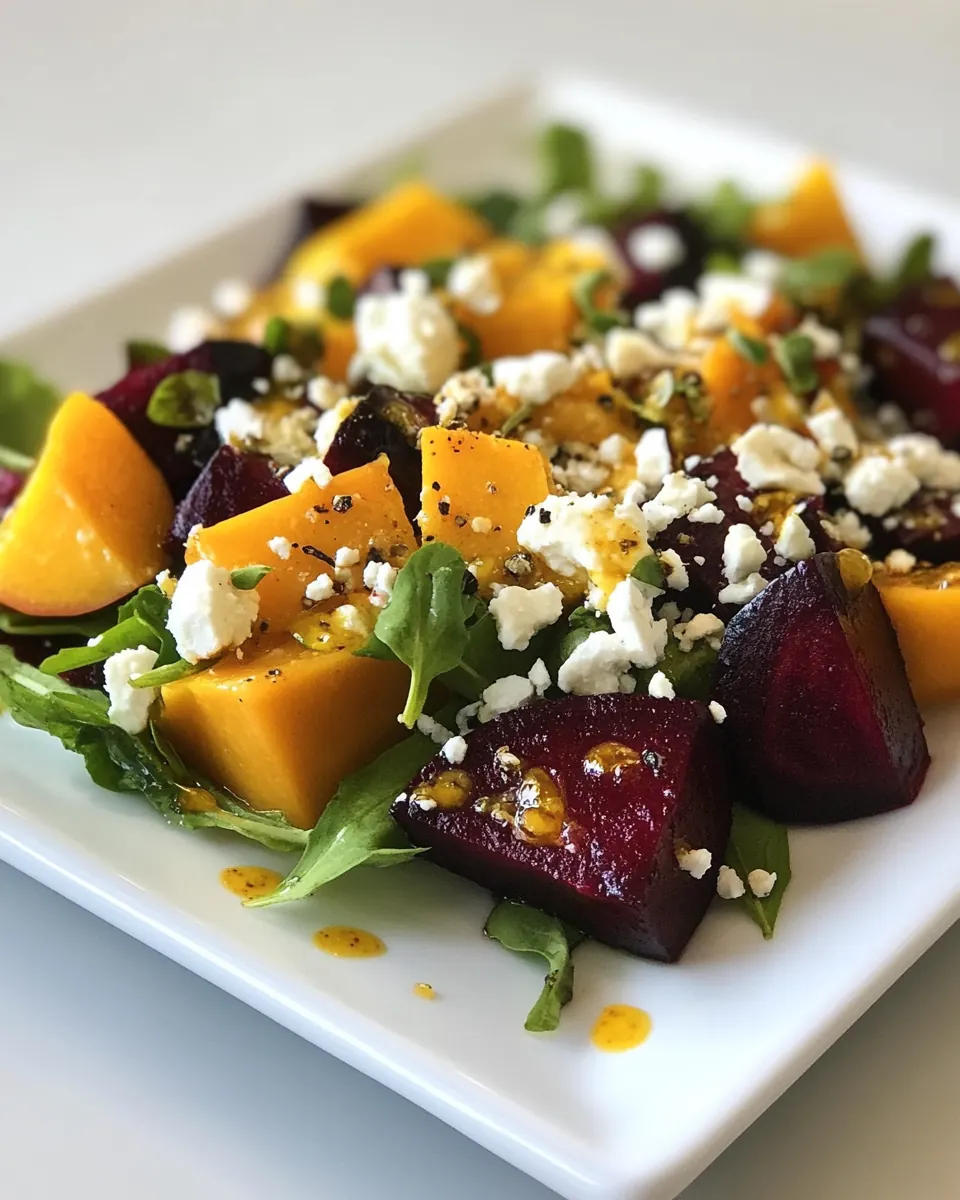
Beet Salad
Beet Salad has been one of my comfort salads since I first tasted a wedge at a tiny farmer market stand years ago, and I still reach for it when I want something bright, earthy, and a little elegant without fuss. I remember the first time I tried combining warm roasted beets with tangy cheese and a lemony vinaigrette, how the smells of citrus and garlic filled my small kitchen, and how each bite felt like a tidy balance between sweet and savory. Over time I learned to keep the dressing simple so the beet flavors sing, and how a few toasted nuts add a welcome crunch that makes the whole salad feel more substantial.
When I bring together Beet Salad for guests, I like to tell the story of the person who taught me to roast beets on a cool weekend morning, the one who insisted on steaming them briefly after roasting so the skins slip off easily. That small trick changed everything, and now I always advise friends to roast a full pound so there are leftovers for sandwiches or to toss into grain bowls. I find the salad hits every mood, whether I want something light for lunch or a pretty side for a casual dinner.
Recipe Snapshot
10 mins
5 mins
5 mins
Easy
250 kcal
Mediterranean
Gluten-Free, Vegan
Salads
Large bowl, Whisk, Skillet
The Appeal of This Beet Salad
Bright contrasting flavors
I love how Beet Salad pairs the earthy, mellow sweetness of roasted beet with a bright lemon vinaigrette. The acid of the lemon juice cuts through the beet sweetness, waking up each bite. Every time I toss the dressing with the greens, I notice how the aroma of minced garlic and the faint herbaceous note of thyme lift the whole bowl, making it feel balanced rather than heavy.
Simple techniques with big payoff
Roasting beets and toasting almonds are small steps that reward you a lot. I usually roast a batch ahead of time, because the caramelized edges and tender centers give the salad a texture you just cannot get from raw beets. Toasting the almonds intensifies their flavor and adds crunch, and it is one of those tricks that makes a home salad taste like a restaurant dish.
Versatility for meals and occasions
I turn to this Beet Salad for quick weeknight dinners and also for entertaining. It adapts to what I have on hand. Serve it alone for a light lunch, or alongside a main for dinner. The components can be prepped ahead, which means I can focus on conversation rather than last minute plating.
Satisfying textures
There is a lovely textural play here: tender roasted beet against crisp mixed field greens, creamy crumbles of goat cheese, and crunchy roasted almonds. That contrast is why I keep coming back to this salad. Each forkful has at least two textures which keeps every bite interesting.
Easy to customize
I often tweak the herbs or swap nuts and cheeses depending on what I find at the market. The base idea stays the same, so even beginners can adjust flavors without fear. I’ll sometimes use chives instead of thyme, or a sprinkle of fresh basil when summer tomatoes are around. These small swaps personalize the salad without losing what makes it special.
What to Gather for Beet Salad
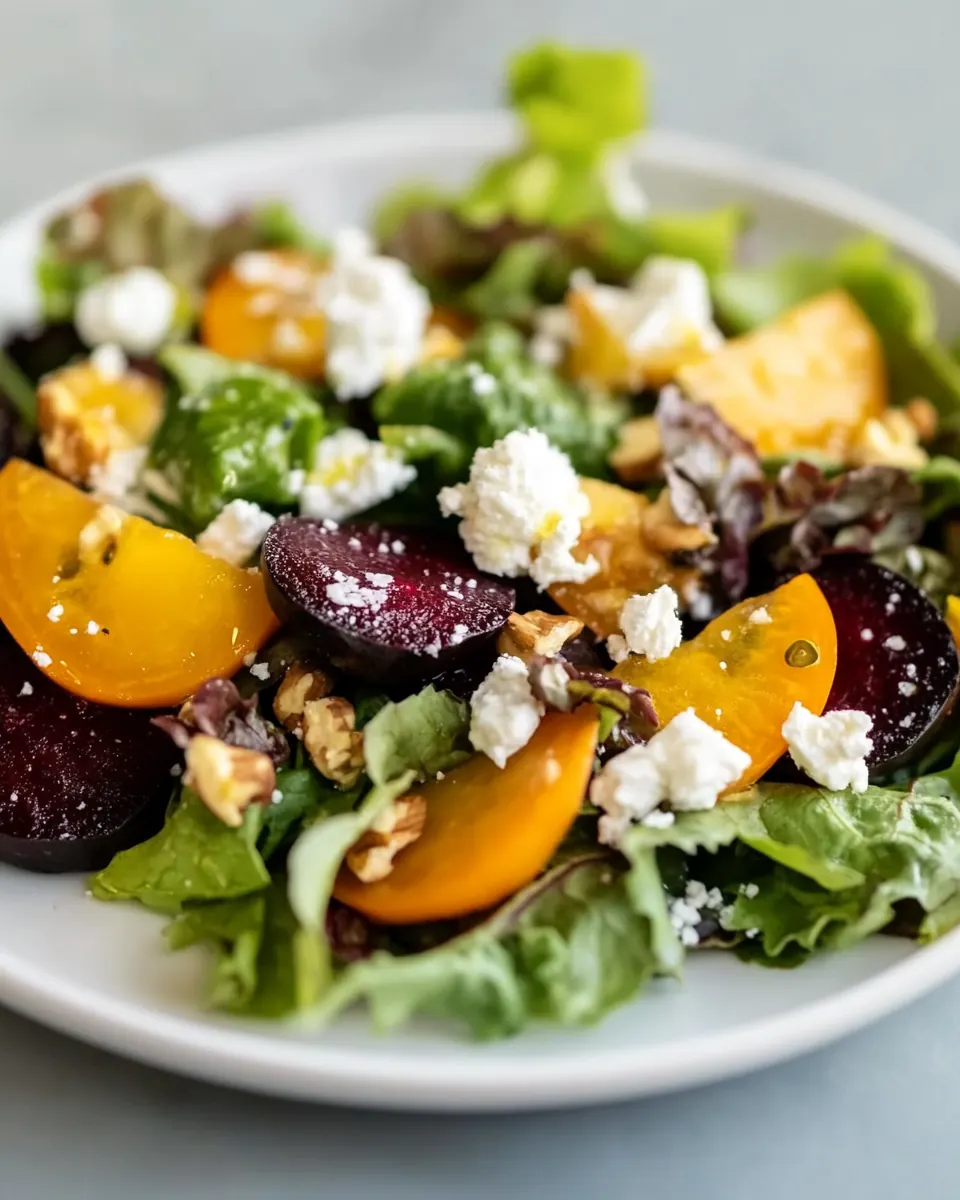
The ingredient list for Beet Salad reads like a short, focused statement about balance. We rely on a bright vinaigrette built from citrus and oil to season tender roasted beet, and then add creamy goat cheese and crunchy roasted almonds for texture. The mixed field greens act as a fresh, slightly peppery canvas. Each player has a role: acid for lift, fat for mouthfeel, sweetness from the beet, and salt to tie it all together.
- 1/2 cup olive oil: Adds richness and a smooth mouthfeel while serving as the primary fat for the dressing; helps carry and meld the flavors of lemon and garlic together. Use extra-virgin for a fruitier profile or a neutral olive oil for a milder taste, and whisk well to emulsify with mustard and lemon juice. Provides a glossy coating on greens and beets, enhancing visual appeal and preventing the salad from tasting dry.
- 1/4 cup lemon juice: Brightens the dressing with sharp acidity and citrus aromatics, balancing the oil and cutting through the richness of goat cheese. Freshly squeezed lemon juice yields cleaner flavor than bottled and helps lightly marinate the beets and greens if tossed briefly. Adjust quantity to taste to achieve the desired tang without overpowering other elements.
- 2 cloves garlic, minced, or to taste: Imparts pungent, savory depth and a subtle bite when minced finely; acts as a flavor enhancer that complements lemon and mustard. Minced garlic disperses evenly through the dressing, releasing aromatic oils that blend into the olive oil base. Use fresh cloves and adjust amount to preference to avoid overpowering delicate greens and cheese.
- 1/2 teaspoon Dijon mustard: Stabilizes and slightly thickens the vinaigrette while contributing a touch of tangy, savory complexity that helps emulsify oil and lemon juice. Dijon mustard also adds a gentle heat and depth, tying together the garlic and herbs for a cohesive dressing. Use measured quantity to maintain balance and prevent mustard from dominating the flavor.
- 1/2 teaspoon minced fresh thyme, or fresh chives or fresh basil: Infuses fresh, herbaceous notes and a delicate aromatic lift to the dressing; minced herbs add brightness that complements earthy beets and creamy goat cheese. Choose thyme for woody subtlety, chives for mild oniony flavor, or basil for sweet, anise-like warmth, depending on the desired herb profile. Add finely chopped to distribute flavor evenly without overwhelming the salad.
- Salt and freshly ground black pepper: Seasoning provides essential taste balance, enhancing sweetness from beets and brightness from lemon while rounding out overall flavors. Salt brings forward underlying flavors and helps tenderize greens slightly, while freshly ground black pepper adds a warm, biting finish. Taste the dressing and salad as you go to achieve proper seasoning without oversalting.
- 4 cups mixed field greens (1 (5-ounce) bag): Forms the fresh, leafy base of the salad and contributes varied textures and mild flavors that frame the beets, cheese, and dressing. Mixed field greens offer a combination of tender and slightly peppery leaves that absorb dressing and provide visual contrast. Use the indicated bagged amount for convenient portioning and to ensure a balanced greens-to-topping ratio.
- 1 pound roasted beets (see note 1): Provides the salad's earthy, sweet centerpiece with tender texture and deep color; roasted beets add natural sweetness and body to each bite. Roast until caramelized for concentrated flavor, then slice or cube before tossing so they distribute evenly among greens and cheese. Can be prepared ahead and served warm or chilled to suit the salad's temperature preference.
- 1 (4-ounce) package goat cheese, crumbled: Contributes creamy, tangy richness and a soft, crumbly texture that contrasts with beets and greens while adding salty-sour complexity. Crumbled goat cheese disperses in small pockets throughout the salad, creating flavorful bites and balancing the sweetness of roasted beets. Use full-fat goat cheese for the richest mouthfeel, or slightly less for a lighter finish.
- 1/2 cup slivered almonds, roasted (see note 2): Adds crunchy texture and nutty flavor while providing a toasty aroma when roasted; complements creamy cheese and tender beets with pleasant contrast. Slivered almonds can be dry-roasted or pan-toasted to enhance flavor and sprinkled over the salad just before serving to preserve crunch. Use the specified amount to maintain a balanced nuts-to-greens ratio without overwhelming the dish.
Instructions for Beet Salad
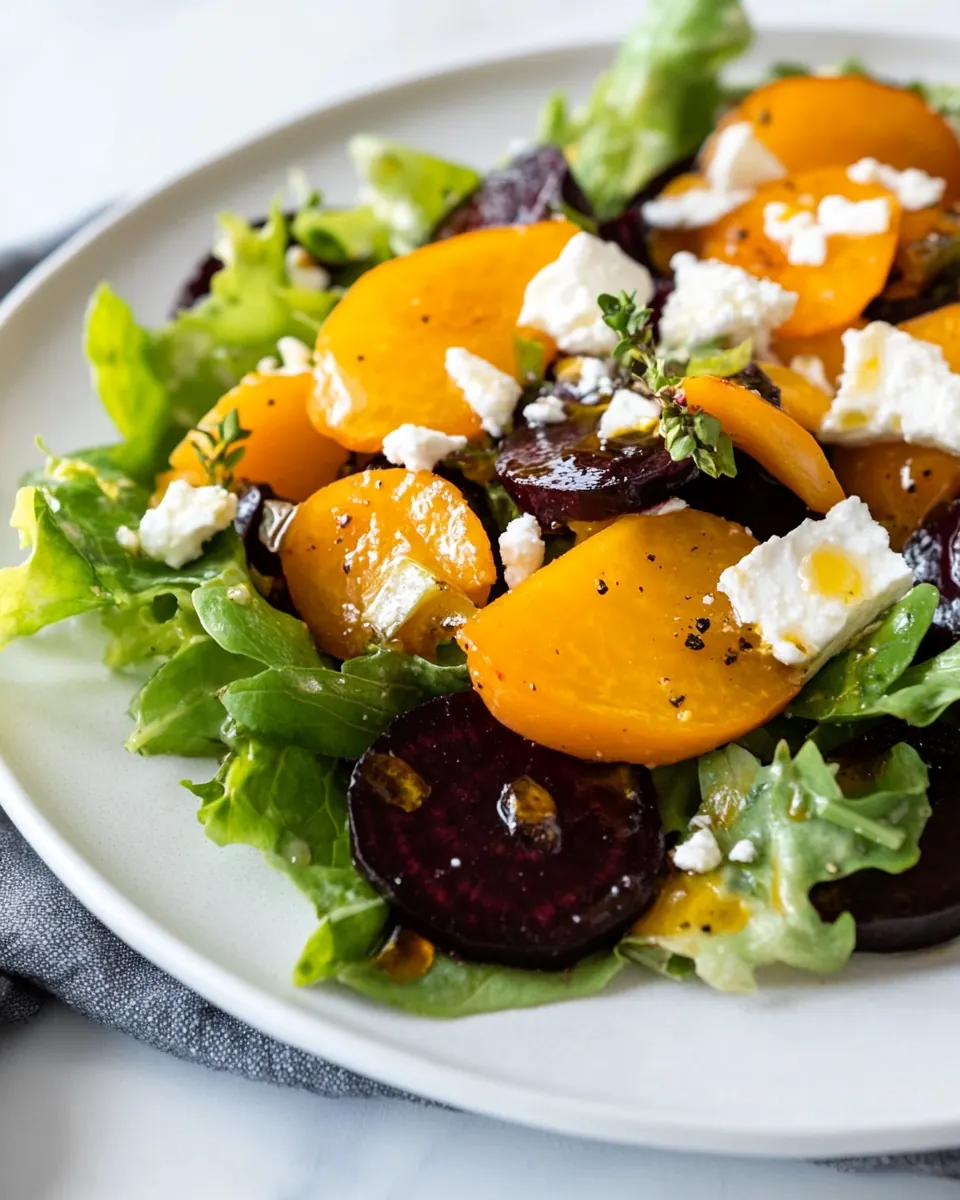
I like to think of assembling Beet Salad as two parts, building the dressing and then tossing everything together so the textures stay lively. The directions below are practical and friendly, intended to make each step tactile and easy to follow even if you are juggling a few things at once.
- To make the dressing, in a large bowl whisk together the olive oil, lemon juice, garlic, Dijon mustard, thyme, and salt and pepper to taste (I like 1/2 teaspoon salt and 1/8 teaspoon pepper).: The bowl will smell bright and savory as you whisk, the citrus should cut through the raw garlic aroma and the Dijon mustard will help the mixture thicken slightly into an emulsion. Whisk until you feel the dressing thicken, that gentle resistance means the olive oil and lemon are combined. If the dressing separates, keep whisking or add a tiny splash more lemon and mustard to stabilize it. A frequent misstep is overpacing the oil while whisking, which can prevent proper emulsification, so add the oil slowly and keep whisking steadily.
- To the bowl with the dressing, add the salad greens and toss to combine. Top with beets, goat cheese, and almonds and serve. Dressed salad greens may also be divided among individual plates before adding beets, goat cheese, and almonds.: When you add the mixed field greens to the vinaigrette, you should hear a soft rustle as leaves move and see them become lightly glossy with dressing. Toss gently but thoroughly so each leaf gets a thin coating rather than puddles forming at the bottom. The reason we dress the greens before adding harder toppings is to ensure every leaf carries flavor, and that prevents the beets from making everything too wet. A common error is overdressing, which makes the greens limp, so start with less and add more if needed.
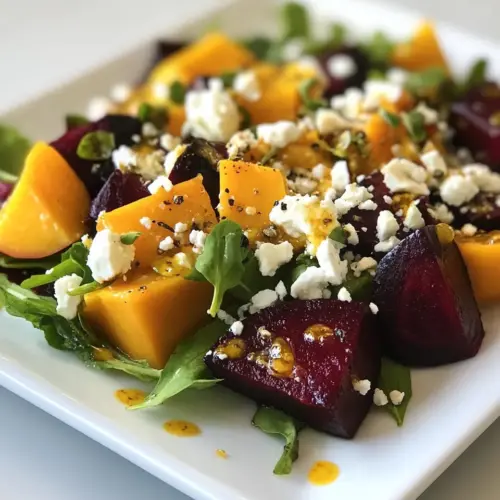
- Top with beets, goat cheese, and almonds and serve: Arrange the tender roasted beet pieces across the dressed greens for color contrast, then scatter crumbled goat cheese so some melts slightly onto warm beet if they are warm, offering creamy pockets in every bite. Finish with the toasted slivered almond s for crunch. The visual cue of glossy greens, vibrant beet pieces, and white cheese crumb is what you want to see before serving. Watch for overly large beet pieces which can overwhelm a forkful; aim for bite sized pieces for balance.
- Dressed salad greens may also be divided among individual plates before adding beets, goat cheese, and almonds: Plating individually helps with presentation and ensures each person gets a balanced portion of each component. When plating, place the greens gently in a shallow bowl, then layer the beet pieces artistically, finishing with cheese and nuts. The tactile satisfaction of layering contrasts is worth the extra couple of minutes. A typical mistake is piling everything in the center which can hide the greens, so spread components across the plate to show color and texture.
Customization Ideas
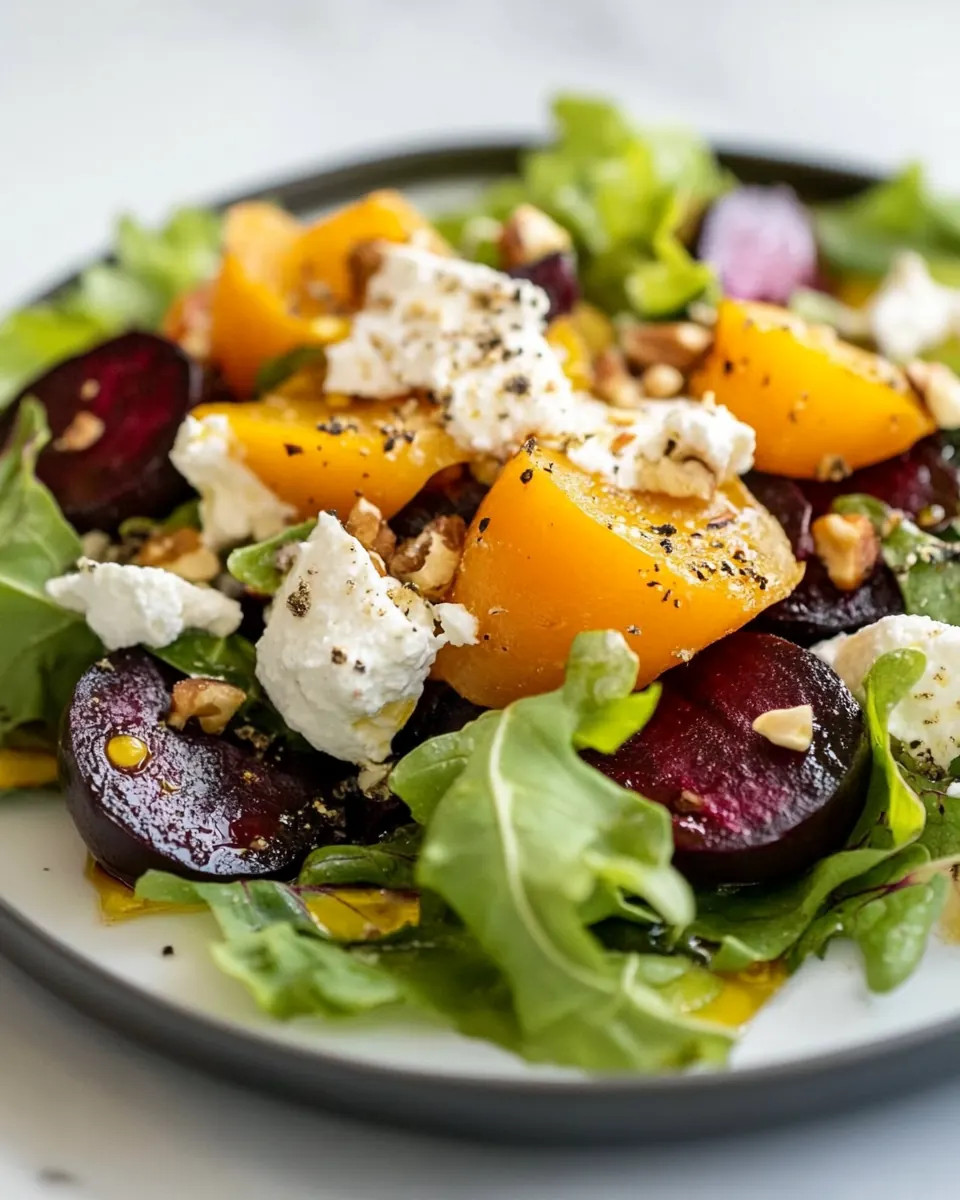
Beet Salad is a wonderfully flexible canvas that responds well to small swaps. Below are focused ideas to help you tailor the salad to season or pantry constraints while keeping the spirit of the dish intact.
- Swap the herb: Try minced fresh chives or basil instead of thyme for a milder, brighter herb presence that shifts the salad toward herbaceous summer tones.
- Change the nut: Replace slivered almonds with roasted walnuts or hazelnuts for a deeper, earthier crunch that complements the beet sweetness.
- Make it sweeter: Stir in a small spoon of honey into the vinaigrette if you prefer a softer, rounded acidity that clings to the greens and beet pieces.
- Vinegar swap: Substitute balsamic vinegar for the lemon juice for a richer, slightly sweeter dressing that pairs exceptionally well with roasted beet.
- Cheese alternatives: If you want a sharper finish, swap goat cheese for crumbled Gorgonzola or shaved Parmesan to change the salad’s savory profile.
Side Dish Ideas for Beet Salad
Beet Salad pairs beautifully with a variety of mains and fits multiple occasions. Below are detailed serving ideas and pairings to help you plan meals around the salad, whether for casual family dinners or special gatherings.
- Weeknight dinner pairing: Serve the salad alongside a simply roasted chicken or grilled fish for a balanced weeknight meal where the salad brings brightness and texture to the plate.
- Vegetarian plating: Pair with a warm grain bowl featuring quinoa or farro, adding the salad as a cool, textured component that brings acidity to cut through hearty grains.
- Entertaining: For dinner guests, present the salad on a large platter with artful scattering of beets, cheese, and nuts, offering plates so guests can help themselves while you focus on the main course.
- Seasonal occasions: This salad works well all year, ideal for spring luncheons, summer garden meals, and even holiday sides because the colors make any table feel festive.
- Storage tips: Store leftover dressed greens separately from toppings and keep roasted beet and vinaigrette refrigerated for up to four days to preserve texture and flavor.
- Serving style: For individual servings, divide dressed greens among plates before topping with beets, goat cheese, and roasted almonds to maintain presentation and ensure even distribution.
FAQ
Conclusion
What makes this Beet Salad special is its elegant simplicity, a harmony of tender roasted beets, creamy goat cheese, and crunchy toasted almonds brought together by a bright lemon vinaigrette. It is a recipe that feels effortless yet thoughtful, perfect for both an easy weeknight and a relaxed dinner party. Give it a try and you will likely find it becomes a reliable favorite, because it is forgiving, fast, and full of layered flavors that keep each bite interesting.
Beet Salad
Equipment
- Large Bowl
- Whisk
- Skillet
Ingredients
- 1/2 cup olive oil Adds richness and a smooth mouthfeel while serving as the primary fat for the dressing; helps carry and meld the flavors of lemon and garlic together. Use extra-virgin for a fruitier profile or a neutral olive oil for a milder taste, and whisk well to emulsify with mustard and lemon juice. Provides a glossy coating on greens and beets, enhancing visual appeal and preventing the salad from tasting dry.
- 1/4 cup lemon juice Brightens the dressing with sharp acidity and citrus aromatics, balancing the oil and cutting through the richness of goat cheese. Freshly squeezed lemon juice yields cleaner flavor than bottled and helps lightly marinate the beets and greens if tossed briefly. Adjust quantity to taste to achieve the desired tang without overpowering other elements.
- 2 cloves garlic, minced, or to taste Imparts pungent, savory depth and a subtle bite when minced finely; acts as a flavor enhancer that complements lemon and mustard. Minced garlic disperses evenly through the dressing, releasing aromatic oils that blend into the olive oil base. Use fresh cloves and adjust amount to preference to avoid overpowering delicate greens and cheese.
- 1/2 teaspoon Dijon mustard Stabilizes and slightly thickens the vinaigrette while contributing a touch of tangy, savory complexity that helps emulsify oil and lemon juice. Dijon mustard also adds a gentle heat and depth, tying together the garlic and herbs for a cohesive dressing. Use measured quantity to maintain balance and prevent mustard from dominating the flavor.
- 1/2 teaspoon minced fresh thyme, or fresh chives or fresh basil Infuses fresh, herbaceous notes and a delicate aromatic lift to the dressing; minced herbs add brightness that complements earthy beets and creamy goat cheese. Choose thyme for woody subtlety, chives for mild oniony flavor, or basil for sweet, anise-like warmth, depending on the desired herb profile. Add finely chopped to distribute flavor evenly without overwhelming the salad.
- Salt and freshly ground black pepper Seasoning provides essential taste balance, enhancing sweetness from beets and brightness from lemon while rounding out overall flavors. Salt brings forward underlying flavors and helps tenderize greens slightly, while freshly ground black pepper adds a warm, biting finish. Taste the dressing and salad as you go to achieve proper seasoning without oversalting.
- 4 cups mixed field greens (1 (5-ounce) bag) Forms the fresh, leafy base of the salad and contributes varied textures and mild flavors that frame the beets, cheese, and dressing. Mixed field greens offer a combination of tender and slightly peppery leaves that absorb dressing and provide visual contrast. Use the indicated bagged amount for convenient portioning and to ensure a balanced greens-to-topping ratio.
- 1 pound roasted beets (see note 1) Provides the salad's earthy, sweet centerpiece with tender texture and deep color; roasted beets add natural sweetness and body to each bite. Roast until caramelized for concentrated flavor, then slice or cube before tossing so they distribute evenly among greens and cheese. Can be prepared ahead and served warm or chilled to suit the salad's temperature preference.
- 1 (4-ounce) package goat cheese, crumbled Contributes creamy, tangy richness and a soft, crumbly texture that contrasts with beets and greens while adding salty-sour complexity. Crumbled goat cheese disperses in small pockets throughout the salad, creating flavorful bites and balancing the sweetness of roasted beets. Use full-fat goat cheese for the richest mouthfeel, or slightly less for a lighter finish.
- 1/2 cup slivered almonds, roasted (see note 2) Adds crunchy texture and nutty flavor while providing a toasty aroma when roasted; complements creamy cheese and tender beets with pleasant contrast. Slivered almonds can be dry-roasted or pan-toasted to enhance flavor and sprinkled over the salad just before serving to preserve crunch. Use the specified amount to maintain a balanced nuts-to-greens ratio without overwhelming the dish.
Instructions
- To make the dressing, in a large bowl whisk together the olive oil, lemon juice, garlic, Dijon mustard, thyme, and salt and pepper to taste (I like 1/2 teaspoon salt and 1/8 teaspoon pepper).: The bowl will smell bright and savory as you whisk, the citrus should cut through the raw garlic aroma and the Dijon mustard will help the mixture thicken slightly into an emulsion. Whisk until you feel the dressing thicken, that gentle resistance means the olive oil and lemon are combined. If the dressing separates, keep whisking or add a tiny splash more lemon and mustard to stabilize it. A frequent misstep is overpacing the oil while whisking, which can prevent proper emulsification, so add the oil slowly and keep whisking steadily.
- To the bowl with the dressing, add the salad greens and toss to combine. Top with beets, goat cheese, and almonds and serve. Dressed salad greens may also be divided among individual plates before adding beets, goat cheese, and almonds.: When you add the mixed field greens to the vinaigrette, you should hear a soft rustle as leaves move and see them become lightly glossy with dressing. Toss gently but thoroughly so each leaf gets a thin coating rather than puddles forming at the bottom. The reason we dress the greens before adding harder toppings is to ensure every leaf carries flavor, and that prevents the beets from making everything too wet. A common error is overdressing, which makes the greens limp, so start with less and add more if needed.
- Top with beets, goat cheese, and almonds and serve: Arrange the tender roasted beet pieces across the dressed greens for color contrast, then scatter crumbled goat cheese so some melts slightly onto warm beet if they are warm, offering creamy pockets in every bite. Finish with the toasted slivered almond s for crunch. The visual cue of glossy greens, vibrant beet pieces, and white cheese crumb is what you want to see before serving. Watch for overly large beet pieces which can overwhelm a forkful; aim for bite sized pieces for balance.
- Dressed salad greens may also be divided among individual plates before adding beets, goat cheese, and almonds: Plating individually helps with presentation and ensures each person gets a balanced portion of each component. When plating, place the greens gently in a shallow bowl, then layer the beet pieces artistically, finishing with cheese and nuts. The tactile satisfaction of layering contrasts is worth the extra couple of minutes. A typical mistake is piling everything in the center which can hide the greens, so spread components across the plate to show color and texture.
Notes
- Swap the herb: Try minced fresh chives or basil instead of thyme for a milder, brighter herb presence that shifts the salad toward herbaceous summer tones.
- Change the nut: Replace slivered almonds with roasted walnuts or hazelnuts for a deeper, earthier crunch that complements the beet sweetness.
- Make it sweeter: Stir in a small spoon of honey into the vinaigrette if you prefer a softer, rounded acidity that clings to the greens and beet pieces.
- Vinegar swap: Substitute balsamic vinegar for the lemon juice for a richer, slightly sweeter dressing that pairs exceptionally well with roasted beet.
- Cheese alternatives: If you want a sharper finish, swap goat cheese for crumbled Gorgonzola or shaved Parmesan to change the salad’s savory profile.
