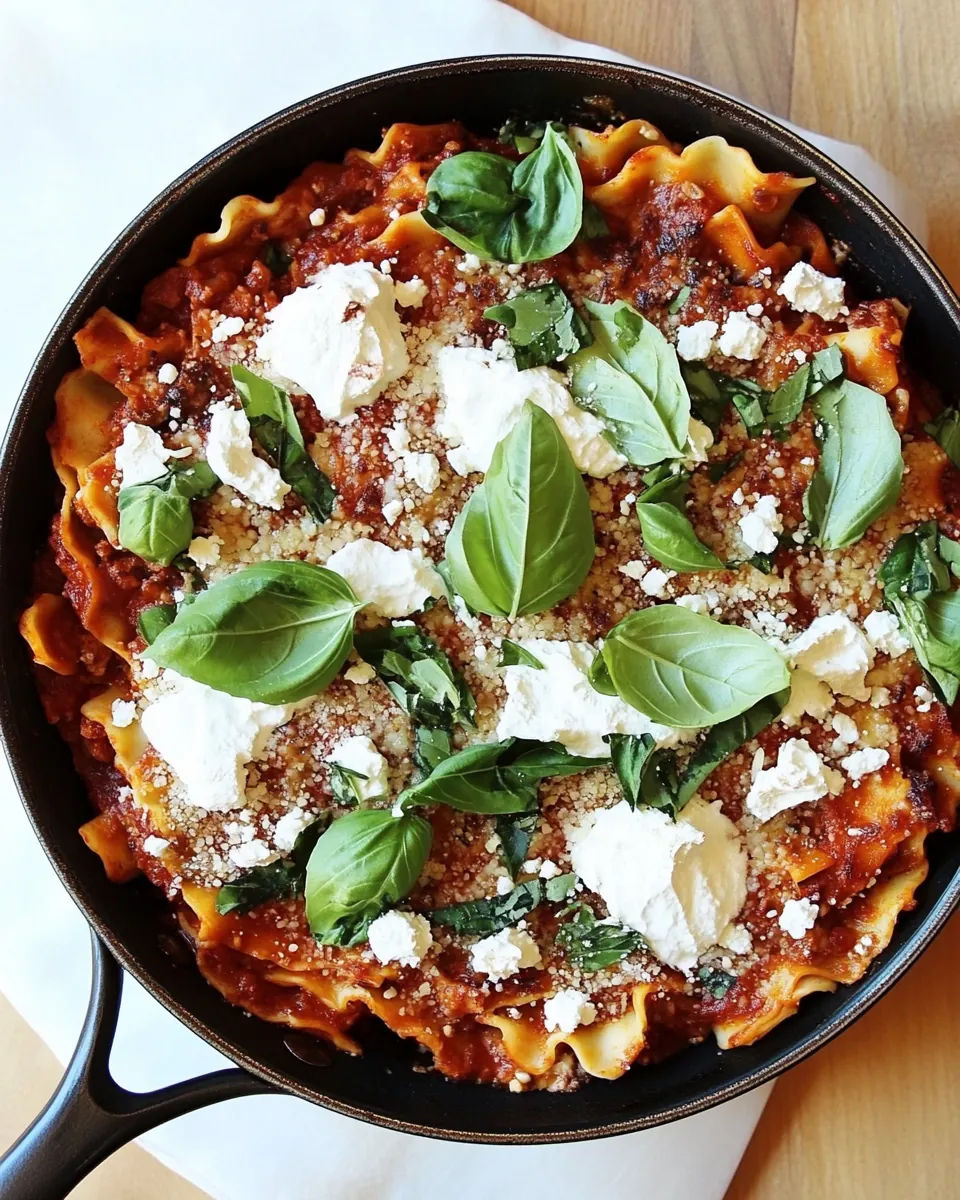
Quick Easy Skillet Lasagna
Quick Easy Skillet Lasagna is the kind of dish I reach for when the week has been full and I still want something comforting that does not demand babysitting. I remember the first time I tossed broken lasagna noodles into a bubbling skillet of rich tomato and browned beef, thinking it was too simple to be satisfying. It turned out to be one of those happy accidents that became a household favorite, the kind of dinner that fills the kitchen with warm, familiar aromas and gets everyone to the table fast.
That night the house smelled like sautéed onion and garlic, with the olive oil sizzling and the tomatoes slowly softening into a saucy blanket. I loved how the torn basil leaves scattered on top brightened the whole skillet just before serving. We ate straight from the pan, scooping out melty mozzarella and creamy scoops of ricotta, and agreed that it hit all the right notes without any fuss.
Recipe Snapshot
35 mins
25 mins
10 mins
Easy
420 kcal
Italian
Gluten-Free, Low FODMAP
Dinner
Oven safe skillet, Stove, Saucepan or pot for boiling pasta, Slotted spoon
The Charm of This Quick Easy Skillet Lasagna
One pan comfort without the fuss
I love how Quick Easy Skillet Lasagna gives you the heart of a traditional lasagna with a fraction of the work. Using a single oven safe skillet means fewer dishes and a streamlined process, and I often tell friends this is the dinner to make when you want something impressive that does not ruin your evening.
Speed that still tastes homemade
We get to enjoy the textures of pasta, meat, and cheese in about the time it takes to cook a simple pasta meal. The broken lasagna noodles cook quickly, and layering them into the skillet lets the sauce and cheese marry while baking for just a few minutes. I find this approach perfect for busy weeknights when you need a warm, filling meal fast.
Flexible and forgiving
One of the things I appreciate most is how forgiving this recipe is. If your ground beef releases a bit of liquid, a quick drain or gentle simmer brings the texture back in line. You can tuck ingredients under the sauce to keep them from drying out, and the bubbling cheese is a reliable cue that it is time to pull the skillet from the oven.
Fresh herbs make it sing
Adding fresh chopped basil into the sauce and tearing leaves on top after baking gives a burst of freshness that cuts through the richness. I always add some at the end, because the fragrance and color lift the whole dish and make it feel special even on an ordinary weeknight.
Family friendly crowd pleaser
My family consistently asks for seconds, and the combination of melty mozzarella, creamy ricotta, and robust tomato sauce appeals to picky eaters and adventurous eaters alike. It is a reliable recipe to feed four with comforting results, and I often double it when we have extra mouths to feed.
What’s In This Quick Easy Skillet Lasagna
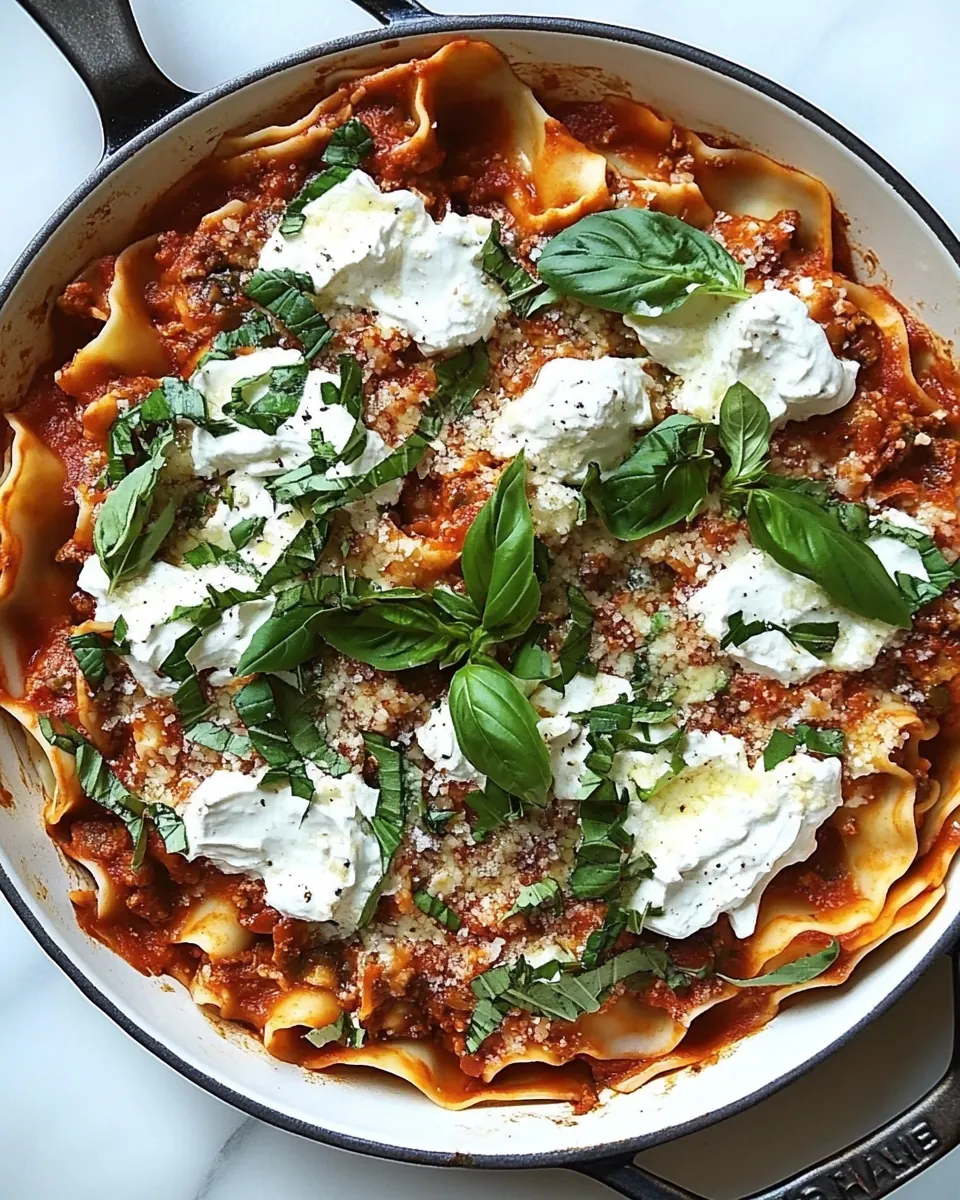
These ingredients are built to cooperate, giving you pasta that soaks up sauce, a meat base that adds savory depth, and cheeses that melt into creamy pockets. The key players are the lasagna noodles, which are broken to fit the skillet and become pleasantly tender, the seasoned ground beef for body, and the trio of cheeses for richness. Fresh basil brightens and balances the dish so it never feels too heavy.
- 8 ounces whole wheat lasagna noodles, broken into thirds: Broken into thirds to fit the skillet and cook evenly; provides the pasta base and absorbs sauce while maintaining whole wheat flavor and extra fiber.
- 1 tablespoon olive oil: Used to gently sauté aromatics and add a light fruity backbone to the dish; coats the skillet to prevent sticking and enhances the overall savory profile.
- 2 tablespoons unsalted butter: Melted to enrich the sauce with a creamy, mellow butteriness; helps carry flavors and adds a silky mouthfeel to the finished skillet lasagna.
- 1/2 sweet onion, diced: Diced to release natural sweetness and texture when softened; forms part of the aromatic base that balances acidity from the tomatoes.
- 4 garlic cloves, minced: Minced to distribute sharp, pungent garlic flavor throughout the skillet; intensifies savory depth and complements the onion and herbs.
- 1 1/4 teaspoons salt: Measured to season the pasta and sauce precisely; enhances natural flavors and ensures the dish is properly salted without overpowering.
- 1/2 teaspoon pepper: Added to provide gentle heat and flavor contrast; helps balance sweetness and acidity while seasoning the meat and sauce components.
- 1 pound 95% lean ground beef: Browned to develop savory, meaty richness and texture; supplies protein, umami, and a hearty base that pairs with the tomatoes and cheese.
- 1 (28-ounce) can crushed tomatoes: Poured in to create the saucy component and meld flavors; offers bright tomato acidity and body that the noodles absorb during cooking.
- 3 tablespoons fresh chopped basil: Chopped fresh to impart herbal brightness and a slightly peppery, sweet basil aroma; stirred into the sauce to lift and freshen the overall flavor.
- 4 ounces fresh mozzarella cheese, sliced: Sliced to add creamy, melty pockets of cheese on top of the layers; provides soft texture and mild, milky flavor as it melts over the skillet lasagna.
- 1/2 cup ricotta cheese: Spoonfuls added for creamy, slightly tangy richness between layers; contributes to a lasagna-like texture and contrasts the melted mozzarella.
- 8 fresh basil leaves, torn: Torn to finish the dish with fresh, aromatic notes and a vivid green garnish; adds a fresh basil scent and brightens each bite.
- parmesan cheese for grating: Grated over the finished skillet to contribute salty, nutty umami and an extra savory finish; sprinkled lightly to enhance depth and complement the cheeses.
The Process for Making Quick Easy Skillet Lasagna
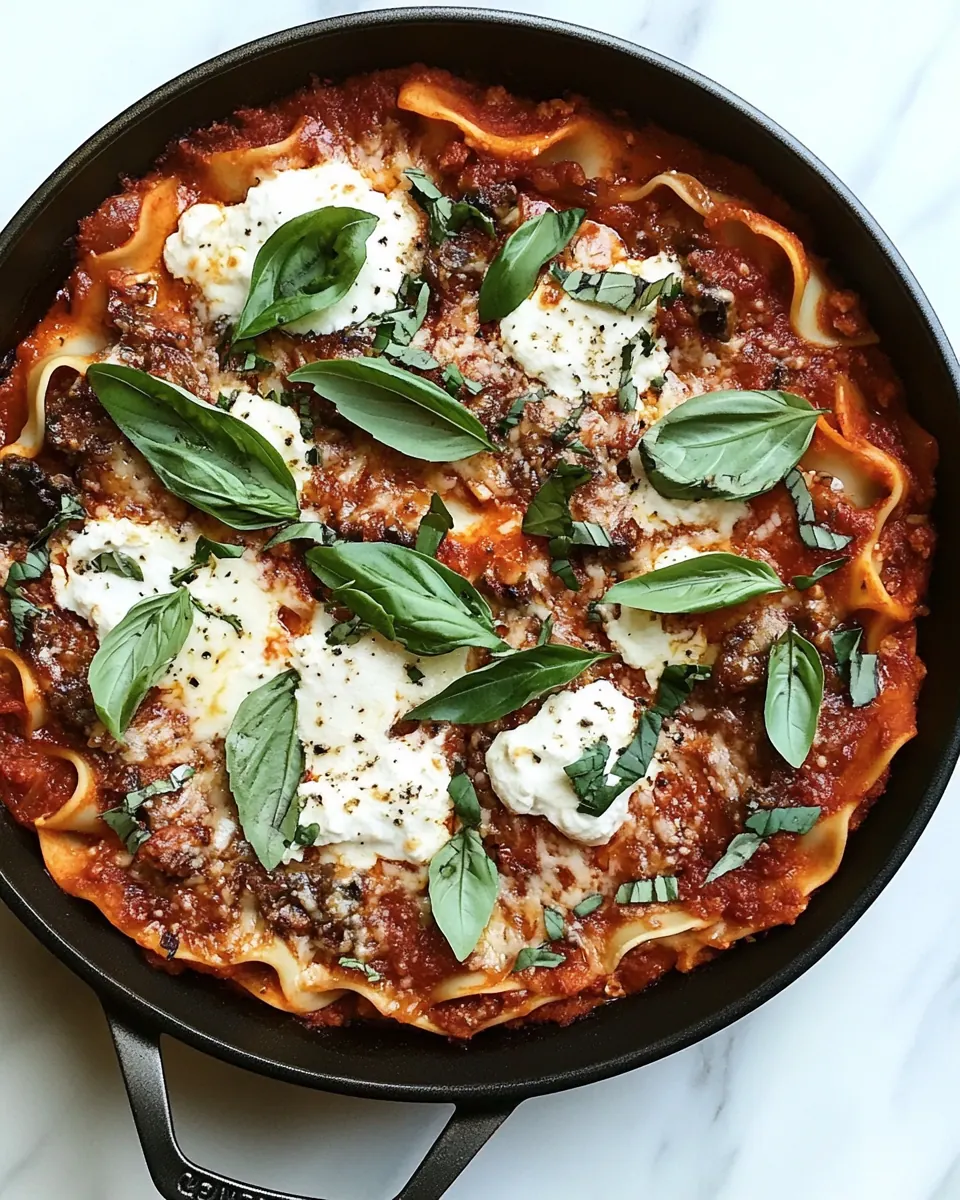
These steps move you from raw ingredients to bubbling, melty satisfaction. Read them slowly the first time, and trust your senses as the skillet comes together. Keep an eye on color, aroma, and texture to know you are on the right track.
- Preheat oven to 425 degrees F. Prepare water for pasta and bring to a boil. Season ground beef with 1 teaspoon salt and 1/2 teaspoon pepper.: You will notice a warm, dry scent in the oven as it comes up to temperature, and the boiling water will steam and hum on the stove, signaling readiness. Seasoning the ground beef early helps the salt begin to penetrate the meat, improving its internal seasoning as you brown it. A common mistake is under-seasoning at this stage, which can leave the final dish bland, so don't skimp. If your beef seems wet, pat it lightly first so it browns instead of steams.
- Heat a large (mine was 12.5 inch) oven-safe skillet over medium heat. Add in olive oil and 1 tablespoon of butter, then toss in onions with 1/4 teaspoon salt. Stir and cook for 3-4 minutes, until soft. Add in garlic and cook for another minute, then add in ground beef, baking it apart with a spatula or wooden spoon. Cook until just browned, about 5-6 minutes, stirring occasionally. If there is excess liquid in the pan, feel free to drain a bit.: As the fat warms you will hear a gentle sizzle when the onion hits the pan and smell a sweet, toasty aroma as the edges soften. The butter melts and creates a glossy coating that helps the onion sweats rather than browns too quickly. This step builds a savory base, and rushing it can produce raw, sharp onion notes. Stir every minute or so to ensure even softening and avoid scorching.
- At this point your water should be boiling, so make sure to toss the broken noodles in and cook them for about 5 minutes. Remove with a slotted spoon or drain and set aside for a few minutes.: The garlic will offer an immediate fragrant lift, and browning the beef will create appetizing brown bits on the skillet surface, full of flavor. You want the beef to be browned but not dry, so listen for a satisfied sizzle and look for even golden coloration. A frequent error is overcrowding the pan, which causes steaming instead of browning. If that happens, brown in batches or drain excess moisture to achieve better crust and deeper flavor.
- Once beef is browned, add in tomatoes with remaining butter and the 3 tablespoons of fresh basil, tossing well to coat. Add in broken noodles, using the spatula or spoon to fold the beef and sauce over the noodles. Once noodles are evenly distributed and mostly under the sauce, add sliced mozzarella on top and scoops of ricotta. Bake for 10 minutes, then immediately remove and add torn basil on top. Serve!: The boiling water should be lively, and the noodles will bob and slide as they soften, releasing a faint wheaty steam. Removing them slightly al dente is important since they will finish in the oven, absorbing sauce without turning to mush. A common slip is overcooking the pasta here, which leads to a gummy final texture. Reserve a little pasta water if you like, as the starchy water can help the sauce cling to the noodles.
- Once beef is browned, add in tomatoes with remaining butter and the 3 tablespoons of fresh basil, tossing well to coat.: When the crushed tomatoes meet the browned beef, you will hear a softer simmer and smell a rich tomato aroma start to develop. The remaining butter enriches the sauce, smoothing acidity and adding body, while the chopped basil infuses herbal fragrance. Stir until the mixture looks cohesive and glossy. Avoid boiling aggressively, which can dry the sauce; instead aim for a gentle simmer so flavors meld without losing moisture.
- Add in broken noodles, using the spatula or spoon to fold the beef and sauce over the noodles.: As you fold, watch the noodles tuck under the sauce and soak up some of the liquid, becoming coated rather than sitting dry. The sound will be a soft, satisfying stir, and visually you should see noodles surrounded by a ribbon of sauce. The reason this folding matters is it ensures even saucing so each bite has balance. A mistake is dumping the noodles on top and not mixing, which creates dry pockets and uneven cooking.
- Once noodles are evenly distributed and mostly under the sauce, add sliced mozzarella on top and scoops of ricotta.: Placing slices of mozzarella and dollops of ricotta gives the skillet layers of melty cream that will brown slightly and bubble in the oven. You will smell a rich, dairy sweetness as the cheese heats, and the visual cue is the cheese turning glossy and spreadable. Make sure the cheese pieces are evenly spaced so melting looks and tastes uniform. Avoid piling cheese only in the center which can leave the edges undercheesed.
- Bake for 10 minutes, then immediately remove and add torn basil on top. Serve!: In the oven the cheese will bubble and the sauce will quiet into a gentle simmer, producing a toasty, nearly caramelized aroma from the top layer. Removing the skillet immediately prevents the cheese from overbrowning, and adding the torn basil releases a bright, fresh perfume that contrasts the warm, rich notes. A typical misstep is leaving it in too long which can dry the noodles and toughen the cheese; watch the color and remove as soon as it is melted and bubbling.
Recipe Notes about Quick Easy Skillet Lasagna
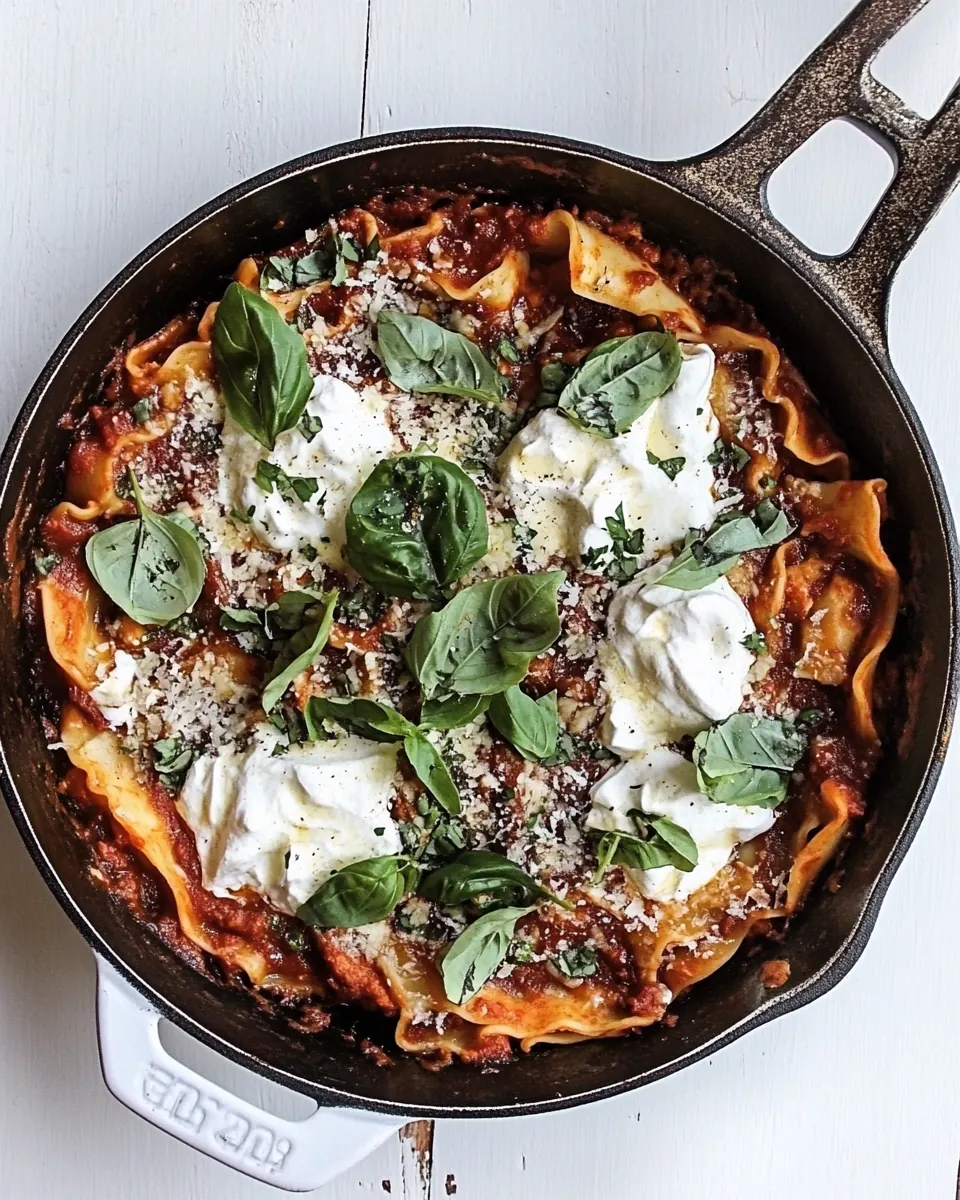
I like to think of these notes as short lessons learned from repeating the recipe over many evenings. They focus on texture control, timing, and small adjustments that make a big difference in the finished skillet.
- Use an oven safe skillet: A 12 to 13 inch heavy skillet distributes heat evenly and allows you to go from stovetop to oven without transferring, which preserves the layered texture and minimizes mess.
- Don’t overcook the noodles: Aim for slightly underdone pasta when boiling, because the noodles will absorb sauce and finish cooking during the brief bake, preventing a mushy outcome.
- Browning builds flavor: Take time to properly brown the ground beef and scrape up any fond from the pan, since those browned bits are concentrated flavor boosters for the sauce.
- Balance salt carefully: Salt at multiple stages but taste before adding more, as cheeses and canned tomatoes contribute sodium and you want the seasoning to be layered not overpowering.
- Finish with fresh basil: Adding torn basil right after removing the skillet from the oven preserves its fragrance and bright color, making the dish feel fresher and less heavy.
Perfect Matches for Quick Easy Skillet Lasagna
This section covers what to serve, when to pull it out, and how to keep leftovers tasting great. I often pair the skillet with bright, textural sides and suggest serving contexts that fit the recipe’s homey character.
- Simple green salad: A crisp salad with a tangy vinaigrette cuts the richness of the skillet and adds palate-cleansing crunch, perfect for weeknight family dinners.
- Garlic bread or crusty loaf: Warm bread is excellent for sopping up the saucy bits in the skillet, and it makes the meal feel more indulgent for casual entertaining.
- Weeknight dinner occasions: This is my go to for busy nights when you need comforting food that comes together without complex prep, and it works equally well for a cozy weekend supper.
- Storage tips: Store leftovers covered in the fridge for up to three days, and reheat gently in a low oven to restore melted texture rather than nuking which can dry the pasta.
- Seasonal pairing: The fresh basil shines in summer when herbs are abundant, but the recipe is hearty enough to be welcome all year round.
FAQ
Conclusion
This Quick Easy Skillet Lasagna stands out because it captures the comforting layers of classic lasagna in a single, speedy skillet. It is an approachable, flavorful weeknight winner that combines browned beef, tangy tomatoes, and melty cheeses with a fresh basil finish. Give it a try on a busy evening when you want cozy food without hours of effort, and enjoy the way a simple method can deliver genuinely comforting results. Serve straight from the pan, and watch how quickly it becomes a family favorite.
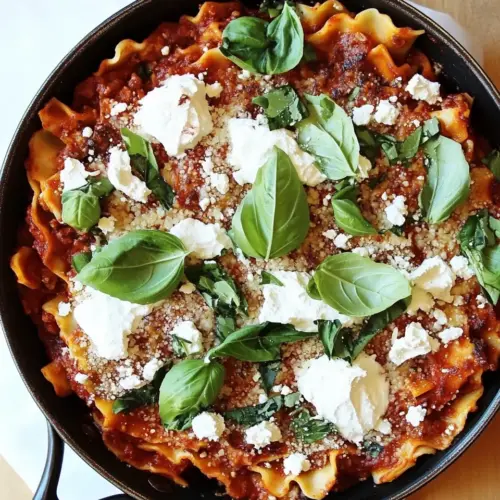
Quick Easy Skillet Lasagna
Equipment
- Oven-safe skillet
- Stove
- Saucepan or pot for boiling pasta
- Slotted Spoon
Ingredients
- 8 ounces whole wheat lasagna noodles, broken into thirds Broken into thirds to fit the skillet and cook evenly; provides the pasta base and absorbs sauce while maintaining whole wheat flavor and extra fiber.
- 1 tablespoon olive oil Used to gently sauté aromatics and add a light fruity backbone to the dish; coats the skillet to prevent sticking and enhances the overall savory profile.
- 2 tablespoons unsalted butter Melted to enrich the sauce with a creamy, mellow butteriness; helps carry flavors and adds a silky mouthfeel to the finished skillet lasagna.
- 1/2 sweet onion, diced Diced to release natural sweetness and texture when softened; forms part of the aromatic base that balances acidity from the tomatoes.
- 4 garlic cloves, minced Minced to distribute sharp, pungent garlic flavor throughout the skillet; intensifies savory depth and complements the onion and herbs.
- 1 1/4 teaspoons salt Measured to season the pasta and sauce precisely; enhances natural flavors and ensures the dish is properly salted without overpowering.
- 1/2 teaspoon pepper Added to provide gentle heat and flavor contrast; helps balance sweetness and acidity while seasoning the meat and sauce components.
- 1 pound 95% lean ground beef Browned to develop savory, meaty richness and texture; supplies protein, umami, and a hearty base that pairs with the tomatoes and cheese.
- 1 (28-ounce) can crushed tomatoes Poured in to create the saucy component and meld flavors; offers bright tomato acidity and body that the noodles absorb during cooking.
- 3 tablespoons fresh chopped basil Chopped fresh to impart herbal brightness and a slightly peppery, sweet basil aroma; stirred into the sauce to lift and freshen the overall flavor.
- 4 ounces fresh mozzarella cheese, sliced Sliced to add creamy, melty pockets of cheese on top of the layers; provides soft texture and mild, milky flavor as it melts over the skillet lasagna.
- 1/2 cup ricotta cheese Spoonfuls added for creamy, slightly tangy richness between layers; contributes to a lasagna-like texture and contrasts the melted mozzarella.
- 8 fresh basil leaves, torn Torn to finish the dish with fresh, aromatic notes and a vivid green garnish; adds a fresh basil scent and brightens each bite.
- parmesan cheese for grating Grated over the finished skillet to contribute salty, nutty umami and an extra savory finish; sprinkled lightly to enhance depth and complement the cheeses.
Instructions
- Preheat oven to 425 degrees F. Prepare water for pasta and bring to a boil. Season ground beef with 1 teaspoon salt and 1/2 teaspoon pepper.: You will notice a warm, dry scent in the oven as it comes up to temperature, and the boiling water will steam and hum on the stove, signaling readiness. Seasoning the ground beef early helps the salt begin to penetrate the meat, improving its internal seasoning as you brown it. A common mistake is under-seasoning at this stage, which can leave the final dish bland, so don't skimp. If your beef seems wet, pat it lightly first so it browns instead of steams.
- Heat a large (mine was 12.5 inch) oven-safe skillet over medium heat. Add in olive oil and 1 tablespoon of butter, then toss in onions with 1/4 teaspoon salt. Stir and cook for 3-4 minutes, until soft. Add in garlic and cook for another minute, then add in ground beef, baking it apart with a spatula or wooden spoon. Cook until just browned, about 5-6 minutes, stirring occasionally. If there is excess liquid in the pan, feel free to drain a bit.: As the fat warms you will hear a gentle sizzle when the onion hits the pan and smell a sweet, toasty aroma as the edges soften. The butter melts and creates a glossy coating that helps the onion sweats rather than browns too quickly. This step builds a savory base, and rushing it can produce raw, sharp onion notes. Stir every minute or so to ensure even softening and avoid scorching.
- At this point your water should be boiling, so make sure to toss the broken noodles in and cook them for about 5 minutes. Remove with a slotted spoon or drain and set aside for a few minutes.: The garlic will offer an immediate fragrant lift, and browning the beef will create appetizing brown bits on the skillet surface, full of flavor. You want the beef to be browned but not dry, so listen for a satisfied sizzle and look for even golden coloration. A frequent error is overcrowding the pan, which causes steaming instead of browning. If that happens, brown in batches or drain excess moisture to achieve better crust and deeper flavor.
- Once beef is browned, add in tomatoes with remaining butter and the 3 tablespoons of fresh basil, tossing well to coat. Add in broken noodles, using the spatula or spoon to fold the beef and sauce over the noodles. Once noodles are evenly distributed and mostly under the sauce, add sliced mozzarella on top and scoops of ricotta. Bake for 10 minutes, then immediately remove and add torn basil on top. Serve!: The boiling water should be lively, and the noodles will bob and slide as they soften, releasing a faint wheaty steam. Removing them slightly al dente is important since they will finish in the oven, absorbing sauce without turning to mush. A common slip is overcooking the pasta here, which leads to a gummy final texture. Reserve a little pasta water if you like, as the starchy water can help the sauce cling to the noodles.
- Once beef is browned, add in tomatoes with remaining butter and the 3 tablespoons of fresh basil, tossing well to coat.: When the crushed tomatoes meet the browned beef, you will hear a softer simmer and smell a rich tomato aroma start to develop. The remaining butter enriches the sauce, smoothing acidity and adding body, while the chopped basil infuses herbal fragrance. Stir until the mixture looks cohesive and glossy. Avoid boiling aggressively, which can dry the sauce; instead aim for a gentle simmer so flavors meld without losing moisture.
- Add in broken noodles, using the spatula or spoon to fold the beef and sauce over the noodles.: As you fold, watch the noodles tuck under the sauce and soak up some of the liquid, becoming coated rather than sitting dry. The sound will be a soft, satisfying stir, and visually you should see noodles surrounded by a ribbon of sauce. The reason this folding matters is it ensures even saucing so each bite has balance. A mistake is dumping the noodles on top and not mixing, which creates dry pockets and uneven cooking.
- Once noodles are evenly distributed and mostly under the sauce, add sliced mozzarella on top and scoops of ricotta.: Placing slices of mozzarella and dollops of ricotta gives the skillet layers of melty cream that will brown slightly and bubble in the oven. You will smell a rich, dairy sweetness as the cheese heats, and the visual cue is the cheese turning glossy and spreadable. Make sure the cheese pieces are evenly spaced so melting looks and tastes uniform. Avoid piling cheese only in the center which can leave the edges undercheesed.
- Bake for 10 minutes, then immediately remove and add torn basil on top. Serve!: In the oven the cheese will bubble and the sauce will quiet into a gentle simmer, producing a toasty, nearly caramelized aroma from the top layer. Removing the skillet immediately prevents the cheese from overbrowning, and adding the torn basil releases a bright, fresh perfume that contrasts the warm, rich notes. A typical misstep is leaving it in too long which can dry the noodles and toughen the cheese; watch the color and remove as soon as it is melted and bubbling.
Notes
- Use an oven safe skillet: A 12 to 13 inch heavy skillet distributes heat evenly and allows you to go from stovetop to oven without transferring, which preserves the layered texture and minimizes mess.
- Don't overcook the noodles: Aim for slightly underdone pasta when boiling, because the noodles will absorb sauce and finish cooking during the brief bake, preventing a mushy outcome.
- Browning builds flavor: Take time to properly brown the ground beef and scrape up any fond from the pan, since those browned bits are concentrated flavor boosters for the sauce.
- Balance salt carefully: Salt at multiple stages but taste before adding more, as cheeses and canned tomatoes contribute sodium and you want the seasoning to be layered not overpowering.
- Finish with fresh basil: Adding torn basil right after removing the skillet from the oven preserves its fragrance and bright color, making the dish feel fresher and less heavy.