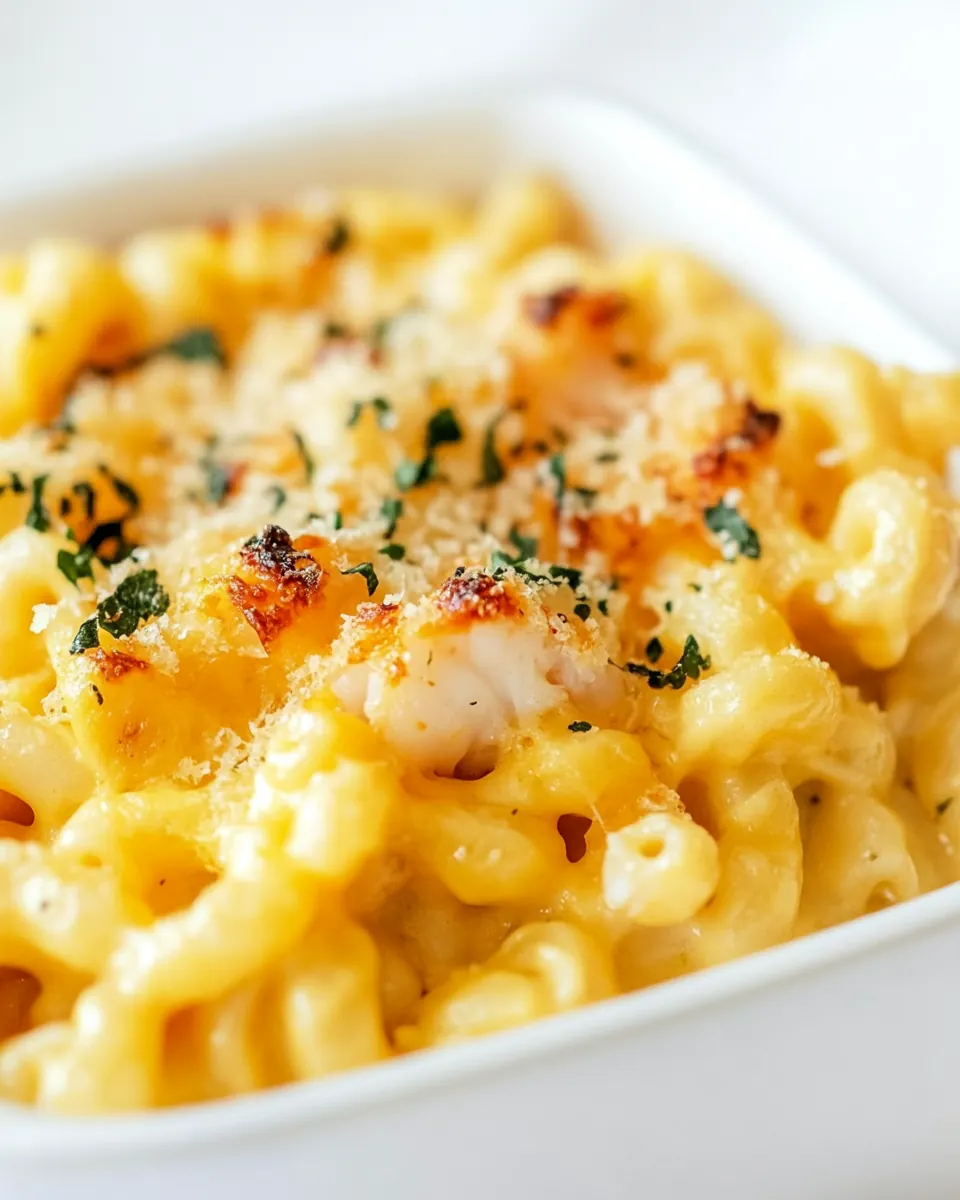
Incredible Lobster Mac and Cheese
Incredible Lobster Mac and Cheese has been my celebratory go to since I first folded buttery chunks of lobster into a bubbling, cheesy bake, and that first oven beep still makes me smile. I remember the nervous excitement of serving it to friends who expected ordinary mac and cheese and who left announcing it a new favorite, calling it indulgent without being fussy. That evening taught me how a few quality ingredients can lift a classic into something memorable.
Every time I make Incredible Lobster Mac and Cheese I think about balance, not excess. I want the lobster to sing, so I keep the sauce rich but restrained, letting the sweet shellfish sit front and center while the cheeses create a silky blanket. There is comfort in the creamy texture and joy in the bright flecks of parsley on top. I find myself pausing to inhale the scent as it bubbles in the oven, the nutty parmesan and browned edges promising a savory bite.
Hosting with this dish feels easy, because the steps are straightforward and most of the work happens in the pot and oven, leaving me time to relax and set the table. When guests arrive they always ask for the recipe, and I tell them it is less about complicated technique and more about respecting each component: the lobster, the sauce, the pasta, the final bake. Over the years I altered little details until the result was reliably decadent yet homey.
Recipe Snapshot
40 mins
15 mins
25 mins
Medium
600 kcal
American
Gluten-Free, Low FODMAP
Dinner
Saucepan, Whisk, 9 x 13 baking dish, Oven
Why You’ll Love This Incredible Lobster Mac and Cheese
A show stopping centerpiece
I love that Incredible Lobster Mac and Cheese looks celebratory, yet it is surprisingly approachable to make. When I bring it to a table people immediately react to the golden, bubbling top, and that visual alone turns a weeknight into a feast.
Layered, creamy texture
The combination of cheddar, gruyere, and parmesan creates a sauce that is both velvety and flavorful. I rely on the different melting behaviors and flavor profiles to give the sauce depth, so each spoonful has creamy mouthfeel and a savory finish.
Seafood elevates classic comfort
Adding chunks of lobster transforms a familiar comfort dish into something luxurious. I like how the sweet, tender shellfish contrasts the rich, cheesy sauce without overwhelming it. That contrast keeps every bite interesting.
Simple techniques, big payoff
The method is straightforward, so you do not need advanced skills to get great results. I appreciate recipes that reward attention to heat and timing, and this one does exactly that. A careful roux, slow milk addition, and a proper bake yield the ideal texture.
Flexible for occasions
Whether I serve it for a holiday meal or a cozy dinner, Incredible Lobster Mac and Cheese adapts well. It scales without losing its appeal, and I can make parts ahead to reduce last minute fuss. That makes it a reliable option when I want something special without stress.
Ingredients to Make Incredible Lobster Mac and Cheese
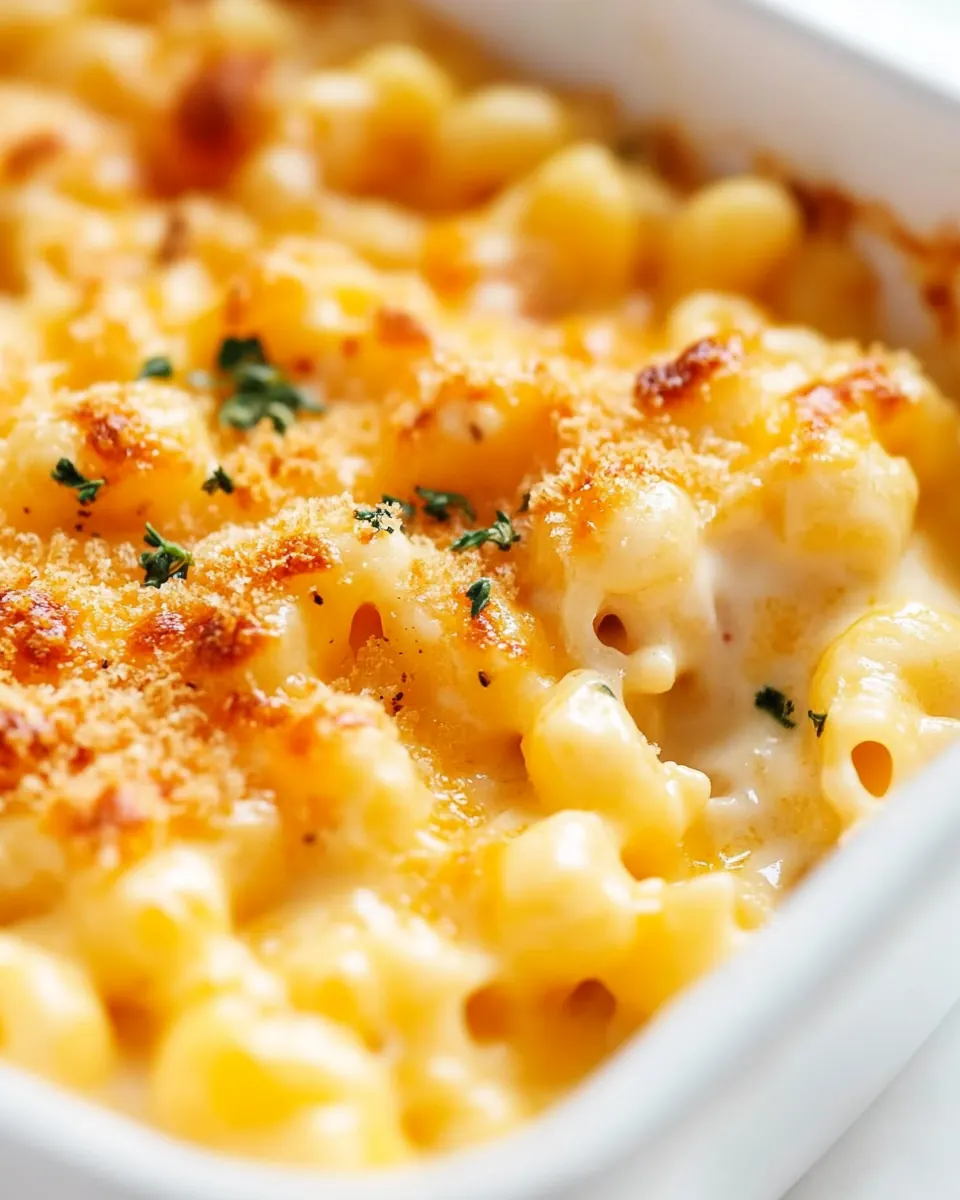
These ingredients work together to balance richness, creaminess, and savory depth. I think of the key players as the sauce builders, the cheese trio, and the lobster, with the pasta serving as the comforting backbone. Each item contributes texture, flavor, or structure so the final bake is cohesive and satisfying.
- 5 6 lobster tails: Provide sweet, briny meat that elevates the dish with rich seafood flavor and a luxurious texture; remove shells and chop into bite-sized pieces before folding into the sauce to prevent overcooking. Pair with the creamy cheese sauce near the end of baking or mixing to retain tender lobster pieces and highlight their natural sweetness.
- 1/2 cup unsalted butter: Melt into the base of the béchamel to create a rich, silky roux and add a buttery mouthfeel that carries the cheese flavors. Use unsalted to better control overall seasoning and adjust salt later to avoid over-salting.
- 6 tablespoons all-purpose flour: Thicken the butter to form a smooth roux that stabilizes the milk and creates a velvety sauce; cook briefly to remove raw flour taste but avoid browning to keep a pale, creamy sauce. Whisk constantly when adding milk to prevent lumps and ensure even consistency throughout the sauce.
- 5 cups whole milk: Create the creamy body of the sauce and provide moisture for the pasta while melding with the cheeses to form a cohesive mac and cheese base. Warm before adding to the roux to help incorporate smoothly and avoid a grainy texture in the finished sauce.
- 3 cups shredded cheddar cheese: Contribute sharp, tangy flavor and creamy melting structure that defines classic mac and cheese character; use freshly shredded for best melting properties and smoother texture. Add most during sauce-making so it fully integrates and contributes to a cohesive cheesy sauce.
- 1 cup shredded gruyere cheese: Add nutty, slightly sweet complexity and excellent melting qualities to deepen the cheese sauce flavor profile; grate finely and incorporate slowly to ensure even melting. Balance with sharper cheeses so gruyere lends savory depth without overpowering.
- 1/2 cup grated parmesan cheese: Provide salty, umami-rich notes and a granular texture that brightens the overall cheese flavor; sprinkle in gradually and taste to avoid excess salt. Use freshly grated for stronger aroma and better integration into the sauce.
- 2 teaspoons salt: Season the sauce to enhance all flavors and help balance the richness of butter and cheeses; dissolve into the sauce and adjust after combining all components. Use measured amounts as a starting point, then taste and tweak based on cheese saltiness.
- 1 teaspoon garlic powder: Impart a mild roasted garlic flavor and savory depth that complements cheeses without adding moisture; stir into the roux or sauce to distribute evenly. Use as a convenient seasoning to echo fresh garlic notes when pressed or minced garlic isn't used.
- 1 teaspoon mustard powder (optional): Introduce a warm, sharp background note that brightens the cheese flavors when used, but keep optional to suit personal taste preferences; incorporate sparingly to avoid dominating the blend. Add during sauce preparation so the mustard aroma melds with the dairy.
- 1/2 teaspoon nutmeg (optional): Lend subtle warm, aromatic undertones that enhance the creamy sauce with a hint of sophistication when used sparingly; mark as optional for those who prefer a purer cheese profile. Stir a small pinch into the béchamel to avoid making the nutmeg prominent.
- pepper to taste: Provide adjustable heat and a peppery finish that lifts the richness of the dish when added to taste; grind fresh for the most aromatic impact. Add gradually, tasting as you go to ensure the spice complements rather than overpowers the cheeses.
- 1 pound cooked elbow macaroni: Supply the tender, starchy pasta base that carries the sauce and lobster; ensure elbows are cooked al dente so they hold shape when mixed with sauce and baked. Drain well to prevent excess water from diluting the cheese sauce before combining.
- 1 1/2 cups shredded cheddar cheese: Add additional melty, sharp cheese to top or fold in for increased cheesiness and gooey texture; use freshly shredded to achieve optimal melting and texture. Reserve some to sprinkle on top before baking for a rich, golden finish.
- 1/2 cup grated parmesan cheese: Contribute savory, salty, and umami notes as a finishing cheese to enhance crust and flavor when combined with other cheeses on top; grate finely to distribute evenly and produce a slightly crisped topping. Use some in the sauce and some on top for layered flavor.
- chopped flat leaf parsley (optional): Provide a fresh, herbaceous garnish that brightens the rich, cheesy profile and adds visual contrast when sprinkled over the finished dish; keep optional for a cleaner presentation or to suit diners' tastes. Chop just before serving to preserve color and fragrance.
Making This Incredible Lobster Mac and Cheese
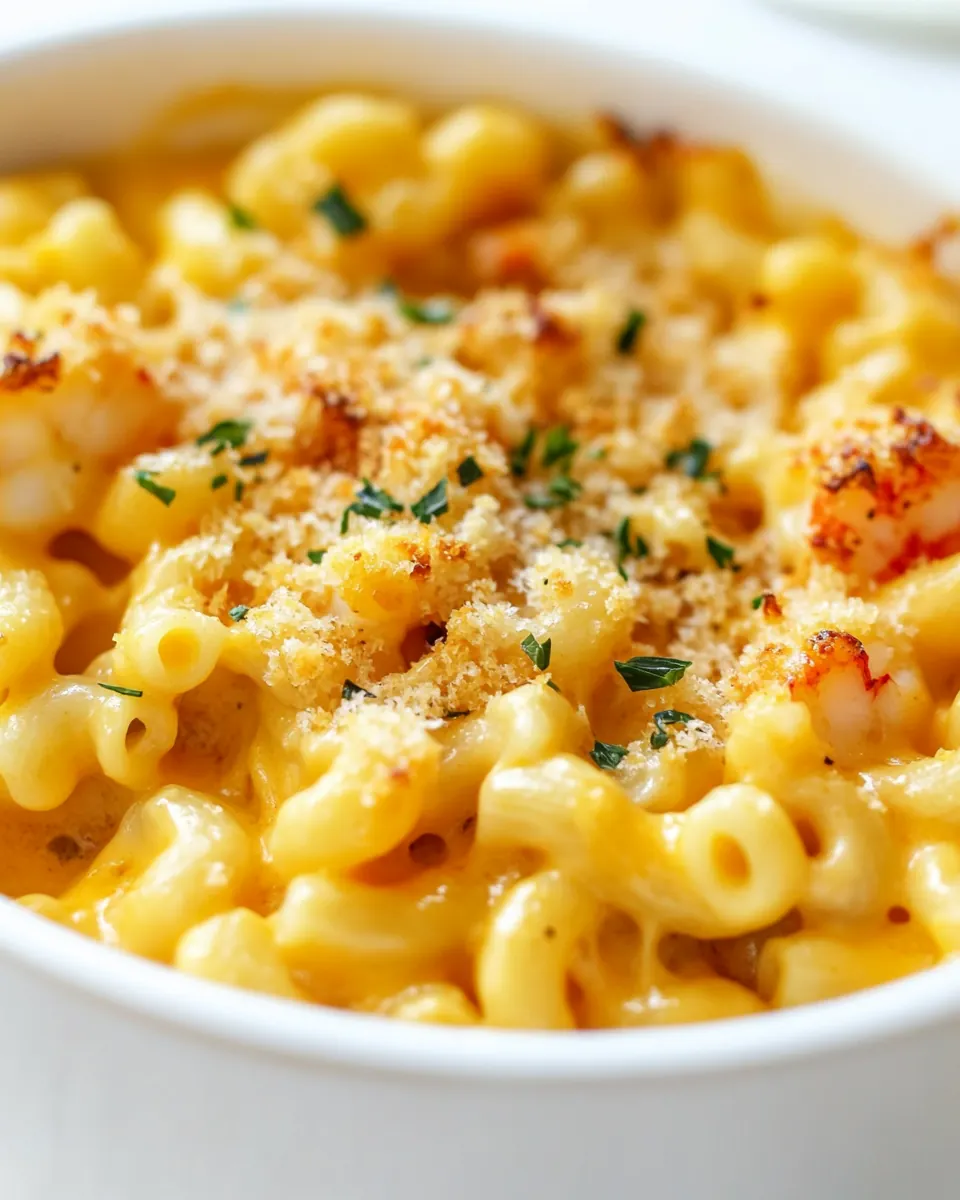
This recipe is a satisfying assembly of technique and timing, with a few moments that determine success. I like to prepare the lobster and pasta ahead so the final steps are all about building the sauce and baking until golden. The directions below expand each action so you know what to watch for and why it matters.
- Cook the 5-6 lobster tails according to preference. I like to use this Best Lobster Tail Recipe. Preheat oven to 400 degrees Fahrenheit with a rack in the middle of the oven.: The aroma of sweet lobster cooking is one of the first sensory cues I wait for, and it tells me the protein is turning opaque and tender. Whether you simmer or broil, listen for a gentle simmer or watch for firming flesh that flakes easily. The reason this matters is texture, as perfectly cooked lobster adds luxurious bites without becoming rubbery. If the lobster is overcooked you will feel it resist when you bite, so avoid leaving it in heat longer than necessary. A common mistake is rushing the heat which leads to chewy meat; instead, cook gently and rest briefly before chopping into bite sized pieces.
- Melt 1/2 cup unsalted butter in a large saucepan over medium heat. Add 6 tablespoons all-purpose flour to melted butter and stir until thickened, about 3 minutes.: You will notice the oven warming and that steady heat is essential for an even bake and golden top. Preheating ensures the dish hits the oven at the right temperature so the cheese melts and the edges brown properly. This step matters because oven temperature affects cook time and final texture; an oven that is not fully preheated can yield uneven bubbling or under browning. A frequent oversight is placing the dish too high where the top burns or too low where it remains pale, so center the rack for balanced heat distribution.
- Slowly whisk in 5 cups whole milk a little at a time. The slower you add the milk the thicker the sauce will be.: As the butter melts, it should shimmer without browning, releasing a faint sweet aroma that signals it is ready. This gentle heat sets up the base for the roux, and balancing the temperature prevents the butter from separating. If you cook it too hot you risk browning the butter, which changes the sauce flavor. One troubleshooting tip is to reduce heat if foaming becomes vigorous, as that indicates the butter is getting too hot.
- Stir in 3 cups shredded cheddar cheese, 1 cup shredded gruyere cheese, and 1/2 cup grated parmesan cheese into the sauce.: The flour will absorb the butter and form a smooth paste that loses its raw taste after cooking briefly, producing a soft nutty scent. This cooked roux is the glue for the sauce, and stirring constantly prevents lumps from forming. The why here is all about texture, as an undercooked roux leaves a floury taste while an overly dark roux will impart unwanted toasty notes. Watch for uniform color and a slightly glossy finish, and if lumps begin to appear, whisk quickly to smooth them out.
- Add 2 teaspoons salt, 1 teaspoon garlic powder, 1 teaspoon mustard powder, 1/2 teaspoon nutmeg, and pepper to taste to the sauce, stir until combined.: The sauce will transition from thick paste to silky béchamel as the milk is incorporated, releasing a warm, dairy aroma and a satin sheen. Adding the milk gradually while whisking prevents separation and ensures a smooth consistency. This technique matters because rapid addition can create lumps or a thin sauce, so patience yields the ideal body. If your sauce becomes thin, continue simmering to reduce it, and if lumps form, use a hand blender or strain to achieve smoothness.
- Stir together the 1 pound cooked elbow macaroni, lobster, and the sauce and transfer to a 9 x 13 baking dish, that has been sprayed with cooking spray.: As the cheeses melt they will create a glossy, velvety surface and a rich aroma that deepens the sauce's character. The blend matters since each cheese contributes meltability, nuttiness, and umami, producing complexity. Add cheeses gradually off the direct heat to avoid graininess, because high heat can cause the fats to separate. If the sauce looks curdled or oily, lower the heat and whisk in a splash of milk to reincorporate.
- Spread the 1 1/2 cups shredded cheddar cheese and 1/2 cup grated parmesan cheese over the top of the macaroni and bake for 20-25 minutes, until the cheese is golden and bubbly.: The spices will lift the creamy base, with the mustard powder sharpening and the nutmeg adding warmth that rounds the flavor. Seasoning is critical because cheeses and lobster bring salt naturally, so balance is key. I always taste as I go since it is easier to add more than to remove salt. A common mistake is over seasoning early, so season lightly and adjust after combining with the pasta and lobster.
- Sprinkle with chopped flat leaf parsley, for garnish, and serve.: The dish will look glossy and cohesive as the sauce clings to the curves of the elbow macaroni and envelops the lobster pieces. This mixing stage ensures even distribution so each portion has balanced bites of pasta, cheese, and lobster. The reason this matters is texture uniformity during baking, avoiding pockets of dry pasta. Watch for excess liquid which may indicate the pasta was overcooked; if so, bake uncovered a bit longer to evaporate moisture.
- Spread the 1 1/2 cups shredded cheddar cheese and 1/2 cup grated parmesan cheese over the top of the macaroni and bake for 20 to 25 minutes, until the cheese is golden and bubbly: The top will transform from gleaming cheese to a golden, bubbling crust with edges that crisp slightly, releasing a roasted, savory aroma. This visual and auditory cue tells you the dish is ready, as the bubbling indicates the interior is hot and the browning adds texture contrast. Timing is important because under baked topping will be pale and lacking texture, while over baking can dry out the pasta and toughen the lobster. If the top browns too quickly, tent loosely with foil to prevent burning while allowing the interior to heat through.
- Sprinkle with chopped flat leaf parsley for garnish and serve: The fresh herb sprinkle adds a bright color and a clean aroma that contrasts the rich, cheesy components. Serving immediately preserves the contrast between creamy interior and crisped top, which is the hallmark of this dish. If you let it sit too long the top will soften and lose textural appeal, so serve within minutes of removing from the oven. A simple troubleshooting tip is to reheat briefly under a broiler for a minute if the crust softens before serving, but watch carefully to avoid charring.
Recipe Notes about Incredible Lobster Mac and Cheese
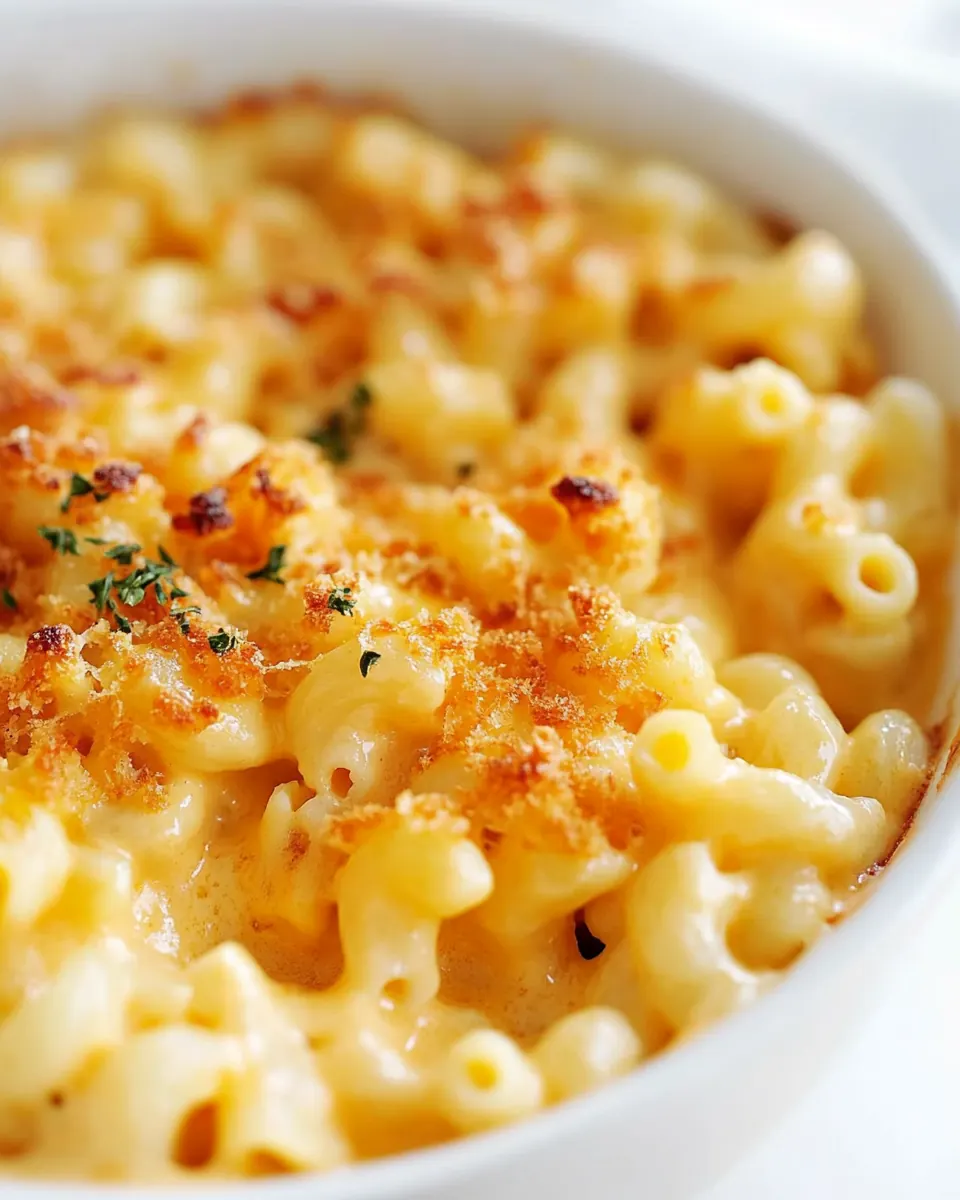
I like to include tips that save time and improve texture, because small adjustments make a big difference with rich bakes. Below are practical notes I use every time I prepare Incredible Lobster Mac and Cheese, expanded into actionable reminders for flavor and ease.
- Prep the lobster and pasta ahead, which shortens the final assembly time and helps you focus on building a smooth sauce without rushing.
- Use whole milk for richness, as it contributes body and mouthfeel that lower fat milks cannot match in this sauce.
- Add cheeses off heat to avoid grainy sauce, stirring gently until the mixture becomes glossy and velvety.
- Grate cheeses fresh for better melting and flavor, and avoid pre shredded mixes that may contain additives.
- Monitor oven browning in the final minutes and tent with foil if the top edges color too quickly to preserve a creamy interior.
What to Serve Alongside Incredible Lobster Mac and Cheese
This dish is rich and luxurious, so I like to pair it with sides that add brightness, contrast in texture, or a light palate reset. Below are serving ideas, seasonal pairings, and storage notes to help you plan the entire meal.
- Light green salad with lemon vinaigrette provides acidity and crunch that cut through the richness, making each bite feel fresh and balanced.
- Roasted seasonal vegetables such as asparagus or green beans add an earthy component and a contrasting texture to the creamy pasta.
- Buttered dinner rolls are comforting and soak up sauce, which guests often appreciate when enjoying every last bite.
- Casual family dinner vibe works well for this recipe, while it also serves as an elegant centerpiece for celebratory meals like birthdays or special occasions.
- Storage tips: Cool the dish to room temperature, cover tightly, and refrigerate for up to three days. Reheat gently in a 350 degree Fahrenheit oven until warmed through to preserve texture.
- Seasonal pairing In winter, pair with bright citrus notes in a salad to lift the plate; in warmer months, choose simple grilled vegetables to keep the meal light.
FAQ
Conclusion
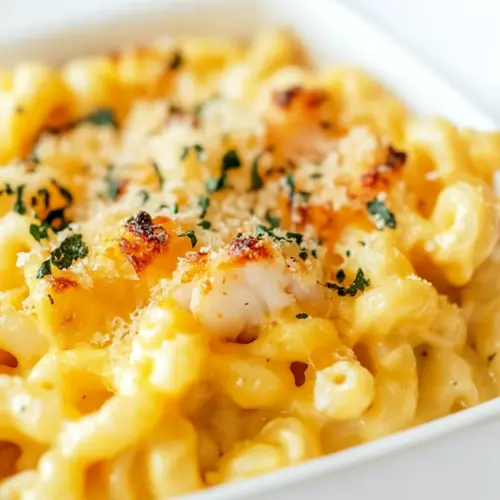
Incredible Lobster Mac and Cheese stands out because it combines familiar comfort with a touch of luxury, pairing sweet lobster with a rich, multi cheese sauce. You should make it when you want a dish that feels special without demanding complicated techniques. Serve it when you want to impress guests or simply treat yourself to something indulgent. Try it soon and enjoy the way the creamy sauce and tender lobster create memorable bites that are both comforting and celebratory.
Incredible Lobster Mac and Cheese
Equipment
- Saucepan
- Whisk
- 9 X 13 baking dish
- Oven
Ingredients
- 5 -6 lobster tails Provide sweet, briny meat that elevates the dish with rich seafood flavor and a luxurious texture; remove shells and chop into bite-sized pieces before folding into the sauce to prevent overcooking. Pair with the creamy cheese sauce near the end of baking or mixing to retain tender lobster pieces and highlight their natural sweetness.
- 1/2 cup unsalted butter Melt into the base of the béchamel to create a rich, silky roux and add a buttery mouthfeel that carries the cheese flavors. Use unsalted to better control overall seasoning and adjust salt later to avoid over-salting.
- 6 tablespoons all-purpose flour Thicken the butter to form a smooth roux that stabilizes the milk and creates a velvety sauce; cook briefly to remove raw flour taste but avoid browning to keep a pale, creamy sauce. Whisk constantly when adding milk to prevent lumps and ensure even consistency throughout the sauce.
- 5 cups whole milk Create the creamy body of the sauce and provide moisture for the pasta while melding with the cheeses to form a cohesive mac and cheese base. Warm before adding to the roux to help incorporate smoothly and avoid a grainy texture in the finished sauce.
- 3 cups shredded cheddar cheese Contribute sharp, tangy flavor and creamy melting structure that defines classic mac and cheese character; use freshly shredded for best melting properties and smoother texture. Add most during sauce-making so it fully integrates and contributes to a cohesive cheesy sauce.
- 1 cup shredded gruyere cheese Add nutty, slightly sweet complexity and excellent melting qualities to deepen the cheese sauce flavor profile; grate finely and incorporate slowly to ensure even melting. Balance with sharper cheeses so gruyere lends savory depth without overpowering.
- 1/2 cup grated parmesan cheese Provide salty, umami-rich notes and a granular texture that brightens the overall cheese flavor; sprinkle in gradually and taste to avoid excess salt. Use freshly grated for stronger aroma and better integration into the sauce.
- 2 teaspoons salt Season the sauce to enhance all flavors and help balance the richness of butter and cheeses; dissolve into the sauce and adjust after combining all components. Use measured amounts as a starting point, then taste and tweak based on cheese saltiness.
- 1 teaspoon garlic powder Impart a mild roasted garlic flavor and savory depth that complements cheeses without adding moisture; stir into the roux or sauce to distribute evenly. Use as a convenient seasoning to echo fresh garlic notes when pressed or minced garlic isn't used.
- 1 teaspoon mustard powder, optional Introduce a warm, sharp background note that brightens the cheese flavors when used, but keep optional to suit personal taste preferences; incorporate sparingly to avoid dominating the blend. Add during sauce preparation so the mustard aroma melds with the dairy.
- 1/2 teaspoon nutmeg, optional Lend subtle warm, aromatic undertones that enhance the creamy sauce with a hint of sophistication when used sparingly; mark as optional for those who prefer a purer cheese profile. Stir a small pinch into the béchamel to avoid making the nutmeg prominent.
- pepper to taste Provide adjustable heat and a peppery finish that lifts the richness of the dish when added to taste; grind fresh for the most aromatic impact. Add gradually, tasting as you go to ensure the spice complements rather than overpowers the cheeses.
- 1 pound cooked elbow macaroni Supply the tender, starchy pasta base that carries the sauce and lobster; ensure elbows are cooked al dente so they hold shape when mixed with sauce and baked. Drain well to prevent excess water from diluting the cheese sauce before combining.
- 1 1/2 cups shredded cheddar cheese Add additional melty, sharp cheese to top or fold in for increased cheesiness and gooey texture; use freshly shredded to achieve optimal melting and texture. Reserve some to sprinkle on top before baking for a rich, golden finish.
- 1/2 cup grated parmesan cheese Contribute savory, salty, and umami notes as a finishing cheese to enhance crust and flavor when combined with other cheeses on top; grate finely to distribute evenly and produce a slightly crisped topping. Use some in the sauce and some on top for layered flavor.
- chopped flat leaf parsley, optional Provide a fresh, herbaceous garnish that brightens the rich, cheesy profile and adds visual contrast when sprinkled over the finished dish; keep optional for a cleaner presentation or to suit diners' tastes. Chop just before serving to preserve color and fragrance.
Instructions
- Cook the 5-6 lobster tails according to preference. I like to use this Best Lobster Tail Recipe. Preheat oven to 400 degrees Fahrenheit with a rack in the middle of the oven.: The aroma of sweet lobster cooking is one of the first sensory cues I wait for, and it tells me the protein is turning opaque and tender. Whether you simmer or broil, listen for a gentle simmer or watch for firming flesh that flakes easily. The reason this matters is texture, as perfectly cooked lobster adds luxurious bites without becoming rubbery. If the lobster is overcooked you will feel it resist when you bite, so avoid leaving it in heat longer than necessary. A common mistake is rushing the heat which leads to chewy meat; instead, cook gently and rest briefly before chopping into bite sized pieces.
- Melt 1/2 cup unsalted butter in a large saucepan over medium heat. Add 6 tablespoons all-purpose flour to melted butter and stir until thickened, about 3 minutes.: You will notice the oven warming and that steady heat is essential for an even bake and golden top. Preheating ensures the dish hits the oven at the right temperature so the cheese melts and the edges brown properly. This step matters because oven temperature affects cook time and final texture; an oven that is not fully preheated can yield uneven bubbling or under browning. A frequent oversight is placing the dish too high where the top burns or too low where it remains pale, so center the rack for balanced heat distribution.
- Slowly whisk in 5 cups whole milk a little at a time. The slower you add the milk the thicker the sauce will be.: As the butter melts, it should shimmer without browning, releasing a faint sweet aroma that signals it is ready. This gentle heat sets up the base for the roux, and balancing the temperature prevents the butter from separating. If you cook it too hot you risk browning the butter, which changes the sauce flavor. One troubleshooting tip is to reduce heat if foaming becomes vigorous, as that indicates the butter is getting too hot.
- Stir in 3 cups shredded cheddar cheese, 1 cup shredded gruyere cheese, and 1/2 cup grated parmesan cheese into the sauce.: The flour will absorb the butter and form a smooth paste that loses its raw taste after cooking briefly, producing a soft nutty scent. This cooked roux is the glue for the sauce, and stirring constantly prevents lumps from forming. The why here is all about texture, as an undercooked roux leaves a floury taste while an overly dark roux will impart unwanted toasty notes. Watch for uniform color and a slightly glossy finish, and if lumps begin to appear, whisk quickly to smooth them out.
- Add 2 teaspoons salt, 1 teaspoon garlic powder, 1 teaspoon mustard powder, 1/2 teaspoon nutmeg, and pepper to taste to the sauce, stir until combined.: The sauce will transition from thick paste to silky béchamel as the milk is incorporated, releasing a warm, dairy aroma and a satin sheen. Adding the milk gradually while whisking prevents separation and ensures a smooth consistency. This technique matters because rapid addition can create lumps or a thin sauce, so patience yields the ideal body. If your sauce becomes thin, continue simmering to reduce it, and if lumps form, use a hand blender or strain to achieve smoothness.
- Stir together the 1 pound cooked elbow macaroni, lobster, and the sauce and transfer to a 9 x 13 baking dish, that has been sprayed with cooking spray.: As the cheeses melt they will create a glossy, velvety surface and a rich aroma that deepens the sauce's character. The blend matters since each cheese contributes meltability, nuttiness, and umami, producing complexity. Add cheeses gradually off the direct heat to avoid graininess, because high heat can cause the fats to separate. If the sauce looks curdled or oily, lower the heat and whisk in a splash of milk to reincorporate.
- Spread the 1 1/2 cups shredded cheddar cheese and 1/2 cup grated parmesan cheese over the top of the macaroni and bake for 20-25 minutes, until the cheese is golden and bubbly.: The spices will lift the creamy base, with the mustard powder sharpening and the nutmeg adding warmth that rounds the flavor. Seasoning is critical because cheeses and lobster bring salt naturally, so balance is key. I always taste as I go since it is easier to add more than to remove salt. A common mistake is over seasoning early, so season lightly and adjust after combining with the pasta and lobster.
- Sprinkle with chopped flat leaf parsley, for garnish, and serve.: The dish will look glossy and cohesive as the sauce clings to the curves of the elbow macaroni and envelops the lobster pieces. This mixing stage ensures even distribution so each portion has balanced bites of pasta, cheese, and lobster. The reason this matters is texture uniformity during baking, avoiding pockets of dry pasta. Watch for excess liquid which may indicate the pasta was overcooked; if so, bake uncovered a bit longer to evaporate moisture.
- Spread the 1 1/2 cups shredded cheddar cheese and 1/2 cup grated parmesan cheese over the top of the macaroni and bake for 20 to 25 minutes, until the cheese is golden and bubbly: The top will transform from gleaming cheese to a golden, bubbling crust with edges that crisp slightly, releasing a roasted, savory aroma. This visual and auditory cue tells you the dish is ready, as the bubbling indicates the interior is hot and the browning adds texture contrast. Timing is important because under baked topping will be pale and lacking texture, while over baking can dry out the pasta and toughen the lobster. If the top browns too quickly, tent loosely with foil to prevent burning while allowing the interior to heat through.
- Sprinkle with chopped flat leaf parsley for garnish and serve: The fresh herb sprinkle adds a bright color and a clean aroma that contrasts the rich, cheesy components. Serving immediately preserves the contrast between creamy interior and crisped top, which is the hallmark of this dish. If you let it sit too long the top will soften and lose textural appeal, so serve within minutes of removing from the oven. A simple troubleshooting tip is to reheat briefly under a broiler for a minute if the crust softens before serving, but watch carefully to avoid charring.
Notes
- Prep the lobster and pasta ahead, which shortens the final assembly time and helps you focus on building a smooth sauce without rushing.
- Use whole milk for richness, as it contributes body and mouthfeel that lower fat milks cannot match in this sauce.
- Add cheeses off heat to avoid grainy sauce, stirring gently until the mixture becomes glossy and velvety.
- Grate cheeses fresh for better melting and flavor, and avoid pre shredded mixes that may contain additives.
- Monitor oven browning in the final minutes and tent with foil if the top edges color too quickly to preserve a creamy interior.