
Classic Minestrone Soup
Classic Minestrone Soup has been my go to on cold afternoons when I want something honest, filling, and green on the table. I remember the first time I made it from scratch, stirring a pot that smelled like a farmer market after rain, and thinking how a handful of simple vegetable and pantry staples could feel like a warm hug. That first batch taught me to respect long, slow simmering and the little alchemy that happens when beans and tomatoes meet aromatic onion and garlic.
These days I reach for this recipe when friends drop by without warning, or when I need a lunch that will carry me through a busy week. The way the flavors deepen as it rests is part of the charm, and I love how the texture of tender beans and small pasta plays against the soft, wilted bits of cabbage and crunchy carrot. I often make a big pot, then slice into the day with ladles of steaming comfort, a sprinkle of grated Parmesan cheese on top, and a crusty slice of bread at the ready.
Recipe Snapshot
1 hr 35 mins
20 mins
75 mins
Medium
250 kcal
Italian
Gluten-Free, Vegan
Soups
large pot or Dutch oven
The Best Thing About This Classic Minestrone Soup
Hearty, But Not Heavy
I love that Classic Minestrone Soup feels substantial without being weighed down. The combination of tender beans and small pasta delivers satisfying texture and keeps you full, while plenty of vegetables keep the mouthfeel bright. I reach for it when I want comfort that still feels wholesome.
Flexible and Pantry Friendly
One reason I make this recipe over and over is that it adapts to what I have on hand. The base of vegetable stock, canned tomatoes, and dried beans means you can assemble it even if you forgot to shop. I often swap types of small pasta and the soup never loses its soul. It rewards small improvisations without collapsing.
Layered, Slow Cooked Flavor
There is a real difference between a quick vegetable soup and a slow simmered minestrone. I let this soup simmer gently long enough for the tomato paste to caramelize against the vegetables and for the stock to pick up savory notes from the beans. That patient simmer is what gives the broth depth, and it is worth the wait.
Comfort That Ages Well
I always make extra because the leftovers improve overnight. The flavors knit together and the texture becomes silkier, so reheating feels like a small revelation. This makes Classic Minestrone Soup perfect for meal prep, hosting, or when you want to stretch your groceries into several comforting meals.
Approachable, Yet Impressive
Finally, it is a recipe that impresses without stress. Guests assume you spent hours fussing, but really you are relying on good technique and quality staples. I find it empowering to serve something that tastes complex but is grounded in straightforward cooking moves.
Essential Ingredients for Classic Minestrone Soup
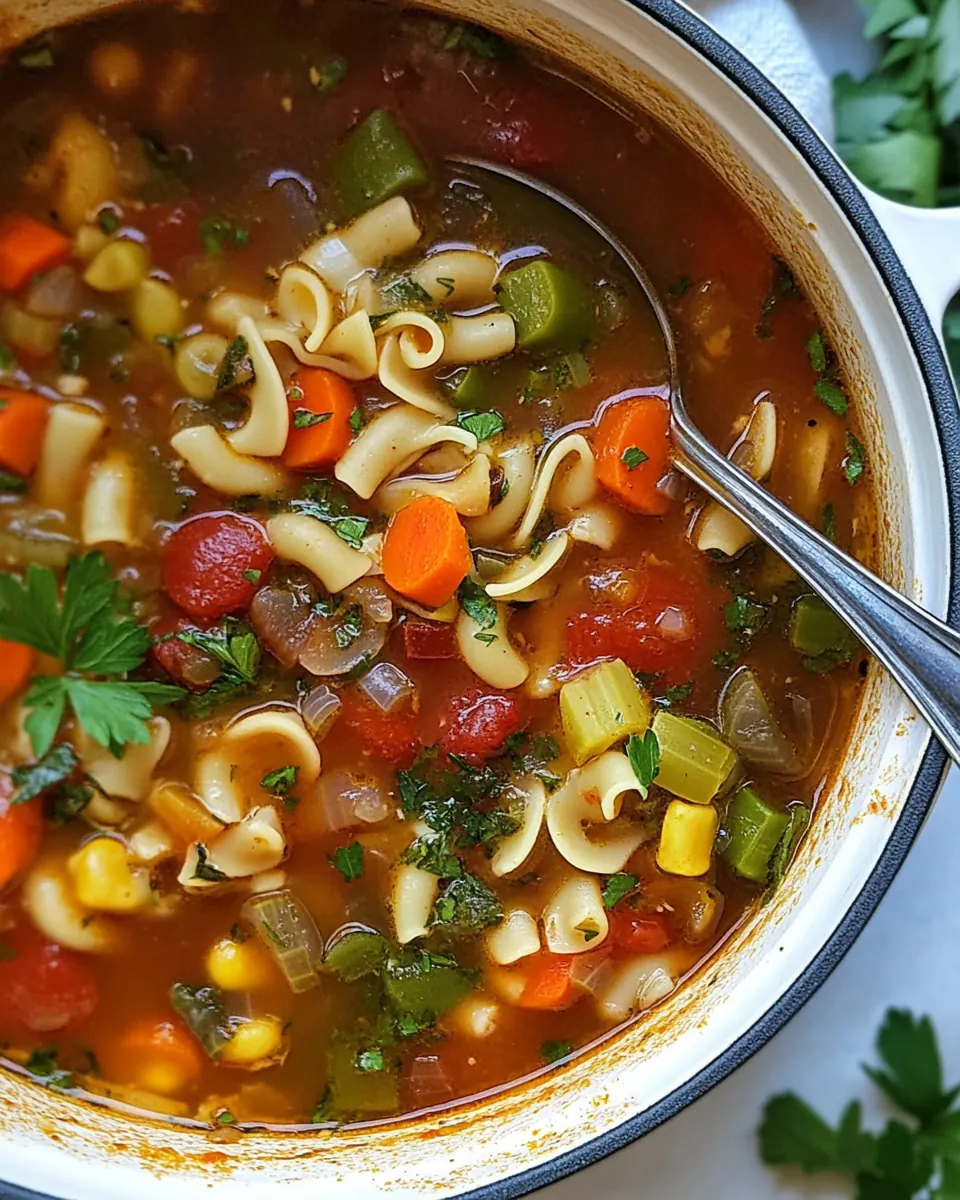
These ingredients are the backbone of a balanced, soulful soup. The philosophy here is simple, sensible layering. Sturdy vegetable or stock provides a savory canvas, aromatic onion, leek, garlic and herbs build fragrance, and beans plus pasta add comforting heft. Each player contributes texture or depth, and together they turn humble pantry items into a crowd pleasing bowl.
- 8 cups vegetable stock or chicken stock, or water: Provide the cooking liquid and base flavor, determining soup depth; choose vegetable stock for vegetarian versions, chicken stock for richer flavor, or use water to let other ingredients dominate. Adjust seasoning based on stock saltiness and simmer to meld flavors throughout the soup.
- 8 oz dried white beans: Soak or simmer until tender to add hearty texture and protein; dried white beans contribute creaminess and body after long cooking and help make the soup more filling. Rinse and pick through before cooking, and consider pre-soaking or quick-cooking to ensure even doneness.
- 2 tablespoon olive oil: Saute in the beginning to develop savory foundation and add healthy fats; olive oil helps soften aromatics without burning and enhances mouthfeel. Use moderate heat to gently sweat onions, carrots, celery, and leek to release their flavors into the broth.
- 1 medium onion chopped: Sweat to release natural sweetness and aromatic depth; chopped onion provides essential savory notes and a soft texture when cooked down. Cook until translucent to form the flavor base that balances the vegetables and tomatoes.
- 1 cup carrot peeled and chopped: Add natural sweetness, texture, and a slight earthiness; peeled and chopped carrots contribute color and bite while becoming tender during simmering. Cut uniformly so they cook at the same rate as other vegetables.
- 1 cup celery chopped: Provide crisp vegetal notes and aromatic celery flavor; chopped celery adds subtle bitterness and structure that complements sweeter vegetables. Include leaves when available and chop evenly for consistent texture.
- 1 leek washed and chopped (white part only): Offer mild onion-like flavor and subtle complexity; using only the white part concentrates the tender, sweet character and avoids tougher green fibers. Wash thoroughly to remove grit trapped between layers before chopping and sautéing.
- 3 cloves garlic minced: Impart pungent, savory depth and a fragrant aroma; minced garlic should be added later in sautéing to avoid bitterness from overcooking. Cook briefly until fragrant to boost overall umami of the soup.
- 1 tablespoon Italian parsley fresh, chopped: Bring fresh herbaceous brightness and a gentle peppery note; chopped Italian parsley adds freshness toward the end of cooking or as a garnish. Stir in near the end to preserve color and flavor.
- 1 tablespoon basil fresh, chopped: Contribute sweet, aromatic basil flavor that complements tomatoes and Mediterranean seasonings; chopped fresh basil brightens the soup when added near the finish. Tear or chop gently to avoid bruising and add for best aroma.
- 2 tablespoon tomato paste combined with 2 tablespoon water: Concentrate tomato flavor and thicken the broth when combined with water; tomato paste adds umami and a rich red color while blending smoothly into the soup. Cook briefly with aromatics to reduce raw acidity before adding other liquids.
- 2 15 oz cans diced tomatoes 1 drained, 1 un-drained: Supply body, acidity, and tomato texture; one drained and one undrained can balance liquid content while preserving tomato pieces. Choose good-quality canned tomatoes and stir into the simmering broth to integrate flavors.
- 1/4 small green cabbage chopped, about 1 cup: Add mild cabbage sweetness and bulk with a tender chew; chopped green cabbage contributes texture and soaks up broth flavors as it softens. Add early enough to become tender but avoid overcooking to retain some structure.
- 1 zucchini chopped: Introduce tender, slightly sweet summer squash texture and mild flavor; chopped zucchini cooks quickly and should be added later in the simmer to prevent becoming mushy. Cut uniformly and avoid overcooking to keep some bite.
- 1 1/2 tablespoon Kosher salt only if stock is unsalted. See NOTES.: Season the soup appropriately when stock is unsalted; Kosher salt enhances all flavors and should be adjusted to taste, keeping in mind canned tomatoes and cheese add sodium. Add gradually and taste during cooking to avoid over-salting.
- 1 teaspoon black pepper: Provide warm, earthy seasoning and subtle heat; ground black pepper lifts other flavors and adds aromatic bite. Grind fresh if possible and adjust to taste near the end of cooking to preserve its aroma.
- 1 cup pasta short pasta, such as ditalini, elbow, or small shells: Thicken and add satisfying carbohydrate content; short pasta such as ditalini, elbow, or small shells gives body and pleasant texture to each spoonful. Cook pasta separately or directly in soup depending on desired starchiness, and add near the end to avoid overcooking.
- Parmesan cheese grated, for garnish: Finish with salty, nutty umami and garnish contrast; grated Parmesan cheese enhances richness and provides a savory topping that complements vegetables and beans. Serve freshly grated so it melts slightly into hot soup for added flavor.
How to Make Classic Minestrone Soup
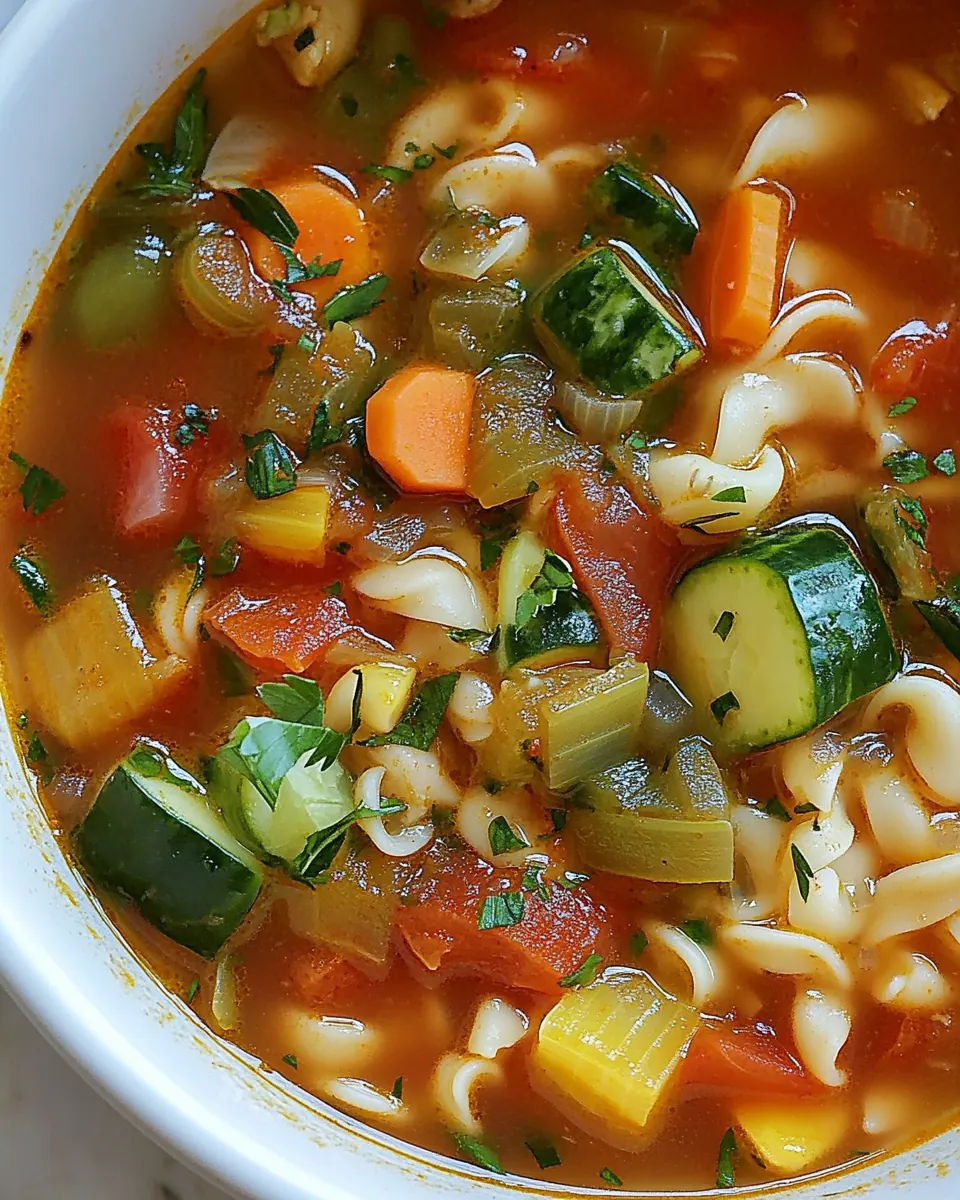
I like to walk through this recipe like a storyteller, slowing down at the moments that matter and trusting gentle heat to do the rest. These instructions translate the basic steps into sensory cues, so you know when the soup is headed in the right direction. Keep a wooden spoon and tasting spoon nearby, and be patient with every simmer.
- Prepare the vegetable stock. Can be done up to 3 days in advance. (click on link for recipe) 8 cups vegetable stock: The aroma of a well made vegetable stock is deep and earthy, like a muted garden note that underpins the whole soup. When simmering, watch for tiny bubbles rising steadily to the surface, not a rolling boil. A gentle simmer extracts flavor without clouding the liquid excessively, and if your stock becomes too reduced you can always add water to adjust. A common mistake is boiling vigorously which can make the stock cloudy and bitter, so maintain gentle heat and skim any foam that appears.
- Cover the beans with water in a bowl and let soak overnight. 8 oz dried white beans: Soaked beans will plump and feel slightly springy between your fingers, and this soaking softens their skins so they cook more evenly. Overnight soaking reduces cooking time and helps avoid digestibility issues for some people. If you forget to soak, there is a rapid soak method, but it is best to plan ahead for the most consistent texture. A trap is to soak too briefly, which leaves dense centers after cooking, so allow sufficient time.
- Drain the beans, rinse, place in a pot, and cover with a couple of inches of water. Add about 1 teaspoon of salt. Bring to a boil and then simmer for 1 hour, or until the beans are tender. Remove from heat, drain, and set aside.: As the beans simmer you will hear a soft bubbling and notice the water becoming silkier as starches leach out. Taste a bean after 45 minutes to check for tenderness, and simmer longer if needed. Overcooking will cause them to fall apart in the soup, so aim for tender but intact beans. If the pan evaporates too quickly, add more water to keep them covered, and avoid high heat which can cause uneven cooking.
- Heat the oil over medium heat in a large pot or Dutch oven. Add the onions, carrots, celery, and leek and sauté until starting to soften, about 15 minutes. 2 tablespoon olive oil, 1 medium onion, 1 cup carrots, 1 cup celery, 1 leek: When you sauté these aromatics in olive oil the kitchen fills with a sweet, toasty fragrance as sugars begin to bloom. The vegetables should become translucent and slightly glossy, with the onion and leek turning tender at the edges. Stir frequently so nothing sticks, and keep the heat at medium so you coax sweetness rather than burning. A common slip is rushing this step on high heat, which scorches the vegetables and introduces bitter notes.
- Stir in the garlic, parsley, and basil and cook for 1 minute. 3 cloves garlic, 1 tablespoon Italian parsley, 1 tablespoon basil: Adding minced garlic and fresh herbs releases a bright, green aroma that lifts the base, and cooking for about a minute softens the raw edge without browning. You will want just a whisper of sizzle and a fragrant waft in the air. Overcooking at this stage will make the garlic bitter, so watch closely and move to the next step as soon as the aroma turns sweet and warm.
- Add the paste (with water) and stir until the vegetables are coated, about another few minutes. 2 tablespoon tomato paste: When you incorporate the diluted tomato paste the mixture deepens in color and gains a concentrated savory note. The paste should cling to the vegetables and start to darken slightly, which removes the raw tomato tininess. This brief cooking time layers umami into the pot, and skipping it can leave a flat tomato taste in the final soup. Avoid adding cold liquid right away, which can shock the pan and prevent proper caramelization.
- Add the tomatoes (1 can undrained and 1 can drained). Stir in the cabbage, zucchini, vegetable stock (8 to 9 cups), salt, and pepper. Bring to a strong simmer and then lower the heat and simmer on low for 45 minutes. 2 15 oz cans diced tomatoes, 1/4 small green cabbage, 1 zucchini, 1 1/2 tablespoon Kosher salt, 1 teaspoon black pepper: Once the pot fills with tomatoes , shredded cabbage , and diced zucchini , you will see the surface break into gentle, rolling rings as the liquid reaches a strong simmer. Lowering to a gentle simmer after that allows flavors to meld while keeping vegetables intact. The broth will darken and smell rounded and balanced. Avoid boiling hard which can shred the vegetables and make the broth cloudy.
- Stir in the prepared beans and pasta and cook, stirring occasionally, until the pasta is soft and cooked. 1 cup pasta: As you add the pre cooked beans and dry pasta the pot will come back up to a simmer and release an invigorating, starchy steam. The pasta will swell and soften, and the broth will become slightly thicker from released starch. Stir occasionally to prevent the pasta from sticking to the bottom, and taste the pasta for doneness so it is tender but not mushy. A common error is overcooking, which makes the pasta break down and turn the soup gluey.
- Serve with grated Parmesan as garnish. Parmesan cheese: Finishing each bowl with a dusting of grated Parmesan cheese adds a savory pop and a melting creaminess that elevates the soup. Spoon into warmed bowls so the cheese softens on contact, and consider a final grind of black pepper . If you add the cheese too early it will melt completely into the pot and lose its finishing effect, so reserve it for serving.
Pro Tips and Tweaks
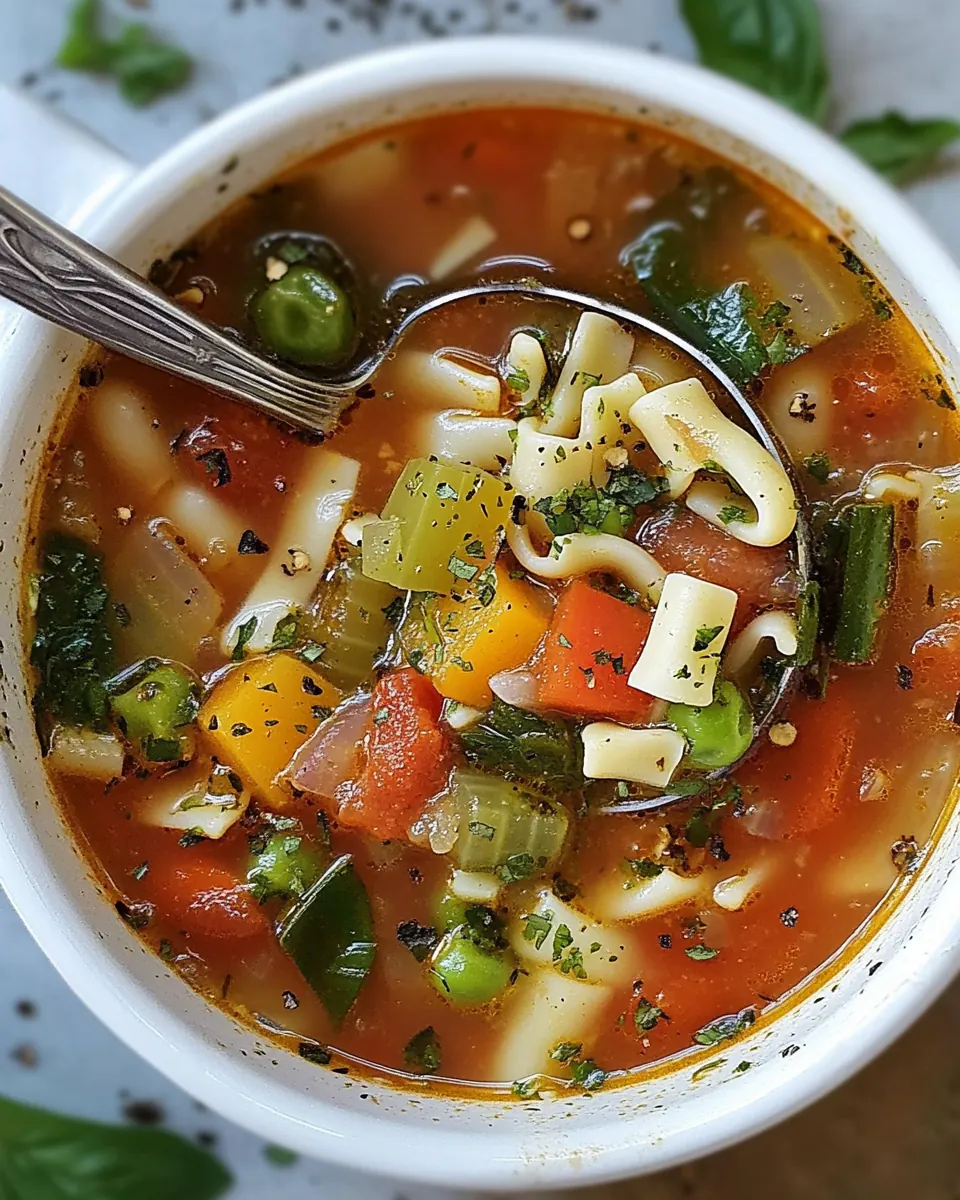
I like to treat this as a template rather than a strict script. The following tips expand on technique, timing, and small tweaks that yield a more balanced bowl. Read them, then pick two to try the next time you cook.
- Use quality stock: A good vegetable stock sets the foundation. If you have homemade stock, use it; if not, choose a low sodium store bought option so you can control salt. The stock choice changes the profile of the whole soup, so prioritize clarity of flavor over filler.
- Prep vegetables uniformly: Evenly sized pieces of carrot, celery, and zucchini cook at the same rate and keep texture consistent. This reduces the risk of some pieces overcooking while others remain too firm.
- Toast tomato paste: Briefly cooking the tomato paste deepens umami and removes raw acidity. Use a splash of water to deglaze and incorporate it fully into the vegetables before adding stock and tomatoes.
- Cook pasta separately for make ahead: If you plan to store leftovers, cook the pasta separately and add to individual bowls when serving. This prevents soggy leftovers and keeps the soup texture pleasing over several days.
- Finish with fresh herbs and cheese: A sprinkle of fresh parsley, basil, and grated Parmesan cheese brightens and personalizes each bowl right before serving. Herbs added too early will lose their vibrancy.
Perfect Matches for Classic Minestrone Soup
This soup is versatile on the table. Think about pairing it with bright, textural complements and occasions where a big pot feeds many. Below are serving ideas, storage suggestions, and seasonal pairings to help you plan the perfect meal.
- Crusty bread: Serve with a warm crusty loaf or sliced baguette for dipping and sweeping up broth, making each bowl feel more substantial without extra work.
- Simple green salad: A crisp salad with a light vinaigrette contrasts the warm soup and adds fresh crunch to the plate, ideal for lunch or a light dinner.
- Occasions: Great for weeknight dinners, casual gatherings, or a cozy winter lunch. It also works well during Ramadan and other communal meals where a hearty, shareable dish is welcome.
- Storage tips: Refrigerate covered for up to 5 to 7 days, or freeze for 2 to 3 months. Reheat gently on the stove to preserve texture. If frozen with pasta, expect some change in pasta texture upon thawing.
- Seasonal pairings: In winter use robust root vegetables and hearty greens, while in summer you can emphasize zucchini and fresh herbs for a lighter profile.
FAQ
Conclusion
Classic Minestrone Soup stands out because it turns pantry staples into a deeply satisfying, vegetable forward bowl that warms from the inside out. The slow simmer and layering of aromatics, tomatoes, beans, and small pasta produce a balanced broth full of texture and heart. I encourage you to try this recipe on a day when you can let it bubble slowly; serve it with a sprinkling of grated Parmesan and a simple side of crusty bread. It’s an honest, flexible soup that rewards patience and tastes even better the next day.
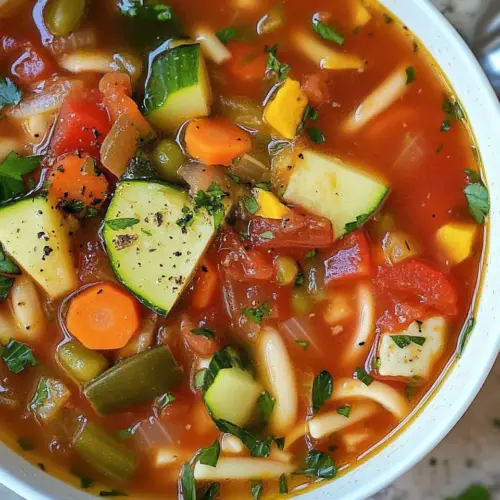
Classic Minestrone Soup
Equipment
- Large Pot or Dutch Oven
Ingredients
- 8 cups vegetable stock or chicken stock, or water Provide the cooking liquid and base flavor, determining soup depth; choose vegetable stock for vegetarian versions, chicken stock for richer flavor, or use water to let other ingredients dominate. Adjust seasoning based on stock saltiness and simmer to meld flavors throughout the soup.
- 8 oz dried white beans Soak or simmer until tender to add hearty texture and protein; dried white beans contribute creaminess and body after long cooking and help make the soup more filling. Rinse and pick through before cooking, and consider pre-soaking or quick-cooking to ensure even doneness.
- 2 tablespoon olive oil Saute in the beginning to develop savory foundation and add healthy fats; olive oil helps soften aromatics without burning and enhances mouthfeel. Use moderate heat to gently sweat onions, carrots, celery, and leek to release their flavors into the broth.
- 1 medium onion chopped Sweat to release natural sweetness and aromatic depth; chopped onion provides essential savory notes and a soft texture when cooked down. Cook until translucent to form the flavor base that balances the vegetables and tomatoes.
- 1 cup carrot peeled and chopped Add natural sweetness, texture, and a slight earthiness; peeled and chopped carrots contribute color and bite while becoming tender during simmering. Cut uniformly so they cook at the same rate as other vegetables.
- 1 cup celery chopped Provide crisp vegetal notes and aromatic celery flavor; chopped celery adds subtle bitterness and structure that complements sweeter vegetables. Include leaves when available and chop evenly for consistent texture.
- 1 leek washed and chopped (white part only) Offer mild onion-like flavor and subtle complexity; using only the white part concentrates the tender, sweet character and avoids tougher green fibers. Wash thoroughly to remove grit trapped between layers before chopping and sautéing.
- 3 cloves garlic minced Impart pungent, savory depth and a fragrant aroma; minced garlic should be added later in sautéing to avoid bitterness from overcooking. Cook briefly until fragrant to boost overall umami of the soup.
- 1 tablespoon Italian parsley fresh, chopped Bring fresh herbaceous brightness and a gentle peppery note; chopped Italian parsley adds freshness toward the end of cooking or as a garnish. Stir in near the end to preserve color and flavor.
- 1 tablespoon basil fresh, chopped Contribute sweet, aromatic basil flavor that complements tomatoes and Mediterranean seasonings; chopped fresh basil brightens the soup when added near the finish. Tear or chop gently to avoid bruising and add for best aroma.
- 2 tablespoon tomato paste combined with 2 tablespoon water Concentrate tomato flavor and thicken the broth when combined with water; tomato paste adds umami and a rich red color while blending smoothly into the soup. Cook briefly with aromatics to reduce raw acidity before adding other liquids.
- 2 15 oz cans diced tomatoes 1 drained, 1 un-drained Supply body, acidity, and tomato texture; one drained and one undrained can balance liquid content while preserving tomato pieces. Choose good-quality canned tomatoes and stir into the simmering broth to integrate flavors.
- 1/4 small green cabbage chopped, about 1 cup Add mild cabbage sweetness and bulk with a tender chew; chopped green cabbage contributes texture and soaks up broth flavors as it softens. Add early enough to become tender but avoid overcooking to retain some structure.
- 1 zucchini chopped Introduce tender, slightly sweet summer squash texture and mild flavor; chopped zucchini cooks quickly and should be added later in the simmer to prevent becoming mushy. Cut uniformly and avoid overcooking to keep some bite.
- 1 1/2 tablespoon Kosher salt only if stock is unsalted. See NOTES. Season the soup appropriately when stock is unsalted; Kosher salt enhances all flavors and should be adjusted to taste, keeping in mind canned tomatoes and cheese add sodium. Add gradually and taste during cooking to avoid over-salting.
- 1 teaspoon black pepper Provide warm, earthy seasoning and subtle heat; ground black pepper lifts other flavors and adds aromatic bite. Grind fresh if possible and adjust to taste near the end of cooking to preserve its aroma.
- 1 cup pasta short pasta, such as ditalini, elbow, or small shells Thicken and add satisfying carbohydrate content; short pasta such as ditalini, elbow, or small shells gives body and pleasant texture to each spoonful. Cook pasta separately or directly in soup depending on desired starchiness, and add near the end to avoid overcooking.
- Parmesan cheese grated, for garnish Finish with salty, nutty umami and garnish contrast; grated Parmesan cheese enhances richness and provides a savory topping that complements vegetables and beans. Serve freshly grated so it melts slightly into hot soup for added flavor.
Instructions
- Prepare the vegetable stock. Can be done up to 3 days in advance. (click on link for recipe) 8 cups vegetable stock: The aroma of a well made vegetable stock is deep and earthy, like a muted garden note that underpins the whole soup. When simmering, watch for tiny bubbles rising steadily to the surface, not a rolling boil. A gentle simmer extracts flavor without clouding the liquid excessively, and if your stock becomes too reduced you can always add water to adjust. A common mistake is boiling vigorously which can make the stock cloudy and bitter, so maintain gentle heat and skim any foam that appears.
- Cover the beans with water in a bowl and let soak overnight. 8 oz dried white beans: Soaked beans will plump and feel slightly springy between your fingers, and this soaking softens their skins so they cook more evenly. Overnight soaking reduces cooking time and helps avoid digestibility issues for some people. If you forget to soak, there is a rapid soak method, but it is best to plan ahead for the most consistent texture. A trap is to soak too briefly, which leaves dense centers after cooking, so allow sufficient time.
- Drain the beans, rinse, place in a pot, and cover with a couple of inches of water. Add about 1 teaspoon of salt. Bring to a boil and then simmer for 1 hour, or until the beans are tender. Remove from heat, drain, and set aside.: As the beans simmer you will hear a soft bubbling and notice the water becoming silkier as starches leach out. Taste a bean after 45 minutes to check for tenderness, and simmer longer if needed. Overcooking will cause them to fall apart in the soup, so aim for tender but intact beans. If the pan evaporates too quickly, add more water to keep them covered, and avoid high heat which can cause uneven cooking.
- Heat the oil over medium heat in a large pot or Dutch oven. Add the onions, carrots, celery, and leek and sauté until starting to soften, about 15 minutes. 2 tablespoon olive oil, 1 medium onion, 1 cup carrots, 1 cup celery, 1 leek: When you sauté these aromatics in olive oil the kitchen fills with a sweet, toasty fragrance as sugars begin to bloom. The vegetables should become translucent and slightly glossy, with the onion and leek turning tender at the edges. Stir frequently so nothing sticks, and keep the heat at medium so you coax sweetness rather than burning. A common slip is rushing this step on high heat, which scorches the vegetables and introduces bitter notes.
- Stir in the garlic, parsley, and basil and cook for 1 minute. 3 cloves garlic, 1 tablespoon Italian parsley, 1 tablespoon basil: Adding minced garlic and fresh herbs releases a bright, green aroma that lifts the base, and cooking for about a minute softens the raw edge without browning. You will want just a whisper of sizzle and a fragrant waft in the air. Overcooking at this stage will make the garlic bitter, so watch closely and move to the next step as soon as the aroma turns sweet and warm.
- Add the paste (with water) and stir until the vegetables are coated, about another few minutes. 2 tablespoon tomato paste: When you incorporate the diluted tomato paste the mixture deepens in color and gains a concentrated savory note. The paste should cling to the vegetables and start to darken slightly, which removes the raw tomato tininess. This brief cooking time layers umami into the pot, and skipping it can leave a flat tomato taste in the final soup. Avoid adding cold liquid right away, which can shock the pan and prevent proper caramelization.
- Add the tomatoes (1 can undrained and 1 can drained). Stir in the cabbage, zucchini, vegetable stock (8 to 9 cups), salt, and pepper. Bring to a strong simmer and then lower the heat and simmer on low for 45 minutes. 2 15 oz cans diced tomatoes, 1/4 small green cabbage, 1 zucchini, 1 1/2 tablespoon Kosher salt, 1 teaspoon black pepper: Once the pot fills with tomatoes , shredded cabbage , and diced zucchini , you will see the surface break into gentle, rolling rings as the liquid reaches a strong simmer. Lowering to a gentle simmer after that allows flavors to meld while keeping vegetables intact. The broth will darken and smell rounded and balanced. Avoid boiling hard which can shred the vegetables and make the broth cloudy.
- Stir in the prepared beans and pasta and cook, stirring occasionally, until the pasta is soft and cooked. 1 cup pasta: As you add the pre cooked beans and dry pasta the pot will come back up to a simmer and release an invigorating, starchy steam. The pasta will swell and soften, and the broth will become slightly thicker from released starch. Stir occasionally to prevent the pasta from sticking to the bottom, and taste the pasta for doneness so it is tender but not mushy. A common error is overcooking, which makes the pasta break down and turn the soup gluey.
- Serve with grated Parmesan as garnish. Parmesan cheese: Finishing each bowl with a dusting of grated Parmesan cheese adds a savory pop and a melting creaminess that elevates the soup. Spoon into warmed bowls so the cheese softens on contact, and consider a final grind of black pepper . If you add the cheese too early it will melt completely into the pot and lose its finishing effect, so reserve it for serving.
Notes
- Use quality stock: A good vegetable stock sets the foundation. If you have homemade stock, use it; if not, choose a low sodium store bought option so you can control salt. The stock choice changes the profile of the whole soup, so prioritize clarity of flavor over filler.
- Prep vegetables uniformly: Evenly sized pieces of carrot, celery, and zucchini cook at the same rate and keep texture consistent. This reduces the risk of some pieces overcooking while others remain too firm.
- Toast tomato paste: Briefly cooking the tomato paste deepens umami and removes raw acidity. Use a splash of water to deglaze and incorporate it fully into the vegetables before adding stock and tomatoes.
- Cook pasta separately for make ahead: If you plan to store leftovers, cook the pasta separately and add to individual bowls when serving. This prevents soggy leftovers and keeps the soup texture pleasing over several days.
- Finish with fresh herbs and cheese: A sprinkle of fresh parsley, basil, and grated Parmesan cheese brightens and personalizes each bowl right before serving. Herbs added too early will lose their vibrancy.
